Solution topic
How to Choose Bottle and Jar Sealing: Direct Lid Heat Seal, Die-Cut Film, Induction Liner or Capping
Separate direct lid-film heat sealing, on-machine die-cut placement, capped induction foil liners and screw capping by rim and closure, then validate contamination, materials, insp
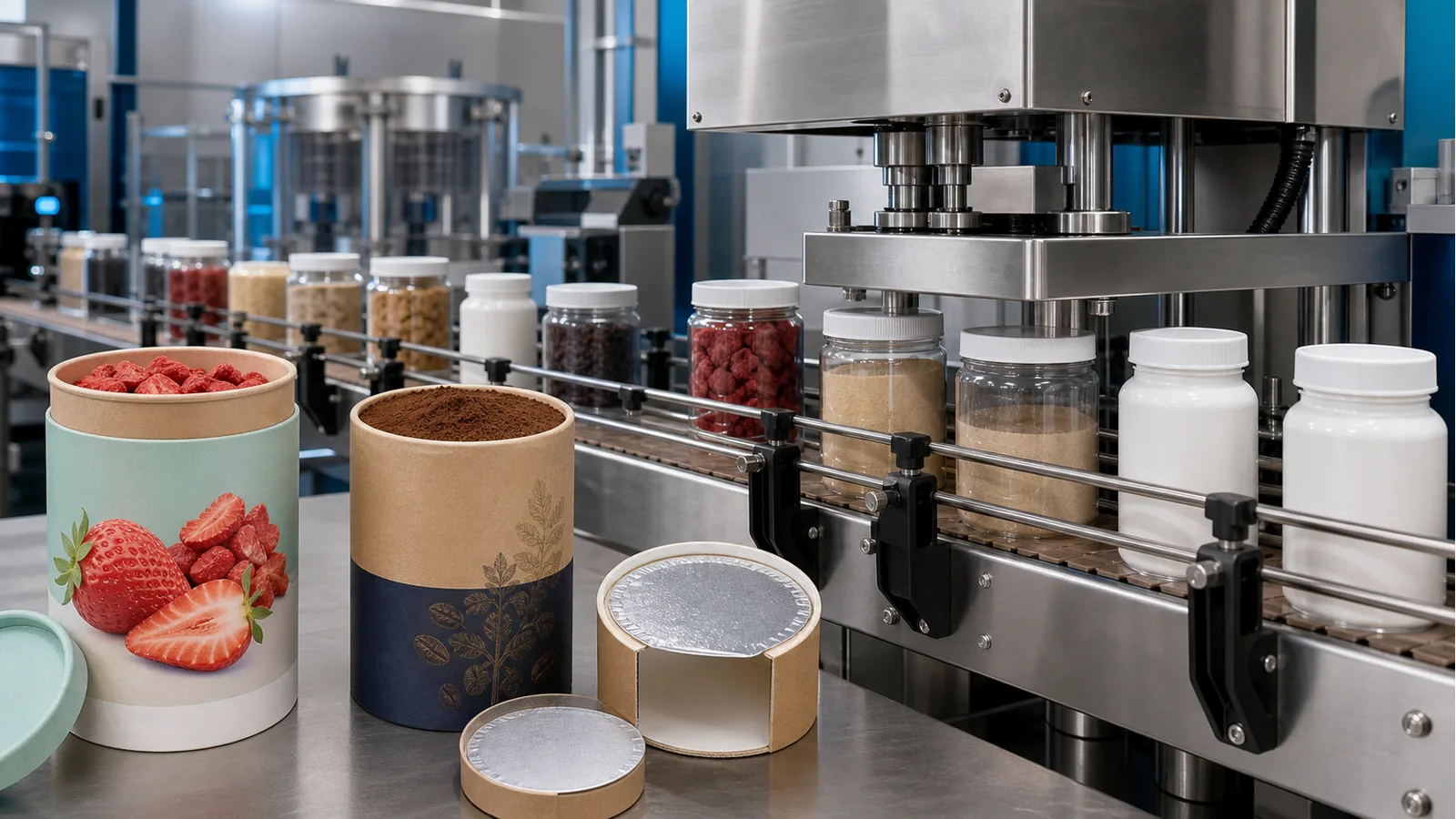
- Container rim, film, or cap liner determines the sealing principle: bottle, pail, and can heat sealing, inline bottle heat sealing, reagent tube aluminum foil, and induction sealing should be sampled separately; similar mouth diameter does not mean interchangeability.
Solution summary prepared for you
- For bottles, pails, cans, and reagent tubes, first distinguish direct heat sealing, inline heat sealing, dedicated aluminum foil, and induction inner sealing by rim, film, and cap liner.
- Induction aluminum foil sealing requires complete cap and liner to complete cap feeding, placing, and tightening; ordinary heat sealing film cannot replace cap liner.
- Post-sealing labels, batch codes, and collaborative vision checkweighing are configured with official layouts and defect samples, not as fixed components of the sealing main unit.
Route comparison
- For projects where formal film directly contacts bottle, pail, or can mouths, and benchtop, floor-standing, or continuous inline heat sealing is required.
- The bottle, pail, and can sealing machine and the inline bottle heat sealing machine can produce sealed samples according to container support and production method.
- Rim flatness, film layer, filling contamination, and container stress all change results; equipment scope must be confirmed for each specification.
- When packaging uses a cap inner aluminum foil liner and the process requires induction after capping, switch to the corresponding inner sealing route.
- The bottle, pail, and can sealing machine is configured by film sample and rim; for continuous bottle operations, use the inline bottle heat sealing machine to verify positioning and interfaces.
- For packaging where reagent tube mouths and aluminum foil material require dedicated clamping, positioning, and sealing verification.
- The reagent tube aluminum foil sealing machine can independently create finished sample tubes for small tube bodies, tube mouths, and foil positions.
- Tube rigidity, clamping, foil shape, and post-filling rim condition must be verified with real sample tubes.
- When the container is not a reagent tube or the actual process uses cap liner induction, do not apply this main machine just because the mouth diameter is small.
- The reagent tube aluminum foil sealing machine uses formal tube samples, aluminum foil, and content conditions for trial sealing; clamping and applicable range are confirmed by samples.
- For bottle and can packaging where the outer cap contains a matching aluminum foil liner and requires cap supply and tightening before induction sealing.
- Cap unscrambling and placing, automatic screw capping, and induction inner sealing can be verified in stages to distinguish cap issues from sealing issues.
- Batch cap condition, liner orientation, bottle mouth material, closing pressure, and conveying posture all require complete sample sets.
- When there is no cap inner aluminum foil liner or the liner and bottle mouth combination has not passed compatibility testing, do not use the induction route.
- The cap unscrambling and placing system runs with the entire batch of cap samples; the automatic screw capper produces qualified capped sample bottles; then the induction foil sealing machine trial seals.
- For downstream stages where sealed products require bottle body labels, variable batch numbers, and agreed weight or visible defect rechecking.
- Labeling, coding, and inspection use their own formal samples and can be adjusted independently without mixing into sealing principle judgment.
- Label surface, character area, inspection items, abnormal samples, and cooperative supply scope must be specified before line integration.
- When packaging does not require corresponding identification or no inspection object is defined, that station can be removed while retaining finished product sampling.
- The round and square bottle labeling machine uses formal labels for trial labeling; the collaborative date and batch coding machine trial prints; the collaborative inline checkweigher and visual inspection system is configured according...
Associated Equipment / Consumables
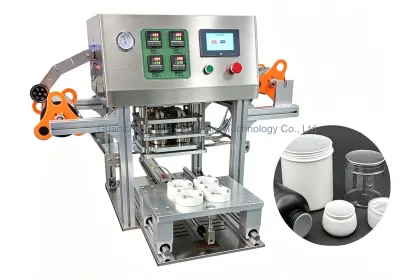 Bottle, Pail, Can Sealing Machine
Bottle, Pail, Can Sealing Machine is configured for Bottle, pail, can mouth sealing on Plastic pails, wide-mouth pails, food pails, paint pails.
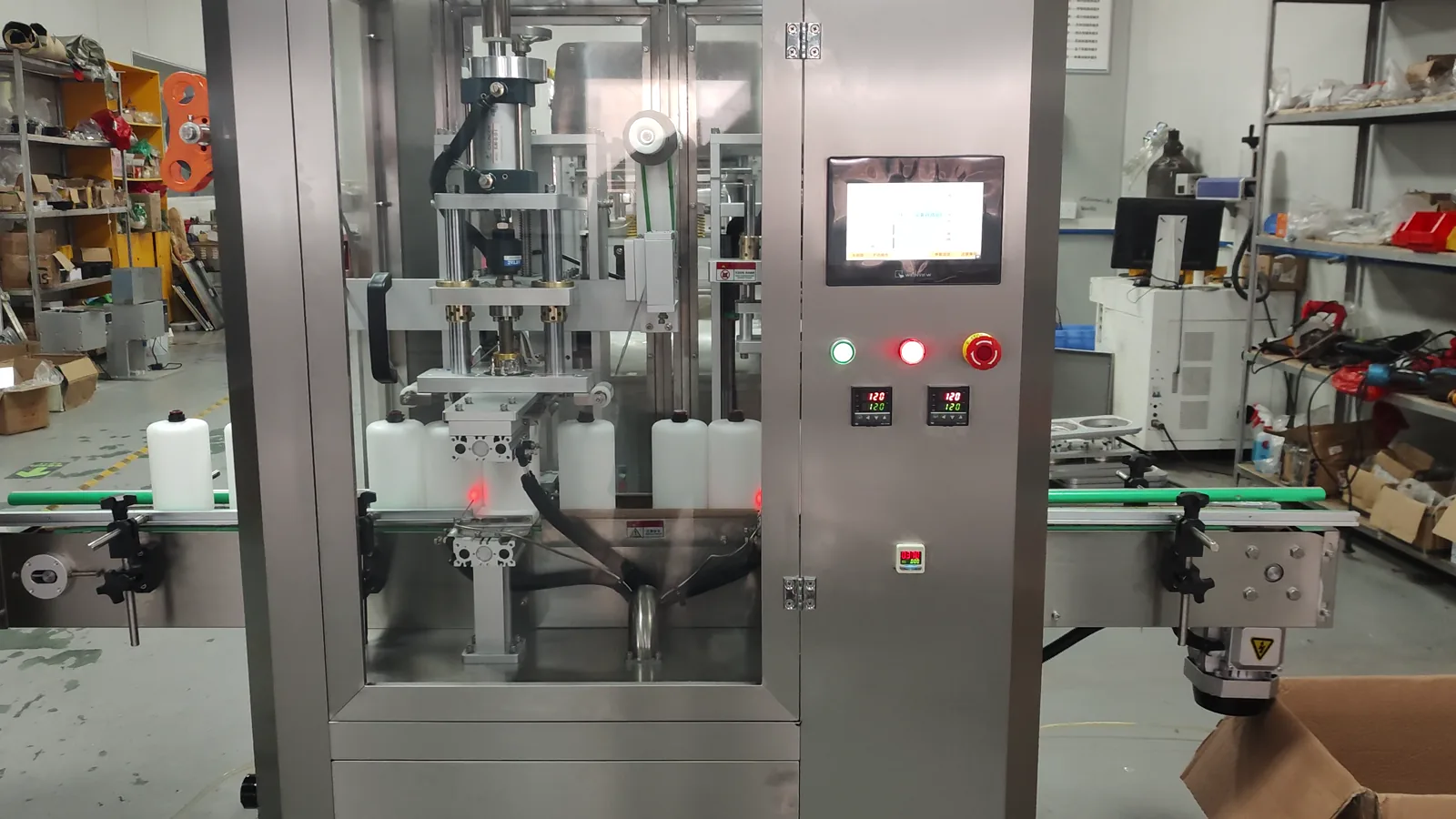 Automatic Die-Cut Lid Film Bottle and Jar Heat Sealer
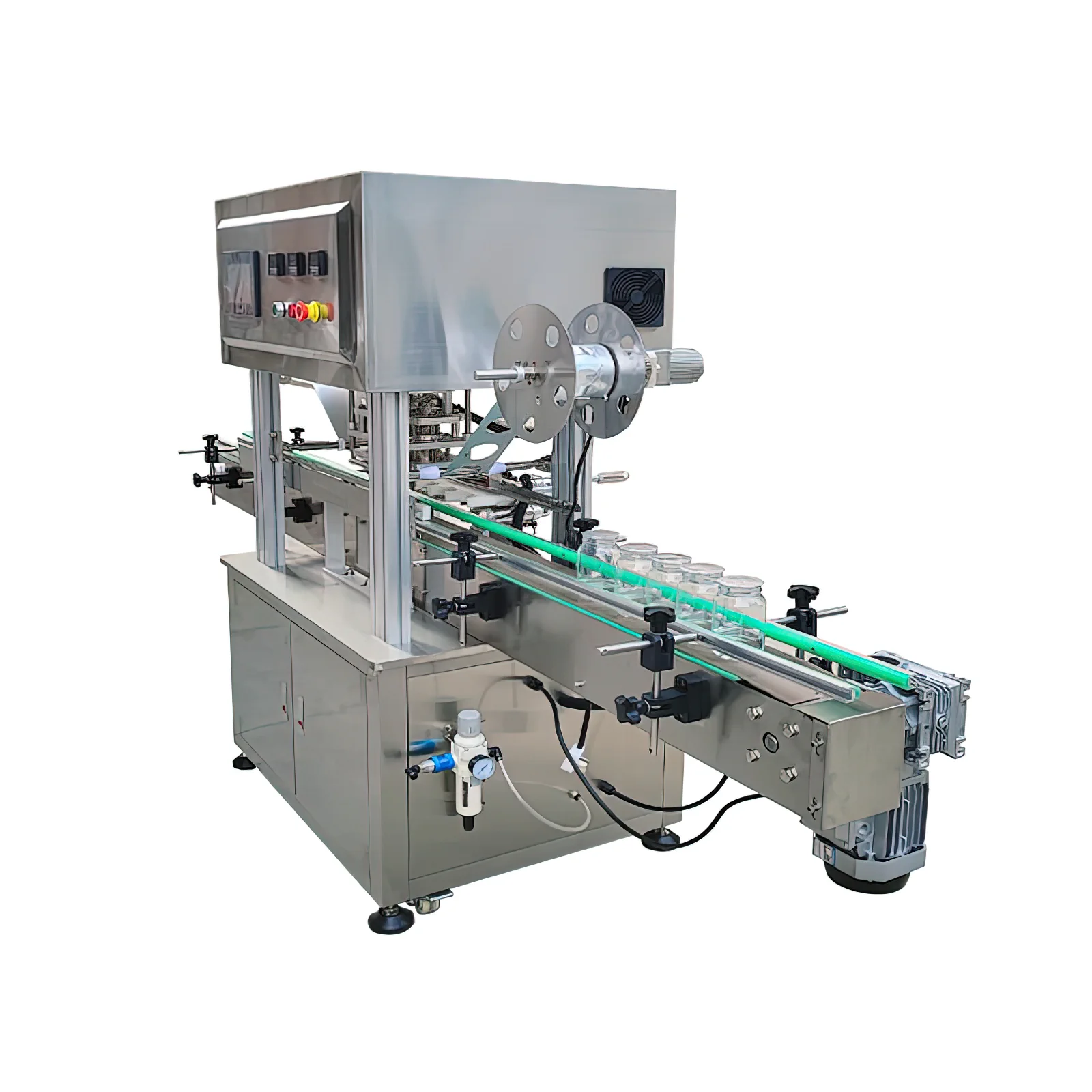 Inline Heat-Press Bottle Sealing Machine
Container rim and clamping reference; Rim flatness, material, rigidity, and container support change heat sealing, foil positioning, and continuous conveying; record each main...
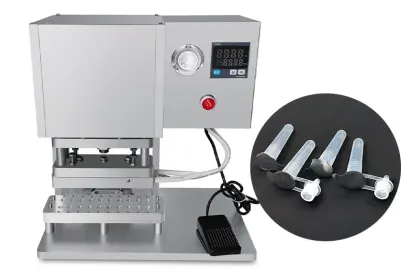 Reagent Tube Aluminum Foil Sealer
Container rim and clamping reference; Rim flatness, material, rigidity, and container support change heat sealing, foil positioning, and continuous conveying; record each main specif...
Core process
Direct heat sealing can be bench, standard inline, or inline die-cut film pick-and-place. The last die-cuts roll film into lids for heat sealing on positioned bottle or jar rims. Cap-liner induction is separate.
Sample details
These samples are used to judge heat sealing contact surface, reagent tube clamping, induction bottle mouth conditions, and changeover positioning.
Please provide bottles, pails, cans, or reagent tubes, indicating rim dimensions, material, flatness, container support, and conveying posture.Film and liner correspond to different sealing principles; must be tested as a set with respective containers and assembly direction.
Please prepare direct heat sealing film, cap aluminum foil liner, outer cap, and complete packaging combination after closing.Rim contamination after filling, container stress, and internal pressure change formal sealing samples; should be included in testing.
Please specify contents, temperature, whether they easily fall on the rim, and cleaning and waiting state before sealing.Inline heat sealing or induction sealing requires stable bottle spacing and positioning, and coordination with stop, abnormal removal, and recovery processes.
Please provide height, direction, production arrangement, and control signals for filling, cap feeding, screw capping, conveying, and downstream equipment.Each judgment item corresponds to different samples; collaborative inspection scope and sealing-specific results are recorded separately.
Please prepare qualified and abnormal sealing samples, and explain inspection methods for appearance, leakage, weight, labels, and visible defects.Common selection mistakes
Direct heat sealing relies on film-to-rim contact; induction route relies on cap liner and bottle mouth combination; samples and actions differ.
The outer cap handles liner positioning and compression; providing only aluminum foil cannot reflect cap feeding, tightening, and formal sealing state.
Bottles, pails, and cans of the same capacity may have different rims, supports, and film/cap combinations; sealing equipment should be based on the opening.
Residue, temperature, and container stress change sealing; use actual filled rim state to make samples.
When upstream bottle spacing, cap closing state, and downstream transfer are unclear, inline heat sealing or induction main unit cannot form reliable line conditions.
View detailed technical notes
First classify containers by sealing principle
Bottles, pails, cans, and reagent tubes cannot be classified only by capacity; the rim, direct film material, cap liner, and closing sequence determine the heat sealing or induction route.
Film material and liner cannot replace each other
Direct heat-sealing film and cap inner aluminum foil liner serve different tasks; each must retain its own heat-seal layer, orientation, cap, and container combination.
Direct heat sealing bonds a compatible lidding seal layer to the container rim. An inline bottle and jar sealer is configured around support, guides, pitch and upstream/downstream interfaces. A die-cut model also needs trials of film cutting, release and placement. Timing screws, star wheels and locating carriers are different positioning choices; select from samples rather than treating every inline sealer as interchangeable.
The reagent tube aluminum foil sealing machine establishes a dedicated station around formal tube samples, tube mouth, aluminum foil position, and clamping method. Similar tube dimensions do not mean ordinary bottle mouth equipment can be used; filling state, tube rigidity, and post-sealing appearance must be verified with the same batch of sample tubes. This route is separate from cap liner induction sealing to avoid mixing the two aluminum foil applications.
The induction foil sealing machine handles packaging that has already been capped with a compatible cap liner. The cap unscrambling and placing system first tests the orientation and supply of the entire batch of caps; the automatic screw capper then produces qualified capped sample bottles. After the liner, bottle mouth material, and closure state pass complete testing, induction sealing proceeds; labeling and inspection are not fixed configurations of the main machine.
Check outer-cap fit after foil sealing
A container that accepts a membrane seal may still have insufficient clearance for its original outer lid. Check the rim, lid interior, film or trimmed-edge projection and the completed capped pack. If there is interference, assess the particular container, film and process rather than declaring a whole bucket type unsealable. Confirm conveyor height, spacing, stop buffers and reject handling before integration.
Reagent tubes use same-batch tube and foil samples for retention
Each main reagent tube's matching foil material and filling state, pre-sealing positioning, post-sealing appearance, and handling samples are recorded under the same number.
Early information is only for initial routing
Rim photos, cap liner structure, and film material descriptions can initially determine the heat sealing, reagent tube aluminum foil, or induction direction; final results are still confirmed by physical trial sealing.
Sealing identification and inspection are accepted separately
Sealed samples, label layouts, collaborative coding characters, and collaborative inspection defects each have their own records; any downstream result cannot replace the dedicated sealing judgment.
Common questions
Should the bottle mouth use heat sealing or induction sealing?
Film material applied directly to the rim usually enters heat sealing evaluation; when the cap already has a matching aluminum foil liner and is closed, evaluate the induction route.
Can reagent tubes use ordinary bottle mouth equipment?
Cannot judge by mouth diameter alone. For reagent tube aluminum foil sealing machines, use official tube samples, aluminum foil, and finished product requirements to verify clamping, foil position, and sealing.
Can pails and cans be connected to inline heat sealing?
Need to first verify pail/can load, rim, positioning, and front/back rhythm. If they match, evaluate the bottle/pail/can sealing machine or the corresponding inline heat sealing branch.
Can equipment be determined with only container samples?
Can first judge container support and sealing principle; when heat sealing film or cap liner is not yet provided, sealing conditions and finished results still cannot be finalized.
Why confirm screw capping before induction sealing?
The cap handles liner positioning and compression; cap feeding direction, bottle mouth fit, and closed state must form qualified samples before induction trial sealing.
How to arrange finished product review after sealing?
Heat sealing or induction results are checked according to agreed appearance and leak methods; weight, labels, and visible defects are verified with corresponding samples and stations.