Solution topic
How to Choose Coffee Powder Can Filling, Foil Sealing and Labeling? Start With Can Type and Freshness Needs
For coffee powder can filling, first check can type, mouth diameter, powder flowability, whether nitrogen flushing is needed, and the foil sealing method. You can choose quantitative filling, heat-press aluminum foil sealing, induction sealing, or capping. Sample photos, dimensions, and target output help match equipment.
- Coffee powder canning should not be judged by the filling machine alone. First confirm can type, mouth diameter, powder flowability, whether nitrogen flushing is needed, the foil sealing method, and label position, then decide the filling, sealing, and labeling route.
- Coffee Powder Can Filling, Foil Sealing and Labeling Selection
Start With the Current Production Conditions
I want to pack coffee powder into cans, with filling, aluminum foil sealing, and labeling. How should I choose the equipment?
First determine the packaging route
A coffee powder canning project should not be selected by the filling machine alone. First confirm the can type, mouth diameter, powder flowability, whether nitrogen flushing is needed, the aluminum foil sealing method, and label position. Then decide the filling, sealing, and labeling route.
Coffee Powder Can Filling + Aluminum Foil Film Heat-press Sealing + Labeling
Suitable for quantitative filling of coffee powder into metal cans, paper cans, or plastic cans with flat rims, direct aluminum foil heat sealing, and downstream labeling. Advantage: aluminum foil heat sealing can support moisture and oxygen protection after sample testing confirms the seal. Limit: rim flatness and film compatibility affect sealing performance, so sample testing is needed. Not recommended when the can has threads or must be capped before induction sealing. Equipment direction: powder and granule filling machine for dosing, paper can or plastic pail foil film sealing and capping machine for heat sealing, and round or square bottle labeling machine for labeling.
Coffee Powder Can Filling + Aluminum Foil Liners Induction Sealing + Capping + Labeling
Suitable for plastic or glass jars where the cap already has an aluminum foil liner. After filling, the cap is tightened and the liner is sealed by induction. Advantage: induction sealing is non-contact, suits high-speed connected lines, and keeps a consistent capped appearance. Limit: cap liner material and jar mouth size must be confirmed, and induction performance is affected by mouth diameter and material. Not recommended when the container mouth is metal or the cap has no foil liner. Equipment direction: powder and granule filling machine for filling, automatic capping machine for cap tightening, in-line induction foil sealer for sealing, and round or square bottle labeling machine for labeling.
Coffee Capsule Filling and Sealing Machine
Suitable for coffee capsules with aluminum or plastic shells, covering automatic cup loading, dose filling, film placement, heat sealing, and discharge. Advantage: filling and sealing are completed in one compact machine, suitable for standardized capsule production. Limit: capsule size and film need custom tooling, so changeover cost is higher. Not recommended when the package is a can rather than a capsule. Equipment direction: coffee capsule filling and sealing machine, with optional coding and checkweighing afterward.
Recommended equipment route: quantitative coffee powder filling
Suitable for coffee powder and similar powders. Screw dosing or weighing can be selected, and the tolerance range should be confirmed through sample testing.
Recommended equipment route: Aluminum foil sealing (heat sealing or induction)
Select according to can type and sealing method: heat sealing suits direct film sealing, while induction sealing suits aluminum foil liners.
Recommended equipment route: capping when required
Capping is needed before induction sealing so the aluminum foil liner is pressed firmly against the mouth.
Recommended equipment route: Labeling
Suitable for applying labels to round cans or square cans, either as a stand-alone machine or connected with the line.
Recommended equipment route: coding and inspection as options
Coding supports traceability, and checkweighing confirms that the filled weight is qualified.
Route comparison
- Suitable for quantitative coffee powder filling into metal cans, paper cans, or plastic cans with flat mouths, using aluminum foil film for direct heat-press sealing, followed by labeling.
- Aluminum foil heat-press sealing can provide good sealing when sample testing confirms compatibility, helping with moisture and oxygen protection for coffee powder.
- Can mouth flatness and film compatibility affect sealing results, so sample testing is needed.
- If the can mouth has threads or requires capping before induction sealing, direct heat-press sealing is not suitable.
- A powder and granule filling machine handles quantitative filling; a paper can/plastic pail aluminum foil sealing and capping machine handles heat-press sealing; a round/square bottle labeling machine handles labeling.
- Suitable for plastic or glass jars where the cap already contains an aluminum foil liner. After filling, the cap is tightened and induction sealing bonds the liner to the mouth.
- Induction sealing is non-contact, suitable for high-speed connected lines, and keeps the appearance consistent after capping.
- The material of the aluminum foil liner inside the cap and the can mouth size must be confirmed. Induction effect is affected by mouth diameter and material.
- If the can mouth is metal or the cap has no aluminum foil liner, induction sealing is not suitable.
- A powder and granule filling machine fills the powder, an automatic capping machine tightens the cap, an in-line induction foil sealer completes induction sealing, and a round/square bottle labeling machine applies labels.
- Suitable for coffee capsules with aluminum or plastic shells, covering automatic cup loading, dose filling, film placement, heat sealing, and discharge.
- One machine completes filling and sealing, uses little floor space, and is suitable for standardized coffee capsule production.
- Capsule size and lidding film require custom tooling, so changeover cost is relatively high.
- If the package is a can rather than a capsule, a capsule filling and sealing machine is not the right route.
- A coffee capsule filling and sealing machine handles filling and sealing, with optional coding and checkweighing after it.
Core process
Associated Equipment / Consumables
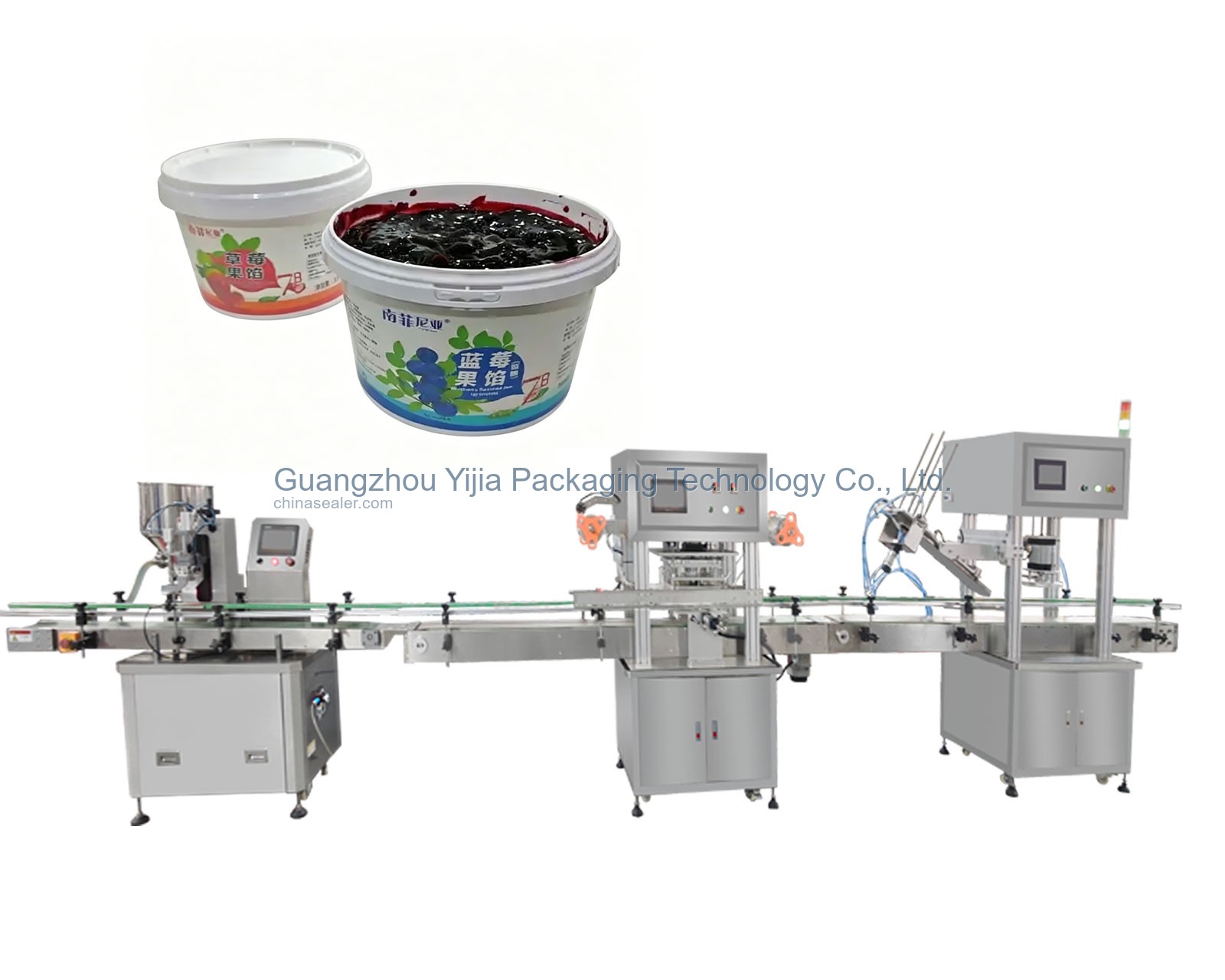 Paper Can / Plastic Pail Aluminum Foil Sealing and Capping Machine
Quantitative coffee powder filling; Suitable for coffee powder and similar powders. Screw dosing or weighing can be selected, and the tolerance range...
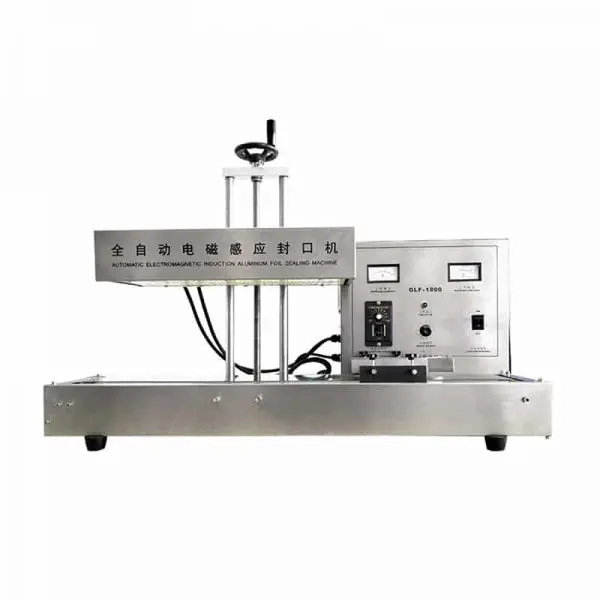 Benchtop Air-Cooled Induction Aluminum Foil Sealer
Aluminum foil sealing (heat sealing or induction); Select according to can type and sealing method: heat sealing suits direct film sealing, while induction sealing s...
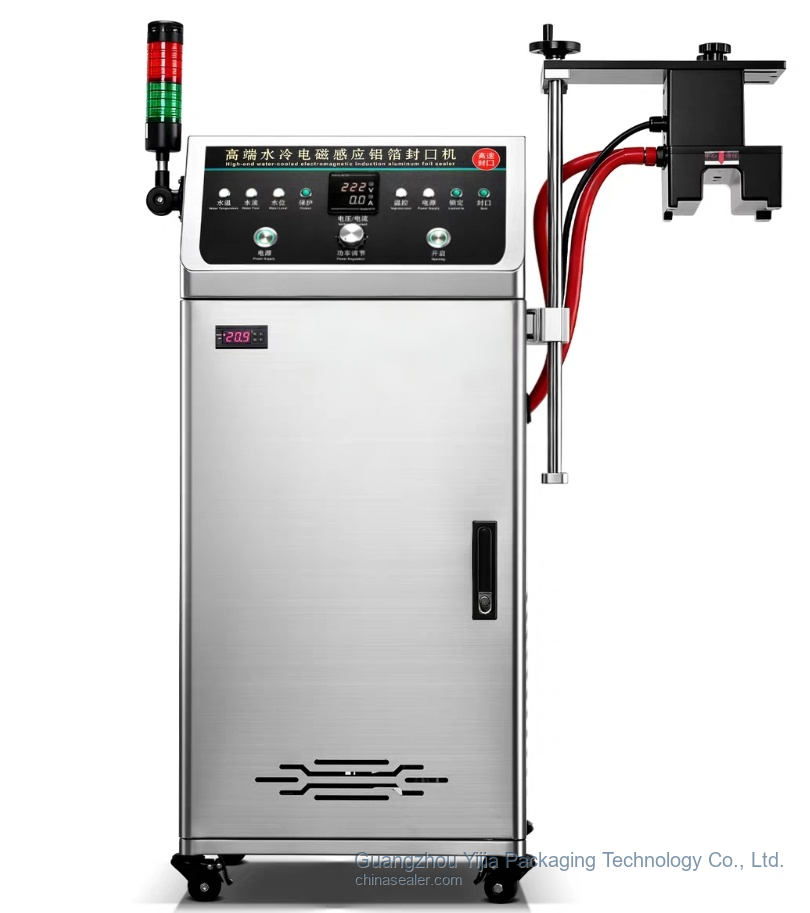 Induction Aluminum Foil Sealing Machine
Aluminum foil sealing (heat sealing or induction); Select according to can type and sealing method: heat sealing suits direct film sealing, while induction sealing suits alumin...
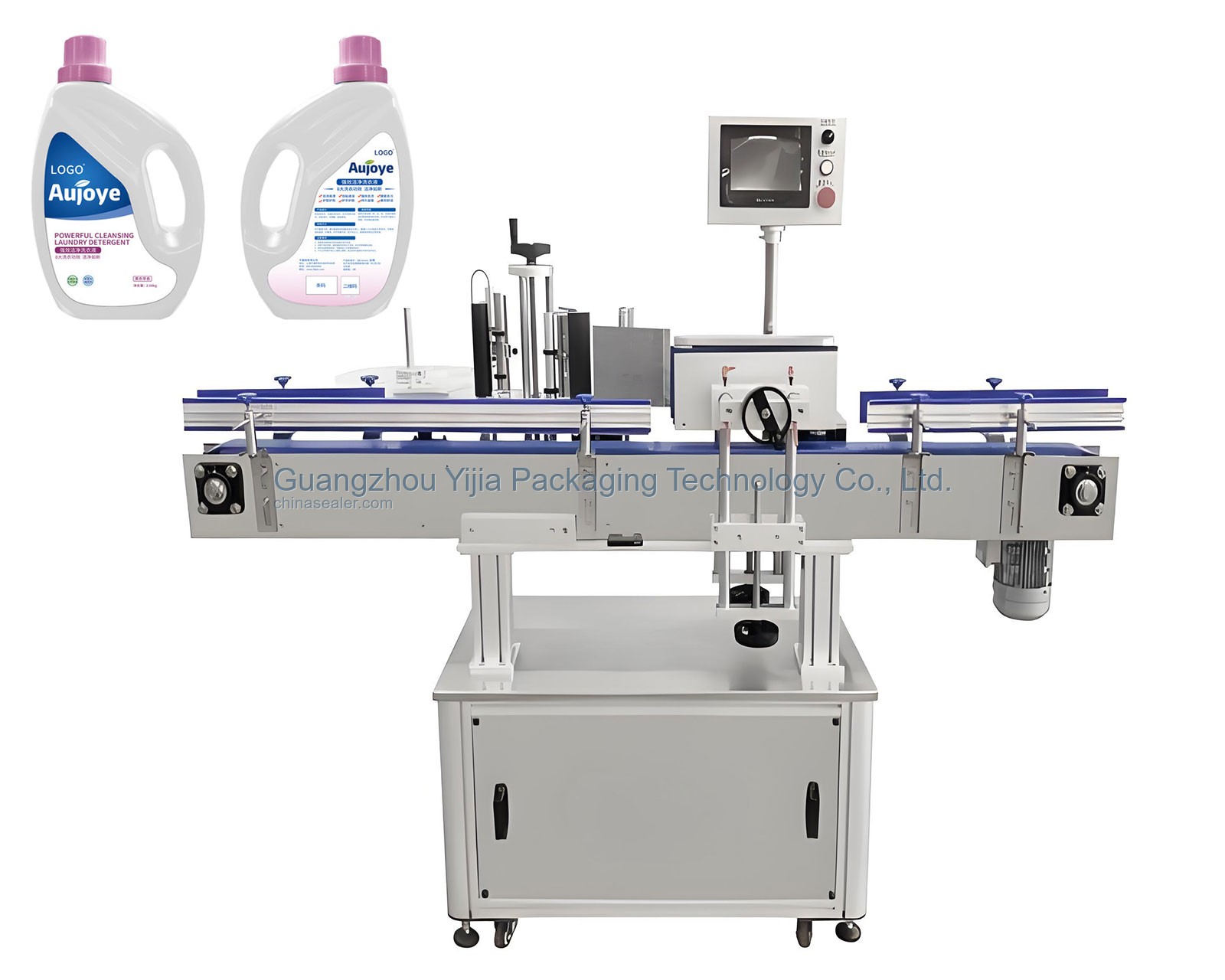 Round & Square Bottle Labeling Machine
Labeling; Suitable for applying labels to round cans or square cans, either as a stand-alone machine or connected with the line; Round and Square Bottle Labeling Machine
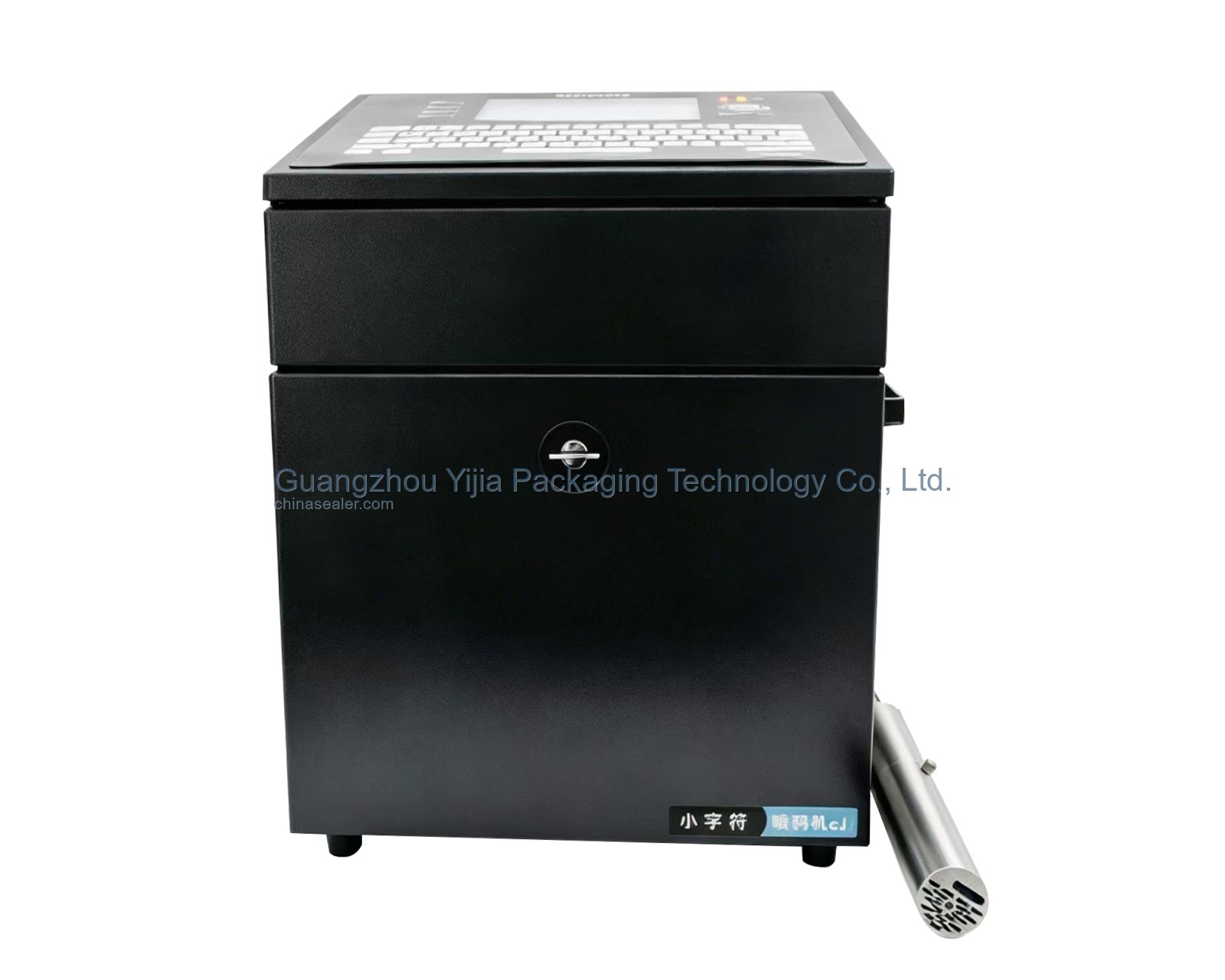 Date & Batch Inkjet Printer
Labeling; Suitable for applying labels to round cans or square cans, either as a stand-alone machine or connected with the line; Round and Square Bottle Labeling Machine
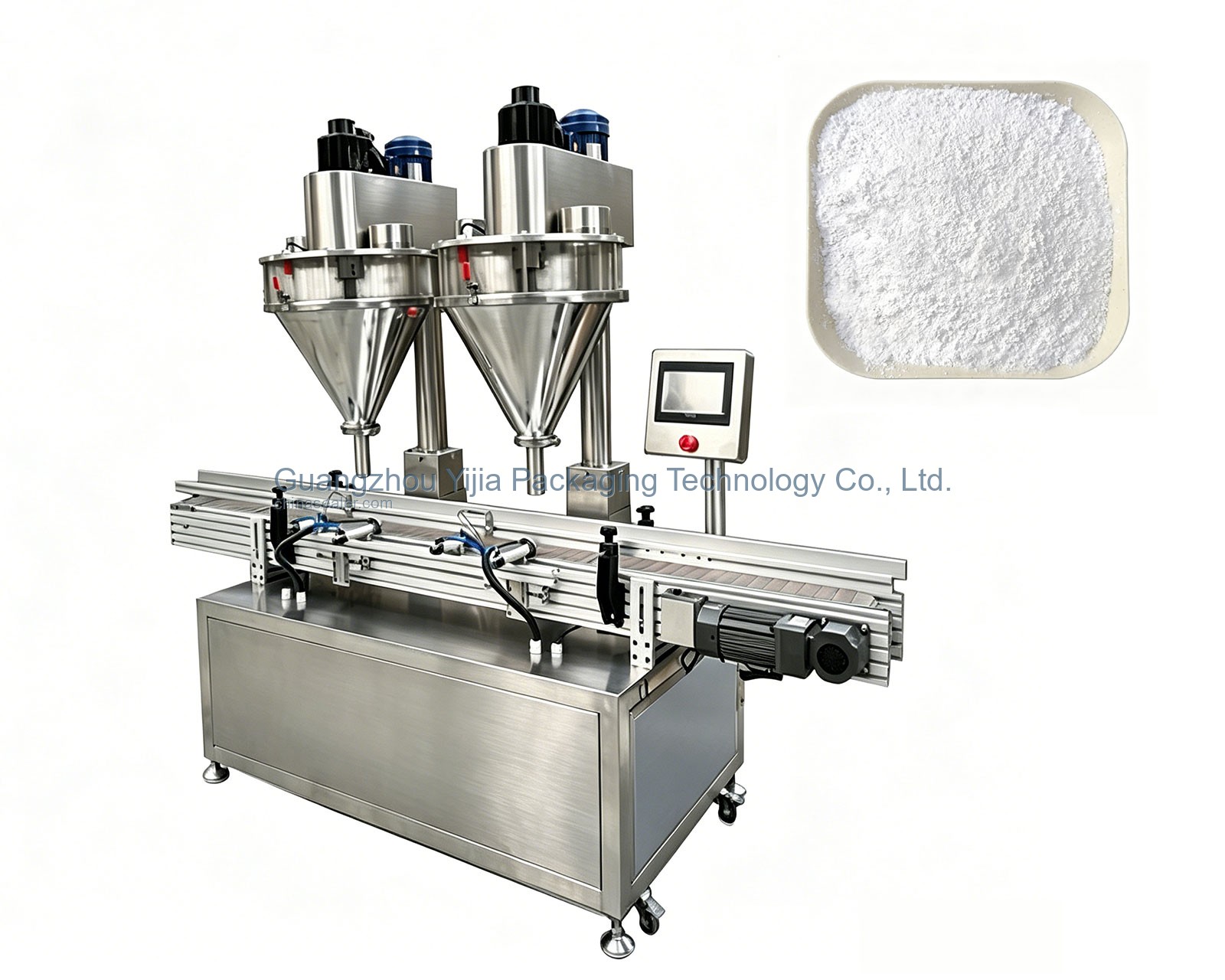 Powder & Granule Filling Machine
Coding and inspection as options; Coding supports traceability, and checkweighing confirms that the filled weight is qualified; Date/Batch Coding Machine and In-Line Checkweigher
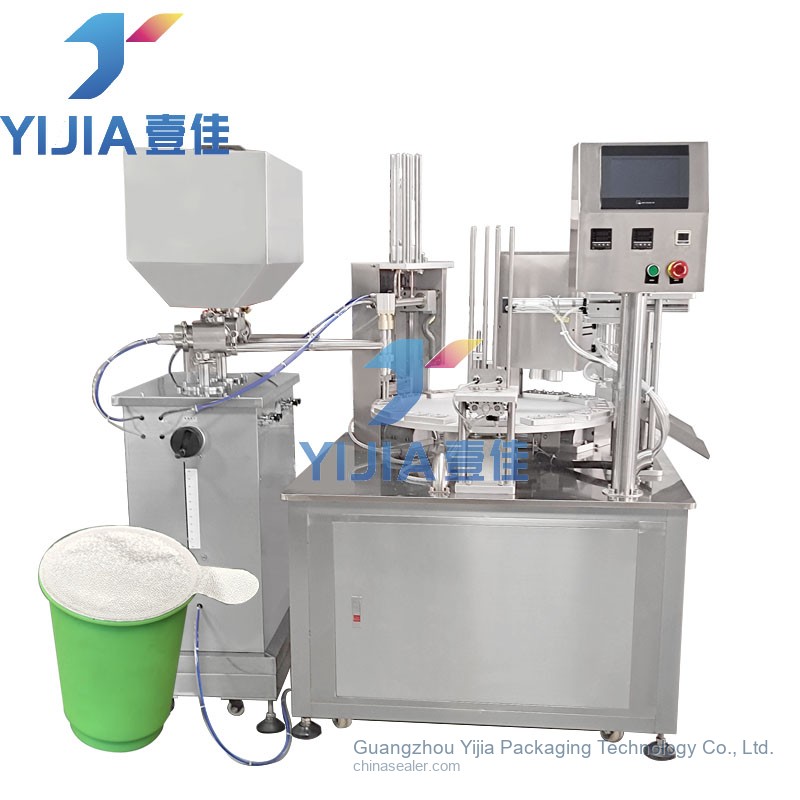 Coffee Capsule Filling and Sealing Machine
Coding and inspection as options; Coding supports traceability, and checkweighing confirms that the filled weight is qualified; Date/Batch Coding Machine and In-Line Checkwe...
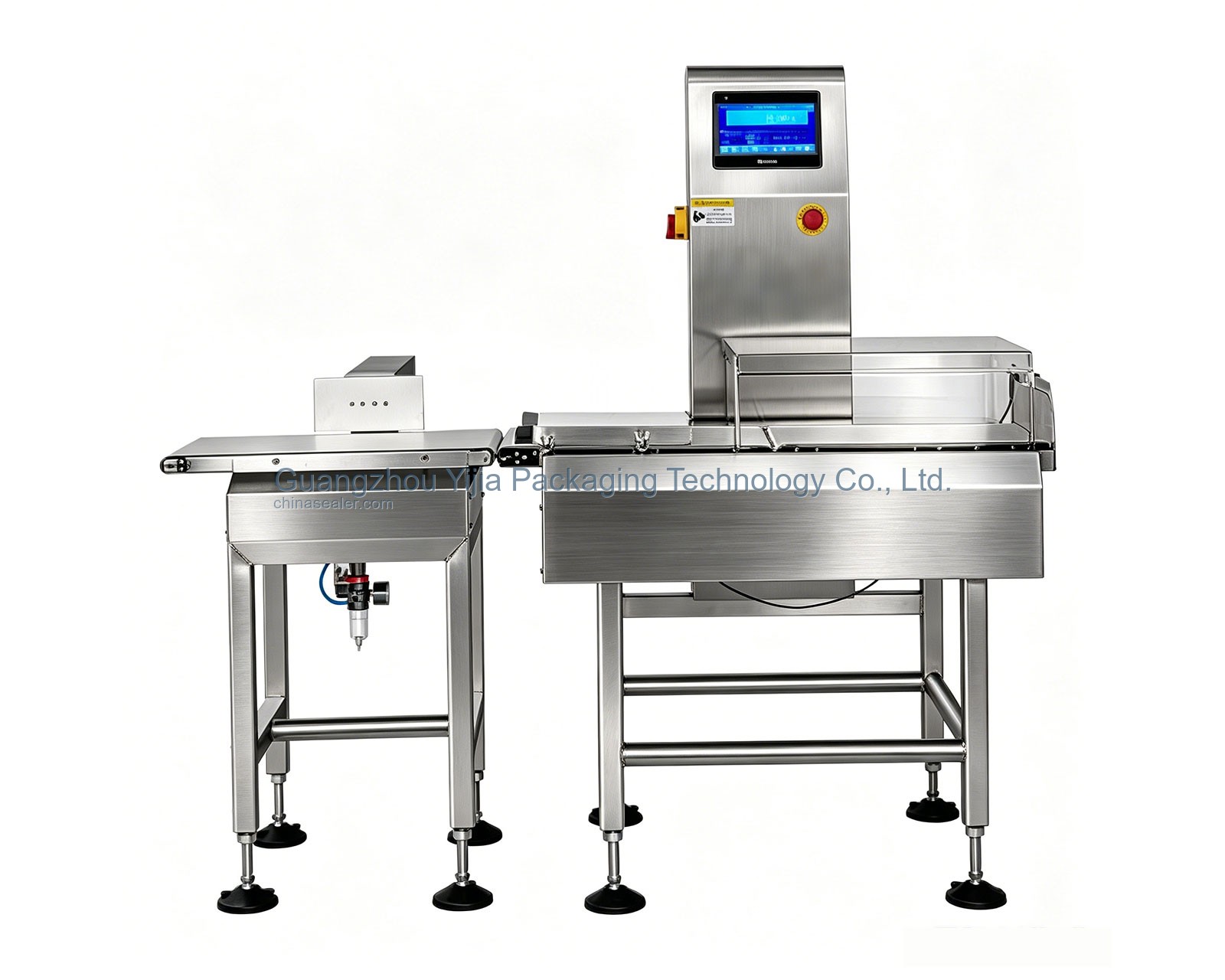 Inline Checkweigher
Labeling; Suitable for applying labels to round cans or square cans, either as a stand-alone machine or connected with the line; Round and Square Bottle Labeling Machine
Sample details
The state of the contents affects the filling method, contact materials, anti-drip, and safety configuration.
Please provide a coffee powder sample or describe the powder condition, including particles, caking tendency, and dust level. This affects the dosing method.Photos and dimensions can first determine container positioning, mold direction, and whether sample testing is needed.
Please provide can samples or photos, diameter, height, and rim structure. These details decide the sealing method and tooling.Film material and liner affect sealing temperature, pressure, dwell time, and feeding method.
Please provide aluminum foil film or foil liner samples so we can test sealing temperature and sealing performance.Capacity target determines single machine, semi-automatic, or continuous inline configuration, and also affects the quotation range.
Please tell us the target output, such as cans per hour, and whether the line needs to connect with other equipment. This affects configuration and speed.Capacity target determines single machine, semi-automatic, or continuous inline configuration, and also affects the quotation range.
If the information is not complete yet, you can first send available photos, dimensions, and target output. We will judge the route first and then give you a confirmation checklist.Common selection mistakes
Common questions
Accuracy depends on powder flowability and dosing method. Screw dosing or weighing is commonly controlled around +/-1-2%, but the actual result needs sample testing.
After direct heat sealing, capping is usually not required. For induction sealing, the cap is tightened first and the foil liner is then sealed by induction.
Yes. You can start with semi-automatic filling and a tabletop sealer to verify the sealing effect, then upgrade to a connected line.
Oil may contaminate the sealing area. We recommend testing the bonding of the film or liner and adjusting sealing parameters when needed.
Yes. Round and square bottle labeling machines can be used for metal cans, but the can shape and label material need confirmation.
First confirm each machine's cycle time and the available floor space. We can configure conveyors, buffering, and inspection modules according to the process.