Solution topic
Ointment Tube from Filling to Tail Sealing: Tube Material, Content, and Tail Code Are All Essential
Ointment, gel, and cream tubes require selection of integrated filling and sealing, sealing and coding, or special cap solutions based on tube material, incoming state, tail seal,
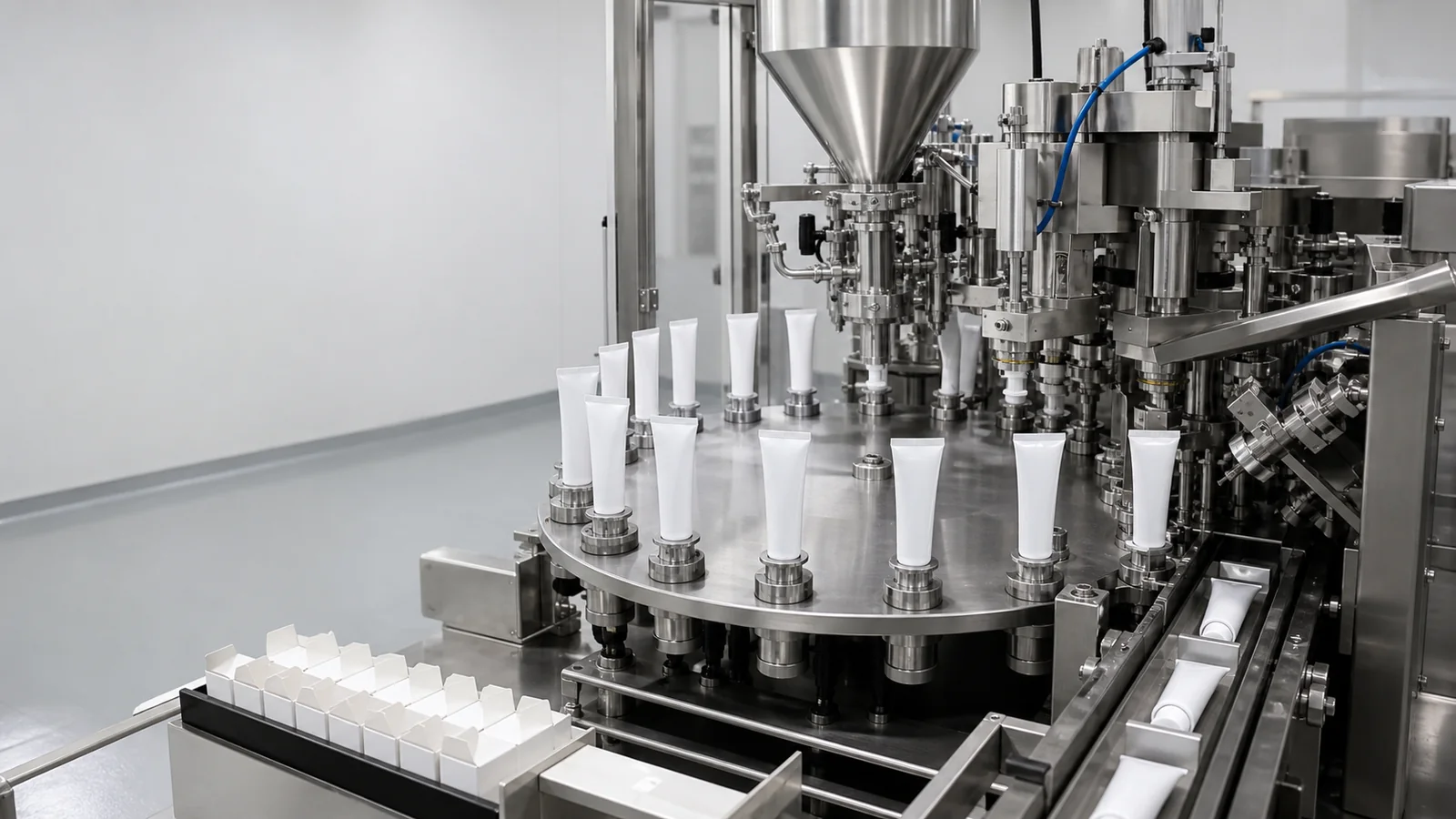
- Plastic tubes, aluminum-plastic laminated tubes, and tubes with special caps require different tail sealing methods. Integrated production of empty tubes and post-filling tail sealing of pre-filled tubes also need to be distinguished. Please provide ointment and tube samples, tube diameter, tube material, fill volume, tail seal drawing, batch code positio...
Solution summary prepared for you
- Ointment tube equipment should first be divided by incoming material state. For empty tubes requiring feeding, filling, and tail sealing, use a fully automatic tube filling and sealing machine; for pre-filled tubes requiring only tail pr...
- Tube material, diameter, length, product viscosity, cap type, tail seal appearance, and batch code position together determine the tooling and actions. Special-shaped caps or pump structures should be submitted as physical samples for se...
- Photos can be used for initial distinction between empty and pre-filled tubes, but final machine selection still requires tube, cap, and ointment samples to verify the filling nozzle, tube holder, tail sealing tooling, and cleaning condi...
Route comparison
- After empty tubes enter the equipment, the production process of tube feeding positioning, ointment filling, tail sealing, and tube discharge must be completed continuously.
- The fully automatic tube filling and sealing machine concentrates the main actions in one set of stations, and can add trimming, embossing, or inspection as required by the project.
- Tube material, dimensions, orientation marks, product state, fill volume, tail seal appearance, and cleaning method must all be determined according to samples.
- When the incoming tubes are already filled and only tail sealing and coding remain, there is no need to configure a complete filling and sealing main machine.
- The fully automatic tube filling and sealing machine configures the tube holder, filling nozzle, and tail sealing tooling according to the tube sample, and additional stations are confirmed based on finished product requirements.
- The tubes have already been filled upstream; at this station only tail sealing, optional embossing, and trimming are needed.
- The tube tail sealing and coding machine focuses on tail processing and avoids duplicating unnecessary filling actions.
- Tail allowance, seal width, tube material, character position, and incoming handling state must be verified before the trial.
- When the project starts with empty tubes and requires metered filling, a tube main machine with a filling station should be used.
- The tube tail sealing and coding machine configures sealing, embossing, and trimming according to the tube material and tail style; the incoming positioning method is confirmed separately on site.
- Pump heads, eccentric caps, or other special caps change tube positioning and clamping space, requiring actions designed for the actual parts.
- The sealing solution for special-shaped cap tubes can be configured with dedicated positioning around the specific cap type, tube body orientation, and tail requirements.
- Actual tube and cap samples must be provided, and the incoming assembly state, tail seal appearance, and changeover scope must be explained.
- When ordinary round cap tubes can be positioned with standard tube holders, the conventional filling and sealing or sealing and coding route can be used first.
- Sealing solutions for tubes with special caps are custom-made according to samples. Clamping, positioning, and sealing tooling are determined through complete cap and tube trials.
Associated Equipment / Consumables
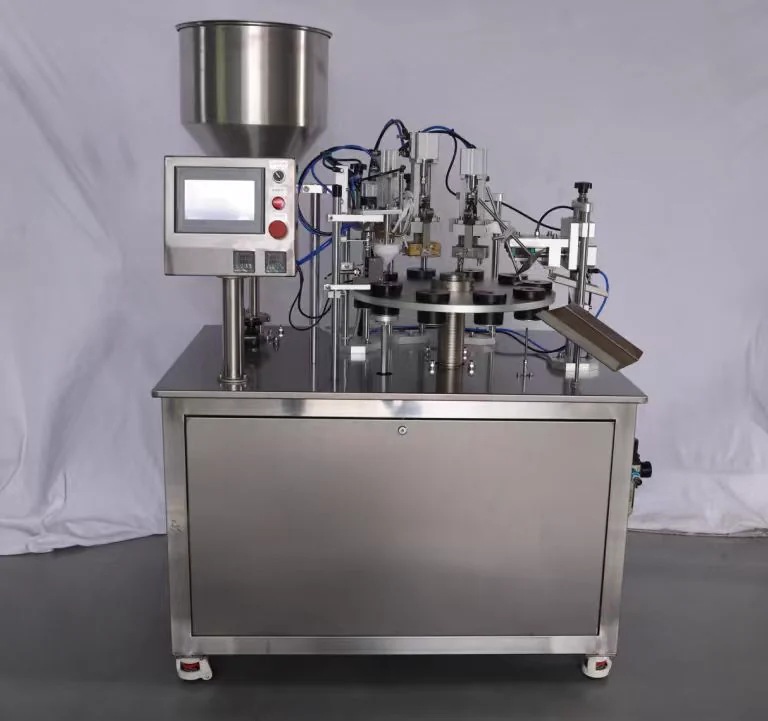 Automatic Tube Filling and Sealing Machine
Continuous stations for empty-tube loading, orientation or eye-mark positioning, dosing, filling, tail sealing, optional trimming or embossing and discharge.
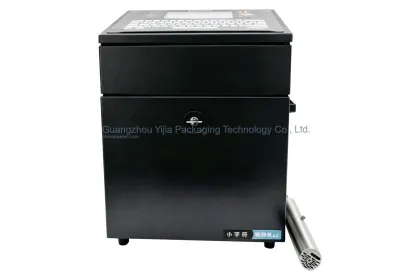 Date & Batch Inkjet Printer
Print date, batch and traceability information on bottles, bags, cartons, labels, cans and outer cases.
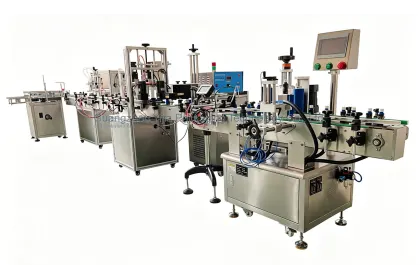 Automatic Feeding Conveying Sealing Line
Feeding, sorting, cleaning, or conveying interface for Bottles, caps, trays, bagged finished products
Core process
Record the tube material, diameter, length, tail structure, orientation marks, and cap type, and observe the flow and stringiness of the ointment.
For empty tube projects, the sequence of tube feeding, orientation positioning, metered filling, tail sealing, optional trimming and embossing, and tube discharge can be verified in order.
Tail embossing can be handled with the tail sealing process; if additional printing on the tube body or outer packaging is required, the coding position and trigger method should be verified separately.
Only when the discharge posture, downstream equipment, and production rate are clear should continuous conveying, buffering, or collection methods be designed.
Photos are used to identify the cap type and tail, dimensions are used to evaluate the tube holder and tail sealing tooling, and the product description is used to determine filling and cleaning conditions.
Different product and tube material combinations should be retained separately; plastic tubes, laminated tubes, and special cap types cannot share unverified tail sealing settings.
Sample details
These conditions are used to select the tube holder, feeding positioning, and tail sealing tooling, and to initially rule out mismatched main machine routes.
Provide actual empty or pre-filled tubes and specify the tube material, diameter, length, tail structure, and orientation marks.The product state is used to verify the feeding, filling nozzle, drip control, and contact part cleaning; it cannot be judged only by the ointment name.
Submit the actual product, specifying viscosity, temperature, stringiness, particles, fill volume, and cleaning requirements.The cap type affects the tube feeding direction, clamping position, and special positioning; special-shaped structures require separate action trials.
Provide samples of round caps, flip caps, pump caps, or special-shaped caps, and indicate whether the incoming caps are already assembled.This data is used to compare manual feeding, automatic feeding, and continuous main machines, and to arrange changeover and re-verification checks.
List the specifications per batch, target production rate, tube changeover frequency, and manual feeding conditions.Only after the positional relationships are clear can the internal embossing on the tail seal and the separate inkjet coding be distinguished, and clamping and trimming areas be avoided.
Mark the tail seal shape, embossing, trimming, tail code, and external printing positions on the finished product drawing.Preliminary information is used to distinguish filling with tail sealing or tail sealing only; the final tooling is still based on tube, cap, and product samples.
For now, photos, dimensions, product description, and process flow can be submitted first; the complete physical samples can be sent later.Common selection mistakes
Tube diameter, length, material, and tail seal style should be submitted together, and sealing, embossing, and trimming should be verified separately.
Use the actual product for trial filling, observe flow, break-off, dripping, and cleaning, and then determine the filling nozzle and feeding method.
Caps should be trial-assembled with the tubes as a set, and the tube holder and actions should be designed after determining the positioning method.
First mark the tail seal width, cutting line, and character direction on the finished product drawing, then determine the embossing or coding station.
First draw the process sequence and reject product flow, then verify the discharge posture, buffer length, and control interface.
View detailed technical notes
First Distinguish Between Empty Tubes and Pre-filled Tubes
The first dividing line for ointment tube equipment is the incoming material state. Empty tubes must go through tube feeding, filling, and tail sealing, while pre-filled tubes only need tail processing. The required stations and material contact conditions differ between the two.
Tube Material, Ointment, and Tail Seal Define the Solution Together
Plastic tubes and laminated tubes respond differently to tail sealing actions. Ointment viscosity, stringiness, and particles can change the filling method. Cap type, tail seal appearance, and batch code position should also be verified in the same set of samples.
Empty Tube Projects Use a Filling and Sealing Main Machine
A fully automatic tube filling and sealing machine can sequentially complete tube positioning, metered filling, tail sealing, and tube discharge. Tube holders, filling nozzles, sealing tooling, cleaning, and additional stations are all confirmed based on actual tube and material samples.
Pre-filled Incoming Tubes Only Need Tail Processing
A tube tail sealing and coding machine is suitable for processes where incoming material already contains ointment and only tail sealing, embossing, and trimming are needed. First verify tail allowance, tube material, and character position, and clarify the feeding and collection methods.
Special Caps Require Separate Positioning Verification
Pump heads, eccentric caps, or other special caps may occupy clamping space and change tube orientation. A sealing solution for tubes with special caps must design positioning and sealing tooling based on complete cap and tube samples.
Sample Confirmation Covers Tube, Cap, and Content
Tube diameter and length only define part of the boundaries. You also need to record tube material, orientation marks, cap type, ointment state, fill volume, tail seal drawing, and traceability position to fully verify the main machine actions.
Filling and Sealing Main Machine Is Configured Around the Empty Tube Process
The empty tube route first verifies tube feeding and orientation positioning, then proceeds with trial filling of ointment, tail sealing, optional embossing and trimming, and tube discharge. Tooling and parameters for each action are determined by trial run results.
Tail Code and External Printing Are Arranged Separately
Tail characters can be formed at the sealing station. If traceability information is also needed on the tube body or outer packaging, use a date and batch coding machine and avoid clamping, embossing, and cutting areas.
Conveying and Collection Depend on Downstream Processes
A standalone main machine can use manual collection. When continuous coding, inspection, or cartoning is needed, design the conveying interface based on discharge orientation, production rhythm, buffering, and reject handling.
Common questions
Can the equipment scope be determined when tube photos are incomplete?
First indicate whether the tubes are empty or pre-filled, and provide the tube material, diameter, length, cap type, and product state. The actual samples will then be used to verify the tube holder, filling nozzle, and tail sealing tooling.
What should be included in the preparation materials for a tube solution?
Please provide samples of the tubes, caps, and ointment, and specify the fill volume, tail seal appearance, batch code position, production rate, cleaning requirements, and upstream/downstream processes.
Which automation actions are involved in the production rate?
It involves manual or automatic tube feeding, number of stations, tube discharge collection, and downstream integration. Time for tube changeover and cleaning should also be included in the production schedule.
Why is a tail sealing trial necessary for the tube material?
Plastic and laminated tubes may have different tail sealing responses, thicknesses, and tail structures. Trials are used to confirm sealing, embossing, trimming, and tube body stress.
How should the tube tail sealing results be verified?
Use the actual tubes and product to check the tail seal appearance, sealing area, trimming, embossing, and leakage signs. The acceptance method is determined by the tube material and finished product requirements.
What production processes require connection to downstream equipment?
Only when continuous printing, inspection, collection, or cartoning is required after tube discharge and the station rates can be coordinated, should the conveying interface and buffer positions be designed.