Filling / Dosing Equipment
Semi-Automatic Tube Filling and Sealing Machine
For manual tube loading, metered filling, and tail sealing of plastic and laminate tubes. Filling method, sealing process, registration mark positioning, trimming, and coding must be confirmed based on tube material and product. Do not carry over model numbers, values, or capacity data from the source page.
Technical parameters
- Automation type
- Semi-automatic cycle; tube loading and removal typically manual; positioning and sealing method confirmed per machine model
- Applicable containers or packaging
- Plastic tubes, laminate tubes, and verifiable similar tube materials
- Applicable products or materials
- Ointments, gels, creams, cosmetics, adhesives, and other metered pastes or liquids
- Packaging materials and consumables
- Tube body and tail seal area; tube material structure and wall thickness require trial sealing
- Basic process
- Manual tube loading, tube positioning, metered filling, tube tail heating or pressing, trimming, and removal
- Speed and capacity
- Confirmed based on samples, cycle time, process time, upstream/downstream speed, and final configuration.
- Changeover method
- Replace tube holder, filling nozzle, sealing tool, or positioning parts, and re-verify dosage and sealing window.
- Optional modules
- Registration mark positioning, date/batch code embossing, trimming, hopper heating, and stirring are optional features.
- Power supply, air supply, and machine dimensions
- Confirmed based on export region, drive structure, site layout, and final configuration.
- Upstream/downstream integration
- Can be used as a standalone station or evaluated for connection with feeding, cartoning, and inspection equipment.
- Testing and acceptance
- Please provide empty tubes, tube material structure, diameter and length, product, fill volume, tail seal appearance, and batch code requirements.
Selection guide
- Equipment scope is confirmed based on actual samples, packaging process, and site interfaces, not on generic parameters in the draft.
- Core processes: manual tube loading, tube positioning, metered filling, tube tail heating or pressing, trimming, and removal; optional modules are listed separately and not included in standard configuration by default.
- Replace tube holder, filling nozzle, sealing tool, or positioning parts, and re-verify dosage and sealing window.
- Please provide empty tubes, tube material structure, diameter and length, product, fill volume, tail seal appearance, and batch code requirements.
Applications
- Ointments, gels, creams, or adhesives requiring small to medium batch tube filling and sealing.
- Need more consistent output than manual operation, but not yet requiring fully automatic tube feeding and high-speed line integration.
- Projects requiring cycle and signal coordination with existing sealers, fillers, conveyors, or downstream equipment.
- Non-standard projects requiring sample testing before confirming structure, tooling, speed, and acceptance criteria.
Frequently Asked Questions
- What information is needed before solution confirmation? Please provide empty tubes, tube material structure, diameter and length, product, fill volume, tail seal appearance, and batch code requirements.
- Are the optional modules listed on the page part of the standard configuration? No. Registration mark positioning, date/batch code embossing, trimming, hopper heating, and stirring are optional features. All must be c...
- Can a fixed speed or compatibility range be guaranteed directly? Cannot be guaranteed without actual samples and line conditions. Speed, compatibility range, tooling quantity, and acceptance criteria are based on samp...
Send samples and capacity requirements for a clearer solution
- Actual container, packaging, or product samples
- Key dimension drawings and allowable tolerances
- Packaging material, lid film, label, or consumable samples
- Target process, shift output, and acceptance criteria
- Upstream/downstream equipment speed, conveying direction, and interfaces
- Power supply, air supply, site dimensions, and export region
Semi-Automatic Tube Filling and Sealing Machine: core process equipment: filling and tail sealing or tail sealing with coding; Choose an integrated machine or a separate tail se...
Semi-Automatic Tube Filling and Sealing Machine: Filling or Skip Filling; Empty tube projects configure filling; pre-filled projects can do only tail sealing & coding.
Semi-Automatic Tube Filling and Sealing Machine: Filling and tail sealing, if filling is required; Suitable for completing the process from empty tube to tail sealing in one mac...
Semi-Automatic Tube Filling and Sealing Machine: Sample and container confirmation; These parameters determine the filling nozzle, tail-sealing tooling, coding position, and car...
Semi-Automatic Tube Filling and Sealing Machine: Main process equipment; Choose according to tube status: use a tail sealing and coding machine for already filled tubes, and a f...
Semi-Automatic Tube Filling and Sealing Machine: Tail Sealing and Coding (Filled Tubes); Completes tube tail sealing, batch coding, and trimming, suitable for downstream process...
Semi-Automatic Tube Filling and Sealing Machine: Tail Sealing and Coding (Filled Tubes); Integrates tail sealing, coding, and trimming, suitable for downstream processing of alr...
Related products
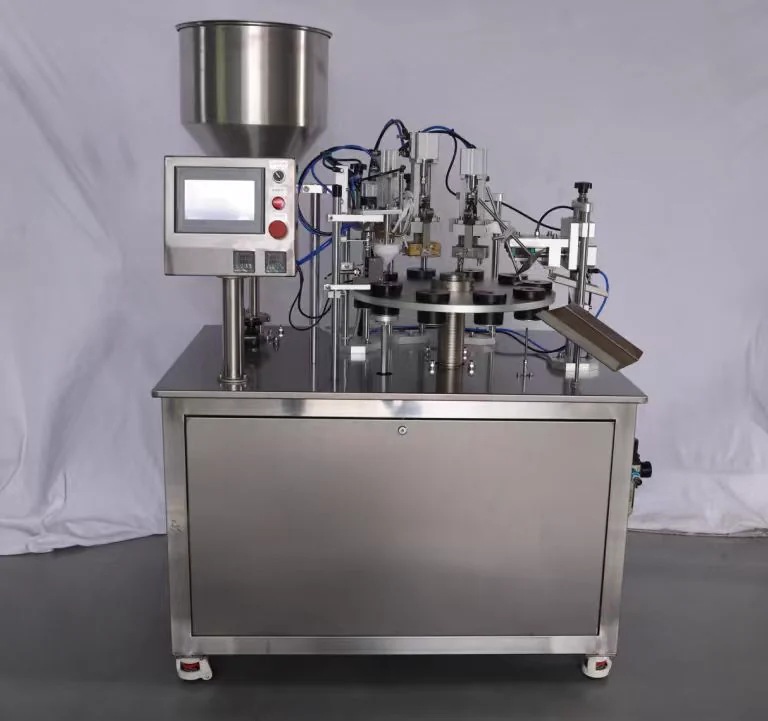
Automatic Tube Filling and Sealing Machine
The automatic tube filling and sealing machine organizes tube feeding, color mark or orientation positioning, metered...
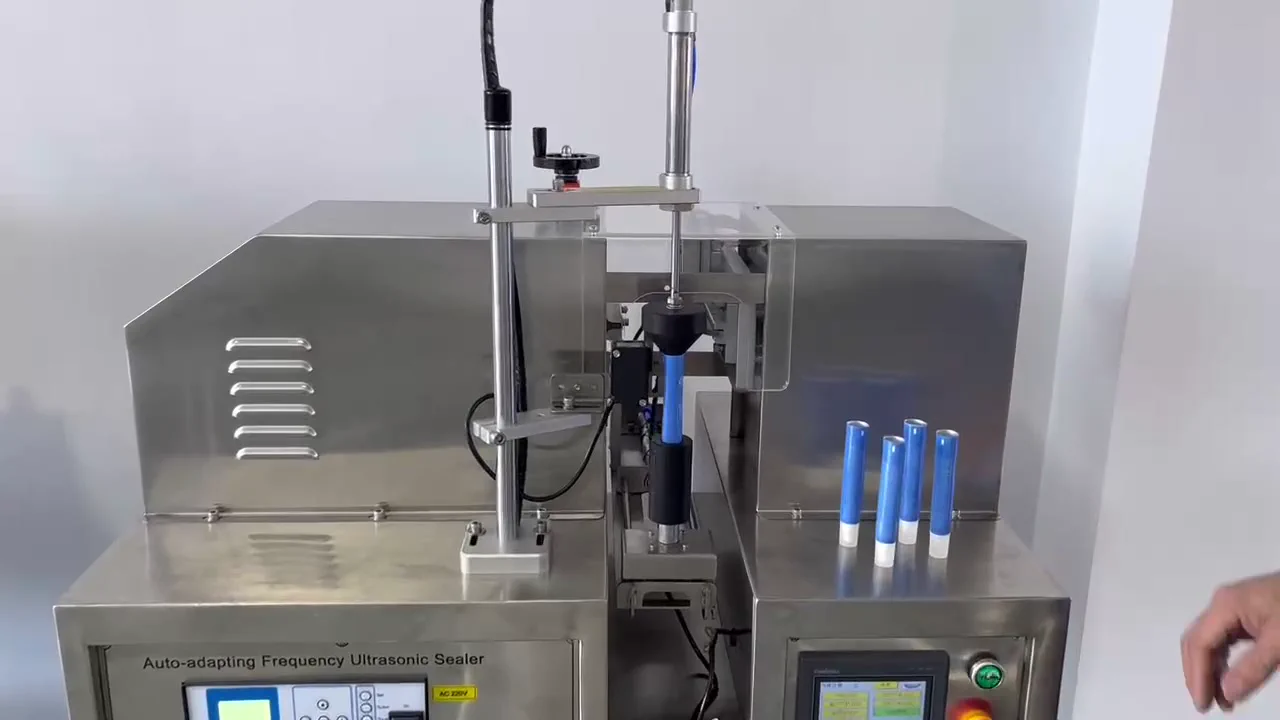
Tube End Sealer Coder
Tube End Sealer Coder is configured for Tube positioning, sealing, coding, and edge trimming on Plastic tubes, alumin...
Special-shaped Cap Tube Sealing Solution
Special-shaped Cap Tube Sealing Solution is configured for Tube positioning, tail sealing, coding, and edge trimming...
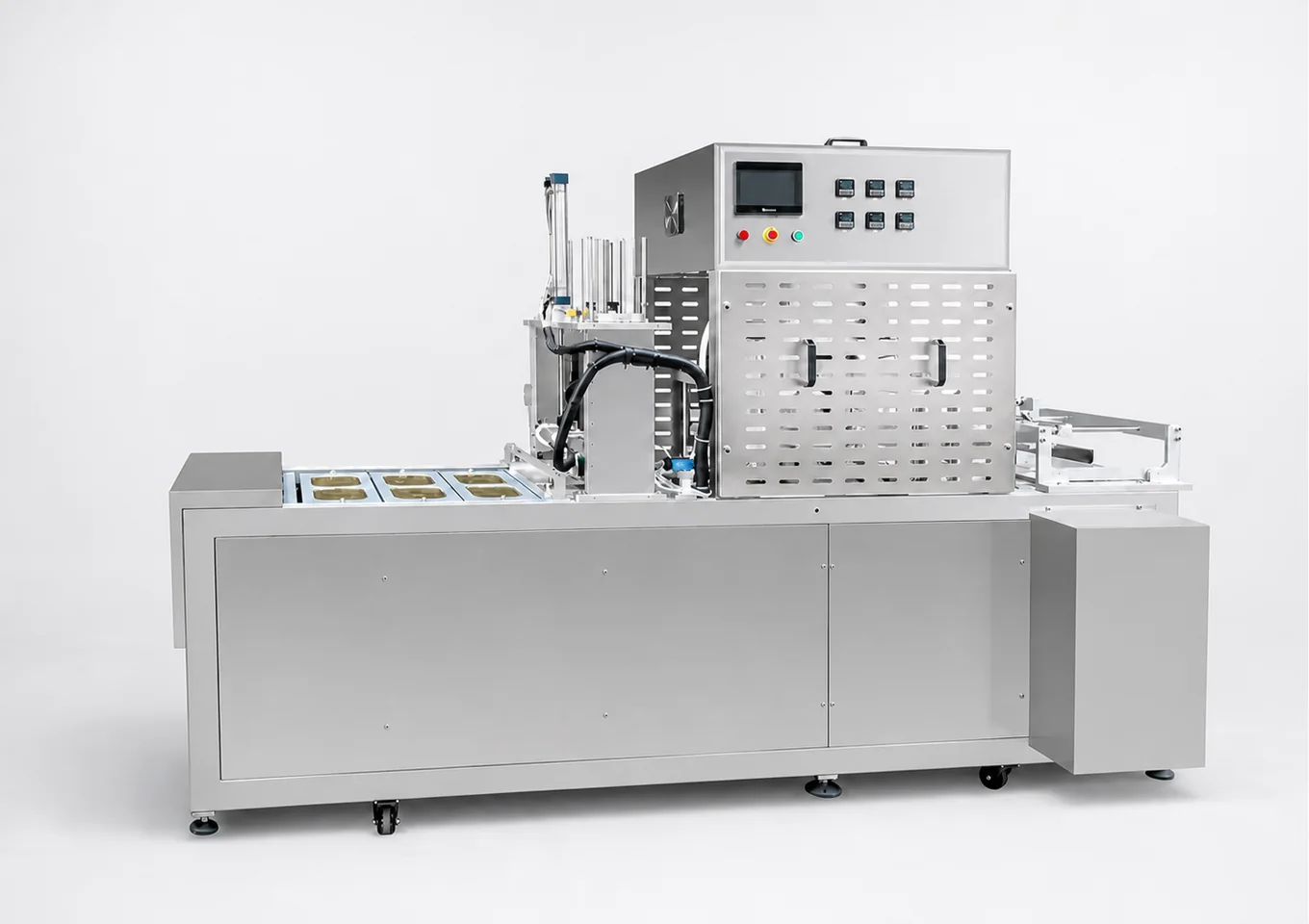
Chain Conveyor Cup/Tray Continuous Sealing Line (Optional Filling)
Suitable for continuous positioning conveying and heat sealing of preformed cups, boxes, and trays. The gallery inclu...
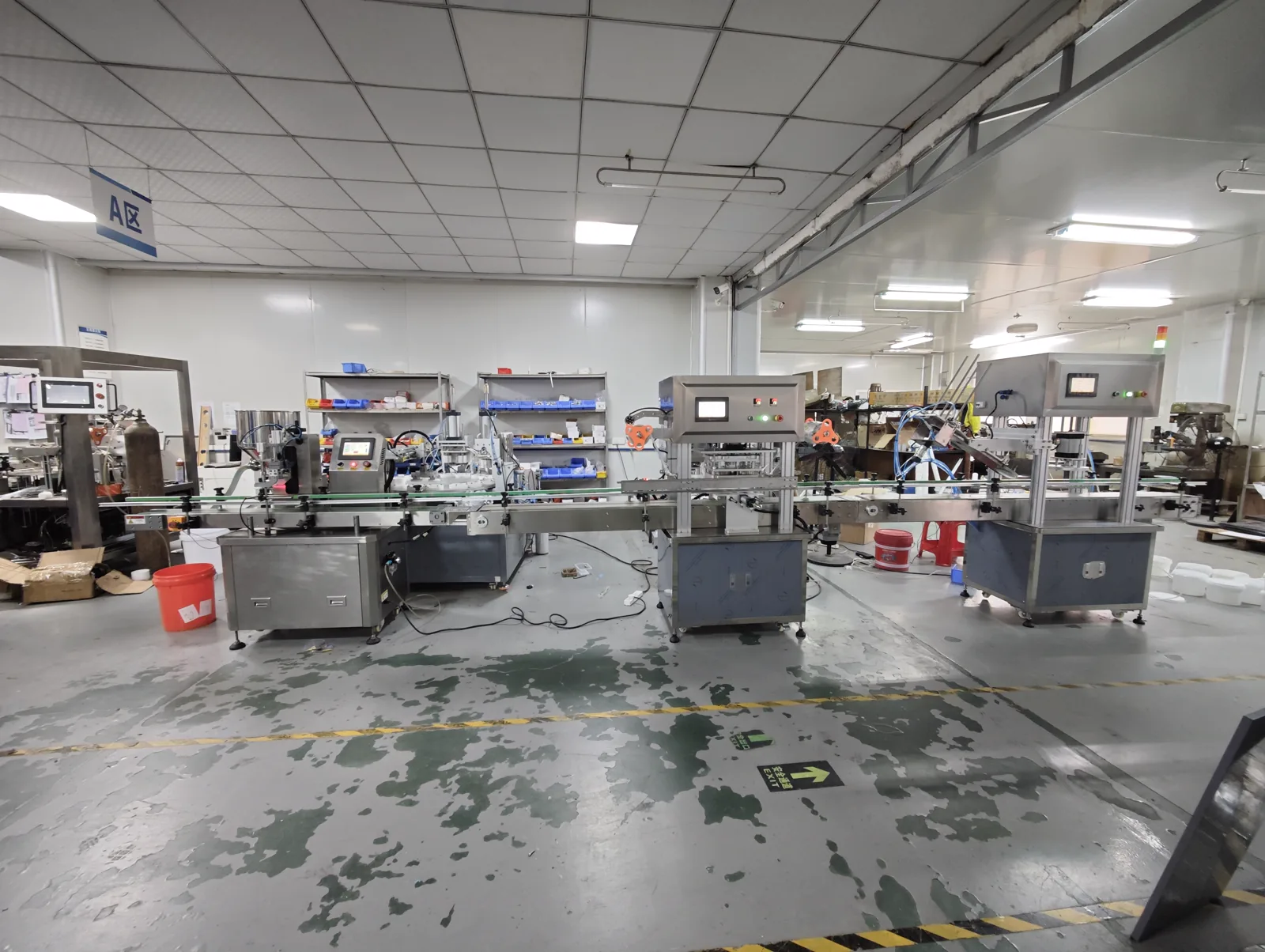
Filling, Press Capping / Screw Capping, Sealing Complete Line
This complete line integrates bottle feeding, filling, cap sorting, press or screw capping, sealing, inspection, and...
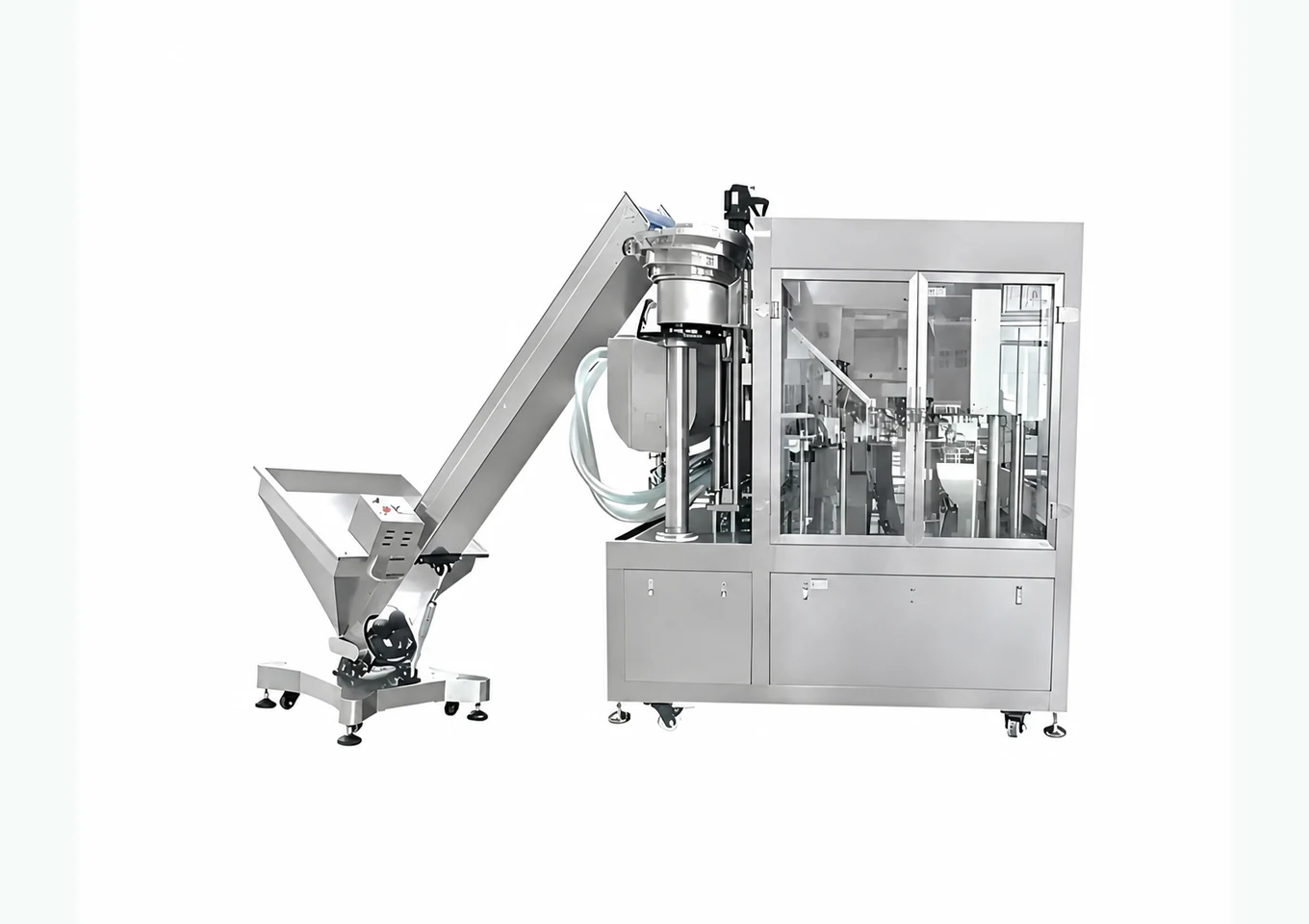
Stand-up Spout Pouch Filling and Screw Capping Machine
The stand-up spout pouch filling and screw capping machine organizes a continuous process around spout positioning, l...