Solution topic
Yogurt Cup Line: Validate Particles, Cup Resin, Rollstock or Pre-Cut Lids Together
Configure yogurt filling by flow and particles, then choose rollstock or pre-cut lids by cup resin, rim and sealant layer before selecting benchtop, rotary or continuous sealing an
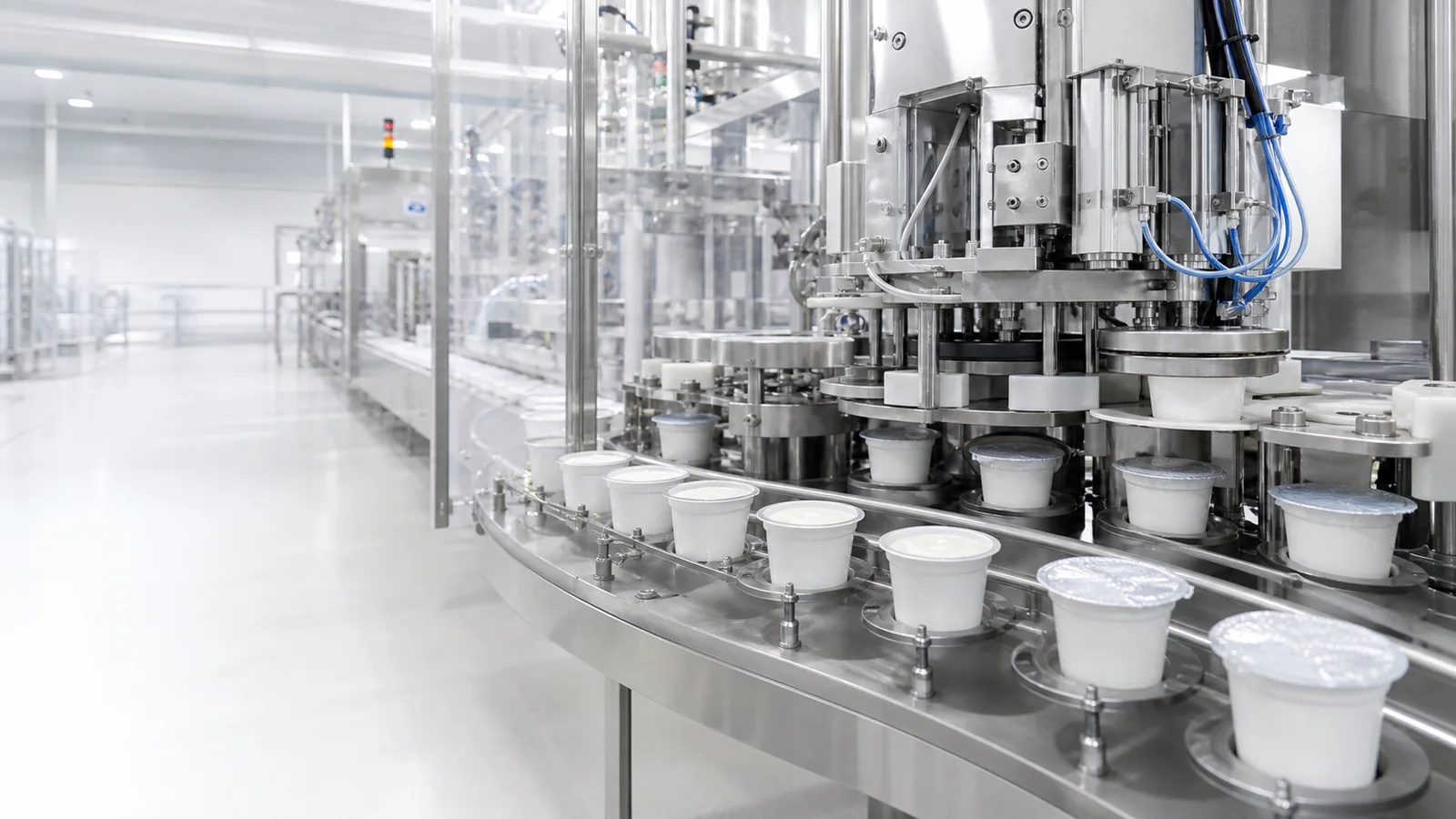
- Product flow and particles select the filling valve and nozzle; cup rim and sealant layer select lidding before benchtop, rotary or continuous equipment and downstream handling.
Solution summary prepared for you
- For yogurt cup equipment, first use actual material to confirm flow, fruit particles, and filling cutoff, then verify sealing with PP or PET cups and formal lid film.
- A small cup filling and sealing machine can continuously complete cup dropping, filling, and film sealing. If cup and film compatibility is not yet confirmed, a small-diameter cup sealing machine SGP-03 can be used for trial sealing first.
- Rotary multi-station equipment should be evaluated after cup type, fill volume, changeover, and output are clear; do not replace continuous trial operation with a desired speed.
Route comparison
- When cup type, yogurt state, and sealing film can be sampled as a set, and you want cup dropping, filling, and film sealing completed continuously, a small cup filling and sealing machine can be evaluated.
- In the same process, cup dropping, filling cutoff, and film sealing positioning can be observed, facilitating verification of station connection according to actual cycles.
- If any of material, cup mouth, or film is not matched, continuous operation will be affected. Equipment name cannot replace cup and film trial sealing.
- When cup type, film form, or yogurt state is not yet determined, it is not appropriate to directly confirm the integrated machine mold and filling structure.
- A small cup filling and sealing machine can be evaluated, and continuous trial operation completed with actual material, cup samples, and formal film.
- When the project needs to first verify cup rim and lid film compatibility, or automatic cup dropping and filling is not yet needed, a small-diameter cup sealing machine SGP-03 can be used for trial sealing.
- Film, cup rim, and easy-peel issues can be independently identified first, then decide whether to enter the integrated filling and sealing process.
- Separate trial sealing does not include cup dropping and filling, so it cannot be used to derive whole-line output or cup rim contamination status.
- When the project clearly requires automatic cup dropping, quantitative filling, and continuous film sealing, configuring only a separate sealer cannot cover the complete process.
- A small-diameter cup sealing machine SGP-03 can be evaluated, and trial sealing results recorded using formal cup film.
- When the cup type and film material are stable, changeover and target output are clear, and multi-station continuous processing is needed, the rotary table cup and tray filling and sealing machine can be evaluated.
- Multiple actions can be verified in a fixed station sequence, facilitating arrangement of cup dropping, filling, and film sealing around the actual cup type.
- The number of stations, molds, and changeovers are still constrained by actual samples; adding configuration does not naturally increase actual output.
- If sample specifications change frequently but changeover boundaries are not organized, or the cup film has not been trial-sealed, basic verification should be completed first.
- A rotary cup and tray filling and sealing machine can be evaluated, with final stations confirmed according to cup film, actual material, and continuous cycle time.
Associated Equipment / Consumables
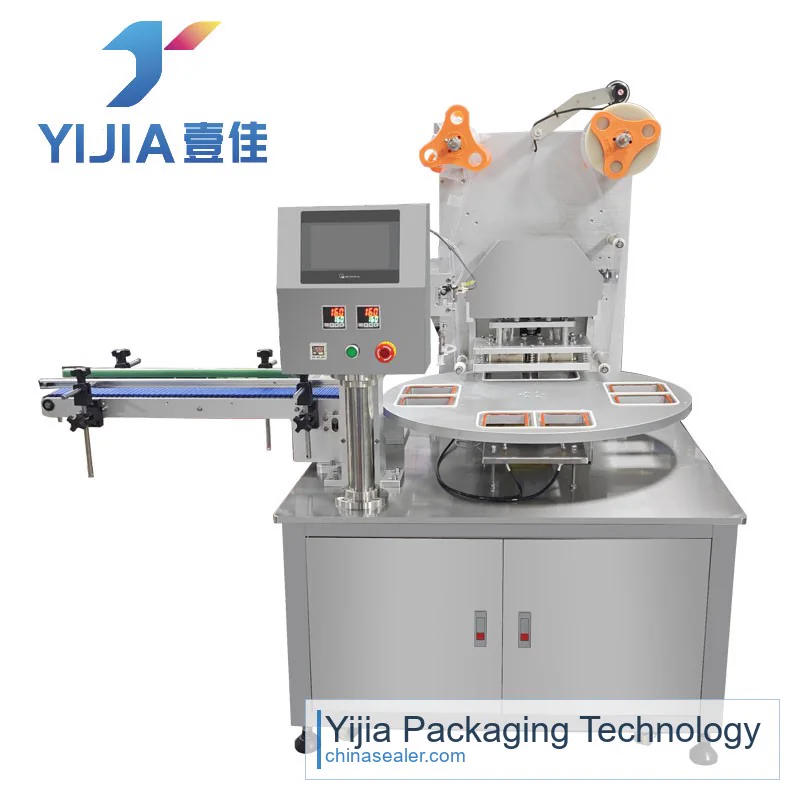 Automatic Small-Cup Filling and Sealing Machine
The machine denests cups, doses product, registers and heat-seals film, trims and discharges. Confirm cup stacking and rim, viscosity, particles, foaming or stringing, rollstock or pre-cut lids, peel and leak criteria...
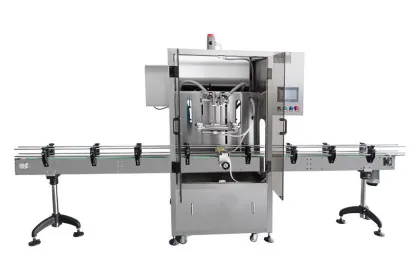 Servo Piston Liquid and Paste Filling Machine
Check yogurt, cups, and film as a set; Specify the supply method for roll film and pre-cut film separately. When multiple cup types share a line, list cup mouth size, cup...
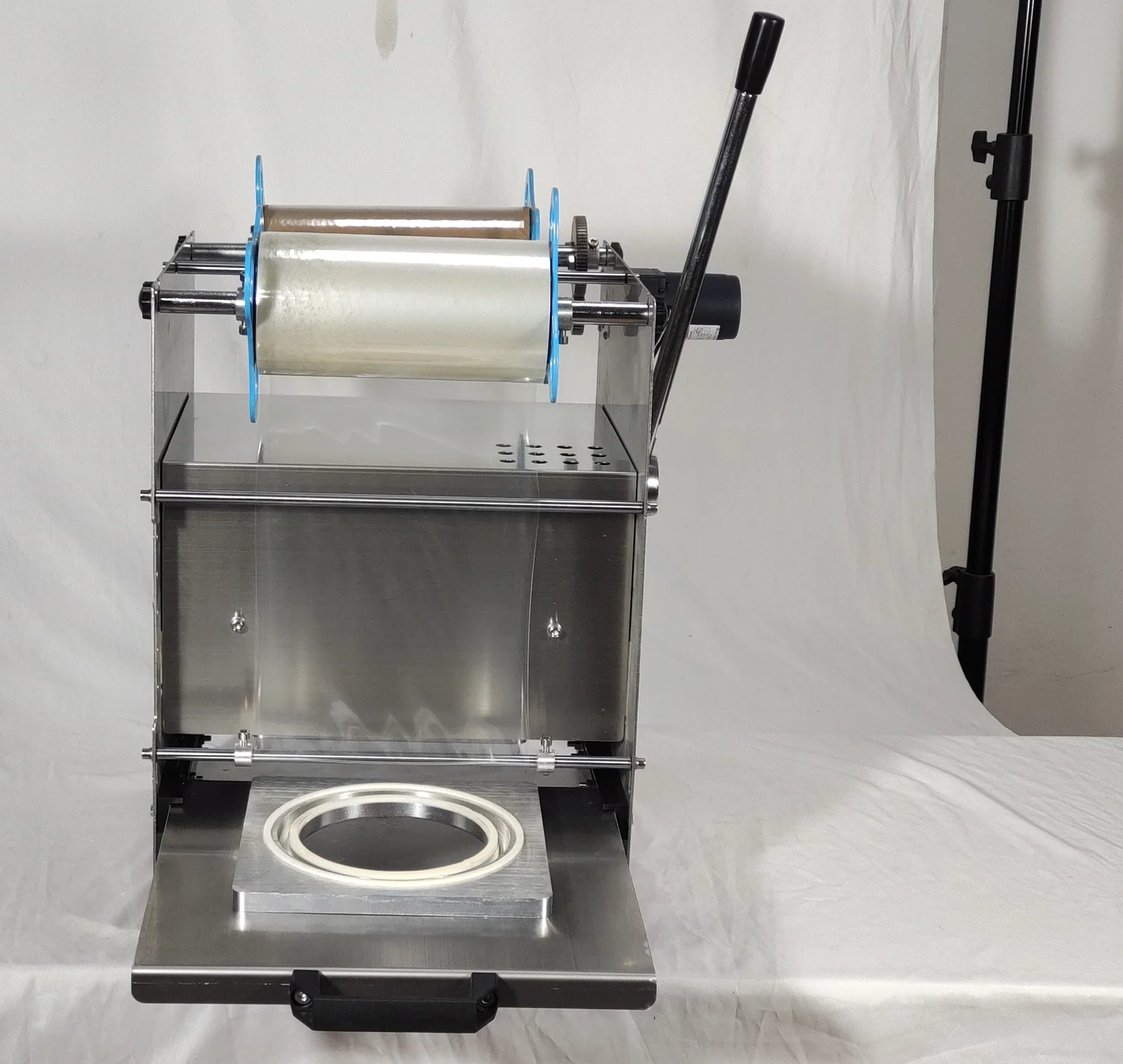 Manual Cup and Tray Sealing Machine
Yogurt cup dropping, filling, and sealing; During trial operation, observe cup dropping stability, filling cutoff, cup rim cleanliness, and film sealing positioning, and record cle...
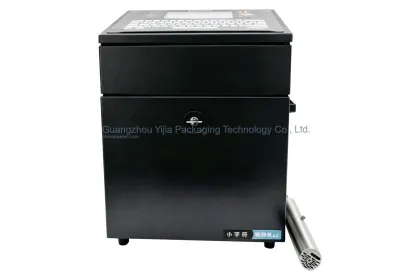 Date & Batch Inkjet Printer
Cleaning and downstream marking integration; Downstream configuration is added only according to clear requirements; trigger position and cycle time are confirmed based on the actual opera...
Core process
First use actual yogurt to confirm flow, fruit particles, and filling cutoff, then form a sample set with PP or PET cups, formal lid film, and print. Also state fill volume, cleaning, and planned cycle time.
A small cup filling and sealing machine can integrate cup dropping, filling, and film sealing into one process; before configuration, verify each action with actual material and formal cup film.
Small-diameter cup sealing machine SGP-03 can be used to first verify cup rim and film compatibility, helping to separate packaging material issues from filling issues.
After cup type, fill volume, changeover, and output requirements are clear, evaluate the rotary cup and tray filling and sealing machine and trial run according to the continuous cycle time of each station.
Small cup sealing film and easy-peel film consumables should be trial sealed together with cup material; molds and changeover parts are confirmed according to each cup mouth, cup height, and film supply method.
After the main machine is stable, arrange inkjet coding, checkweighing, or conveying according to product traceability and weight inspection requirements. Cleaning methods should also be included in daily operation verification.
Sample details
Cup type determines cup dropping, molds, and film sealing positioning; multiple specifications on one line also increase changeover items.
Provide all common cup samples, indicating cup mouth, cup height, material, fill volume, and usage ratio for each specification.Only after trial sealing the film with the cup rim as a set can the compatibility of sealing and film supply structure be judged.
Provide actual samples of roll film or pre-cut film, explaining material, heat-seal layer, easy-peel requirements, roll direction, and print registration.Actual material is used to verify filling channel, cutoff, and cup rim contamination, avoiding configuration based only on viscosity description.
Prepare production-state yogurt, explaining flow, fruit particles, temperature, and cleaning requirements.This information is used to compare small cup integrated machine and rotary multi-station processes, and to arrange buffering and operation.
Specify target cups per hour or per shift, common cup type changeover frequency, and the stations you want completed in one integrated process.Downstream position should be confirmed based on the cup body state after sealing; on-site information is used to reserve operation and maintenance space.
Provide available space, conveying direction, cleaning conditions, and state whether inkjet coding, labeling, or checkweighing is needed.Write acceptance items clearly in advance to facilitate item-by-item review using the same batch of cup film and yogurt.
List the items to check: fill volume, cup rim cleanliness, seal film appearance, easy-peel, and downstream traceability; if information is insufficient, send existing samples first.Common selection mistakes
Cups with the same diameter may have different rims and rigidity. Trial sealing should observe the seal edge, easy-peel, and cup body stress.
Record particle passage, metering, dripping, and cup rim contamination during trial filling, then decide on filling nozzles and cleaning arrangements.
Check roll direction, registration marks, and heat-seal layer on the formal film to avoid discovering a mismatched film supply structure after the machine is completed.
First stabilize cup, film, and material samples, then record continuous cycle time; do not calculate configuration using only a planned speed.
Clarify cleaning between material changes, batch number position, and inspection standards, and verify downstream triggering and conveying after the main machine is stable.
View detailed technical notes
Yogurt, cups, and film materials should be sampled together
For yogurt cup selection, first verify the actual yogurt, cup type, lid film, fill volume, and output, then compare the filling and sealing process.
First distinguish the material, cup type, and film feeding method
Fruit granules and flow state determine the filling channels, the cup rim determines the tooling, and roll film and pre-cut film determine film feeding and positioning. Any change in these three items may change the main machine configuration.
The integrated machine verifies the complete denesting, filling, and sealing process
The small cup filling and sealing machine can continuously complete cup denesting, filling, and film sealing. Trial runs require actual yogurt and formal cup film to check rim contamination and the connection of each action.
Small cup trial sealing first solves packaging material matching
The small-diameter cup sealing machine SGP-03 can be used to verify the cup rim, film heat-seal layer, and easy-tear performance, helping to rule out basic packaging material issues before configuring the full line.
Multi-station configuration is based on changeover and takt time
After the cup type, fill volume, changeover frequency, and planned output are clear, evaluate the rotary table cup and tray filling and sealing machine. Station arrangement must be verified through continuous trial runs.
Film materials and changeover parts are matched to the cup type
Small cup sealing film and easy-tear film consumables should be trial-sealed together with the actual cup material. Tooling and changeover parts are configured according to each cup rim, cup height, and film feeding method.
Main machine selection first looks at the complete process scope
For automatic cup denesting, filling, and film sealing, prioritize verifying the integrated process. If only checking cup-film matching, a separate trial seal can be done first.
Cleaning and changeover enter daily operation verification
In addition to packaging results, trial runs should also record material change, cleaning, and cup type changeover steps to confirm these operations match the planned production method.
Downstream marking and inspection are added based on clear requirements
Inkjet coding, labeling, or checkweighing are added after the main sealing takt is stable. Only when traceability or weight inspection standards already exist should the corresponding positions and triggers be determined.
Common questions
Can the same filling configuration be used for drinkable yogurt and fruit yogurt?
Do not judge only by product name. Fruit particle state, viscosity, and flow affect the filling channel and cutoff, so confirm after trial filling with the actual material.
What cup and film information should be provided before confirming a solution?
Prepare actual cup samples, sealing film, film form and roll direction, and specify cup mouth size, fill volume, cleaning, common specifications, and planned output.
Why trial seal with a small cup sealing machine first?
A separate trial seal can first check the cup rim, film heat-seal layer, and easy-peel performance, avoiding mistaking packaging material mismatch for a machine filling problem.
When should a rotary multi-station machine be considered?
After cup type, film material, fill volume, changeover, and target output are clear, compare rotary multi-station configurations based on continuous trial machine cycle time.
How to check the sealing effect of yogurt cups?
Use actual yogurt, cups, and formal film for continuous sampling, observe cup rim contamination, film surface, and seal edges, and record sealing and easy-peel results according to the agreed method.
When should inkjet coding or checkweighing be integrated?
Connect after the actual cycle times of cup dropping, filling, and sealing are stable. If traceability or weight inspection is confirmed, reserve space during the layout stage.