Solution topic
MAP, Pre-cut Film, Roll Film, and Continuous Pouch Sealing Branches for Sandwich Box Trays
Sandwich trays first enter the MAP or regular heat sealing branch according to freshness requirements, with pre-cut film and roll film matching the respective main machines. If swi
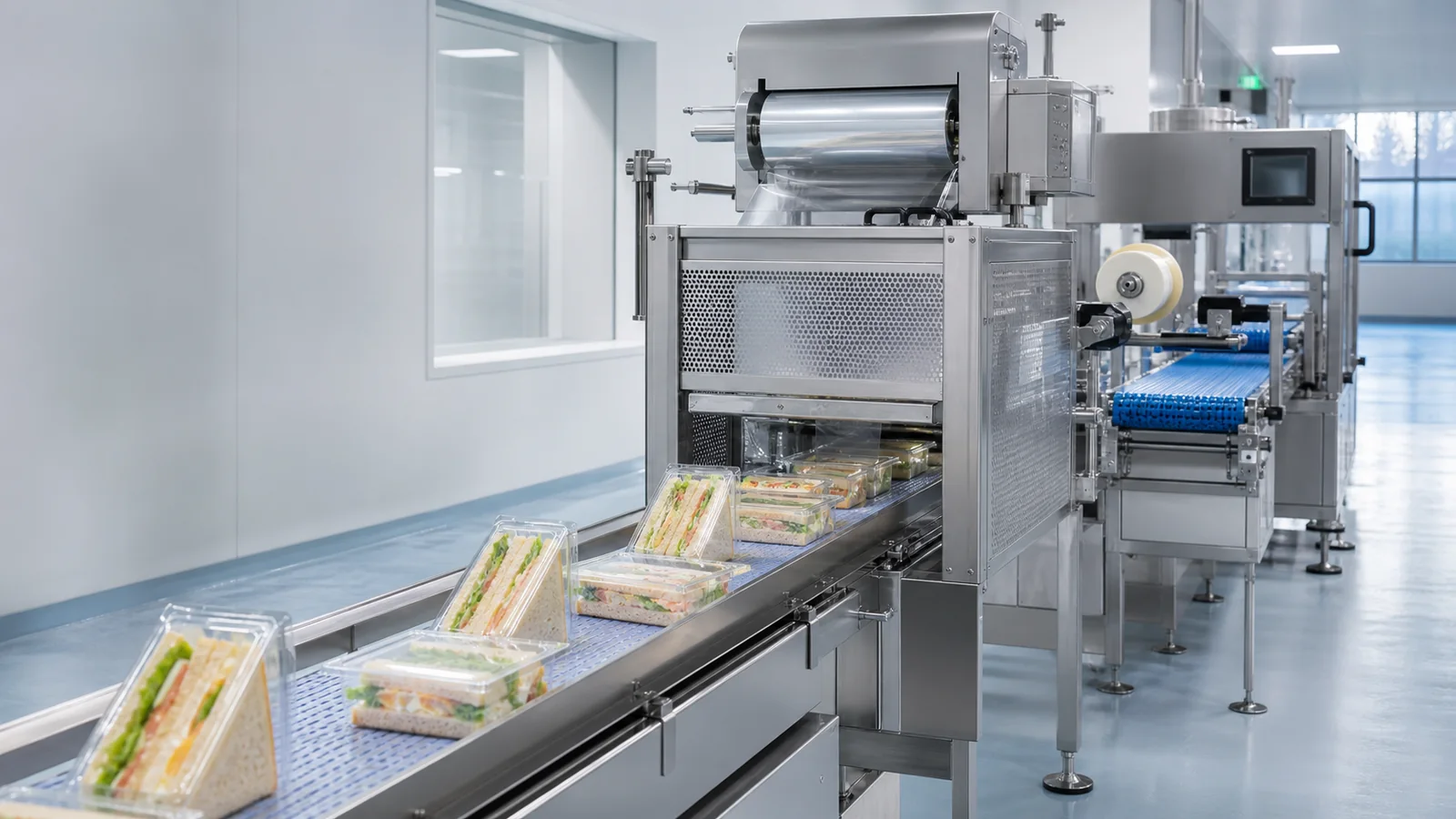
- Sandwiches can be packaged in trays or flexible pouches, but the feeding and sealing of the two are different processes. Trays also need to distinguish between MAP, pre-cut film, and roll film; the route should converge after the sales packaging is determined.
Solution summary prepared for you
- Sandwich packaging first branches between trays and pouches; trays then determine equipment based on MAP, standard heat sealing, and sheet film or rollstock.
- MAP sealing must be finalized with trays, film, gas process, and finished product acceptance; fixed shelf-life days cannot replace testing.
- For pre-cut film, check sheet separation and placement direction; for rollstock, focus on film feeding, trimming, and print layout.
Route comparison
- Suitable for sandwiches with confirmed tray packaging and the ability to specify MAP process or standard seal edge acceptance.
- Both routes retain tray shape support and can arrange sealing around single compartments, multi-compartments, and display windows.
- When tray film is incompatible, rim is contaminated, or rib pressing is insufficient, sample conditions must be addressed first.
- Do not configure MAP when the gas process is not yet defined; standard heat sealing cannot replace food preservation validation.
- Tray MAP sealing machines must be confirmed with process and tray samples; tabletop multi-compartment meal box sealing machines are configured with actual multi-compartment trays.
- Suitable for projects where the lidding film supply format is confirmed and a choice must be made between sheet film layout and continuous rollstock.
- Sheet film preserves independent print direction; rollstock suits continuous film supply and die-cut trimming.
- Sheet film static, warping, and rollstock misalignment can damage film placement and seal edge appearance.
- When the film format is not finalized or no loaded tray samples are available, do not lock the film supply mechanism prematurely.
- Automatic pre-cut film placement tray sealing machines are evaluated with actual film sheet projects; tabletop rollstock tray sealing machines are confirmed with tray and rollstock samples.
- Suitable for sandwich products using flexible pouches and specifying whether bag air treatment is needed.
- Continuous heat sealing facilitates conveying integration; the vacuum branch can evaluate evacuation requirements and sealing actions in the same project.
- When sauce contaminates the bag opening, product deforms under pressure, or the bag heat-seal layer is incompatible, re-testing is required.
- Do not choose pouches when tray support and window display are essential; do not add evacuation stations when vacuum goals are undefined.
- Continuous bag sealing machines are tested with bag samples; continuous flow bag vacuum sealing machines require formal finished product evaluation, and downstream can integrate collaborative date batch inkjet coders and food-grade conve...
Associated Equipment / Consumables
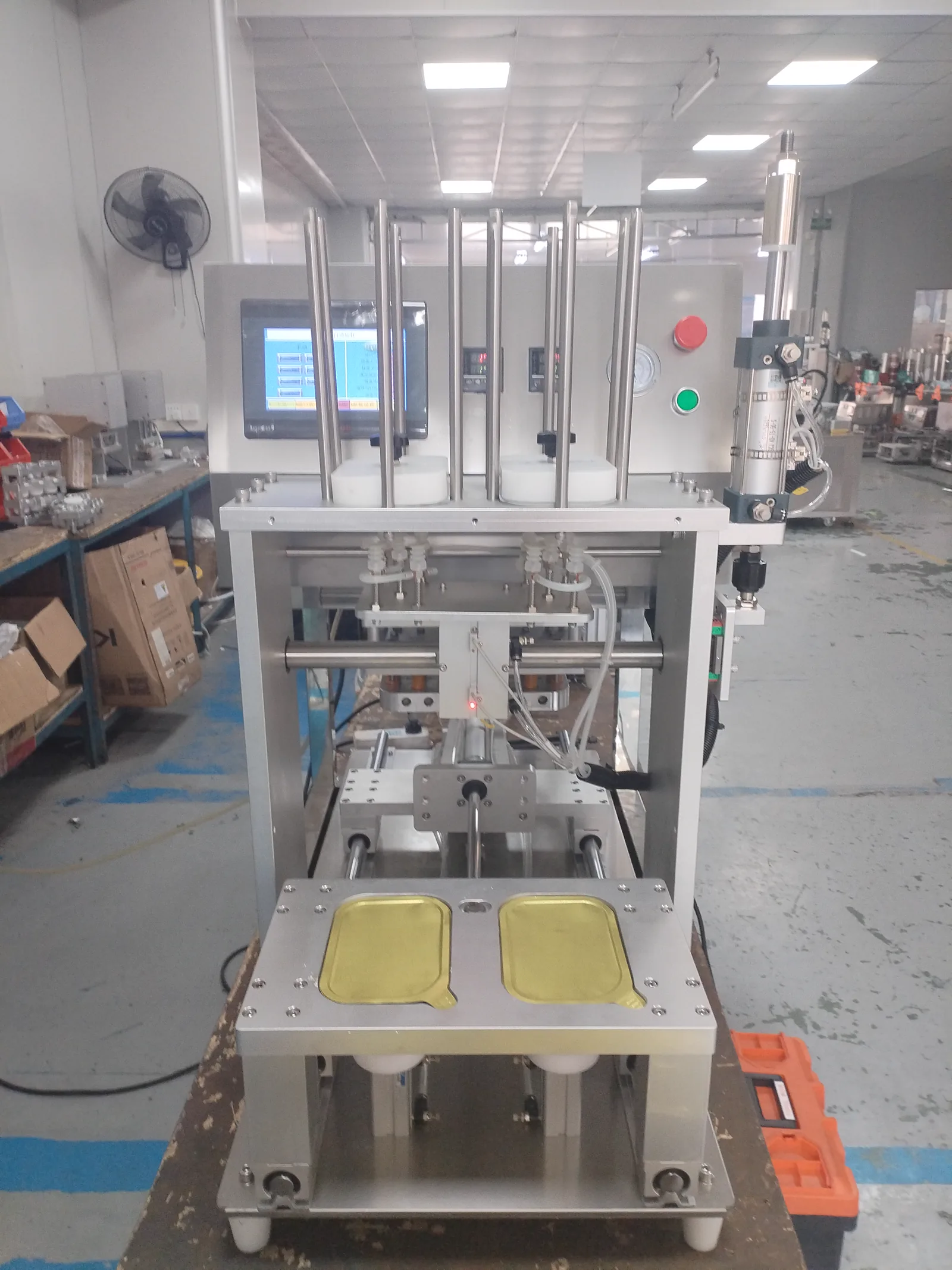 Automatic Pre-Cut Lid Pick-and-Place Tray Sealer
Automatic pre-cut film pick-and-place tray sealing machine: Tray and film sample verification; The mold and heat-seal window should be tested together with the same set of trays, film, and finished product samples; Lo...
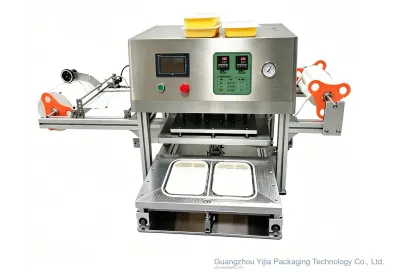 Tabletop Multi-Compartment Meal Tray Sealer
Desktop Multi-Compartment Lunch Box Sealer: Tray sealing method branching; Tray MAP sealing machines are confirmed with trays and process samples; tabletop multi-compartment meal box sealing machines are configured wi...
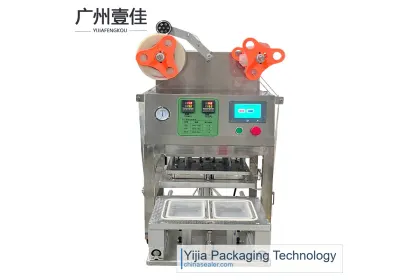 Benchtop Roll-Film Tray Sealing Machine
Tray and film sample verification; The mold and heat-seal window should be tested together with the same set of trays, film, and finished product samples; Loaded sandwich trays...
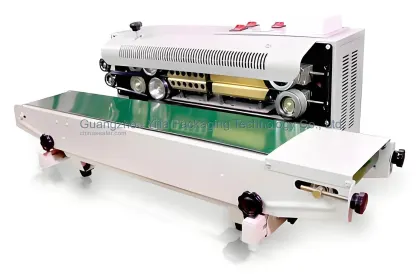 Continuous Bag Sealing Machine
Tray sealing method branching; Tray MAP sealing machines are confirmed with trays and process samples; tabletop multi-compartment meal box sealing machines are configured with tray samp...
Core process
Measure the tray rim profile, rim width, and loaded height, and observe whether sauce or debris enters the seal edge.
Evaluate MAP sealing only when a clear gas process is defined; for standard heat sealing of multi-compartment trays, focus on compartment ribs and pressing edges.
For pre-cut film, verify sheet separation, pickup, and direction; for rollstock, check film feeding, trimming, and print position.
When no air evacuation is needed, continuous heat sealing can be used; vacuum bagging requires separate review of product compression and bag shrinkage.
First determine the printing surfaces for ingredient labels and batch codes to avoid blocking seal edges, openings, or display windows.
Trays and pouches have different discharge orientations; conveying direction, guards, and manual receiving positions should be arranged separately.
Sample details
Finished product height and rim contamination affect mold clearance, pressing position, and feeding method.
Provide single- or multi-compartment trays, photos after loading, and key tray rim dimensions.For sheet film, check static and warping; for rollstock, verify width, heat-seal layer, and film feeding direction.
Specify whether pre-cut film or rollstock is used, and prepare film samples and print direction.Both MAP and vacuum require process acceptance criteria; standard sealing is based on seal edge samples.
Distinguish standard heat sealing, MAP treatment, continuous bag sealing, or vacuum bagging.First exclude seal edges and opening areas, then evaluate inkjet printing or an additional tray surface labeling station.
Provide predetermined positions for ingredient labels, date batch codes, and display windows.This information is used to arrange food-grade conveying lines, buffering, and receiving positions for the project configuration.
Prepare manual actions before and after sealing, equipment height, discharge direction, and workshop dimensions.Common selection mistakes
First determine the packaging format, then test with tray film or bag samples so the equipment direction is not mixed up.
MAP conditions are provided by the product process supplier; sealing tests cannot replace food process validation.
Use actual film sheets to check separation, pickup, positioning, and tray synchronization, not just measure the shape.
When vacuum is needed, separately review project tests for sandwich compression, bag material shrinkage, and complete finished products.
Reserve positions for batch codes and labels during mold and conveying layout to make downstream operations smoother.
View detailed technical notes
First, Branch by Packaging Format
Whether the sandwich is placed in a tray or a flexible pouch first changes the support, display, feeding, and sealing methods. Once the tray is determined, discuss MAP or regular heat sealing, and pre-cut film or roll film.
MAP Information Must Be Provided by the Process Side
The tray MAP sealing machine handles the corresponding packaging actions, but gas handling conditions and finished product acceptance should be determined by the actual product process. Without these inputs, first complete trial sealing of the tray film material.
Regular Multi-Compartment Trays: Focus on Ribs and Rim
The tabletop multi-compartment meal tray sealing machine requires tooling to be configured according to the tray sample. The ribs between compartments, tray rim warpage, and filling contamination must be individually observed during edge sealing inspection, and sealed samples must be used to verify seal continuity and opening status.
Pre-cut Film and Roll Film Are Two Different Film Feeding Logics
Pre-cut film must be separated sheet by sheet, orientation identified, and accurately placed on the tray, while roll film is fed continuously and trimmed according to the tooling range. Formal film samples will show static, warpage, misalignment, and heat seal layer differences, and can also check the relative position of the pattern and the tray.
Flexible Pouches Also Need to Distinguish Whether Vacuum Is Required
The continuous pouch sealing machine performs continuous heat sealing of the pouch opening. If the packaging process requires vacuum, switch to a continuous flow pouch vacuum sealing machine that has been evaluated with finished samples; do not mix the two actions into one.
First, Perform Edge Sealing Inspection with Filled Samples
An empty tray being flat does not mean it can still be positioned stably after the sandwich is placed. During testing, retain the actual filling height, sauce condition, and condensation, then observe the film surface and surrounding seals.
Equipment Combination Confirmed Item by Item by Branch
MAP, multi-compartment regular heat sealing, pre-cut film, roll film, continuous pouch sealing, and vacuum pouch packaging each correspond to different main machines. After determining the main packaging branch, add coding and conveying.
Labels and Batch Codes Are Planned Separately
The collaborative date batch inkjet coder can perform print tests on the film or tray surface. If ingredient labels require automatic application, submit label samples and tray surface position evaluation separately for a dedicated labeling station.
Exit Orientation Determines Conveyor Layout
Trays need to remain horizontal, while flexible pouches need to prevent seal edges from being squeezed. The food-grade conveyor line is confirmed for guards, interfaces, and receiving positions based on finished samples, cleaning conditions, and on-site routing.
Common questions
Should sandwiches be packaged in trays or pouches first?
For products that need to display and support their shape, start with a tray; if flexible packaging is acceptable and the bag opening can stay clean, then consider a pouch.
How do you distinguish standard tray heat sealing from MAP sealing?
Standard heat sealing focuses on film-to-tray fit and seal edge acceptance, while the MAP route requires the process supplier to provide gas handling and finished product acceptance criteria.
Which direction is more suitable: pre-cut film sheets or rollstock?
When using separate film sheets with a print direction, verify sheet separation and placement; for continuous rollstock, check film feeding, trimming, and print registration.
Can sandwich trays with sauce on the rim still seal reliably?
First incorporate rim cleaning into the tray loading process, then test seal with contaminated boundary samples and inspect the seal edge.
Do all bagged sandwiches need vacuum sealing?
Continuous bag sealing preserves the existing air inside the bag; the vacuum route must be separately confirmed based on product compression performance and packaging process.
How to arrange labeling and date coding after sealing?
First determine label size, batch code content, and printing surface, then decide whether to use a separate station or integrate with the conveying section.