Solution topic
Tomato Ketchup Filling and Sealing Packaging Line Selection Solution
For a tomato ketchup project, simultaneously confirm high viscosity, possible seeds or spices, ambient or hot filling, easy stringiness, squeeze bottles, wide-mouth jars, cups, food pails, pre-made pouches, leak-proof sealing, cleaning and changeover, and production cycle time. This article organizes selection steps based on actual inquiry data.
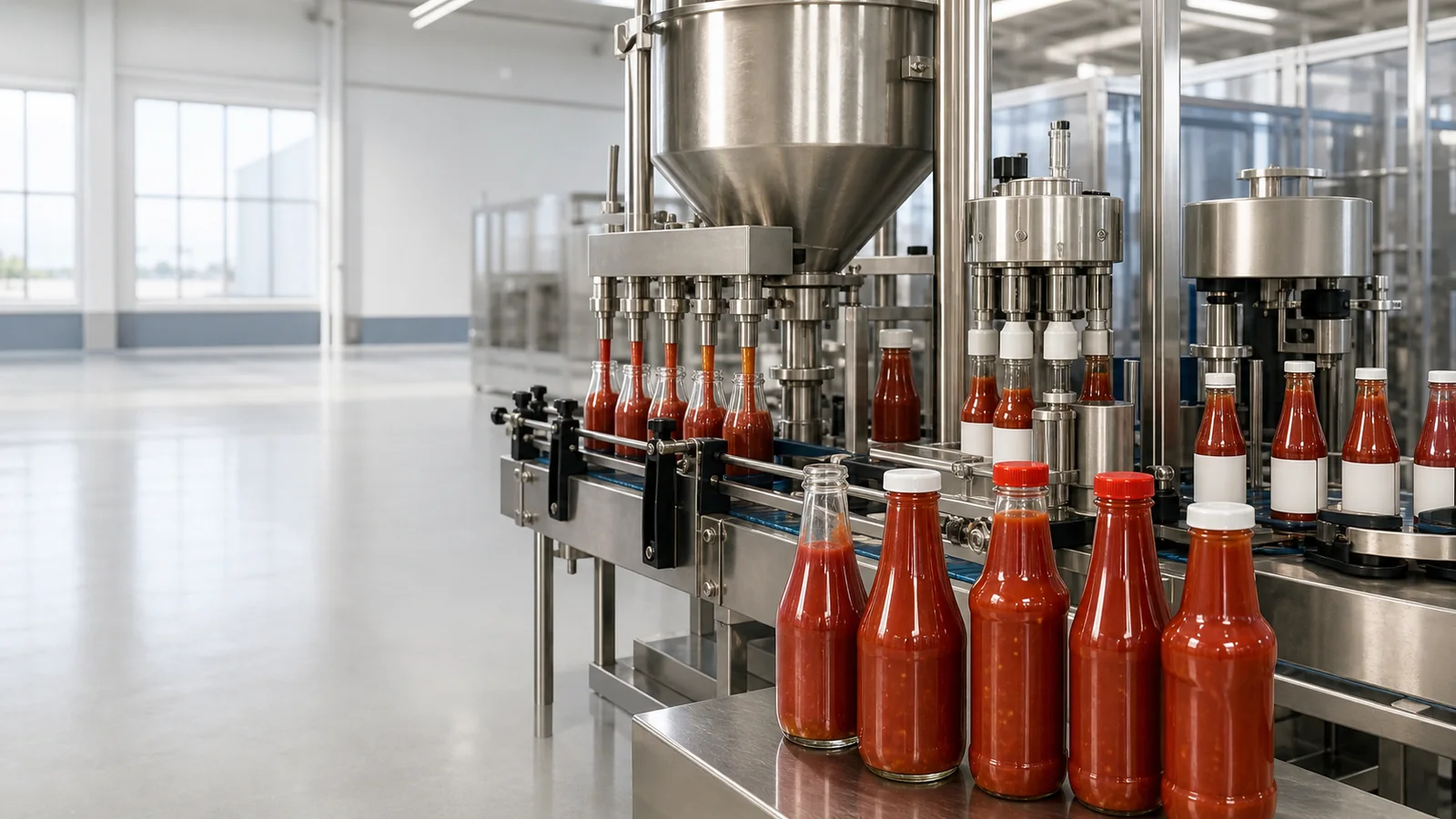
- First confirm the tomato ketchup state, packaging form, target capacity, and downstream requirements, then decide whether to use a single machine, semi-automatic line, or continuous filling and sealing line.
- Tomato Ketchup / Sauce
First Clarify the Tomato Ketchup
Tomato ketchup cannot be selected by product name alone. Viscosity, temperature, particles, oil or crystallization affect feeding, filling accuracy, drip prevention, and cleaning time.
Break Down Solutions by Packaging Form
Squeeze bottles, wide-mouth jars, cups, food pails, and pre-made pouches correspond to different main machines and downstream configurations. First determine the primary packaging, then discuss filling head count, sealing method, labeling, and inspection.
Equipment Combinations Suitable for This Packaging Route
For ketchup projects, first choose the route: bottles, cups, pails, or premade pouches. These projects usually combine filling, sealing, capping, labeling or coding, conveying, and inspection according to the package format. For bottles and pails, start with filling, capping, and foil inner sealing. For small cups, confirm cup film sealing. Evaluate premade pouches only when you clearly need a pouch format.
Leak Prevention Should Be Addressed Early
Many project failures are not because the machine cannot run, but due to bottle rim contamination, pouch mouth material entrapment, mismatched film material, or incorrect cap/liner structure. During trials, record seal strength, inverted test, transport test, and opening experience.
Capacity Depends on Overall Line Cycle Time
Filling speed is just one part. Feeding, positioning, sealing, cooling, labeling, inspection, collection, and manual changeover all affect actual output.
Consumables and Changeover Determine Long-Term Cost
Bottle caps, liners, cup films, labels, ink, seal rings, and changeover parts should be confirmed together with the equipment; otherwise, subsequent procurement and maintenance costs are easily underestimated.
Line Construction Can Be Phased
When budget is limited, start with semi-automatic or core single machines while reserving interfaces for conveying, labeling, coding, inspection, and downstream; upgrade later as order volume grows.
Inquiry Information Checklist
It is recommended to provide at once: tomato ketchup sample state, packaging photos and dimensions, packaging material specifications, target capacity, site video, voltage and air supply, and whether export packaging is needed.
Confirm Samples and Capacity Limits First
If sample size, film material, product condition, and target capacity are not confirmed yet, start with small-batch validation or a single-machine trial. This keeps the investment more controlled, but it requires more manual handling and is not suitable for promising a continuous production rhythm immediately.
Avoid a Mismatched Equipment Route
Do not choose a solution only by the machine name. If the container, rim, film, cap type, viscosity, or downstream space does not match, sealing may be unstable, changeover may be difficult, or the downstream connection may become risky even when the listed capacity looks close.
Route comparison
- Suitable for ketchup/dressing when capacity, bottle type, cap, gasket, viscosity or sample testing is still being confirmed.
- Easy to first verify filling accuracy, drip-free, capping feel and sealing effect with lower investment.
- Manual bottle handling and capping coordination, limited speed, batch consistency depends on operator rhythm.
- If target capacity is clear and continuous output is needed, long-term use of semi-automatic single machines alone is not recommended.
- First use semi-automatic filling, capping or induction sealing equipment to verify key parameters, then decide whether to upgrade to a line.
- Suitable for ketchup/dressing when bottle and cap types are confirmed, requiring stable batch production.
- Filling, capping, foil induction sealing, labeling and coding can be sequentially linked for more stable capacity.
- Requires advance confirmation of bottle stability, content viscosity, temperature, foam, cap structure and conveying space.
- If bottle type changes frequently or content status is uncertain, directly ordering a fully automatic line is not recommended.
- Configure bottle supply, filling, capping, induction sealing, labeling, coding and inspection equipment per process; main equipment must match bottle type and target speed.
- Suitable for ketchup/dressing with particles, easy foaming, high viscosity, hot fill, corrosive or high hygiene requirements.
- Customization possible for pump type, hopper, valve, insulation, cleaning and drip-free to reduce later rework.
- Higher cost and documentation requirements; sample testing or clear physical parameters needed.
- If it is just ordinary low-viscosity liquid with low capacity requirement, excessive customization from the start is not recommended.
- Select piston pump, rotor pump, insulated hopper, drip-free filling nozzle, induction sealing and post-inspection combination based on material condition.
Core process
First determine whether tomato ketchup requires heat preservation, stirring, drip prevention, or special valve body.
Filling method is selected based on viscosity, particles, fill volume, and cleaning requirements.
Different containers correspond to different feeding, positioning, sealing, and discharge methods.
Leak testing is more important than just checking seal appearance.
For export or retail packaging, it is recommended to confirm traceability and rejection methods together.
Include site space, voltage and air supply, language interface, and wooden case packaging in the quotation scope.
Associated Equipment / Consumables
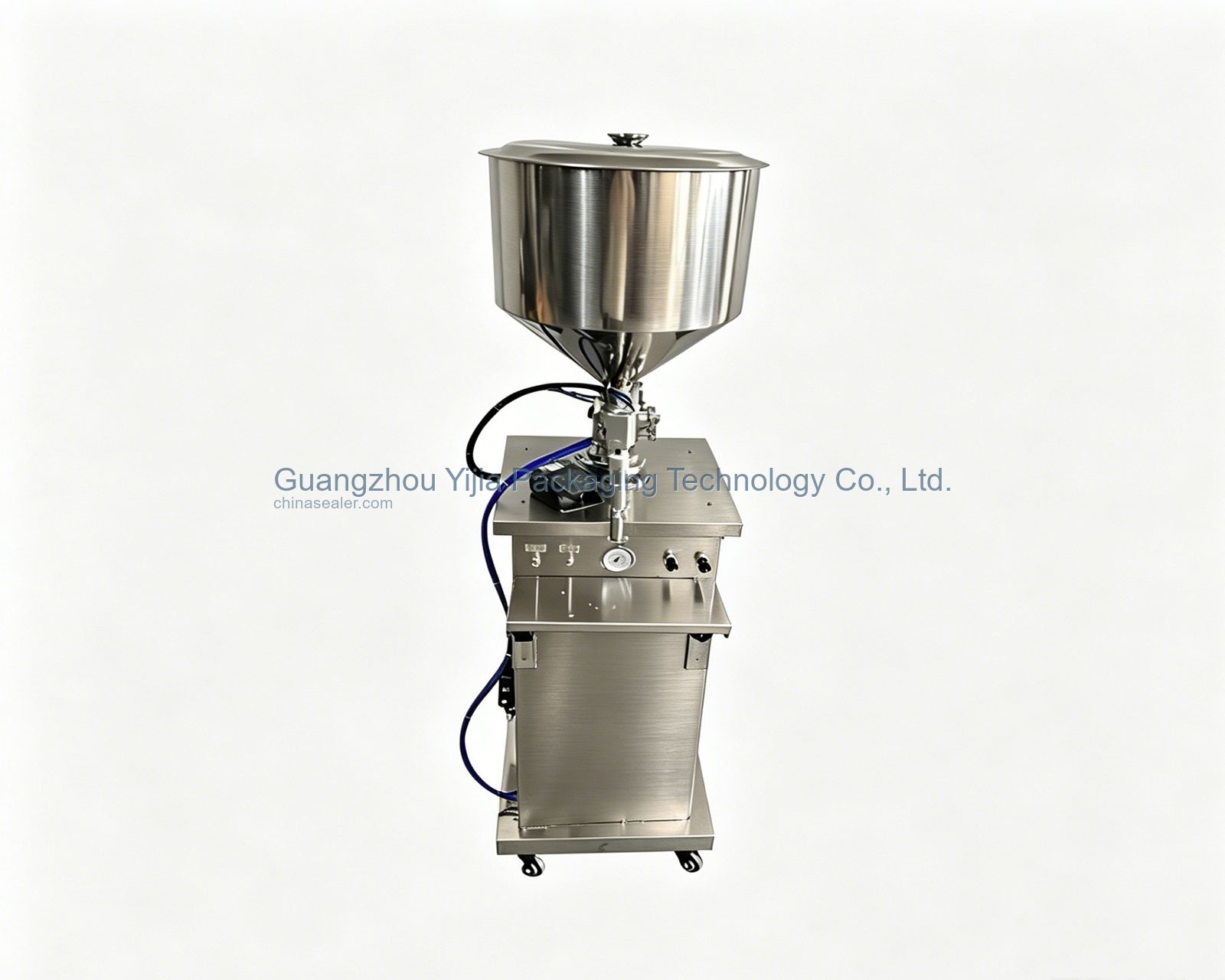 Sauce Piston Filling Machine
Feeding and Filling; Filling method is selected based on viscosity, particles, fill volume, and cleaning requirements; Hopper / Pump / Piston / Weighing
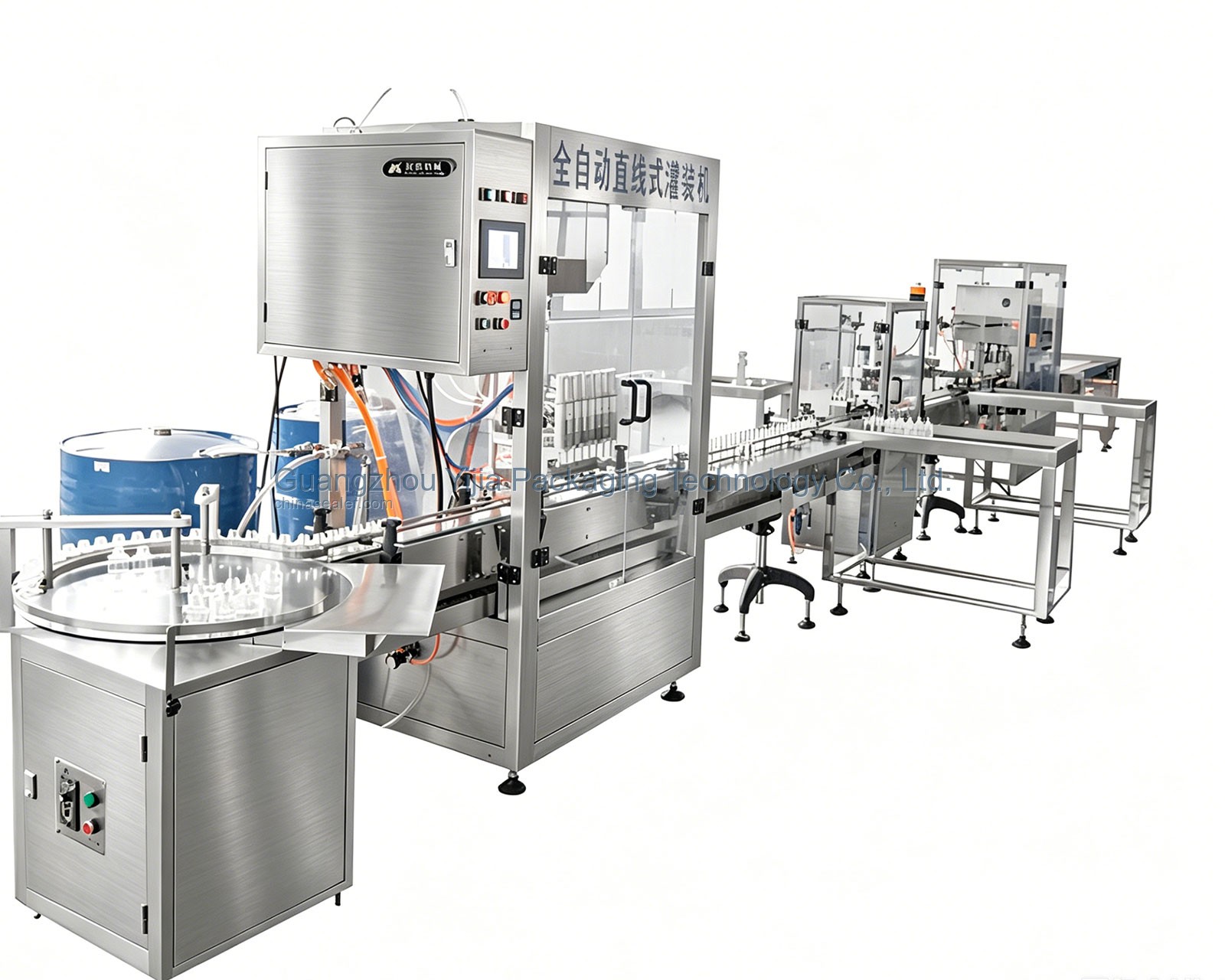 Multi-Head Sauce Filling Line
Feeding and Filling; Filling method is selected based on viscosity, particles, fill volume, and cleaning requirements; Hopper / Pump / Piston / Weighing
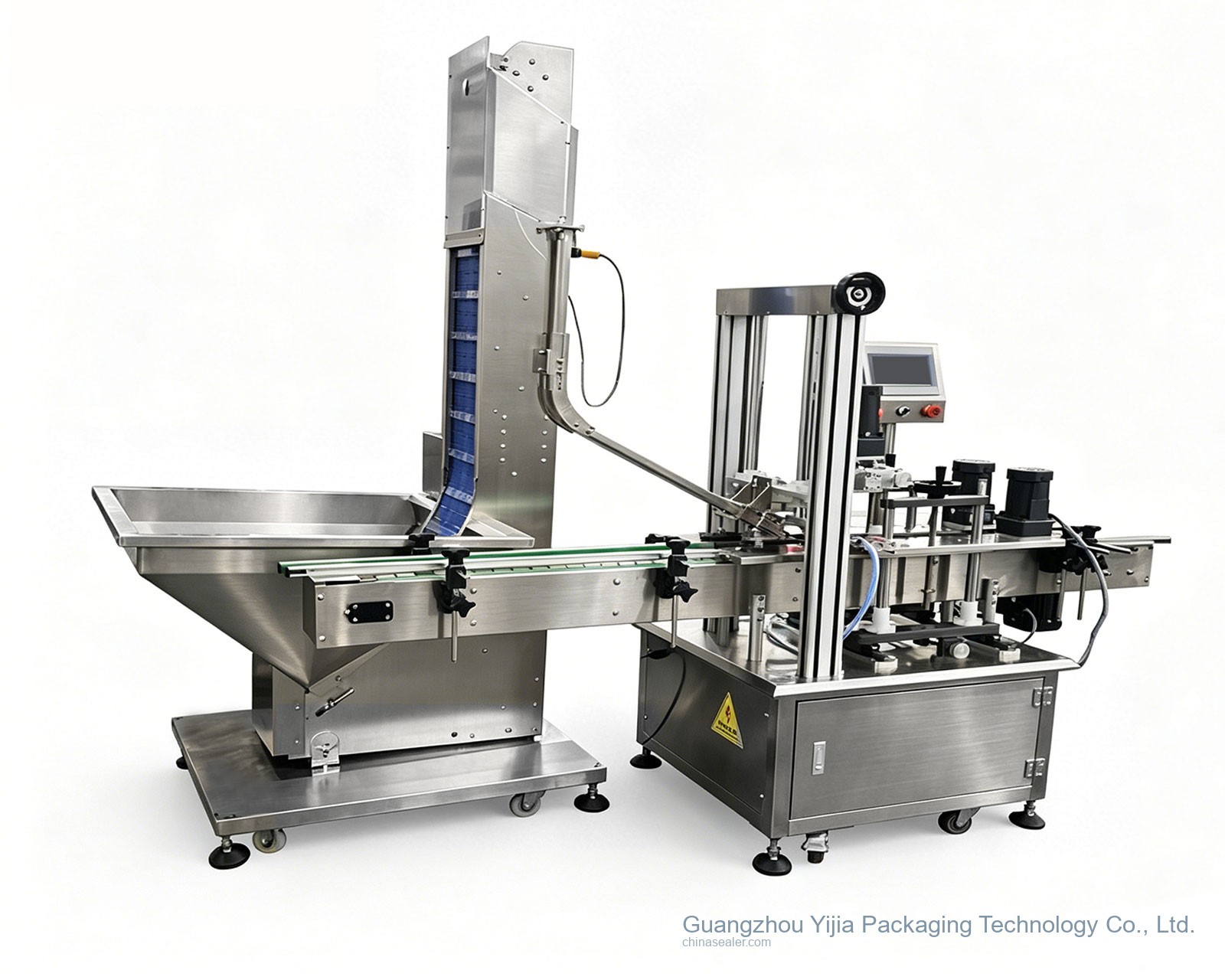 Automatic Screw Capping Machine
Packaging Container; Different containers correspond to different feeding, positioning, sealing, and discharge methods; Squeeze Bottle; Wide-Mouth Jar
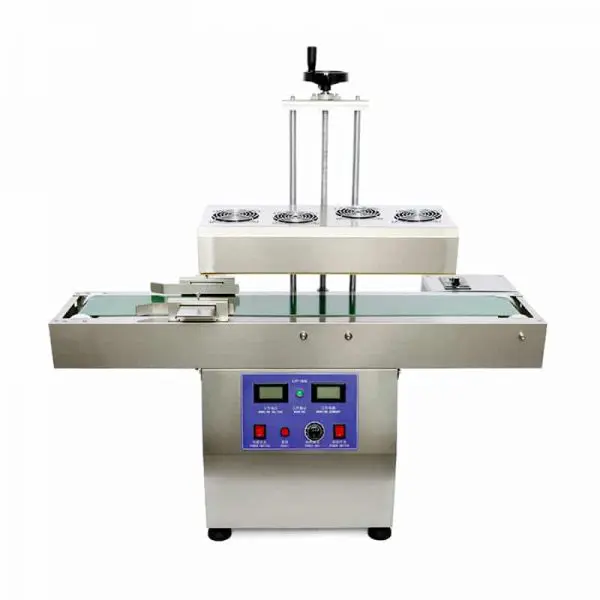 Inline Induction Foil Sealer
Packaging Container; Different containers correspond to different feeding, positioning, sealing, and discharge methods; Squeeze Bottle; Wide-Mouth Jar
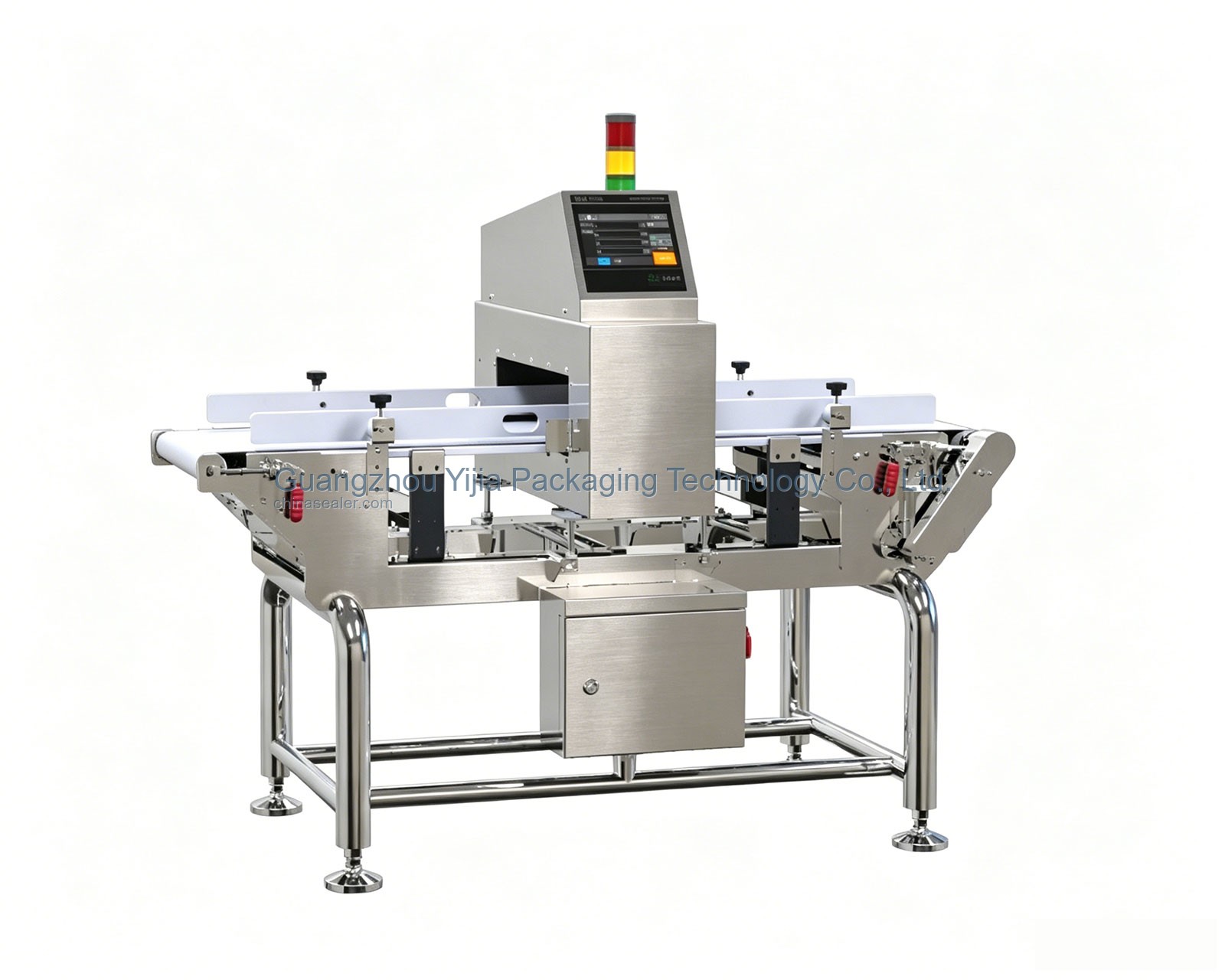 Food Metal Detector
Identification and Inspection; For export or retail packaging, it is recommended to confirm traceability and rejection methods together; Date Batch Code / Labeling / Checkweighing / Metal Detection
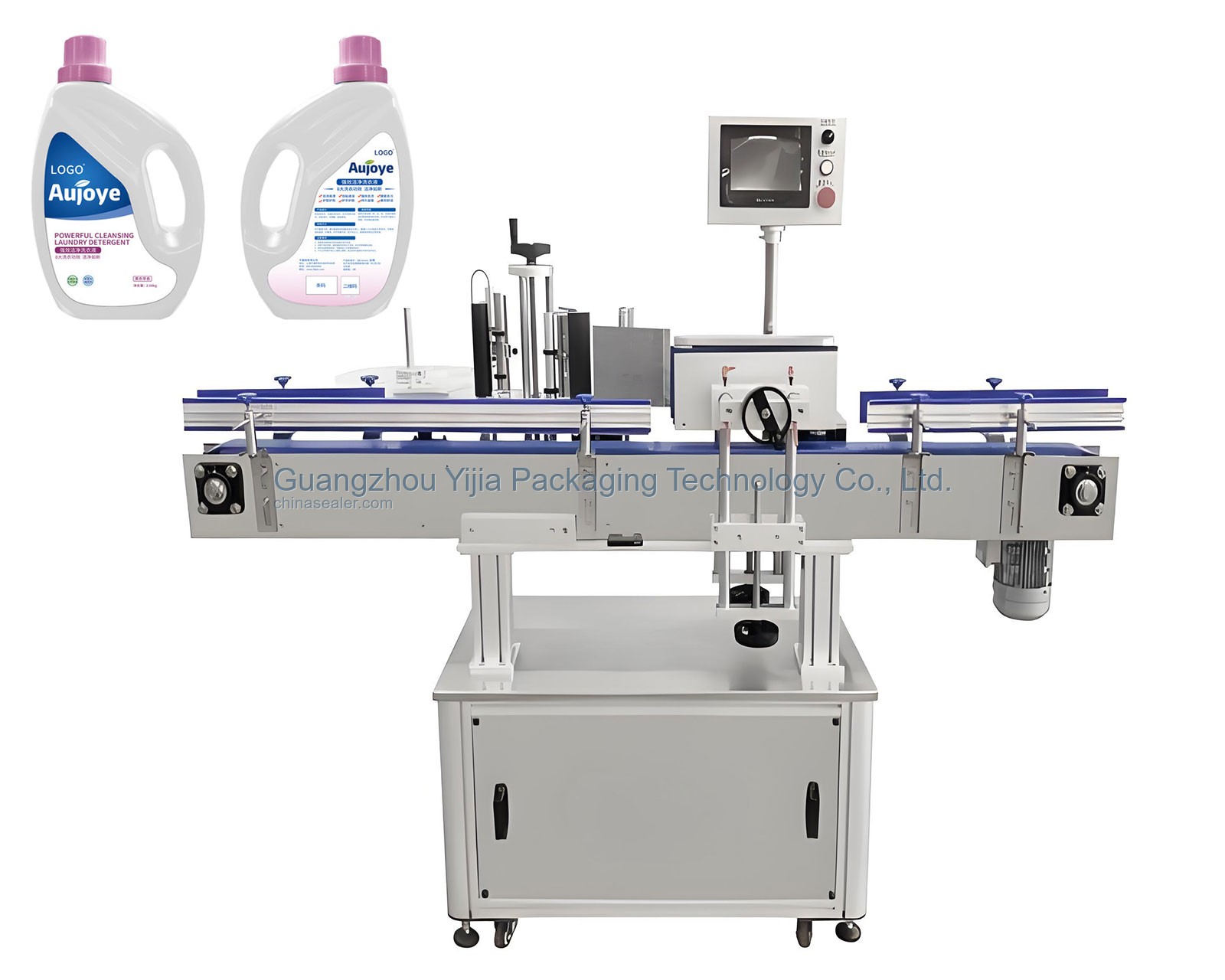 Round & Square Bottle Labeling Machine
Identification and Inspection; For export or retail packaging, it is recommended to confirm traceability and rejection methods together; Date Batch Code / Labeling / Checkweighi...
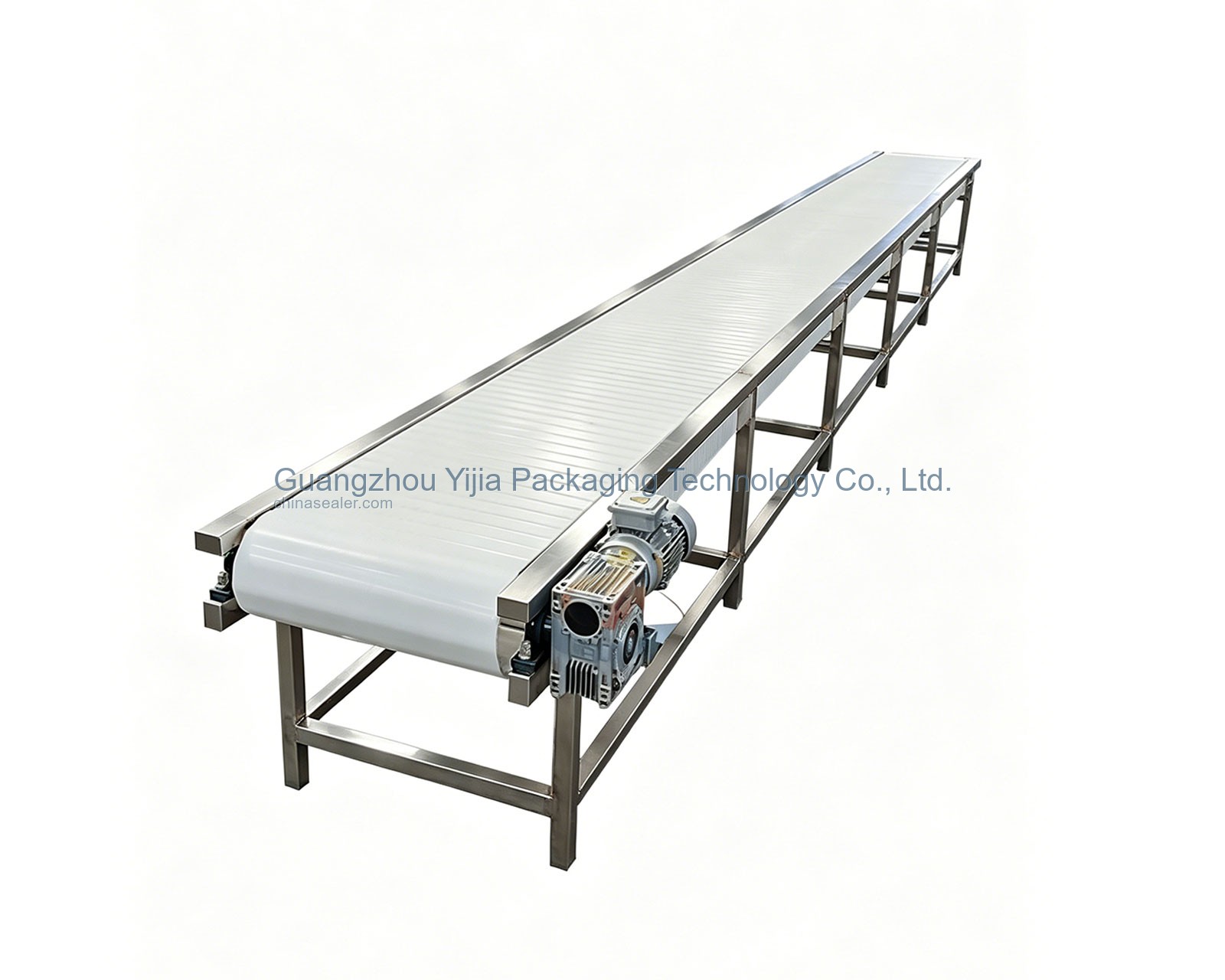 Food-grade conveyor line
Downstream and Delivery; Include site space, voltage and air supply, language interface, and wooden case packaging in the quotation scope; Case Packing / Case Sealing / Outer Case Labeling /...
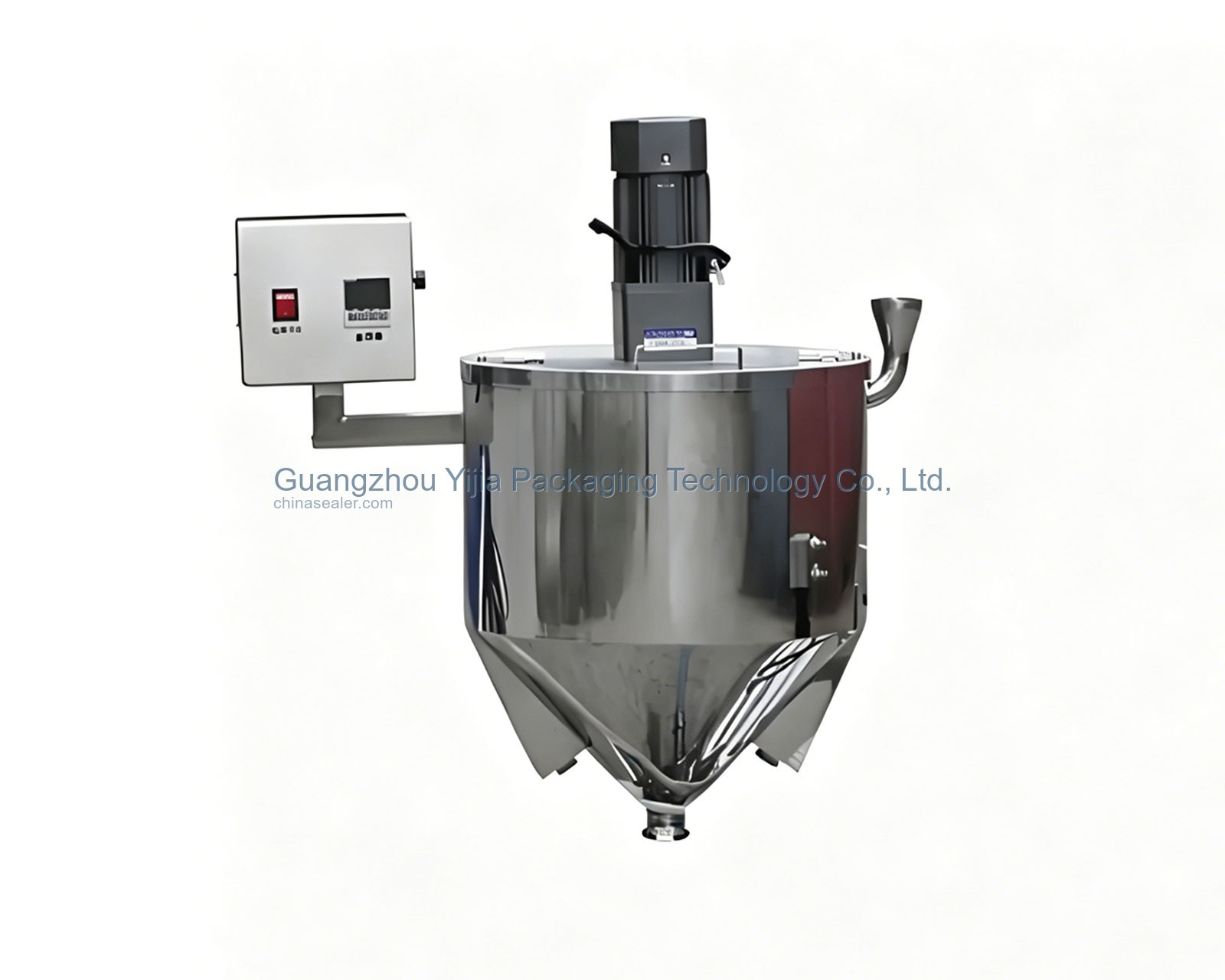 Heated Hopper and Jacketed Tank
Feeding and Filling; Filling method is selected based on viscosity, particles, fill volume, and cleaning requirements; Hopper / Pump / Piston / Weighing
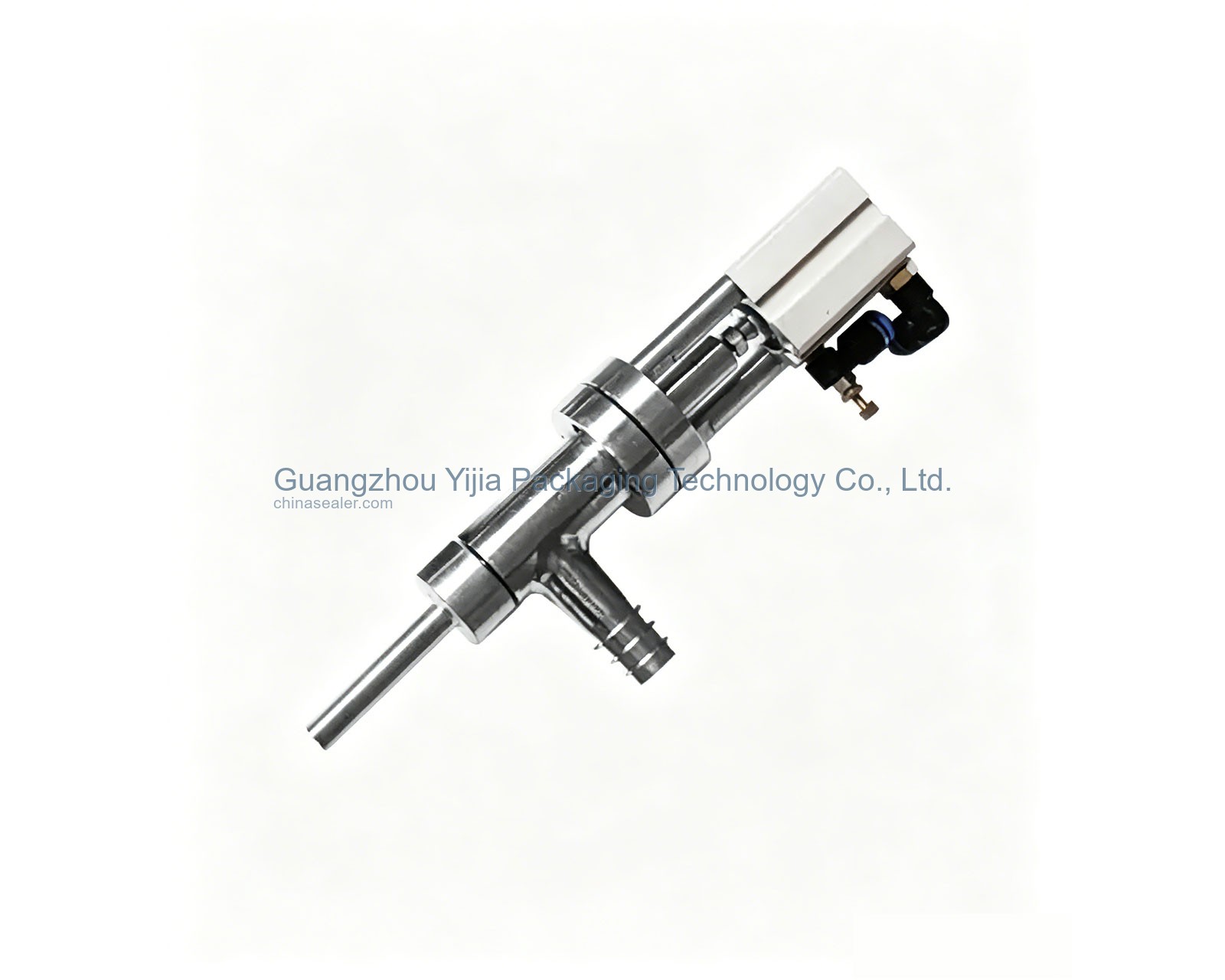 Anti-Drip Anti-Stringing Filling Nozzle Assembly
Feeding and Filling; Filling method is selected based on viscosity, particles, fill volume, and cleaning requirements; Hopper / Pump / Piston / Weighing
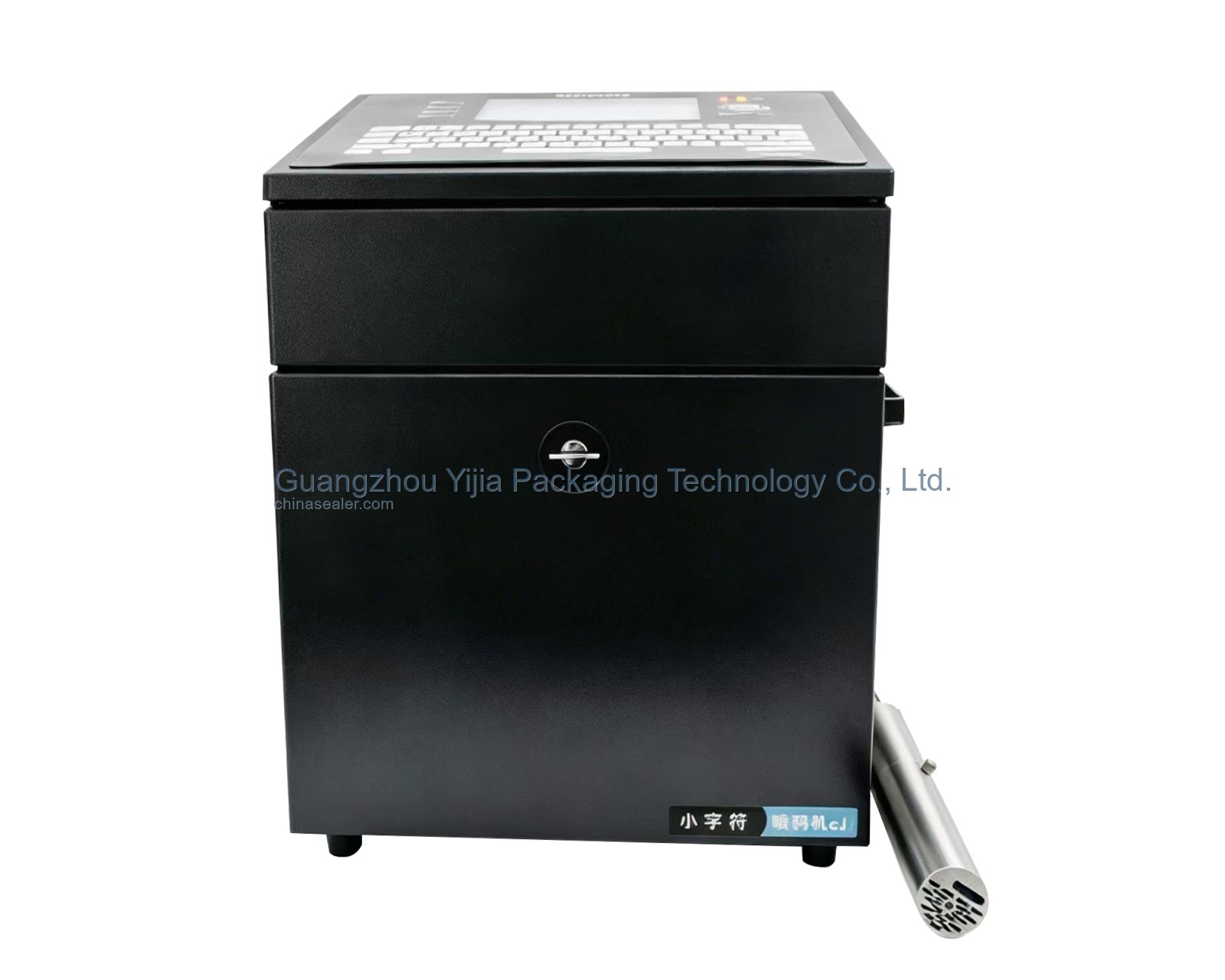 Date & Batch Inkjet Printer
Identification and Inspection; For export or retail packaging, it is recommended to confirm traceability and rejection methods together; Date Batch Code / Labeling / Checkweighing / Metal...
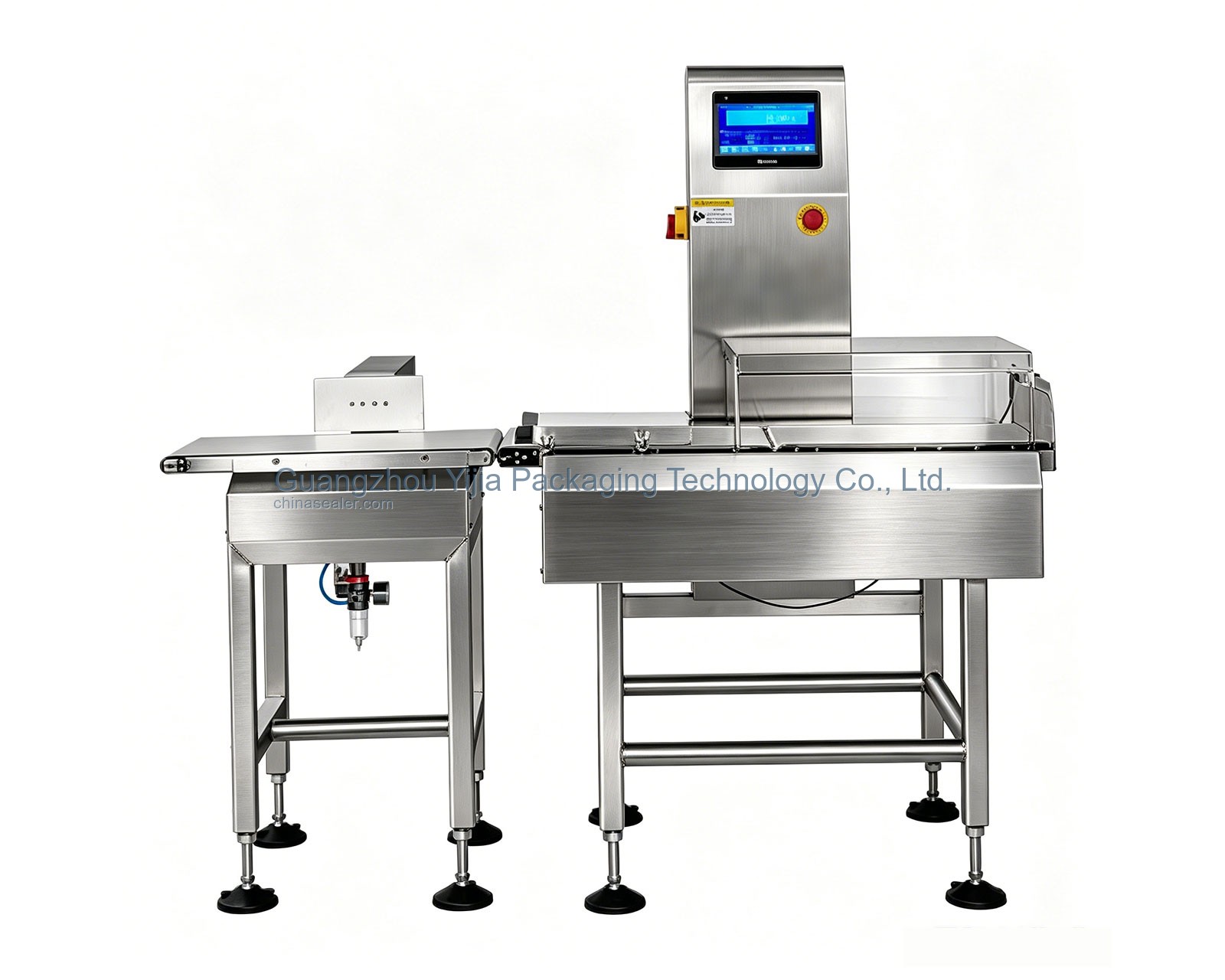 Inline Checkweigher
Identification and Inspection; For export or retail packaging, it is recommended to confirm traceability and rejection methods together; Date Batch Code / Labeling / Checkweighing / Metal Detection
Sample details
The equipment chain differs for bottles, small cups, catering pails, pre-made pouches, and spout pouches. First specify who you sell to, what container, and the unit capacity, then decide between a single machine or a continuous production line.
Packaging container photos or dimensions, unit capacity, bottle/cup/pail rim structure, target sales channelThe viscosity, particles, temperature, and stringiness of tomato ketchup affect piston filling, hopper, valve group, anti-drip filling nozzle, and bottle rim cleaning method.
Material sample, viscosity range, whether containing particles, hot or ambient filling, pH or acidity rangeIf you only need one machine, start with one core action: filling, screw capping, induction sealing, small cup film sealing, or pouch sealing.
Existing equipment, core action, line interface need, labeling or coding needExisting equipment status, core action to solve, whether to reserve line connection interface, whether labeling and coding are needed
Hourly output target, shifts, budget stage, target market and planned launch timeSend sample photos, key dimensions, film or caps, target output and line-integration needs so we can confirm the machine, tooling and quotation range.
Sample photos, dimensions, film or caps, target output, line integrationCommon selection mistakes
Without samples, packaging, and capacity, the quotation can only be very rough, leading to frequent revisions later.
Filling completion does not mean packaging completion. Sealing, capping, inverted test, transport, and shelf condition must all be verified.
Actual capacity also includes feeding, changeover, cleaning, inspection rejection, and manual collection.
Film, caps, labels, and seal rings affect equipment configuration and should be confirmed simultaneously with the machine.
When orders grow, insufficient conveying direction, space, or interfaces become apparent, and modification costs increase significantly.
Common questions
A preliminary assessment can be made, but a formal quotation requires sample photos, packaging dimensions, packaging materials, and target capacity. For complex projects, sample testing is recommended.
For small batches or trial production, start with a single machine; for stable orders and multi-process projects, consider automatic feeding, filling, sealing, labeling, inspection, and downstream line integration.
Differences usually come from filling method, head count, tooling, packaging materials, leak-proof requirements, inspection configuration, control system, and export configuration.
Depends on the fluidity of tomato ketchup at actual temperature, whether it stratifies, crystallizes, and cleaning requirements.
Yes, but reserve conveying length, signal interface, installation space, and product pitch in advance.
Confirm voltage, plug, air supply, English interface, manual, spare parts, packaging method, and destination port delivery requirements.