Solution topic
Bottling Mayonnaise and Salad Dressing: Stable Filling, Screw Capping, and Aluminum Foil Inner Sealing
When squeeze bottles and wide-mouth bottles enter the mayonnaise and salad dressing packaging line, first compare piston single machines with multi-head lines, then arrange screw c
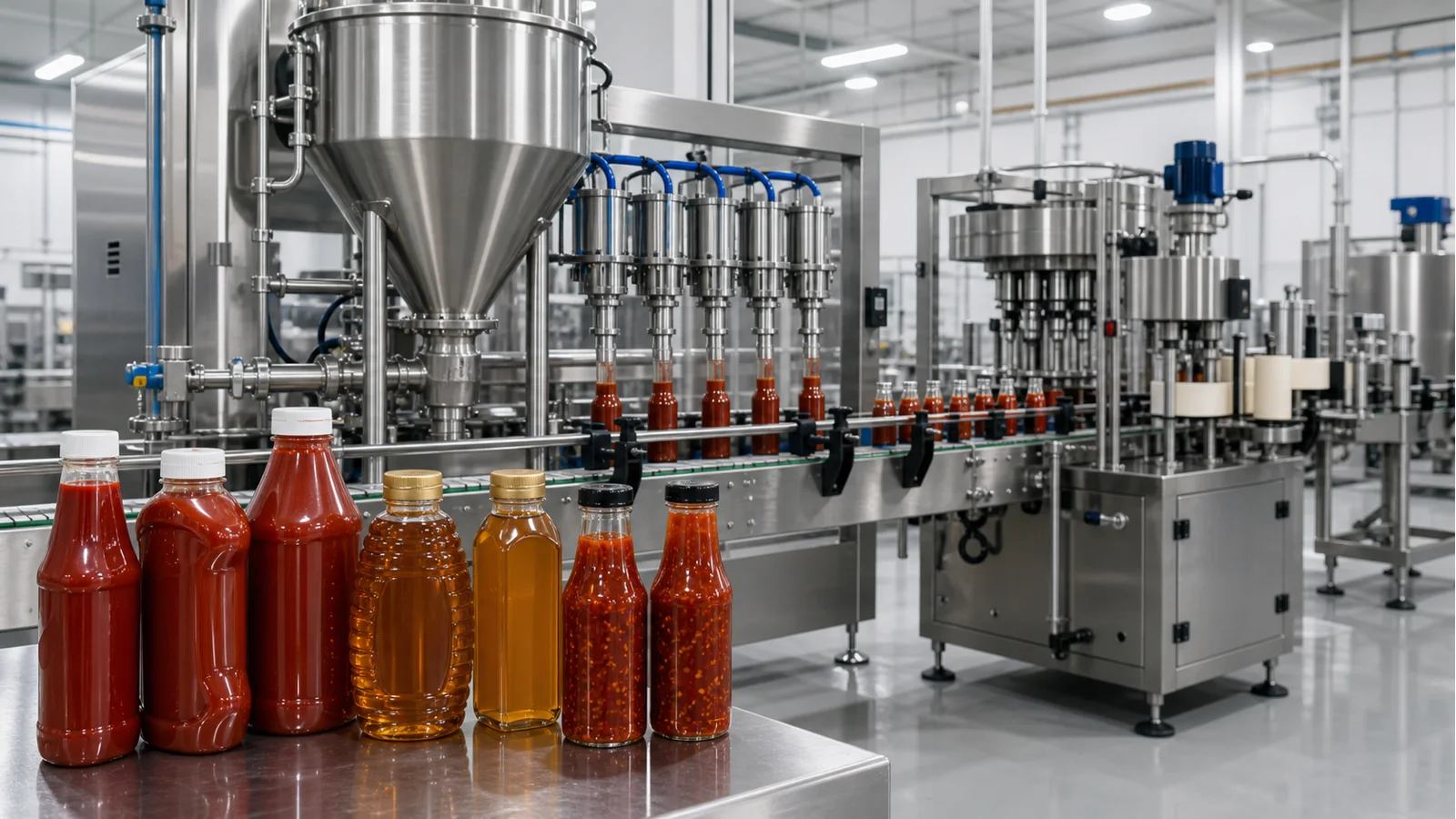
- Whether the emulsified sauce flows out smoothly and whether the bottle neck gets contaminated are directly related to subsequent capping and inner sealing. The same project should evaluate the sauce body, container, cap liner, and cleaning changeover in one process flow.
Solution summary prepared for you
- The conclusion is to first fix the squeeze bottle or wide-mouth jar, and use actual emulsified sauce to confirm viscosity, wall residue, and bottle mouth cleanliness, then choose piston single machine or multi-head filling.
- The downstream bottling section uses an automatic screw capping machine. Only when the cap has a matching aluminum foil gasket is online induction sealing connected; finished product weight is rechecked by an online checkweigher accordin...
- When submitting requirements, provide sauce, cap gasket, fill volume, continuous production needs, and cleaning boundaries at the same time, so that the equipment combination can be determined according to the actual packaging process.
Route comparison
- Suitable for projects where the sauce formula, fill volume, or bottle type is still being adjusted and wall adhesion and bottle neck residue need to be observed first.
- Piston filling machines for sauces facilitate centralized testing of feeding, dosing, filling nozzle cutoff, and disassembly for cleaning.
- Manual bottle feeding and downstream capping need to be organized separately; single machine results cannot be directly equated to continuous multi-station output.
- When the main specifications and continuous shipping demand are stable, it is not advisable to organize production with only a single machine for a long time.
- Complete actual material filling and cleaning verification first, then determine the bottle pitch interface for automatic screw capping and inner sealing.
- Suitable for projects where the emulsified sauce and main bottle types are frozen and multiple filling stations need to be integrated into a continuous bottle line.
- Multi-head servo liquid filling lines can expand stations according to the overall line cycle and connect continuously with automatic screw capping stations.
- Feeding, number of heads, changeover, and cleaning methods must be verified with samples and on site; actual cycle time needs to be confirmed through continuous sample runs.
- When the formula, bottle type, or fill volume changes frequently and the cleaning solution has not been verified, do not lock in a multi-head configuration directly.
- Design based on the main chain of multi-head filling and automatic screw capping, prioritizing bottle stability and neck cleanliness.
- Suitable for bottled orders using threaded caps with aluminum foil liners and requiring weight judgment of sealed finished products.
- The automatic screw capping machine first presses the liner, the inline induction aluminum foil sealing machine completes the inner seal, and the checkweighing station then verifies according to the rules.
- Cap liner, rim condition, and weight judgment standards all need signed samples; without any of these, acceptance cannot be completed.
- When there is no induction liner or finished product quality rules, do not add inner sealing and checkweighing to the basic configuration by default.
- Configure automatic screw capping, inline induction aluminum foil sealing, and inline checkweighing in sequence; exception handling is determined by the quality plan.
Associated Equipment / Consumables
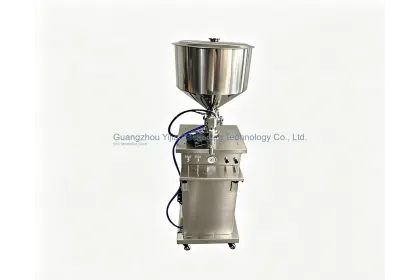 Piston Sauce Filling Machine
This machine meters sauces and pastes by piston stroke. Treat the actual product, container opening, dose, particles, temperature, stringing, drip control and cleaning as one trial set. Verify repeatability, particle...
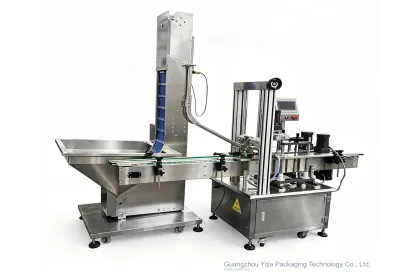 Automatic Screw Capping Machine
Screw capping and aluminum foil inner sealing; Cap gasket, bottle mouth cleanliness, and tightening state need to be tested as a set; missing any one cannot judge inner sealing; Automa...
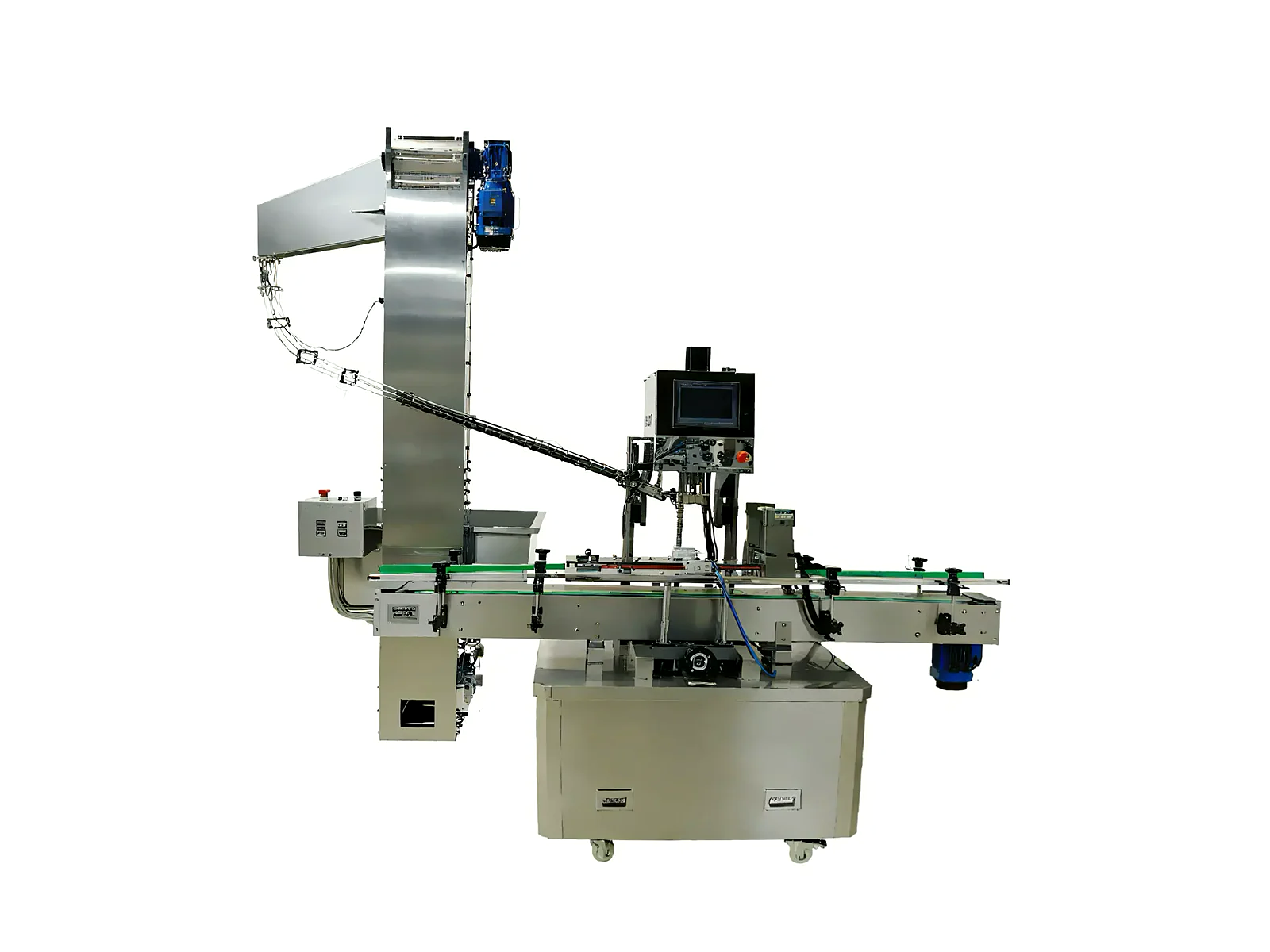 Automatic Screw Capping and Press-On Capping Machine
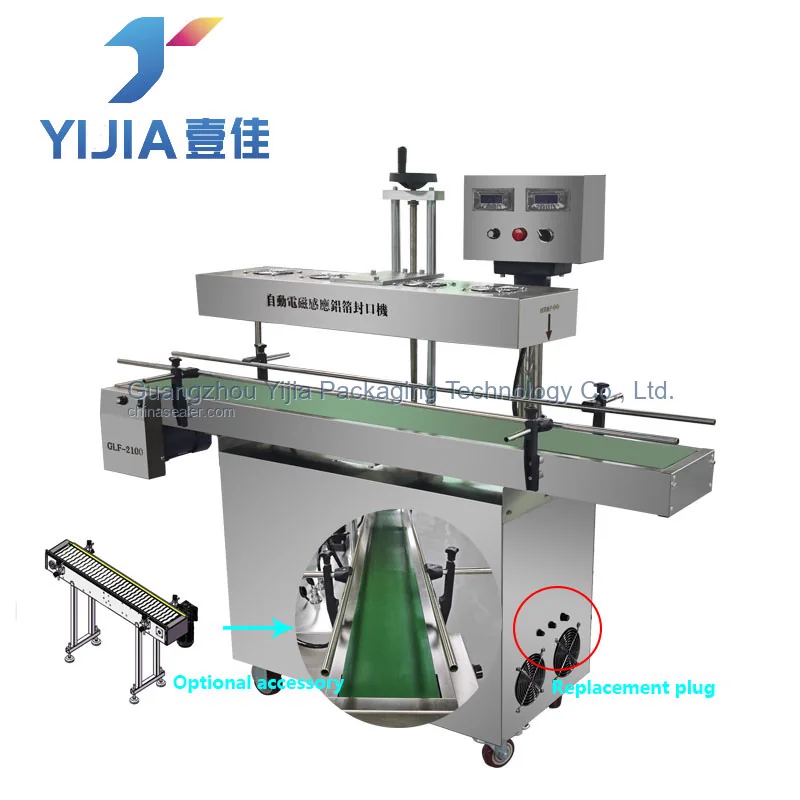 Inline Induction Foil Sealer
Screw capping and aluminum foil inner sealing; Cap gasket, bottle mouth cleanliness, and tightening state need to be tested as a set; missing any one cannot judge inner sealing; Automatic...
Core process
Use actual mayonnaise or salad dressing to observe discharge, wall residue, and bottle mouth drop point, and first define feeding and cleaning difficulties.
Choose between piston single machine and multi-head station based on fill volume, material flow, and continuous production needs.
Bottle body support, bottle mouth plane, and cap type affect conveying positioning and screw capping station.
First stably tighten the cap with aluminum foil gasket, then enter online induction sealing.
Sealed bottled finished products are weight rechecked according to the quality plan, and batch identification position is retained.
Incorporate front and rear interfaces, cleaning operation surface, and finished product collection method into the whole line layout.
Sample details
First specify whether packaging mayonnaise or salad dressing, and fix the squeeze bottle, wide-mouth jar, or other main bottle type. If packaging is still changing, only do directional evaluation.
Sauce name and condition, main bottle sample, sales packaging, and current project stageThread, bottle mouth plane, and aluminum foil gasket fit affect screw capping and induction inner sealing; it is best to provide a fully assembled cap combination.
Bottle cap gasket actual sample, bottle mouth dimensions, assembly photos, and opening requirementsRecord material viscosity, particles, wall residue, target fill volume, and flavor change frequency to compare sauce piston filling machine and multi-head servo liquid filling line.
Actual material, fill volume, material temperature, particle condition, cleaning, and flavor change arrangementClarify whether screw capping, induction aluminum foil inner sealing, and online checkweighing are all in the delivery scope, and give acceptance methods for each station.
Required processes, weight judgment, exception handling, existing conveying, and manual cooperationEquipment direction, cleaning operation surface, power and air supply, and delivery documents affect layout and quotation, and should be provided together with continuous production goals.
On-site dimensions, material inlet/outlet direction, power and air supply, target takt time, delivery date, and document languageCommon selection mistakes
Selecting pumps and filling nozzles only by fill volume easily ignores wall residue, stringing, bottle mouth residue, and disassembly cleaning requirements.
Bottle mouth residue affects the fit of the cap gasket, and subsequent induction sealing cannot be stably rechecked.
Locking stations before the material and bottle type are stable may cause repeated cleaning, bottle spacing, and feeding design.
Induction sealing must have matching bottle mouth and cap gasket; without a complete packaging material set, it cannot be quoted as a fixed station.
With only equipment names and no finished product range, exception rejection, and recheck method, it is difficult to form consistent judgment on site.
View detailed technical notes
Emulsified sauces require actual samples to judge flow
The viscosity, oil content, particles, and wall adhesion of mayonnaise and salad dressing affect metering, filling nozzle cutoff, and disassembly for cleaning. The main machine selection should be based on the actual sauce body and target bottle type.
Test squeeze bottles and wide-mouth bottles separately
Bottle rigidity, neck size, and threaded cap structure vary, which changes gripping, filling position, and screw capping method. Provide complete cap samples for common bottle types separately.
Choose the filling main machine based on production organization
Piston filling machines for sauces are used to verify dosing of emulsified sauces, while multi-head servo liquid filling lines serve continuous station expansion. Both solutions require actual material testing to confirm drip prevention and cleaning boundaries.
Screw capping and induction inner sealing must be verified together
The automatic screw capping machine first establishes stable contact between the cap liner and the bottle neck, which is a prerequisite for induction sealing. Bottle neck residue, liner orientation, and cap closure status should be kept as samples together.
Place weight verification after sealing
The inline checkweigher is for finished products that have already been capped and inner-sealed. The judgment range and exception handling are specified in the project quality documents; checkweighing cannot replace seal testing.
Cleaning and flavor changeover affect long-term use
Emulsified sauces may remain in the hopper, valve body, and filling nozzle. When configuring, confirm the cleaning method, contact parts, and flavor changeover arrangements, and prepare seals and spare parts accordingly.
Complete the core bottle line processes first
When budgeting in stages, first verify piston filling, screw capping, and aluminum foil inner sealing, then evaluate multi-head filling and other downstream processes based on stable orders, avoiding stacking unnecessary equipment at the start.
Put key samples together before quoting
Submit sauce, bottles, cap liners, target fill volume, weight rules, and site direction at once to facilitate simultaneous verification of the main machine, change parts, and acceptance responsibilities.
All operational conclusions are based on sample testing
When samples, bottle types, or cleaning requirements are not fixed, only the equipment direction can be confirmed. Actual filling, capping, inner sealing, and checkweighing performance need to be verified under agreed conditions.
Common questions
Can the machine be selected without actual emulsified sauce samples?
You can initially judge the piston or multi-head direction based on the bottle shape, fill volume, and product description, but anti-drip, wall residue, and cleaning performance still need to be confirmed with actual mayonnaise or salad dressing.
When should a multi-head filling line be chosen?
When the main bottle type, sauce condition, and upstream/downstream takt time are stable and continuous layout is required, evaluate the multi-head station based on the on-site space.
Why do similar machines have different configuration ranges?
The number of filling stations, contact parts, bottle changeover, screw capping cap supply, induction inner sealing, and checkweighing range all change the actual configuration.
Do mayonnaise and salad dressing need heating?
It cannot be generalized. It should be judged based on the flow, separation, and cleaning performance at the planned production temperature; the current equipment combination does not set heating as a fixed station.
Can the cap gasket be confirmed later?
Not recommended. The gasket, bottle mouth, and cap type together determine the screw capping tightness and induction sealing; they should be provided before the main machine and sealing solution are confirmed.
How to determine the acceptance method for the checkweighing station?
First provide the finished product specifications, allowable range, and exception handling requirements, then use a fully sealed official bottle sample to establish the judgment and rejection rules.