Solution topic
Moisture-proof packaging traceability for electronic components: linking bag sealing process with real-time labeling
Compare continuous bag sealing and automatic pre-made bag packaging for electronic components, explain how date coding, real-time print-and-apply labeling, conveying, and optional
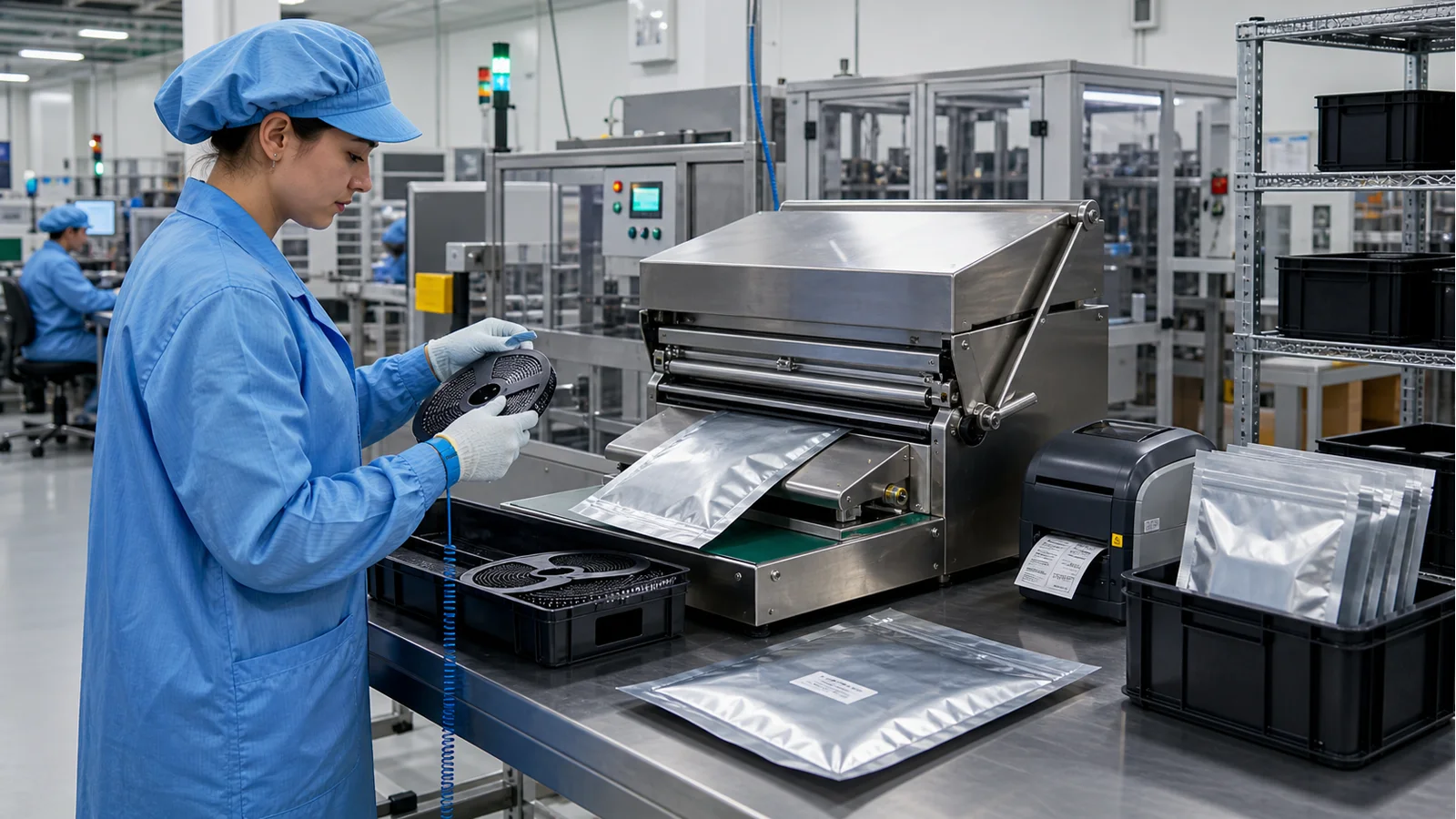
- Bag material and component loading method determine continuous sealing or automatic pre-made bag packaging; batch, part number, and barcode update frequency determine inkjet coding or real-time print-and-apply labeling. Weight inspection is only configured after judgment rules and sample boundaries are clear.
Solution summary prepared for you
- The equipment selection for electronic component moisture-proof bags depends on the loading method: already bagged uses continuous heat sealing; if automatic bag picking and loading is needed, evaluate pre-made bag filling and sealing.
- Real-time print-and-apply labelers are suitable for generating dynamic labels by order or batch, while date/batch inkjet coders are suitable for direct printing. Label data interfaces and barcode verification need separate confirmation.
- Online checkweighing is only optional when weight judgment rules are clear, and it cannot replace the seal acceptance of moisture-proof sealing.
Route comparison
- Suitable for production where components are already loaded manually or upstream, requiring only continuous heat sealing and optional direct printing.
- Already-bagged products pass directly through the continuous heat sealing station, with manual inspection of bag mouth clearance upstream, and a shorter equipment chain.
- The bag mouth needs a continuous, clean heat sealing area, and sealing conditions and passing posture must be verified with filled samples.
- When the project requires automatic bag picking, opening, and component loading, or when component posture cannot be manually arranged, a standalone continuous sealer does not cover the upstream actions.
- Use a continuous bag sealing machine for heat-sealable moisture-proof bags, and optionally connect a date/batch inkjet coder after sealing.
- Suitable for projects where regular small parts require equipment to pick up bags, open them, load, and heat seal, and where the bag type can be stably clamped.
- Bag picking, opening, optional loading, and sealing can be distributed within single-lane or three-station structures, facilitating configuration of feeding for regular small parts.
- Irregular, fragile, or orientation-sensitive components may require dedicated feeding. Bag spouts, zippers, and special-shaped bags also need individual testing.
- When bags are already filled and only sealing is missing, the bag picking, opening, and loading stations of pre-made bag equipment exceed actual needs.
- Evaluate the single-lane/three-station pre-made bag filling and sealing machine series; component counting, pick-and-place, or other feeding modules are confirmed separately based on actual samples.
- Suitable for scenarios where the bag sealing process is stable, part numbers or batches change with orders, and labels need to be generated online and applied to bagged products.
- Real-time print-and-apply labeling allows each package to generate the corresponding part number, batch, or logistics label when it reaches the station.
- Label templates, data interfaces, application actions, exception reprinting, and optional scanning all need to be defined. Checkweighing also requires verifiable weight boundaries.
- When data is not yet mapped to individual packages, the bag surface cannot be stably supported, or label verification methods are not determined, it is not advisable to fix the line cycle time directly.
- A food-grade conveying line stably feeds bags, and a real-time print-and-apply labeler performs dynamic printing and application. Simple dates can be configured with a date/batch inkjet coder, and online checkweighing is optional based o...
Associated Equipment / Consumables
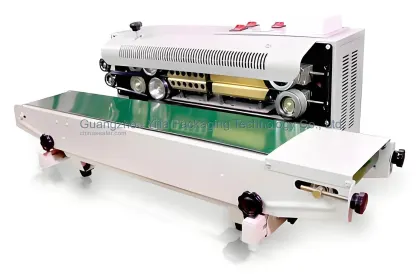 Continuous Bag Sealing Machine
Diversion of bag feeding methods; The feeding states of the two sealing routes differ. First conduct sample material feeding and sealing tests, then determine equipment boundaries; Comp...
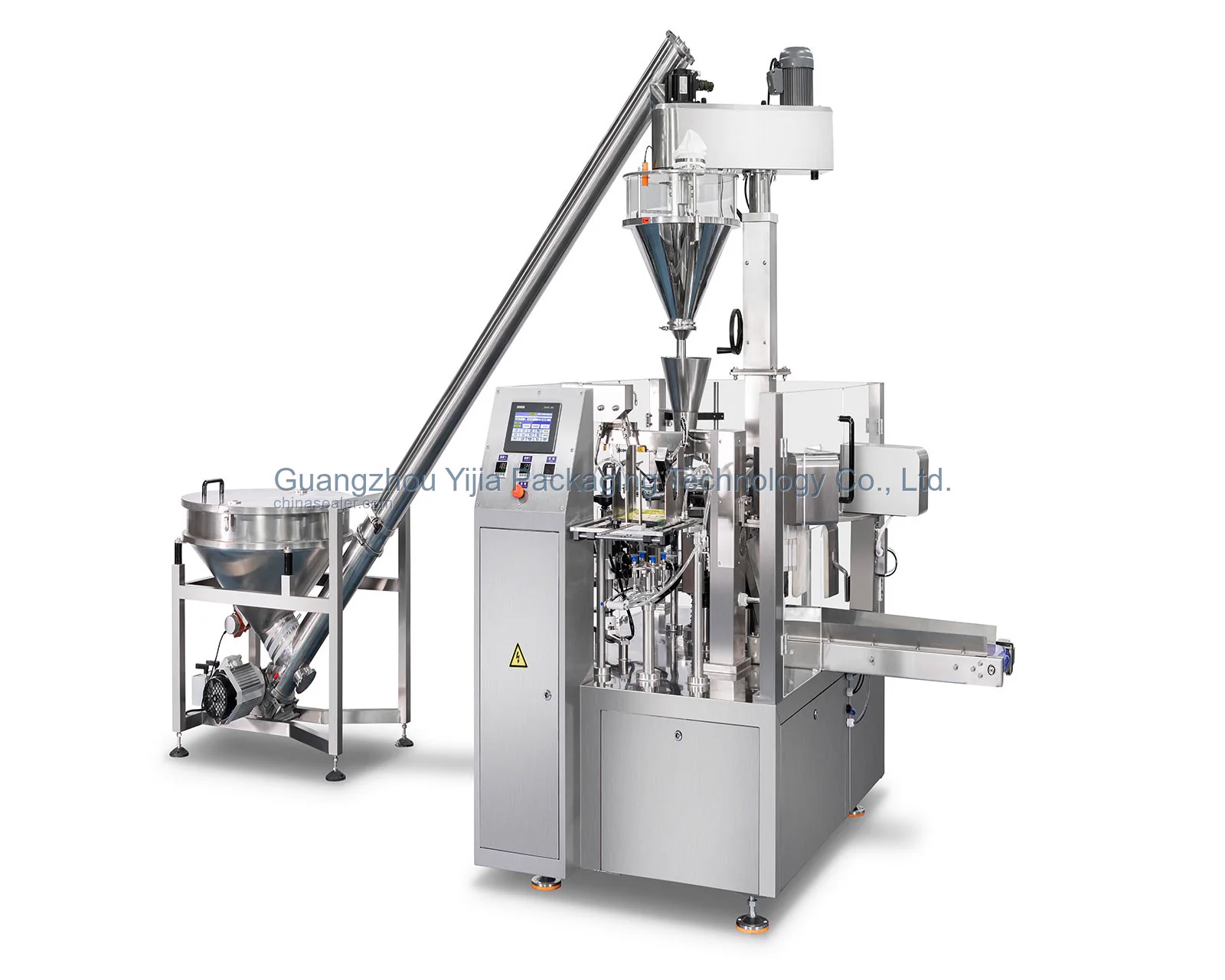 Single-Lane and Three-Station Premade Pouch Filling and Sealing Series
Diversion of bag feeding methods; The feeding states of the two sealing routes differ. First conduct sample material feeding and sealing tests, t...
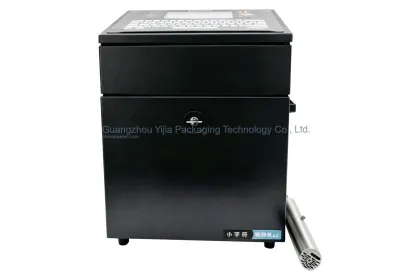 Date & Batch Inkjet Printer
Conveying and conditional weight inspection; Checkweighing cannot directly judge whether moisture-proof sealing is intact; its purpose and rejection rules must be defined according to the...
Core process
Confirm components, bag materials, and loading method together: already bagged only needs continuous heat sealing; automatic bag picking and loading belongs to the pre-made bag station.
Bags with components already loaded can enter a continuous bag sealing machine. If bag picking, opening, and loading of regular small parts are needed, evaluate the pre-made bag series.
When labels change with part number, batch, or order, the real-time print-and-apply labeler receives data and prints and applies. Simple dates can be handled by a separate coder.
Bagged products can be conveyed to downstream via a conveying line. Online checkweighing is only configured when the weight range and judgment logic can distinguish anomalies.
Record component shape, sharp edges, loading quantity, and bag mouth margin to confirm no bag puncture or entry into the heat sealing area during conveying.
Simultaneously organize label templates, variable fields, data sources, and exception handling so that each physical package has a clear relationship with the generated label.
Sample details
Component shape, sharp corners, and quantity per bag change the clearance in the loading, conveying, and sealing areas.
Component samples, quantity per bag, placement direction inside the bag, and protection requirementsSealing margin and heat seal layer need to be confirmed with actual samples; bag material name cannot replace material structure data.
Empty bags and filled samples, material structure, dimensions, and planned sealing positionVariable sources determine how the real-time print-and-apply labeler receives, generates, and triggers labels.
Label samples, dynamic fields, data sources, update frequency, and trigger methodConveying speed and packaging spacing affect labeling action time and also influence the arrangement of coding and optional checkweighing.
Planned cycle time, bag spacing, upstream and downstream equipment, and available on-site spaceInspection requirements should be converted into definable defects, results, and handling actions, avoiding vague terms like 'need traceability'.
Checkweighing upper and lower limits, rejection requirements, and whether additional barcode scanning or visual verification is neededCommon selection mistakes
Same bag width does not mean the heat seal layer and thickness are the same. Directly applying the same temperature and speed may result in insufficient sealing, deformation, or sticking to the blade.
Buying a fixed-content labeler first and later discovering that part numbers and batches change with orders can cause difficulty in synchronizing print data with actual packaging.
Applying a barcode does not equal completing traceability. Label content, production records, exception reprinting, and data retention still need to form rules.
The surface of flexible bags may undulate with the contents. If the labeling area lacks support, labels may be skewed, wrinkled, or not fully adhered.
When component quantity or weight fluctuates greatly, the qualified range may overlap with missing parts or mixed materials, and checkweighing alone cannot reliably distinguish.
View detailed technical notes
Sealing quality and traceability data are two interfaces
Moisture-proof bag sealing addresses the heat sealing of packaging materials, while real-time labeling addresses the correspondence between packaging and data. Electronic component projects need to explain how components are bagged, when labels are generated, and how to handle mislabeling or weight anomalies.
Determine the main sealing equipment based on the bagging method first
When components are already bagged, a continuous bag sealing machine handles the heat sealing of the bag mouth. Only when the equipment needs to pick up bags, open them, and load regular small parts does it enter the pre-made bag filling and sealing route. Both must be tested with actual bag materials and bagging posture.
Verifying continuous heat sealing with bagged components
The key points of continuous heat sealing are the reserved edge at the bag mouth, cleanliness, and the center of gravity after bagging. During trial runs, observe whether bags containing components can smoothly enter the sealing area and whether the sealing zone avoids the contents, then check the heat sealing result according to the agreed method. Empty bag tests cannot replace real finished bags.
Evaluating automatic pre-made bag packaging for regular small parts
Single-lane or three-station pre-made bag equipment can handle bag picking, opening, optional filling, and heat sealing. Whether components need counting, oriented pick-and-place, damage prevention, or anti-static treatment affects the feeding module and station cycle time, and must be confirmed item by item with bag samples and actual components.
Dynamic data determines print-and-apply labeling or direct inkjet coding
A real-time print-and-apply labeling machine can receive batch or order data, generate labels, and apply them online. When label content is fixed and only requires date and batch number, a date coding inkjet printer can be used. Data fields, template switching, packaging triggers, and handling of mislabeled products must be defined in advance; barcode verification, vision inspection, and database interfaces are not default configurations.
Sample verification starts from the completed bagging state
Submit components, bag samples, and finished packaging samples to verify sealing clearance, sharp corner protection, and the labelable area on the bag surface. Stabilize the physical packaging first, so that the downstream traceability station has a repeatable trigger position.
Linking label data to individual packages
For each variable field, explain the source, update timing, and template rules, then define the packaging-in-place signal, label application action, and abnormal reprint. If barcode or vision verification is needed, also clarify the result feedback and rejection method.
Stabilize conveying first; select checkweighing based on judgment capability
A food-grade conveyor line can serve as a connection platform for bagged products, but the belt, guides, and cycle time are confirmed based on actual packaging. If qualified and abnormal weight ranges can be separated, add an online checkweigher and rejection logic.
Accepting bag sealing and traceability with itemized results
During acceptance, record sealing samples, label data correspondence, application position, and optional weight judgment separately. Moisture-proof capability should still be verified by the packaging test specified by the customer; checkweighing results cannot replace sealing integrity conclusions.
Common questions
How do the two types of bag sealing equipment differ?
For already-bagged products, a continuous bag sealing machine can be considered. If the equipment needs to pick up bags, open them, and load components, then evaluate the pre-made bag filling and sealing series.
Can bag sealing and real-time labeling be connected online?
They can be connected in the same conveying line, but the main sealing and labeling are independent stations, and the cycle time, signals, and abnormal stop logic need to be confirmed separately.
If there is no physical sample yet, can the route be determined first?
A preliminary configuration can be made based on photos, dimensions, and label samples. The compatibility of the heat seal layer, bag feeding, and labeling effect still need to be verified through actual sample testing.
Is checkweighing necessary after sealing moisture-proof bags?
Not all projects require checkweighing. It is only worth configuring when there is an executable judgment boundary between the weight distribution of qualified products and the defects to be inspected.
How should small batches of electronic components be bagged?
Continuous sealing can be used for small-batch operations where bags are manually filled. Actual efficiency depends on bag placement, sealing margin, and operator pace.
How should dynamic labels and date coding be selected?
Real-time print-and-apply labeling is suitable when part numbers, orders, or barcodes change continuously. If only direct printing of date and batch is needed, inkjet coding can be evaluated.