Solution topic
How to Choose Flexible Pouch, Premade Pouch and Spout Pouch Packaging: Start with Pouch Type, Product and Sealing/Capping Route
Key points for flexible pouch, premade pouch and spout pouch packaging: start with pouch type, product state, and the sealing or capping route. Confirm the pouch type before asking for a machine model; product state determines the filling method; sealing and capping must be checked with samples; prepare quote-ready information before deciding the automation level. This guide explains suitable packaging formats, ma...
- For premade pouches, spout pouches, flexible bags and continuous bag sealing projects, do not ask for a bagging machine only. First confirm pouch type, opening, product state, filling needs, capping needs and downstream inspection, then choose premade pouch filling and sealing, spout pouch filling and capping, or continuous sealing.
- Flexible Pouch, Premade Pouch and Spout Pouch Packaging
Start With the Pouch Type and Product
I have premade pouches or spout pouches to package, but I am not sure whether filling and sealing, capping, or continuous sealing is the right route. Can you help me judge first?
First Check the Pouch Opening and Product Flow
Liquids, sauces, granules, and powders all have different requirements for opening, filling nozzles, sealing, and capping. Check the sample first, then decide the route.
Flexible Pouch Continuous Sealing Route
Suitable for: Small batches, trial production and projects with changing pouch styles. Advantages: Flexible and low initial cost. Limits: Output and seal consistency depend on operators. Not recommended when: Not ideal for high-volume retail pouches. Equipment direction: Use continuous band sealer, heat sealer or semi-automatic sealing workstation.
Spout Pouch Filling and Capping Route
Suitable for: Stand-up pouches, flat pouches and shaped pouches with fixed bag size. Advantages: Better pouch appearance and can connect filling, sealing and coding. Limits: Bag opening quality, product flow and seal contamination must be tested. Not recommended when: Do not choose a high-speed line before the pouch sample is stable. Equipment direction: Use premade pouch packing equipment with suitable filler and sealing jaws.
Suitable for: Liquid, sauce or gel products packed through a spout or cap. Advantages: Good for resealable retail packs and liquid products. Limits: Spout size, cap torque and leakage test must be confirmed. Not recommended when: Not suitable when the pouch supplier cannot provide stable spout quality. Equipment direction: Plan filling through spout, cap tightening, leak test and coding together.
Check utilities, cleaning and changeover early
Suitable for: Pouch products where leakage, code reading or seal quality is critical. Advantages: Improves shipment reliability and reduces manual sampling. Limits: Needs a clear defect standard and reject method. Not recommended when: Do not add complex inspection before the basic seal is stable. Equipment direction: Add leak test, vision check, code reading and reject conveyor as needed.
Downstream sealing, coding and inspection decide the line order
The downstream process is part of the same route. Sealing, capping, labeling, coding, inspection and case packing should be arranged by rhythm and site space rather than added after the main machine is fixed.
Incomplete data can still start the first review
If samples are not complete yet, send the available photos, dimensions and output target first. We will judge the likely route and list the next samples needed before the quotation is locked.
How Our Existing Equipment Can Support
Our route can combine the main machine with tooling, conveyor, labeling, coding, inspection and other auxiliary modules according to the confirmed package and production rhythm.
Route comparison
- Small batches, trial production and projects with changing pouch styles.
- Flexible and low initial cost.
- Output and seal consistency depend on operators.
- Not ideal for high-volume retail pouches.
- Use continuous band sealer, heat sealer or semi-automatic sealing workstation.
- Stand-up pouches, flat pouches and shaped pouches with fixed bag size.
- Better pouch appearance and can connect filling, sealing and coding.
- Bag opening quality, product flow and seal contamination must be tested.
- Do not choose a high-speed line before the pouch sample is stable.
- Use premade pouch packing equipment with suitable filler and sealing jaws.
- Liquid, sauce or gel products packed through a spout or cap.
- Good for resealable retail packs and liquid products.
- Spout size, cap torque and leakage test must be confirmed.
- Not suitable when the pouch supplier cannot provide stable spout quality.
- Plan filling through spout, cap tightening, leak test and coding together.
- Pouch products where leakage, code reading or seal quality is critical.
- Improves shipment reliability and reduces manual sampling.
- Needs a clear defect standard and reject method.
- Do not add complex inspection before the basic seal is stable.
- Add leak test, vision check, code reading and reject conveyor as needed.
Core process
Associated Equipment / Consumables
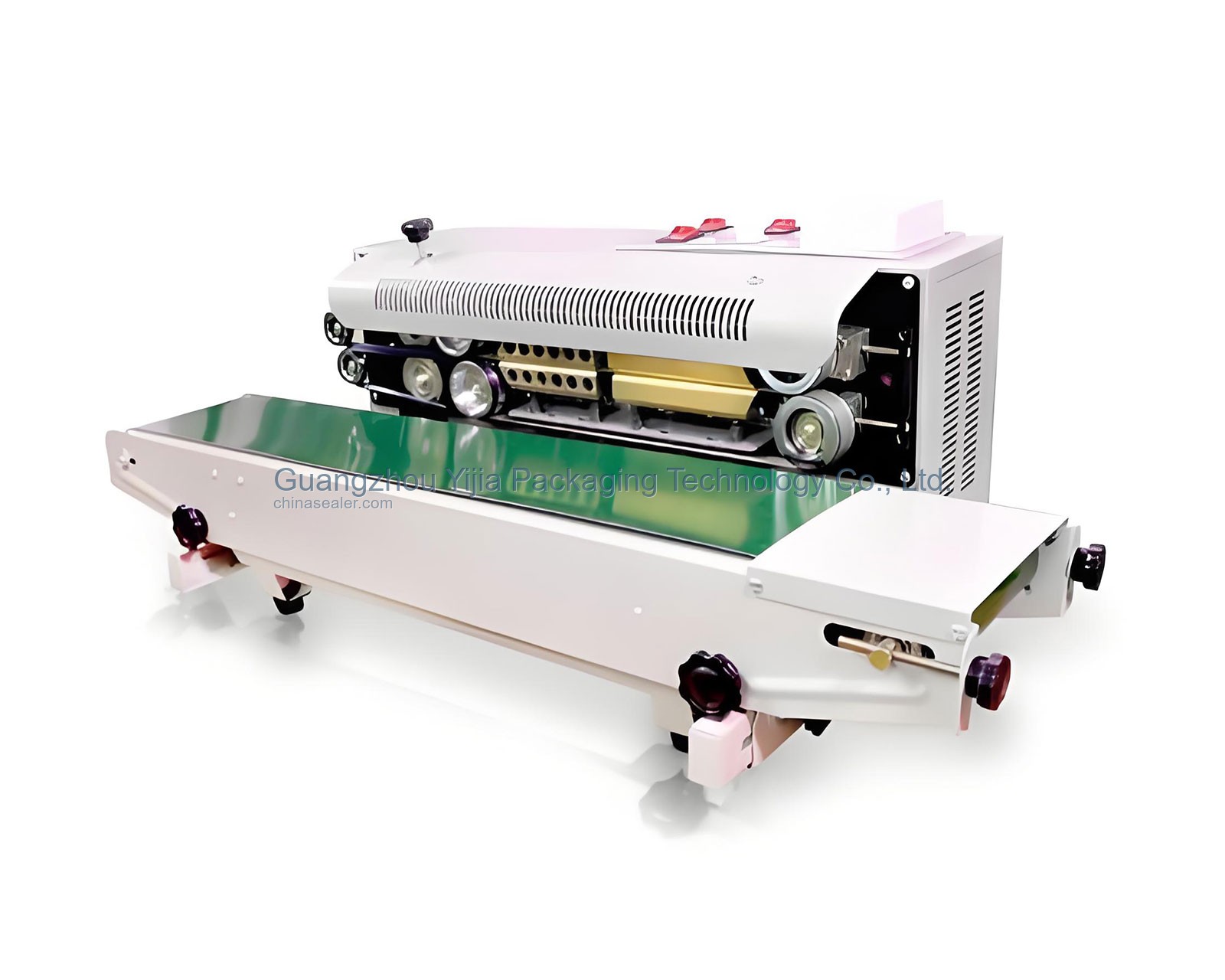 Continuous Bag Sealing Machine
Pouch type confirmation; Confirm product behavior, container, cap, film and key dimensions before choosing the route; Pre-Made Pouch; Spout Pouches
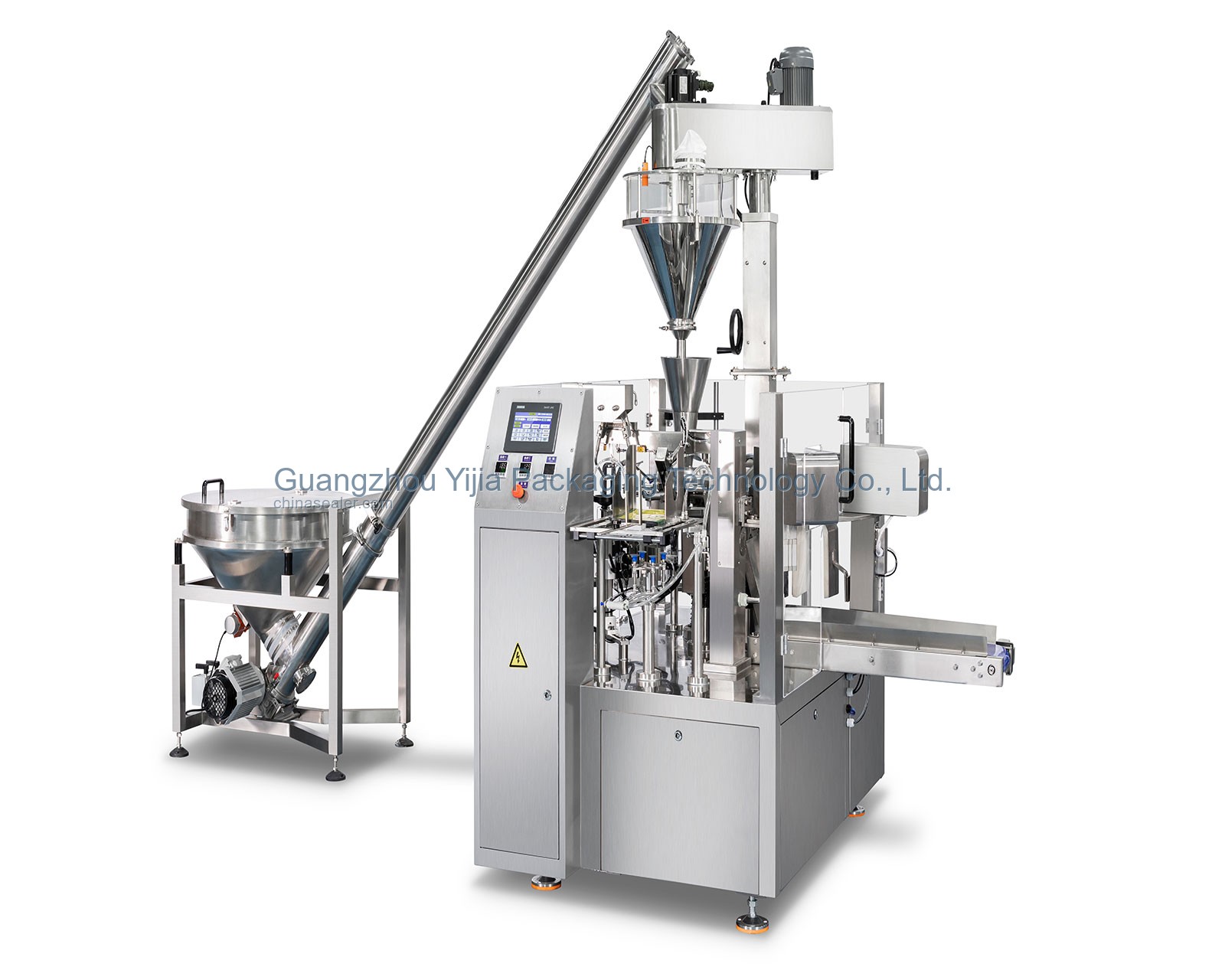 Premade Pouch Filling and Sealing Machine
Contents confirmation; Choose the filling, sealing, capping or packing method by the confirmed sample; Liquid; Sauce
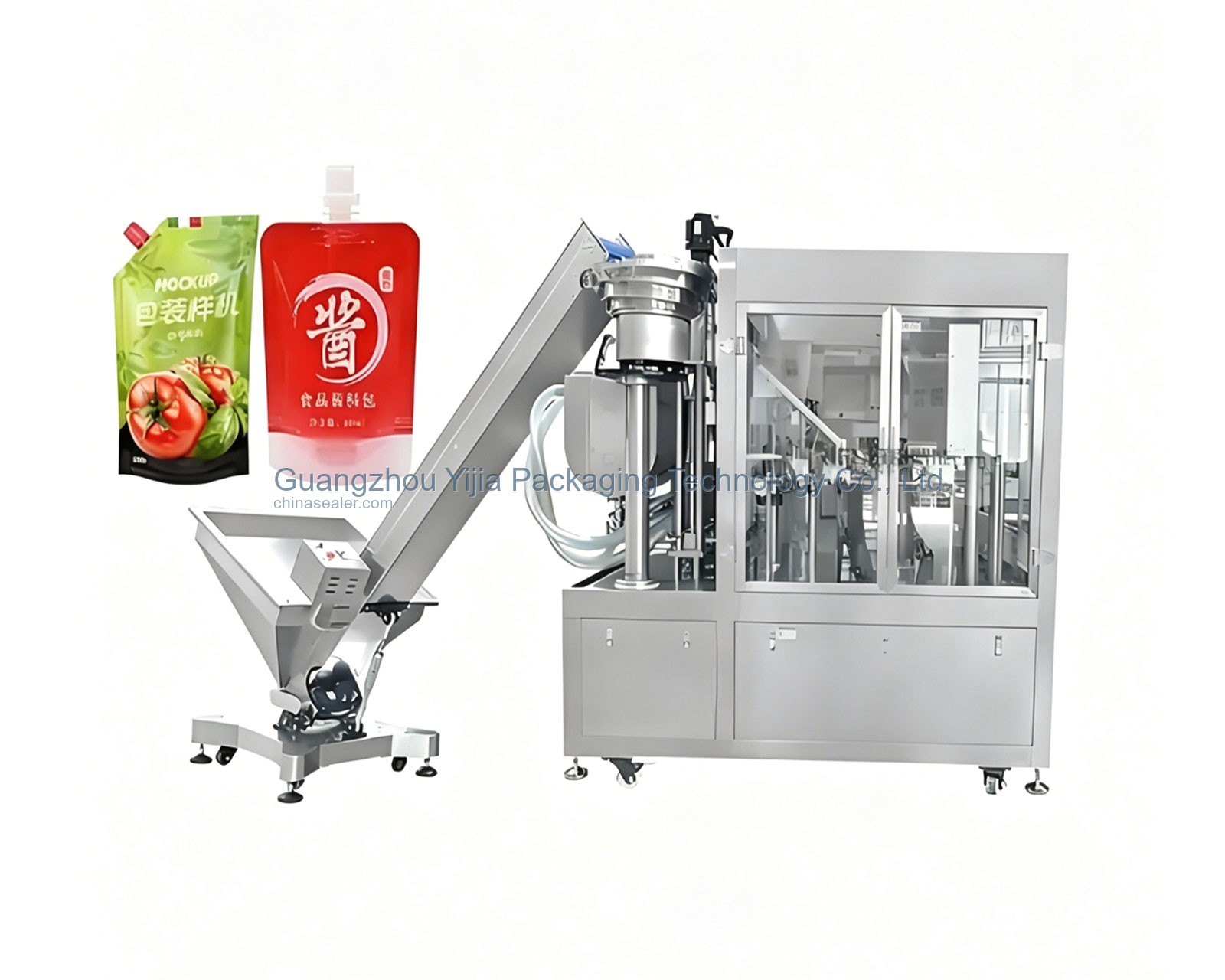 Spout Pouch Filling and Capping Machine
Contents confirmation; Choose the filling, sealing, capping or packing method by the confirmed sample; Liquid; Sauce
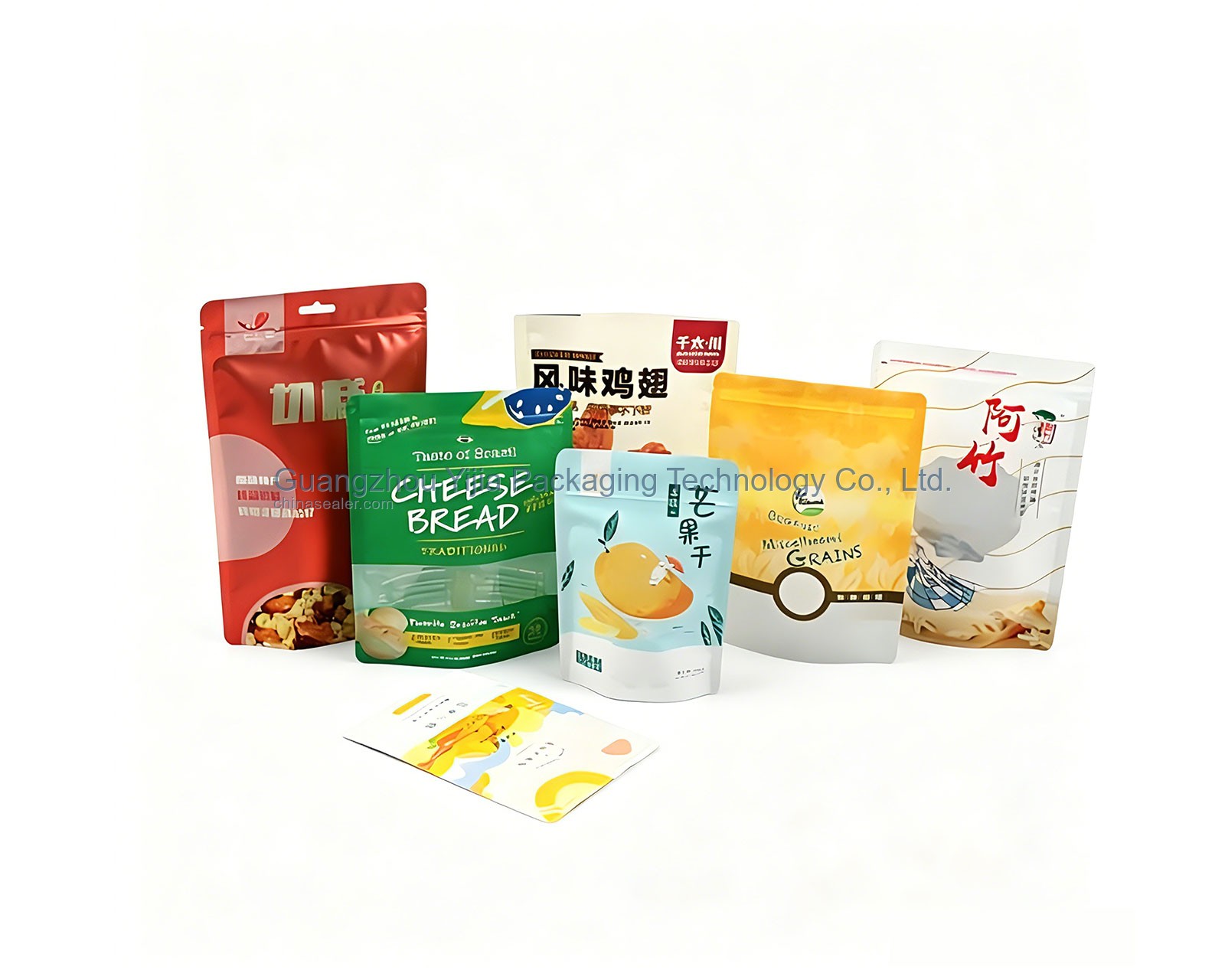 Pre-made Pouches and Spout Pouch Packaging Materials
Filling or loading; Tooling must match the real size, mouth shape, cap, film and expected SKU range; Pumping; Piston
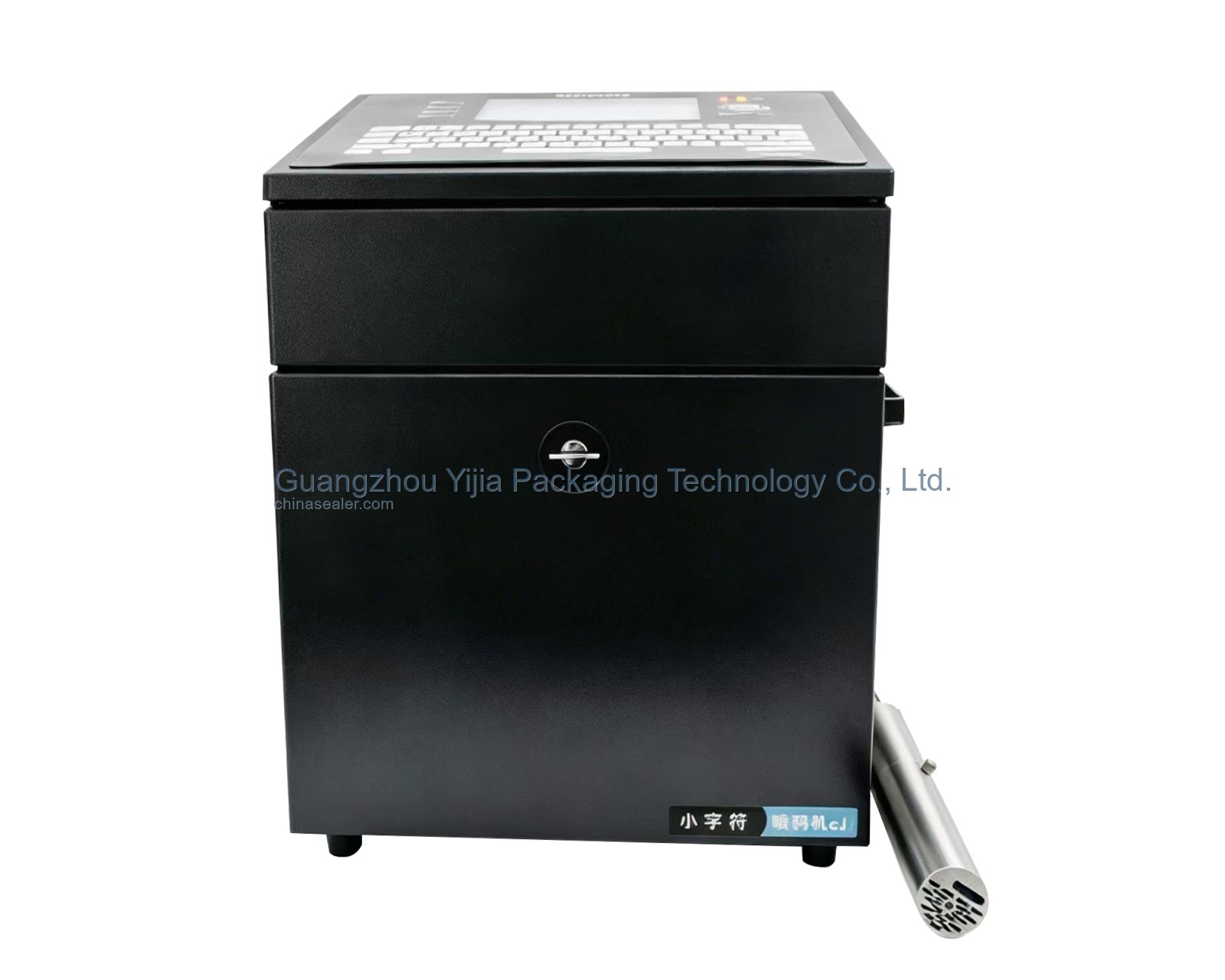 Date & Batch Inkjet Printer
Inkjet Coding and Inspection; Add inspection, checkweighing, code reading or rejection according to the shipment requirement; Batch Inkjet Coding; Checkweighing
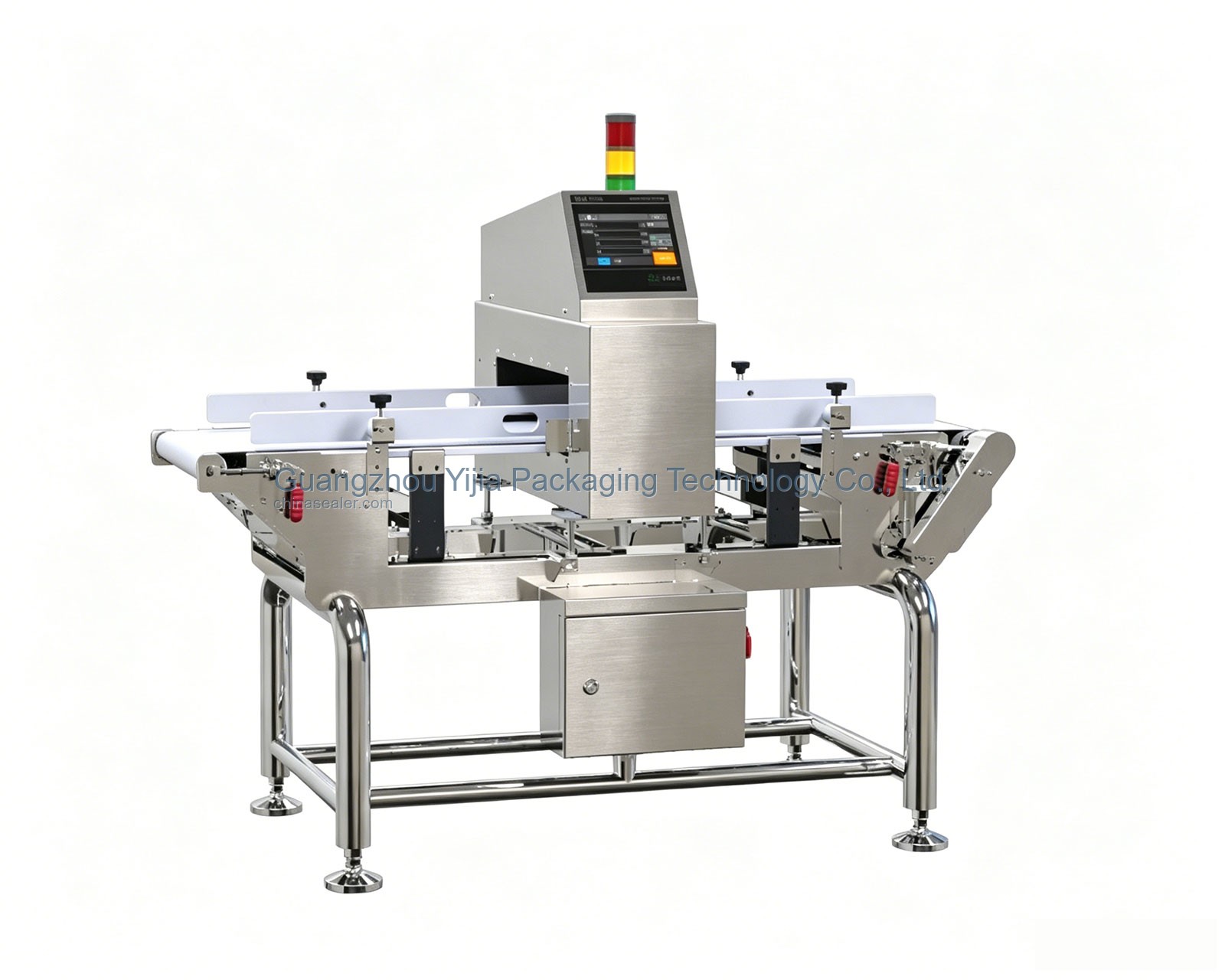 Food Metal Detector
Inkjet Coding and Inspection; Add inspection, checkweighing, code reading or rejection according to the shipment requirement; Batch Inkjet Coding; Checkweighing
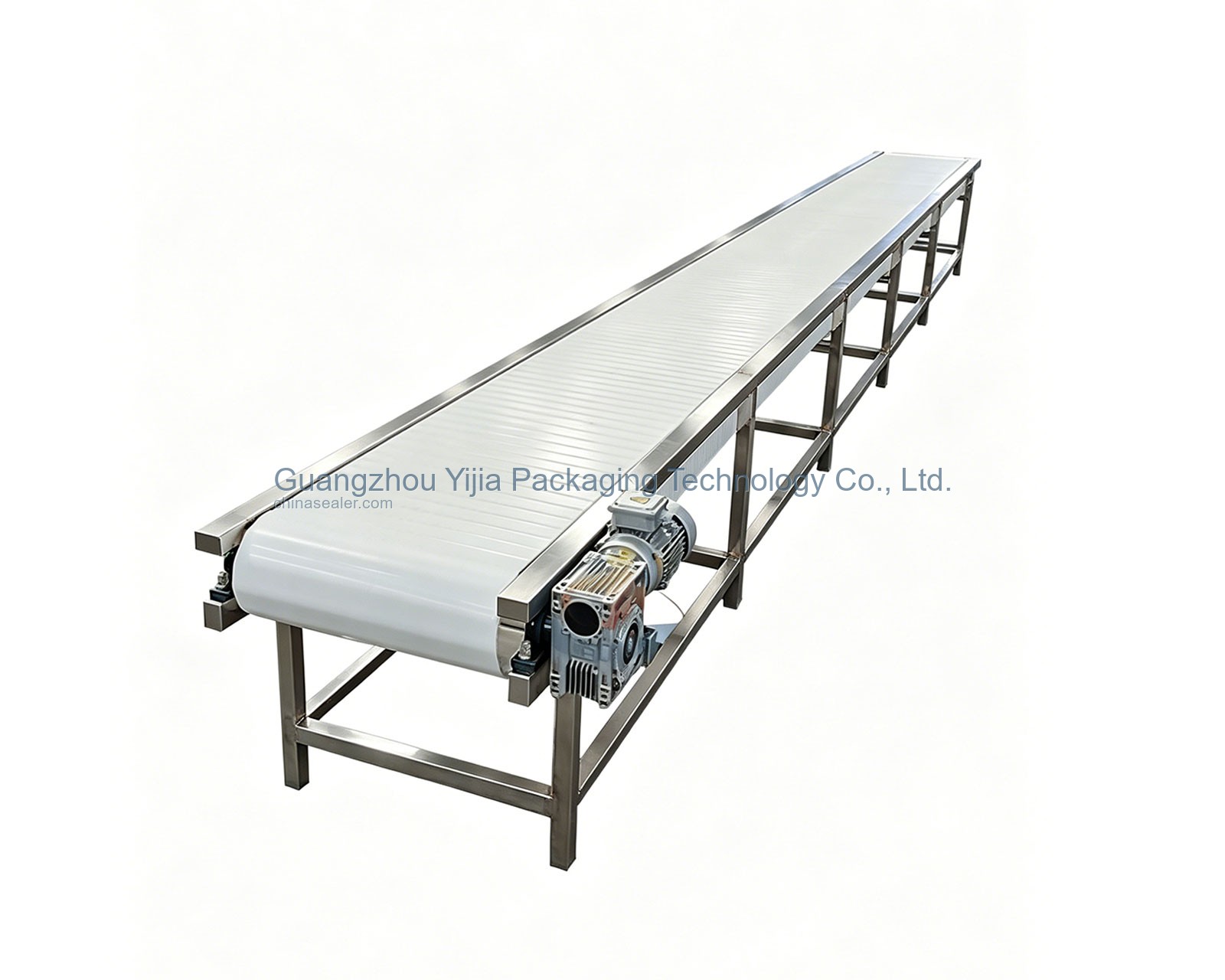 Food-grade conveyor line
Conveying and Outer Case; After the route is confirmed, test samples and output a configuration and quotation range; Collection; Case Packing
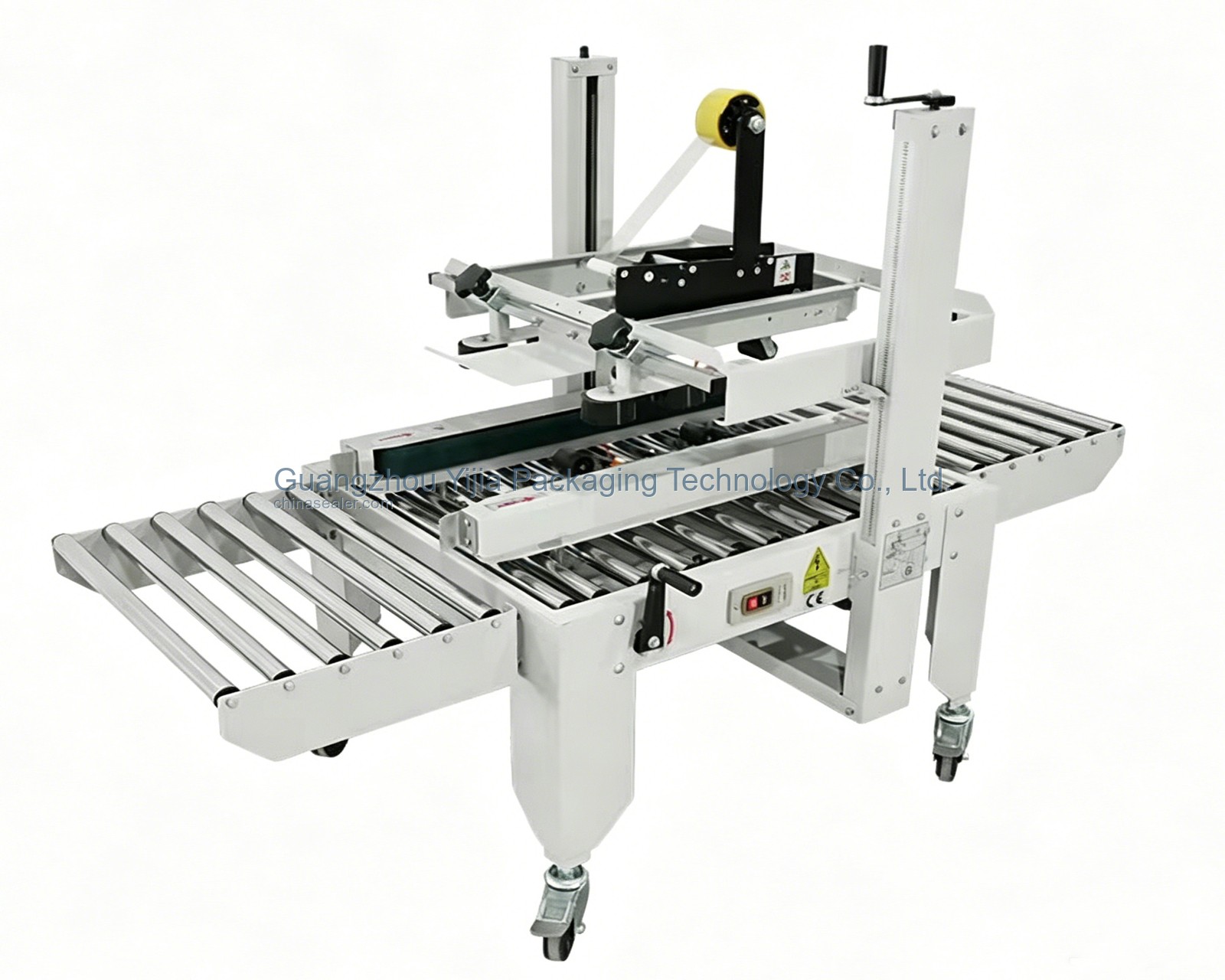 Carton Sealing and Outer Case Labeling Line
Conveying and Outer Case; After the route is confirmed, test samples and output a configuration and quotation range; Collection; Case Packing
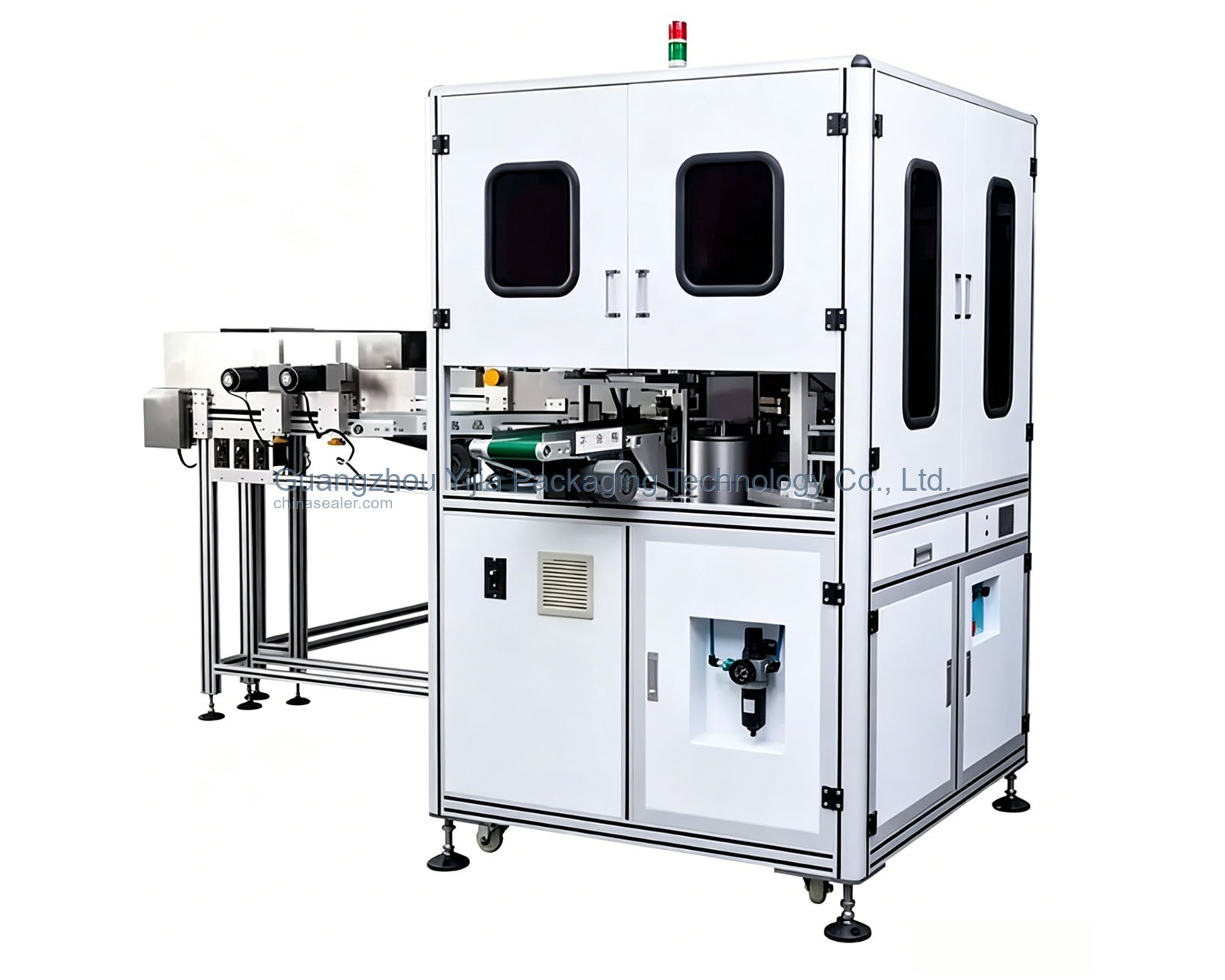 Online Checkweigher and Vision Inspection System
Inkjet Coding and Inspection; Add inspection, checkweighing, code reading or rejection according to the shipment requirement; Batch Inkjet Coding; Checkweighing
Sample details
Real samples decide tooling, positioning and sealing parameters.
Photos, dimensions, mouth diameter, height, cap or film samples and target output for a first configuration check.Film, cap, liner, pouch or label material affects sealing, capping and inspection.
Material specification, thickness, sealing layer, cap type, label artwork or coding position for compatibility review.Capping, sealing, labeling, coding, inspection and packing decide the line order.
Downstream process list, target output, site space and manual or automatic loading preference.Output target and SKU range decide whether to use a single machine, semi-automatic station or continuous line.
Hourly output, shift pattern, main SKU list and expected changeover frequency.Sample testing reduces the risk of wrong tooling, weak sealing or unstable dosing.
Product, container, cap or film samples plus utility information for final test and quotation configuration.Common selection mistakes
Common questions
Yes. Send the photos, rough dimensions, product state and target output you already have. We will judge the first route and list what still needs confirmation.
Samples decide tooling, contact parts, sealing or capping force, filling stability and inspection method. Without samples, the configuration can easily be mismatched.
For this topic, we usually compare Manual or semi-automatic bag sealing, Premade pouch filling and sealing, Spout pouch filling route according to package format, product behavior and output target.
Yes. After the main process is confirmed, conveyor, labeler, coder, checkweigher, vision inspection and reject devices can be added by line rhythm.
A full line is suitable when the package is stable, output target is clear, site space is confirmed and changeover range is not too wide.
Send product photos, container or bag samples, key dimensions, cap or film material, target output and any downstream packing requirement.