Solution topic
How to choose filling and sealing equipment for food pails, oil pails, and large-mouth pails? Start with pail capacity, pail-mouth structure, and m...
For pail-packed food, oil, seasoning, powder, and large-volume liquids, do not judge only by filling machine name. First confirm pail capacity, rim flatness, material condition, and weighing accuracy, then decide between weighing filling, heat-press sealing, capping, or downstream in-line equipment.
- For pail-packed food, oil, seasoning, powder, and large-volume liquids, do not judge only by filling machine name. First confirm pail capacity, rim flatness, material condition, and weighing accuracy, then decide between weighing filling, heat-press sealing, capping, or downstream in-line equipment.
- How to Choose Filling and Sealing for Food Pails, Oil Pails and Wide-Mouth Buckets
Real customer problem
How should filling and sealing equipment be selected for food pails, oil pails, or large-mouth pails?
First determine the packaging route
For pail-packed food, oil, seasoning, powder, and large-volume liquids, do not judge only by filling machine name. First confirm pail capacity, rim flatness, material condition, and weighing accuracy, then decide between weighing filling, heat-press sealing, capping, or downstream in-line equipment.
Weighing Filling + Heat-Press Sealing + Cap Pressing Route
Suitable for: Large-capacity pail filling of liquids, pastes, powders requiring weight-based dosing. Advantages: Weighing filling consistency is intuitive, suitable for weight-based sales. Limitations: Pail mouth flatness and film compatibility must be confirmed via sample testing. Not recommended: If pail mouth is deformed or film thickness inconsistent, test sealing first. Equipment direction: We can provide weighing-type pail filling machine, large-diameter pail heat sealing machine, and capping machine inline solution.
Flowmeter Filling + Induction Foil Sealing + Capping Route
Suitable for: Low-viscosity liquids like edible oil or solvents, with caps containing aluminum foil liner. Advantages: Induction sealing is non-contact, suitable for high-speed continuous production. Limitations: Foil liner must match cap; cap type and torque need confirmation. Not recommended: If there is residual liquid on the cap opening or liner positioning is inaccurate, induction effect may be affected. Equipment direction: We can provide an integrated line with liquid filler, water-cooled induction foil sealer, and automatic capper.
Integrated filling and sealing machine route
Suitable for: Medium and small capacity food pails (1-5L) requiring automatic pail feeding, filling, sealing, and discharging. Advantages: One machine completes filling and sealing, small footprint, simple operation. Limitations: Pail type and film material require custom molds, high changeover cost. Not recommended: If pail specifications change frequently or high capacity is required, consider step-by-step configuration. Equipment direction: We can provide food pail filling and sealing machines supporting heat sealing and roll/pre-cut film.
Recommended equipment route: Sample and container confirmation
Use physical samples to confirm pail-mouth size, flatness, and film compatibility, avoiding later configuration errors.
Recommended equipment route: Filling
Choose weighing filling or volumetric filling according to material viscosity and filling-consistency requirements.
Recommended Equipment Route: Sealing
Choose the matching equipment according to the sealing method: heat-seal film or foil liner.
Recommended Equipment Route: Cap Pressing or Capping
After sealing, outer-cap pressing or screw capping may be needed; configure the mechanism according to cap type.
Recommended Equipment Route: Downstream Inspection and Marking
Configure weight inspection, production-date printing, and labeling according to shipment requirements.
Route comparison
- Suitable for large pails of liquid, paste, or powder products that require weight-based filling.
- Weighing filling gives clear filling consistency and is suitable for products sold by weight.
- Bucket rim flatness and film compatibility should be confirmed by sample testing.
- If the bucket mouth is deformed or film thickness is unstable, test sealing performance first.
- We can provide a weight-based pail filling machine, large-mouth pail heat sealer, and lid pressing machine as one connected line.
- Suitable for low-viscosity liquids such as edible oil or solvent, with aluminum foil liner inside the bucket cap.
- non-contact induction sealing, suitable for high-speed continuous production.
- The aluminum foil liner must work with the cap, so cap type and torque need confirmation.
- If liquid remains on the bucket mouth or liner positioning is inaccurate, induction sealing results will be affected.
- We can provide a liquid filling machine, water-cooled induction foil sealer, and automatic capper as one connected line.
- Suitable for medium and small food pails from 1 to 5 L that require automatic pail dropping, filling, sealing, and discharge.
- One machine completes filling and sealing, saving floor space and simplifying operation.
- Bucket shape and sealing film require customized tooling, so changeover cost is relatively high.
- If bucket specifications change often or output requirements are high, a step-by-step configuration is recommended.
- We can provide food bucket filling and sealing machines with heat sealing and roll film / pre-cut film options.
Core process
Associated Equipment / Consumables
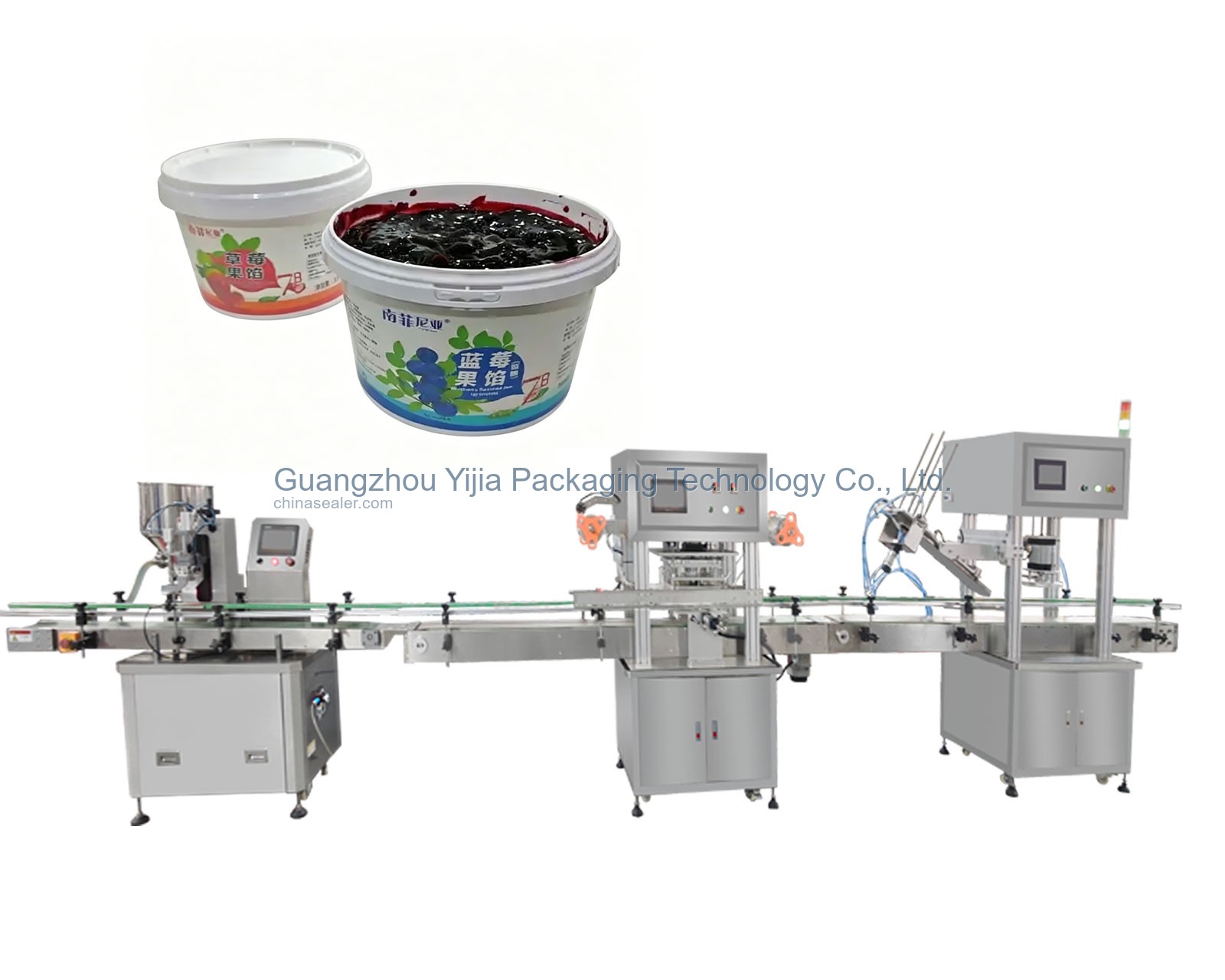 Paper Can / Plastic Pail Aluminum Foil Sealing and Capping Machine
Sample and container confirmation; Use physical samples to confirm pail-mouth size, flatness, and film compatibility, avoiding later configuration er...
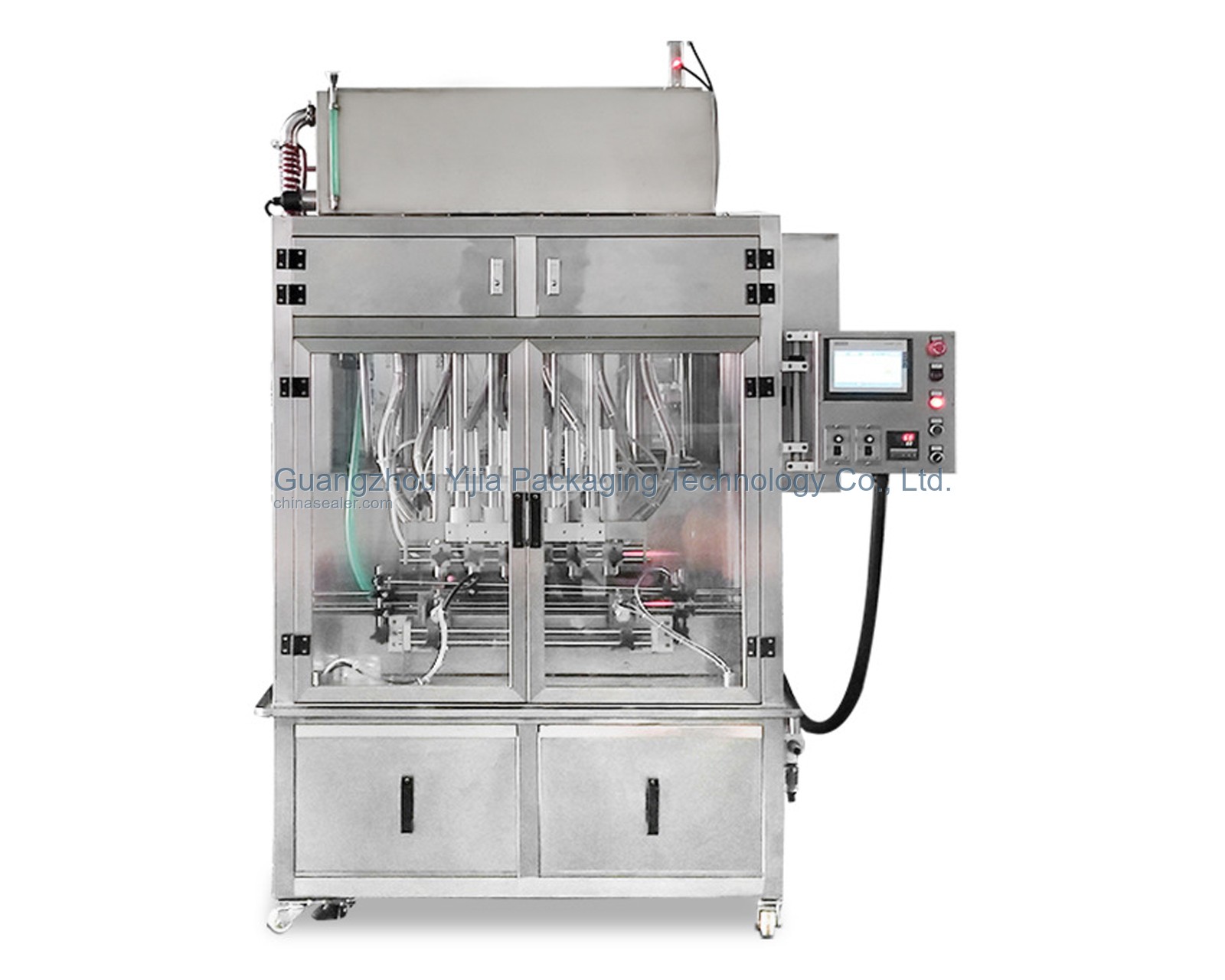 Food Pail Filling and Sealing Machine
Filling; Choose weighing filling or volumetric filling according to material viscosity and filling-consistency requirements; Weighing Pail Filling Machine or Servo Piston Liquid...
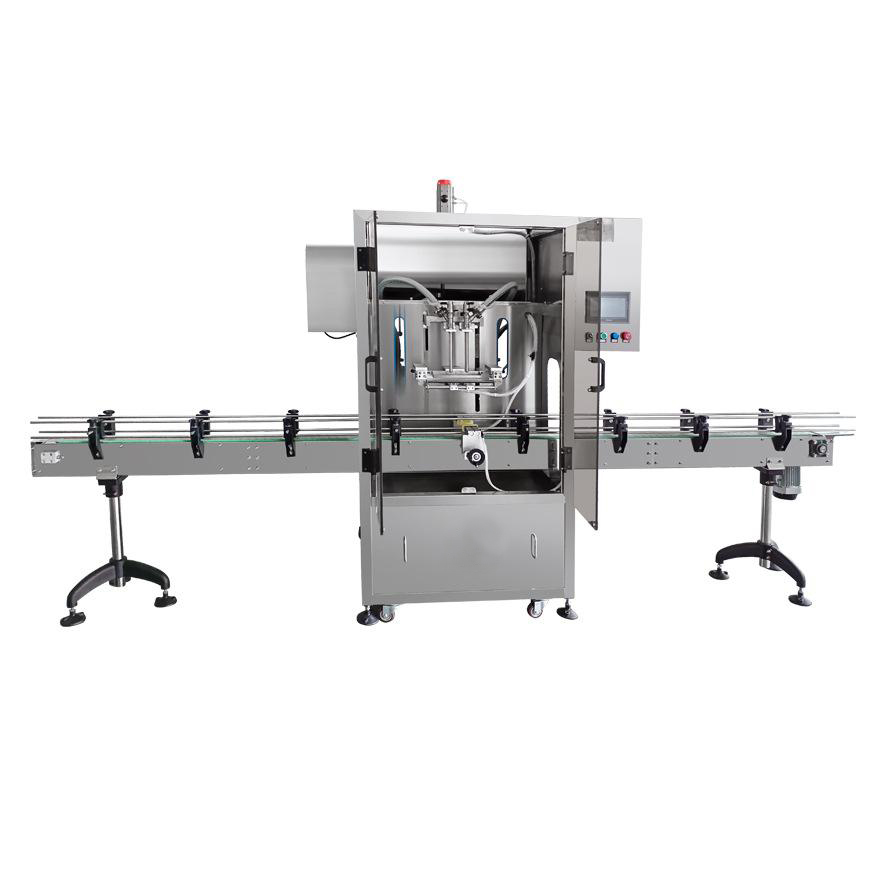 Servo Piston Liquid Filling Machine
Filling; Choose weighing filling or volumetric filling according to material viscosity and filling-consistency requirements; Weighing Pail Filling Machine or Servo Piston Liquid Fi...
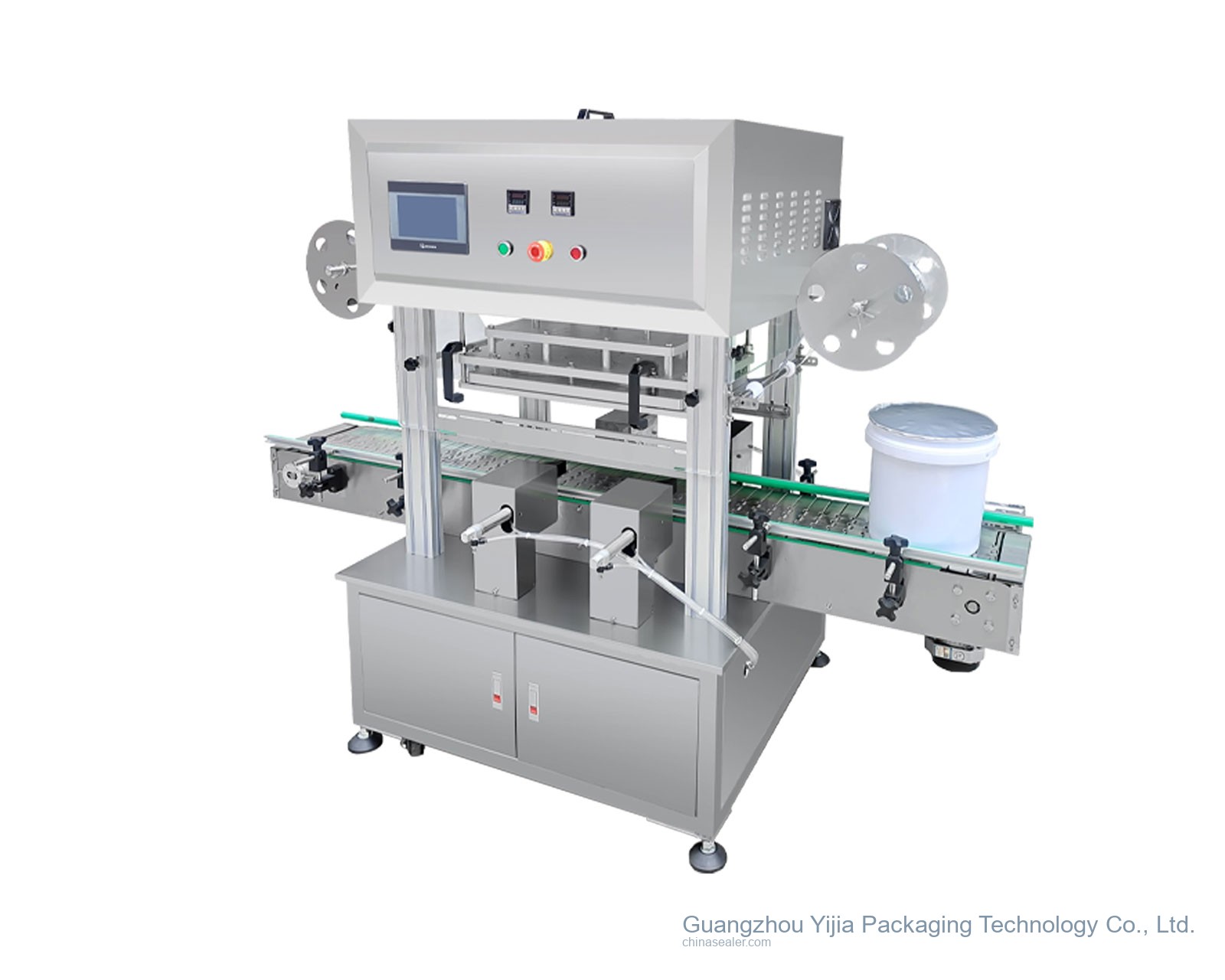 Large-Diameter Pail Heat Seal Sealer
Sealing; Choose the matching equipment according to the sealing method: heat-seal film or foil liner; Large-Mouth Pail Heat-Press Sealer or Water-Cooled Induction Aluminum Foil Se...
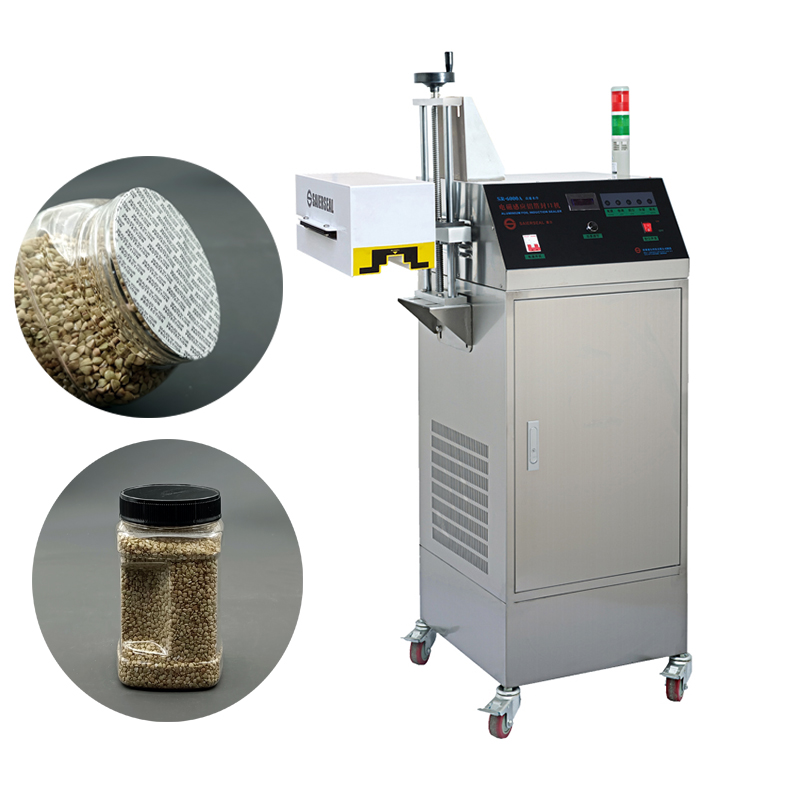 Water-Cooled Induction Aluminum Foil Sealing Machine
Sealing; Choose the matching equipment according to the sealing method: heat-seal film or foil liner; Large-Mouth Pail Heat-Press Sealer or Water-Cooled Induction...
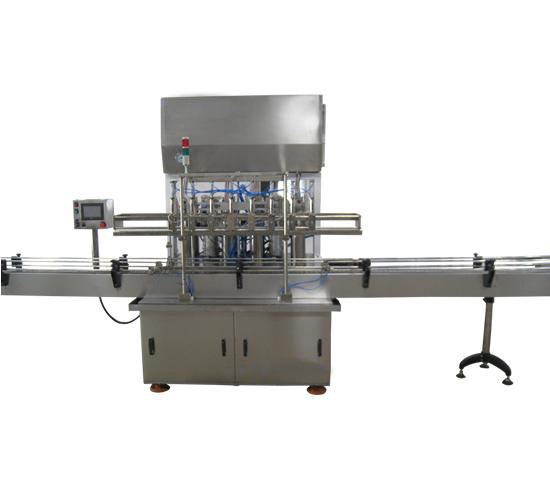 Weighing Drum Filling Machine
Downstream Inspection and Marking; Configure weight inspection, production-date printing, and labeling according to shipment requirements; In-Line Checkweigher, Date/Batch Coding Machine...
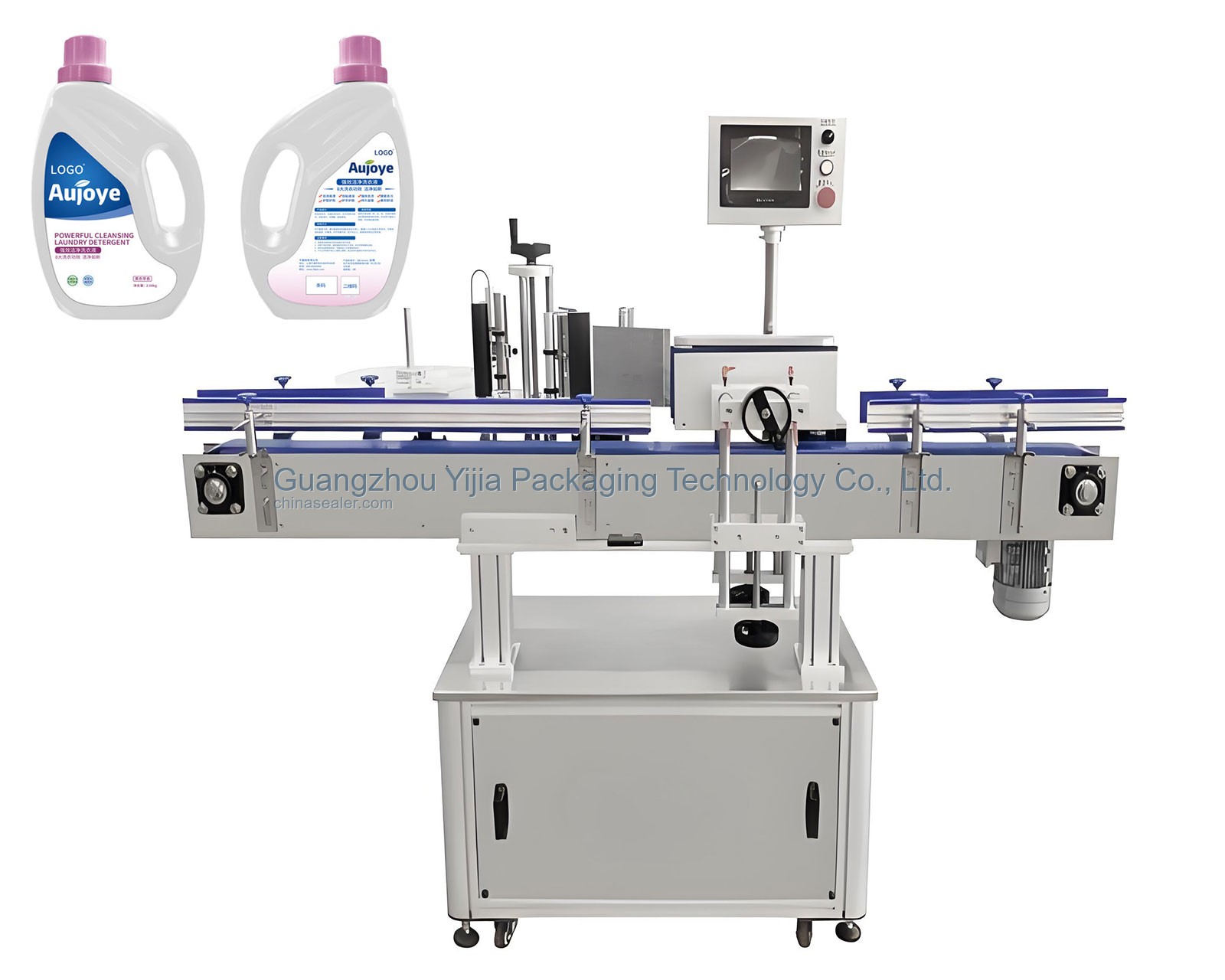 Round & Square Bottle Labeling Machine
Downstream Inspection and Marking; Configure weight inspection, production-date printing, and labeling according to shipment requirements; In-Line Checkweigher, Date/Batch Codin...
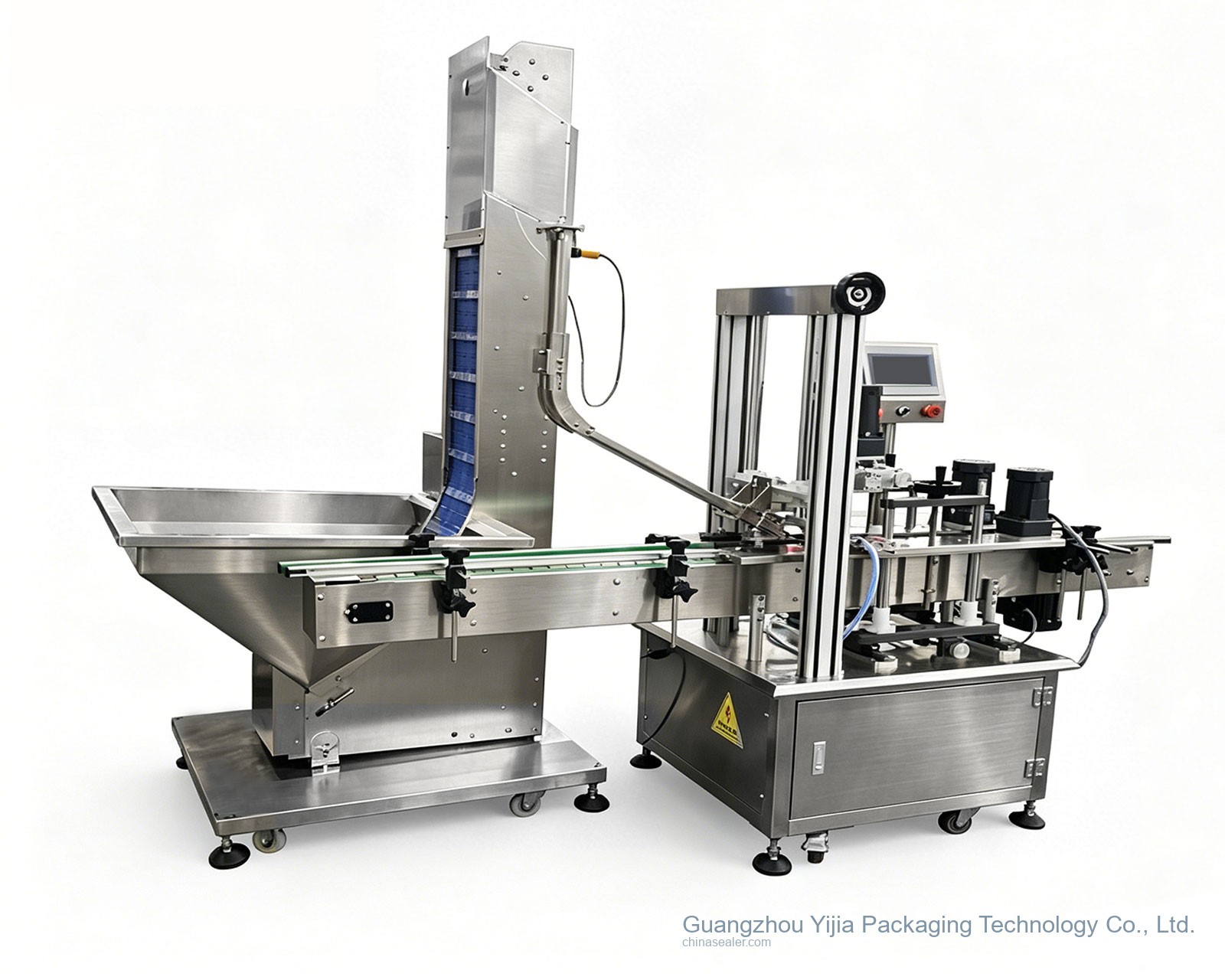 Automatic Screw Capping Machine
Sealing; Choose the matching equipment according to the sealing method: heat-seal film or foil liner; Large-Mouth Pail Heat-Press Sealer or Water-Cooled Induction Aluminum Foil Sealer
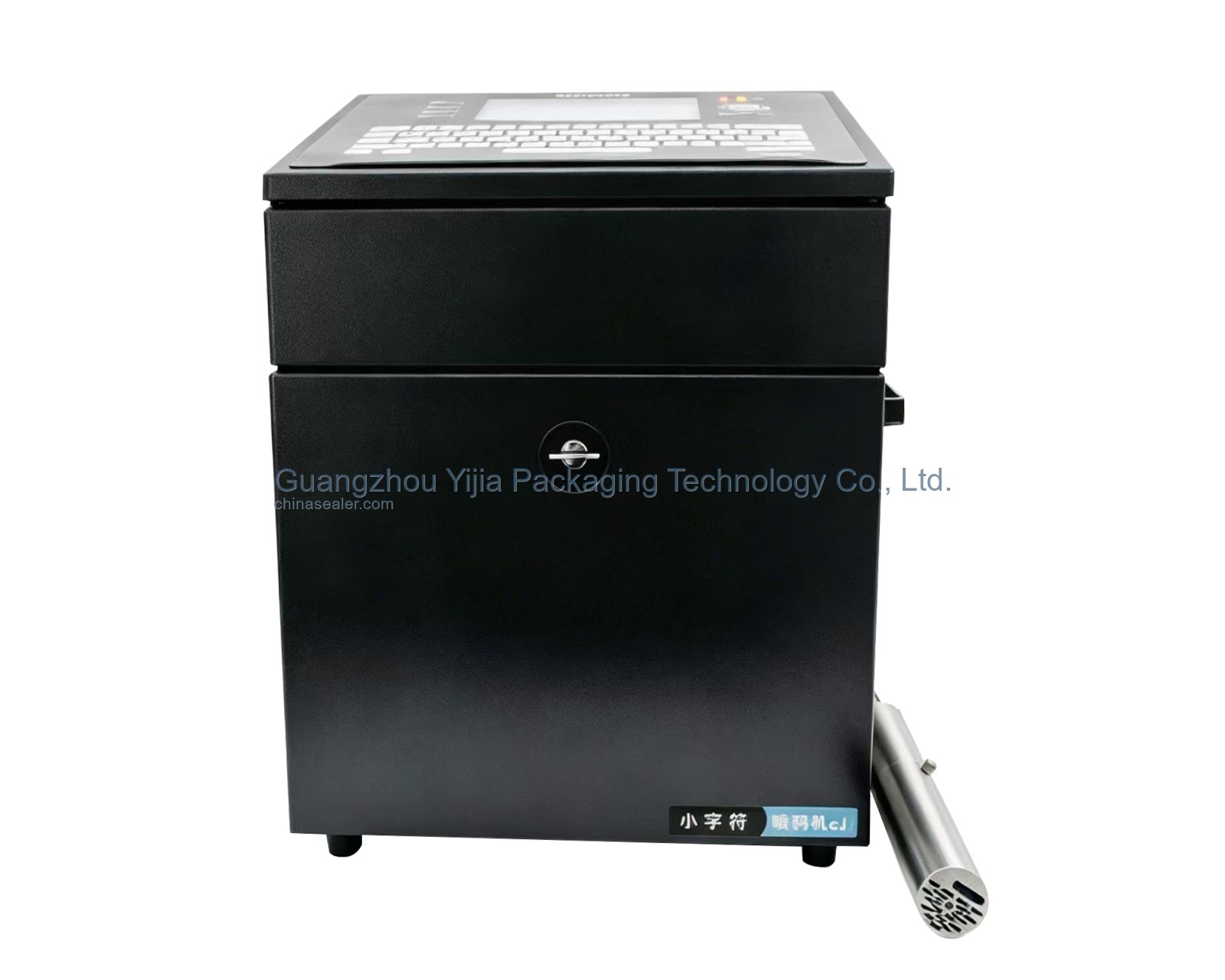 Date & Batch Inkjet Printer
Downstream Inspection and Marking; Configure weight inspection, production-date printing, and labeling according to shipment requirements; In-Line Checkweigher, Date/Batch Coding Machine a...
Sample details
Inline requirements affect equipment sequence, cycle time matching, and downstream inspection methods.
Pail photos and key dimensions, such as mouth diameter, height, and capacity, help confirm tooling and conveyor configuration.The state of the contents affects the filling method, contact materials, anti-drip, and safety configuration.
Material state description or sample (viscosity, presence of particles, need for insulation) affects filling pump and hopper selection.Film material and liner affect sealing temperature, pressure, dwell time, and feeding method.
Sealing film or aluminum foil liner samples are used to test sealing parameters and tooling fit.The lid structure determines the capping method (press, screw, or place) and whether inline integration is needed.
Cap samples, such as screw caps, press caps, or inner plugs, confirm capping or cap-pressing mechanism.Site conditions affect electrical control, pneumatics, conveyor length, and safety protection configuration.
Target output and site space dimensions help decide whether to use a stand-alone, semi-automatic, or connected-line solution.Photos and dimensions can first determine container positioning, mold direction, and whether sample testing is needed.
Even if the information is incomplete, you can first send available photos and dimensions. We will judge the route first and then list what still needs to be provided.Common selection mistakes
Common questions
Yes. First send photos of the drum, approximate dimensions, and target output; we will assess the approach and then list the required information.
It is recommended to prepare samples of containers, lids, film, or aluminum foil gaskets, as well as material status, target capacity, and site space information.
Target output affects station count and line configuration. Small batches can start with a single machine; stable high-volume production is better planned as a line.
Different films require different sealing temperature and pressure, and they should be tested together with the pail mouth.
Sealing performance should be confirmed by testing samples, film, and parameters. Real samples are recommended for testing.
If the stable output is relatively high or downstream coding, labeling, and inspection are required, an in-line route can be evaluated.