Solution topic
How to Choose Screw Capping, Press Capping and Can Closing: Start with Cap Type, Mouth Size, Torque and Sealing Requirements
Key points for screw capping, press capping and can closing: start with cap type, mouth size, torque and sealing requirements. Lid structure matters more than the machine name; torque and pressure must be checked with samples; foil liners and sealing should be considered together in advance; cap sorting and feeding do not need to be fully automated from day one for every project. This guide explains packaging form...
- For bottle caps, pail lids, can lids and paper-can press-capping projects, do not quote by asking for a cap feeder only. First confirm lid structure, mouth diameter, material, foil liner, target speed and sealing requirements, then decide on screw capping, press capping, can closing or an inline sealing-and-capping route.
- Screw Capping, Press Capping and Can Closing
Start with the real package and product
The key question is not only the machine name. For capping, press capping and can seaming, first confirm the real product, container, packaging material, target output and downstream actions so the route can be judged correctly.
Container and material decide the machine route
Container size, mouth shape, cap or film structure and product behavior directly affect tooling, positioning, speed and test method. A photo and rough dimensions are enough to start the first review.
Suitable for: Threaded bottles and jars with clear torque requirements. Advantages: Torque can be controlled and connected to filling and labeling lines. Limits: Bottle positioning, cap feeding and thread stability affect output. Not recommended when: Not suitable for snap caps, press caps or cans without threads. Equipment direction: Use an automatic capping machine with cap sorting and torque control.
Suitable for: Press caps, snap caps and plastic covers that need downward pressure. Advantages: Simple action and suitable for many pail, can and jar caps. Limits: Pressure, cap deformation and container support must be tested. Not recommended when: Avoid this route if the cap needs torque instead of pressure. Equipment direction: Use a press capping module with matched tooling and container support.
Suitable for: Metal cans or composite cans requiring rolled seam closure. Advantages: Creates a mechanical seam for can-style packaging. Limits: Can diameter, lid type and seam quality inspection are critical. Not recommended when: Not for ordinary screw caps or snap caps. Equipment direction: Use a can seaming machine and confirm lid, can body and seam standard.
Check utilities, cleaning and changeover early
Suitable for: Projects needing foil sealing, press capping or capping in one continuous route. Advantages: Reduces manual transfer and keeps sealing and closing rhythm aligned. Limits: Needs complete container, cap and film samples. Not recommended when: Do not lock a line before the sealing method and cap type are both confirmed. Equipment direction: Combine foil sealing, capping or seaming with conveyor and inspection.
Downstream sealing, coding and inspection decide the line order
The downstream process is part of the same route. Sealing, capping, labeling, coding, inspection and case packing should be arranged by rhythm and site space rather than added after the main machine is fixed.
Initial direction can still be judged even if the information is incomplete
If samples are not complete yet, send the available photos, dimensions and output target first. We will judge the likely route and list the next samples needed before the quotation is locked.
How Our Existing Equipment Can Support
Our route can combine the main machine with tooling, conveyor, labeling, coding, inspection and other auxiliary modules according to the confirmed package and production rhythm.
Route comparison
- Threaded bottles and jars with clear torque requirements.
- Torque can be controlled and connected to filling and labeling lines.
- Bottle positioning, cap feeding and thread stability affect output.
- Not suitable for snap caps, press caps or cans without threads.
- Use an automatic capping machine with cap sorting and torque control.
- Press caps, snap caps and plastic covers that need downward pressure.
- Simple action and suitable for many pail, can and jar caps.
- Pressure, cap deformation and container support must be tested.
- Avoid this route if the cap needs torque instead of pressure.
- Use a press capping module with matched tooling and container support.
- Metal cans or composite cans requiring rolled seam closure.
- Creates a mechanical seam for can-style packaging.
- Can diameter, lid type and seam quality inspection are critical.
- Not for ordinary screw caps or snap caps.
- Use a can seaming machine and confirm lid, can body and seam standard.
- Projects needing foil sealing, press capping or capping in one continuous route.
- Reduces manual transfer and keeps sealing and closing rhythm aligned.
- Needs complete container, cap and film samples.
- Do not lock a line before the sealing method and cap type are both confirmed.
- Combine foil sealing, capping or seaming with conveyor and inspection.
Core process
Associated Equipment / Consumables
 Leak-proof Bottle Cap, Inner Plug and Gasket Set
Sample and material review; Confirm product behavior, container, cap, film and key dimensions before choosing the route; Bottle mouth; Pail mouth
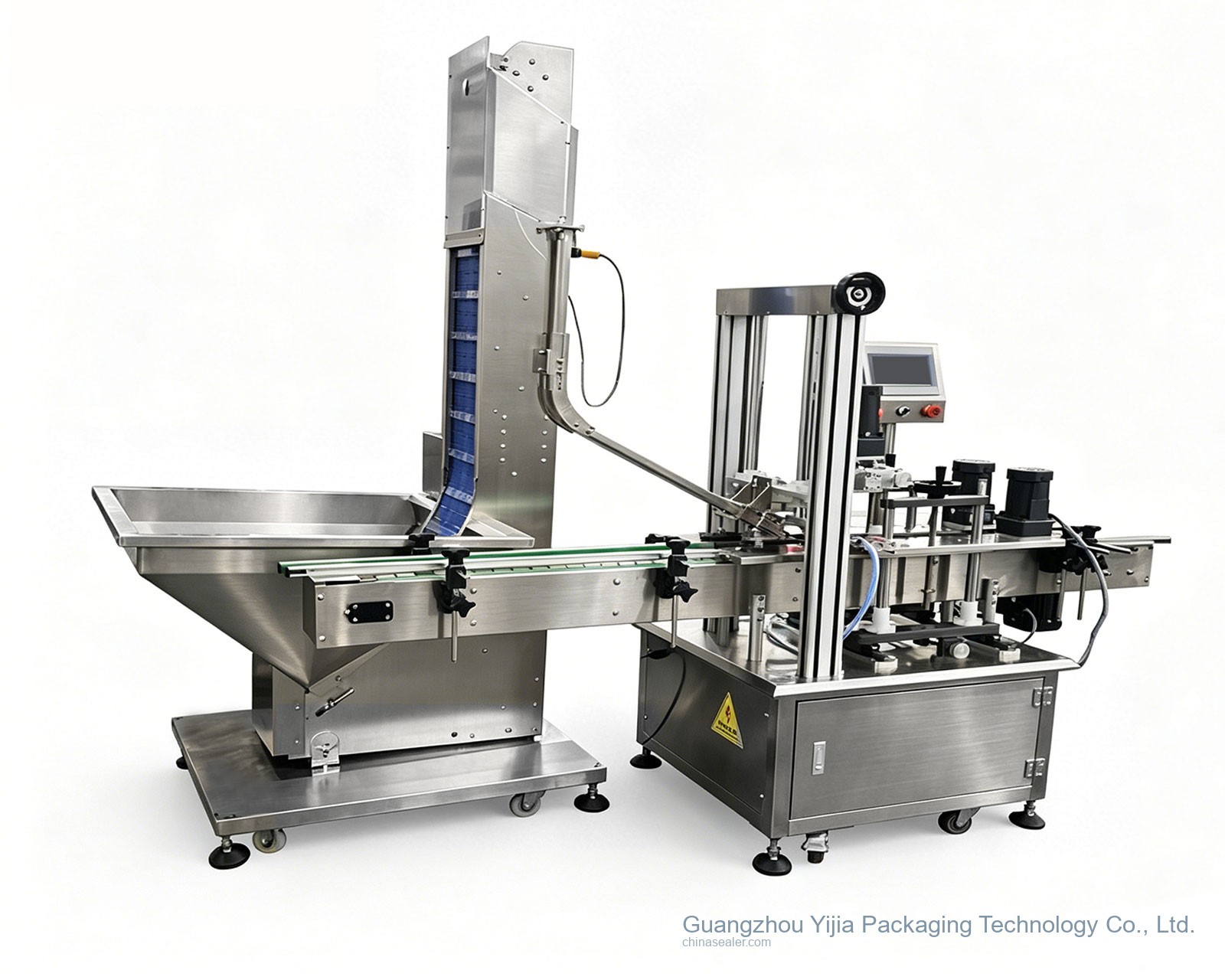 Automatic Screw Capping Machine
Cap type confirmation; Choose the filling, sealing, capping or packing method by the confirmed sample; Screw Cap; Snap Cap
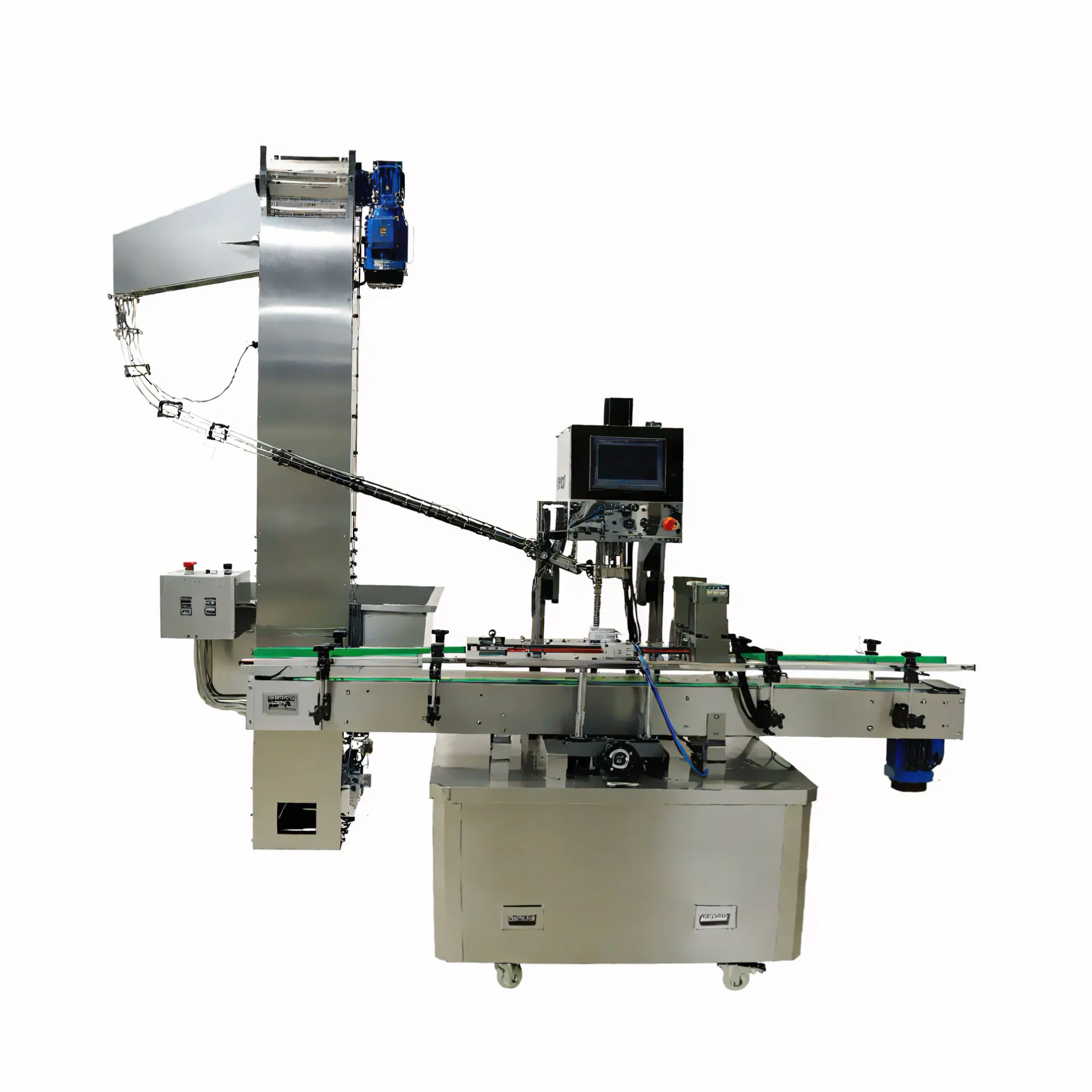 Automatic Screw Capping and Press Capping Machine
Cap type confirmation; Choose the filling, sealing, capping or packing method by the confirmed sample; Screw Cap; Snap Cap
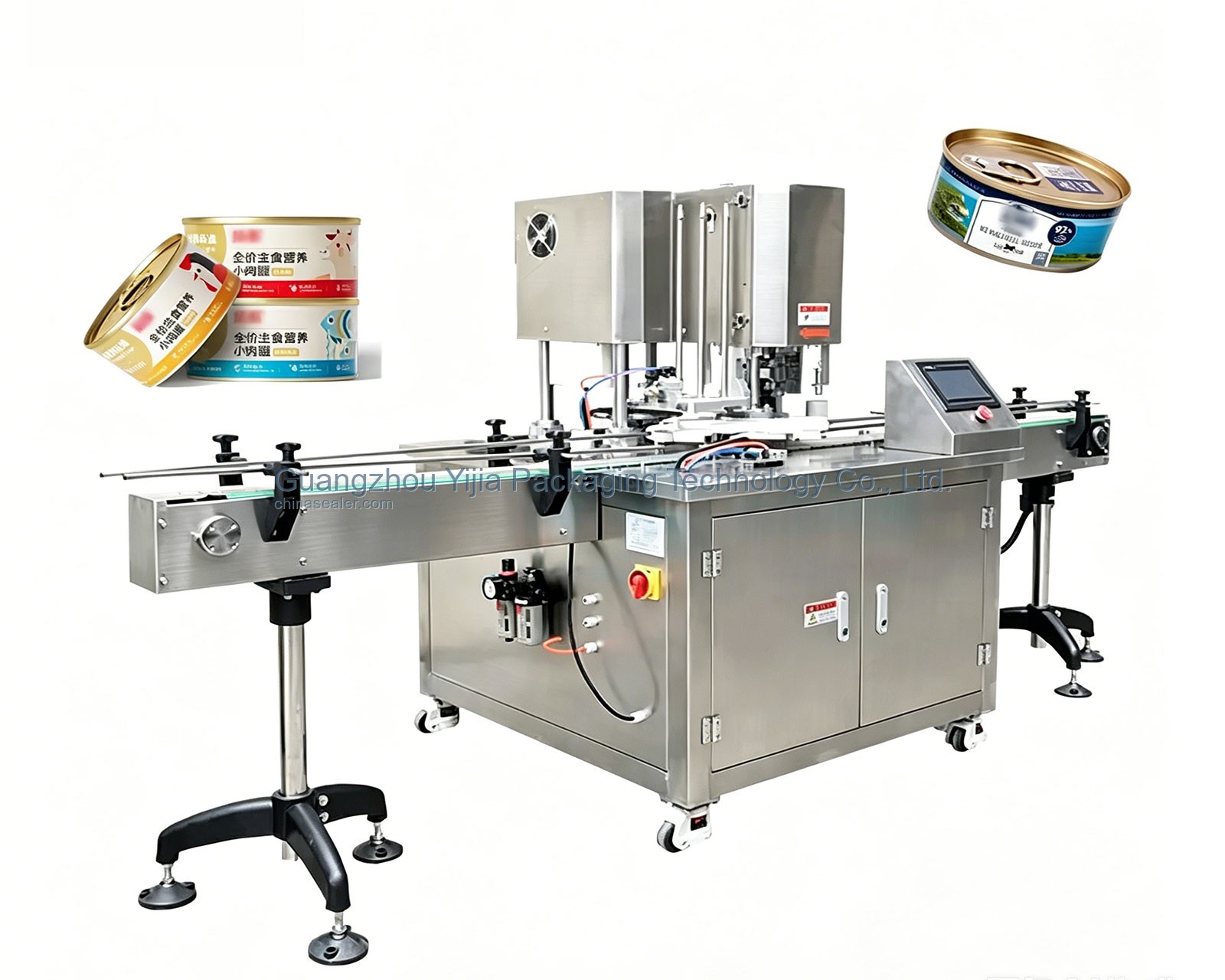 Can Seaming Machine
Tooling and changeover parts; Tooling must match the real size, mouth shape, cap, film and expected SKU range; Aluminum Foil Liner; Aluminum Foil Film
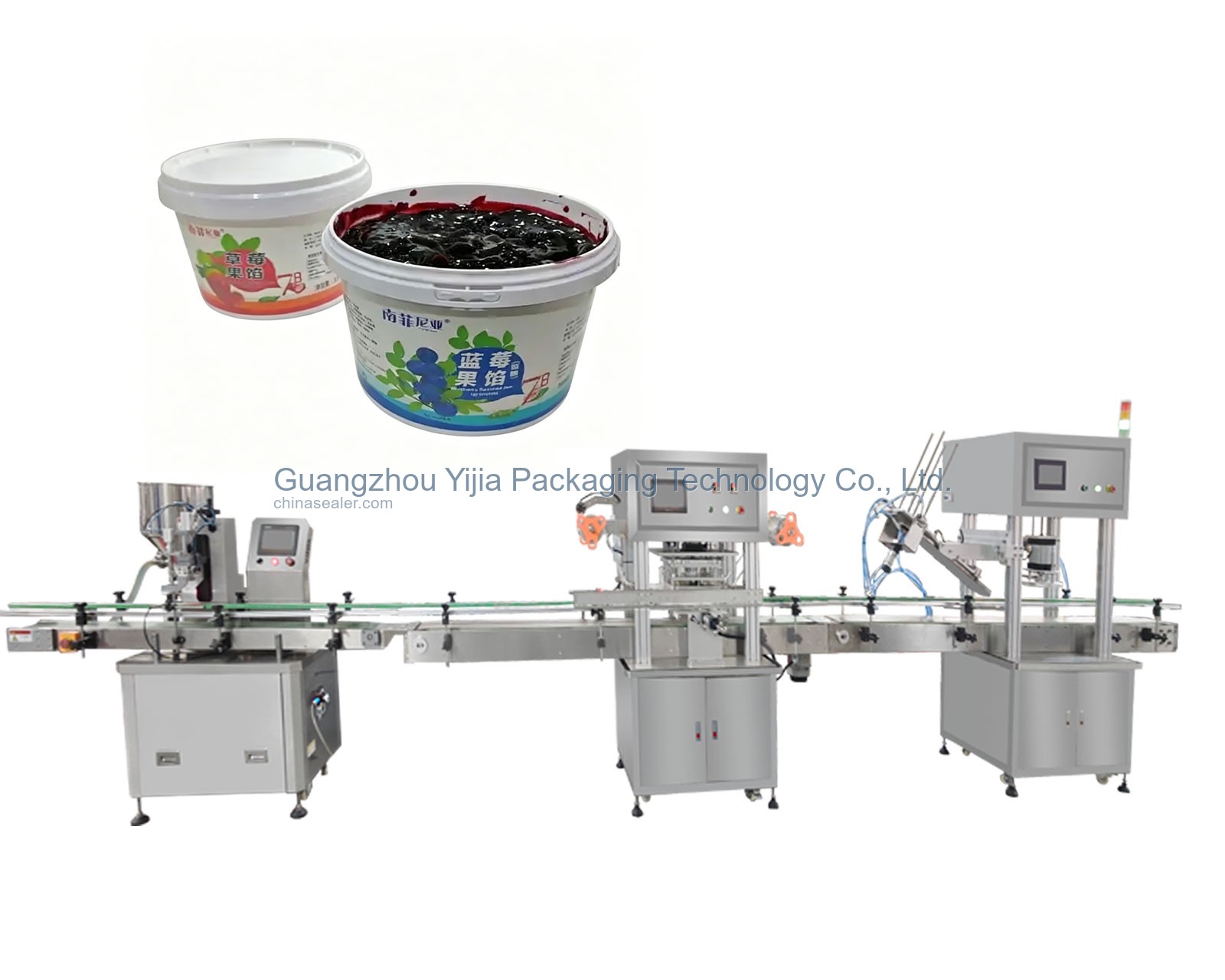 Paper Can / Plastic Pail Aluminum Foil Sealing and Capping Machine
Sample test and quotation output; After the route is confirmed, test samples and output a configuration and quotation range; Leak Detection; Checkwei...
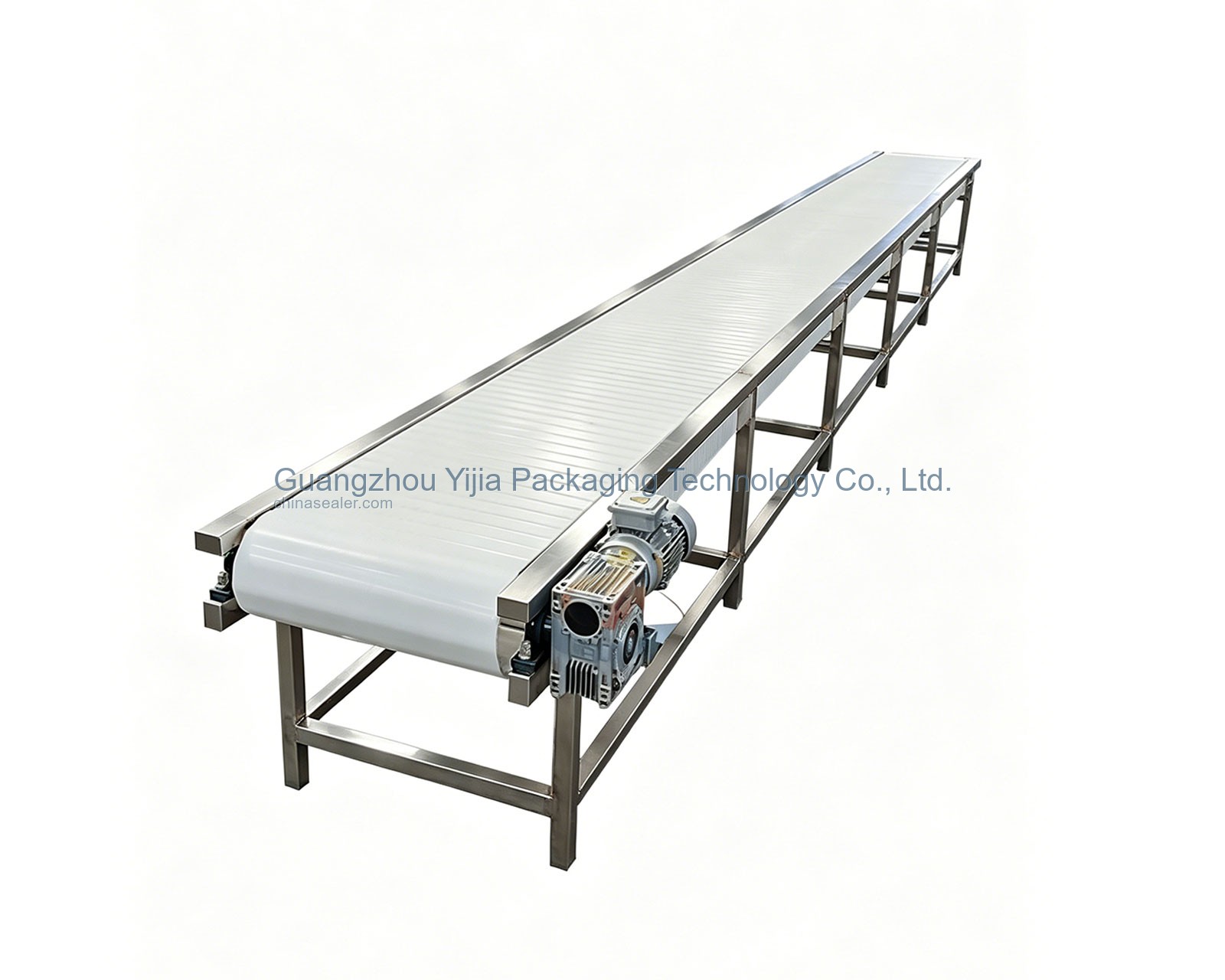 Food-grade conveyor line
Sample test and quotation output; After the route is confirmed, test samples and output a configuration and quotation range; Leak Detection; Checkweighing
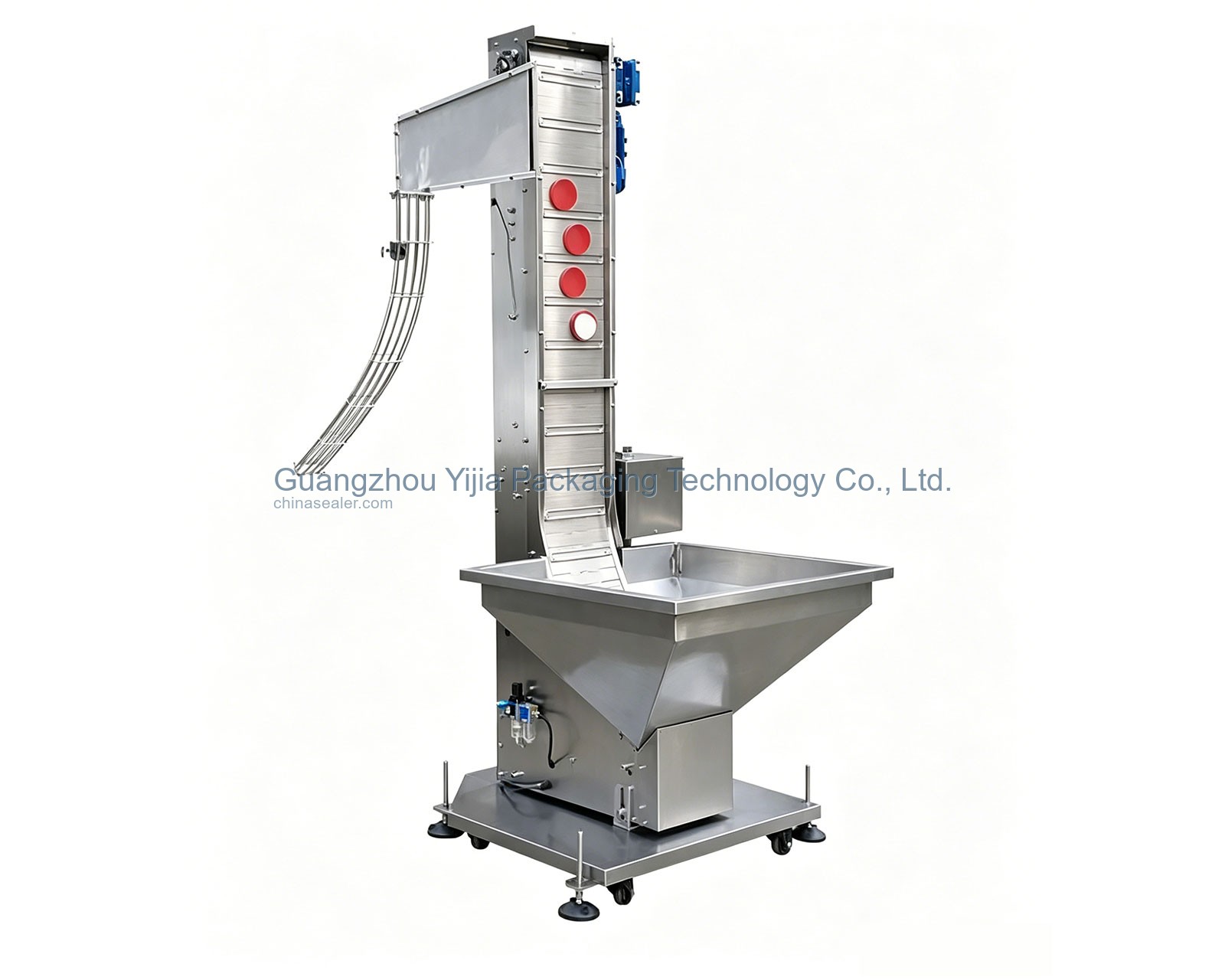 Cap Feeding and Sorting System
Cap type confirmation; Choose the filling, sealing, capping or packing method by the confirmed sample; Screw Cap; Snap Cap
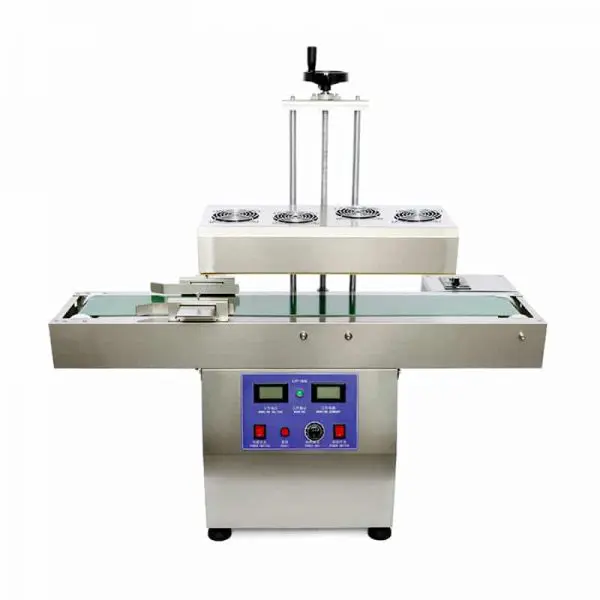 Inline Induction Foil Sealer
Cap type confirmation; Choose the filling, sealing, capping or packing method by the confirmed sample; Screw Cap; Snap Cap
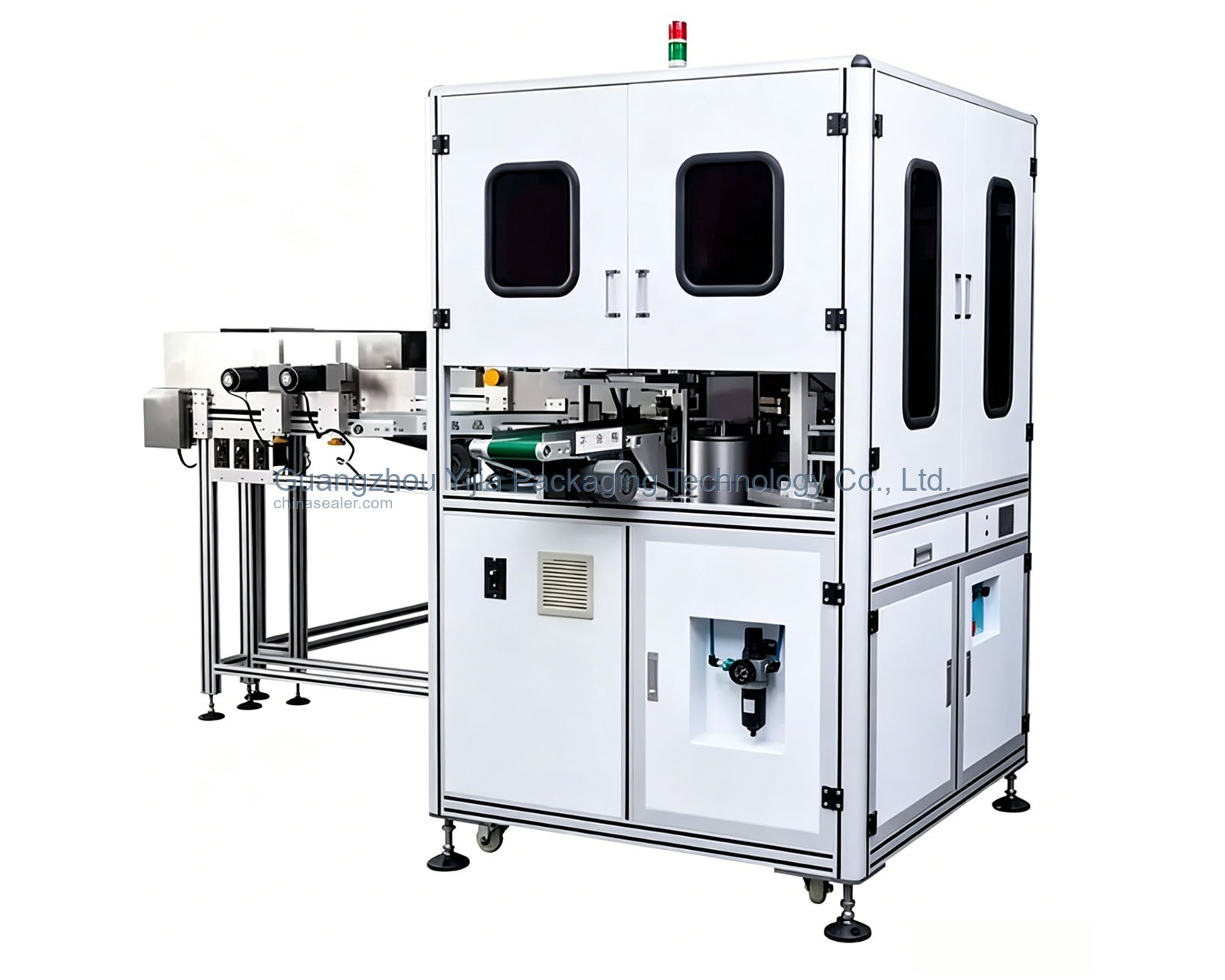 Online Checkweigher and Vision Inspection System
Sample test and quotation output; After the route is confirmed, test samples and output a configuration and quotation range; Leak Detection; Checkweighing
Sample details
Real samples decide tooling, positioning and sealing parameters.
Photos, dimensions, mouth diameter, height, cap or film samples and target output for a first configuration check.Film, cap, liner, pouch or label material affects sealing, capping and inspection.
Material specification, thickness, sealing layer, cap type, label artwork or coding position for compatibility review.Capping, sealing, labeling, coding, inspection and packing decide the line order.
Downstream process list, target output, site space and manual or automatic loading preference.Output target and SKU range decide whether to use a single machine, semi-automatic station or continuous line.
Hourly output, shift pattern, main SKU list and expected changeover frequency.Sample testing reduces the risk of wrong tooling, weak sealing or unstable dosing.
Product, container, cap or film samples plus utility information for final test and quotation configuration.Common selection mistakes
Common questions
Yes. Send the photos, rough dimensions, product state and target output you already have. We will judge the first route and list what still needs confirmation.
Samples decide tooling, contact parts, sealing or capping force, filling stability and inspection method. Without samples, the configuration can easily be mismatched.
For this topic, we usually compare Screw capping, Press or snap capping, Can seaming according to package format, product behavior and output target.
Yes. After the main process is confirmed, conveyor, labeler, coder, checkweigher, vision inspection and reject devices can be added by line rhythm.
A full line is suitable when the package is stable, output target is clear, site space is confirmed and changeover range is not too wide.
Send product photos, container or bag samples, key dimensions, cap or film material, target output and any downstream packing requirement.