Bottle / Pail / Can Sealing Equipment
Multi-Station Rotary Can Seaming Line
The multi-station rotary can seaming line revolves around the process flow of can feeding, lid placement, rotary indexing positioning, seaming, and can discharge. Can type, lid components, seam structure, can mouth condition after filling, and upstream/downstream cycle times affect the solution. Lid sorting and feeding, missing lid detection, seam inspection, rejection, buffering, and filling line interlocking are...
Technical parameters
- Capacity and Cycle Time
- Confirmed based on upstream can supply, lid placement, indexing positioning, seaming action, discharge, and buffering cycle times; no fixed values published without project vali...
- Automation Scope
- Automatic conveying, indexing positioning, and seaming; lid sorting and feeding, inspection, rejection, buffering, and filling line interlocking configured per project
- Applicable Containers or Packaging
- Metal cans and matching lids that can be stably positioned and seamed; can diameter, can height, seam, and lid components confirmed with actual samples
- Applicable Products
- Powder, granular, solid, or liquid-containing canned products; specify dust, foam, spillage, can mouth contamination, and can body temperature after filling
- Packaging Materials and Consumables
- Lids and seaming structure matching the can body; sealing compound, seam dimensions, and final sealing standard verified with samples
- Basic Process
- Can feeding conveying, lid placement, rotary indexing positioning, seaming, optional inspection, and can discharge
- Tooling and Changeover
- Replace or adjust trays, guides, seaming chucks, seaming rolls, and programs according to can diameter, can height, and lid specifications
- Power, Air Supply, and Layout
- Confirm equipment dimensions, power, air supply, maintenance space, and upstream/downstream interfaces based on electrical and pneumatic requirements for rotary indexing, seamin...
Rotary Can Seaming Line Operation Video
Local no-audio video showing can conveying, lid placement, indexing positioning, seaming, and discharge process; description text only corresponds to these visible actions.
Selection guide
- Can body, can lid, seaming rolls, and seam standard jointly confirmed with actual samples
- Continuous coordinated commissioning of conveying, lid placement, rotary indexing, and seaming cycle
- Lid sorting and feeding, missing lid detection, abnormal rejection, and buffering are optional modules
- Capacity, compatibility range, power, and utilities configured and confirmed per project
Applications
- Milk powder, seasoning powder, or other canned products requiring multi-station continuous seaming
- Existing filling line needs to add can feeding, indexing positioning, seaming, and discharge stations
- Production line requiring optional inspection for lid orientation, missing lid, and seam quality
- Projects planning to add buffering, abnormal rejection, and upstream/downstream signal interlocking
Frequently Asked Questions
- Are lid sorting and automatic lid feeding standard? Not by default. It depends on lid diameter, edge, stacking, orientation, and supply stability; then decide on manual lid placement, existing lid supply interface, or...
- Can the same set of seaming rolls be compatible with multiple lid types? Only possible if the seam structure and dimensions are identical; different can diameters or lid types usually require replacing seaming parts a...
Send samples and capacity requirements for a clearer solution
- Actual can body, can lid, seam dimensions, and sealing standards
- Dust, spillage, foam, and container temperature at the can mouth after filling
- Lid component incoming material, stacking orientation, lid placement method, and missing lid handling requirements
- Target cycle time, conveying height, buffering, inspection, and upstream/downstream signal interfaces
Related products
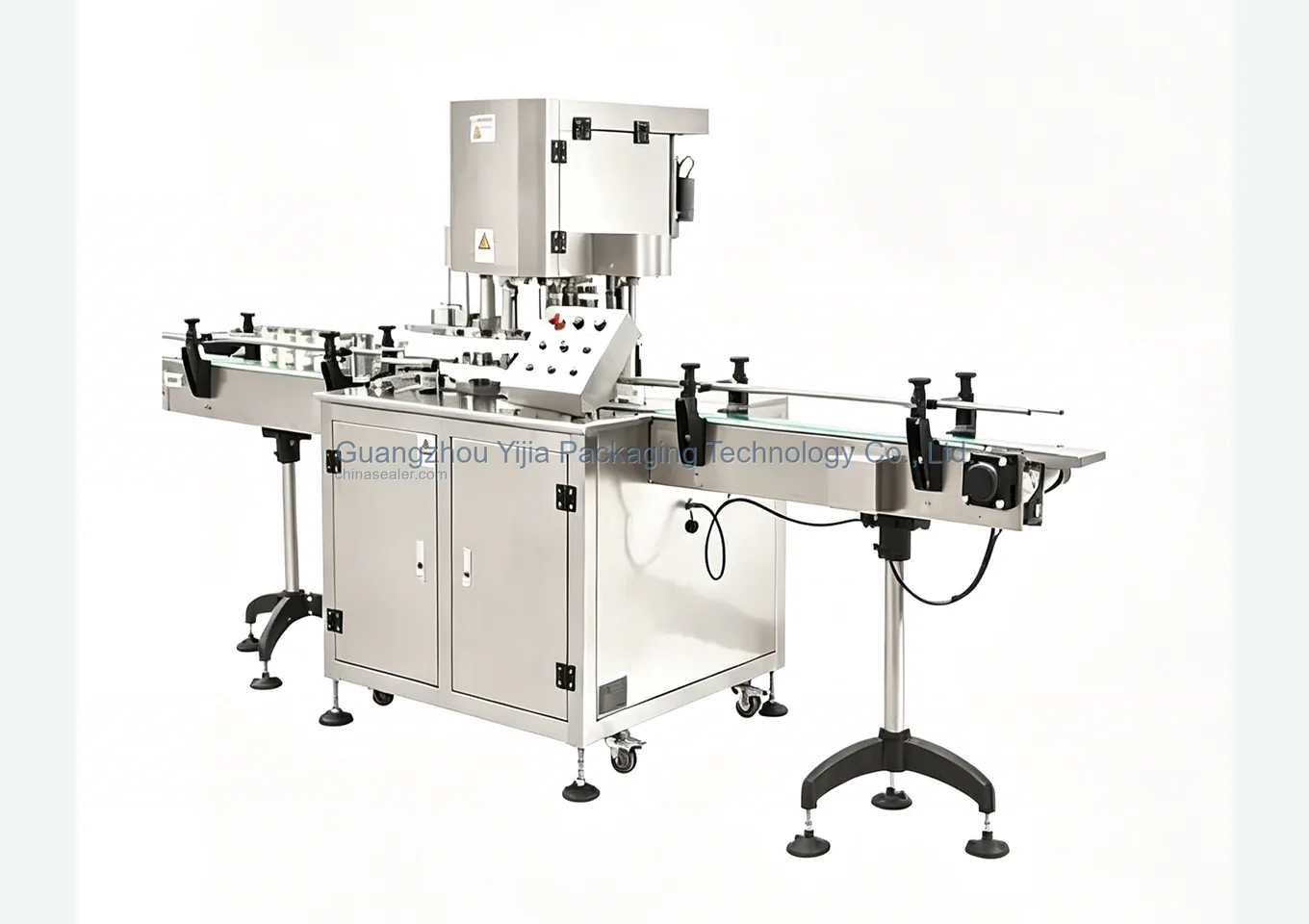
In-line automatic can seaming machine
The in-line automatic can seaming machine is designed for metal cans and matching can lids. It performs can positioni...
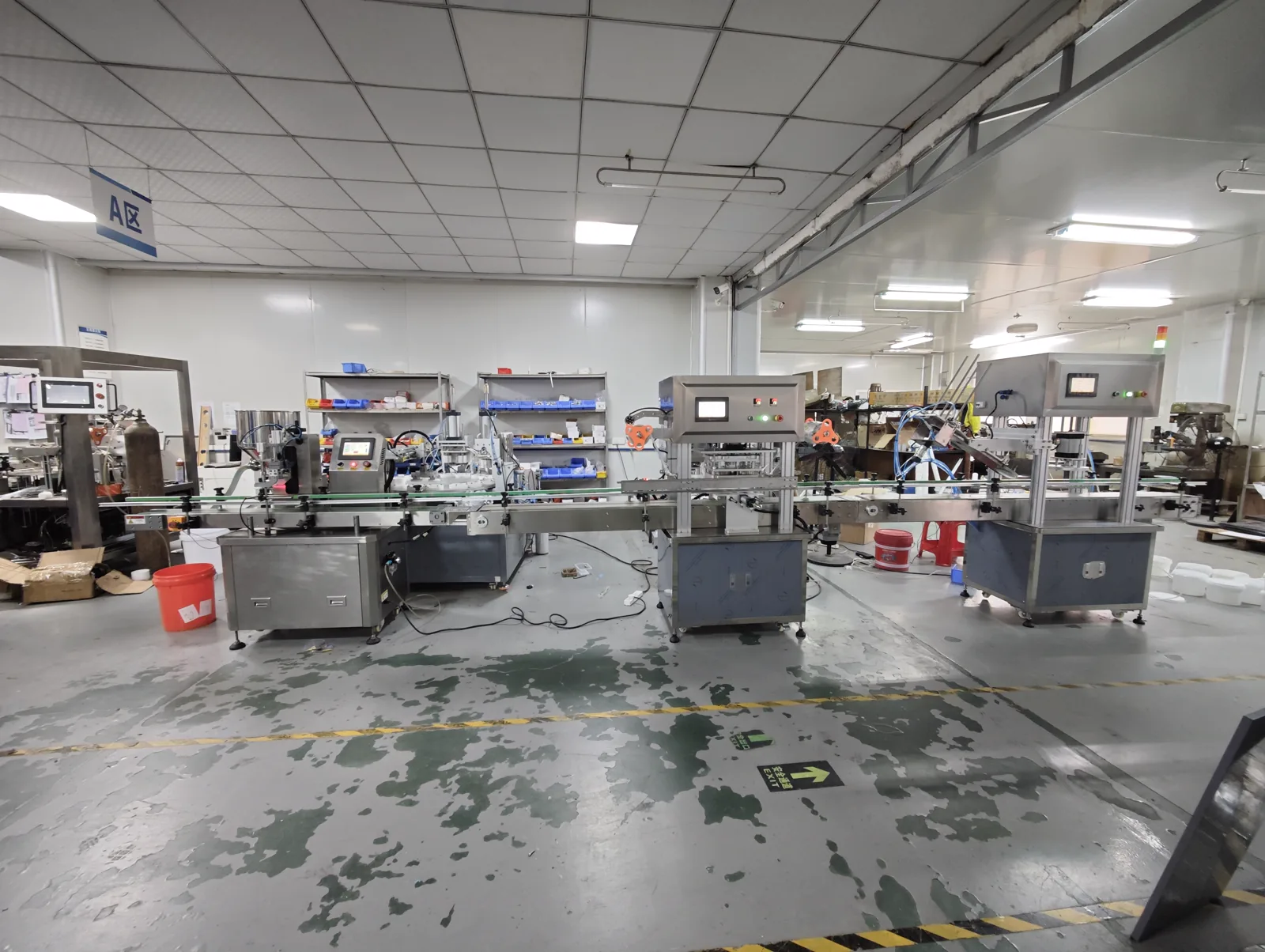
Filling, Press Capping / Screw Capping, Sealing Complete Line
This complete line integrates bottle feeding, filling, cap sorting, press or screw capping, sealing, inspection, and...
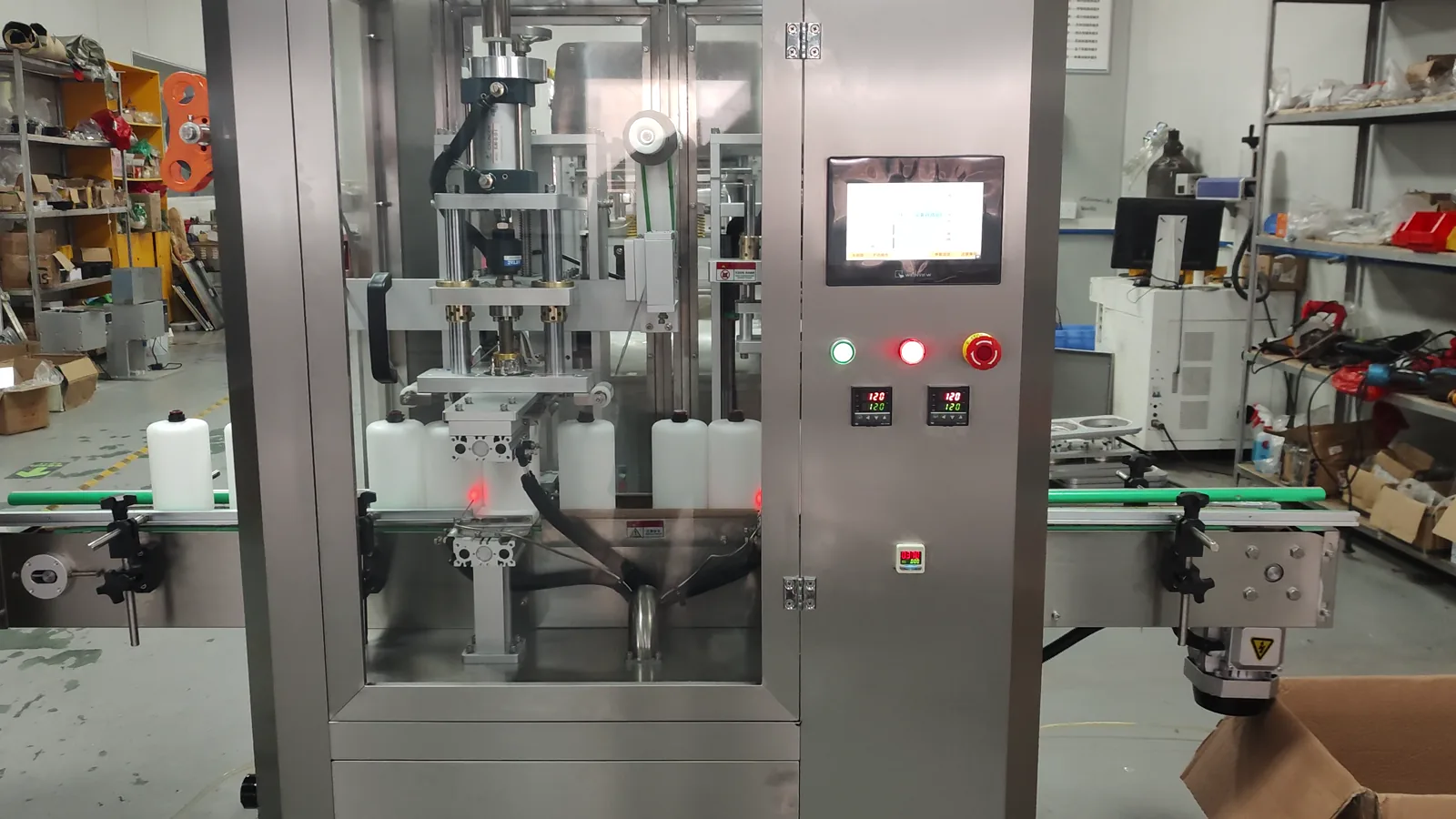
Automatic Die-Cut Film Inline Bottle & Jar Sealer
The equipment identifies and positions bottles/jars on the conveyor line, completes die-cutting of lid film, film pic...
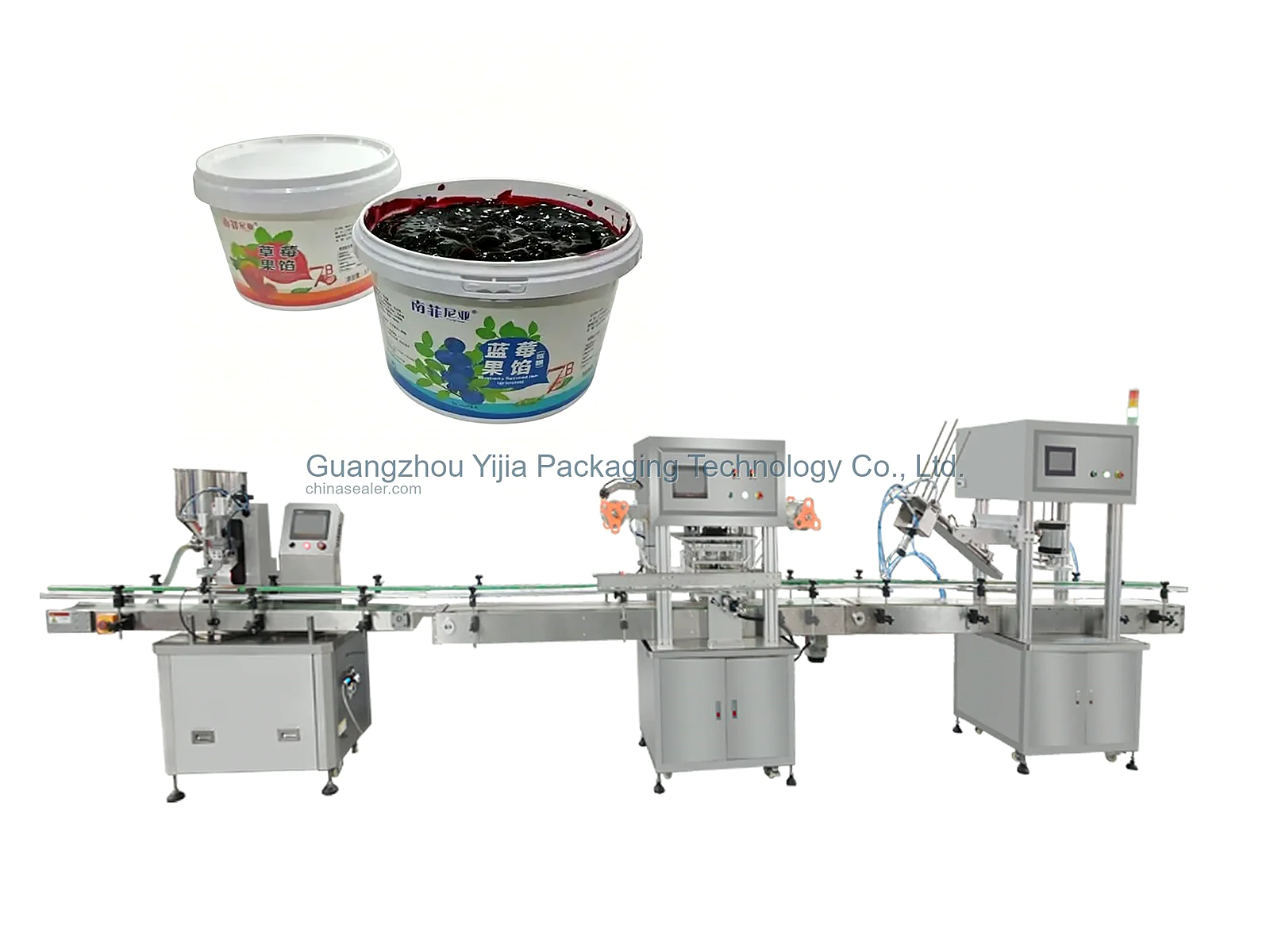
Paper Can / Plastic Pail Aluminum Foil Sealing and Capping Machine
Paper Can / Plastic Pail Aluminum Foil Sealing and Capping Machine is configured for Diameter, Rim, Foil Material, an...
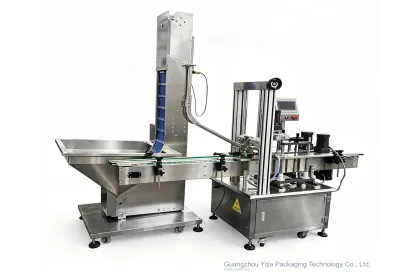
Automatic Screw Capping Machine
Automatic Screw Capping Machine is configured for Screw capping, press capping, or can sealing on Round bottles, squa...
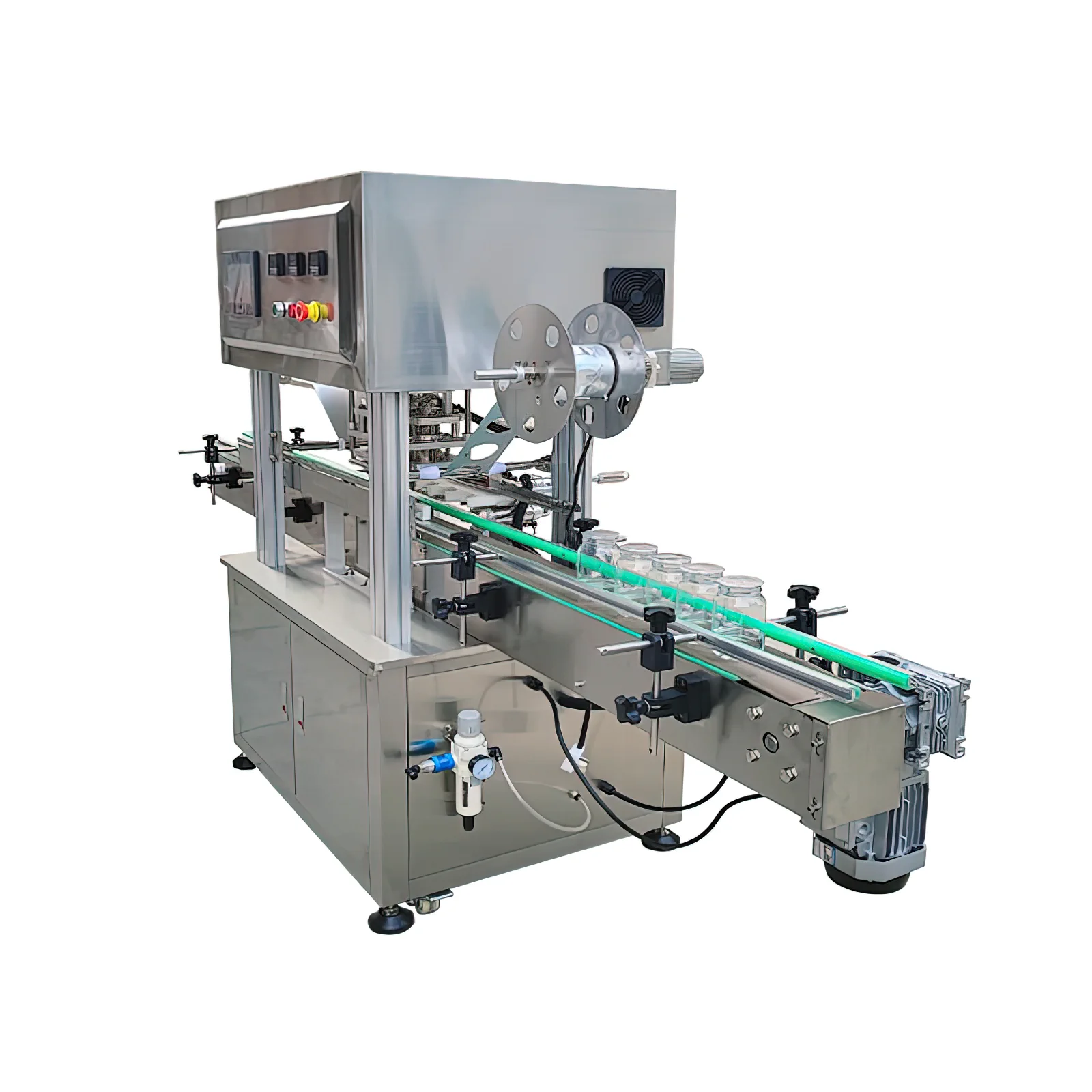
Bottle Inline Heat Press Sealer
Bottle Inline Heat Press Sealer is configured for Heat Press Sealing on PP bottles, PET bottles, PE bottles, HDPE bot...