Solution topic
How to plan a complete bottle and can line? First distinguish screw capping, press capping, die-cut lid film, and metal can seaming
Containers are also called bottles or cans, but cap torque, lid film heat sealing, and metal seaming are three different closing mechanisms. The line cycle time should be determine
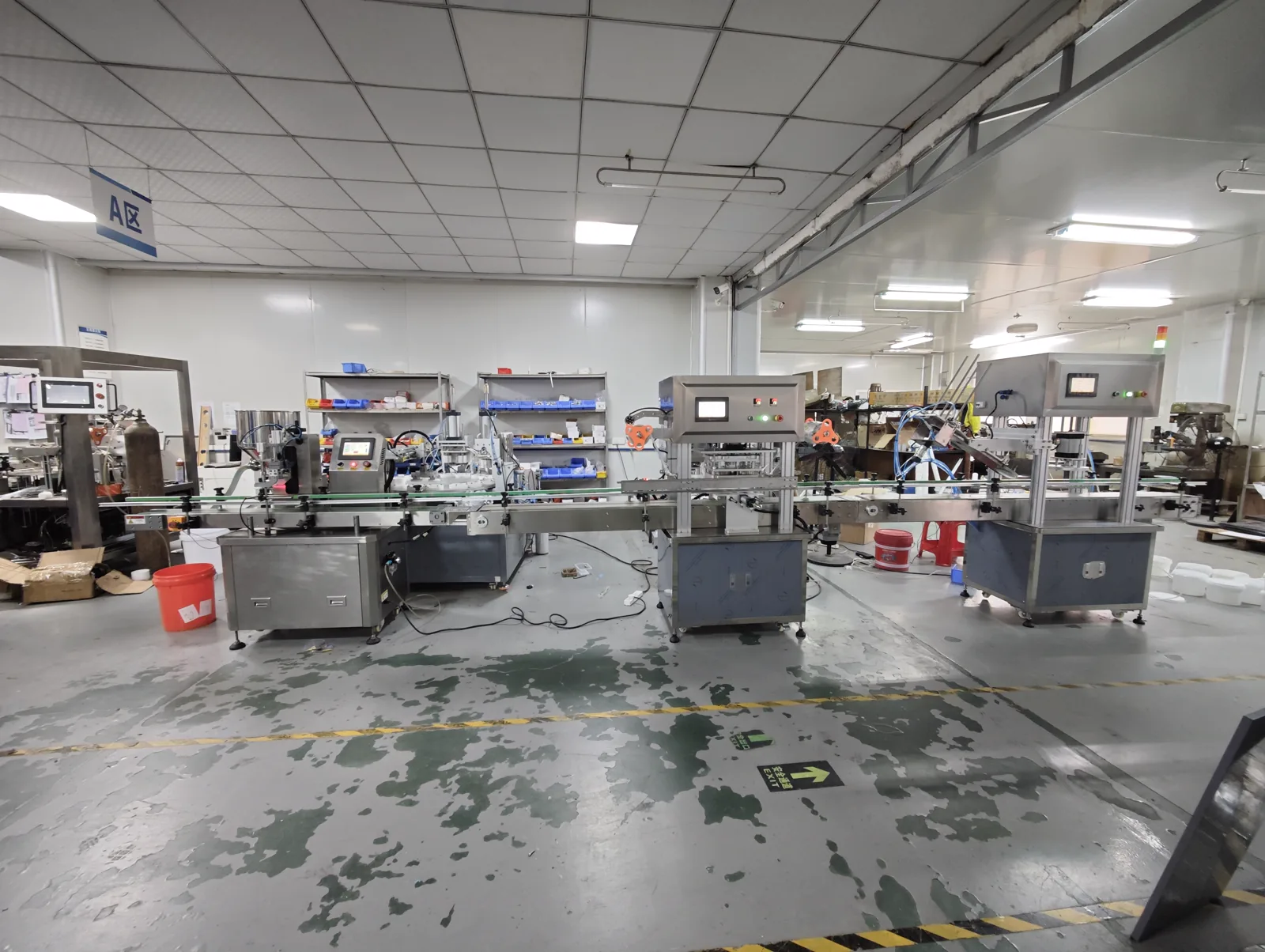
- Containers are also called bottles or cans, but cap torque, lid film heat sealing, and metal seaming are three different closing mechanisms. The line cycle time should be determined by the slowest station and buffering logic together.
Solution summary prepared for you
- What stations are typically included in a bottle and can filling and sealing line?
- How to choose between die-cut film sealing and screw capping?
- Why do metal can seaming lines require testing with both can body and lid?
Route comparison
- Liquid and paste bottle projects where caps, pumps, or press lids are already finalized.
- Bottle supply, metered filling, cap feeding, and sealing can be integrated around the same container cycle.
- Wetted-part cleaning, cap feeding stability, and the slowest station limit line capacity.
- Do not freeze the line layout when containers, closures, and products are still changing frequently.
- Filling, press capping, screw capping, and sealing line with bottle unscrambling, cap feeding, conveying, and inspection as needed.
- Plastic bottles and jars with stable rims that require in-line die-cut film, film placement, and heat sealing.
- Film lid dimensions can be die-cut and placed at the same station around the actual bottle mouth.
- Container positioning, film heat-seal layer, and rim condition after filling all require sample verification.
- Soft-wall containers or those with poor rim repeatability should not directly use standard die-cut film structures.
- Film-fed bottle/can in-line sealing machine with optional missing-film detection and rejection.
- Continuous production of metal cans with matching lids and clear seaming standards.
- Can feeding, lid placement, indexing, seaming, and can discharge can be organized as continuous stations.
- Seaming rolls, chucks, lid placement, and can mouth condition after filling need joint commissioning.
- Do not directly select a machine when the can body and lid are not a matched system or seaming acceptance standards are missing.
- Rotary can seaming line connected to upstream filling, lid placement, and downstream inspection buffering.
Associated Equipment / Consumables
Bottle and Jar Filling, Capping and Sealing LineThis is a project-configured bottle and jar line, not one fixed standard machine. Select the filling path from flow, foam, particles, temperature and cleaning, then select cap feeding and closing from the neck, plug,...
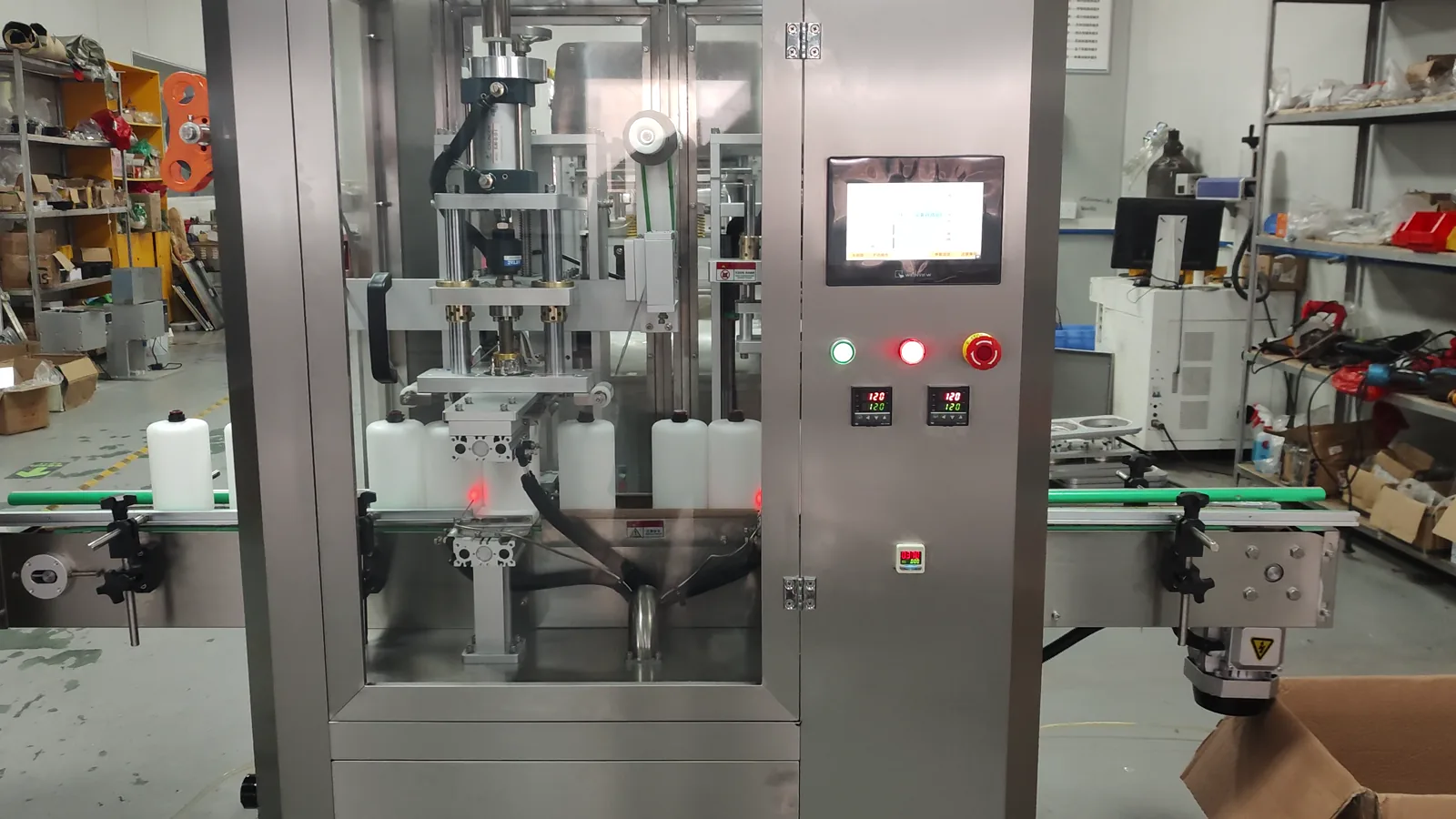 Automatic Die-Cut Lid Film Bottle and Jar Heat Sealer
Automatic Die-Cut Film Inline Bottle & Jar Sealer: Complete Filling and Closure Sealing; The line connects product filling and closure sealing at the same cycle time; Filling, screw capping, and sealing line (press ca...
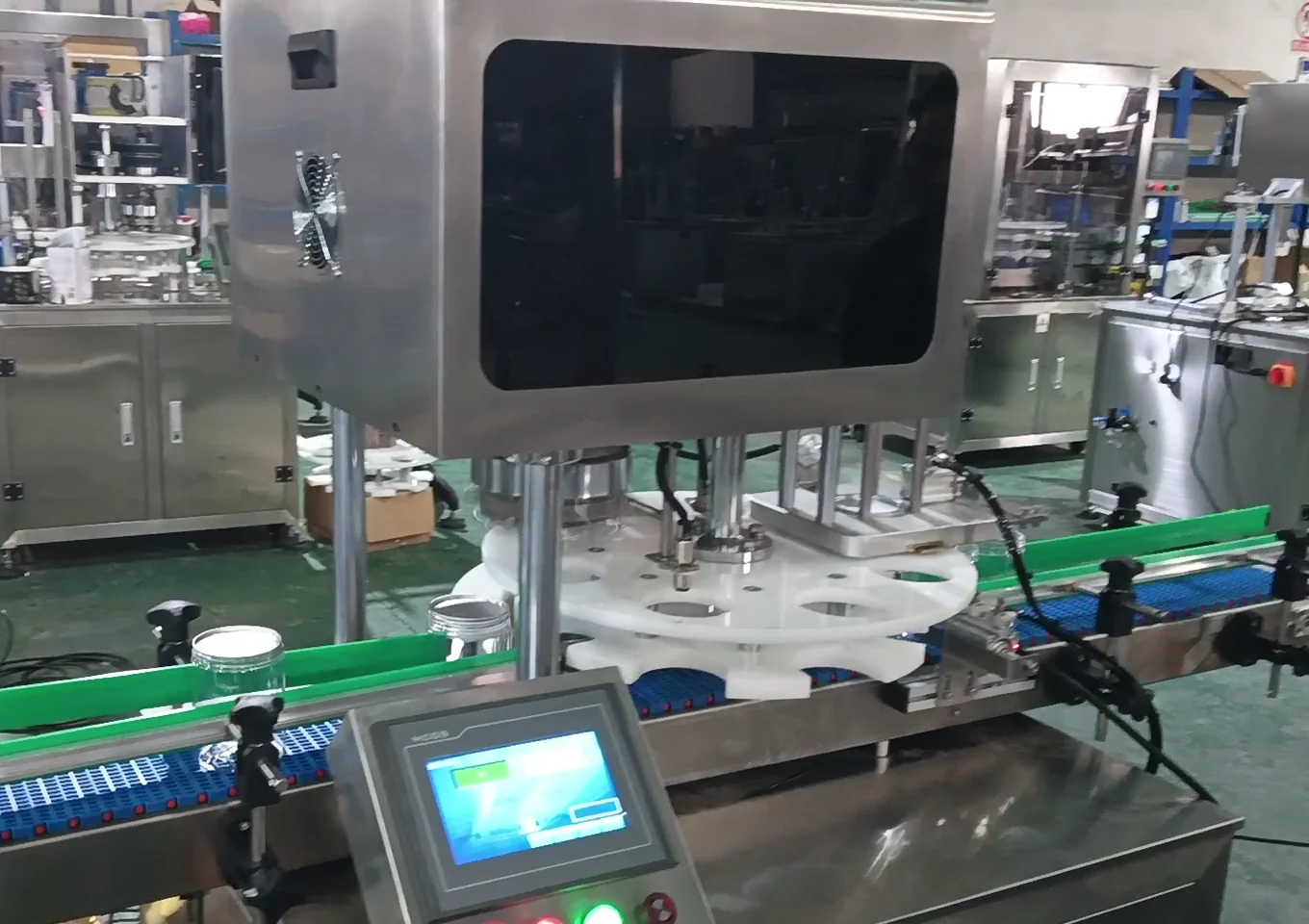 Multi-Station Rotary Can Seaming Line
Sealing Status Inspection; Inspection stations identify missing film, tilted caps, or appearance defects as defined by the project; Sealing visual inspection and rejection machine
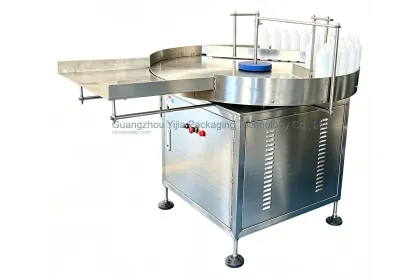 Automatic Bottle Unscrambler
Container Supply and Rim Preparation; Stable container orientation and rim condition are the common foundation for subsequent filling and sealing; Automatic bottle unscrambler and bottle...
Core process
Sample details
Containers, closures, films, or can lids must be submitted as a complete combination to distinguish screw capping, press capping, film sealing, or seaming routes.
Provide actual samples and dimensional data of containers, closures, films, or can lids.Viscosity, temperature, foaming, particles, and corrosiveness affect feeding, filling finish, wetted parts, and cleaning methods separately.
Specify product viscosity, temperature, foaming, particles, corrosiveness, and cleaning requirements.Fill volume range, continuous capacity, and shift schedule are used to verify metering span, station cycle time, and material replenishment.
Provide fill volume range, stable capacity, and shift schedule.Acceptance criteria for sealing, seaming, leakage, and appearance should be provided with the corresponding packaging structure as the basis for sampling and acceptance.
Specify sealing standards, seaming standards, leak or appearance acceptance methods.Labeling, coding, checkweighing, inspection, and case packing need to be defined item by item for delivery scope to arrange sequence and interfaces without duplication.
List actual requirements for labeling, coding, checkweighing, inspection, and case packing.Workshop drawings, utilities, and logistics direction are used to verify line orientation, interface height, and space for operation and maintenance.
Provide workshop layout, utilities, conveying direction, and maintenance access.Common selection mistakes
View detailed technical notes
Real Customer Questions
Bottle and can projects should not start from the equipment list. First map the real flow of container supply, filling, sealing, inspection, and downstream conveying. Plastic bottles and jars can use press capping, screw capping, or die-cut film sealing. Metal can seaming requires the can body, lid, and seaming standard to be verified together. Labeling, coding, checkweighing, and case packing are included in the line only when required by the project.
First Determine the Packaging Route
Containers may all be called bottles or cans, but cap torque, film heat sealing, and metal seaming are three different sealing mechanisms. The line cycle time should be determined by the slowest station and buffering logic.
Filling + Press Capping or Screw Capping Line
Suitable for: liquid and paste bottle projects where caps, pumps, or press lids are already finalized. Advantages: bottle supply, metered filling, cap feeding, and sealing can be integrated around the same container cycle. Limitations: wetted-part cleaning, cap feeding stability, and the slowest station limit line capacity. Not recommended: do not freeze the line layout when containers, closures, and products are still changing frequently. Equipment direction: filling, press capping, screw capping, and sealing line with bottle unscrambling, cap feeding, conveying, and inspection as needed.
In-line die-cut lid film heat sealing route
Suitable for: plastic bottles and cans with stable rims that require in-line die-cutting of lid film, film pick-and-place, and heat sealing. Advantages: the lid film size can be die-cut and placed at the same station around the actual bottle mouth. Limitations: container positioning, film heat-seal layer, and rim condition after filling all need sample verification. Not recommended: soft-walled containers or those with poor rim repeat positioning should not directly adopt a standard die-cutting film structure. Equipment direction: die-cut film bottle and can in-line sealing machine, with optional missing-film detection and reject of abnormal items as needed.
Multi-station metal can seaming route
Suitable for: continuous production of metal cans with matching lids and clear seaming standards. Advantages: can feeding, lid placement, indexing positioning, seaming, and can discharge can be organized as continuous stations. Limitations: seaming rolls, seaming chucks, lid placement, and can mouth condition after filling need joint commissioning. Not recommended: when the can body and lid are not a matched system or when seaming acceptance standards are lacking, it is not advisable to directly finalize the machine. Equipment direction: rotary table can seaming line connecting upstream filling, lid placement, and downstream inspection and buffering.
Recommended equipment route: container supply and rim preparation
Stable container posture and rim condition are the common foundation for subsequent filling and closing.
Recommended equipment route: completing filling and lid closing
The complete line connects material filling and lid closing at the same cycle time.
Recommended equipment route: choose mouth sealing according to container type
Lid film heat sealing and metal seaming must be verified separately according to the container closing mechanism.
Recommended equipment route: closed state inspection
Inspection stations are used to identify missing film, skewed caps, or appearance abnormalities defined by the project.
Recommended equipment route: conveying buffering and downstream connection
Buffering and interlocking are used to reduce the impact of cycle time fluctuations between different stations on the entire line.
Common questions
Does a complete filling line always include labeling and case packing?
Not necessarily. Labeling, coding, inspection, and case packing should be included in the scope separately based on project needs.
Can a film-fed sealing machine handle all bottles and cans?
No. Container rigidity, rim positioning, and the film heat-seal layer all require verification with actual samples.
Can you provide only the can diameter for metal can seaming?
No. The can body, lid, seaming structure, and acceptance criteria must be provided together.
Can liquid and paste products share the same filling station?
It can be evaluated, but the pump body, wetted parts, drip prevention, and cleaning method must be confirmed separately for each product.
Can the line speed be calculated by adding the nameplate speeds of individual machines?
No. The line speed is determined by the slowest station, buffering, and continuous operation status.
Can a sealing station be added to an existing production line?
It can be evaluated. Please provide the existing conveyor height, direction, cycle time, space, and signal interface.