Bottle / Pail / Can Sealing Equipment
Automatic Die-Cut Film Inline Bottle & Jar Sealer
The equipment identifies and positions bottles/jars on the conveyor line, completes die-cutting of lid film, film pick-and-place, heat sealing, and discharge based on container rim and film material specifications. Container stability, lid film heat-seal layer, rim cleanliness, and upstream/downstream cycle times directly affect the solution. The die-cutting structure, inspection, and rejection are confirmed per p...
Technical parameters
- Capacity and Cycle Time
- Confirmed based on container spacing, die-cutting and film pick-up actions, sealing dwell time, and conveyor line cycle time; no fixed values published without project verification
- Automation Scope
- Inline automatic positioning, die-cutting, film pick-and-place, and heat sealing; optional inspection, rejection, and upstream/downstream integration
- Applicable Containers or Packaging
- Plastic bottles, wide-mouth jars, and similar rigid containers with stable rims and repeatable positioning; irregular or soft-wall containers require sample evaluation
- Applicable Products
- Already filled liquid, paste, powder, or granular products; rim contamination, spillage, and heat limitations must be confirmed
- Packaging Materials and Consumables
- Aluminum foil or composite lid film matching the container rim material; die-cutting and heat-sealing performance must be verified through actual samples
- Basic Process
- Container conveying and positioning, lid film die-cutting, film pick-up and placement, heat sealing, discharge; inspection and rejection are optional modules
- Molds and Changeover
- Evaluate replacement of die-cutting mold, film pick-up parts, positioning fixtures, and sealing mold based on bottle mouth shape, diameter, and film size
- Power, Air Supply, and Layout
- Equipment dimensions, power, air supply, maintenance space, and upstream/downstream interfaces confirmed based on sealing heating, die-cutting drive, film pick-up method, convey...
Bottle/Jar Inline Die-Cut Sealing Operation Video
Local machine video showing conveying, inspection positioning, film roll die-cutting/pressing, and sealing result inspection of unmarked test bottles. Actual cycle time and stable sealing window to be confirmed per bottle mouth, film material, and project c...
Selection guide
- Die-cut lid film dimensions, film pick-up structure, and sealing mold are jointly confirmed based on actual bottle mouth
- Inline conveying and container positioning are designed based on bottle stability, spacing, and upstream/downstream cycle times
- Lid film inspection, reject removal, and infeed/outfeed handling are separately specified as optional modules
- Sealing temperature, pressure, time, and capacity are not fixed values without sample basis
Applications
- Bottle/jar projects requiring inline die-cutting of aluminum foil or composite lid film and heat sealing
- Production lines where mouth lid film sealing is needed in the same conveying direction after filling
- Projects with clear bottle mouth specifications but requiring verification of film pick-up, positioning, and heat-seal window
- Line projects planning to add optional inspection, rejection, or downstream packaging interfaces
Frequently Asked Questions
- Can it accommodate different bottle/jar mouth diameters? It can be evaluated, but typically requires checking the replacement range of die-cutting mold, film pick-up parts, positioning fixtures, and sealing mold; full...
- Are lid film inspection and reject removal included? Not included by default. The defects to be inspected, allowable false rejection rate, reject location, and control interface with upstream/downstream must be determ...
Send samples and capacity requirements for a clearer solution
- Actual bottles/jars, bottle mouth dimension drawings, and allowable deformation range
- Aluminum foil or composite lid film samples and heat-seal layer data
- Post-filling rim contamination, spillage, and container temperature condition
- Target cycle time, conveyor height direction, power and air supply, and upstream/downstream interfaces
Related products
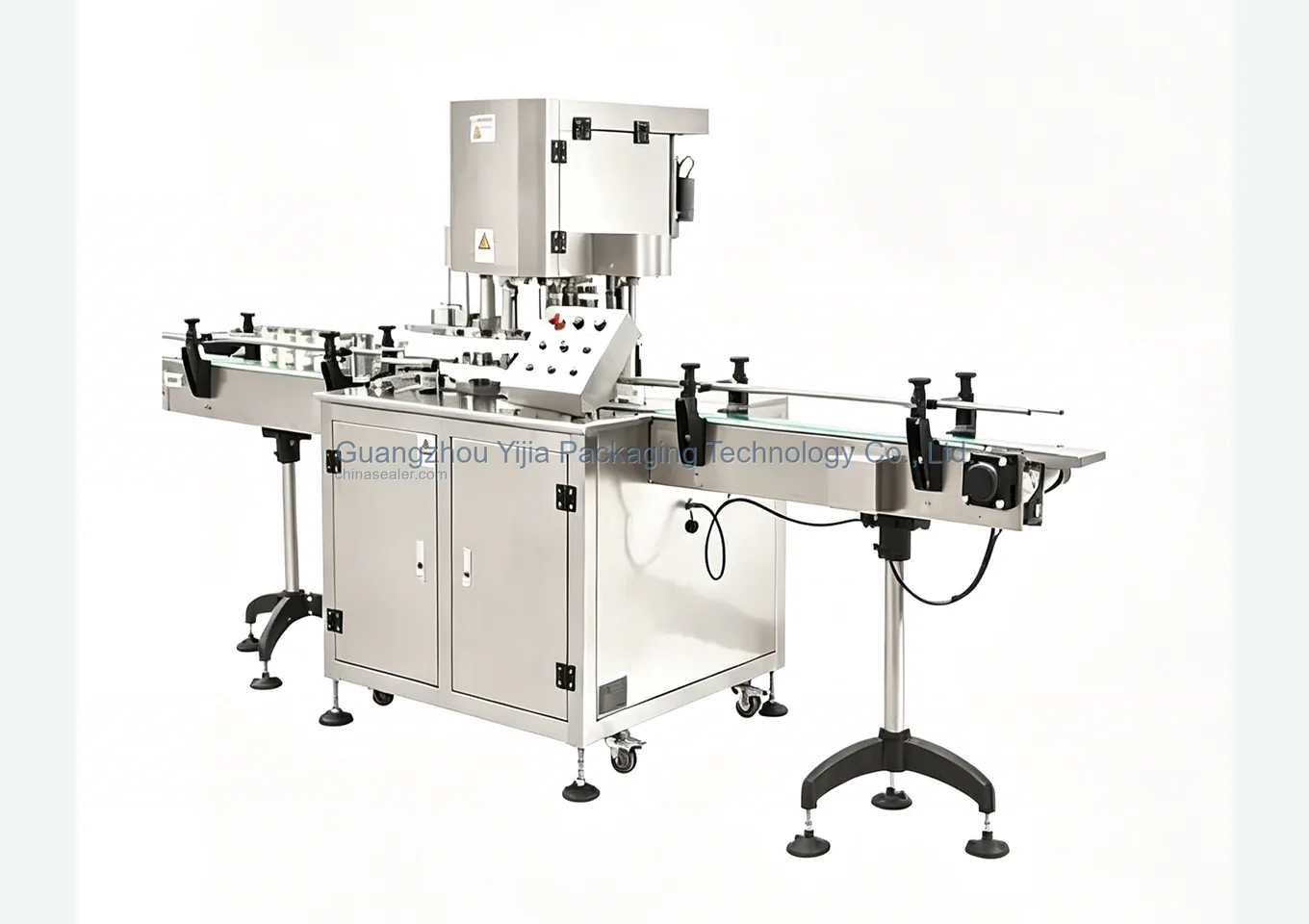
In-line automatic can seaming machine
The in-line automatic can seaming machine is designed for metal cans and matching can lids. It performs can positioni...
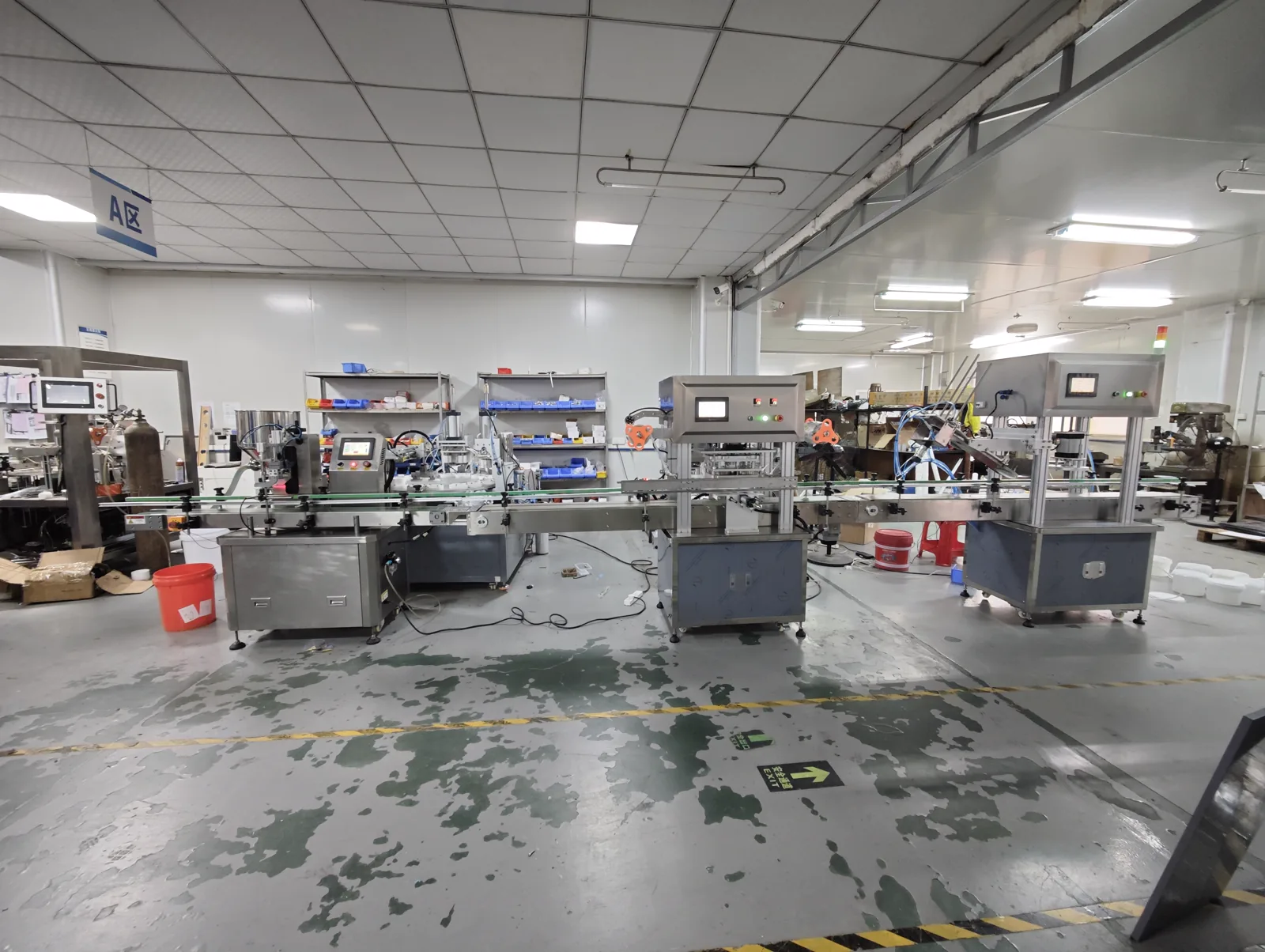
Filling, Press Capping / Screw Capping, Sealing Complete Line
This complete line integrates bottle feeding, filling, cap sorting, press or screw capping, sealing, inspection, and...
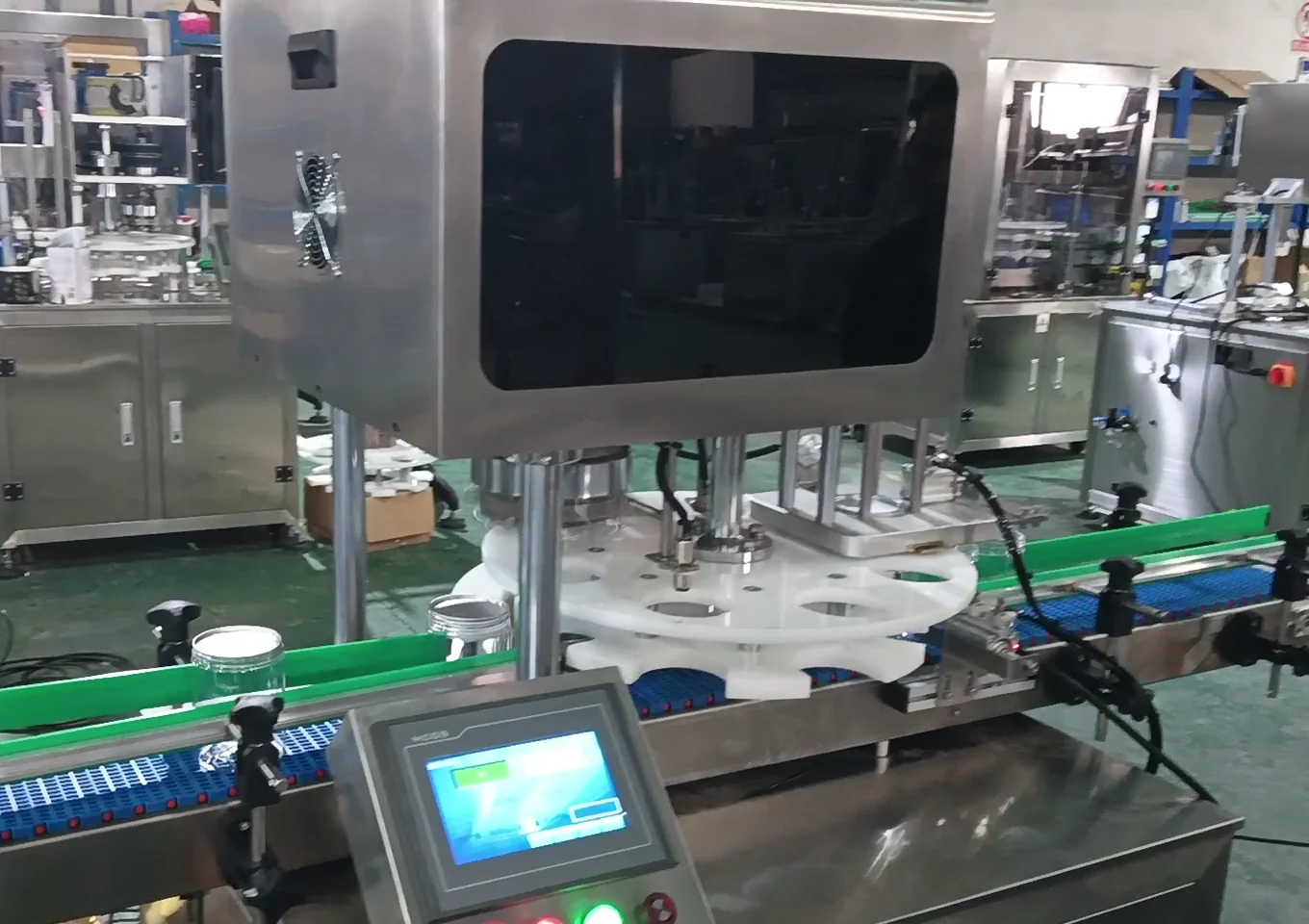
Multi-Station Rotary Can Seaming Line
The multi-station rotary can seaming line revolves around the process flow of can feeding, lid placement, rotary inde...
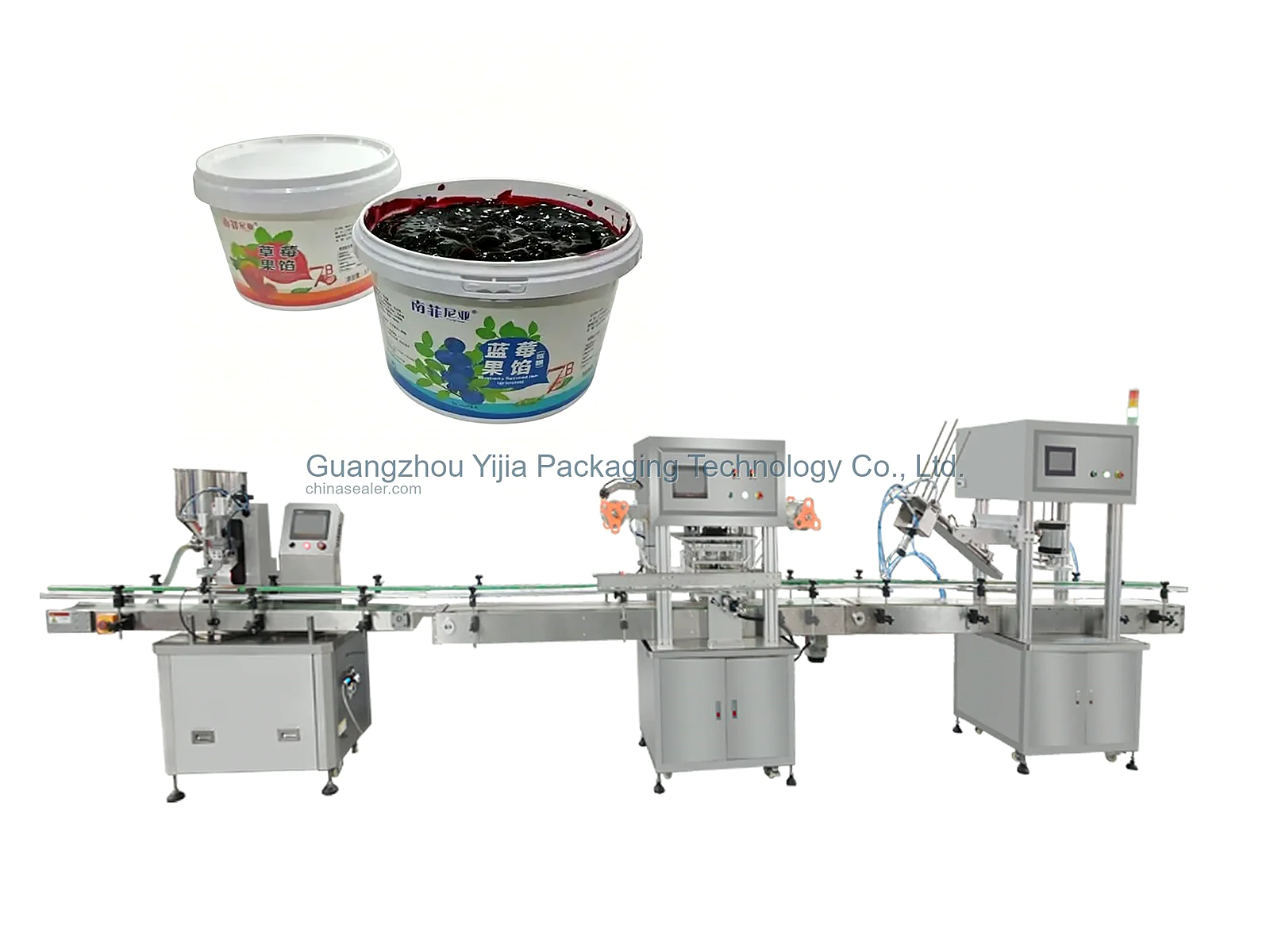
Paper Can / Plastic Pail Aluminum Foil Sealing and Capping Machine
Paper Can / Plastic Pail Aluminum Foil Sealing and Capping Machine is configured for Diameter, Rim, Foil Material, an...
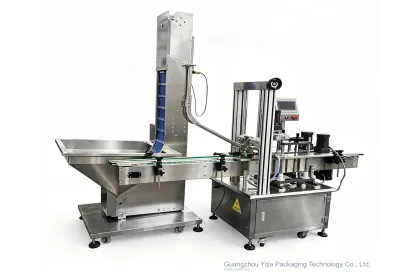
Automatic Screw Capping Machine
Automatic Screw Capping Machine is configured for Screw capping, press capping, or can sealing on Round bottles, squa...
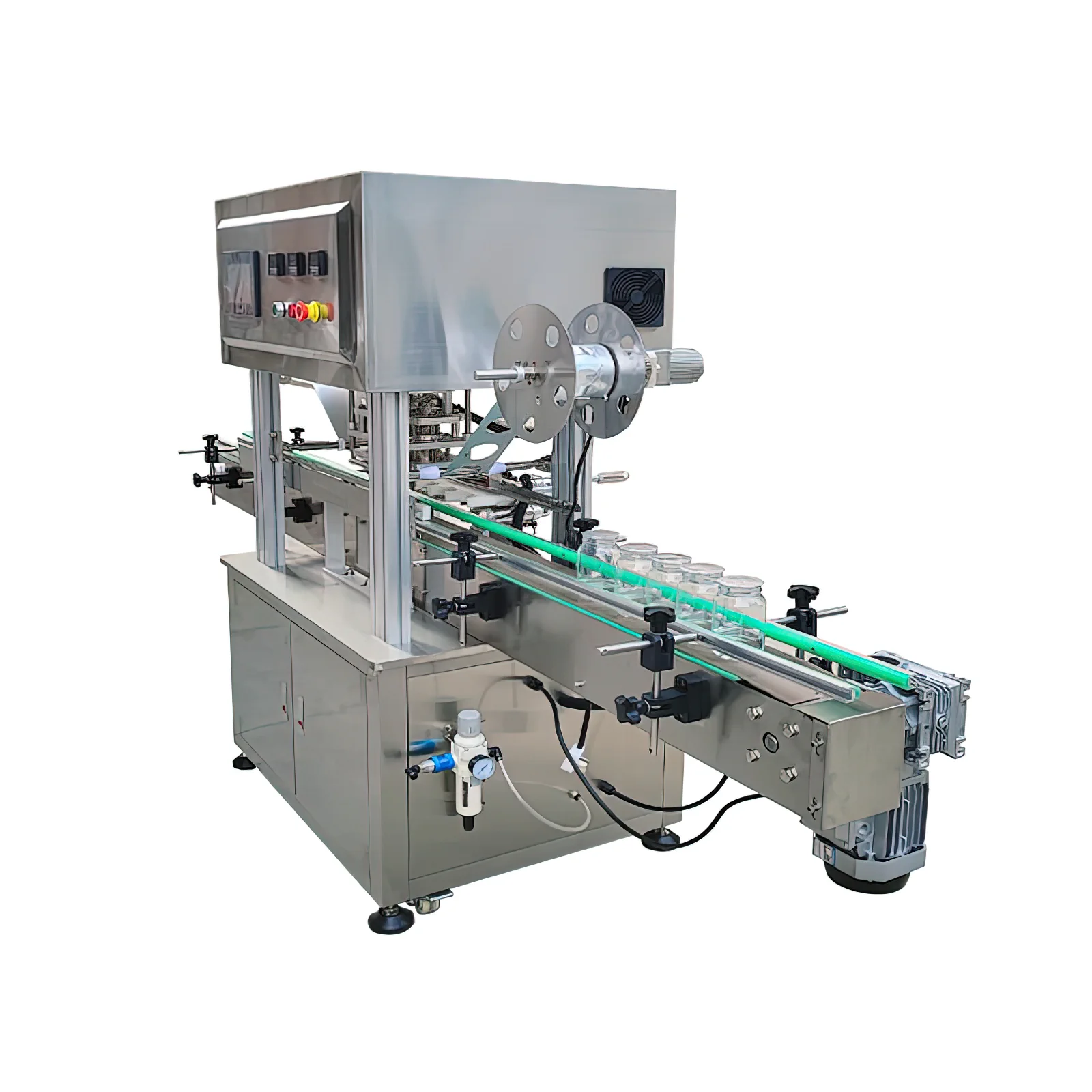
Bottle Inline Heat Press Sealer
Bottle Inline Heat Press Sealer is configured for Heat Press Sealing on PP bottles, PET bottles, PE bottles, HDPE bot...