Filling / Dosing Equipment
Filling, Press Capping / Screw Capping, Sealing Complete Line
This complete line integrates bottle feeding, filling, cap sorting, press or screw capping, sealing, inspection, and downstream conveying according to the container, product, and closure route. The liquid-contact structure, cleaning method, cycle time, and interfaces for each module must be jointly confirmed. Labeling, coding, checkweighing, and case packing are optional stations only when required by the project.
Technical parameters
- Capacity and cycle time
- Confirmed based on the slowest station cycle time, product filling time, capping stability, closing action, and buffer logic; no fixed values published without project validation
- Automation scope
- Automatic bottle feeding, filling, and closing complete line configured per project; labeling, coding, inspection, case packing are optional modules
- Applicable containers or packaging
- Bottles, jars, and similar rigid containers that can be stably conveyed and positioned; bottle mouth, body, bottom, and closures confirmed with actual samples
- Applicable products
- Liquids, pastes, or products containing particles; liquid-contact material, temperature, viscosity, foaming, and cleaning conditions confirmed with samples
- Packaging materials and consumables
- Bottle caps, pumps, press-fit closures, screw caps, and optional mouth cap foil must be verified together with the container and closing process
- Basic process
- Bottle feeding and positioning, metered filling, optional cap sorting, press or screw capping, optional mouth sealing, discharge
- Molds and changeover
- Evaluate guides, starwheels, grippers, filling parts, capping heads, and program changeover based on bottle shape, mouth, closures, and filling range
- Power, air supply, and layout
- Confirm equipment dimensions, power, air supply, maintenance space, and upstream/downstream interfaces based on number of stations, liquid-contact and cleaning systems, conveyin...
White pail sample complete line test video
Local live machine video showing unmarked white pail samples being conveyed on the line through product filling, cap positioning and pressing, and sealing tests; manual assistance is included during commissioning. Automation scope and complete line cycle ti...
Selection guide
- Filling, press or screw capping, and sealing stations are jointly designed for the same container and cycle time
- Liquid-contact material, cleaning, drip prevention, and product compatibility are confirmed separately in the filling solution
- Labeling, coding, inspection, checkweighing, and case packing are clearly defined as optional downstream modules
- Overall line length, utilities, capacity, and acceptance criteria are based on the final process confirmation document
Applications
- Projects requiring continuous production from filling to screw capping for bottled liquids or pastes
- Retrofits where existing single machines need integration of bottle feeding, capping, closing, and downstream conveying
- Bottle and jar production lines requiring combined processes of press capping, screw capping, or mouth film sealing
- New line projects planning to reserve interfaces for optional labeling, coding, checkweighing, or case packing
Frequently Asked Questions
- Do all stations have to be configured at once? No. Basic stations and optional reserves can be divided according to the current process, but interfaces, conveying height, control signals, and future cycle time should...
- Can different products share the same filling system? Viscosity, particles, temperature, foaming, cleaning, and cross-contamination risks need to be compared; replace liquid-contact parts or use a different metering r...
Send samples and capacity requirements for a clearer solution
- Actual bottles/jars, closures, and optional cap foil with dimension drawings
- Product state, filling volume range, temperature, viscosity, and cleaning requirements
- Complete process flow, target cycle time, and acceptance criteria for each station
- Workshop layout, power and air supply, drainage, and upstream/downstream interface information
Related products
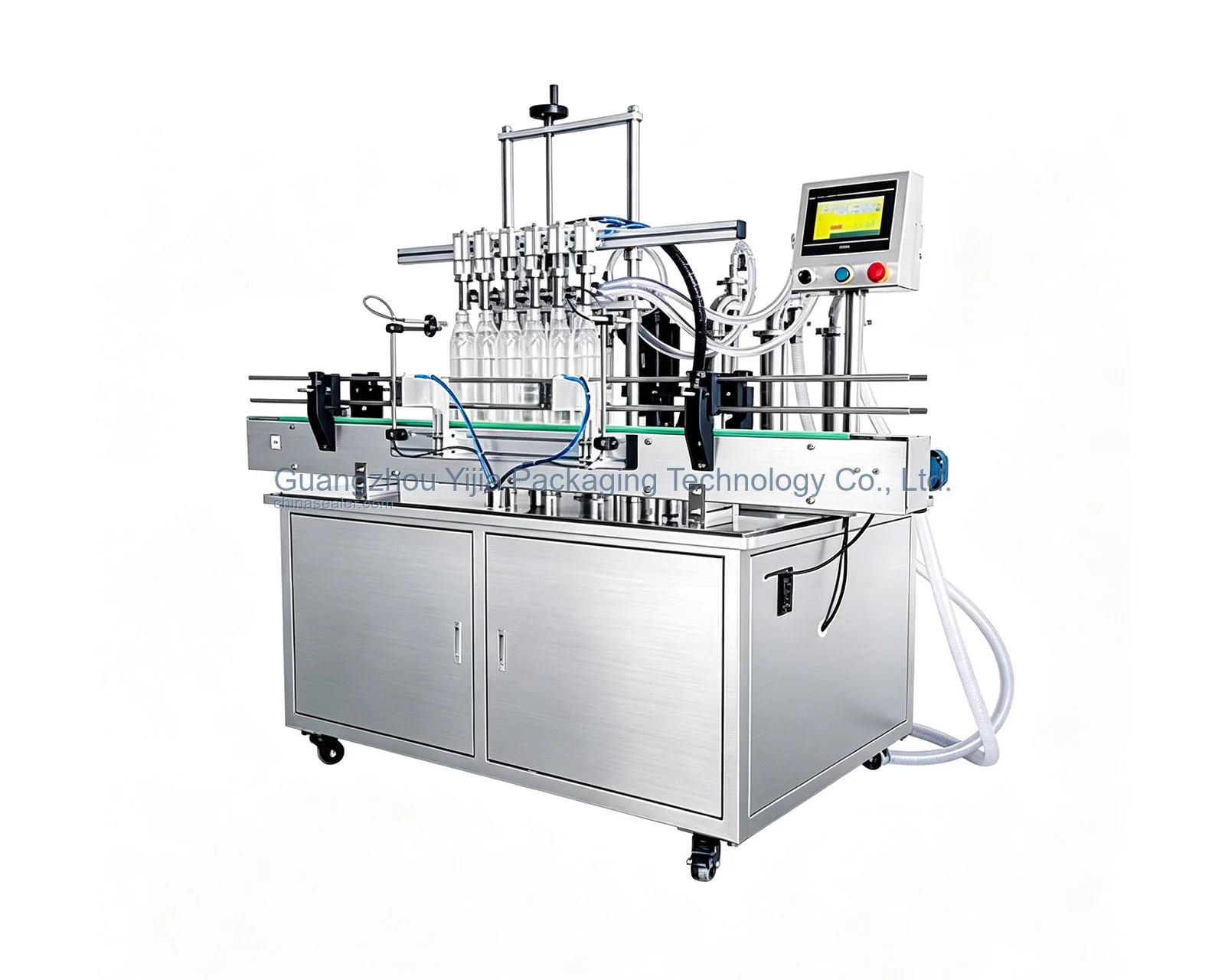
Multi-head servo liquid filling line
The multi-head servo liquid filling line coordinates container positioning, filling, anti-drip, and bottle discharge...
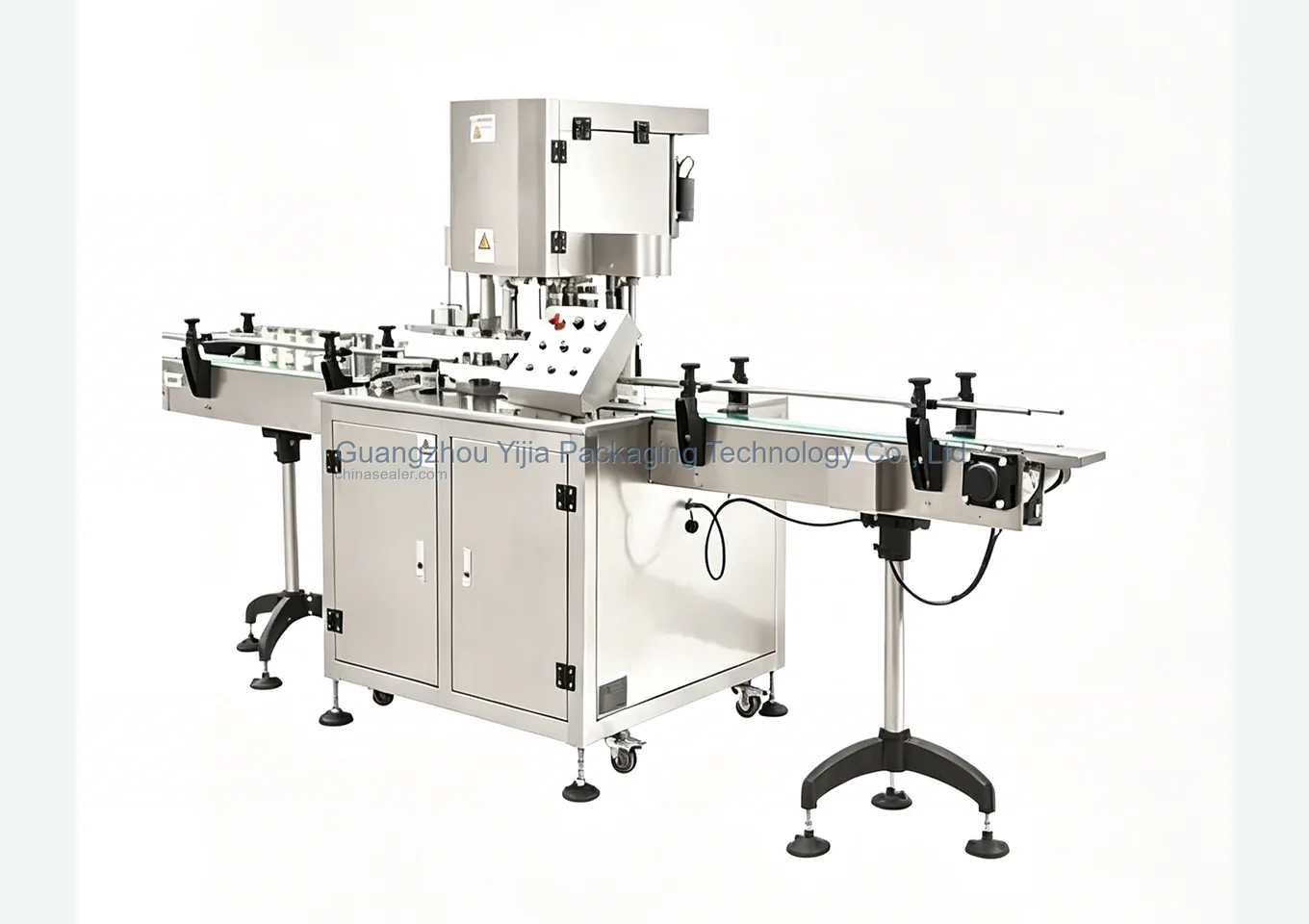
In-line automatic can seaming machine
The in-line automatic can seaming machine is designed for metal cans and matching can lids. It performs can positioni...
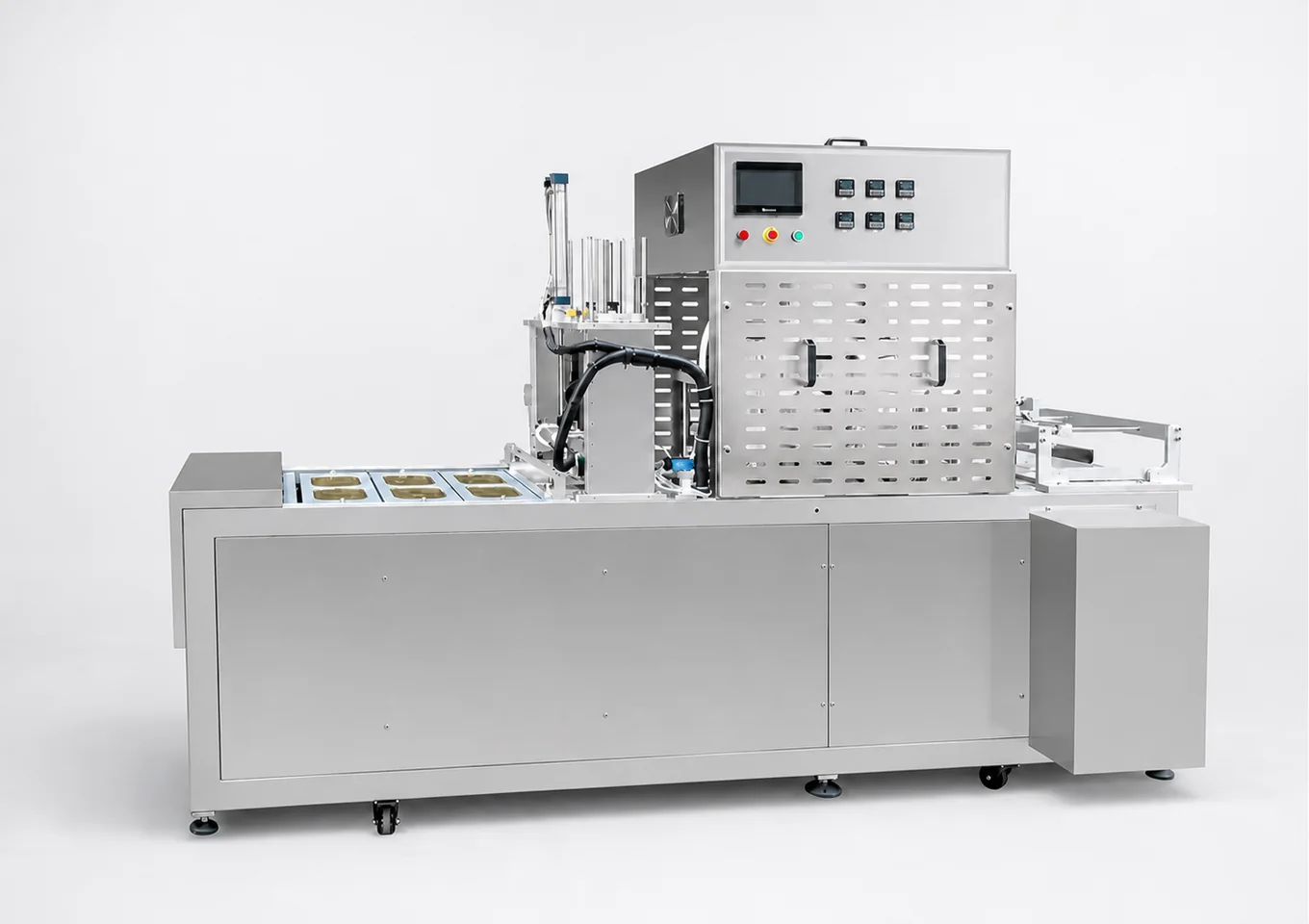
Chain Conveyor Cup/Tray Continuous Sealing Line (Optional Filling)
Suitable for continuous positioning conveying and heat sealing of preformed cups, boxes, and trays. The gallery inclu...
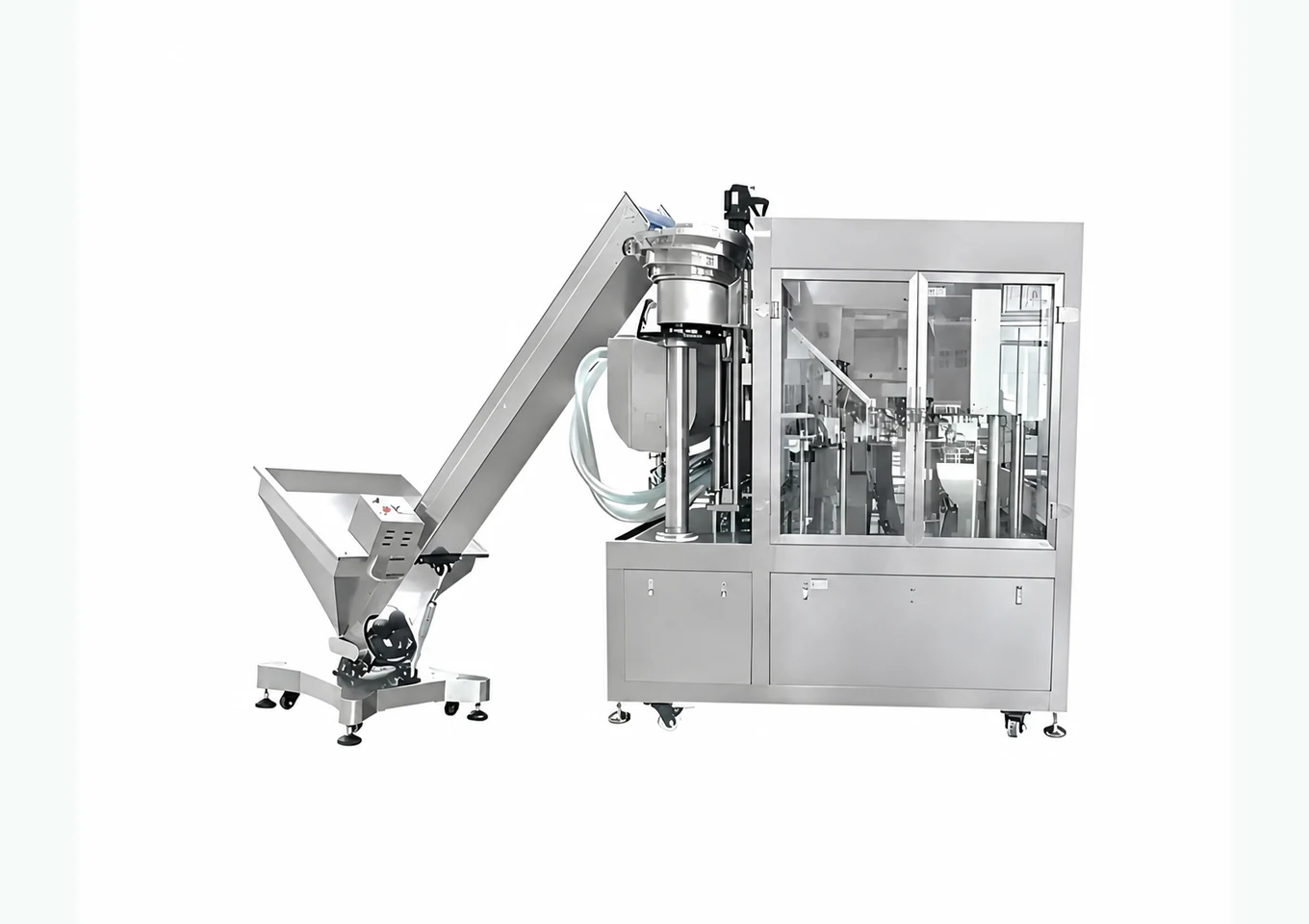
Stand-up Spout Pouch Filling and Screw Capping Machine
The stand-up spout pouch filling and screw capping machine organizes a continuous process around spout positioning, l...
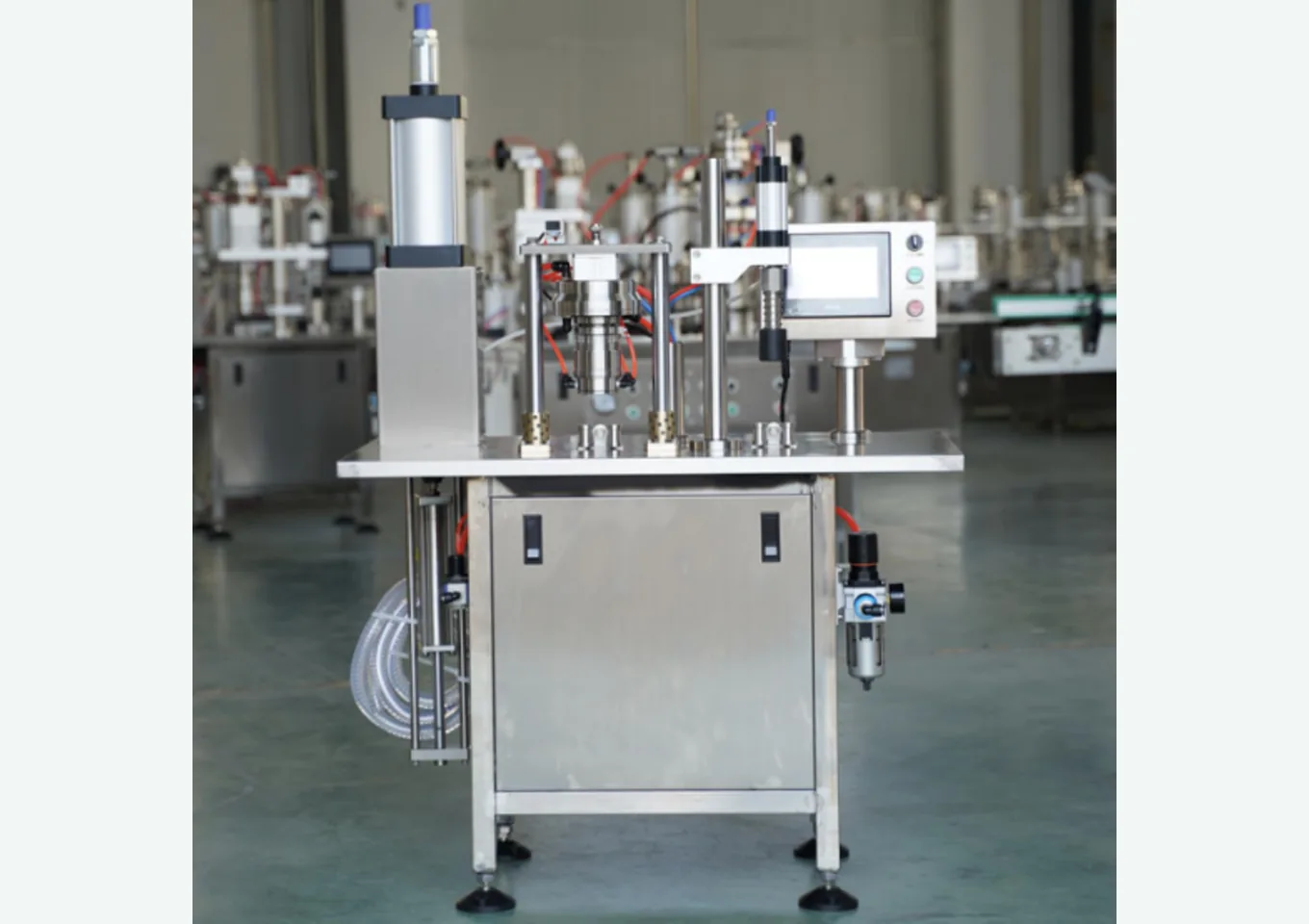
Two-Component Aerosol Filling and Sealing Machine
The two-component aerosol filling and sealing machine is configured around the can, inner bag or valve, product filli...
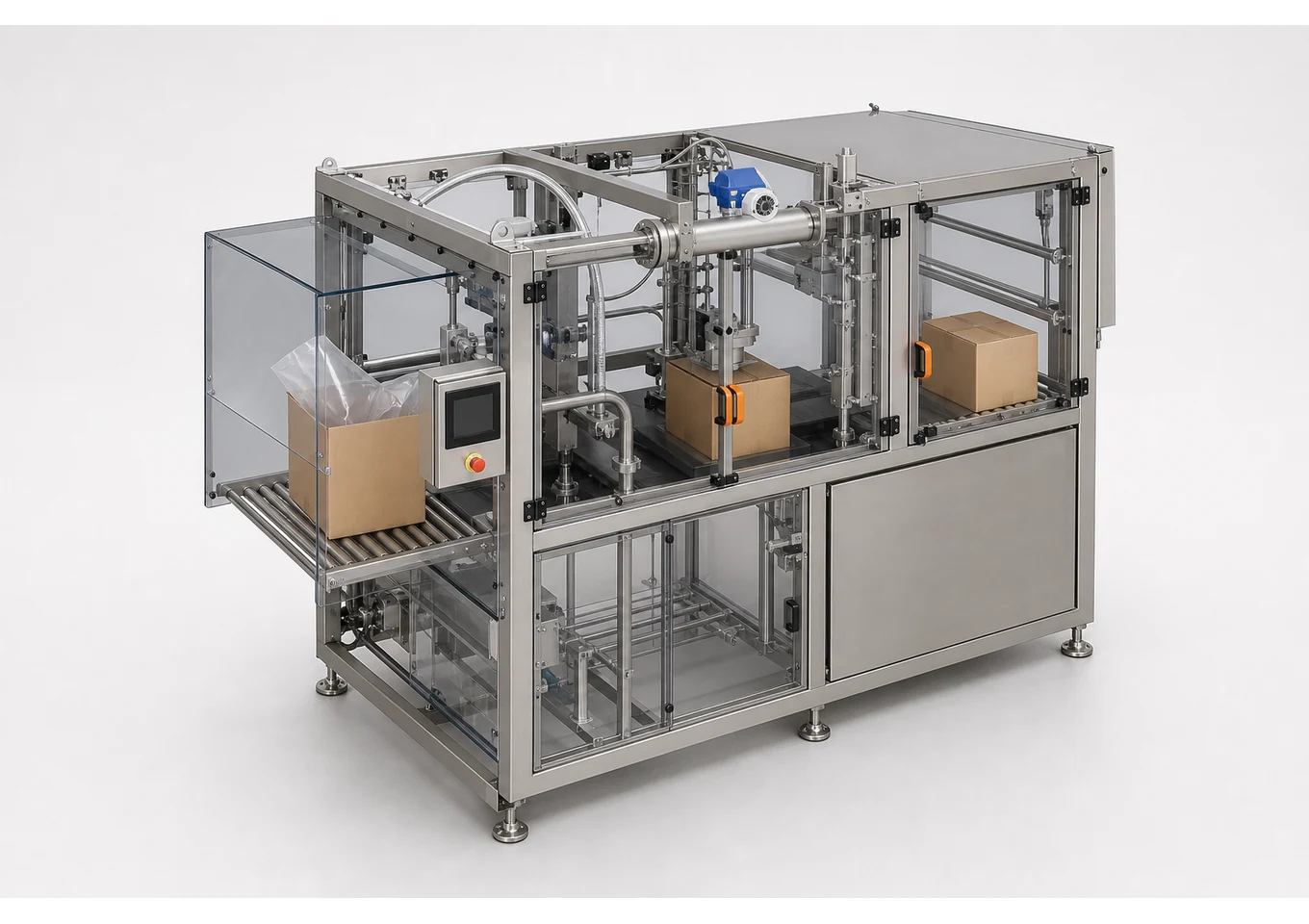
Bag-in-Box Filling and Sealing Machine
For bag-in-box filling and sealing of juices, concentrates, sauces, alcoholic beverages, and other liquids. The bag s...