Solution topic
How to Choose Cosmetic Paste Filling, Capping and Labeling? Start With Paste State, Bottle Mouth and Cap Structure
Cosmetic cream packaging is not simply putting a filling machine, capping machine, and labeling machine together. First confirm cream viscosity, whether it contains particles, bottle mouth diameter, cap type, label position, and capacity target, then decide the equipment route.
- Cosmetic cream packaging is not simply putting a filling machine, capping machine, and labeling machine together. First confirm cream viscosity, whether it contains particles, bottle mouth diameter, cap type, label position, and capacity target, then decide the equipment route.
- How to choose filling, capping, and labeling for cosmetic creams?
First Break the Requirement Into Key Points
I want to package cosmetic creams, such as face cream, eye cream, and hand cream. I need filling, capping, and labeling, but I do not know which machine to choose first or how to connect the line.
First determine the packaging route
Cosmetic cream packaging is not simply putting a filling machine, capping machine, and labeling machine together. First confirm cream viscosity, whether it contains particles, bottle mouth diameter, cap type, label position, and capacity target, then decide the equipment route.
Standalone Combination Route: Filling, Capping and Labeling Are Independent
Suitable for small-batch, multi-size, and frequent-changeover cosmetic cream projects, such as sampling, small workshops, or early trial production. Advantage: independent machines, flexible changeover, and lower investment threshold, suitable for first validating the market. Limit: containers need to be transferred manually or semi-automatically, so whole-line efficiency is limited by manual rhythm. Not recommended when target capacity is above 600 bottles per hour or manual contact should be reduced. Equipment route: paste filling machine, automatic capping machine, and round/square bottle labeling machine can be used independently, with manual transfer or simple conveyors between machines.
Semi-Automatic Line: Filling, Capping and Labeling Connected by Conveyor Belt
Suitable for medium-batch cosmetic projects that want less manual transfer but still need relatively frequent changeover. Advantage: after conveyors are connected, manual transfer is reduced and efficiency can improve by about 30%-50% compared with separate machines. Limit: during changeover, conveyor width and height need adjustment; multi-size projects should evaluate changeover time. Not recommended when fully automatic high-speed production is required or container shapes are highly unstable. Equipment route: paste filling machine, automatic capping machine, and round/square bottle labeling machine can be connected with a food-grade conveyor, with optional bottle unscrambler and cap feeding system.
Fully Automatic Filling, Capping and Labeling Line
Suitable for large batches, fewer changeovers, stable capacity needs, and reduced labor in cosmetic cream projects. Advantage: fully automatic from bottle unscrambling to labeling, with stable capacity and continuous production. Limit: changeover cost is higher, so the main specifications and change parts should be confirmed first. Not recommended when there are more than five product specifications and each batch is very small. Equipment route: a full line can include automatic bottle unscrambler, paste filling machine, cap feeding system, automatic capping machine, round/square bottle labeling machine, food-grade conveyors, and optional in-line checkweighing or coding.
Recommended equipment route: container preparation and feeding
Arrange empty bottles and convey them directionally to the filling machine, reducing manual bottle placement and improving stability.
Recommended Equipment Route: Paste Filling
Suitable for creams such as face cream and eye cream. A piston structure fits high-viscosity materials, and the filling accuracy range should be tested with the actual product.
Recommended equipment route: bottle-mouth cleaning, optional
Paste residue may remain on the bottle mouth after filling. Cleaning helps capping and sealing integrity.
Recommended equipment route: Capping
Suitable for common cosmetic caps such as threaded caps and pump caps. Torque is adjustable and should be confirmed for sealing.
Recommended equipment route: Labeling
Can label round or square bottles. Label position is adjustable and suitable for cosmetic bottle labeling.
Route comparison
- Suitable for small-batch, multi-size, and frequent-changeover cosmetic cream projects, such as sampling, small workshops, or early trial production.
- Independent machines, flexible changeover, and lower investment threshold, suitable for first validating the market.
- Containers need to be transferred manually or semi-automatically, so whole-line efficiency is limited by manual rhythm.
- If the target capacity is above 600 bottles per hour or the customer wants to reduce manual contact, a stand-alone machine combination is not recommended.
- Paste filling machine, automatic capping machine, and round/square bottle labeling machine can be used independently, with manual transfer or simple conveyors between machines.
- Suitable for medium-batch cosmetic projects that want less manual transfer but still need relatively frequent changeover.
- After conveyors are connected, manual transfer is reduced and efficiency can improve by about 30%-50% compared with separate machines.
- During changeover, conveyor width and height need adjustment. Multi-size projects should evaluate changeover time.
- If fully automatic high-speed production is required, or if container shapes are highly unstable, a semi-automatic connected line is not recommended.
- Paste filling machine, automatic capping machine, and round/square bottle labeling machine can be connected with a food-grade conveyor, with optional bottle unscrambler and cap feeding system.
- Suitable for large batches, fewer changeovers, stable capacity needs, and reduced labor in cosmetic cream projects.
- Fully automatic from bottle unscrambling to labeling, with stable capacity and suitability for continuous production.
- Changeover cost is higher, so the main specifications and change parts should be confirmed first.
- If the customer has more than five product specifications and each batch is very small, a fully automatic connected line is not recommended.
- A full line can include automatic bottle unscrambler, paste filling machine, cap feeding system, automatic capping machine, round/square bottle labeling machine, synchronized by food-grade conveyors, with optional in-line checkweighing o...
Core process
Associated Equipment / Consumables
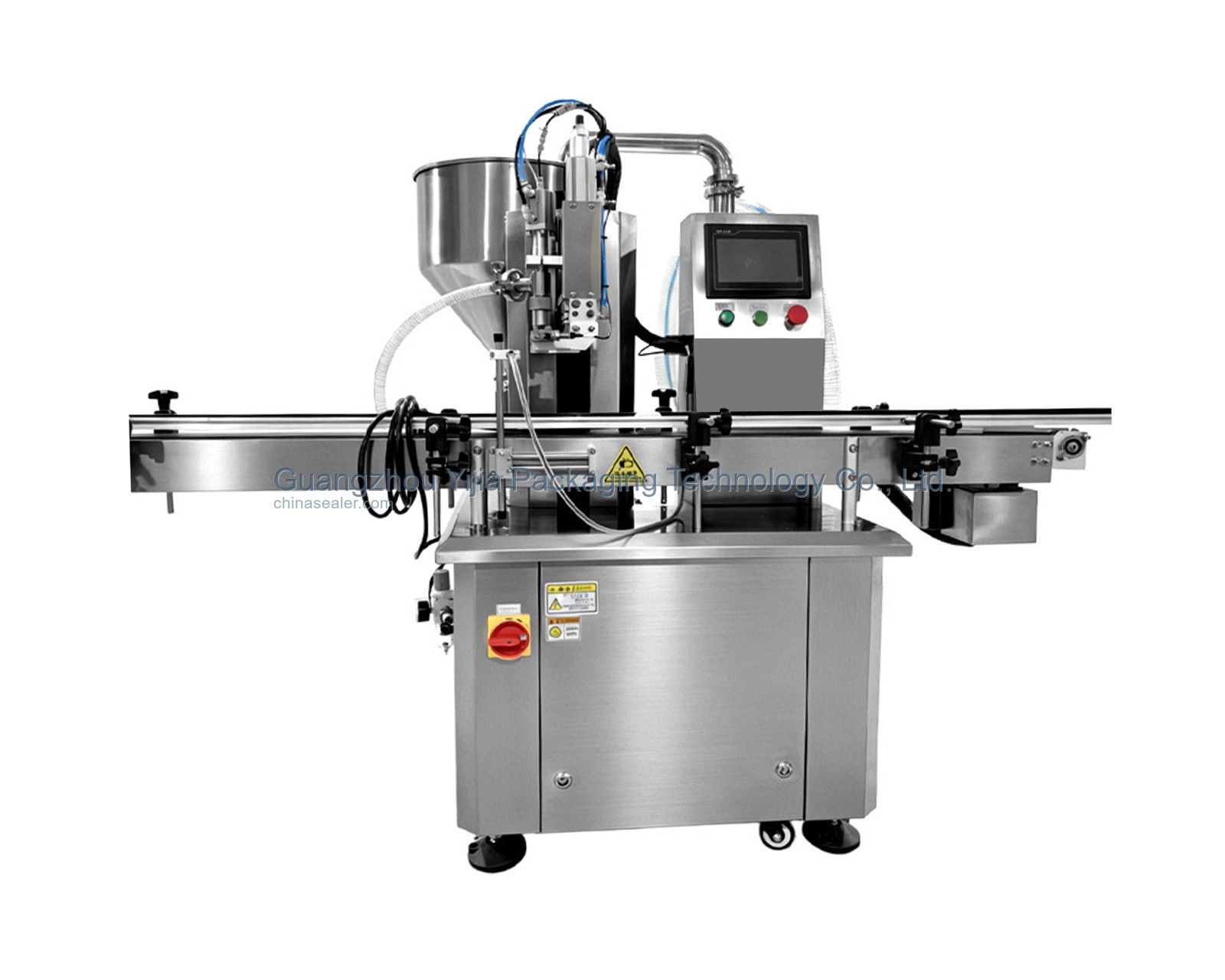 Paste Filling Machine
Container preparation and feeding; Arrange empty bottles and convey them directionally to the filling machine, reducing manual bottle placement and improving stability; Automatic Bottle Unscrambler
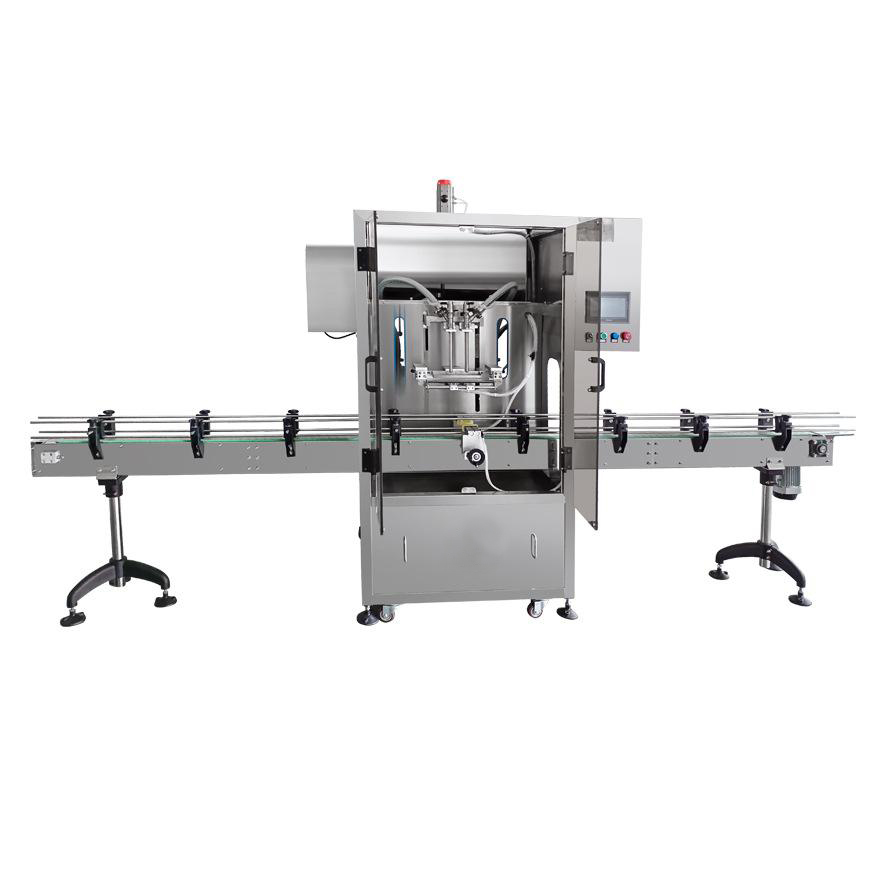 Servo Piston Liquid Filling Machine
Container preparation and feeding; Arrange empty bottles and convey them directionally to the filling machine, reducing manual bottle placement and improving stability; Automatic B...
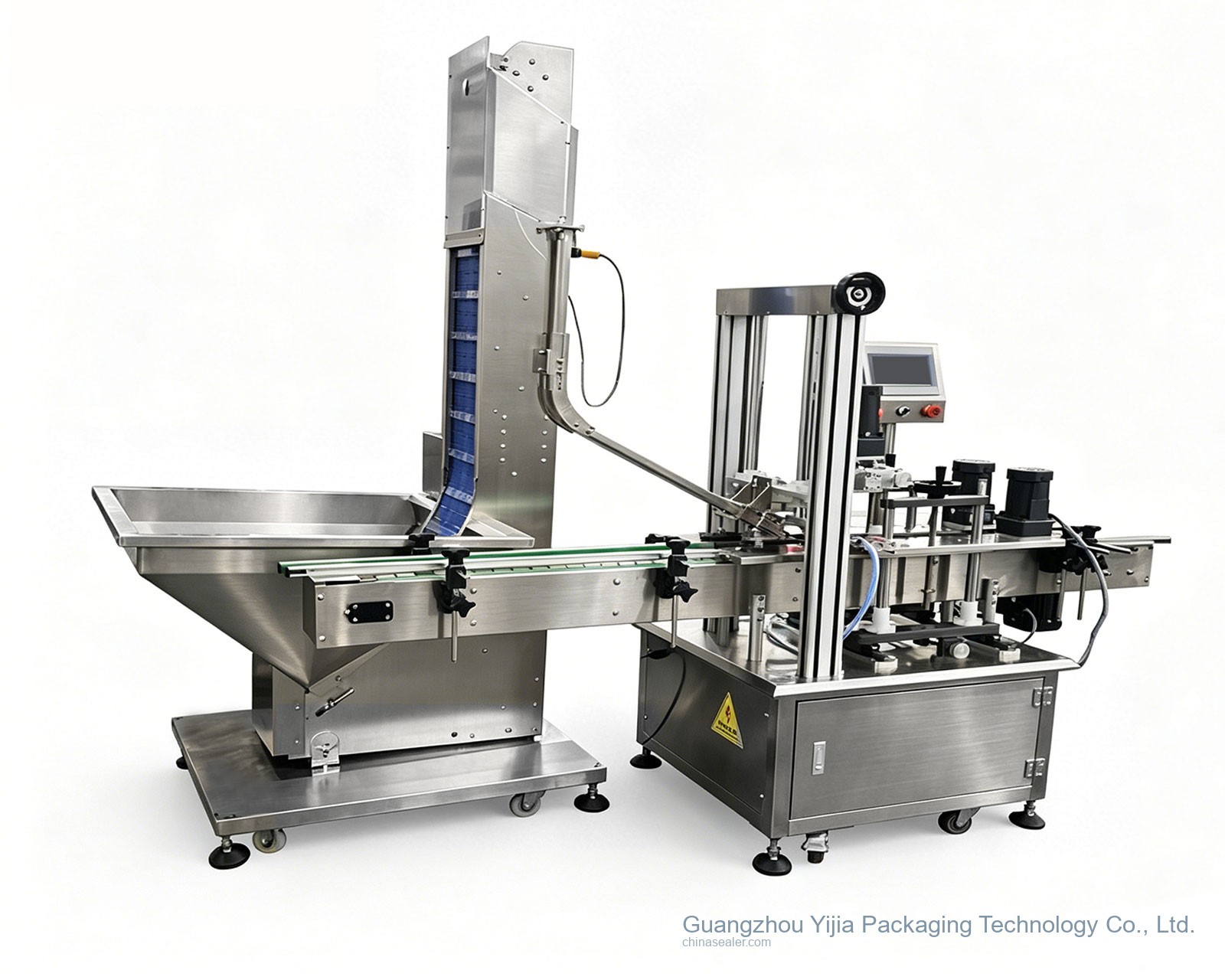 Automatic Screw Capping Machine
Bottle-mouth cleaning, optional; Paste residue may remain on the bottle mouth after filling. Cleaning helps capping and sealing integrity; Bottle-mouth cleaning and blowing module
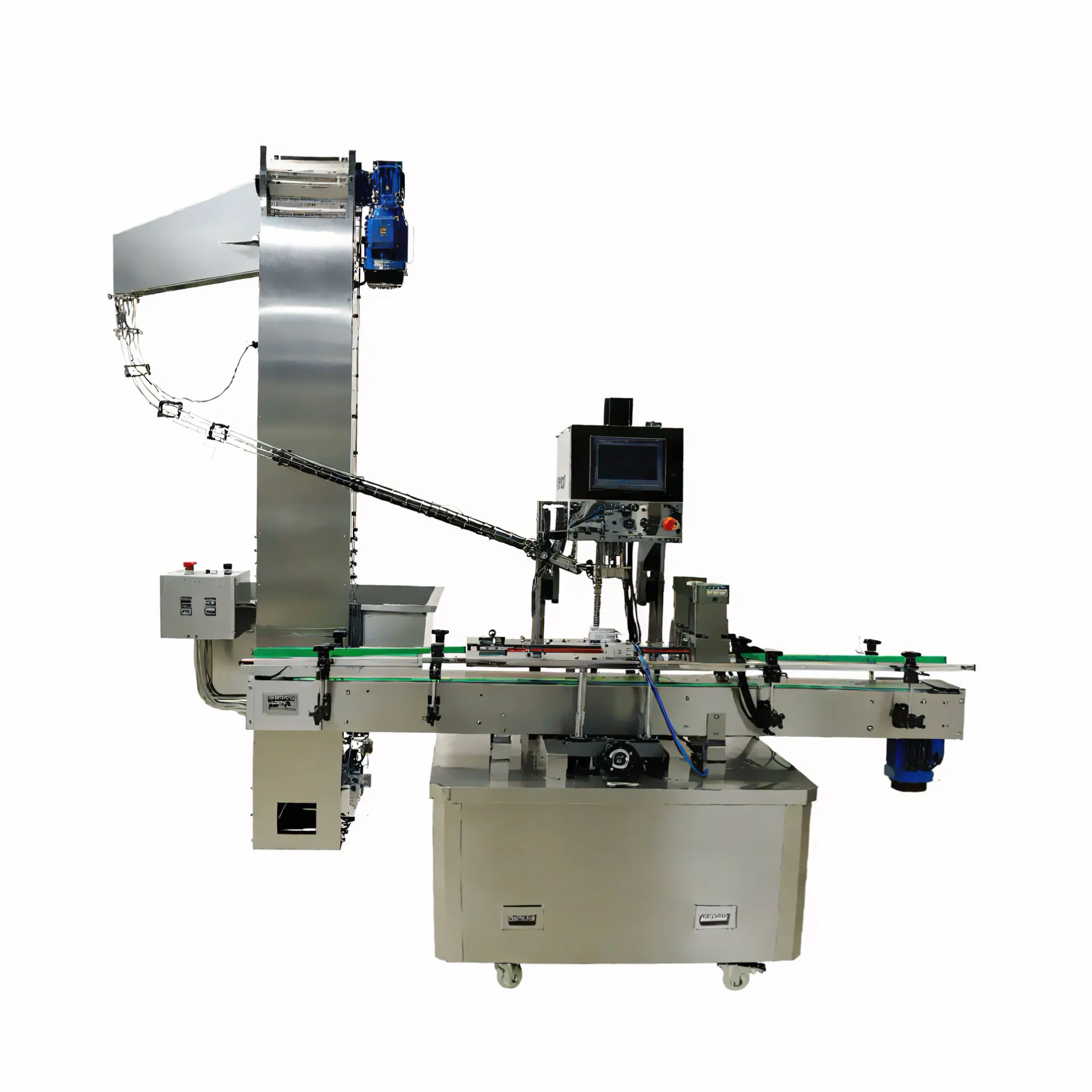 Automatic Screw Capping and Press Capping Machine
Bottle-mouth cleaning, optional; Paste residue may remain on the bottle mouth after filling. Cleaning helps capping and sealing integrity; Bottle-mouth cleaning and b...
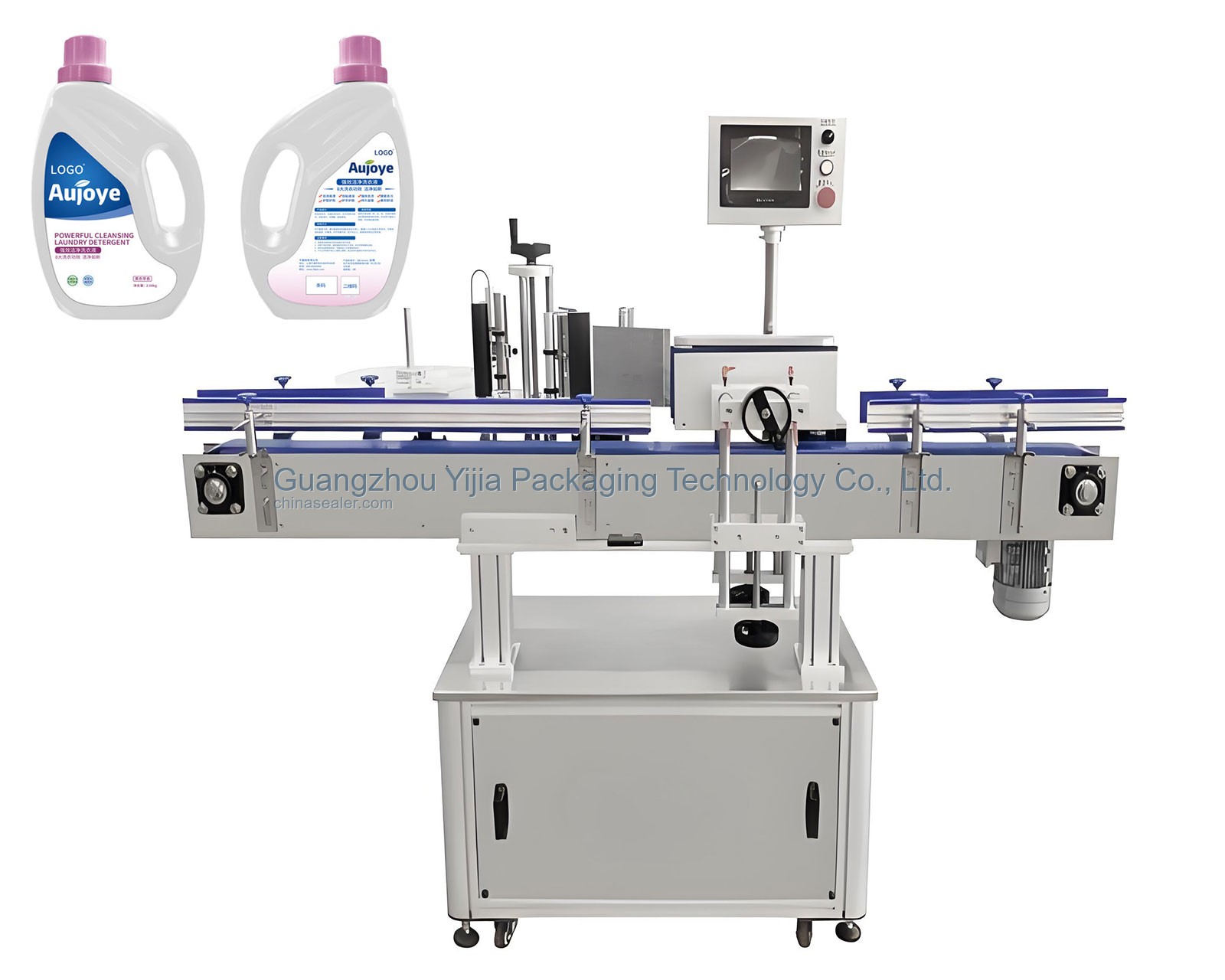 Round & Square Bottle Labeling Machine
Labeling; Can label round or square bottles. Label position is adjustable and suitable for cosmetic bottle labeling; Round and Square Bottle Labeling Machine
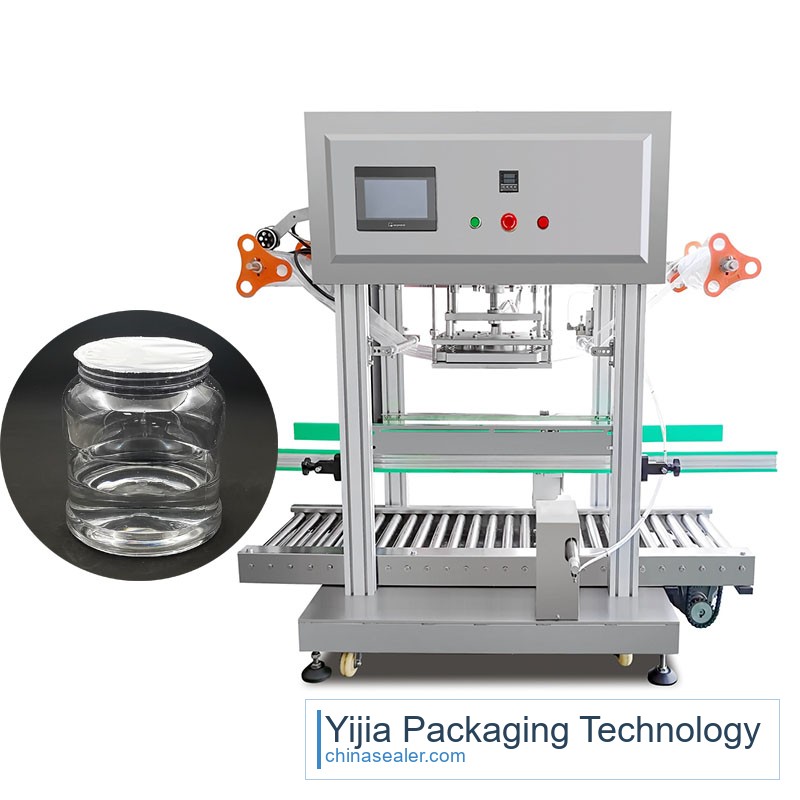 Bottle Inline Heat Press Sealer
Container preparation and feeding; Arrange empty bottles and convey them directionally to the filling machine, reducing manual bottle placement and improving stability; Automatic Bottl...
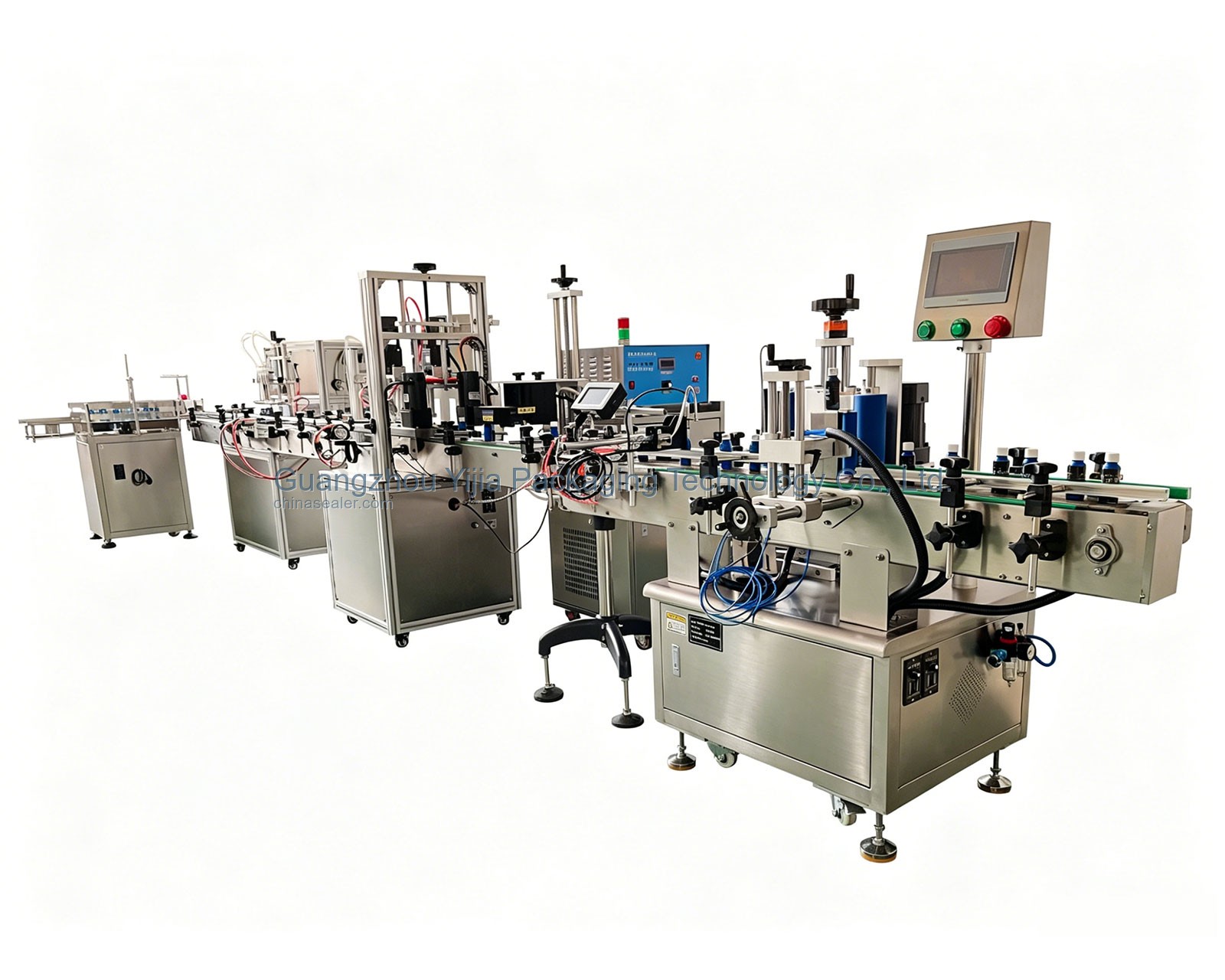 Automatic Feeding Conveying Sealing Line
Container preparation and feeding; Arrange empty bottles and convey them directionally to the filling machine, reducing manual bottle placement and improving stability; Automa...
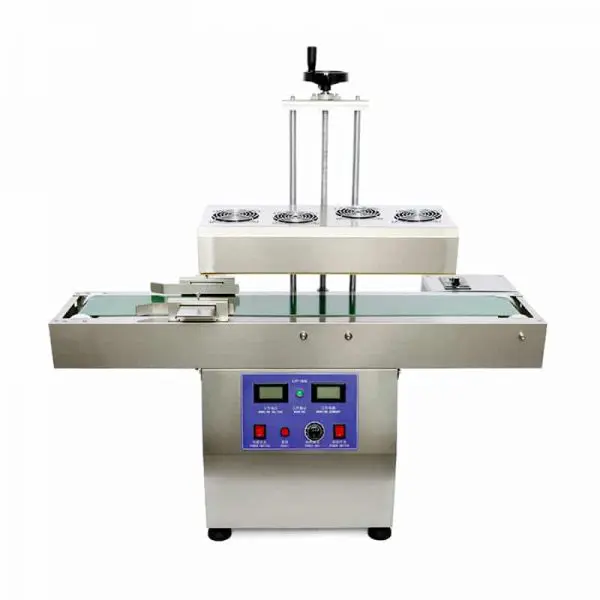 Inline Induction Foil Sealer
Bottle-mouth cleaning, optional; Paste residue may remain on the bottle mouth after filling. Cleaning helps capping and sealing integrity; Bottle-mouth cleaning and blowing module
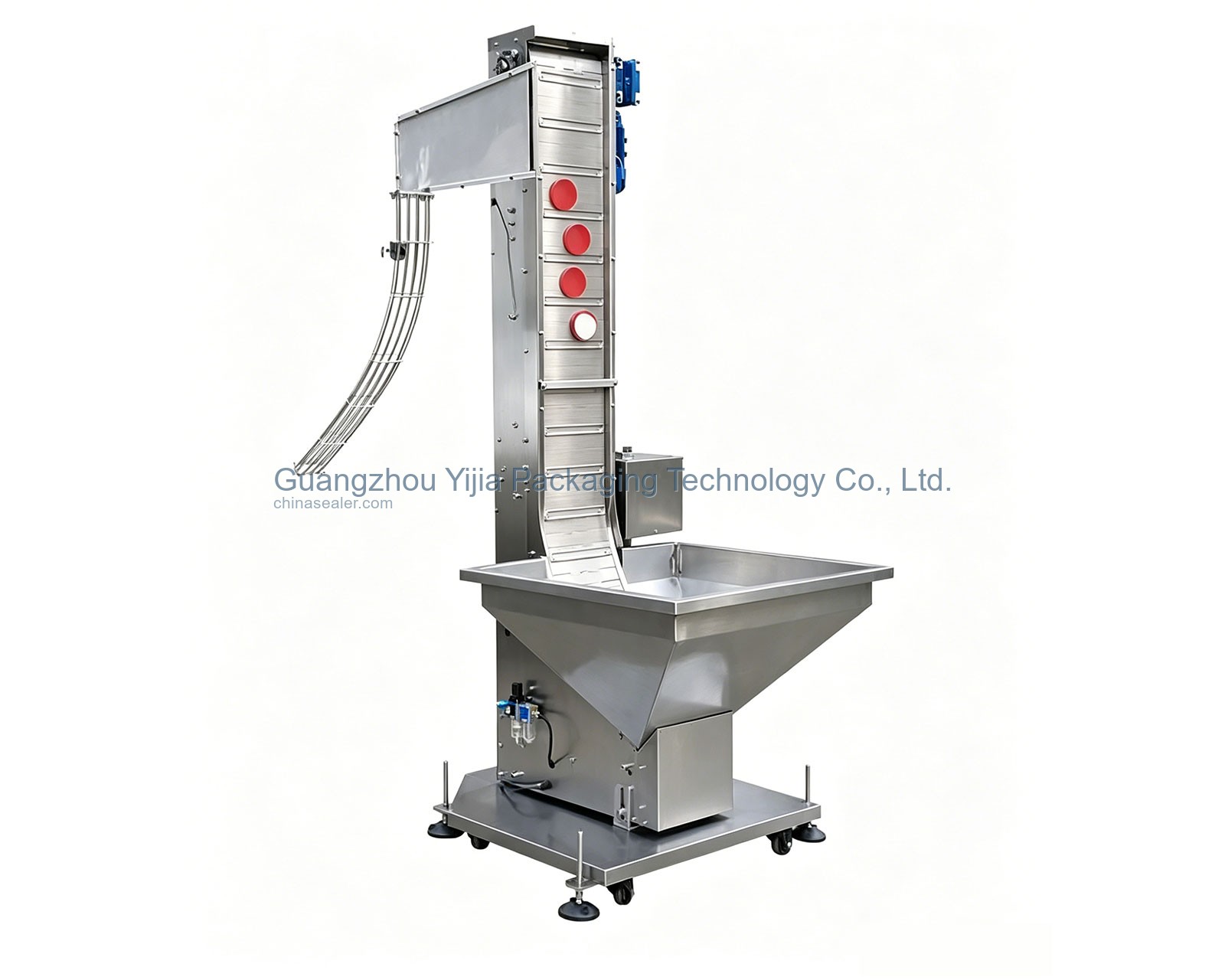 Cap Feeding and Sorting System
Bottle-mouth cleaning, optional; Paste residue may remain on the bottle mouth after filling. Cleaning helps capping and sealing integrity; Bottle-mouth cleaning and blowing module
Sample details
The state of the contents affects the filling method, contact materials, anti-drip, and safety configuration.
Please provide a cream sample or viscosity description, and confirm whether it contains particles or strings. This affects filling valve and pump selection.The lid structure determines the capping method (press, screw, or place) and whether inline integration is needed.
Please provide empty bottles and caps, or photos plus mouth diameter, height, and material. These decide filling nozzle, capping head, and tooling.Capacity target determines single machine, semi-automatic, or continuous inline configuration, and also affects the quotation range.
Please provide the target capacity, such as bottles per hour or per day. This decides whether to use stand-alone speed or a connected line.Inline requirements affect equipment sequence, cycle time matching, and downstream inspection methods.
If labels are available, please provide label samples or dimensions. This affects labeling machine model and labeling station configuration.Photos and dimensions can first determine container positioning, mold direction, and whether sample testing is needed.
If the information is not complete, send available photos and dimensions first. We will judge the route first and then provide a confirmation checklist.Common selection mistakes
Common questions
The price depends on filling volume, speed, automation level, and whether the machines are connected into a line. It should be confirmed from samples and capacity needs; there is no single standard price.
A fully automatic line is more suitable for stable large-batch production. For small-batch sampling, a separate-machine or semi-automatic route is usually lower in investment and more flexible for changeover.
A preliminary direction can be estimated from viscosity, bottle mouth size, and target capacity, but the final quotation and configuration should be confirmed by sample testing for filling consistency and cap torque.
If the cap has an aluminum foil liner and the product needs leakage prevention or moisture protection, induction sealing can be considered. The final decision depends on the bottle mouth and cap structure.
Usually capping is done before labeling to avoid the capper scratching or contaminating the label. The exact order should still be confirmed according to bottle shape and label position.
The space depends on the number of machines and the layout. Separate machines usually need about 10-20 square meters, while a connected line may need 20-40 square meters. Site dimensions are recommended for layout evaluation.