Solution topic
How to Choose Paper Cans Cap Pressing Sealing and Labeling? Start With Can Mouth, Film Material, Cap Structure and Label Position
For paper can pressing/capping, sealing, and labeling, first confirm the container, product, sealing material, cap type, output target, and on-site line integration needs. The equipment route may include sealing and pressing/capping, labeling, and optional coding. Sample photos, dimensions, and target output help match equipment and quote accurately.
- Paper can, composite can, and plastic pail projects cannot be selected by machine name only. First confirm can-mouth flatness, sealing film type, inner lid or outer lid structure, then decide the sealing, pressing/capping, and labeling route.
- How to Choose Cap Pressing, Sealing and Labeling for Paper Cans
Real customer question
I need to pack paper-can products with sealing, lid pressing or capping, and labeling. How should the equipment be selected?
First determine the packaging route
For paper cans, composite cans, and plastic pails, do not select equipment by machine name alone. First confirm can-mouth flatness, film type, inner or outer lid structure, and then decide the sealing, lid pressing or capping, and labeling route.
Heat-Press Aluminum Foil Sealing + Cap Pressing Route
Suitable for: packaging where aluminum foil film is placed directly on a paper can or plastic pail mouth and then pressed with an inner or outer lid. Advantages: film sealing and lid pressing can be completed on one machine, saving floor space and manual handling. Limitations: can-mouth flatness, film heat-sealing performance, and lid structure must be confirmed. Not recommended when: the can mouth is uneven or the film requires induction sealing; heat pressing alone is not recommended. Equipment direction: a paper-can or plastic-pail foil film sealing and lid pressing machine can handle film sealing and lid pressing in one process.
Induction foil sealing + screw capping route
Suitable for: projects where the lid already contains an aluminum foil liner and induction heating is used to seal the liner onto the can mouth. Advantages: non-contact sealing provides stable sealing performance and is suitable for products requiring leak resistance and moisture protection. Limitations: paper-can material may affect induction performance, so sample testing is needed. Not recommended when: there is no aluminum foil liner in the lid, or the lid structure is not suitable for induction sealing. Equipment direction: air-cooled or water-cooled induction foil sealers can handle the induction sealing process.
Can Seamer Seaming Route
Suitable for: metal cans or paper cans that require seam sealing, commonly used for food cans and powder cans. Advantages: can seaming provides high sealing strength and is suitable for long storage and transport. Limitations: this route is only suitable for metal lids or specific paper-can structures. The can mouth and lid must match the seaming rollers. Not recommended when: the lid is a plastic press-on lid or screw cap. Equipment direction: a can seaming machine can handle seam sealing for metal cans or compatible paper cans.
Recommended equipment route: sealing and lid pressing or capping
Aluminum foil film heat sealing and lid pressing can be completed together, suitable for common paper-can and plastic-pail packaging needs.
Recommended equipment route: Labeling
Paper cans are usually round, so a round-bottle labeling machine can apply circumferential labels.
Recommended equipment route: Coding (optional)
Print the production date, batch number, or traceability code on the can bottom or can body.
Route comparison
- Suitable for packaging where aluminum foil film is placed directly on a paper can or plastic pail mouth and then pressed with an inner or outer lid.
- Film sealing and lid pressing can be completed on one machine, saving floor space and manual handling.
- Can-mouth flatness, film heat-sealing performance, and lid structure must be confirmed.
- If the can mouth is uneven or the film requires induction sealing, heat pressing alone is not recommended.
- Recommended equipment direction: a paper-can or plastic-pail foil film sealing and lid pressing machine can handle film sealing and lid pressing in one process.
- Suitable for projects where the lid already contains an aluminum foil liner and induction heating is used to seal the liner onto the can mouth.
- Non-contact sealing provides stable sealing performance and is suitable for products requiring leak resistance and moisture protection.
- Paper-can material may affect induction performance, so sample testing is needed.
- If there is no aluminum foil liner in the lid, or the lid structure is not suitable for induction sealing, this route is not recommended.
- Recommended equipment direction: air-cooled or water-cooled induction foil sealers can handle the induction sealing process.
- Suitable for metal cans or paper cans that require seam sealing, commonly used for food cans and powder cans.
- Can seaming provides high sealing strength and is suitable for long storage and transport.
- This route is only suitable for metal lids or specific paper-can structures. The can mouth and lid must match the seaming rollers.
- If the lid is a plastic press-on lid or screw cap, a can seamer is not suitable.
- Recommended equipment direction: a can seaming machine can handle seam sealing for metal cans or compatible paper cans.
Core process
Associated Equipment / Consumables
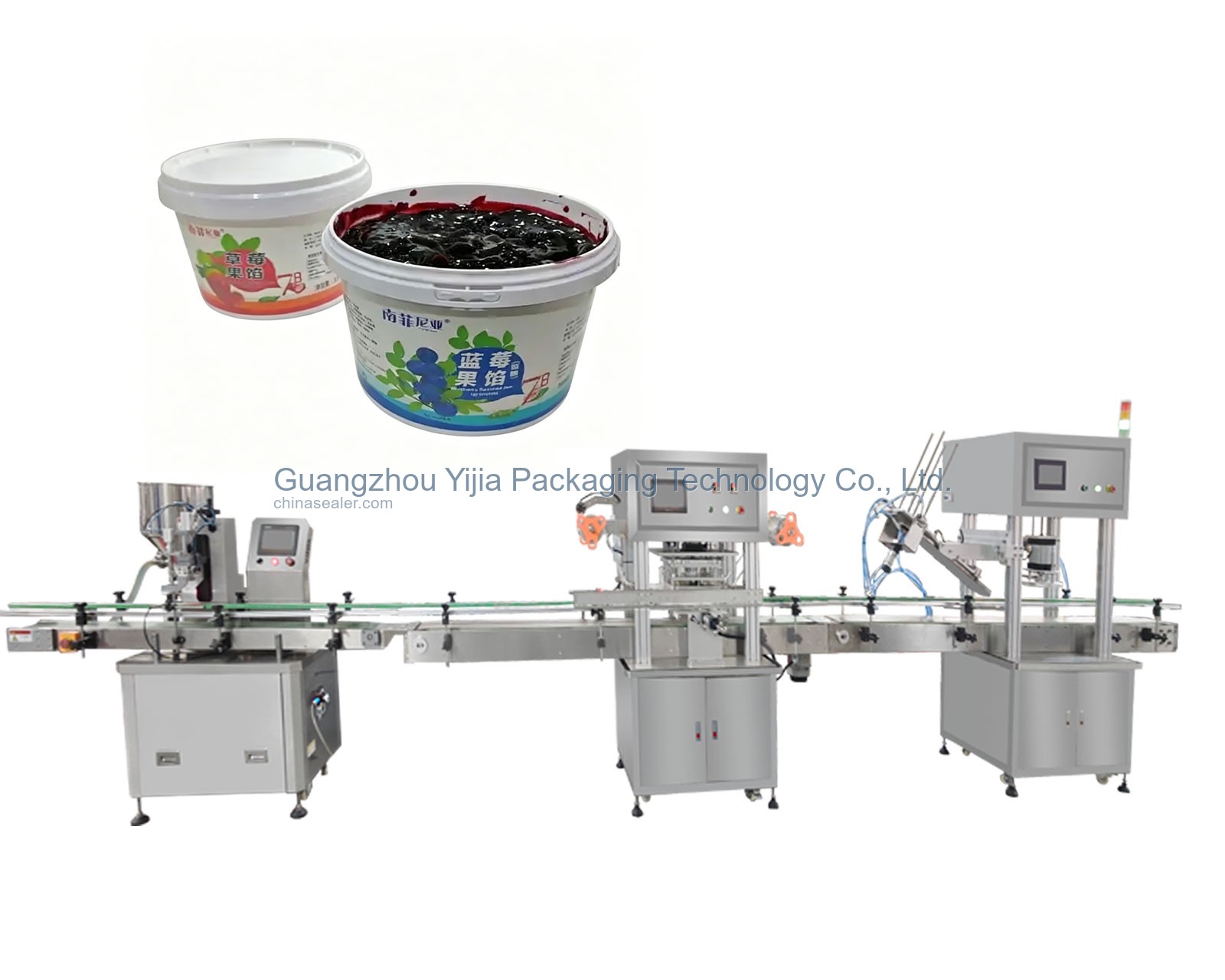 Paper Can / Plastic Pail Aluminum Foil Sealing and Capping Machine
Sealing Cap Pressing; Aluminum foil film heat sealing and lid pressing can be completed together, suitable for common paper-can and plastic-pail pack...
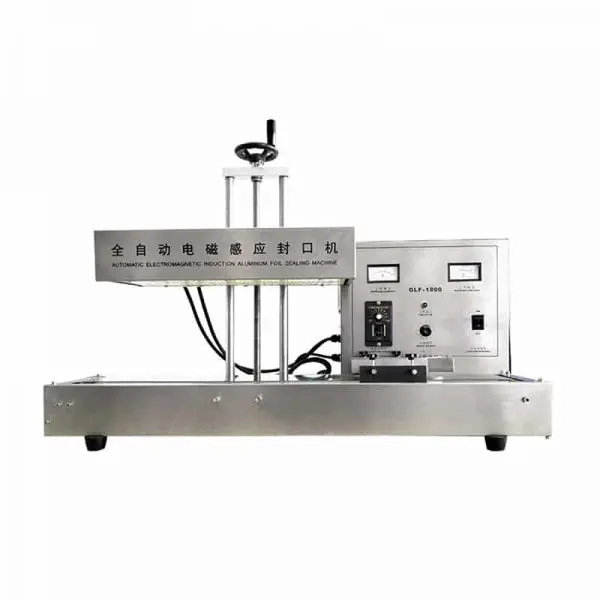 Benchtop Air-Cooled Induction Aluminum Foil Sealer
Sealing Cap Pressing; Aluminum foil film heat sealing and lid pressing can be completed together, suitable for common paper-can and plastic-pail packaging needs; Pap...
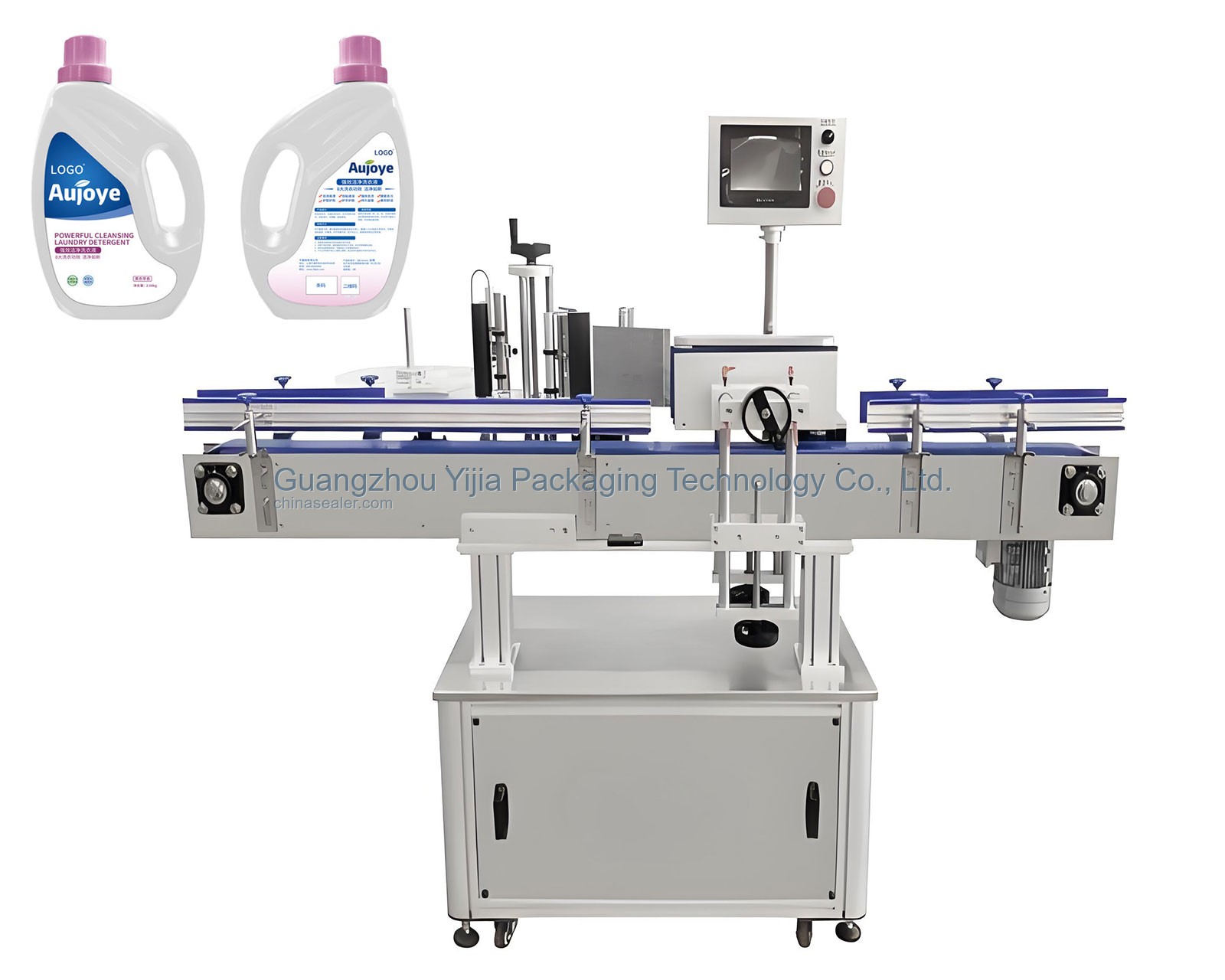 Round & Square Bottle Labeling Machine
Labeling; Paper cans are usually round, so a round-bottle labeling machine can apply circumferential labels; Round and Square Bottle Labeling Machine
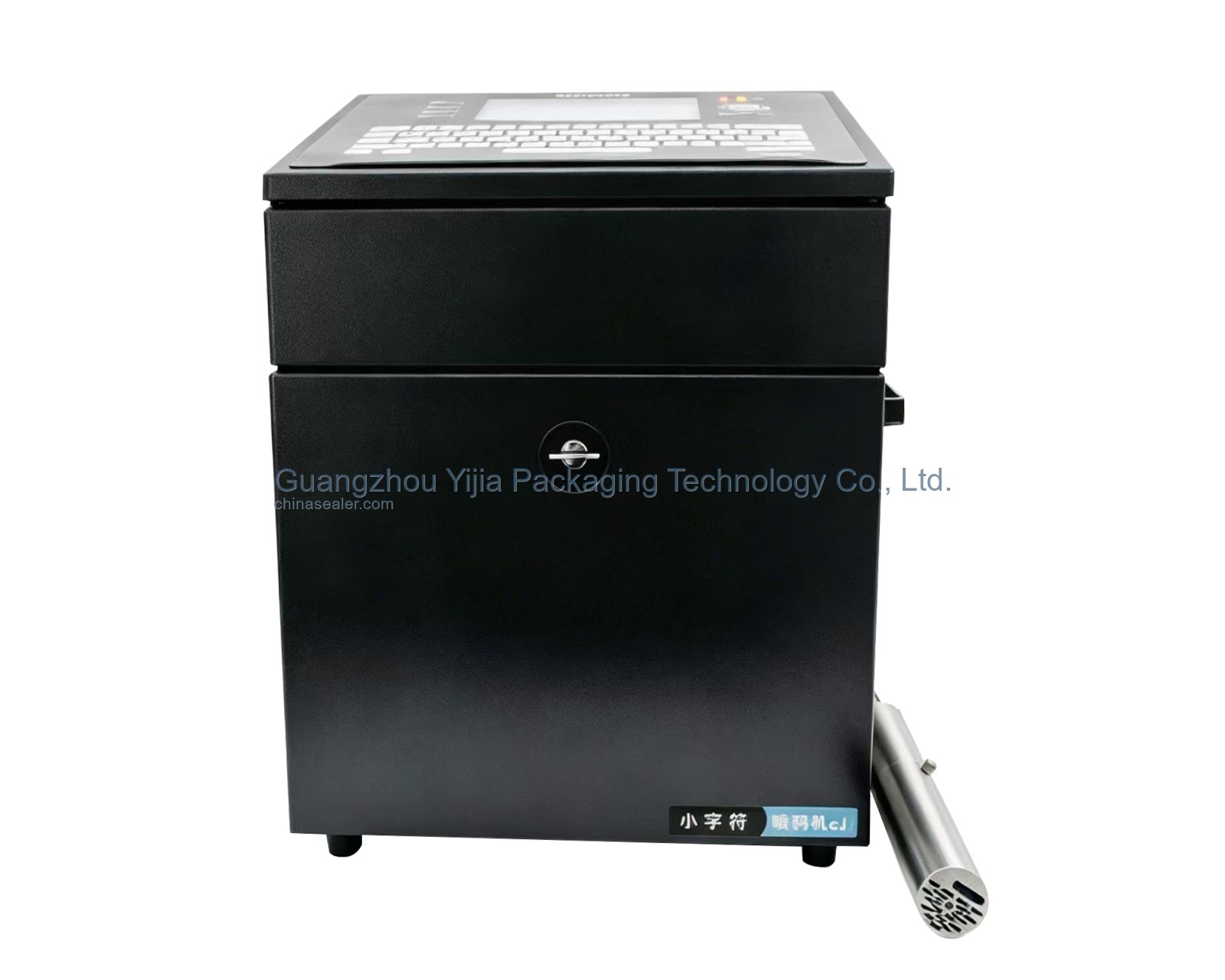 Date & Batch Inkjet Printer
Labeling; Paper cans are usually round, so a round-bottle labeling machine can apply circumferential labels; Round and Square Bottle Labeling Machine
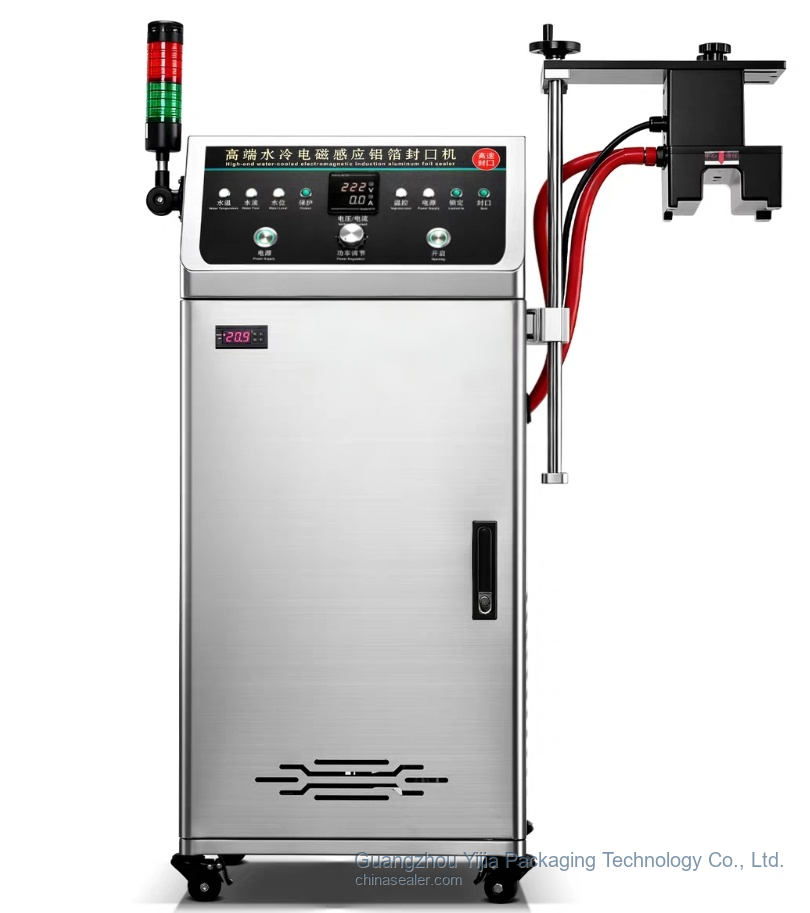 Induction Aluminum Foil Sealing Machine
Sealing Cap Pressing; Aluminum foil film heat sealing and lid pressing can be completed together, suitable for common paper-can and plastic-pail packaging needs; Paper can/plas...
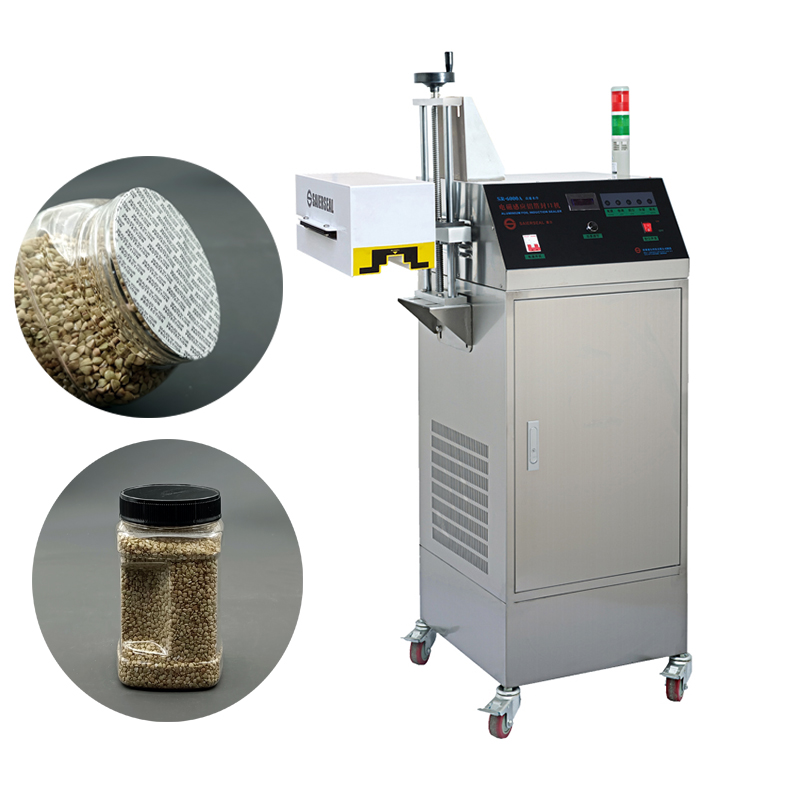 Water-Cooled Induction Aluminum Foil Sealing Machine
Sealing Cap Pressing; Aluminum foil film heat sealing and lid pressing can be completed together, suitable for common paper-can and plastic-pail packaging needs; P...
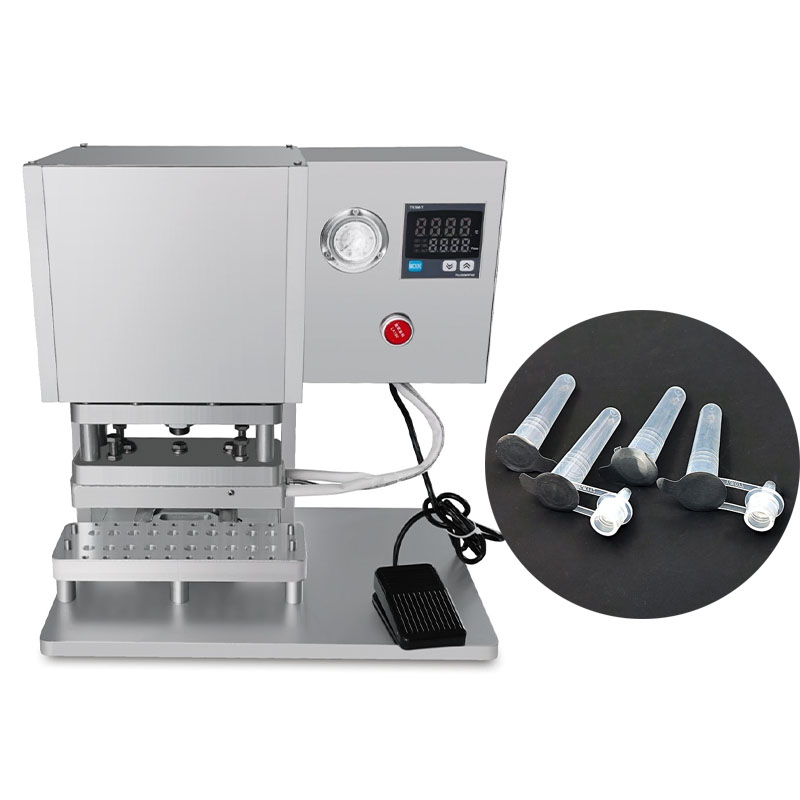 Reagent Tube Aluminum Foil Sealer
Sealing Cap Pressing; Aluminum foil film heat sealing and lid pressing can be completed together, suitable for common paper-can and plastic-pail packaging needs; Paper can/plastic pa...
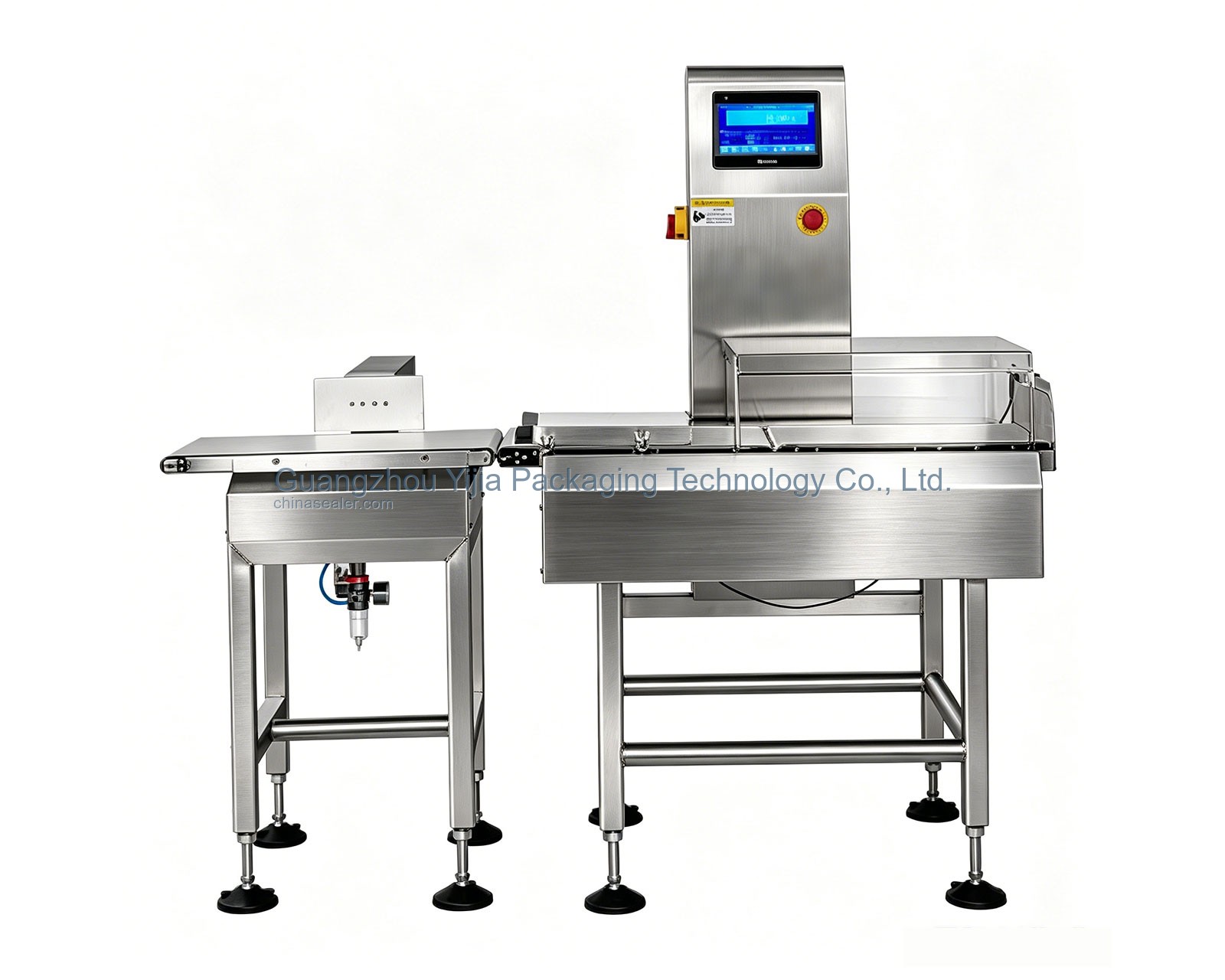 Inline Checkweigher
Labeling; Paper cans are usually round, so a round-bottle labeling machine can apply circumferential labels; Round and Square Bottle Labeling Machine
Sample details
Photos and dimensions can first determine container positioning, mold direction, and whether sample testing is needed.
Actual paper-can or plastic-pail photos or dimension drawings, used to confirm can-mouth shape and sizeFilm material and liner affect sealing temperature, pressure, dwell time, and feeding method.
Aluminum foil film or sealing film samples, used to test heat-sealing parameters and match toolingThe lid structure determines the capping method (press, screw, or place) and whether inline integration is needed.
Lid samples, such as inner lids, outer lids, or snap-on lids, used to confirm lid-pressing structure and toolingCapacity target determines single machine, semi-automatic, or continuous inline configuration, and also affects the quotation range.
Target output, such as hourly or daily capacity, used to decide between standalone equipment and line integrationPhotos and dimensions can first determine container positioning, mold direction, and whether sample testing is needed.
If information is incomplete, send the available photos and approximate dimensions first. We will judge the route and then provide a confirmation checklist.Common selection mistakes
Common questions
The price depends on can-mouth size, film material, lid structure, and target output. Send samples and capacity requirements first, and we will prepare an initial solution and quotation range.
Usually yes, through tooling change. If the size difference is large, each size should be confirmed separately. Confirm the main specification first, then evaluate the changeover plan.
Yes. Send photos and approximate can-mouth diameter first. We will judge the route and tell you which samples should be prepared next.
Yes. A conveyor can connect the sealing and lid-pressing machine with the labeling machine, but site space and upstream or downstream takt must be confirmed.
Leakage is usually related to can-mouth flatness, film heat-sealing performance, and sealing parameters. Sample testing is recommended, and we can adjust parameters or suggest a better film.
Many food and daily chemical products require production date and batch-number coding. A coding machine can be added after sealing and labeling.