Solution topic
How to Choose Tube Tail Sealing/Coding or Filling/Tail Sealing? Start With Tube State, Diameter and Contents
For tube sealing, coding, filling and sealing, first confirm container, material, film, cap type, capacity and on-site line integration needs. Equipment route includes tube sample and diameter confirmation, sealing and coding (pre-filled tubes), filling and sealing line (empty tubes). Submitting sample photos, dimensions and target capacity helps match equipment and provide quotation.
- For tube projects, first determine whether you need empty tube filling & tail sealing, or pre-filled tubes requiring only tail sealing, coding, or trimming. Tube material, diameter, tail shape, cap type, and product consistency determine the equipment route.
- How to Choose Tube Tail Sealing/Coding or Tube Filling/Tail Sealing
Real customer question
We produce toothpaste and ointments and want to package tube products. Should we fill first and then seal the tail, or seal the tail first and then fill? Can tail sealing and coding be completed on one machine?
First determine the packaging route
For tube projects, first determine whether you need empty tube filling & tail sealing, or pre-filled tubes requiring only tail sealing, coding, or trimming. Tube material, diameter, tail shape, cap type, and product consistency determine the equipment route.
Filled Tube Tail Sealing and Coding Route
Suitable: Tubes already filled with product, only need end sealing, coding, and edge trimming. Common for contract manufacturers or customers with existing filling equipment needing to upgrade sealing and coding. Advantages: Relatively simple equipment; sealing and coding integrated in one machine; small footprint, quick changeover. Limitations: Need to confirm tube end seal width, tube diameter, and coding position; different diameters require mold change. Not recommended: If tubes are not yet filled and need filling, sealing, and coding in one step, consider an integrated filling-sealing line. Equipment direction: Tube end sealer and coder can handle positioning, sealing, coding, and edge trimming of pre-filled tubes; supports semi-automatic or automatic tube feeding.
Empty-Tube Filling and Tail-Sealing Line Route
Suitable for: Integrated production starting from empty tubes, requiring automatic tube feeding, filling, sealing, coding, and edge trimming. Ideal for high-volume, continuous production of tube products. Advantages: Filling and sealing are completed on the same machine, reducing intermediate transfer and improving production efficiency. Limitations: Tube diameter, fill volume, material viscosity, sealing temperature, and coding position must be confirmed; equipment configuration is more complex. Not recommended: If filling equipment already exists and only sealing and coding are needed, consider the pre-filled tube sealing and coding route to avoid duplicate investment. Equipment direction: Tube filling and sealing machine (tube-filling-sealing-machine) can handle empty tube feeding, metered filling, sealing, coding, and edge trimming, and supports line integration.
Special-Cap Tube Sealing Solution
Suitable for: Tubes with special-shaped caps, pumps, or unique cap types requiring dedicated positioning and sealing solutions. Advantages: Positioning and sealing structure designed for special caps to avoid cap damage or misalignment. Limitations: Need to provide special cap and tube samples to confirm cap type compatibility with sealing mold. Not recommended: If tube caps are standard threaded or flip caps, standard tube filling and sealing machine suffices. Equipment direction: The special cap tube sealing solution can handle positioning, sealing, and coding for special cap tubes; molds customized per samples.
Recommended equipment route: tube samples and diameter confirmation
Tube diameter and tail shape determine tail-sealing tooling and coding position, so physical samples must be confirmed.
Recommended Equipment Route: Tail Sealing and Coding (Filled Tubes)
Integrates tail sealing, coding, and trimming, suitable for downstream processing of already filled tubes.
Recommended equipment route: filling and tail-sealing line for empty tubes
Completes empty tube feeding, filling, sealing, and coding in one process, suitable for continuous production.
Recommended Equipment Route: Downstream Coding and Inspection
After tail sealing, coding, checkweighing, or vision inspection can be added as needed to confirm traceability and quality.
Route comparison
- For tubes already filled with content, only tube sealing, coding, and edge trimming are needed. Common for contract manufacturers or customers with existing filling equipment who need to upgrade sealing and coding.
- The machine structure is relatively simple, with tail sealing and coding integrated in one compact unit for fast changeover.
- Tube tail sealing width, tube diameter, and coding position must be confirmed; different diameters require different molds.
- If the tubes have not been filled and filling, tail sealing, and coding need to be completed in one pass, an integrated filling and sealing line is recommended.
- The tube-end-sealer can position, seal, code, and trim filled tubes, supporting semi-automatic or automatic tube loading.
- Starting from empty tubes, an integrated line for automatic tube feeding, filling, tube sealing, coding, and edge trimming is needed. Suitable for high-volume, continuous production of tube products.
- Filling and tail sealing are completed on the same machine, reducing transfer and improving efficiency.
- Confirm tube diameter, filling volume, material viscosity, tail-sealing temperature, and coding position, because this configuration is more complex.
- If you already have filling equipment and only need tube sealing and coding, it is recommended to adopt the pre-filled tube sealing and coding route to avoid duplicate investment.
- The tube filling and sealing machine can handle empty tube feeding, quantitative filling, sealing, coding, and edge trimming, and supports line integration.
- Suitable for tubes with shaped caps, pump heads, or special cap types that require dedicated positioning and sealing.
- Positioning and sealing structures are designed for special-shaped caps to avoid cap damage or inaccurate positioning.
- Shaped-cap and tube samples are needed to confirm cap design and sealing-tool compatibility.
- If the tube cap is a standard threaded cap or normal flip cap, a standard filling and sealing machine is enough; a special-cap solution is not necessary.
- The tube-special-cap sealing solution can handle positioning, tail sealing, and coding of special-shaped cap tubes. Custom tooling is required based on samples.
Core process
Associated Equipment / Consumables
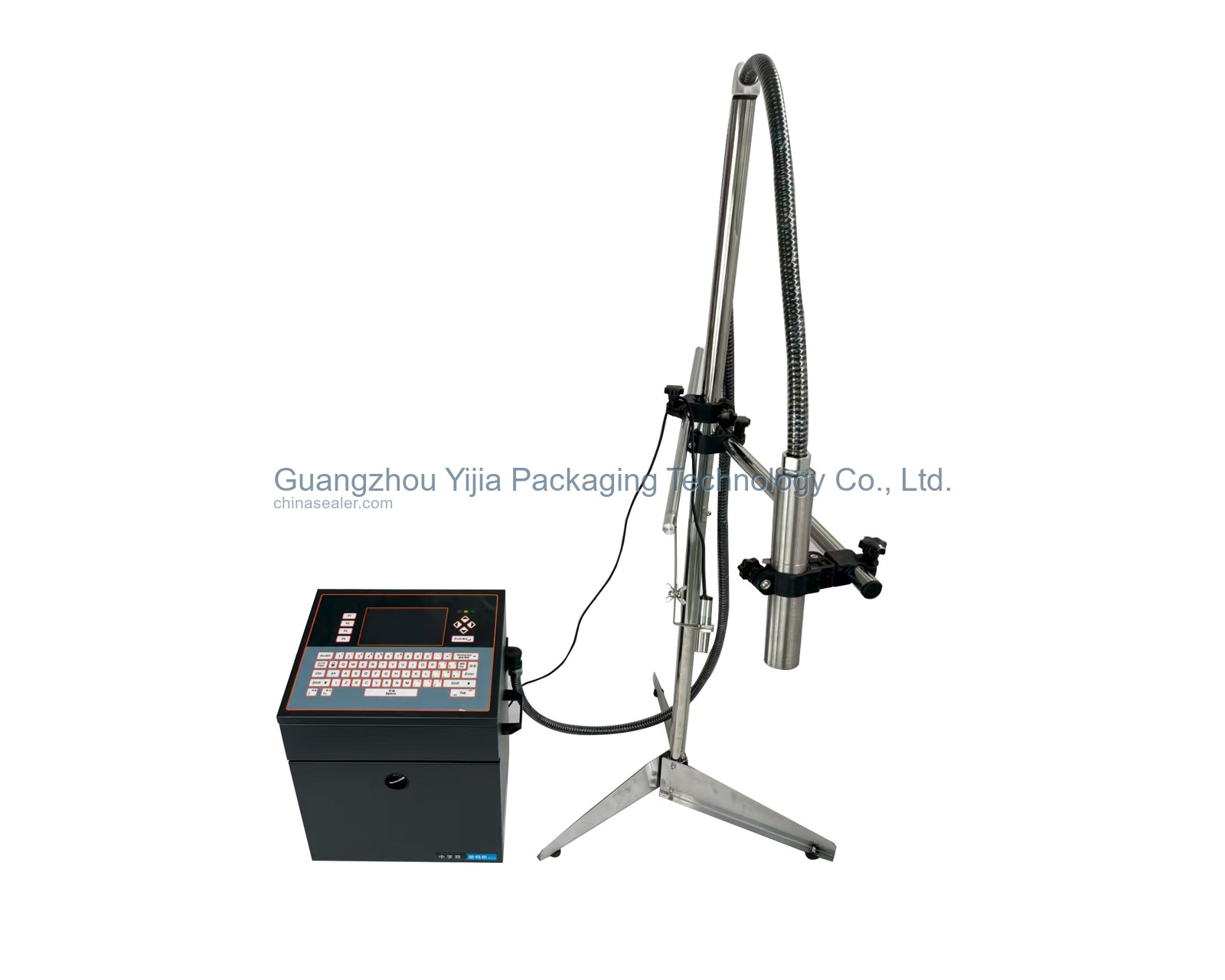 Tube End Sealer Coder
tube samples and tube diameter confirmation; Tube diameter and tail shape determine tail-sealing tooling and coding position, so physical samples must be confirmed; tube samples, tube diameter d...
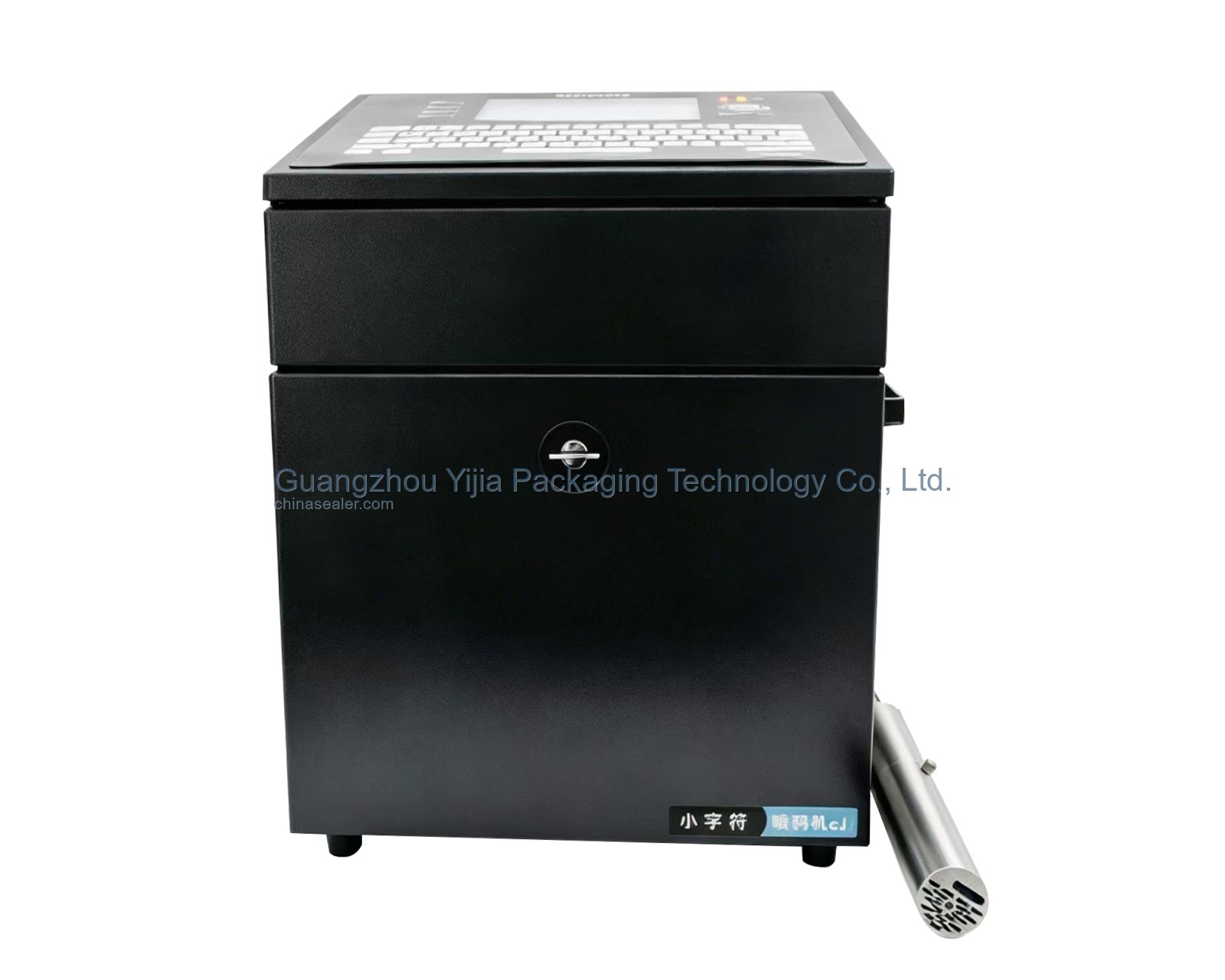 Date & Batch Inkjet Printer
tube samples and tube diameter confirmation; Tube diameter and tail shape determine tail-sealing tooling and coding position, so physical samples must be confirmed; tube samples, tube diam...
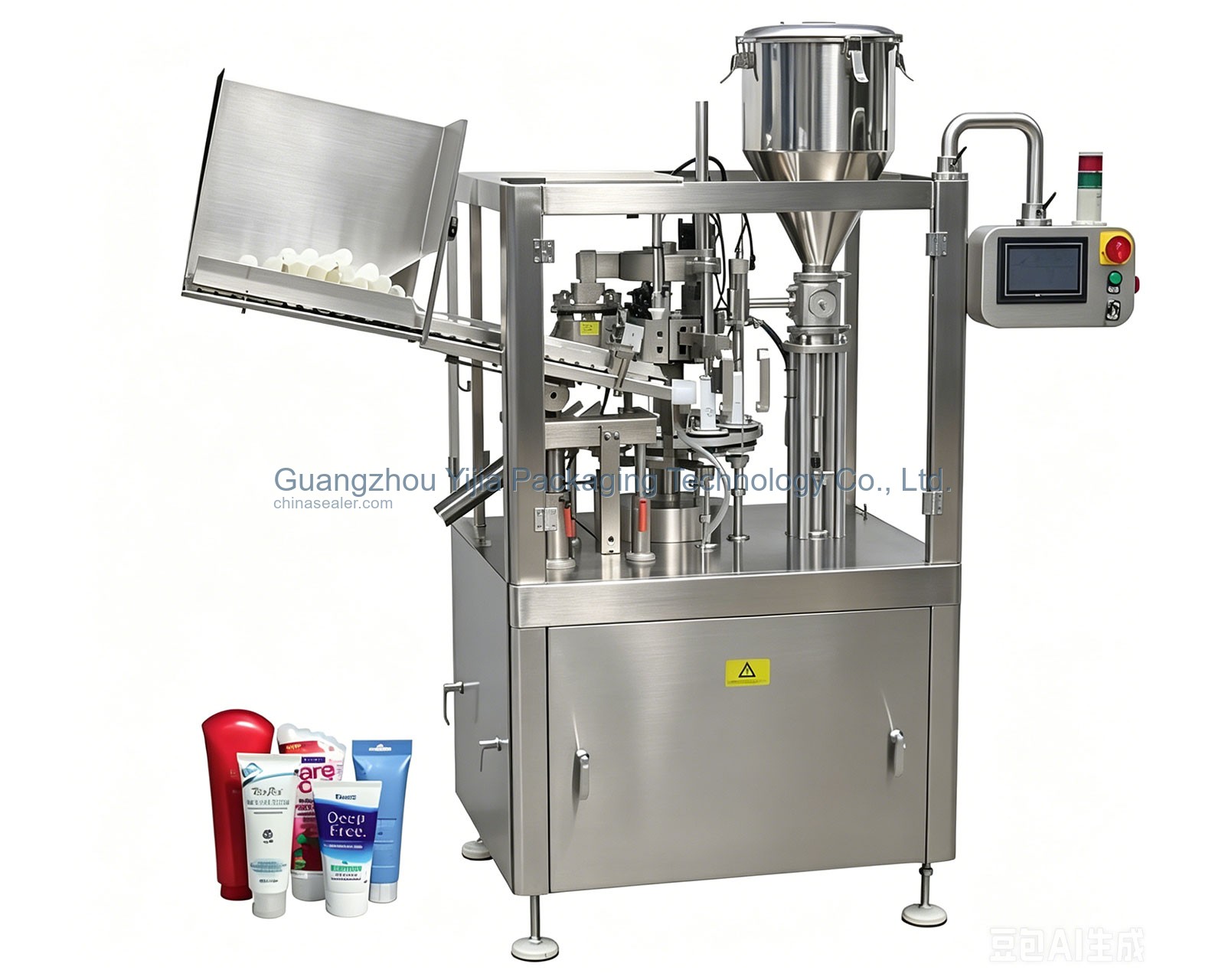 Tube Filling and Sealing Machine
Tail Sealing and Coding (Filled Tubes); Integrates tail sealing, coding, and trimming, suitable for downstream processing of already filled tubes; Tube End Sealer and Coder
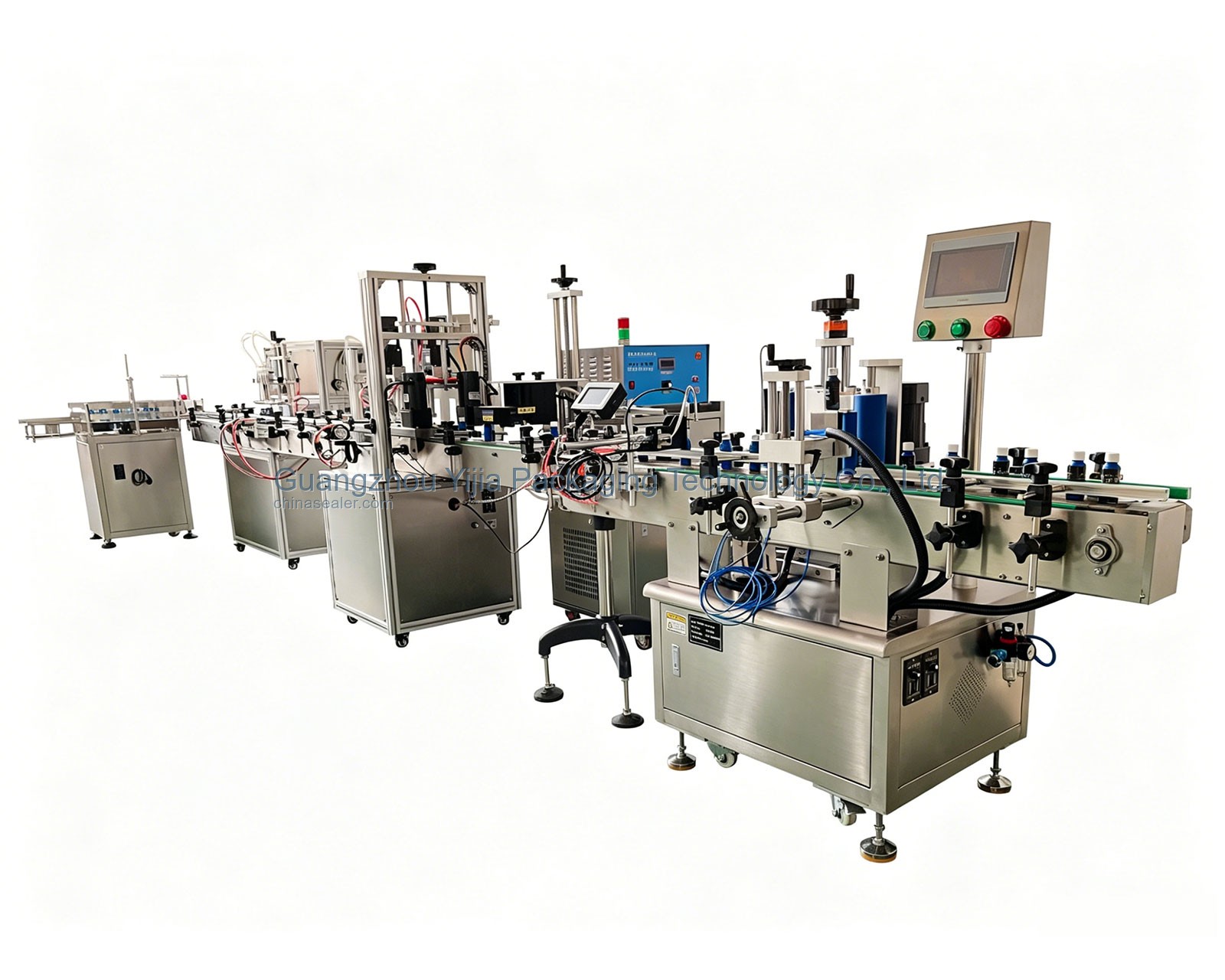 Automatic Feeding Conveying Sealing Line
Tail Sealing and Coding (Filled Tubes); Integrates tail sealing, coding, and trimming, suitable for downstream processing of already filled tubes; Tube End Sealer and Coder
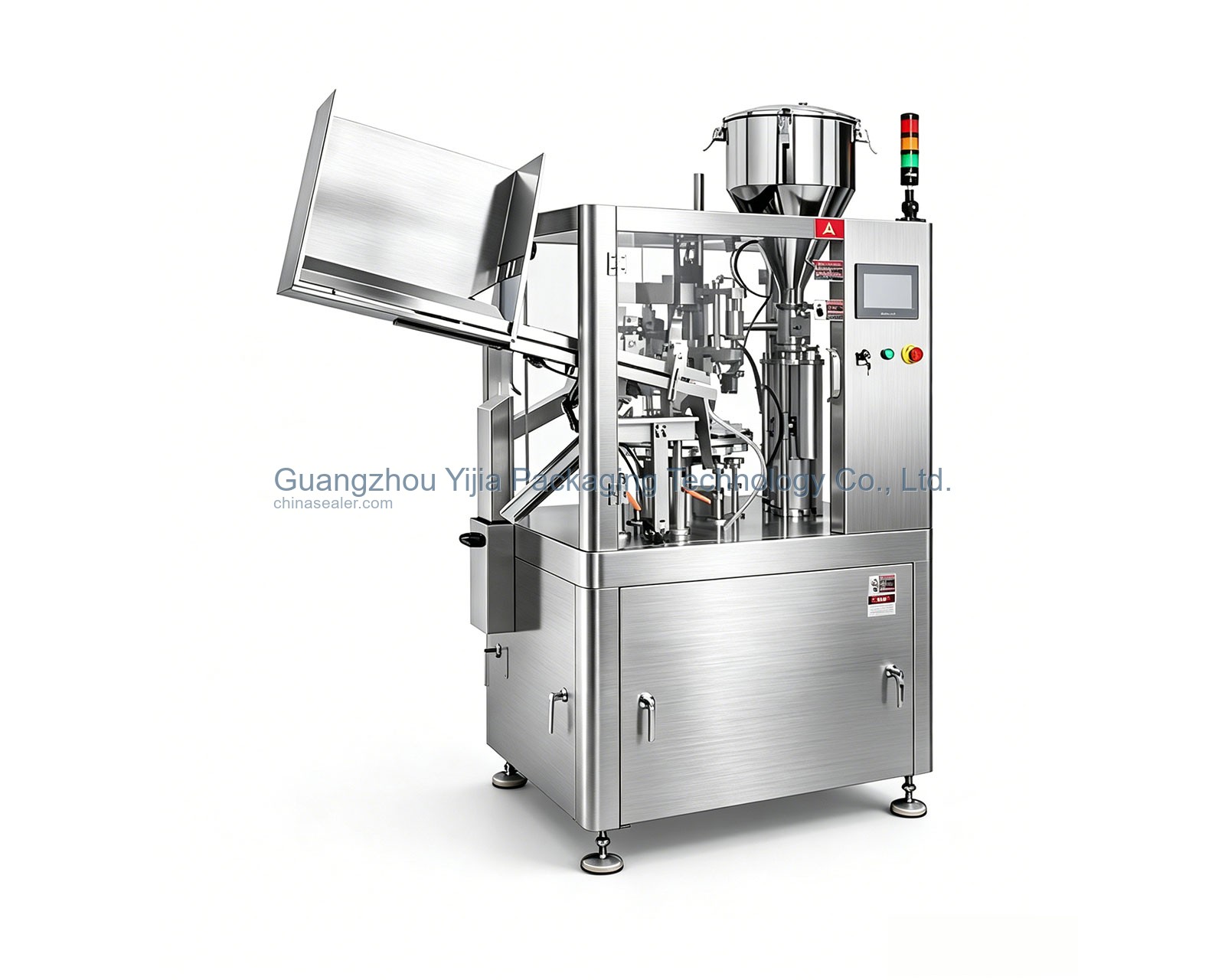 Special-shaped Cap Tube Sealing Solution
Container and Packaging Material Confirmation; Confirm rim, film, cap, label, and sealing contact surfaces based on toothpaste tubes, ointment tubes, cosmetic tubes (cream, fa...
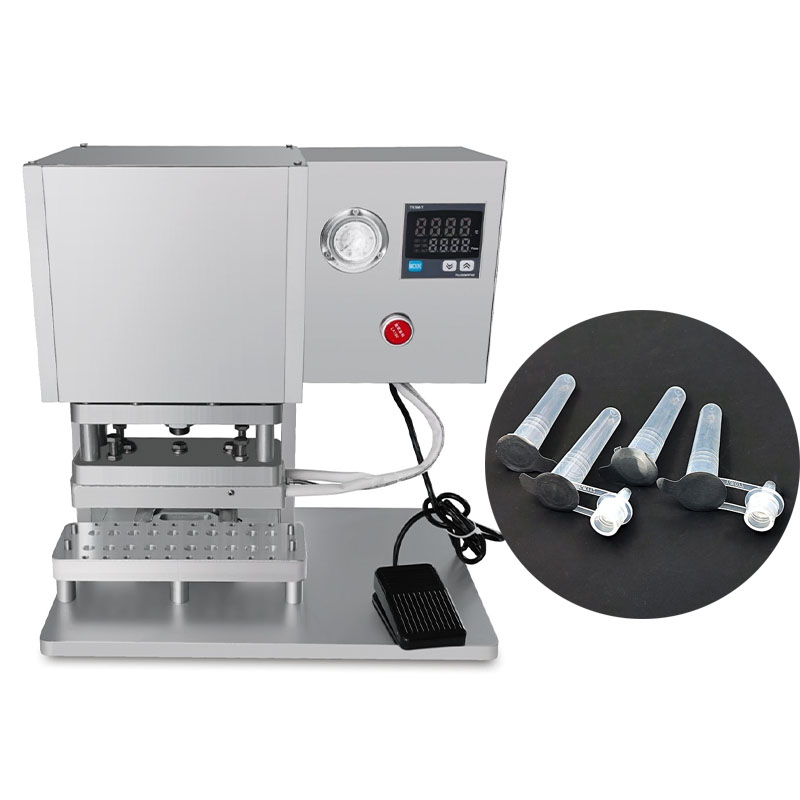 Reagent Tube Aluminum Foil Sealer
Container and Packaging Material Confirmation; Confirm rim, film, cap, label, and sealing contact surfaces based on toothpaste tubes, ointment tubes, cosmetic tubes (cream, facial cl...
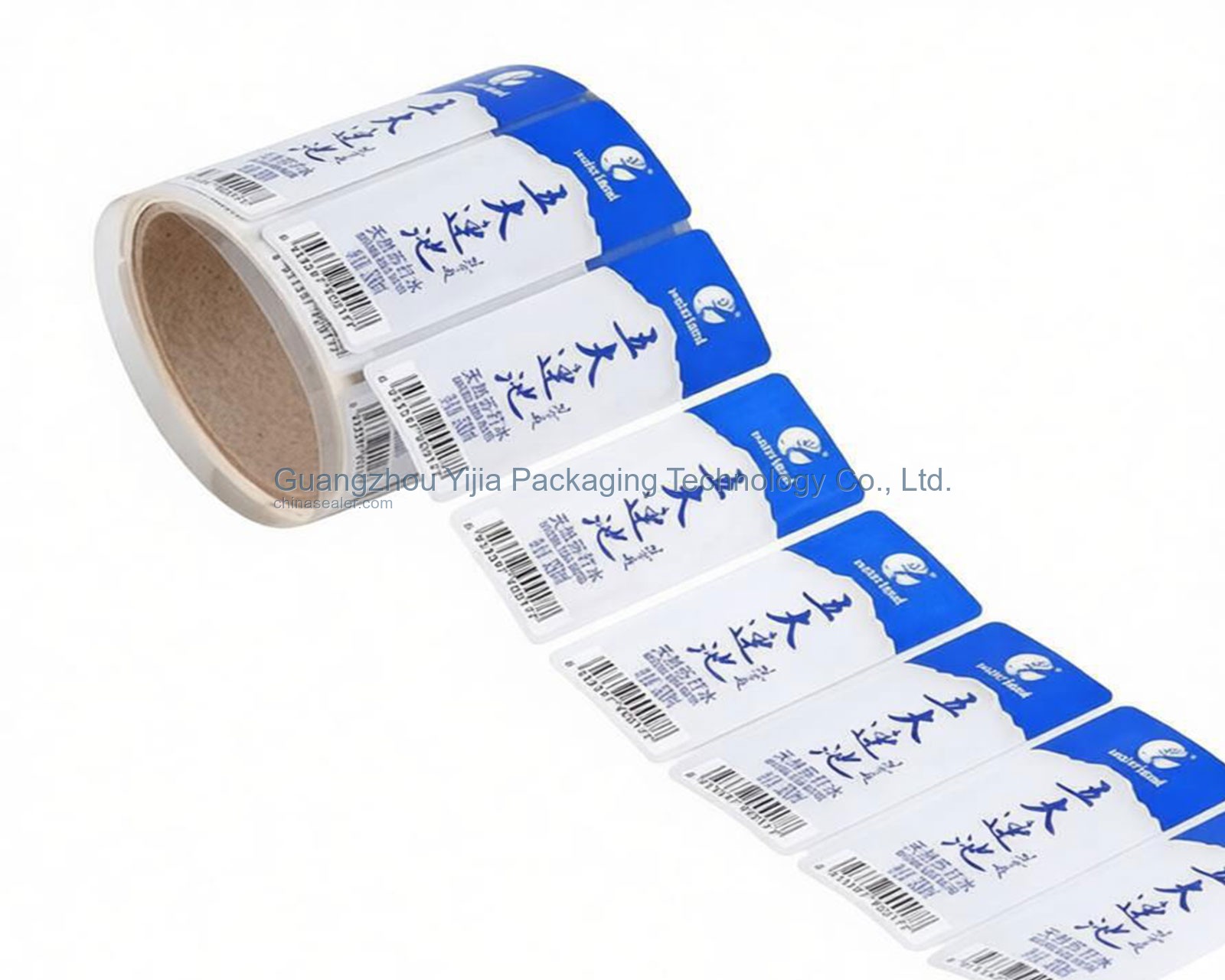 Labels, Inkjet Inks, and Thermal Transfer Ribbons
tube samples and tube diameter confirmation; Tube diameter and tail shape determine tail-sealing tooling and coding position, so physical samples must be confirmed; t...
Sample details
Photos and dimensions can first determine container positioning, mold direction, and whether sample testing is needed.
Tube samples or photos: provide at least 1-2 empty tubes and filled samples to confirm tube diameter, tail shape, and seal width.Photos and dimensions can first determine container positioning, mold direction, and whether sample testing is needed.
Tube diameter and length: provide outer diameter, tube length, and tail-sealing area width, as these affect tooling and sealing parameters.The state of the contents affects the filling method, contact materials, anti-drip, and safety configuration.
Product sample or description: indicate viscosity, whether it contains particles, and if temperature control is needed, as these affect filling method and nozzle selection.Capacity target determines single machine, semi-automatic, or continuous inline configuration, and also affects the quotation range.
Target output: the number of tubes required per hour or per day determines whether the equipment should be semi-automatic or fully automatic.Site conditions affect electrical control, pneumatics, conveyor length, and safety protection configuration.
Downstream requirements such as coding, labeling, checkweighing, or cartoning should be planned early with reserved interfaces and space.Photos and dimensions can first determine container positioning, mold direction, and whether sample testing is needed.
If the information is not complete, send available photos and dimensions first. We will judge the route first and then provide a confirmation checklist.Common selection mistakes
Common questions
Yes. First send tube photos, approximate diameter, and whether already filled. We can initially determine whether to go with a sealing and coding route or a filling and sealing line, then list the samples and dimensions needed.
Require tube sample or photo, tube diameter and length, product sample or description, target capacity, and downstream requirements (coding, labeling, etc.). The more complete the information, the closer the quotation to the actual configuration.
For small batches (hundreds per hour), choose a semi-automatic tube sealer/coder. For large batches (thousands per hour), a fully automatic filling and sealing line is needed, with automatic tube loading and conveying.
The thickness and heat-seal performance of the tube material and sealing film (if any) affect sealing temperature and pressure. Physical sample testing is necessary to determine the correct parameters.
The sealing effect needs to be confirmed through sample testing, including seal strength, leak tightness, and appearance. We will adjust the sealing parameters based on the tube samples and contents.
If there is filling equipment upstream or coding, checkweighing, cartoning downstream, and the capacity is high, inline integration is recommended. For small batches or trial runs, standalone machines can be used first.