Solution topic
How to Choose Moisture-Proof Can Sealing for Freeze-Dried Fruit? Start With Can Mouth, Film Material and Cap Structure
Freeze-dried fruit requires strong moisture protection, so the sealing method should not be selected by machine name alone. First confirm can-rim flatness, film type, lid structure, and target output, then decide between heat-press foil sealing, induction sealing, capping, or a sealing and capping line.
- Freeze-dried fruit requires strong moisture protection, so the sealing method should not be selected by machine name alone. First confirm can-rim flatness, film type, lid structure, and target output, then decide between heat-press foil sealing, induction sealing, capping, or a sealing and capping line.
- How to choose moisture-proof can sealing for freeze-dried fruit
First Break the Requirement Into Key Points
We make freeze-dried fruit and want can packaging. How should we choose moisture-proof sealing equipment?
First determine the packaging route
Freeze-dried fruit requires strong moisture protection, so the sealing method should not be selected by machine name alone. First confirm can-rim flatness, film type, lid structure, and target output, then decide between heat-press foil sealing, induction sealing, capping, or a sealing and capping line.
Heat-Press Aluminum Foil Sealing Route
Suitable for: containers with smooth rims where film is directly heat-sealed onto the rim, suitable for paper cans, plastic cans, and composite cans. Advantages: direct film sealing provides visible moisture-proof and airtight effect. Limitations: need to confirm container rim flatness and film heat-seal layer compatibility. Not recommended: when the rim is uneven or secondary cap protection is needed, consider a sealing and capping line. Equipment direction: paper can/plastic pail aluminum foil sealing and capping machine or large-diameter drum heat sealing machine.
Induction Aluminum Foil Sealing Route
Suitable for: bottle caps with inner aluminum foil liner, induction sealing after capping, suitable for plastic bottles and wide-mouth jars. Advantages: non-contact sealing, tight fit between liner and jar mouth. Limitations: requires cap to press the liner, and jar mouth material must support induction. Not recommended: paper or aluminum cans may affect induction effect, recommend testing first. Equipment direction: water-cooled induction aluminum foil sealing machine or tabletop air-cooled induction aluminum foil sealing machine.
Sealing and Cap Pressing Line Route
Suitable for: first seal aluminum foil membrane then press outer cap, ideal for canning projects requiring dual moisture protection. Advantages: completes membrane sealing and cap pressing in one step, reduces process transfer. Limitations: need to confirm compatibility of can opening, membrane material and cap structure. Not recommended: when capacity is low or changeover frequent, suggest step-by-step configuration. Equipment direction: paper can/plastic pail foil membrane sealing and capping machine
Recommended equipment route: Sample and container confirmation
Can-mouth size, flatness, and the film heat-seal layer affect sealing performance and tooling fit.
Recommended Equipment Route: Main Sealing Equipment
Can complete foil film heat sealing and capping together, suitable for moisture-proof freeze-dried fruit packaging.
Recommended Equipment Route: Consumables and Tooling Confirmation
Film and tooling must be customized according to can-mouth size and lid structure, then sealing performance should be confirmed.
Recommended Equipment Route: Downstream Inspection and Marking
Checkweighing confirms stable filling volume, and coding enables production traceability.
Route comparison
- Flat can rim with film heat-sealed directly onto the rim, suitable for paper cans, plastic cans, and composite cans.
- direct film sealing gives clear moisture-proof sealing results
- can-mouth flatness and film heat-seal layer compatibility should be confirmed
- If the can rim is uneven or secondary capping protection is required, a sealing and cap-pressing line should be evaluated.
- Paper can or plastic pail foil sealing and capping machine, or large-diameter pail heat-press sealer.
- Caps with aluminum foil liners are sealed by induction after capping, suitable for plastic bottles and wide-mouth jars.
- non-contact sealing, with liner fitting tightly to the can mouth
- the cap must press the liner, and can-mouth material must support induction
- paper or aluminum cans may affect induction results; testing is recommended first
- Water-cooled induction aluminum foil sealing machine or desktop air-cooled induction aluminum foil sealing machine
- Aluminum foil film sealing followed by outer cap pressing suits canned products needing double moisture protection.
- complete film sealing and press capping in one pass, reducing process transfer
- can mouth, film material and lid structure compatibility should be confirmed
- when capacity is low or changeover is frequent, configure in stages
- Paper can/plastic pail aluminum foil sealing and press capping machine
Core process
Associated Equipment / Consumables
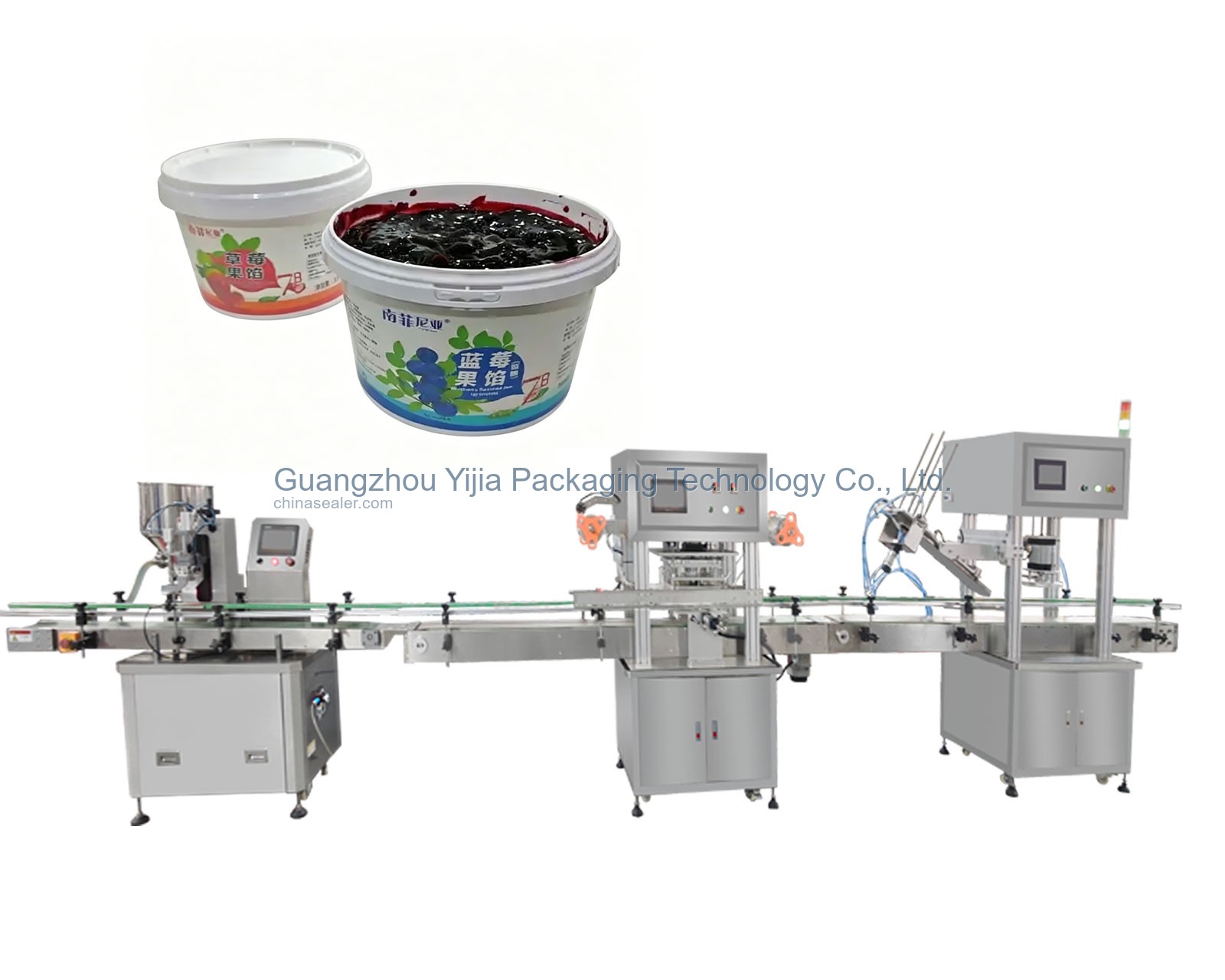 Paper Can / Plastic Pail Aluminum Foil Sealing and Capping Machine
Sample and container confirmation; Can-mouth size, flatness, and the film heat-seal layer affect sealing performance and tooling fit; can sample, fil...
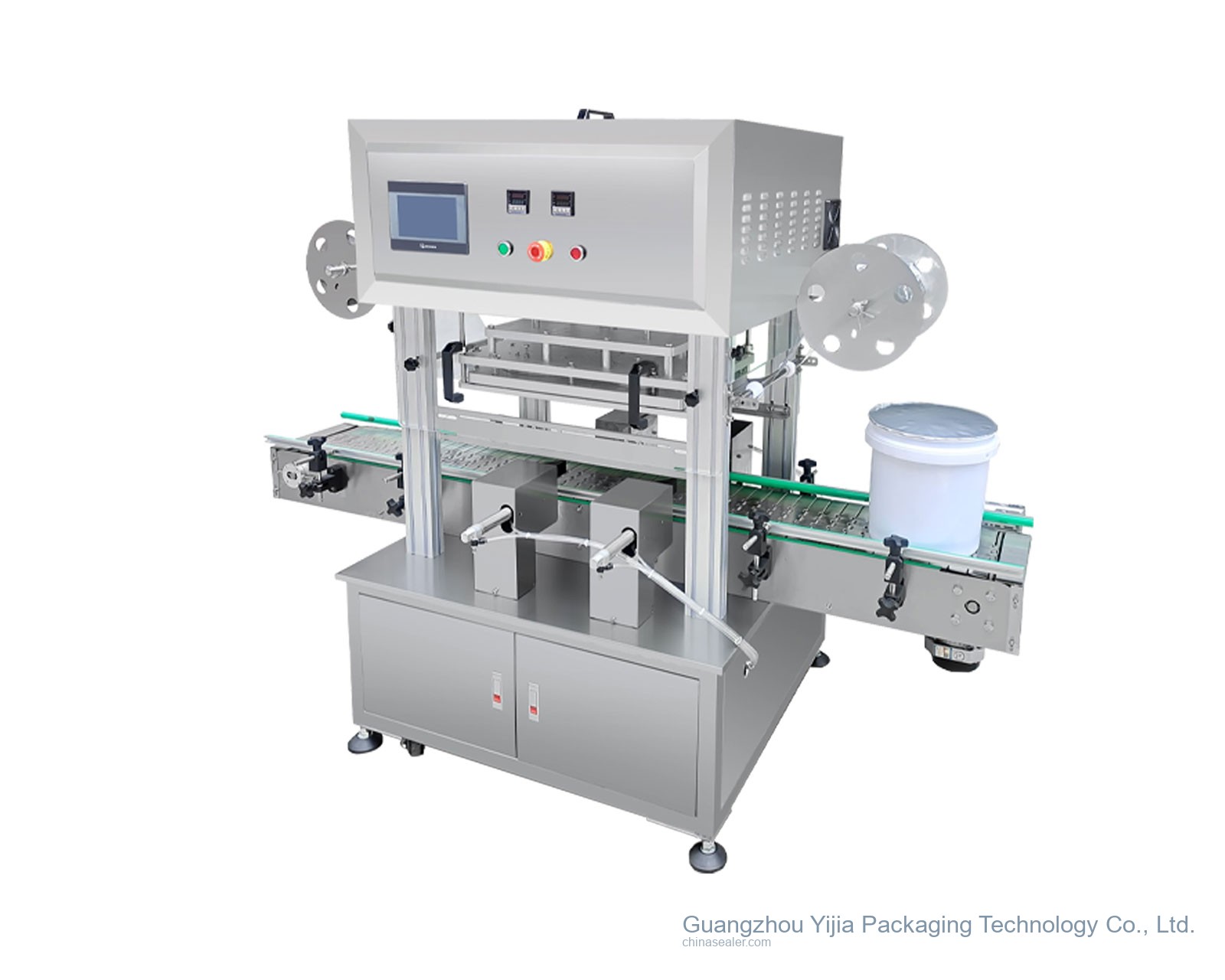 Large-Diameter Pail Heat Seal Sealer
Sample and container confirmation; Can-mouth size, flatness, and the film heat-seal layer affect sealing performance and tooling fit; can sample, film sample and lid sample
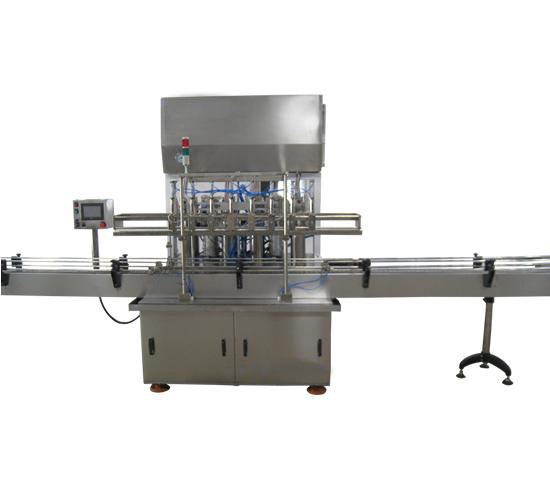 Weighing Drum Filling Machine
Downstream Inspection and Marking; Checkweighing confirms stable filling volume, and coding enables production traceability; Inline checkweigher, date and batch code printer
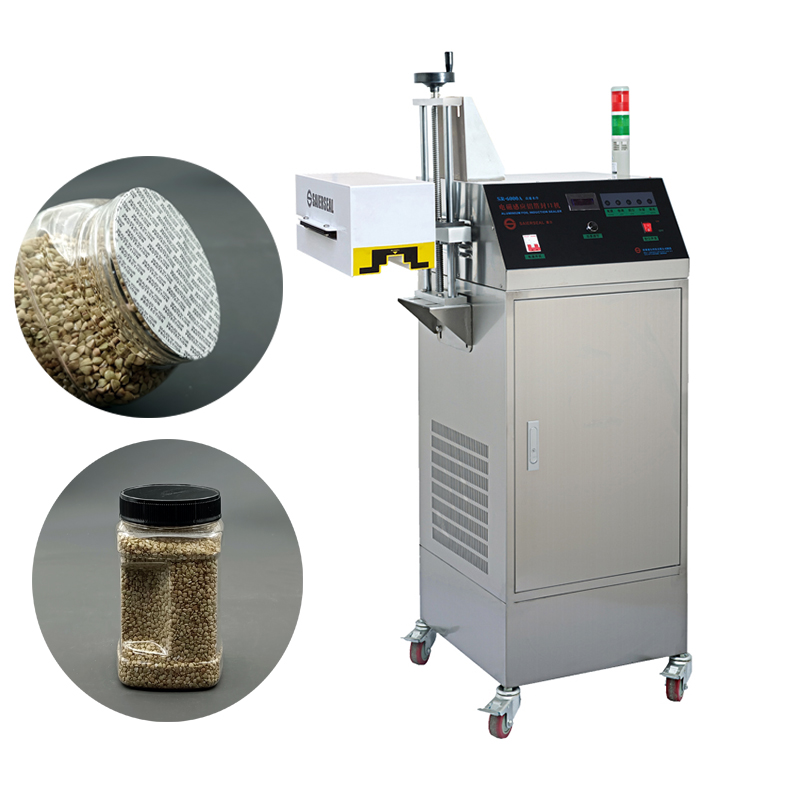 Water-Cooled Induction Aluminum Foil Sealing Machine
Sample and container confirmation; Can-mouth size, flatness, and the film heat-seal layer affect sealing performance and tooling fit; can sample, film sample and l...
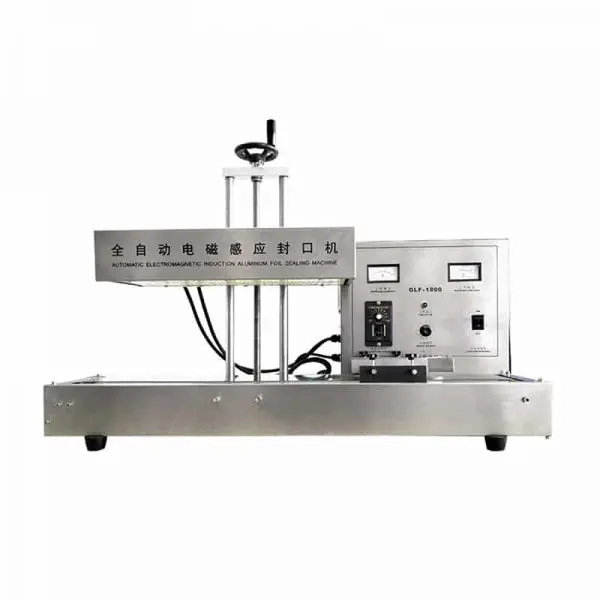 Benchtop Air-Cooled Induction Aluminum Foil Sealer
Sample and container confirmation; Can-mouth size, flatness, and the film heat-seal layer affect sealing performance and tooling fit; can sample, film sample and lid...
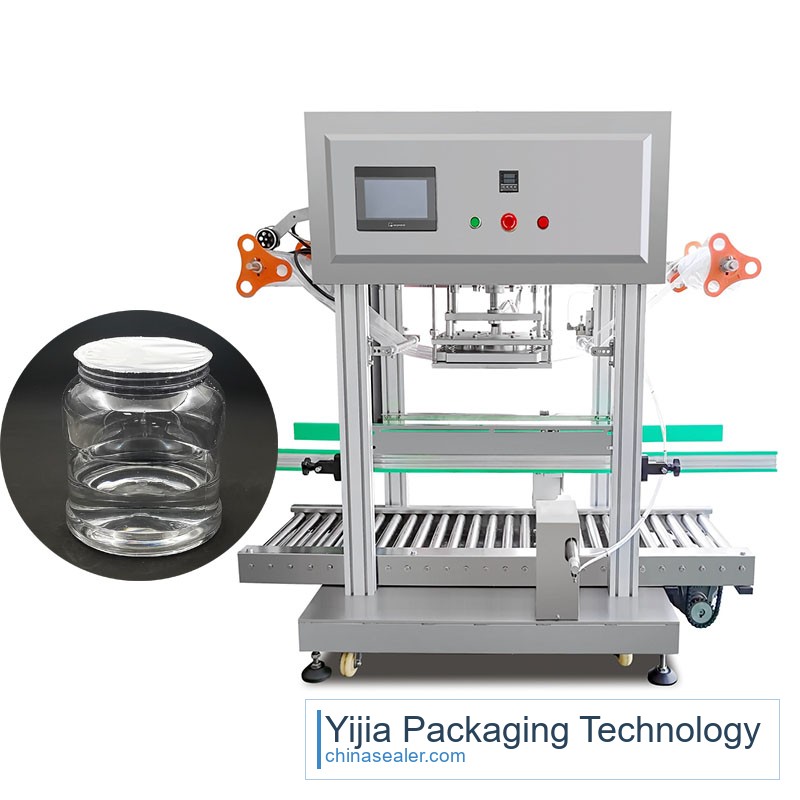 Bottle Inline Heat Press Sealer
Sample and container confirmation; Can-mouth size, flatness, and the film heat-seal layer affect sealing performance and tooling fit; can sample, film sample and lid sample
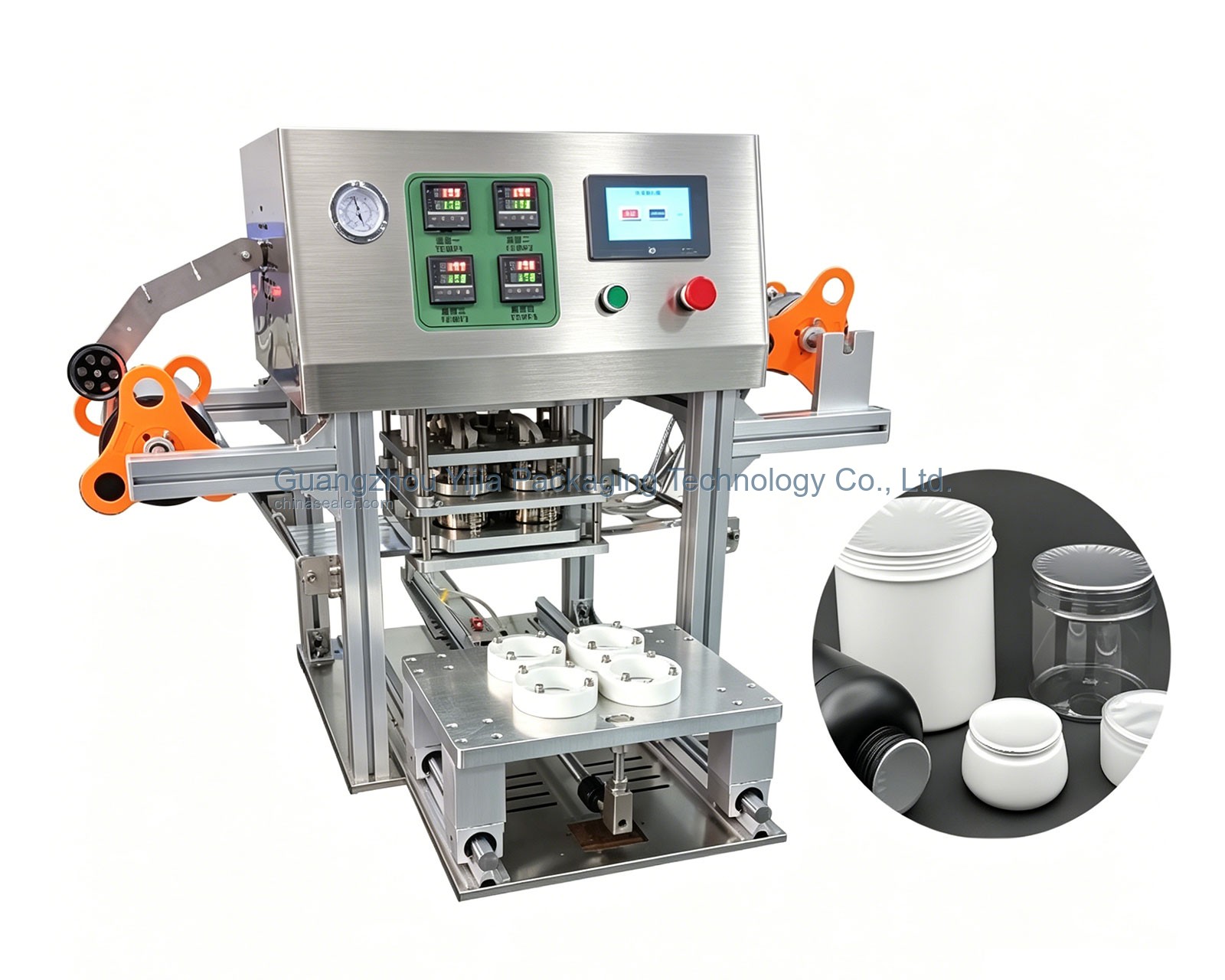 Bottle, Pail, Can Sealing Machine
Sample and container confirmation; Can-mouth size, flatness, and the film heat-seal layer affect sealing performance and tooling fit; can sample, film sample and lid sample
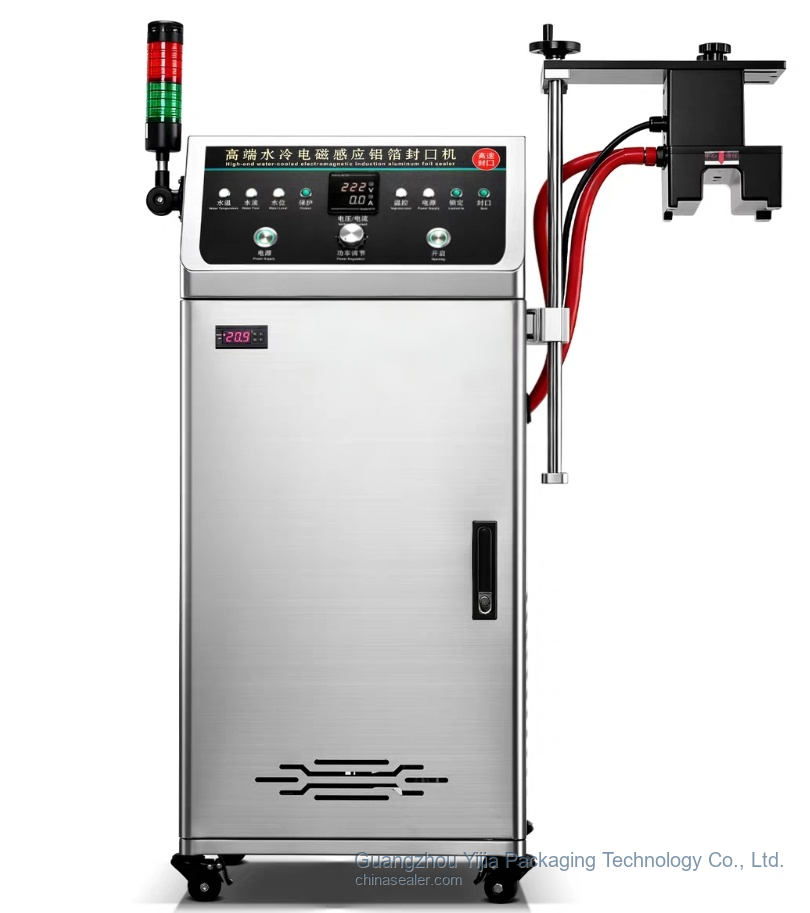 Induction Aluminum Foil Sealing Machine
Sample and container confirmation; Can-mouth size, flatness, and the film heat-seal layer affect sealing performance and tooling fit; can sample, film sample and lid sample
Sample details
Photos and dimensions can first determine container positioning, mold direction, and whether sample testing is needed.
Can photos and key dimensions, including mouth diameter, height, and rim width, help judge tooling and sealing method.Photos and dimensions can first determine container positioning, mold direction, and whether sample testing is needed.
Sealing film samples or specifications, including material, thickness, and heat-seal layer, affect sealing parameters and final results.The lid structure determines the capping method (press, screw, or place) and whether inline integration is needed.
Cap samples, such as inner caps, outer caps, or snap-fit caps, confirm pressing structure and fit.Capacity target determines single machine, semi-automatic, or continuous inline configuration, and also affects the quotation range.
Target output, such as cans per hour or per day, determines equipment configuration and line needs.Site conditions affect electrical control, pneumatics, conveyor length, and safety protection configuration.
On-site space or downstream requirements, such as line connection, labeling, or coding, help plan the layout.Photos and dimensions can first determine container positioning, mold direction, and whether sample testing is needed.
Even if information is incomplete, you can first send existing photos and dimensions. We will determine the route first and then supplement the checklist.Common selection mistakes
Common questions
Yes. First send photos of the can, approximate dimensions, and target capacity. We'll assess the sealing route and then list the samples needed.
We need can samples or dimensions, sealing film samples, lid samples, target capacity, and site requirements. Incomplete info is okay for initial discussion.
Output determines whether the equipment is a stand-alone machine, semi-automatic, or a line. High-speed continuous production typically requires an automatic feeding, sealing, and capping line.
Different film materials have different heat sealing temperatures, pressures, and times; sample testing is necessary to determine the appropriate parameters and sealing effect.
Sealing effectiveness must be confirmed through sample, film, and parameter testing, including seal strength, moisture resistance, and leak checks.
If there is filling upstream and labeling or inspection downstream, and capacity is high, consider an inline solution. For small batches, standalone machines can be used first.