Solution topic
Sandwich Box Sealing Routes: Conventional Heat Sealing, Modified Atmosphere, and Pouch Packaging Boundaries
Compare conventional heat sealing, modified atmosphere fresh-keeping sealing, and pouch sealing for sandwich trays, and explain the configuration relationship among tray/film sampl
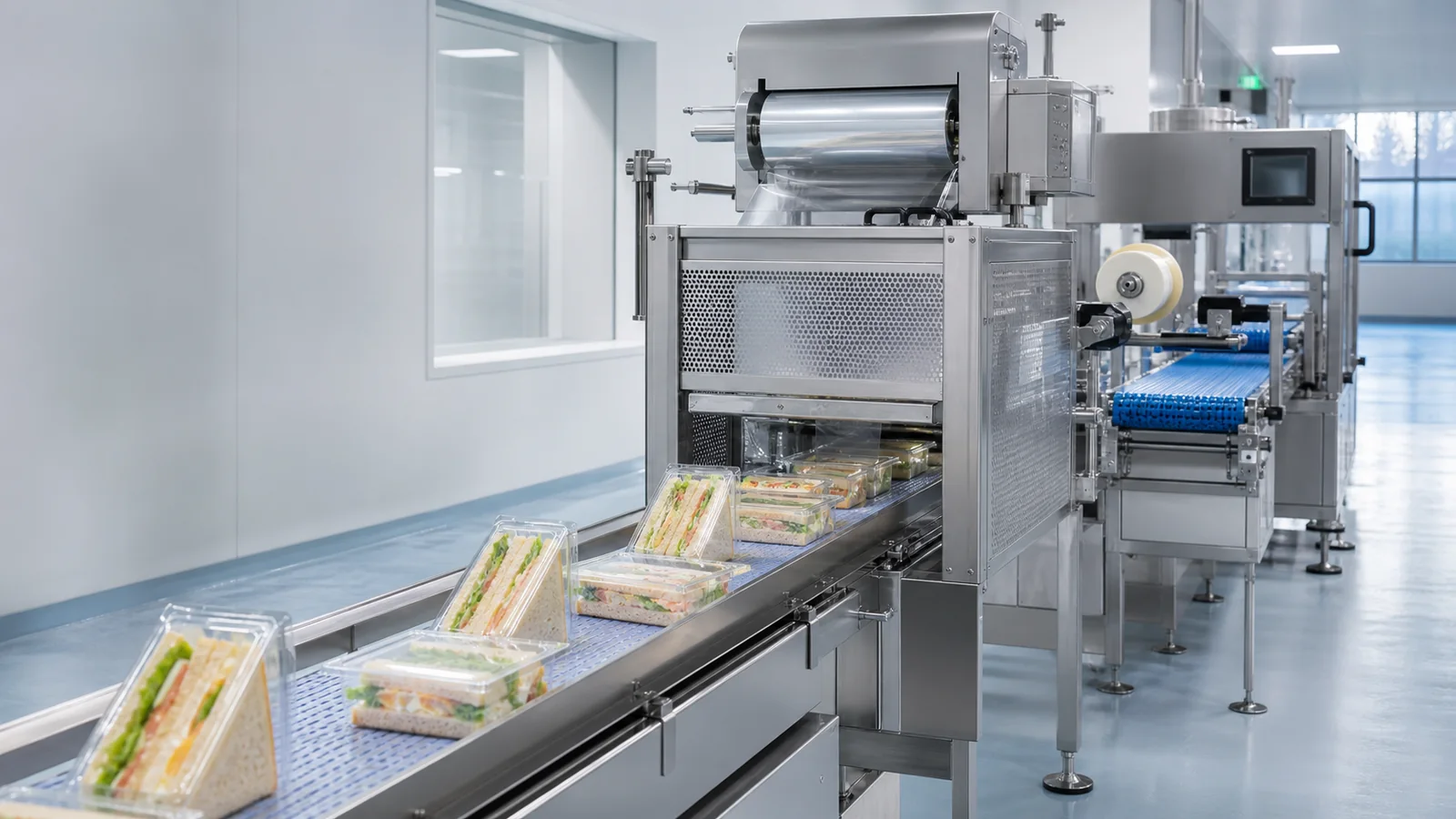
- The tray rim and film material determine conventional heat sealing; whether gas displacement is needed determines the modified atmosphere equipment; switching to pouch packaging is another packaging route. The date position needs to align with the finished product display surface, and the shelf life boundary must be confirmed through product and packaging...
Solution summary prepared for you
- For standard heat sealing of sandwich trays, it is suitable to first verify with actual tray and film. Equipment options include a tabletop multi-compartment meal box sealing machine or a hand press cup/tray sealing machine.
- Only choose a tray-type modified atmosphere sealing machine when the project clearly requires gas flushing and food process confirmation is completed. Continuous orders can be evaluated for a chain-type tray sealing line.
- Bag packaging is a different sales packaging from trays. A continuous bag sealing machine can be used, with date batch coding configured in a visible position on the finished product.
Route comparison
- Suitable for standard tray film sealing without gas flushing, where prototyping or small batch production is needed.
- Hand press or tabletop structure is convenient for prototyping with actual tray and film. Multi-specification projects can configure molds separately and retain manual inspection.
- Manual loading and removal pace affects output. Tray-film compatibility, rim cleanliness, and finished seal must be verified for each type.
- When the project clearly requires gas flushing, or order pace requires continuous automatic tray feeding, evaluate the corresponding modified atmosphere or continuous tray equipment.
- Choose a hand press cup/tray sealing machine or a tabletop multi-compartment meal box sealing machine, and configure sealing molds according to the tray rim and film material.
- Suitable for trays with confirmed gas flushing requirements, or standard tray projects with stable tray types and orders that need continuous conveying and sealing.
- A tray-type modified atmosphere sealing machine can combine gas flushing and film sealing in the same process section. A continuous tray line is used for stable tray flow and continuous sealing.
- Modified atmosphere projects require clarification of gas, tray-film barrier, and inspection methods. Continuous lines still need to verify loading pace, mold changeover, and on-site interfaces.
- When preservation process is not yet validated, order pace is unstable, or tray types change frequently, complete samples and small batch trials before deciding on continuous configuration.
- When a modified atmosphere process is present, configure a tray-type modified atmosphere sealing machine. For standard processes with confirmed continuous orders, evaluate a chain-type cup/tray continuous sealing line.
- Suitable when the sales format is confirmed as pre-made bags and the finished product can be bagged and continuously heat-sealed without damaging appearance.
- A continuous bag sealing machine can directly handle heat-sealable bags already containing sandwiches. The packaging display and carrying form differ from trays.
- Sandwich shape may press against the bag mouth. Bag material heat seal layer, bagging clearance, appearance protection, and date adhesion all require sample confirmation.
- When the product relies on tray support or needs transparent film to fully display the tray layout, bag packaging may not meet the sales packaging goal.
- When switching to bag packaging, configure a continuous bag sealing machine, and use a date batch coding machine after sealing according to the layout. Food-grade conveying lines can be checked based on bag posture.
Associated Equipment / Consumables
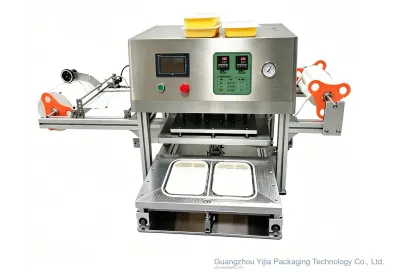 Tabletop Multi-Compartment Meal Tray Sealer
Desktop Multi-Compartment Lunch Box Sealer: Check loading height and sealing clearance; If the rim material or supply batch of the same tray shape changes, the sealing sample must be re-verified; Sandwich finished pro...
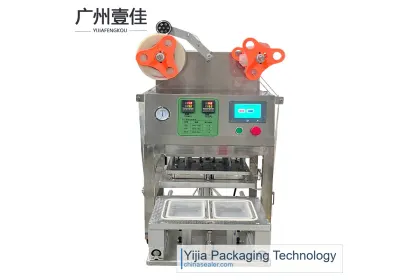 Benchtop Roll-Film Tray Sealing Machine
Confirm tray-film and content boundaries; Photos can be used for initial route screening, but mold fit, heat seal compatibility, and finished product handling still require sam...
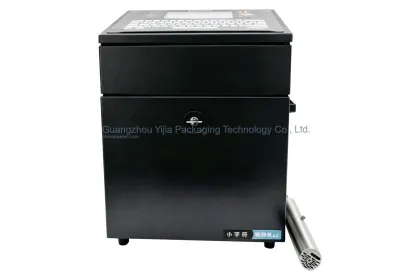 Date & Batch Inkjet Printer
Post-sealing date marking; The current combination does not include an automatic labeling machine. If labels are needed, the labeling surface and separate configuration scope should be cla...
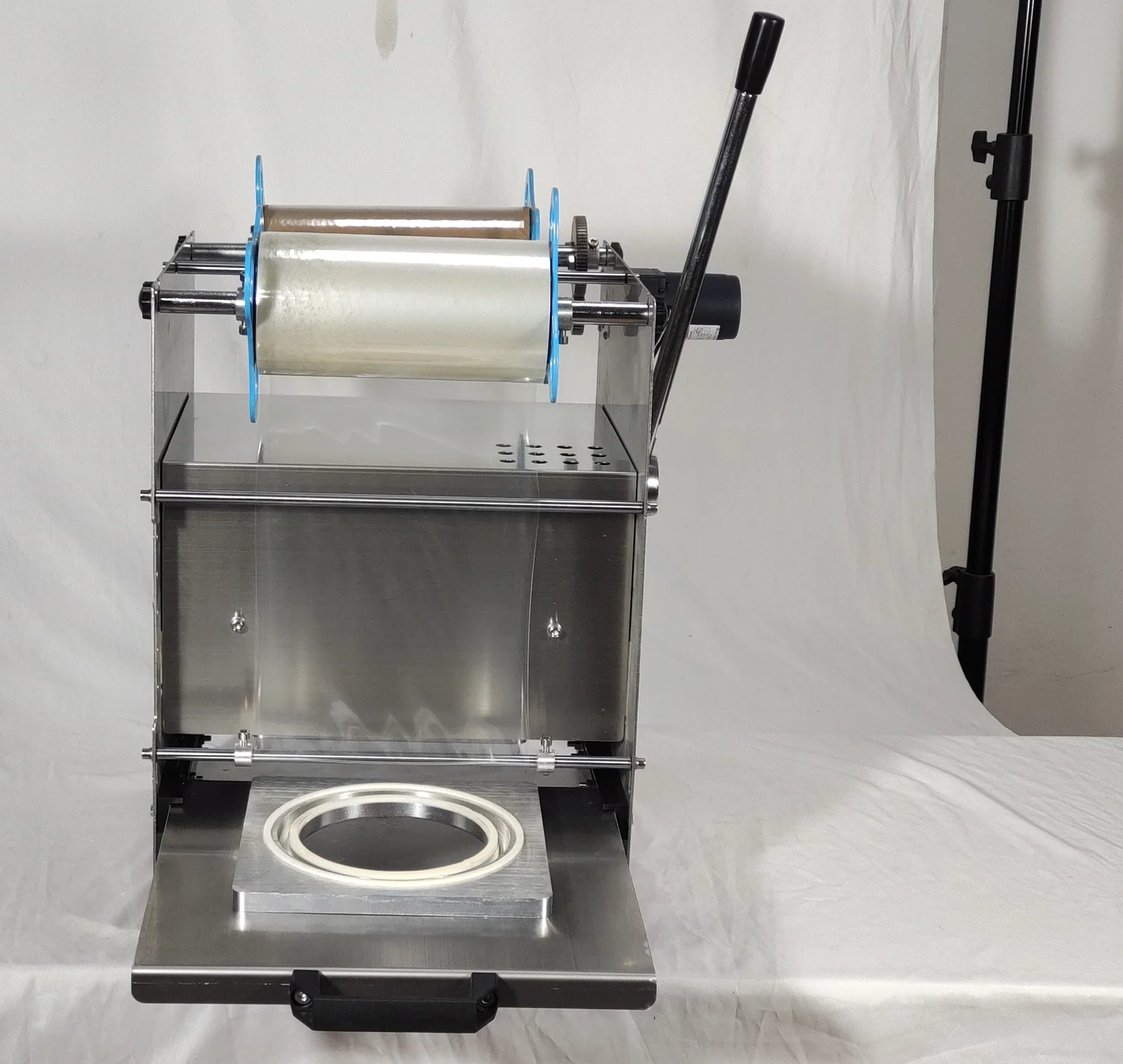 Manual Cup and Tray Sealing Machine
Check loading height and sealing clearance; If the rim material or supply batch of the same tray shape changes, the sealing sample must be re-verified; Sandwich finished product an...
Core process
Send the tray with actual sandwich, sealing film, and finished packaging sample together for inspection to confirm the rim, clearance, and display surface.
For ordinary sealing film, choose a tabletop multi-compartment meal box sealing machine or a hand press cup/tray sealing machine. Only evaluate modified atmosphere equipment when gas flushing is truly required.
Once orders and tray flow are stable, a continuous tray line can be used for sealing. If packaging changes to bags, switch to a continuous bag sealing machine.
Determine the date and batch code position on the finished sealing sample, then integrate coding and necessary collection conveying based on the packaging posture.
Observe sandwich height, sauce flow, and ingredient looseness to confirm that contents will not push the film or enter the tray edge during sealing.
Establish sample standards separately for standard heat sealing, modified atmosphere, and bag packaging. Shelf life is confirmed by product, packaging material, and storage/transport tests, not by the sealing equipment alone.
Sample details
The tray rim and loading height determine the mold contact surface and upper mold clearance, so a finished sample with contents is needed for inspection.
Actual tray sample, length, width, height, number of compartments, rim cross-section, and photos of the loaded trayThe heat seal layer, thickness, and supply form of the film affect temperature, dwell time, and the machine's feeding structure.
Production sealing film, material structure, roll film direction, or pre-cut film dimensionsStandard heat sealing and modified atmosphere correspond to different process scopes. Modified atmosphere also requires clarification of gas and food validation responsibilities.
Sales temperature range, preservation goals, whether gas flushing is required, and the proposed inspection methodConcentrated production periods and manual loading speed reflect the pace the equipment must handle better than a single daily output figure.
Shift arrangement, peak pace, number of tray types, and future continuous line plansThe trigger and adhesion conditions for dates on film surfaces, tray sides, or bag surfaces differ, so a layout drawing should be provided.
Date and batch code content, printing position, package passing posture, and surface materialCommon selection mistakes
It is not enough for the tray and film to be dimensionally compatible. If the heat seal layer and rim material are incompatible, partial non-sealing or film surface damage may still occur.
When sauce, vegetable debris, or breadcrumbs get onto the tray edge, they separate the heat seal layer, and increasing pressure cannot restore clean contact.
Standard heat sealing only completes the tray-film seal. Modified atmosphere also involves gas flushing and corresponding food process validation. The two cannot share the same preservation conclusion.
Different lengths, widths, compartment numbers, and rim profiles usually require corresponding molds. A tray fitting into the machine does not mean it can be pressed correctly.
Bag packaging removes tray support and changes the display surface, bagging action, and sealing area. It is not an additional function of a tray machine after changing the film roll.
View detailed technical notes
Choose the sales packaging first, then the sealing equipment
Sandwiches can be sealed in trays with film or changed to bag packaging. Trays can also use standard heat sealing or modified atmosphere with gas flushing. These three routes use different main machines and packaging materials, so equipment cannot be selected only by product name.
The Process Boundaries of the Three Routes Differ
For conventional tray projects, first verify the heat-sealing compatibility between the tray rim and the film material. For modified atmosphere projects, also determine the gas displacement conditions and packaging acceptance methods. For pouch packaging, re-evaluate the bagging orientation and the heat sealing of the bag mouth. The shelf life must be determined through real product and storage/transport tests.
Conventional Heat Sealing Starts with Small-Batch Tray and Film Samples
For small batches of trays, a hand-operated cup/bowl sealing machine or a tabletop multi-compartment meal tray sealing machine can be used. Test mold fit, rim cleanliness, and film surface condition using tray samples loaded with sandwiches, then assess whether manual loading/unloading meets requirements based on production periods.
Modified Atmosphere and Continuous Sealing Solve Different Problems
When gas displacement is required, use a tray-type modified atmosphere sealing machine, and the customer must confirm the gas scheme, packaging material barrier properties, and product acceptance methods. If there is no modified atmosphere requirement but orders are stable, a chain-plate cup/tray continuous sealing line can be evaluated separately.
Pouch Packaging Is an Independent Packaging Line
After the sales packaging is changed to heat-sealable pre-made pouches, a continuous pouch sealing machine can be used to handle the already-bagged sandwiches. Pouch packaging loses the support of the tray, so appearance protection, bag mouth clearance, and heat-sealing results must be re-verified.
Sample Confirmation Focuses on the Sealing Surface, Not the Tray Name
Tray samples, film samples, and actual sandwiches must be tested as a complete set. In addition to length, width, and height, observe rim flatness, topping height, and surface condition after refrigeration. Sealing with empty trays alone cannot cover the risk of content contamination.
Define Acceptance Separately for Each of the Three Routes
For conventional film sealing, the heat-sealed sample is the core; for modified atmosphere, also check displacement and sealing according to the product process; for pouch packaging, check the posture of the finished product inside the pouch. Establish acceptance samples for each route separately to avoid mixing conclusions.
Date Coding Is Not the Same as Automatic Labeling
The date/batch inkjet coder should work at a position that is visible after sealing and has a stable surface; test the printing medium on the actual film or tray surface. If automatic labeling is required, the labeling equipment and interface should be confirmed separately.
Freshness Results Are Jointly Verified by Product and Packaging
After equipment selection, packaging performance must still be verified under the target temperature range and real storage/transport processes. The sealing machine completes the specified process but cannot alone determine the shelf life of the sandwich.
Common questions
How do I determine the configuration of sandwich packaging equipment?
Configuration depends on the tray or bag format, standard heat sealing or modified atmosphere requirements, specification quantities, and automation scope. A quotation can only be prepared after receiving tray and film samples.
Is daily output enough to determine the machine model?
You cannot decide based only on daily output. You also need to consider production shifts, manual loading pace, number of tray types, and whether gas flushing is required before choosing a hand press, tabletop, or continuous machine.
Can a proposal be made without actual tray and film samples?
We can initially assess the direction based on photos, dimensions, and film material data, but the mold, sealing conditions, and sealing results must be confirmed with actual tray and film samples.
How do we confirm sealing film and coding consumables?
We can help verify sealing film specifications and date coding consumables. Final suitability is still based on the customer's selected tray, film material, and actual surface testing.
What should be checked first when tray sealing leaks?
First check whether the rim is flat and clean, whether the film material is compatible, and whether the mold fits properly. Then perform seal testing according to the agreed method. Do not simply increase the temperature.
Can trays be continuously coded and collected after sealing?
Stable orders can be evaluated for a continuous chain-type tray sealing line with coding integration. Whether tabletop or hand press equipment connects to conveying depends on the manual loading and unloading method.