Solution topic
How to Choose Packaging for Food Pails, Oil Pails, and Large-Diameter Pails? Weigh Filling, Press Capping, and Heat Sealing Route
For pail-packed food, oil products, seasonings, powders and large-volume liquids, do not quote by asking for a filling machine only. First confirm pail volume, mouth structure, product state and weighing accuracy, then choose weighing filling, flow-meter filling, heat sealing, press capping or downstream line integration.
- For pail-packed food, oil products, seasonings, powders and large-volume liquids, do not quote by asking for a filling machine only. First confirm pail volume, mouth structure, product state and weighing accuracy, then choose weighing filling, flow-meter filling, heat sealing, press capping or downstream line integration.
- How to Choose Filling and Sealing for Food Pails, Oil Pails and Wide-Mouth Buckets
Real customer questions
The key question is not only the machine name. For pail and bucket weighing filling sealing, first confirm the real product, container, packaging material, target output and downstream actions so the route can be judged correctly.
First determine the packaging route
For pail-packed food, oil products, seasonings, powders and large-volume liquids, do not quote by asking for a filling machine only. First confirm pail volume, mouth structure, product state and weighing accuracy, then choose weighing filling, flow-meter filling, heat sealing, press capping or downstream line integration.
Weighing filling + heat sealing + lid pressing
Suitable for: Large pails where weight accuracy matters and the product density may change. Advantages: Weigh filling is not affected by density variation and works well for oil, honey, powder or similar pail products. Limits: Output is limited by weighing rhythm and pail handling. Not recommended when: Not the most economical route for low-viscosity liquid with very high output and loose weight tolerance. Equipment direction: Use a weigh filling machine with bucket heat sealer and press capping equipment.
Servo piston filling + induction foil sealing + capping
Suitable for: Medium-viscosity liquid in plastic pails or wide-mouth bottles with foil-lined caps. Advantages: Good dosing control and non-contact induction sealing when the cap liner is suitable. Limits: Requires compatible cap liner, flat mouth and suitable PE, PP or PET container material. Not recommended when: Not suitable when the cap has no foil liner or the mouth material cannot be induction sealed. Equipment direction: Use servo piston filling, water-cooled or air-cooled induction sealing and automatic capping.
Rotor pump sauce filling + heat sealing + lid pressing
Suitable for: Pail-packed products containing particles or high-viscosity sauce. Advantages: Gentle transfer helps protect particles and reduce product damage. Limits: Nozzle, pump and pipe must match particle size and cleaning method. Not recommended when: If the product is thin and particle-free, piston or weigh filling may be simpler. Equipment direction: Use a rotor pump filler with bucket sealer and press capping when needed.
Recommended equipment route: Sample and container confirmation
Pail mouth dimensions, flatness, and film compatibility affect sealing results and tooling design.
Recommended equipment route: Filling
Select the filling method based on product state, such as liquid, sauce, or powder, and the required accuracy.
Recommended Equipment Route: Sealing
Heat-press sealing is suitable for direct aluminum foil film sealing, while induction sealing is suitable for foil liners inside caps. Selection depends on the pail mouth and film material.
Recommended Equipment Route: Cap Pressing or Capping
After sealing, an outer lid needs to be pressed on or screwed on. Confirm sealing performance and transport safety.
Recommended equipment route: conveyor and downstream integration
Checkweighing confirms fill quantity compliance, while coding and labeling provide traceability and brand identification.
Route comparison
- Large pails where weight accuracy matters and the product density may change.
- Weigh filling is not affected by density variation and works well for oil, honey, powder or similar pail products.
- Output is limited by weighing rhythm and pail handling.
- Not the most economical route for low-viscosity liquid with very high output and loose weight tolerance.
- Use a weigh filling machine with bucket heat sealer and press capping equipment.
- Medium-viscosity liquid in plastic pails or wide-mouth bottles with foil-lined caps.
- Good dosing control and non-contact induction sealing when the cap liner is suitable.
- Requires compatible cap liner, flat mouth and suitable PE, PP or PET container material.
- Not suitable when the cap has no foil liner or the mouth material cannot be induction sealed.
- Use servo piston filling, water-cooled or air-cooled induction sealing and automatic capping.
- Pail-packed products containing particles or high-viscosity sauce.
- Gentle transfer helps protect particles and reduce product damage.
- Nozzle, pump and pipe must match particle size and cleaning method.
- If the product is thin and particle-free, piston or weigh filling may be simpler.
- Use a rotor pump filler with bucket sealer and press capping when needed.
Core process
Associated Equipment / Consumables
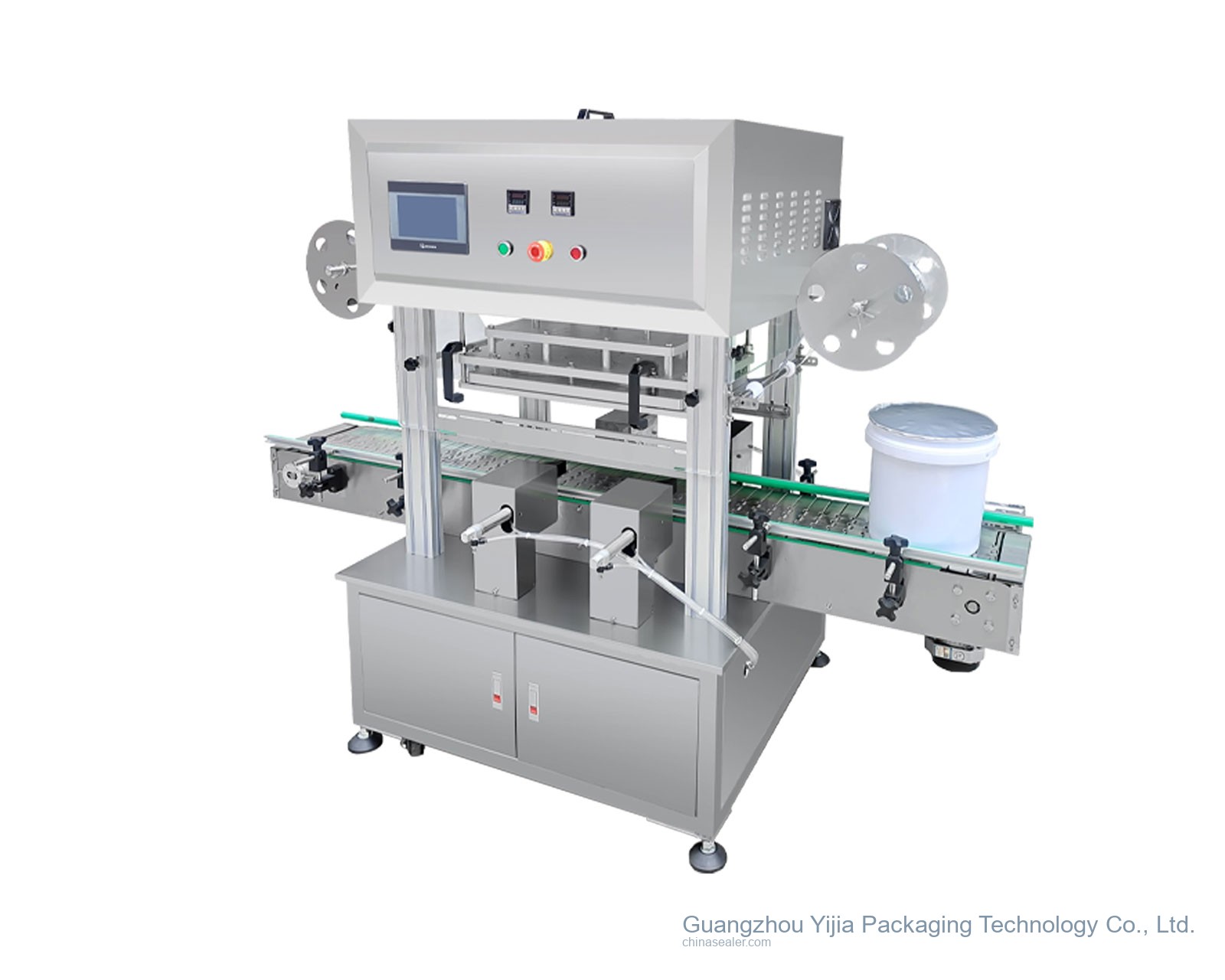 Large-Diameter Pail Heat Seal Sealer
Sample and container confirmation; Pail mouth dimensions, flatness, and film compatibility affect sealing results and tooling design; Product sample
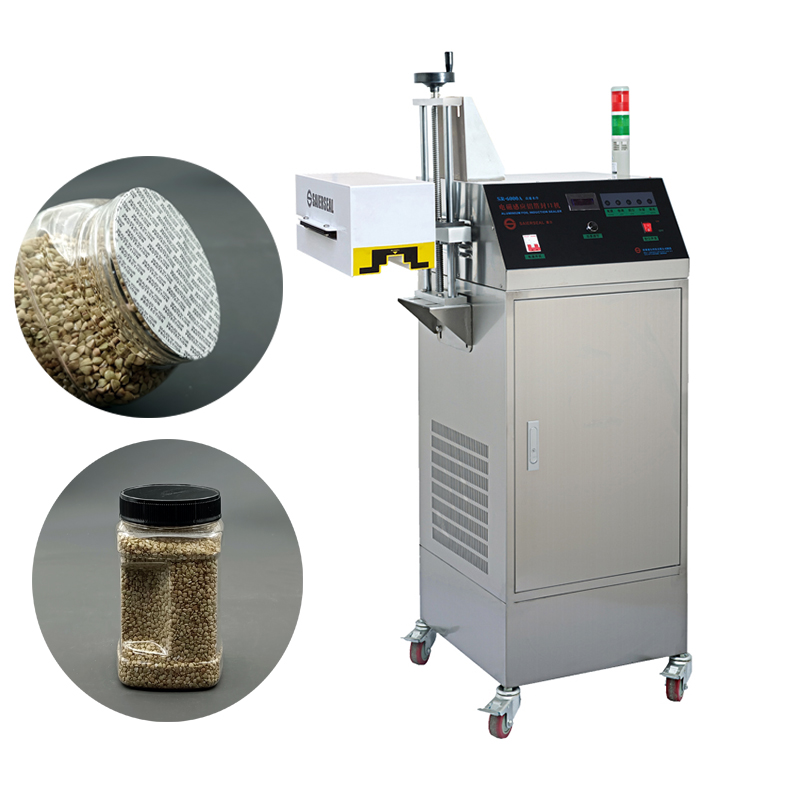 Water-Cooled Induction Aluminum Foil Sealing Machine
Sample and container confirmation; Pail mouth dimensions, flatness, and film compatibility affect sealing results and tooling design; Product sample
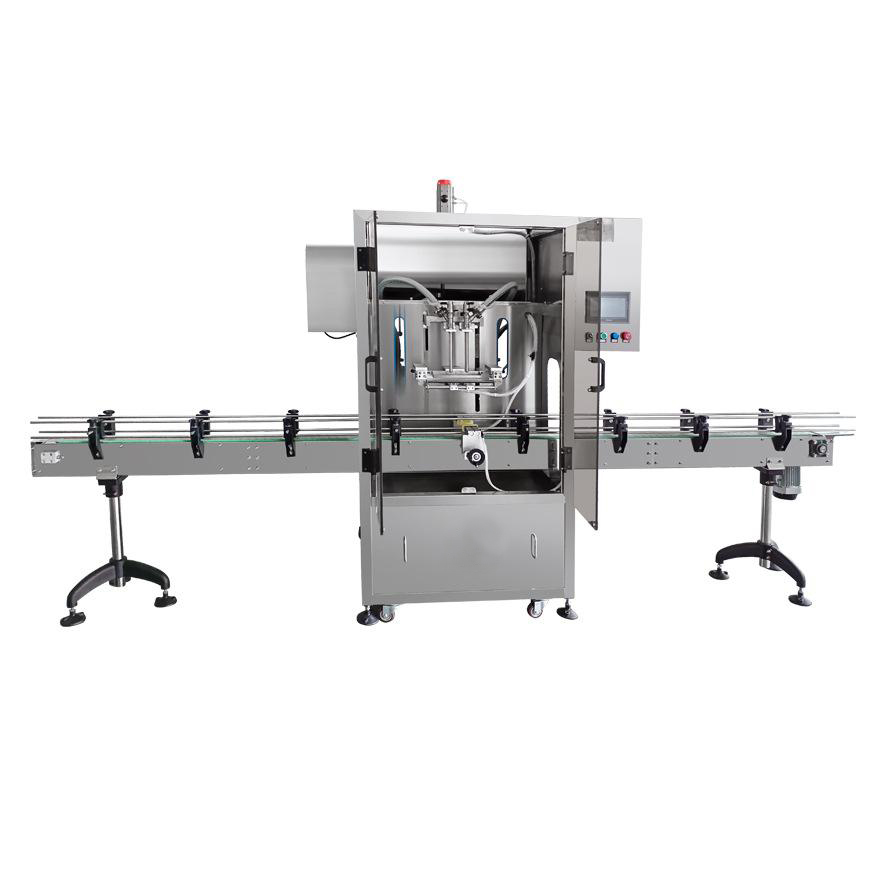 Servo Piston Liquid Filling Machine
Filling; Select the filling method based on product state, such as liquid, sauce, or powder, and the required accuracy; Main machine
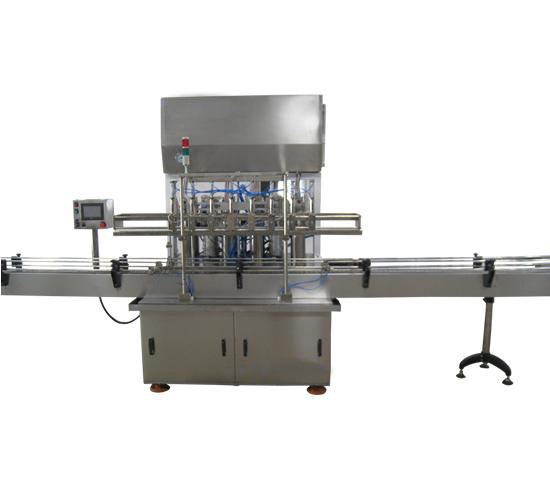 Weighing Drum Filling Machine
Inspection and identification; Checkweighing confirms fill quantity compliance, while coding and labeling provide traceability and brand identification; In-Line Checkweigher, Date/Batch...
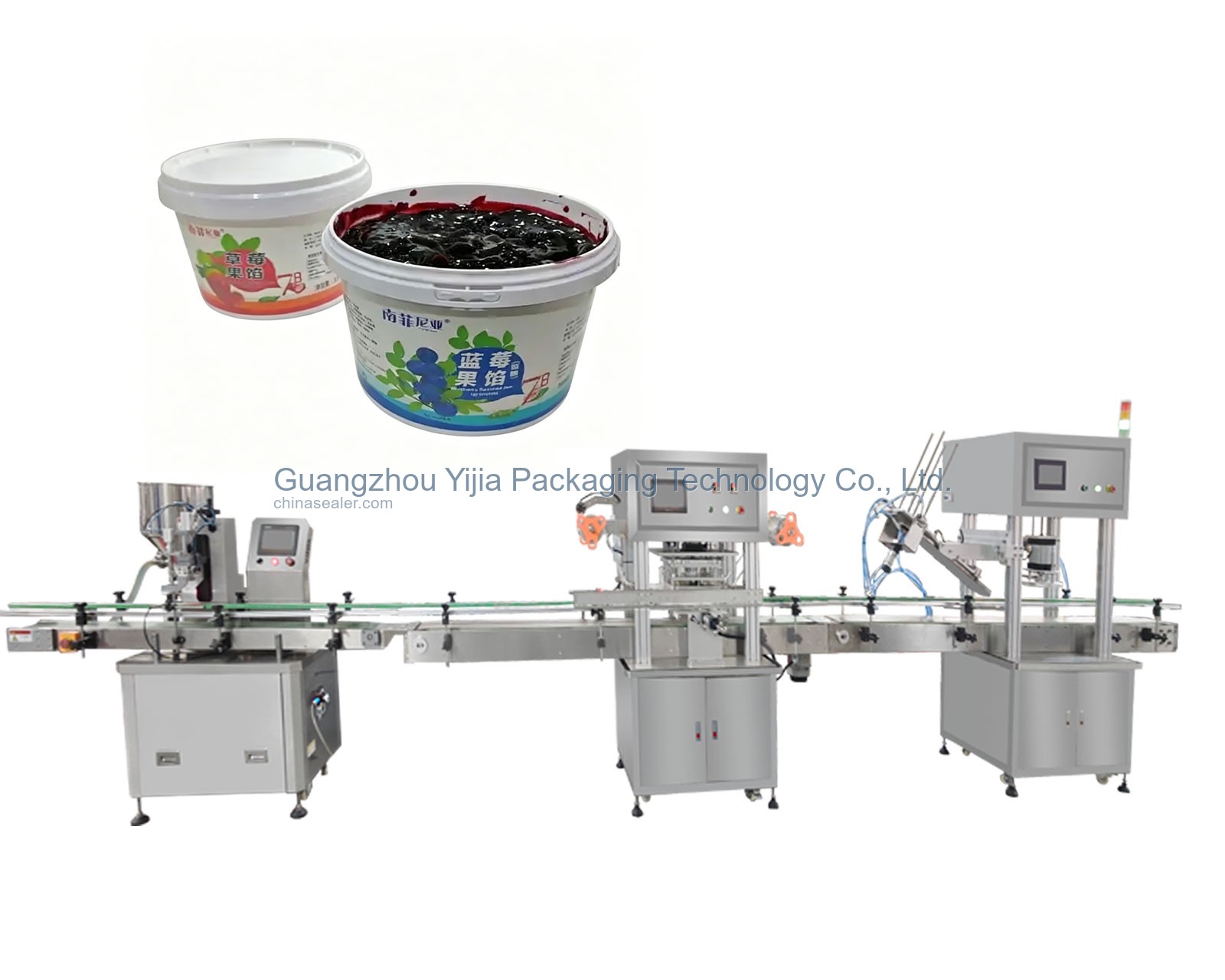 Paper Can / Plastic Pail Aluminum Foil Sealing and Capping Machine
Inspection and identification; Checkweighing confirms fill quantity compliance, while coding and labeling provide traceability and brand identificati...
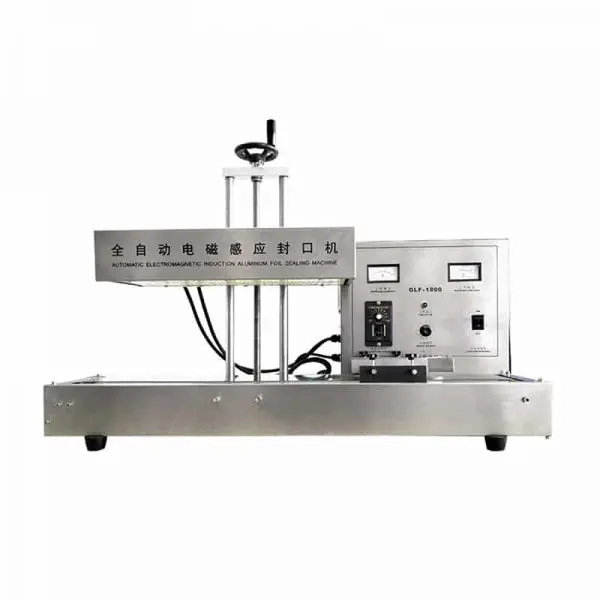 Benchtop Air-Cooled Induction Aluminum Foil Sealer
Sample and container confirmation; Pail mouth dimensions, flatness, and film compatibility affect sealing results and tooling design; Product sample
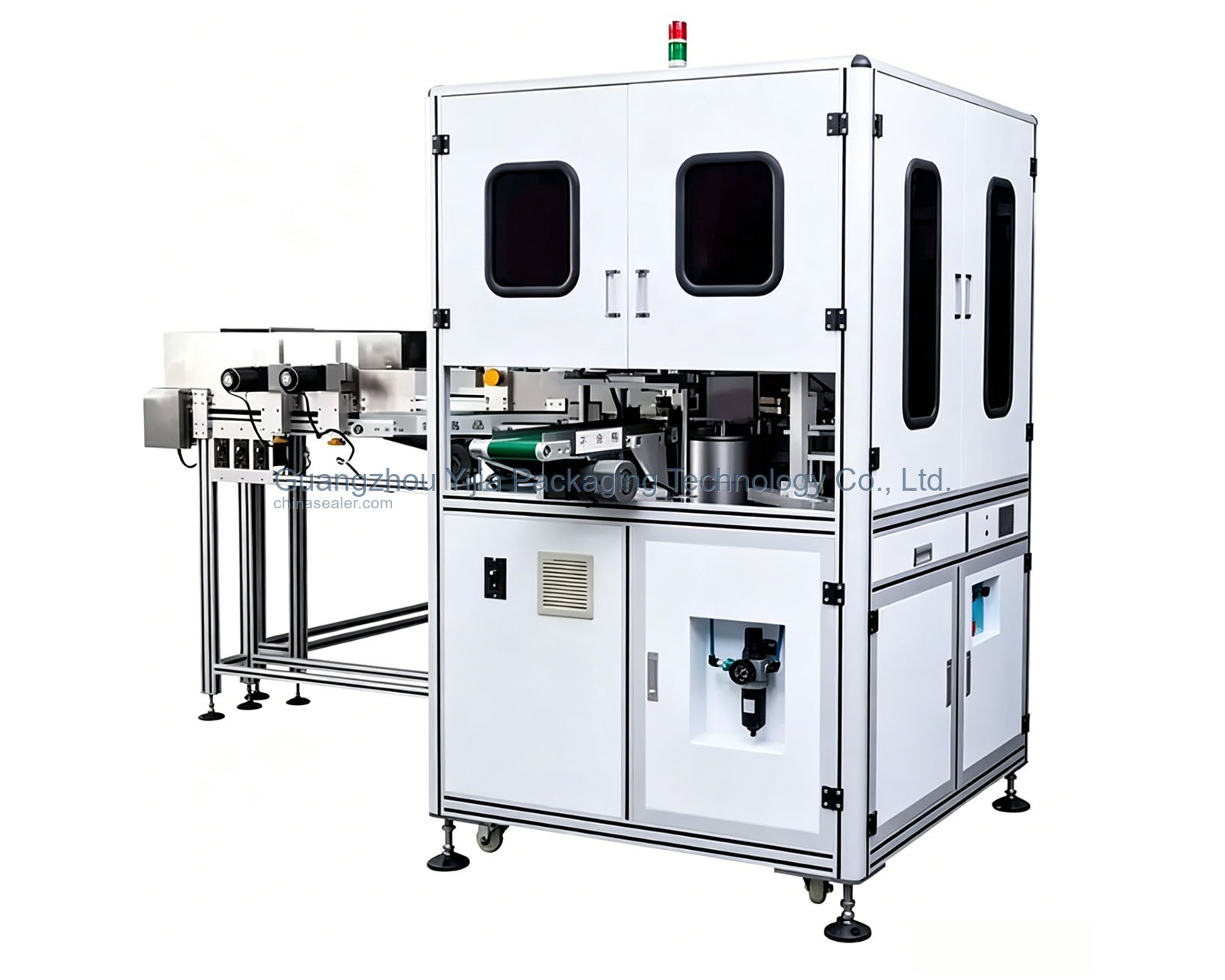 Online Checkweigher and Vision Inspection System
Inspection and identification; Checkweighing confirms fill quantity compliance, while coding and labeling provide traceability and brand identification; In-Line Checkw...
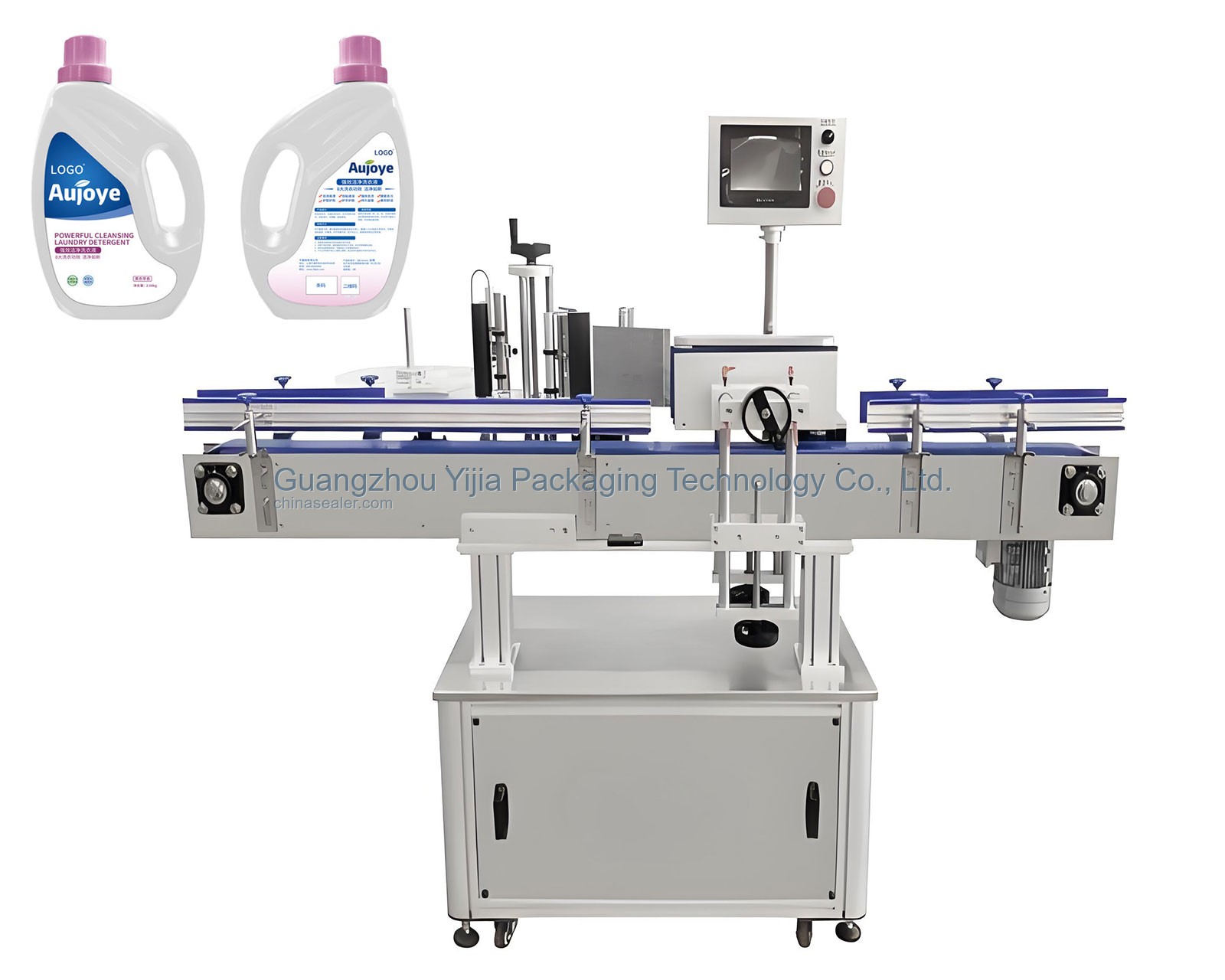 Round & Square Bottle Labeling Machine
Inspection and identification; Checkweighing confirms fill quantity compliance, while coding and labeling provide traceability and brand identification; In-Line Checkweigher, Da...
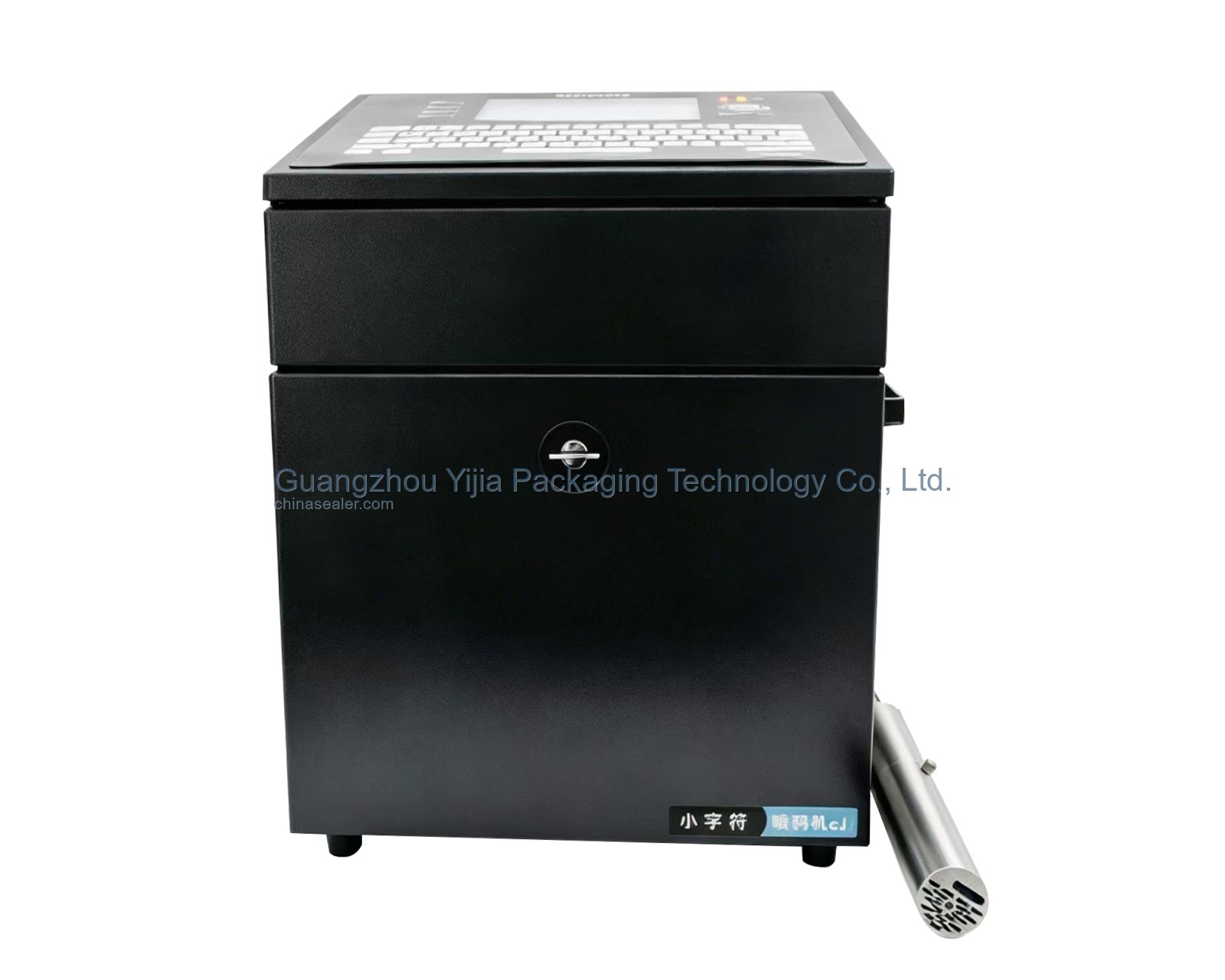 Date & Batch Inkjet Printer
Inspection and identification; Checkweighing confirms fill quantity compliance, while coding and labeling provide traceability and brand identification; In-Line Checkweigher, Date/Batch Co...
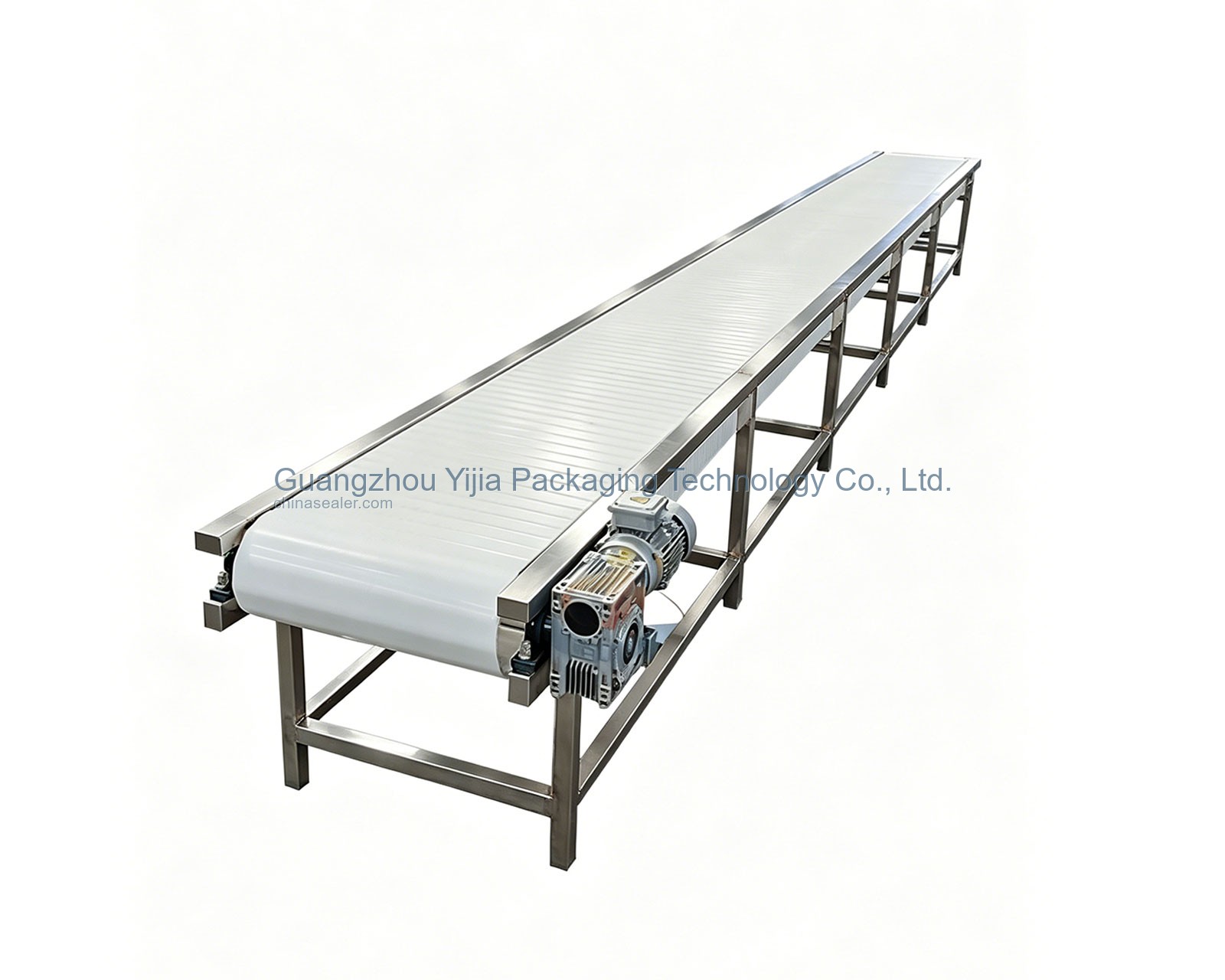 Food-grade conveyor line
Inspection and identification; Checkweighing confirms fill quantity compliance, while coding and labeling provide traceability and brand identification; In-Line Checkweigher, Date/Batch Codin...
Sample details
The lid structure determines the capping method (press, screw, or place) and whether inline integration is needed.
Photos, dimensions, mouth diameter, height, cap or film samples and target output for a first configuration check.The state of the contents affects the filling method, contact materials, anti-drip, and safety configuration.
Material specification, thickness, sealing layer, cap type, label artwork or coding position for compatibility review.The lid structure determines the capping method (press, screw, or place) and whether inline integration is needed.
Downstream process list, target output, site space and manual or automatic loading preference.Capacity target determines single machine, semi-automatic, or continuous inline configuration, and also affects the quotation range.
Hourly output, shift pattern, main SKU list and expected changeover frequency.Site conditions affect electrical control, pneumatics, conveyor length, and safety protection configuration.
Product, container, cap or film samples plus utility information for final test and quotation configuration.Common selection mistakes
Common questions
Yes. Send the photos, rough dimensions, product state and target output you already have. We will judge the first route and list what still needs confirmation.
Samples decide tooling, contact parts, sealing or capping force, filling stability and inspection method. Without samples, the configuration can easily be mismatched.
For this topic, we usually compare Weigh filling plus heat sealing, Piston filling plus induction sealing, Rotor pump sauce pail filling according to package format, product behavior and output target.
Yes. After the main process is confirmed, conveyor, labeler, coder, checkweigher, vision inspection and reject devices can be added by line rhythm.
A full line is suitable when the package is stable, output target is clear, site space is confirmed and changeover range is not too wide.
Send product photos, container or bag samples, key dimensions, cap or film material, target output and any downstream packing requirement.