Solution topic
Large-Diameter Pail Filling, Sealing and Capping Line: Link Weight, Rim and Handling
Configure feeding and gravimetric or volumetric filling by product, dose and full-pail handling, then choose direct lidding, induction lining, press-on or screw capping from the pa
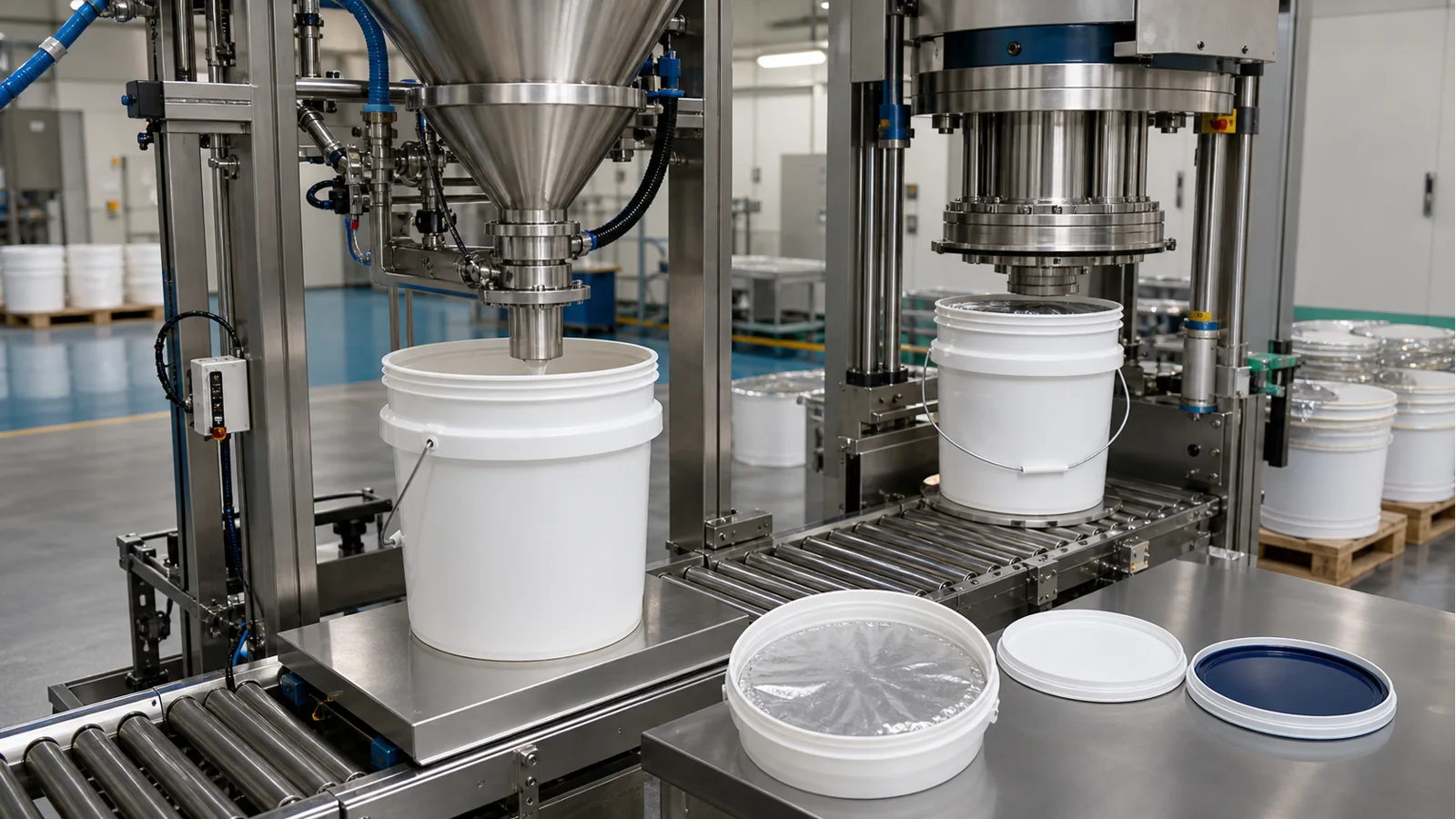
- Choose feeding, dosing and full-pail handling from the product and filled weight, then select heat pressing, induction, press-on or screw capping from the rim, film, liner and outer cap.
Solution summary prepared for you
- Large-diameter pails first complete weighing filling tests, then choose sealing based on pail opening packaging material. Direct membrane placement goes to heat sealing or membrane sealing and cap pressing; if the cap has a liner, instal...
- Full-pail handling is part of equipment selection. Scale platform, conveying, heat sealing, cap pressing, and checkweighing must be verified under actual load; labeling also requires confirming pail body dimensions and posture fall withi...
- Pail photos can be used for initial judgment; final configuration requires empty pail, full pail state, membrane, liner, outer cap, and product for joint sampling.
Route comparison
- After large-diameter pails complete weighing filling, the membrane directly covers the pail opening and optionally an outer cap is pressed.
- Weighing filling, direct heat sealing membrane, and outer cap pressing can be verified in sequence, allowing simultaneous observation of full-pail load and pail opening condition.
- Product weighing performance, pail opening flatness, membrane heat-seal layer, support, and outer cap fit all require actual sample testing.
- When the cap already uses a compatible induction liner, do not configure the structure for direct membrane placement and heat sealing on the pail opening.
- After the weighing-type pail filling machine, configure a large-diameter pail heat sealing machine; when membrane sealing plus outer cap is needed, evaluate the aluminum foil membrane sealing and capping machine.
- Large-diameter pails with threaded caps or compatible caps, where the cap liner can press flat against the pail opening after capping.
- Cap assembly first makes the aluminum foil liner contact the pail opening, then a water-cooled induction device performs inner sealing tests.
- The cap must have a matching aluminum foil composite liner; pail opening cleanliness, cap compression, and full-pail passage conditions must also be stable.
- When there is no cap liner, or packaging uses direct membrane placement on the pail opening, switch to the corresponding heat sealing route.
- After weighing filling, use an automatic screw capper or automatic screw capping and press capping machine to install the cap, then connect a water-cooled induction aluminum foil sealing machine.
- Projects that first require sampling of multiple pail specifications and then gradually add handling and marking stations based on stable orders.
- Sampling at an independent station allows observing weighing, rim, membrane, and cap one by one; after the process is stable, connect full-pail conveying and downstream sections.
- Manual pail transfer and continuous conveying differ in load capacity and rhythm; before upgrading, a full-pail sample must be used for joint commissioning again.
- When full-pail orientation, changeover and exception handling are not yet verified, it is not advisable to fix a multi-station continuous layout first.
- The front section uses a weighing-type pail filling machine and corresponding sealing and cap equipment; when upgrading, add conveying, coding, and inline checkweighing. The round bottle square bottle labeling machine is only evaluated w...
Associated Equipment / Consumables
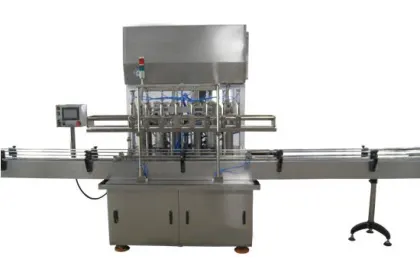 Gravimetric Drum and Pail Filling Machine
The machine controls fast and fine feed from scale feedback and is not the same as volumetric filling. Validate empty and full container, target net weight and tolerance, product flow and foam, supply pressure, fall i...
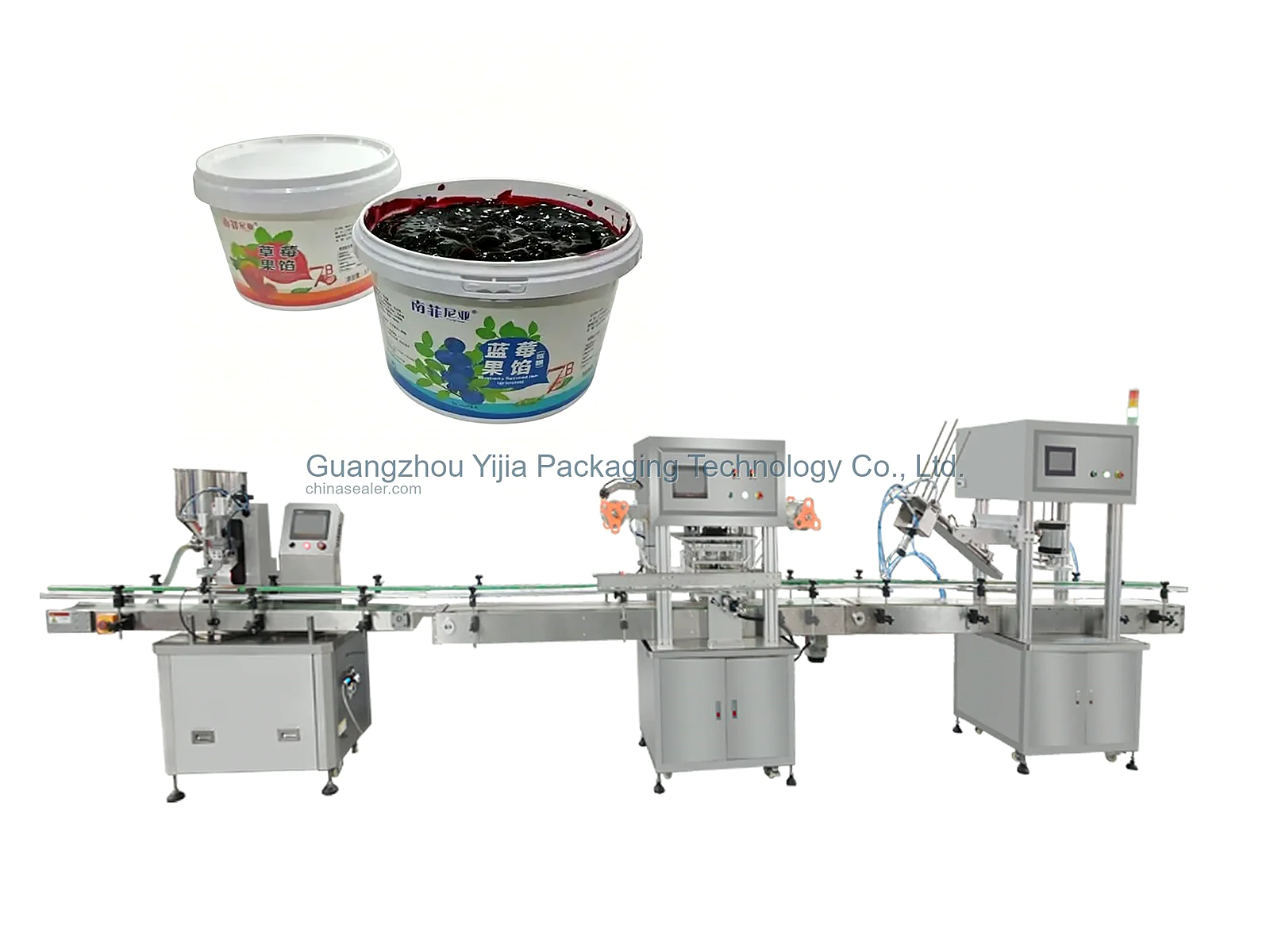 Paper Can and Plastic Pail Foil Heat Sealing and Capping Machine
Pail opening samples and full-pail load; Empty pail sampling is used for initial tooling selection; full pail samples are used to check load, conveying...
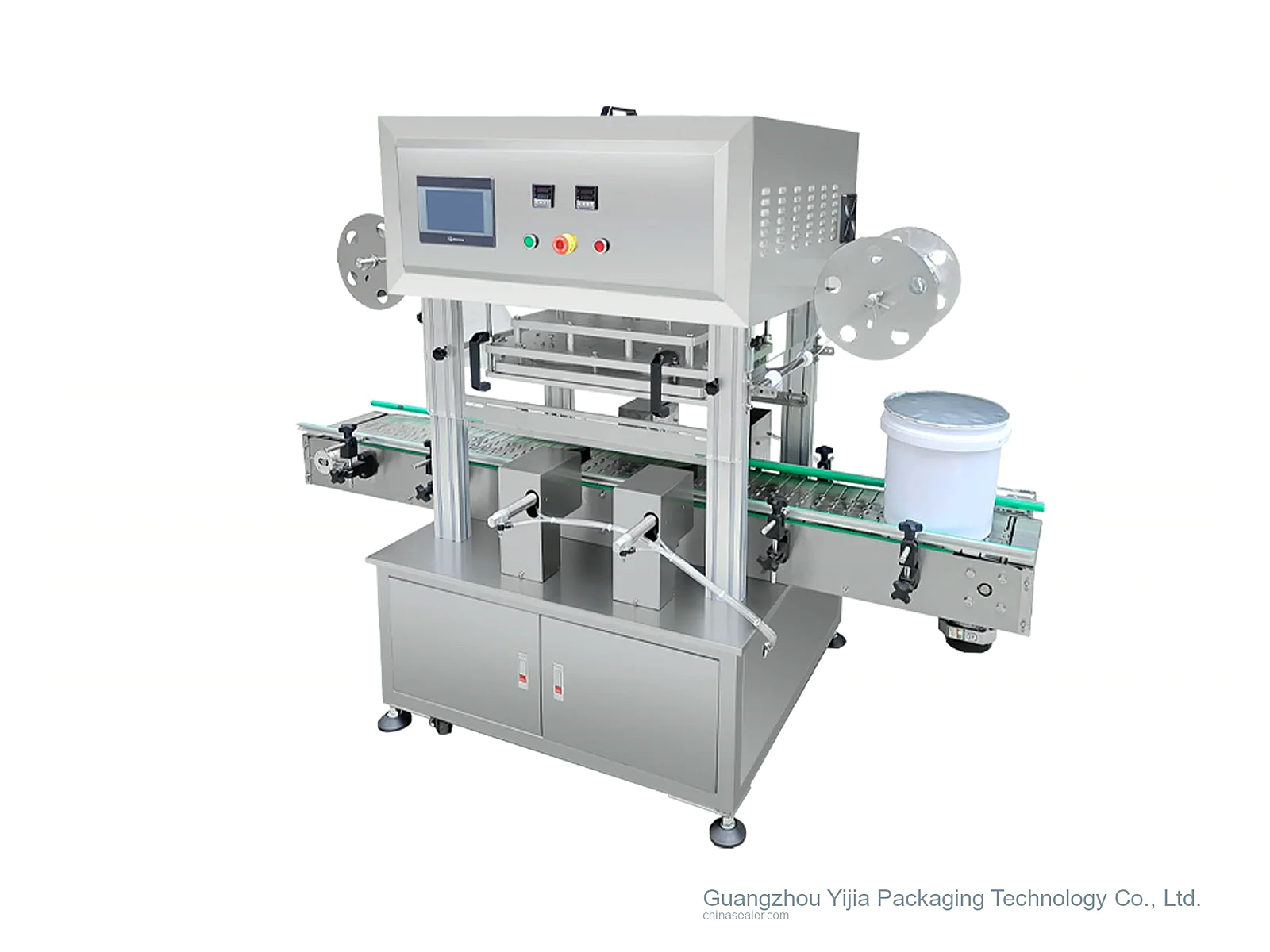 Large-Diameter Pail Heat Seal Sealer
Direct heat sealing and cap pressing; Membrane positioning, pail opening support, heat-seal layer, and outer cap pressing need to be tested as a complete packaging combination; Pa...
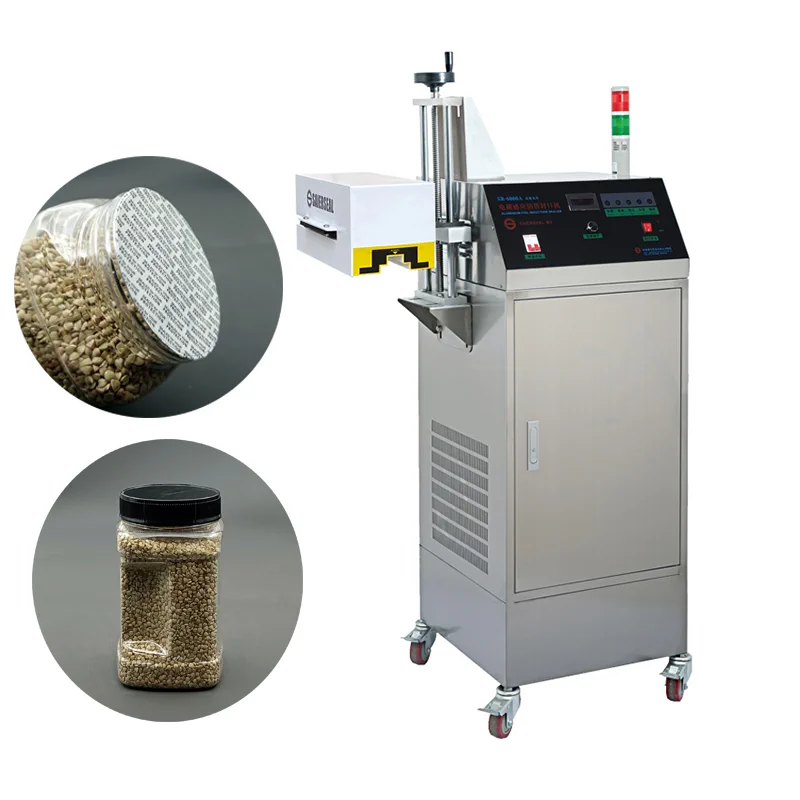 Water-Cooled Inline Induction Cap Sealer
Direct heat sealing and cap pressing; Membrane positioning, pail opening support, heat-seal layer, and outer cap pressing need to be tested as a complete packaging combination...
Core process
Use complete sets of pail body, membrane, liner, and cap samples to verify rim, support position, full-pail center of gravity, and cap assembly method.
Weighing-type pail filling machine performs metering tests based on actual product, target fill weight, and full-pail load conditions.
When placing membrane directly on the pail opening, choose a large-diameter pail heat sealing machine. If an outer cap also needs pressing, evaluate the paper can, plastic pail, aluminum foil membrane sealing and capping machine.
When the cap has a matching aluminum foil liner, first use an automatic screw capper or automatic screw capping and press capping machine to seat the cap, then test inner sealing with a water-cooled induction aluminum foil sealing machine.
After full-pail operation is stable, first verify conveying, coding, and inline checkweighing with actual samples. Only when pail body dimensions and posture fall within the adaptation range of the round bottle square bottle labeling machine, connect labeling to the line.
Large packaging equipment layout must consider full-pail transfer, operator access, changeover, and abnormal pail removal; it cannot be designed only based on empty pail passage dimensions.
Sample details
Pail body dimensions and rim structure are used to determine scale platform load, sealing tooling, cap assembly, and conveying stability.
Submit empty pails and full pails close to production state, and note the diameter, height, bottom, and gripping positionsDirect membrane and cap liner correspond to different sealing routes and must be provided as a complete set with the pail body.
Provide production membranes, caps with liners, or outer caps, and state the expected assembly sequenceThreaded, press-in, or snap structures change cap feeding, screw capping, and press capping actions.
Submit complete cap samples and incoming posture, and state whether automatic cap feeding is neededProduct state affects the weighing filling valve, feeding, dripping, and rim cleaning after filling.
Provide actual product and state viscosity, particles, temperature, settling, and cleaning conditionsLine rhythm should include full-pail transfer, sealing, cap assembly, labeling, coding, and weight recheck.
State production schedule, changeover frequency, downstream stations, and abnormal pail handlingSite verification should cover full-pail turning, buffering, operator access, and equipment maintenance space.
Submit layout sketch, pail entry/exit direction, utility conditions, and available conveying heightCommon selection mistakes
Weighing filling only handles product metering; the direct membrane on the pail opening, cap liner, and outer cap still require separate sealing and assembly equipment.
Pail opening deformation, residual material, or insufficient support can change the fit of direct heat sealing and induction liners; use filled samples for inspection.
Automatic screw cappers handle compatible threaded caps; automatic screw capping and press capping machines verify the tightening or pressing action according to the actual cap type.
Changing pail specifications may involve scale platform positioning, sealing tooling, pail support, cap components, and labeling position; each should be recorded.
High-viscosity, granular, easily settling, or temperature-sensitive products can change feeding and filling conditions; the weighing machine also needs actual product verification.
Conveying, labeling, coding, and inline checkweighing all assume stable full-pail passage; the layout should reserve space for removing abnormal pails and rechecking.
View detailed technical notes
For large packs, first consider weight and handling
Large-diameter pail equipment must be evaluated as one flow that combines weigh filling, pail mouth sealing, cap assembly and full-pail handling. An empty pail passing through does not mean the scale platform, conveying and sealing stations are already adapted to the filled load.
Product, pail mouth, cap type and load together determine the machine choice
The actual product is used to set the weigh-filling conditions, while the pail mouth and the film or gasket determine whether heat sealing or induction sealing is used. The cap structure decides between screw capping and press capping, and the full-pail center of gravity and the site layout determine whether downstream conveying should be connected.
Direct film placement uses heat sealing or film sealing plus press capping
After the weigh-filling pail filling machine completes product metering, a film placed directly on the pail mouth can be sealed with a large-diameter pail heat sealing machine. When an outer cap must be pressed after film sealing, evaluate a paper-can/plastic-pail aluminum foil film sealing and press capping machine, and run a combined pail-film-cap test.
Gasket inside the cap uses induction sealing after capping
When the cap contains a compatible aluminum foil composite gasket, first use an automatic screw capping machine or automatic screw capping and press capping machine to seat the cap, then connect a water-cooled induction foil sealing machine. This route does not use a separate film placed directly on the pail mouth.
Upgrade from independent sampling to a full-pail line
During the sample stage, the weighing, heat sealing, induction sealing and cap assembly stations can be commissioned independently. Once the pail type, product and packaging process are stable, add automatic feeding, conveying, sealing line integration, inkjet coding and inline checkweighing. Labeling equipment must first pass a full-pail adaptation test.
Verify the pail, film, cap and post-filling condition together
Pail mouth dimensions, flatness, film heat-seal layer, gasket and cap must be confirmed as a complete set. Residual product after filling and the full-pail center of gravity must also enter sample testing before tooling, clamping and changeover records can be established.
Weigh filling starts with real-product testing
The weigh-filling pail filling machine is tested with the actual product, target pack weight and full-pail load. The equipment tolerance range and feeding method are confirmed from trial data, not inferred directly from the product category.
Heat sealing main machine is selected according to the outer cap process
The large-diameter pail heat sealing machine handles a film placed directly on the pail mouth, while the aluminum foil film sealing and press capping machine handles the combination of film sealing plus outer cap. Both require checking pail mouth support, film positioning and heat-seal layer compatibility.
Cap type determines whether to screw or press
Threaded caps, press-in caps and inner caps correspond to different assembly actions. The automatic screw capping machine or automatic screw capping and press capping machine is selected according to the cap sample and must be consistent with the process sequence of induction gasket or heat-seal film.
Downstream stations are jointly commissioned under full-pail conditions
The full-pail line can be connected to inkjet coding and inline checkweighing. Round-bottle/square-bottle labeling machines are evaluated only when the pail dimensions and orientation are suitable and a full-pail sample passes.
Common questions
How to confirm the weighing filling configuration for large-diameter pails?
This route uses a weighing-type pail filling machine as the metering main unit. The product, target fill weight, and full-pail load conditions need to be tested together before finalizing the filling configuration.
How to distinguish between direct heat sealing and induction sealing with a cap liner?
Choose heat sealing when the membrane is placed directly on the pail opening; choose induction sealing after screw capping when the cap already has a compatible aluminum foil liner. The packaging material structures of the two are different.
Can the equipment be finalized without complete pail, membrane, and cap samples?
Photos can be used for initial screening, but the pail opening tooling, membrane heat sealing, liner induction, and cap assembly all require a complete set of pail, membrane, and cap samples.
Can one line switch between multiple pail specifications?
It can be evaluated specification by specification. Different pail openings, heights, supports, and cap components may require adjustments to tooling, fixtures, or change parts; the compatibility range is subject to actual sample testing.
What needs to be defined first for the inline checkweighing station?
When the project requires independent rechecking of finished product weight, an inline checkweigher can be installed on the full-pail conveying line, with weight rules, exception handling, and recheck methods defined in advance.
Can direct membrane sealing and outer cap pressing be completed continuously?
The paper can, plastic pail, aluminum foil membrane sealing and capping machine can evaluate membrane sealing and outer cap pressing based on the pail, membrane, and cap combination. If an induction liner is used inside the cap, a different process is adopted.