Solution topic
How to Choose Filling and Cap Pressing for Large-Mouth Pails? Start With Cap Type and Material
For pail-packed food, oil, chemical raw materials, and seasoning projects, do not select by filling machine or sealing machine name alone. First confirm pail capacity, mouth structure, material viscosity, whether particles are present, sealing film, and cap type, then decide between weighing filling, heat-press sealing, induction sealing, capping, or an in-line route.
- For pail-packed food, oil, chemical raw materials, and seasoning projects, do not select by filling machine or sealing machine name alone. First confirm pail capacity, mouth structure, material viscosity, whether particles are present, sealing film, and cap type, then decide between weighing filling, heat-press sealing, induction sealing, capping, or an i...
- How to Choose Filling, Sealing and Cap Pressing for Large-Mouth Pails
Real customer problem
We need to pack sauce in 20-liter plastic pails, including filling, sealing, and capping. How should the equipment be selected?
First determine the packaging route
For pail-packed food, oil, chemical raw materials, and seasoning projects, do not select by filling machine or sealing machine name alone. First confirm pail capacity, mouth structure, material viscosity, whether particles are present, sealing film, and cap type, then decide between weighing filling, heat-press sealing, induction sealing, capping, or an in-line route.
Weighing Filling + Heat-Press Sealing + Cap Pressing Route
Suitable: Large-capacity barrel liquid, sauce, or paste requiring weight-based quantitative filling, with flat barrel rims, using aluminum foil or composite film heat sealing before pressing outer caps. Advantages: Weighing filling tolerance needs to be tested with the product; heat seal effect needs sample confirmation; suitable for products with high leakage prevention and freshness requirements. Limitations: Barrel rim flatness and film compatibility affect sealing; sample testing required. Not recommended: When barrel rims are severely deformed or film cannot be heat sealed, consider induction sealing or direct capping. Equipment direction: We can provide weighing barrel filler, large-diameter barrel heat sealer, and automatic screw capping machine, supporting single machine or line configuration.
Flowmeter Filling + Induction Foil Sealing + Capping Route
Suitable for: Low-viscosity liquids, oils, solvents in pails, with aluminum foil liner inside cap, requiring non-contact induction sealing. Advantages: Fast induction sealing, suitable for continuous production, no contact with product, low hygiene risk. Limitations: Aluminum foil liner must fit tightly with cap; pail mouth material and thickness affect induction effect; testing required. Not recommended: If pail mouth is metal or cap cannot press liner tightly, induction sealing may fail; consider heat sealing. Equipment direction: We can provide liquid filling machines, water-cooled or air-cooled induction cap sealers, automatic capping machines, supporting inline integration.
Semi-automatic Filling + Manual Cap Pressing / Sealing Route
Suitable for: Small-batch, multi-specification pail products, or initial sampling and trial production stages with low capacity requirements. Advantages: Low equipment investment, flexible changeover, suitable for multi-variety small-batch production. Limitations: Manual operation low efficiency, sealing consistency depends on operator experience, not suitable for large-scale continuous production. Not recommended: When orders are stable and capacity exceeds 200 pails/hour, upgrade to fully automatic line solution. Equipment direction: We can provide tabletop or semi-automatic fillers, tabletop heat sealers or induction sealers, and manual capping aids.
Recommended equipment route: Filling
Large-capacity pails often use weighing filling. Tolerance must be tested with samples, and it suits sauces, oils, and similar materials.
Recommended Equipment Route: Sealing (Heat Press or Induction)
Choose by film and lid structure: foil film uses heat-press sealing, while foil liner uses induction sealing.
Recommended equipment route: Press capping
Press the outer lid after sealing to protect the sealing film and support stacking and transport.
Recommended Equipment Route: Downstream Inspection and Marking
Configure weight inspection, production-date coding, and pail-body labeling according to shipment requirements.
Route comparison
- Suitable for large-volume pail liquid, sauce, or paste that requires weight-based filling, with flat pail openings and projects needing aluminum foil or composite film heat sealing before cap pressing.
- The weighing filling error range needs to be tested with the material, and the heat seal integrity needs to be confirmed with samples. Suitable for products with high leakage prevention and freshness preservation requirements.
- Bucket rim flatness and film compatibility affect sealing results and should be tested with samples.
- If the pail mouth is badly deformed or the film cannot be heat sealed, evaluate induction sealing or direct lid pressing first.
- We offer weigh-filling drum fillers, large-diameter drum heat sealers, and automatic capping/crimping machines, configurable as standalone or inline systems.
- Suitable for low-viscosity liquids, oils, solvents in drum packaging. The cap has an aluminum foil liner and requires non-contact induction sealing.
- Induction sealing is fast, suitable for continuous production, and does not contact the material, reducing hygiene risk.
- The foil liner must fit tightly with the cap. Pail-mouth material and thickness affect induction results and must be tested.
- Induction sealing may fail if the pail opening is metal or the cap cannot compress the gasket; consider switching to heat seal method.
- We can provide liquid filling machines, water-cooled or air-cooled induction aluminum foil sealers, and automatic capping machines, supporting online integration.
- Suitable for small-batch or multi-size pail products, or early sampling and trial production where output requirements are not high.
- Low equipment investment and flexible changeover, suitable for multi-variety small-batch production.
- Manual operation is less efficient, and sealing consistency depends on operator experience, so it is not suitable for large-scale continuous production.
- When orders are stable and output demand exceeds 200 pails per hour, upgrade to a fully automatic connected line.
- We can provide benchtop or semi-automatic filling machines, benchtop heat sealers or induction sealers, and manual capping aids.
Core process
Associated Equipment / Consumables
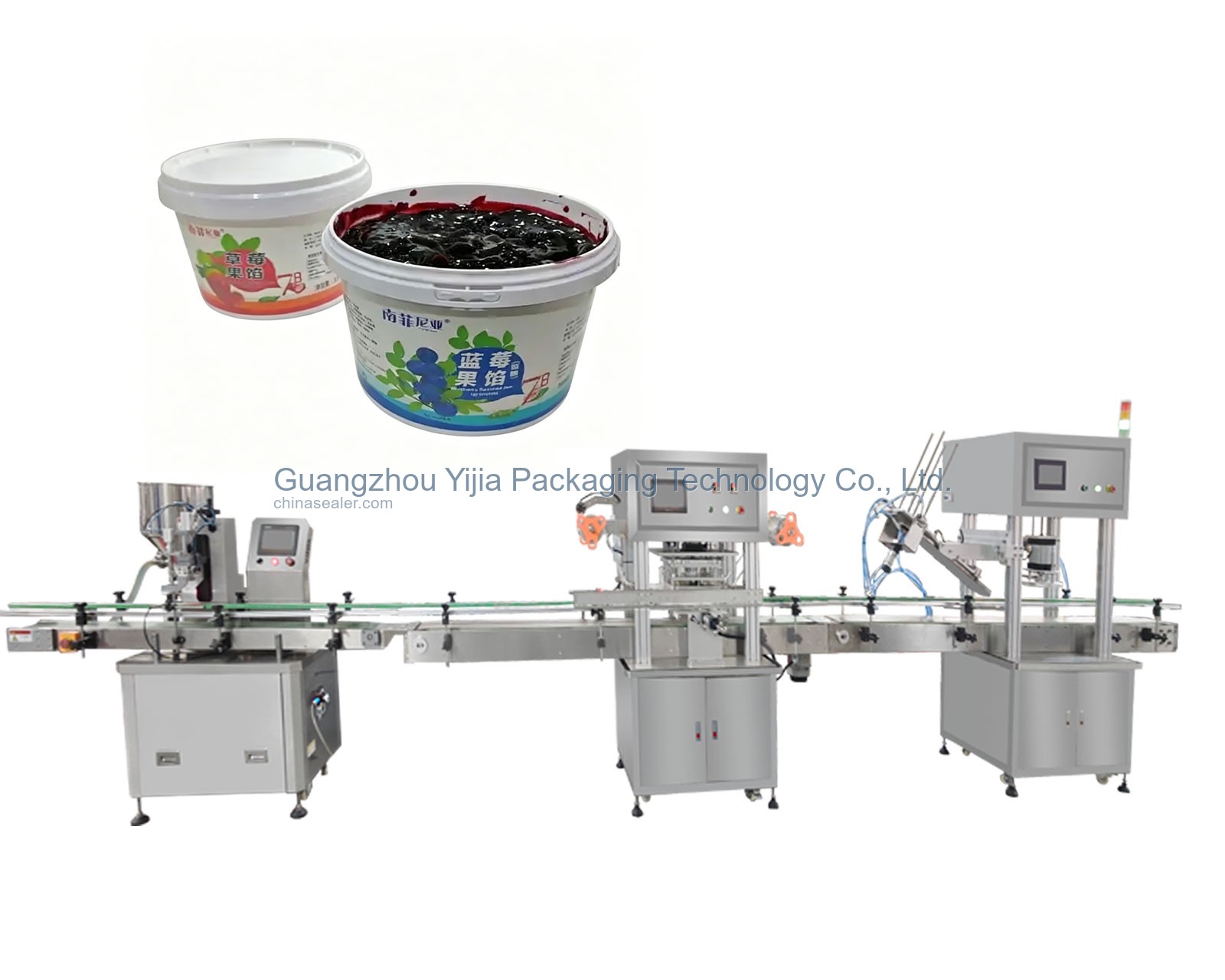 Paper Can / Plastic Pail Aluminum Foil Sealing and Capping Machine
Filling; Large-capacity pails often use weighing filling. Tolerance must be tested with samples, and it suits sauces, oils, and similar materials; We...
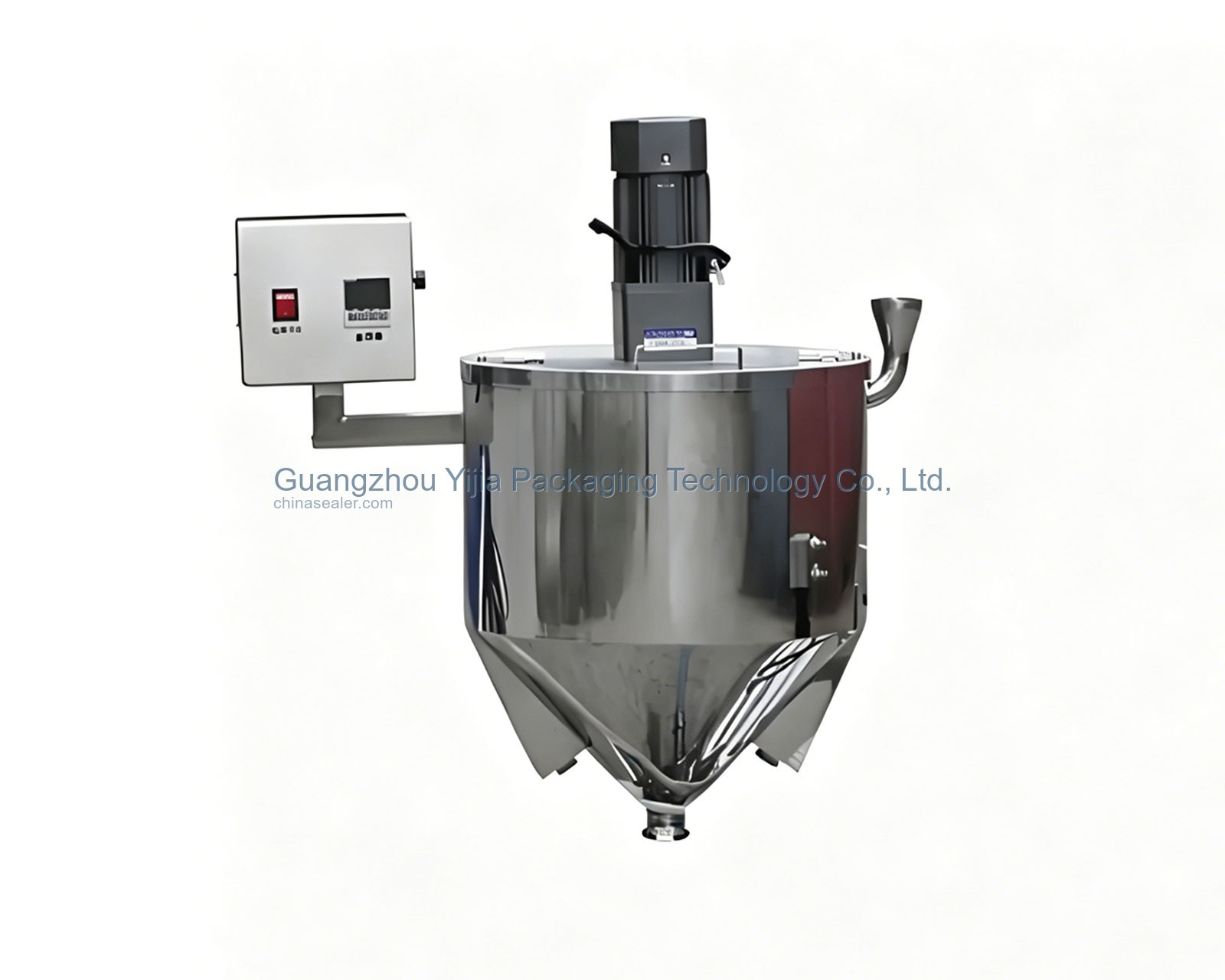 Heated Hopper and Jacketed Tank
Filling; Large-capacity pails often use weighing filling. Tolerance must be tested with samples, and it suits sauces, oils, and similar materials; Weighing-Type Pail Filling Machine
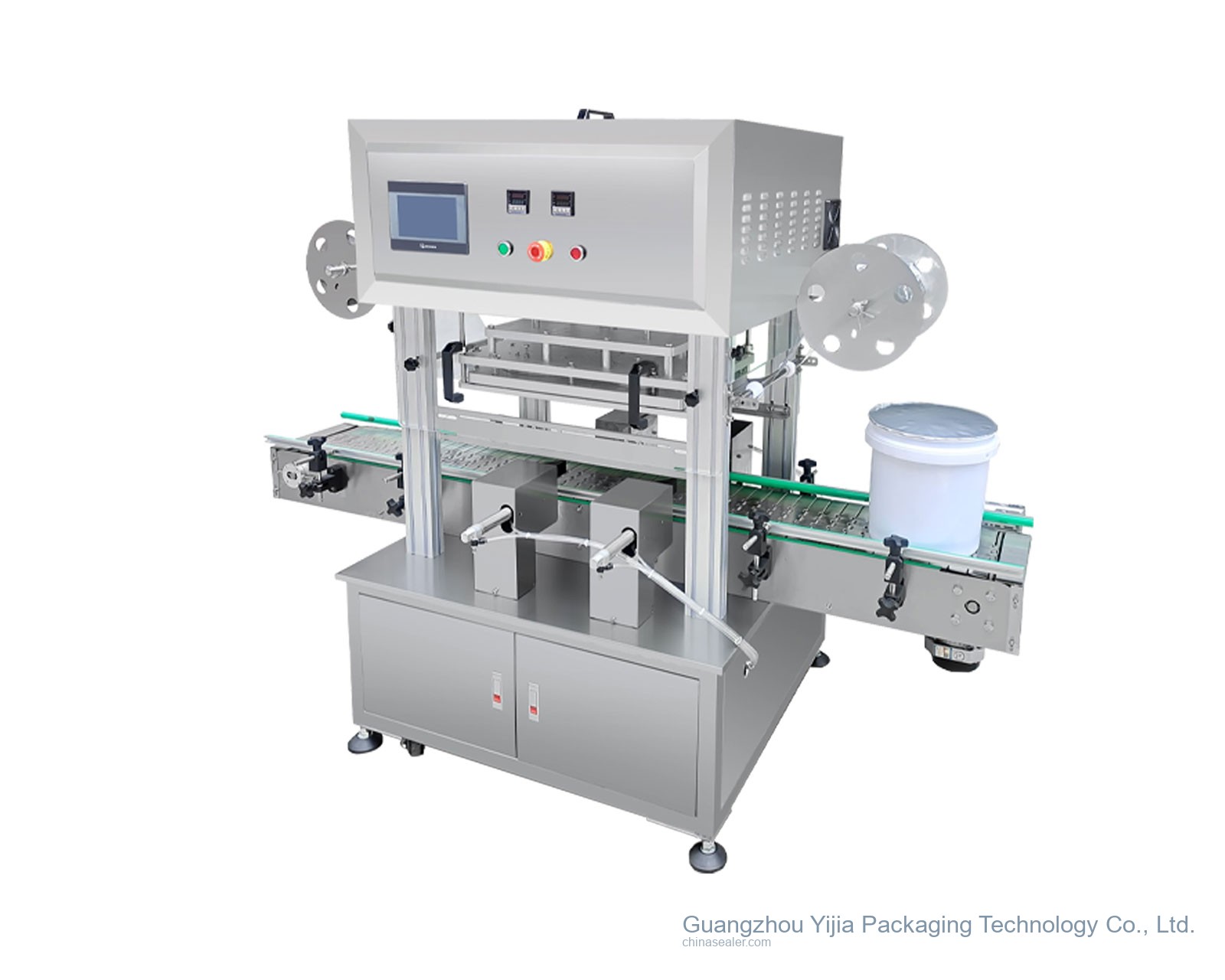 Large-Diameter Pail Heat Seal Sealer
Sealing (Heat Press or Induction); Choose by film and lid structure: foil film uses heat-press sealing, while foil liner uses induction sealing; Large-Mouth Pail Heat-Press Sealer...
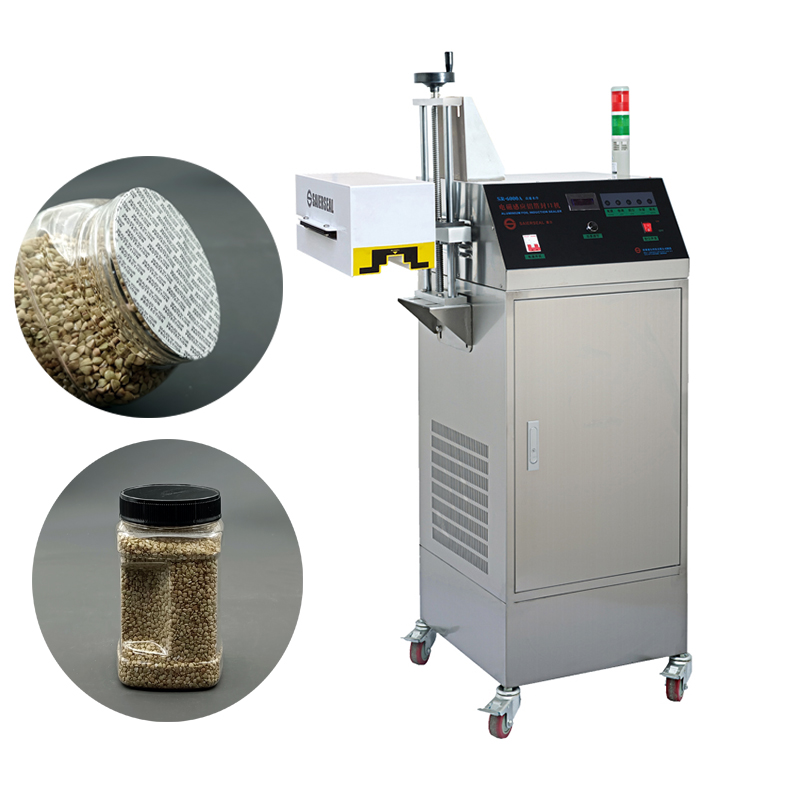 Water-Cooled Induction Aluminum Foil Sealing Machine
Sealing (Heat Press or Induction); Choose by film and lid structure: foil film uses heat-press sealing, while foil liner uses induction sealing; Large-Mouth Pail H...
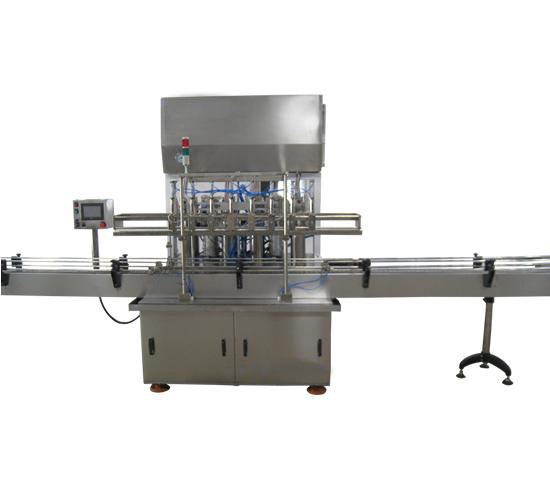 Weighing Drum Filling Machine
Downstream Inspection and Marking; Configure weight inspection, production-date coding, and pail-body labeling according to shipment requirements; In-Line Checkweigher, Date/Batch Coding...
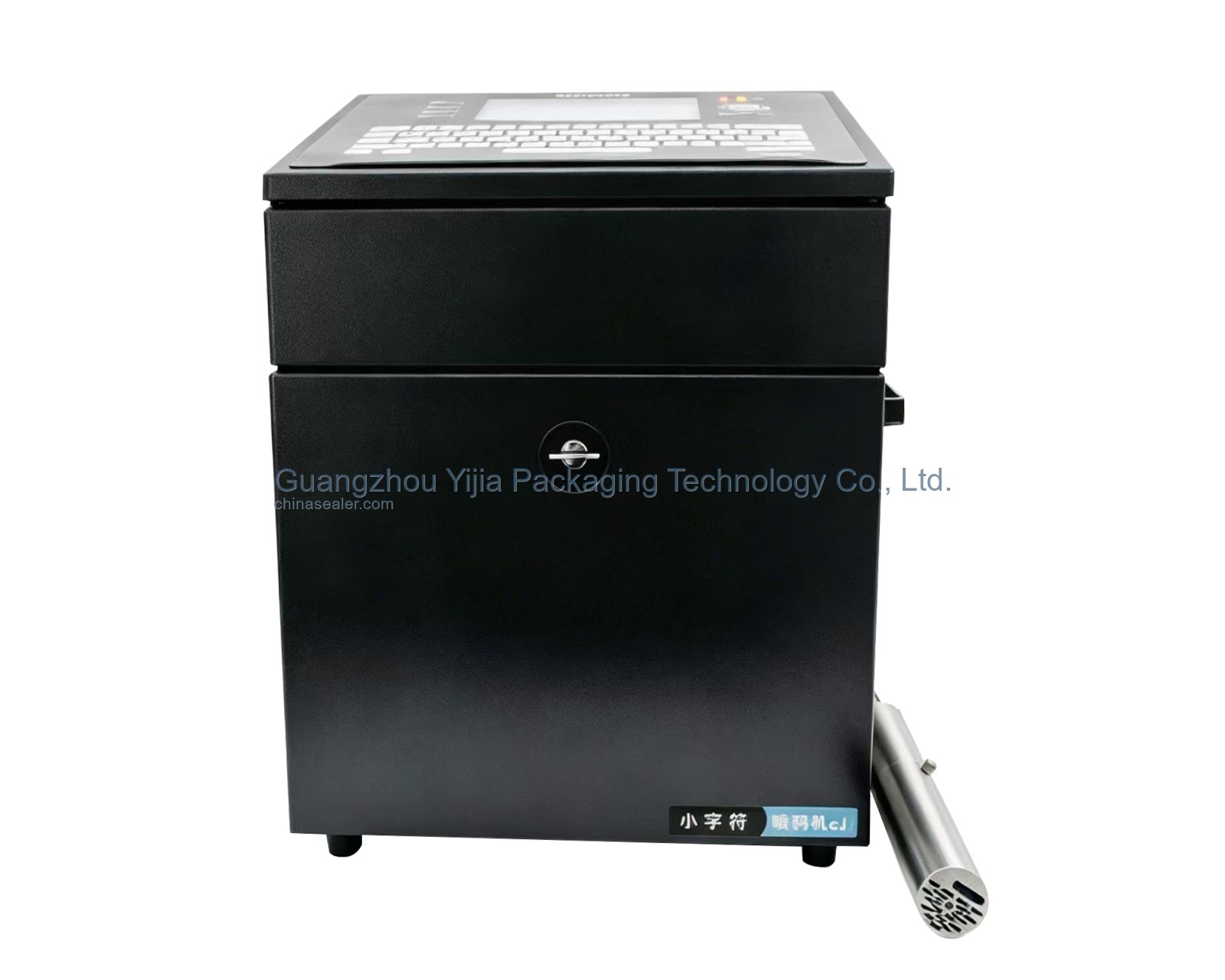 Date & Batch Inkjet Printer
Downstream Inspection and Marking; Configure weight inspection, production-date coding, and pail-body labeling according to shipment requirements; In-Line Checkweigher, Date/Batch Coding M...
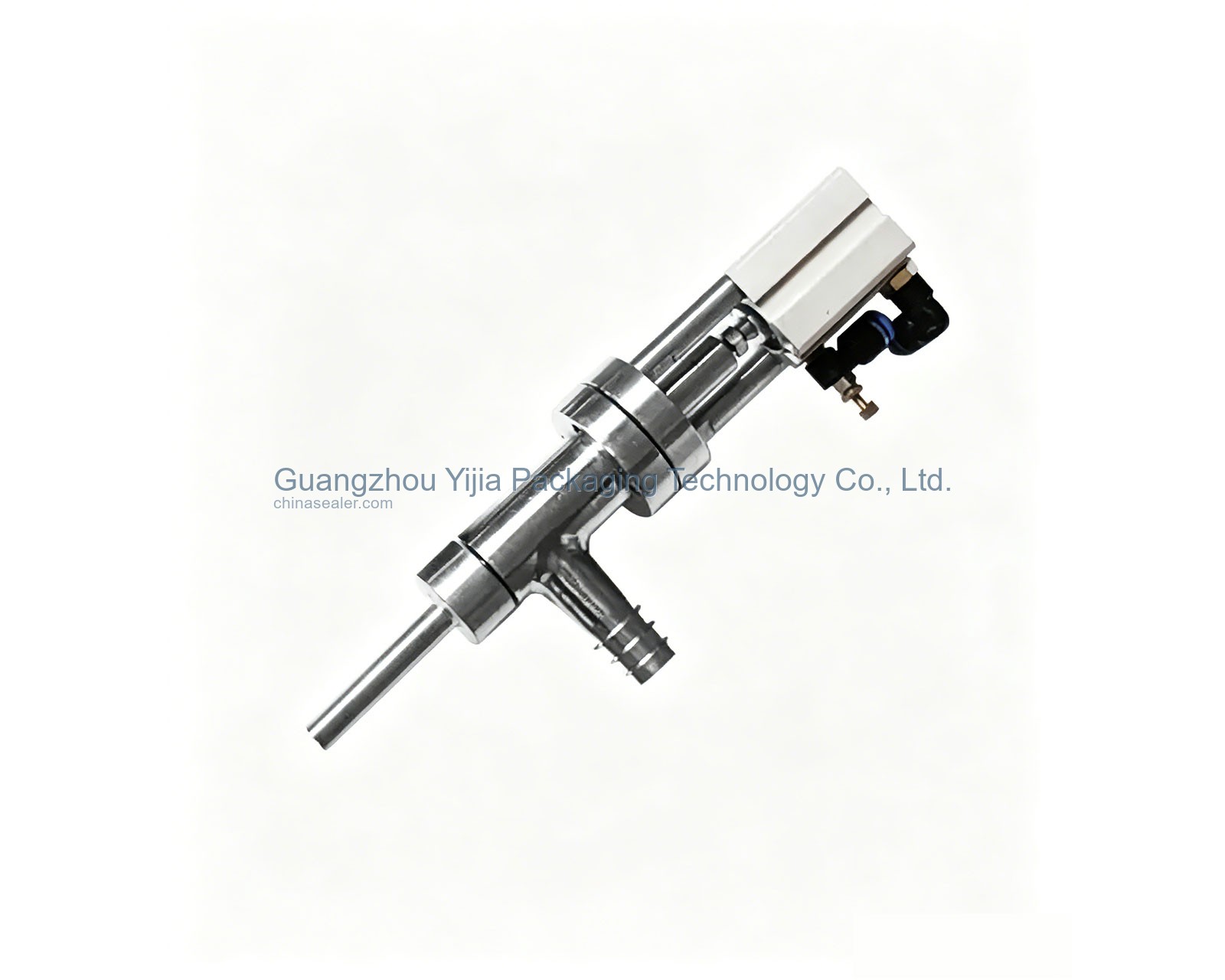 Anti-Drip Anti-Stringing Filling Nozzle Assembly
Filling; Large-capacity pails often use weighing filling. Tolerance must be tested with samples, and it suits sauces, oils, and similar materials; Weighing-Type Pail F...
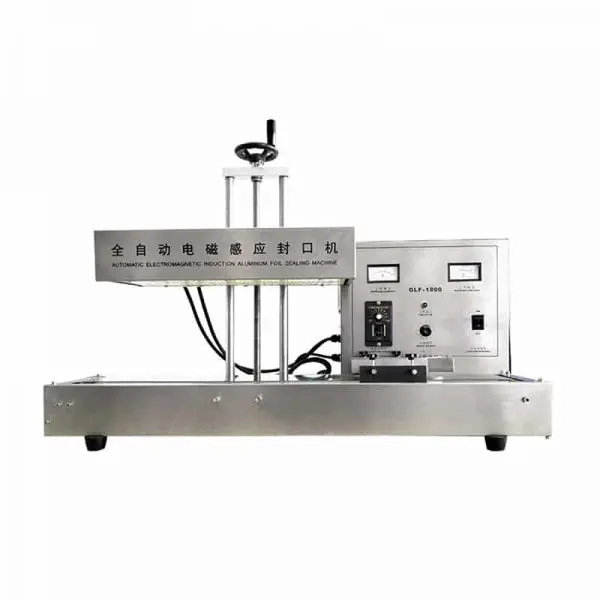 Benchtop Air-Cooled Induction Aluminum Foil Sealer
Sealing (Heat Press or Induction); Choose by film and lid structure: foil film uses heat-press sealing, while foil liner uses induction sealing; Large-Mouth Pail Hea...
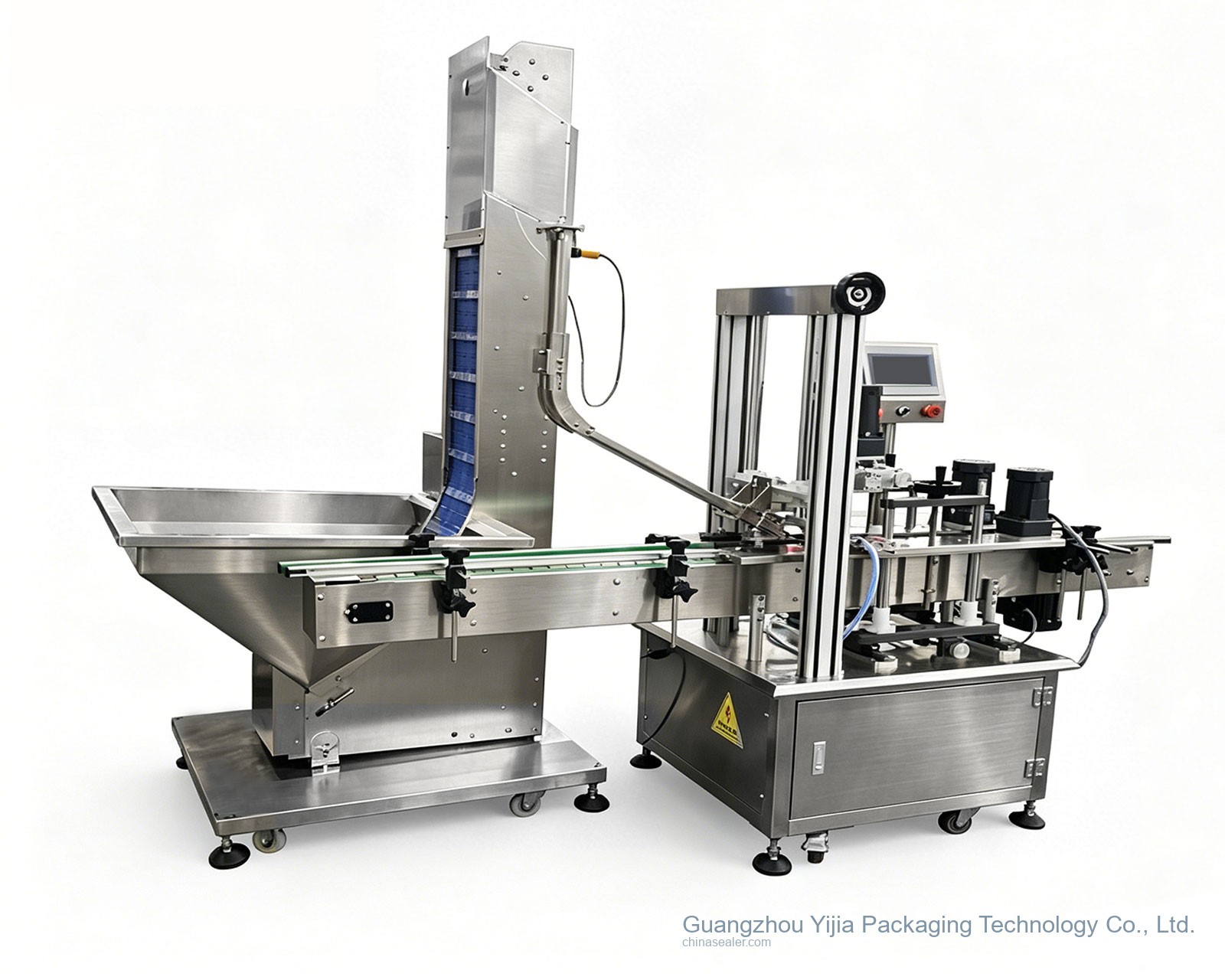 Automatic Screw Capping Machine
Sealing (Heat Press or Induction); Choose by film and lid structure: foil film uses heat-press sealing, while foil liner uses induction sealing; Large-Mouth Pail Heat-Press Sealer or W...
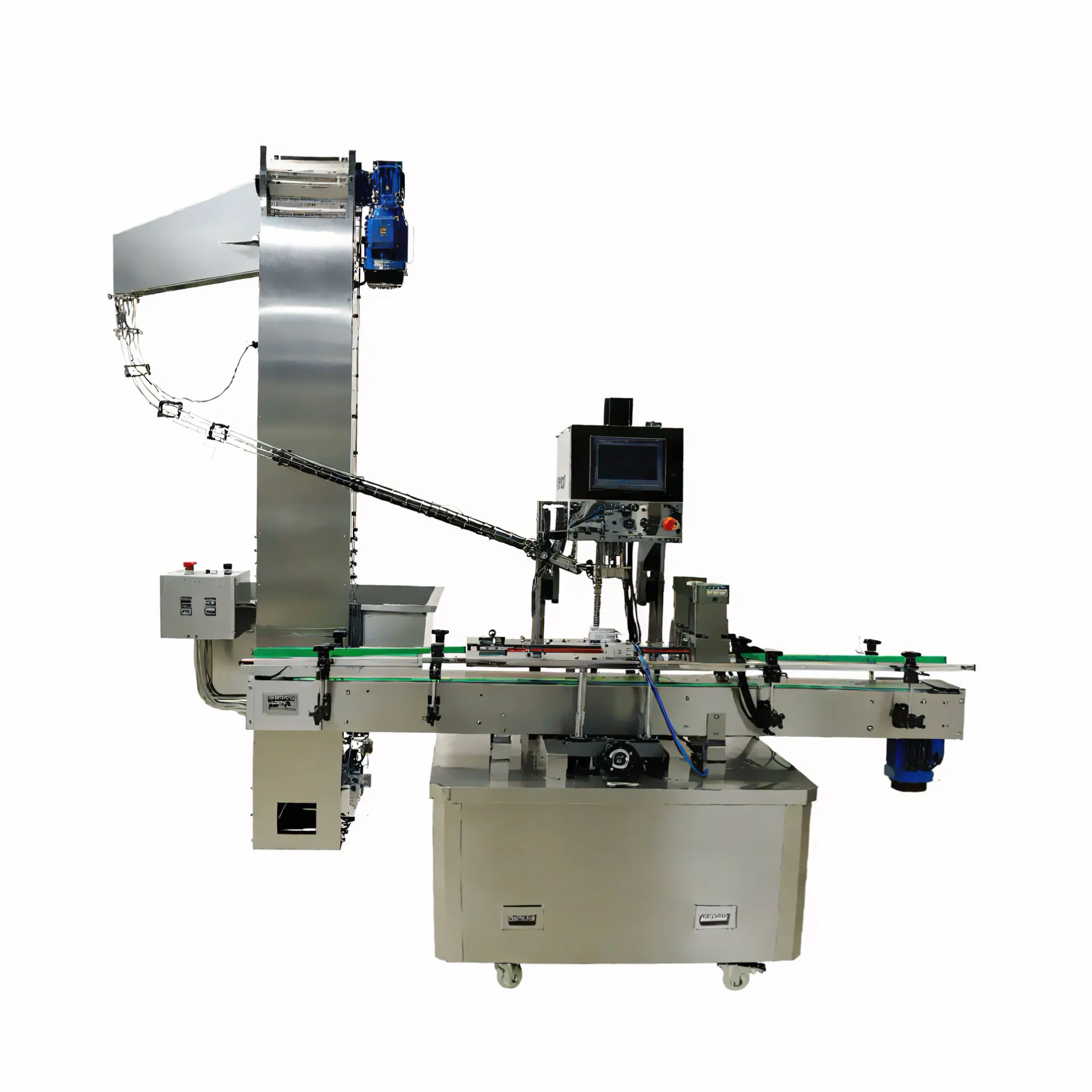 Automatic Screw Capping and Press Capping Machine
Sealing (Heat Press or Induction); Choose by film and lid structure: foil film uses heat-press sealing, while foil liner uses induction sealing; Large-Mouth Pail Heat...
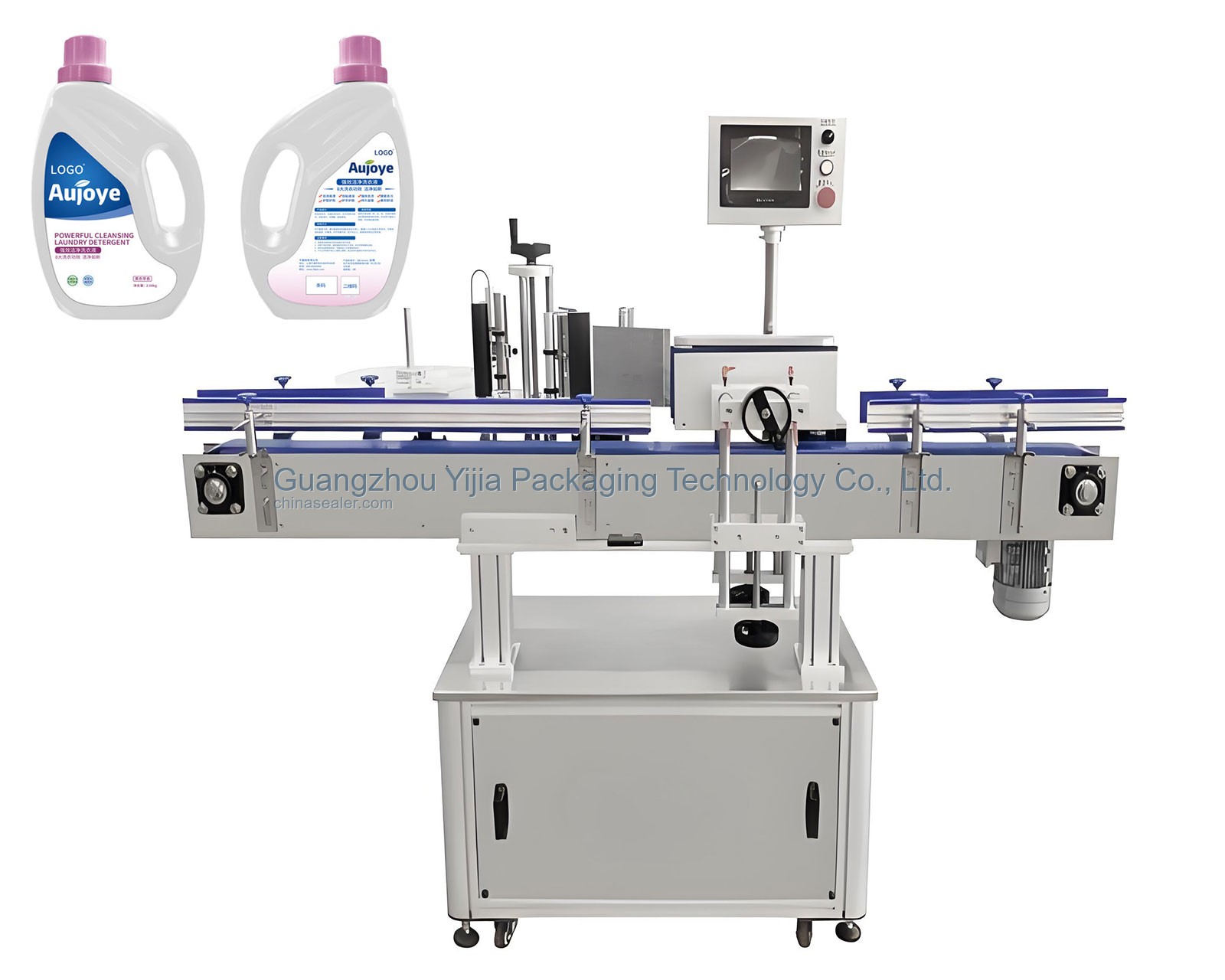 Round & Square Bottle Labeling Machine
Downstream Inspection and Marking; Configure weight inspection, production-date coding, and pail-body labeling according to shipment requirements; In-Line Checkweigher, Date/Bat...
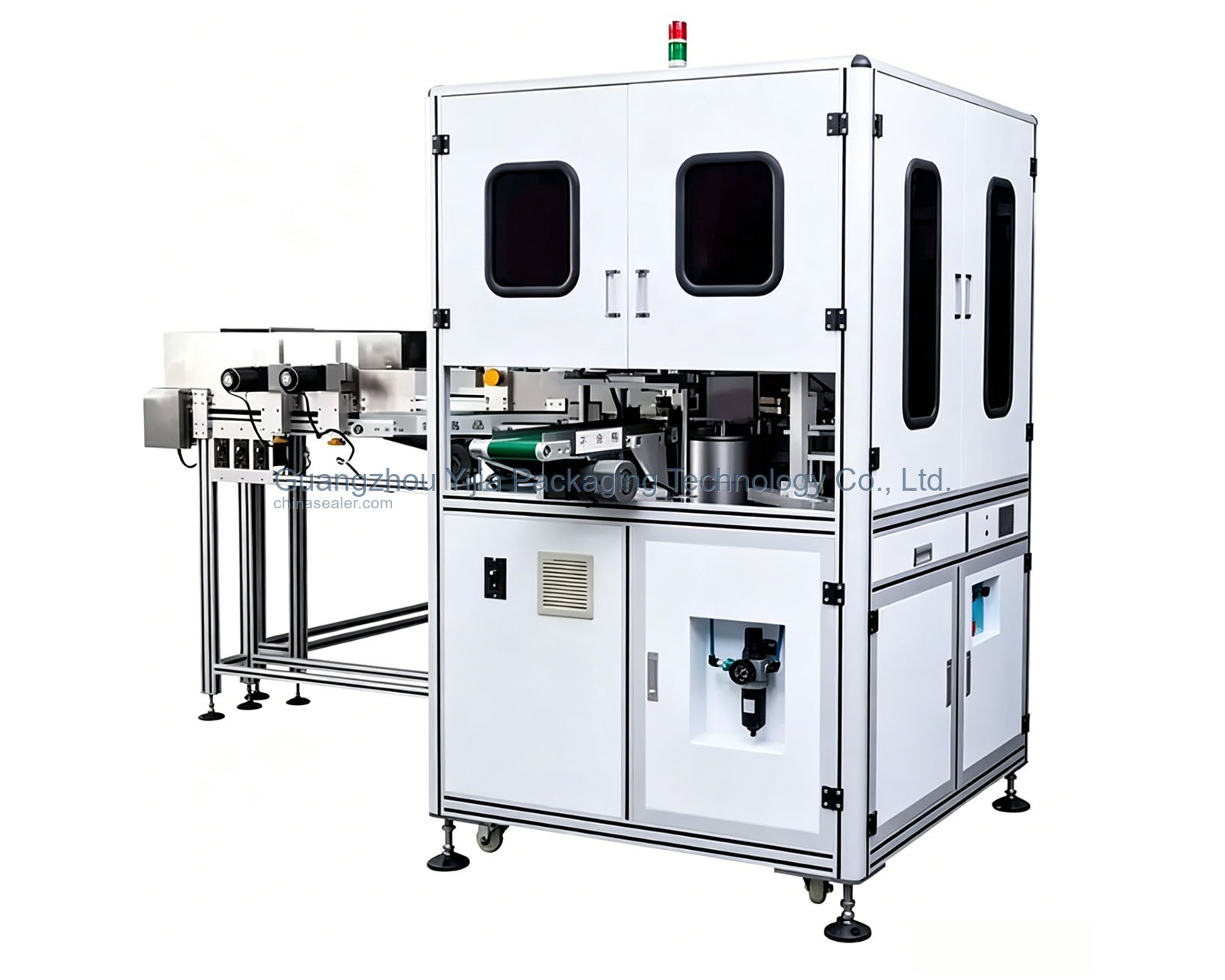 Online Checkweigher and Vision Inspection System
Downstream Inspection and Marking; Configure weight inspection, production-date coding, and pail-body labeling according to shipment requirements; In-Line Checkweigher...
Sample details
Photos and dimensions can first determine container positioning, mold direction, and whether sample testing is needed.
Pail photos and key dimensions, including mouth diameter, pail height, and mouth shape, help judge tooling and sealing method.Film material and liner affect sealing temperature, pressure, dwell time, and feeding method.
Sealing film or aluminum foil liner samples are used to test sealing parameters and compatibility.The lid structure determines the capping method (press, screw, or place) and whether inline integration is needed.
Cap samples, such as inner caps, outer caps, or snap-fit caps, are used to confirm cap pressing or capping method.Capacity target determines single machine, semi-automatic, or continuous inline configuration, and also affects the quotation range.
Target output, such as pails per hour, and whether the line will be connected affect equipment configuration and takt design.The state of the contents affects the filling method, contact materials, anti-drip, and safety configuration.
Material condition, such as viscosity, particles, and whether heating is needed, is used to select the filling pump and hopper.Photos and dimensions can first determine container positioning, mold direction, and whether sample testing is needed.
If the information is not complete, send available photos and dimensions first. We will judge the route first and then provide a confirmation checklist.Common selection mistakes
Common questions
Yes. First send bucket sample photos, approximate cap diameter, and material state. We can first determine whether hot pressing or induction sealing is suitable, then supplement with a detailed list.
We need bucket samples, film or gasket samples, cap samples, target capacity, and material status. Incomplete information is acceptable for initial discussion; we will guide you to supplement.
Output determines whether to use a standalone machine or line integration, as well as the number of filling heads, sealing stations, and conveyor speed. Small batches can use manual or semi-automatic machines; large batches recommend fully automatic line integration.
Different film materials have different heat sealing temperatures, pressures, and times, and the induction effect of aluminum foil liners also varies by material. Testing is required to determine the correct parameters and avoid batch sealing defects.
The sealing effect needs to be confirmed through sample testing, including seal strength, leak test, and appearance inspection. We will test based on your film and drum sample.
If filling, sealing, and capping need to be continuous and automatic with high capacity, inline integration is recommended. Standalone machines suit small batches or manual-assisted production.