Solution topic
How to Configure Robotic Case Packing, Inspection and Palletizing by Product Pattern and Shipping Format
Configure product collation, case erecting, robotic loading, dividers, sealing, labeling, inspection and palletizing from the product pattern, carton, shipping format and line cycl
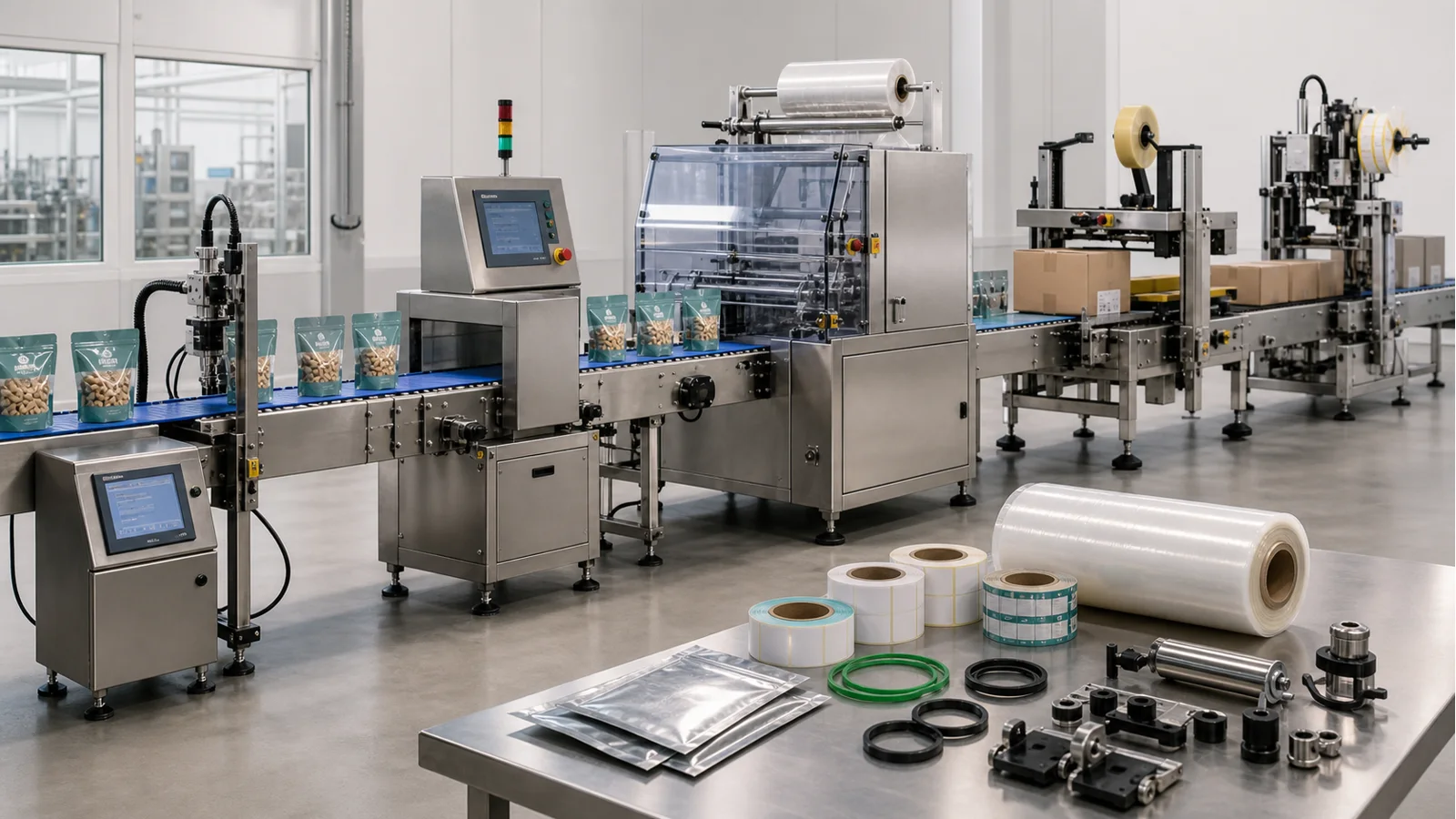
- After bottles, boxes, bags, or tray products enter the end-of-line, first determine whether shrink wrapping and case arrangement are needed, then design case erecting, sealing and labeling, inspection, and pallet stacking. Do not treat the equipment list as a fixed process.
Solution summary prepared for you
- For the finished product end-of-line, first determine whether to shrink and how to pack, then arrange case opening, packing, sealing and marking, online inspection, and palletizing.
- L-type cut-seal and sleeve shrink are selected based on product arrangement and film type; items that do not require shrinking can start directly from the cartoning process.
- Checkweighing, food metal detection, and seal vision correspond to different quality items, and equipment and exception handling should be selected according to actual rules.
Route comparison
- Suitable for finished products that require individual wrapping or multi-piece grouping, and where the product arrangement and shrink film have been determined.
- The shrink wrapping section can be integrated as an independent process into the end-of-line, making it easier to choose the wrapping method around the actual shipping unit.
- Product heat exposure, appearance, arrangement, and film material will change the cut-seal and shrink performance; each combination requires trial wrapping.
- If the product does not require shrink wrapping, or the formal arrangement and film material are not yet determined, you can omit this section or reserve space for it.
- For individual or matching wrapping, evaluate an L-type cut-seal shrink wrapping line; for group wrapping, use actual samples to evaluate a sleeve-type shrink wrapping machine.
- Suitable for projects where case specifications, packing arrangement, and product gripping surface are stable, and where case erecting and packing need to be completed continuously.
- Case erecting and product packing are clearly separated into two workstations, making it easier to verify sample cases and gripping separately.
- Cardboard condition, in-case clearance, product orientation, and exception handling will change actual operation; complete sample sets must be used.
- If case specifications change frequently, products cannot be gripped stably, or the packing arrangement is not finalized, conduct sample case and product trials first.
- First evaluate the automatic case erector with sample cases, then configure the robotic case packer based on finished product gripping and in-case arrangement.
- Suitable for end-of-line operations that require case closing, case surface labeling, and weight, metal, or seal vision inspection based on product risk.
- Case closing, labeling, and inspection rules can be arranged in sections along the product or case status, and abnormal positions can be defined in advance.
- Different inspection equipment cannot share one set of judgment samples; label surfaces and reject space also occupy conveyor length.
- When quality items and exception handling are not yet defined, do not list all inspection equipment as a fixed configuration.
- Outer cases are handled by the collaborative case sealer and outer case labeling line. Inspection can be selected from collaborative online checkweighing and vision inspection systems, food metal detectors, or seal vision inspection reje...
- Suitable for shipping stages where case specifications and pallet patterns are fixed after case sealing and inspection are complete.
- The palletizing station can receive cases according to the defined layer pattern, and should be planned together with pallet supply and finished product flow.
- Case weight, dimensions, strength, incoming case orientation, and pallet boundaries all need on-site verification.
- If cases are still changing or the pallet pattern is not confirmed, reserve space and complete stacking trials first.
- Evaluate the robotic palletizer with actual sample cases, pallets, and pallet patterns; safety zones and manual intervention methods are written into the layout.
Associated Equipment / Consumables
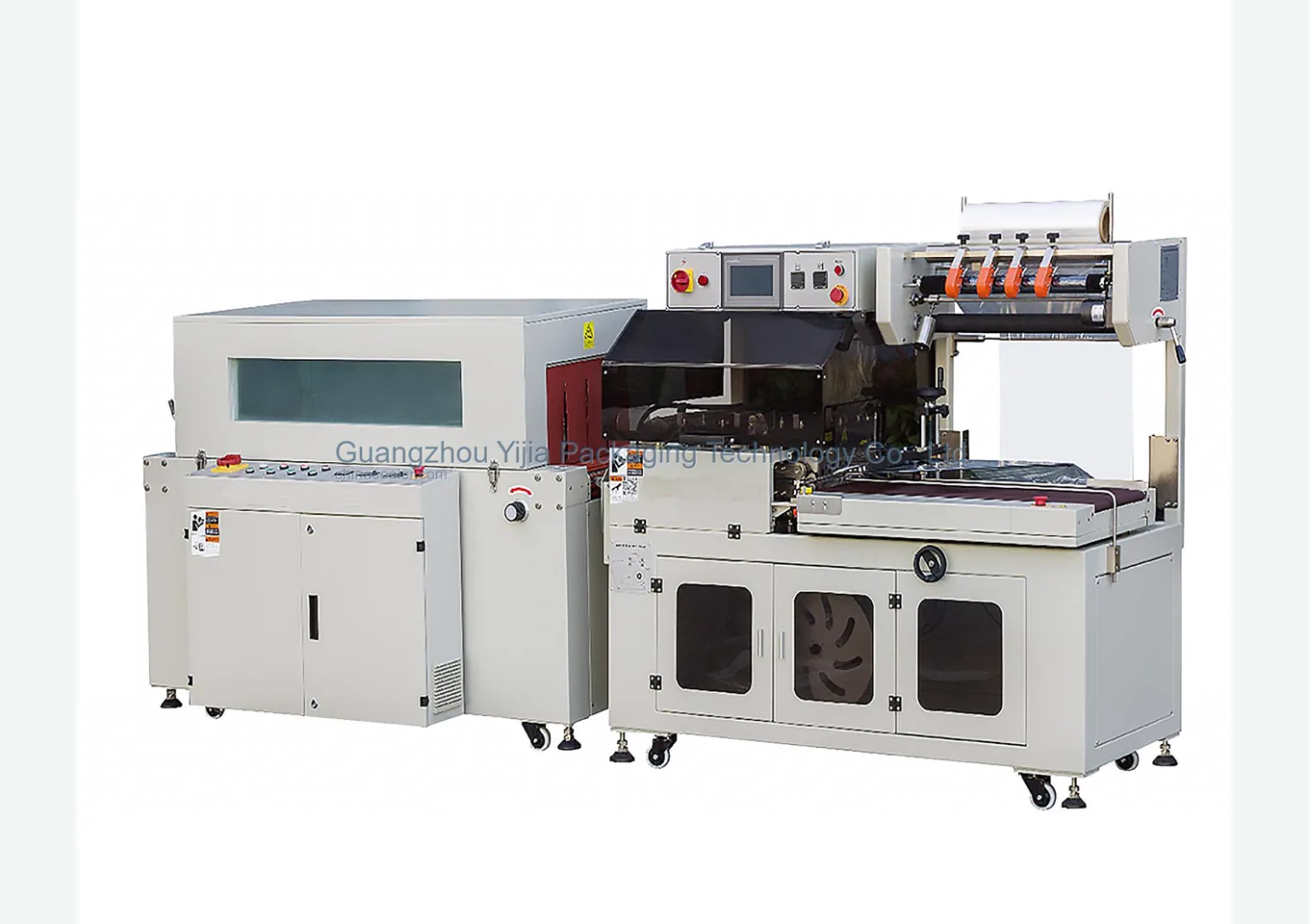 L-Sealer Shrink Wrapping Line
The product enters the film path, receives an L-shaped seal and cut, and then passes through the shrink tunnel and cooling discharge. The route suits single items or stable groups and differs from sleeve wrapping, whi...
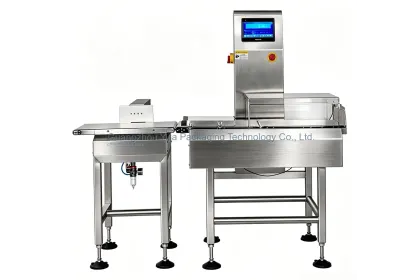 Inline Checkweigher
Select online inspection based on risk; Checkweighing, metal detection, and seal vision address different issues; select based on product category and quality rules, and do not default to installi...
Core process
Sample details
This data determines shrink grouping, gripping surfaces, packing arrangement, case load, and conveying width.
Please provide single item dimensions and weight, combined arrangement, carton inner and outer dimensions, opening direction, and quantity per case.L-type cut-seal and sleeve shrink correspond to different wrapping methods, and product tolerance and film type require real sample testing.
Please provide the single item or combined samples to be shrunk, arrangement photos, official film material, and finished product appearance requirements.Each type of information and inspection item uses different equipment interfaces, and judgment samples should be prepared before layout.
Please list batch numbers, case codes, label layouts, weight rules, metal detection requirements, visual defects, and exception handling.Stable handover is a prerequisite for continuous operation of shrinking, case packing, and inspection; you cannot only look at the downstream standalone machines.
Please provide upstream exit height, product orientation, spacing, planned rhythm, control signals, and manual access points.Case opening replenishment, case packing operations, exception removal, and palletizing safety areas must all be included in the same layout drawing.
Please provide floor dimensions, turning positions, personnel aisles, pallet specifications, planned stacking patterns, and shipping direction.Common selection mistakes
When single items, shrink-wrapped bundles, and outer cases are not distinguished, the order of shrinking and case packing can easily be arranged incorrectly.
Case opening, packing, sealing, and palletizing are all affected by board strength, crease lines, opening direction, and the state of the case after being filled.
Checkweighing, metal detection, and seal vision each have their own test samples and judgment targets, and should be selected based on quality rules.
Robotic case packing also needs to observe weight, surface, posture, and arrangement. Soft bags or easily deformable packaging must be trial-gripped with actual products.
Pallets, stacking patterns, outer case orientation, and personnel access will change the exit position of the entire end-of-line, so they should be confirmed together early in the layout.
View detailed technical notes
Plan the end-of-line from the final shipping unit backward
First determine whether products are individually shrink-wrapped, how they are grouped, how each case is arranged, and whether palletized shipment is required; then plan case erecting, packing, case sealing and labeling, inspection, and palletizing.
Shrink wrapping is not a fixed step in every line
Only when individual or grouped wrapping is needed, compare L-type cut-and-seal shrink wrapping lines with sleeve-type shrink wrapping machines, and evaluate using actual finished products and film materials. Products without shrink wrapping requirements can go directly to the case packing section.
Case erecting and product packing are tested separately
Use actual sample cases to check the opening and bottom treatment of the automatic case erector, and use actual finished products to verify the gripping surface, orientation, and in-case arrangement of the robotic case packer.
Case sealing and outer case labeling are a collaborative section
After products are packed, the collaborative case sealer and outer case labeling line handle case closing and labels. The sealing method, case surface condition, and label layout should be confirmed with order documentation.
For batch numbers, case codes, and real-time labels, first determine the data content, carrier, and application surface. If collaborative date/batch inkjet coding or real-time print-and-apply labeling equipment is needed, verify the interface and supply boundary separately.
Inspection equipment is selected based on the problem, not quantity
Weight, metal foreign objects, and seal appearance are different inspection targets. Collaborative online checkweighing and vision inspection systems, food metal detectors, and seal vision inspection reject machines should be selected based on clear rules.
Palletizing uses actual filled sample cases
The robotic palletizer receives cases that have been sealed and inspected. The pallet pattern, pallet, incoming case orientation, and case load-bearing capacity must be verified with cases filled with actual products.
All equipment shares one interface table
Between the front-end outlet, shrink wrapping, case packing, inspection, and palletizing, record height, orientation, spacing, control signals, and exception handling to avoid each machine operating as an isolated line.
Phased construction must still preserve the final logistics flow
When only part of the end-of-line equipment is installed in the first phase, still reserve space for future case, inspection, and pallet flow. New workstations require re-verification of rhythm and safety zones.
Common questions
Does the end-of-line have to be fully automatic in one go?
Not necessarily. You can first handle the clear heat-shrink, coding, or case-sealing processes, while reserving conveying height, control signals, and space for future expansion.
Should shrink wrapping be done before or after case packing?
It depends on whether the heat-shrink target is a single item, a bundled pack, or an outer case. First determine the shipping unit and arrangement, then decide the sequence of heat-shrink and cartoning.
Do we need to configure checkweighing, metal detection, and vision inspection all together?
The three address different problems. Choose based on product risk, quality rules, and order requirements, and prepare corresponding test samples and exception handling methods.
Can the case packing line be planned without official cartons?
You can initially determine orientation based on the case drawing and product arrangement, but case opening, gripping, loading, sealing, and palletizing still need to be verified with actual sample cases.
How does robotic case packing determine the gripping method?
Test based on the finished product's shape, weight, grippable surfaces, arrangement, and case opening. Products with soft surfaces or unstable posture need separate trial gripping.
Can the end-of-line connect to different upstream equipment?
It can be evaluated, but the exit height, product spacing, orientation, rhythm, and control signals of each upstream section must be included in the interface table.