Solution topic
How to Choose Packaging for Food Pails, Oil Pails, and Large-Diameter Pails? Weigh Filling, Press Capping, and Heat Sealing Route
Explains how to select weigh filling, flowmeter filling, pail mouth heat sealing, press capping, checkweighing, conveying, and outer case integration equipment for food pails, oil pails, large-diameter pails, and large-volume liquids.
- For pail-packed food, oil, condiments, powders, and large-volume liquid projects, do not simply inquire by 'filling machine'. First confirm pail capacity, pail mouth structure, material state, and weight accuracy, then determine weigh filling, flowmeter filling, heat sealing, press capping, or downstream integration.
- Food Pail, Oil Pail, and Large-Diameter Pail Filling and Sealing
For Pail Projects, First Look at Capacity and Material, Not Machine Name
The key to pail packaging is not first asking 'how much is a filling machine', but confirming capacity, pail mouth, material state, and weight accuracy. Metering methods differ for oil, sauce, powder, granular liquid, and chemical liquids.
Weigh Filling is Suitable for Large Capacity and Weight Management
When customers sell by kilogram or pail capacity is large, weigh filling is usually easier to explain and convenient to link with checkweighing. However, cycle time is affected by weighing stability and material flow rate.
Pail Mouth Sealing Determines Whether Heat Sealing or Press Capping is Needed
Large-diameter pails may require heat seal film first, then press capping; or only press capping or screw capping. Pail mouth flatness, lid structure, and film material determine the machine head.
Downstream Integration Depends on Site Space and Load Capacity
Pail products are heavy; conveying, turning, checkweighing, and case packing must consider load capacity and safety. Do not look only at single machine speed.
Direction Can Be Determined Even Without Complete Pail Samples
Customers can first send pail appearance, pail mouth, lid, and material description. We first determine the direction of weighing, pumping, heat sealing, capping, and integration, then list the additional information needed.
How Our Existing Equipment Can Handle It
Existing equipment can cover pail weigh filling, liquid filling, large-diameter pail heat sealing, pail lid press capping, checkweighing, conveying, inkjet coding, and outer case labeling. Solutions are broken down into single machines or integrated lines based on samples and production capacity.
Clarify the Packaging Target First
For food pails, oil buckets, and large-opening containers, first confirm the sales channel, freshness or leak-prevention target, required capacity, and whether the equipment needs to be linked into a line.
Route comparison
- Suitable for oils, sauces, liquid foods, chemical liquids, and large-capacity pail projects.
- Weight-based control is more direct and suits larger volumes or products with changing density.
- Cycle time is usually affected by weighing stabilization time, product flow rate, and anti-drip control.
- Small-volume high-speed bottle projects may not suit a weighing route.
- Start with a weighing filling machine, and confirm whether press capping, checkweighing, and conveying are needed.
- Suitable for pail liquids with stable flow, continuous production, and a need to improve speed.
- It can meter continuously and suits some oils and clean liquids.
- Material viscosity, foam, temperature, and pipeline cleaning all affect filling accuracy.
- Use this route carefully when the product contains particles, viscosity changes between batches, or high weight accuracy is required.
- First confirm the material characteristics, then compare flow-meter, pump, and weighing-based filling options.
- Suitable when a pail or bucket opening needs an inner film seal for moisture resistance, leak prevention, or tamper evidence.
- The sealing result is easy to inspect and can act as an inner protection layer before the outer lid is applied.
- The bucket rim flatness, film width, and bucket wall pressure resistance must be confirmed.
- If the bucket rim is deformed, the film is not confirmed, or the bucket wall is too soft, a sealing test should be done first.
- Start with large-diameter pail heat sealing or bucket/can heat sealing equipment.
- Suitable for stable batch production where filling, press capping, checkweighing, coding, and conveying need to work as one line.
- Reduces manual handling and makes traceability and process consistency easier to manage.
- Line footprint, bucket stability, lid feeding, and conveyor load capacity all need to be confirmed.
- If the bucket type and lid type are not fixed yet, it is better not to lock in a complex full-line layout too early.
- First verify filling, sealing, and press capping; then add checkweighing, coding, and case packing as needed.
Core process
Determines metering method, discharge valve, and pail mouth handling.
Select based on weight accuracy, material state, and cycle time.
Confirm pail mouth flatness, film material, and heat sealing parameters.
Confirm lid structure, force requirements, and whether automatic lid feeding is needed.
For stable production, weight traceability and batch management can be added.
Determined by site space, weight, and downstream packaging.
Associated Equipment / Consumables
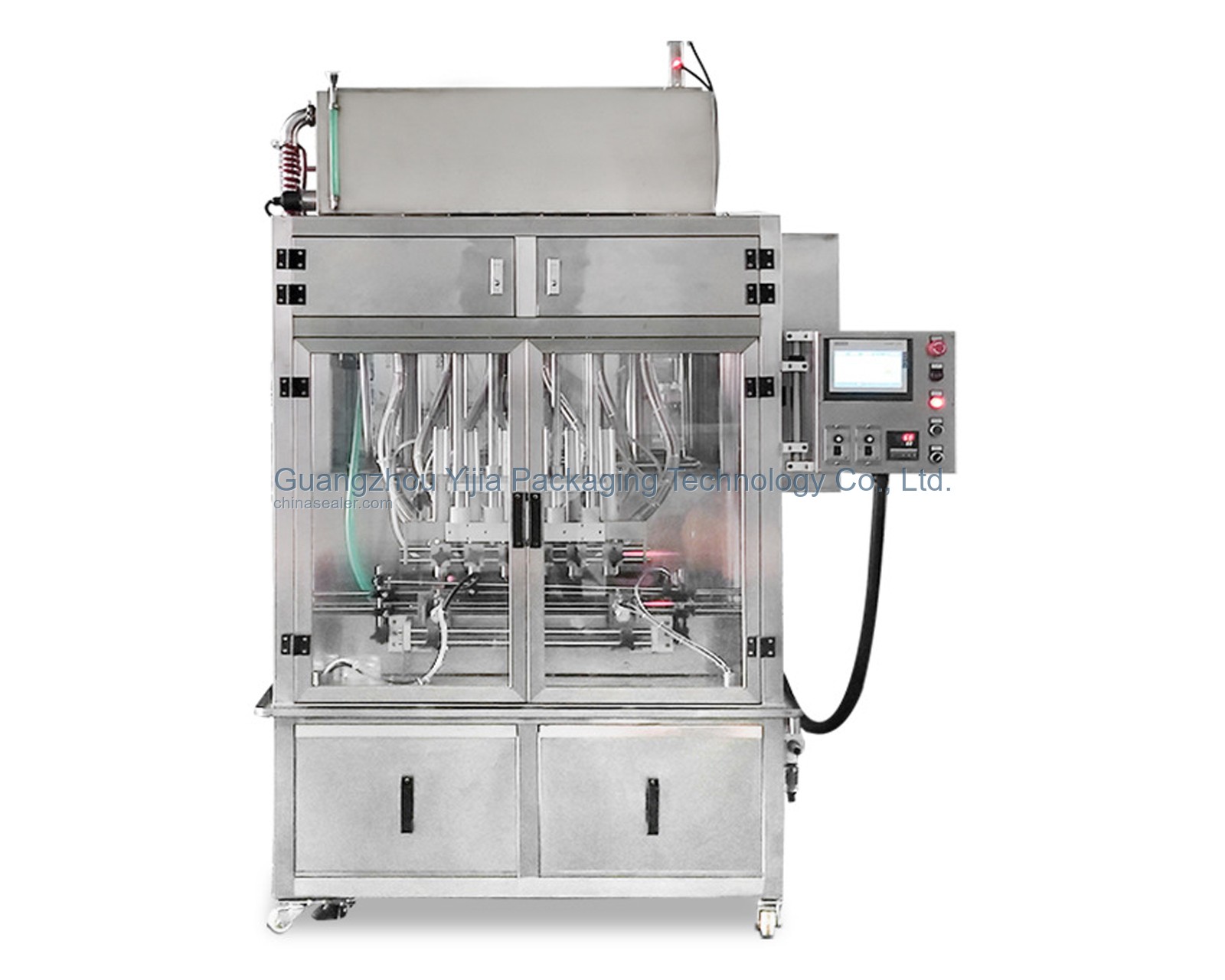 Food Pail Filling and Sealing Machine
Filling Metering; Select based on weight accuracy, material state, and cycle time; Weigh Filling; Flowmeter Filling
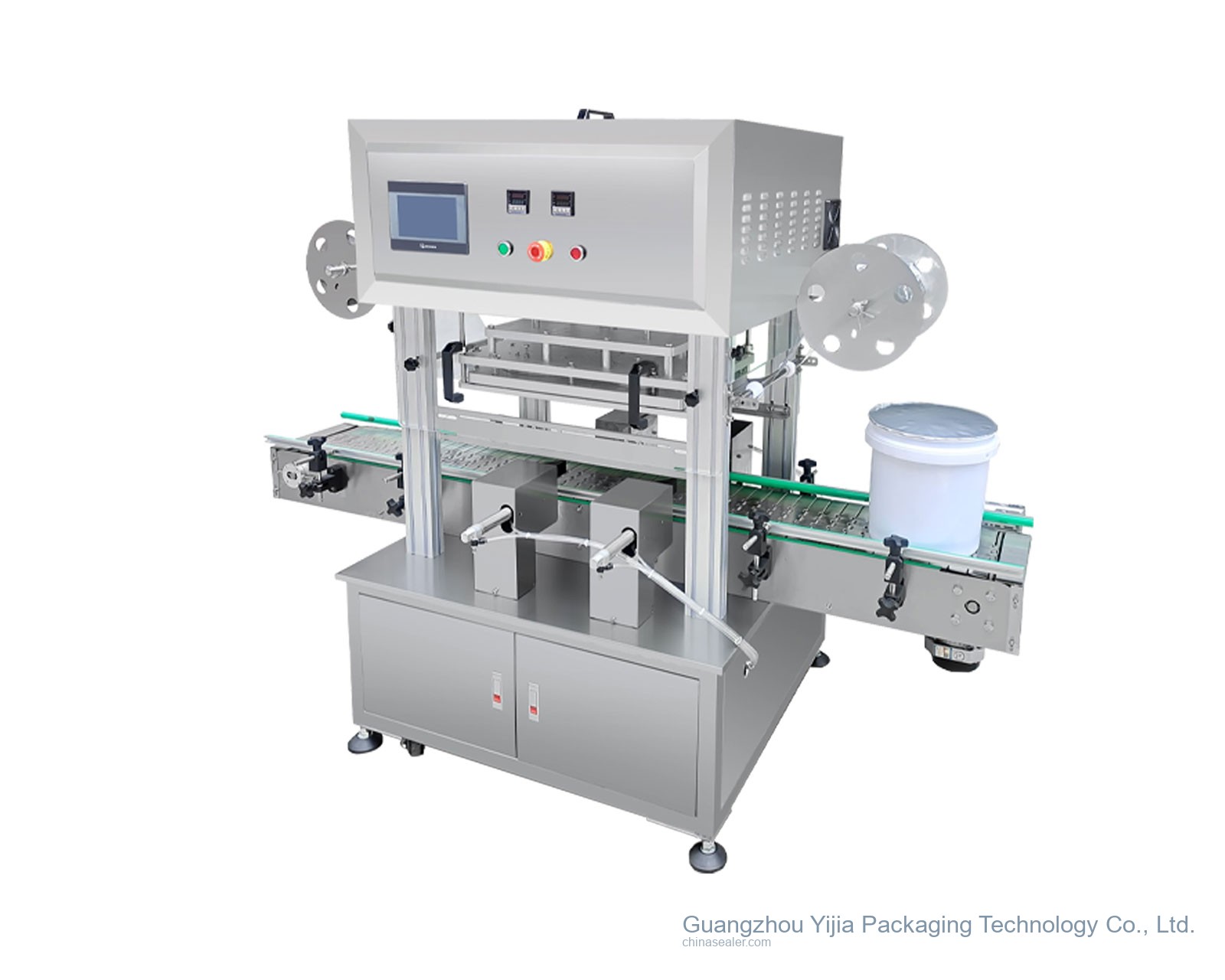 Large-Diameter Pail Heat Seal Sealer
Pail Mouth Sealing; Confirm pail mouth flatness, film material, and heat sealing parameters; Heat Seal Film; Aluminum Foil Seal
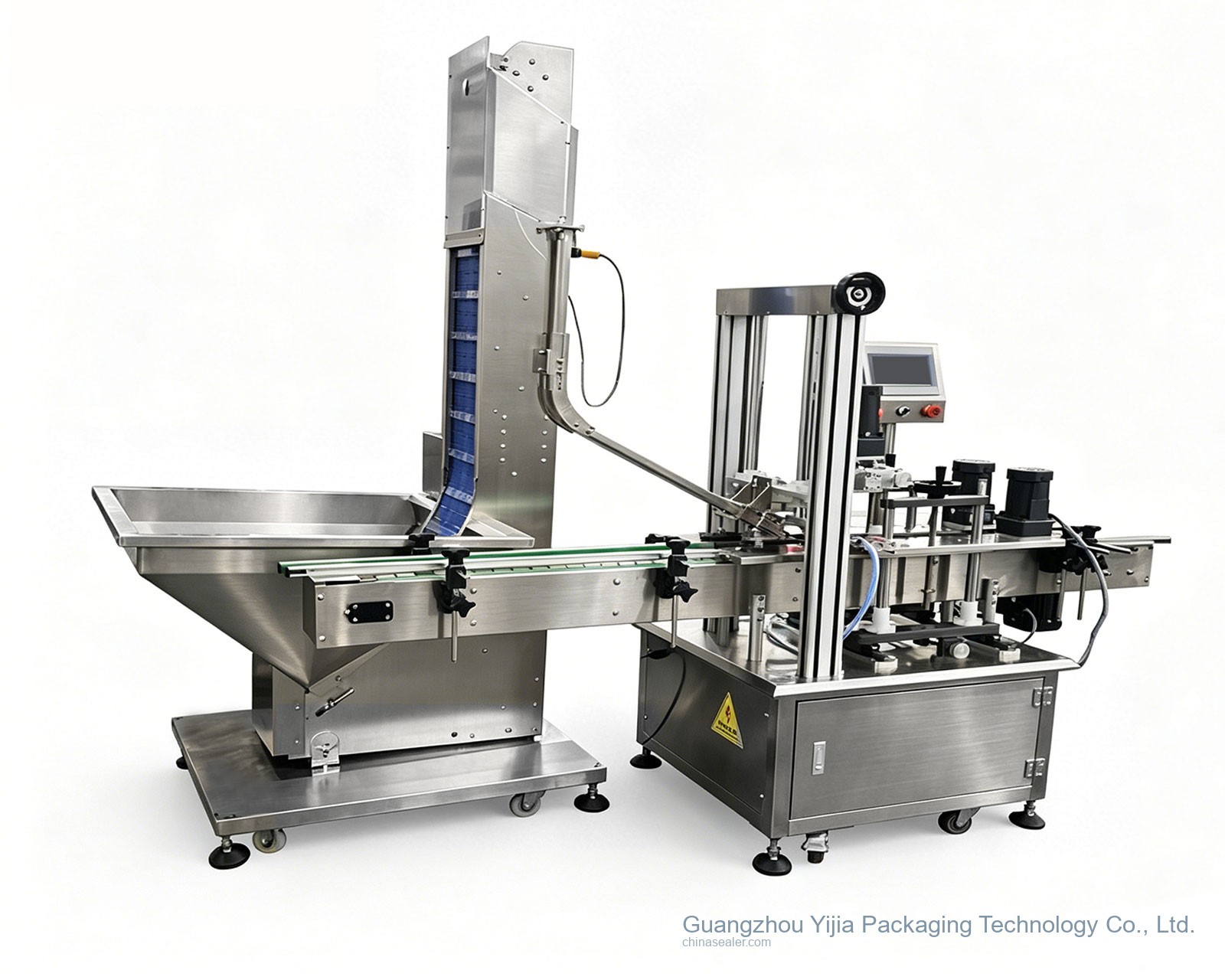 Automatic Screw Capping Machine
Pail Mouth Sealing; Confirm pail mouth flatness, film material, and heat sealing parameters; Heat Seal Film; Aluminum Foil Seal
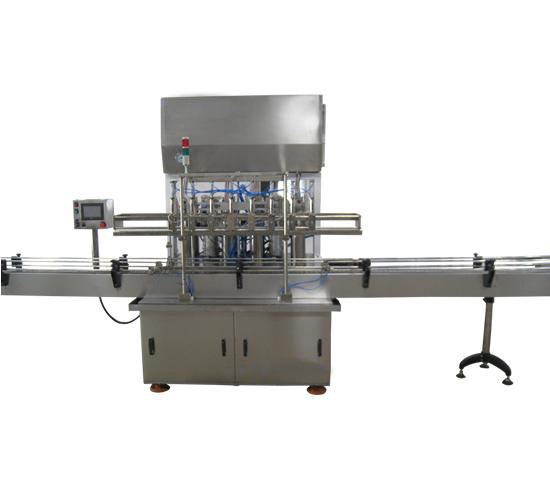 Weighing Drum Filling Machine
Checkweighing and Inkjet Coding; For stable production, weight traceability and batch management can be added; Checkweighing; Batch Coding
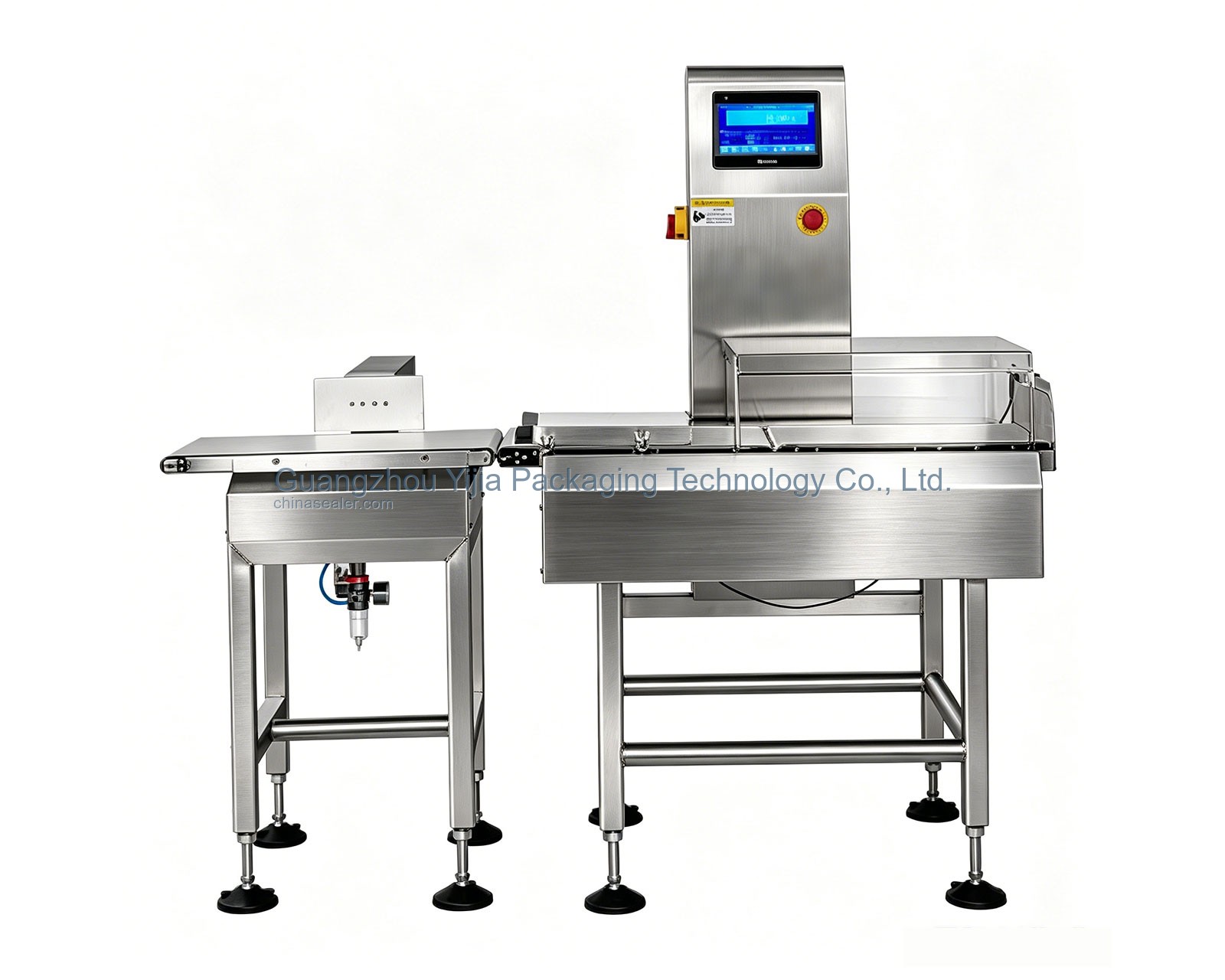 Inline Checkweigher
Checkweighing and Inkjet Coding; For stable production, weight traceability and batch management can be added; Checkweighing; Batch Coding
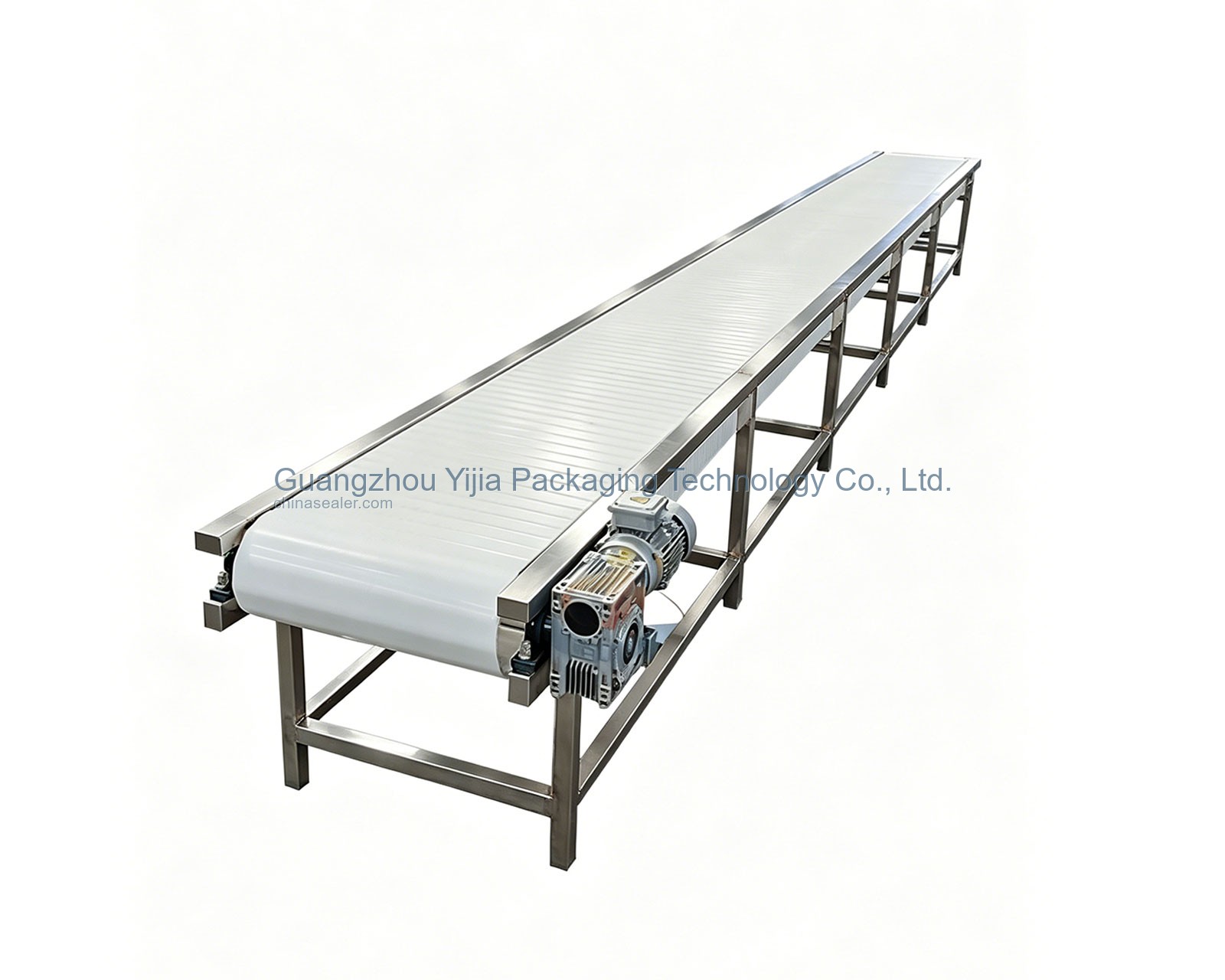 Food-grade conveyor line
Conveying and Outer Case; Determined by site space, weight, and downstream packaging; Heavy-Duty Conveying; Case Packing
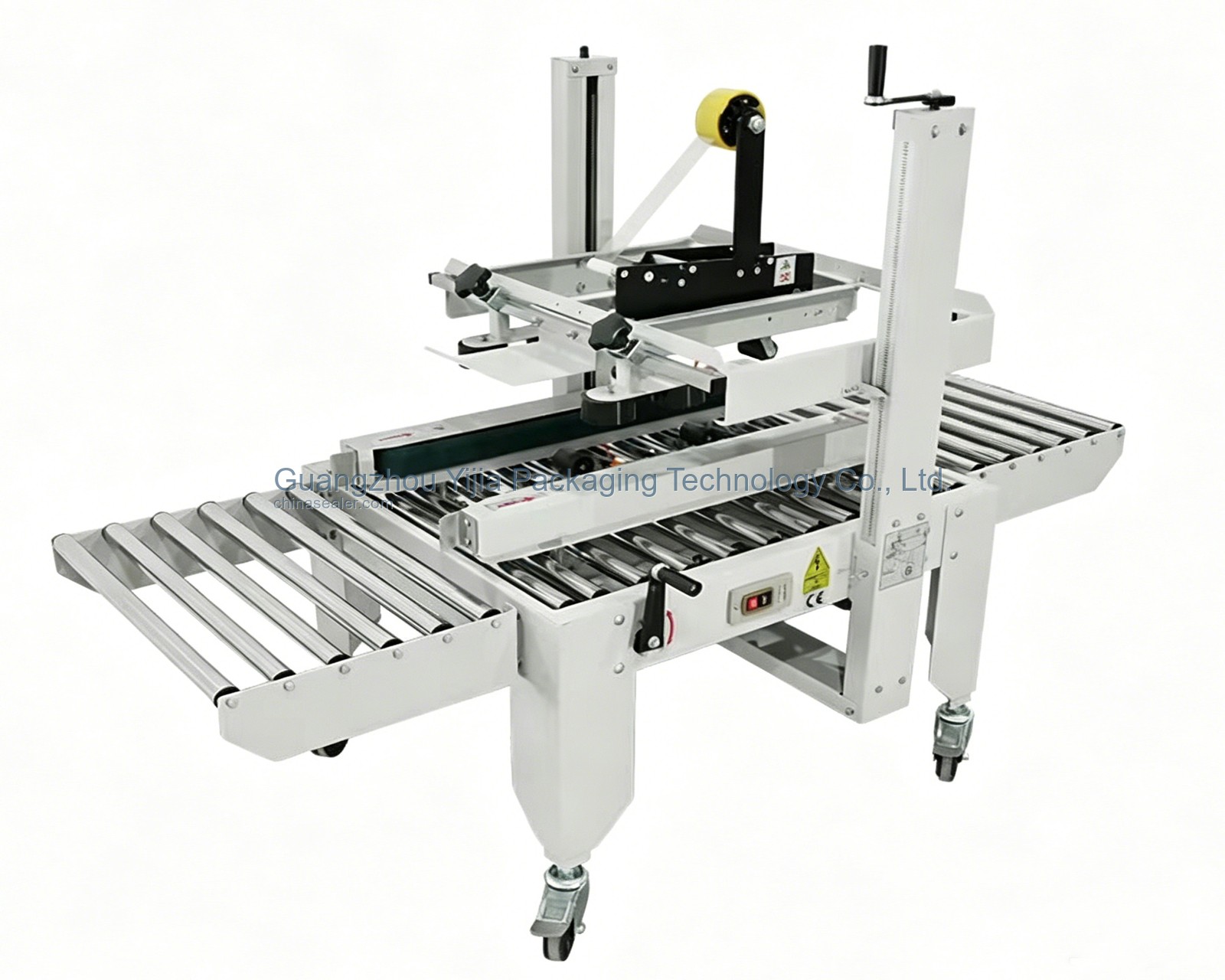 Carton Sealing and Outer Case Labeling Line
Conveying and Outer Case; Determined by site space, weight, and downstream packaging; Heavy-Duty Conveying; Case Packing
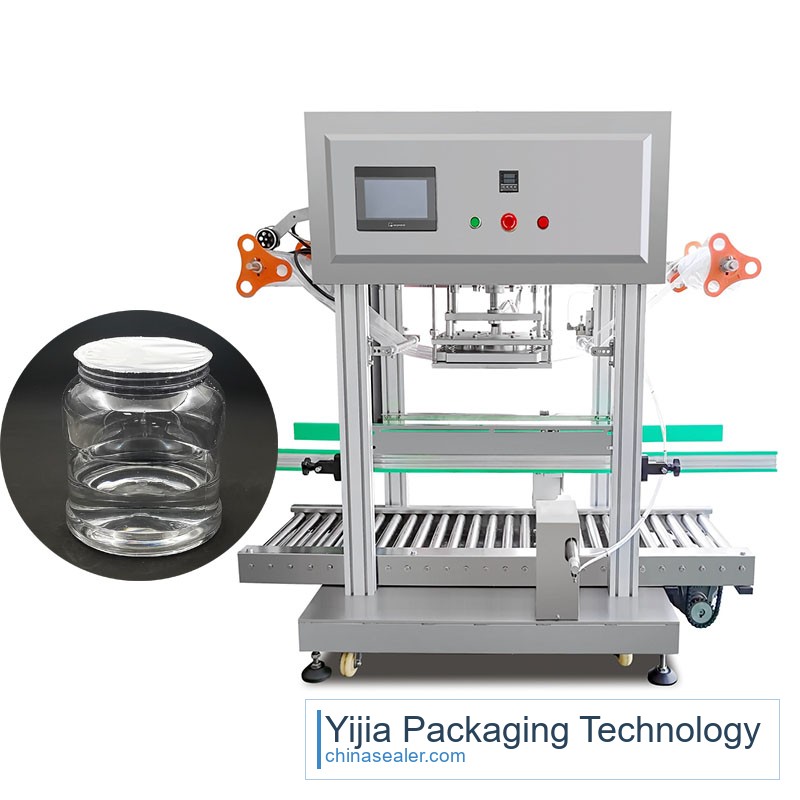 Bottle Inline Heat Press Sealer
Pail Mouth Sealing; Confirm pail mouth flatness, film material, and heat sealing parameters; Heat Seal Film; Aluminum Foil Seal
Sample details
For pail projects, first determine the pail mouth and lid structure, then decide the sealing and capping route.
Pail photos, pail mouth dimensions, lid photos, pail capacity.Weight, viscosity, foaming tendency, and particle content all affect metering.
Material name, viscosity, target weight, allowable error.Leak prevention, moisture barrier, tamper evidence, and display requirements differ, so sealing methods vary.
Whether heat seal film, press cap, or leak detection is needed.Pail lines must consider load capacity, space, and manual handling.
Pails per hour, number of operators, site space, power and air supply.Official pail samples and materials reduce the risk of later machine modifications.
Pail sample, lid, material sample, target sealed sample.Common selection mistakes
Common questions
Not necessarily. Large capacity and weight-based sales projects often use weighing, but flowmeter or pump filling can also be evaluated based on material characteristics.
It can be evaluated, but depends on pail mouth flatness, film material, lid structure, and pail body pressure resistance.
Yes, checkweighing is suitable for stable batch production and weight traceability.
The route can be determined first, but accurate configuration requires pail samples, lids, and material parameters.
It depends on hygiene requirements, materials, cleaning methods, and material compatibility; usually needs to be confirmed per project.
Yes, first verify filling and sealing results, then upgrade to an integrated line based on order volume.