Solution topic
How to choose ketchup bottling, filling, capping, and labeling packaging? First check the paste state, bottle mouth, and sealing method.
A ketchup bottling project cannot just look at the 'filling machine'. First confirm paste viscosity, whether it contains particles, whether heating is needed, bottle mouth diameter, cap structure, sealing film, and labeling position, then decide the filling, capping, sealing, and labeling route.
- A ketchup bottling project cannot just look at the 'filling machine'. First confirm paste viscosity, whether it contains particles, whether heating is needed, bottle mouth diameter, cap structure, sealing film, and labeling position, then decide the filling, capping, sealing, and labeling route.
- How to choose ketchup bottling, filling, capping, and labeling packaging?
Customer real question
I want to do ketchup bottling and need filling, capping, and labeling. How should I choose equipment?
First determine the packaging route
A ketchup bottling project cannot just look at the 'filling machine'. First confirm paste viscosity, whether it contains particles, whether heating is needed, bottle mouth diameter, cap structure, sealing film, and labeling position, then decide the filling, capping, sealing, and labeling route.
Rotor pump filling + capping + labeling route
Suitable for: Ketchup containing particles or fibers, such as paste with tomato seeds or chunks. The rotor pump causes little damage to the product and fills gently. Advantages: The rotor pump handles medium-viscosity materials with particles, stable filling accuracy, not prone to clogging, suitable for low-to-medium speed production. Limitations: Need to confirm particle size, paste temperature, and fill volume; rotor pump head count and diameter must match bottle mouth and capacity. Not recommended: If the ketchup is very thin like water, or requires extremely high filling speed, the rotor pump may not be optimal; consider piston or magnetic pump. Equipment direction: We can provide a rotor pump paste filling machine as the main filler, followed by an automatic screw capper and round/square bottle labeling machine to form a filling-capping-labeling inline.
Piston filling + capping + foil sealing route
Suitable for: Ketchup without particles or with fine particles, such as uniform and smooth tomato paste. Piston filling provides intuitive dosing and simple maintenance. Advantages: Mature piston structure, easy fill volume adjustment, suitable for small-to-medium batches or frequent changeovers. Limitations: Need to confirm paste viscosity, stringiness, nozzle drip prevention, and whether a heated hopper is needed to maintain temperature. Not recommended: If the ketchup contains large particles or fibers, piston filling can easily clog or damage particles; rotor pump is preferred. Equipment direction: We can provide a piston paste filling machine with a heated hopper and jacketed tank to maintain paste temperature, followed by an automatic screw capper. For enhanced sealing, an inline induction foil sealer can be added.
Multi-head filling line + capping + labeling + inspection inline
Suitable for: Ketchup bottling projects with high capacity requirements and continuous production, e.g., thousands of bottles per hour. Advantages: Multi-head filling increases speed, inline reduces manual transfer, and with checkweighing and coding meets food traceability requirements. Limitations: Need to confirm bottle stability, conveyor line timing, changeover time, and site space; multi-head filling requires consistent paste properties. Not recommended: If initial capacity is uncertain or product specifications are many with frequent changeovers, start with low-to-medium speed standalone or semi-automatic lines to avoid investment waste. Equipment direction: We can provide a multi-head paste filling line as the filling section, preceded by an automatic bottle unscrambler, followed by an automatic screw capper, round/square bottle labeling machine, date/lot inkjet coder, and inli...
Recommended equipment route: Paste supply and heating
Ketchup viscosity is high at low temperatures. A heated hopper maintains paste fluidity, ensuring filling accuracy and speed.
Recommended equipment route: Filling
Choose rotor pump or piston filling based on whether the paste contains particles, with drip-proof filling nozzle assemblies to reduce dripping.
Recommended equipment route: Capping
Compatible with screw caps or press caps, configured according to cap diameter and torque requirements, can be inline with the filling section.
Recommended equipment route: Sealing (optional)
If aluminum foil liners are needed for leak prevention or tamper evidence, add induction sealing after capping; if direct heat seal film, use a heat sealing machine.
Recommended equipment route: Labeling and coding
Labeling machine adapts to round or square bottles; coder prints production date and batch number to meet traceability requirements.
Route comparison
- Suitable for ketchup containing particles or fibers, such as paste with tomato seeds or chunks. The rotor pump causes little damage to the product and fills gently.
- The rotor pump handles medium-viscosity materials with particles, stable filling accuracy, not prone to clogging, suitable for low-to-medium speed production.
- Need to confirm particle size, paste temperature, and fill volume; rotor pump head count and diameter must match bottle mouth and capacity.
- If the ketchup is very thin like water, or requires extremely high filling speed, the rotor pump may not be optimal; consider piston or magnetic pump.
- We can provide a rotor pump paste filling machine as the main filler, followed by an automatic screw capper and round/square bottle labeling machine to form a filling-capping-labeling inline.
- Suitable for ketchup without particles or with fine particles, such as uniform and smooth tomato paste. Piston filling provides intuitive dosing and simple maintenance.
- Mature piston structure, easy fill volume adjustment, suitable for small-to-medium batches or frequent changeovers.
- Need to confirm paste viscosity, stringiness, nozzle drip prevention, and whether a heated hopper is needed to maintain temperature.
- If the ketchup contains large particles or fibers, piston filling can easily clog or damage particles; rotor pump is preferred.
- We can provide a piston paste filling machine with a heated hopper and jacketed tank to maintain paste temperature, followed by an automatic screw capper. For enhanced sealing, an inline induction foil sealer can be added.
- Suitable for ketchup bottling projects with high capacity requirements and continuous production, e.g., thousands of bottles per hour.
- Multi-head filling increases speed, inline reduces manual transfer, and with checkweighing and coding meets food traceability requirements.
- Need to confirm bottle stability, conveyor line timing, changeover time, and site space; multi-head filling requires consistent paste properties.
- If initial capacity is uncertain or product specifications are many with frequent changeovers, start with low-to-medium speed standalone or semi-automatic lines to avoid investment waste.
- We can provide a multi-head paste filling line as the filling section, preceded by an automatic bottle unscrambler, followed by an automatic screw capper, round/square bottle labeling machine, date/lot inkjet coder, and inline checkweigh...
Core process
Ketchup viscosity is high at low temperatures. A heated hopper maintains paste fluidity, ensuring filling accuracy and speed.
Choose rotor pump or piston filling based on whether the paste contains particles, with drip-proof filling nozzle assemblies to reduce dripping.
Compatible with screw caps or press caps, configured according to cap diameter and torque requirements, can be inline with the filling section.
If aluminum foil liners are needed for leak prevention or tamper evidence, add induction sealing after capping; if direct heat seal film, use a heat sealing machine.
Labeling machine adapts to round or square bottles; coder prints production date and batch number to meet traceability requirements.
Conveyor line connects equipment; checkweigher ensures fill volume is correct and rejects non-conforming products.
Associated Equipment / Consumables
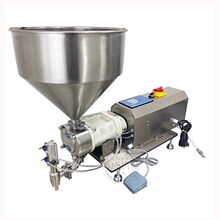 Rotary Lobe Pump Sauce Filling Machine
Paste supply and heating; Ketchup viscosity is high at low temperatures. A heated hopper maintains paste fluidity, ensuring filling accuracy and speed; Heated hopper and jackete...
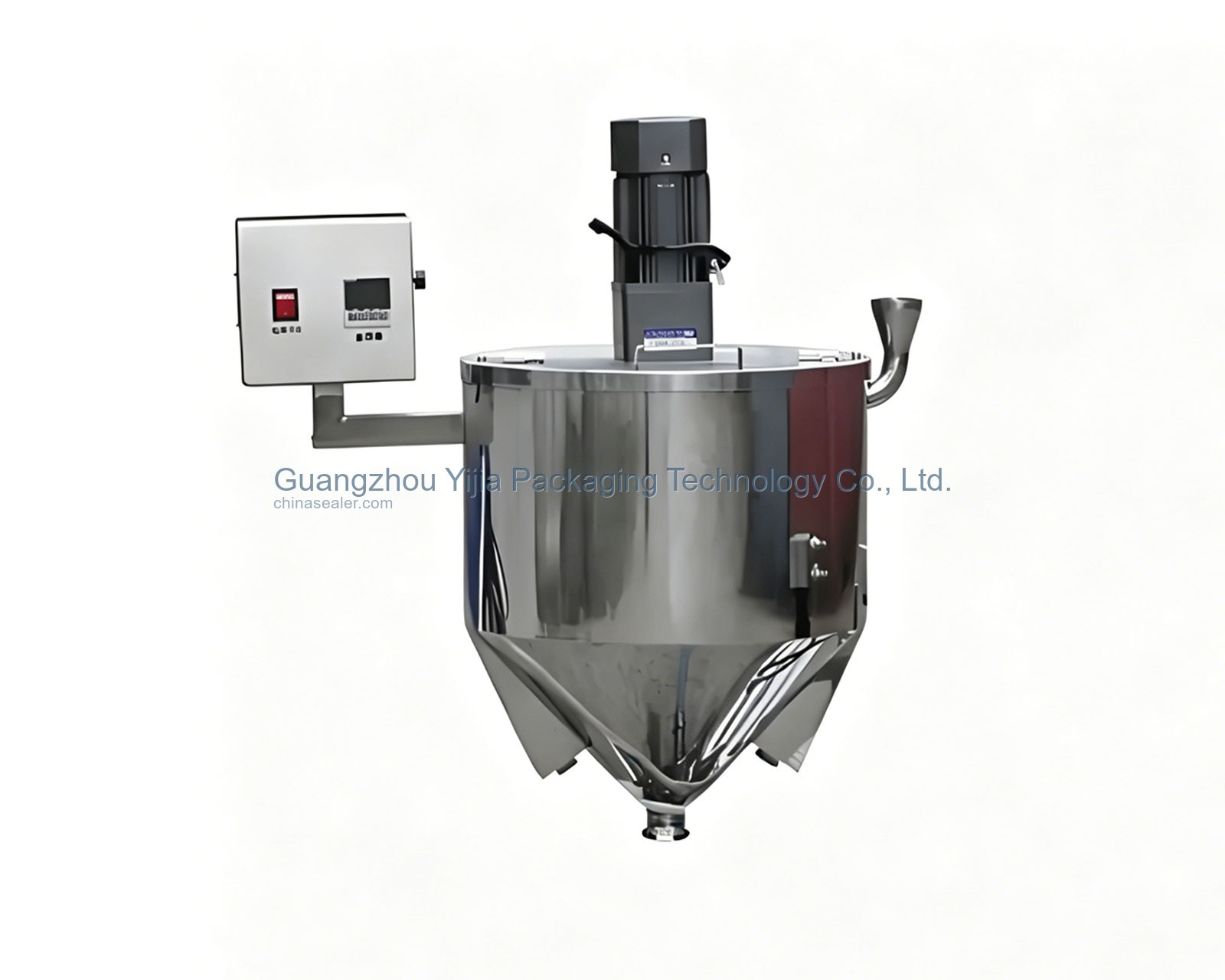 Heated Hopper and Jacketed Tank
Paste supply and heating; Ketchup viscosity is high at low temperatures. A heated hopper maintains paste fluidity, ensuring filling accuracy and speed; Heated hopper and jacketed tank
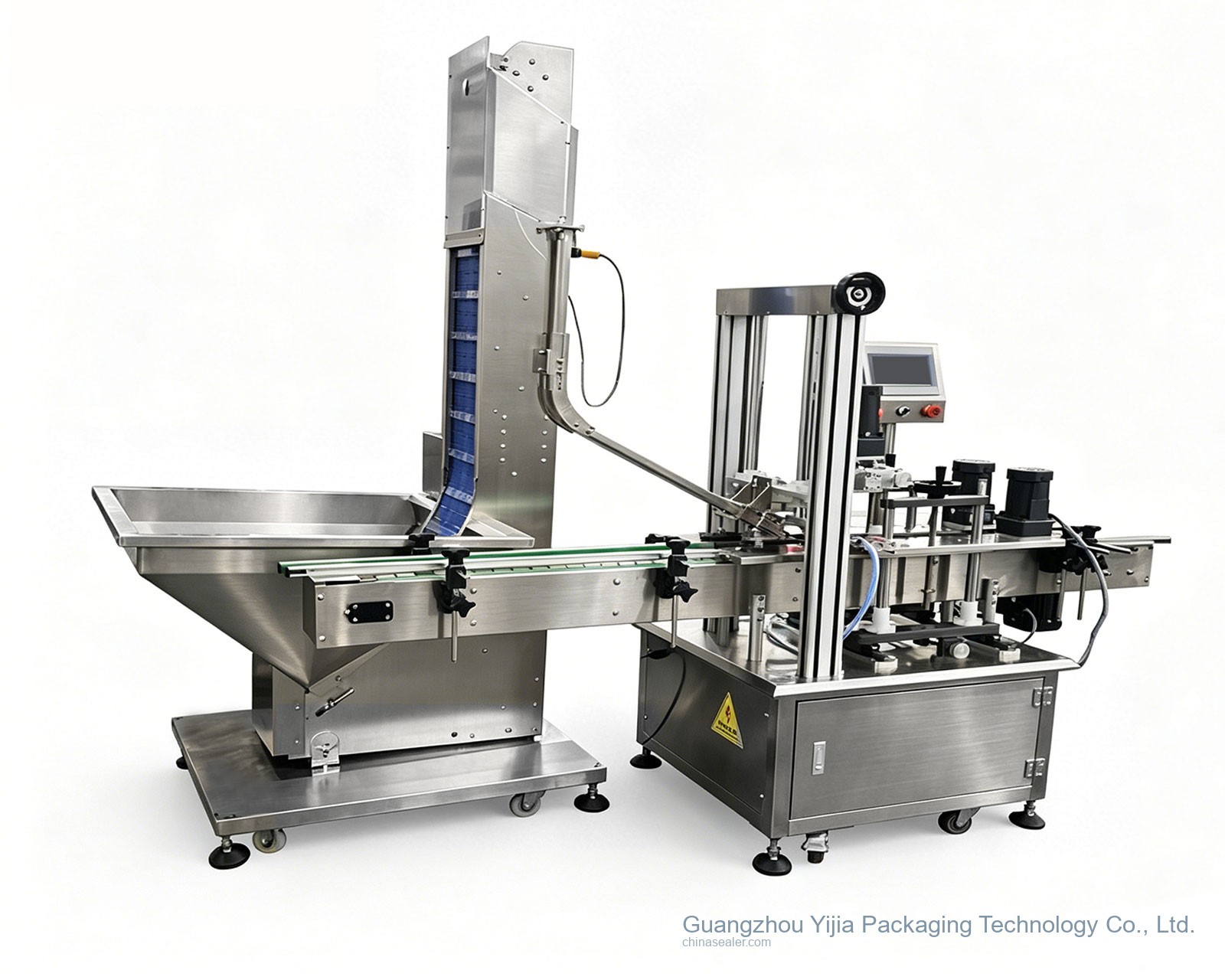 Automatic Screw Capping Machine
Capping; Compatible with screw caps or press caps, configured according to cap diameter and torque requirements, can be inline with the filling section; Automatic screw capper
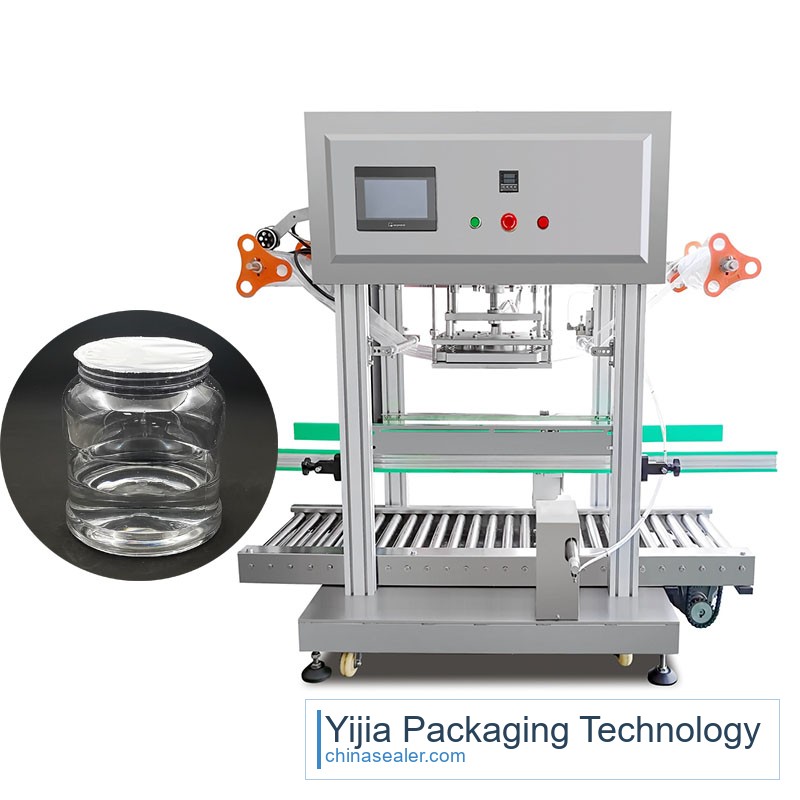 Bottle Inline Heat Press Sealer
Capping; Compatible with screw caps or press caps, configured according to cap diameter and torque requirements, can be inline with the filling section; Automatic screw capper
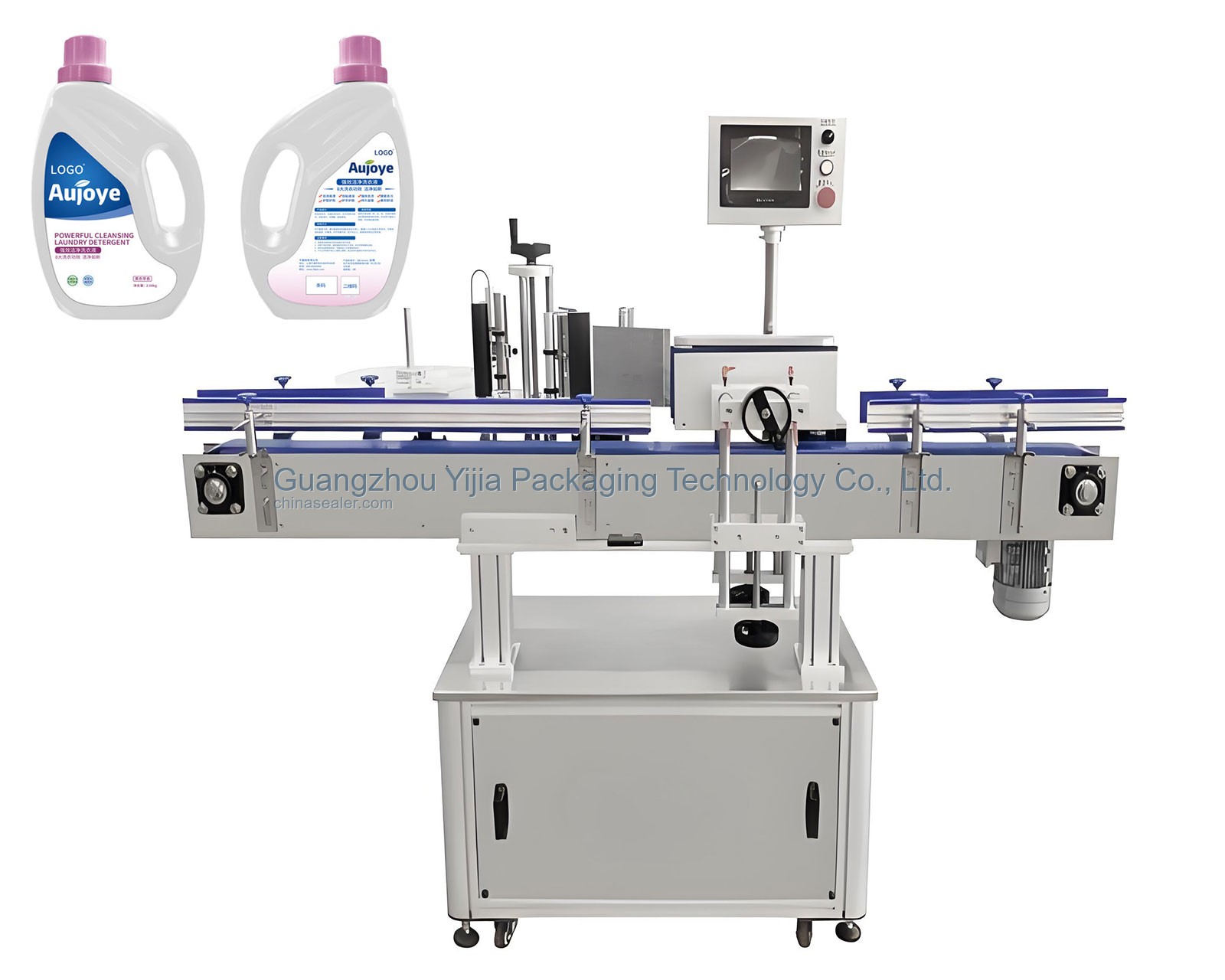 Round & Square Bottle Labeling Machine
Labeling and coding; Labeling machine adapts to round or square bottles; coder prints production date and batch number to meet traceability requirements; Round and square bottle...
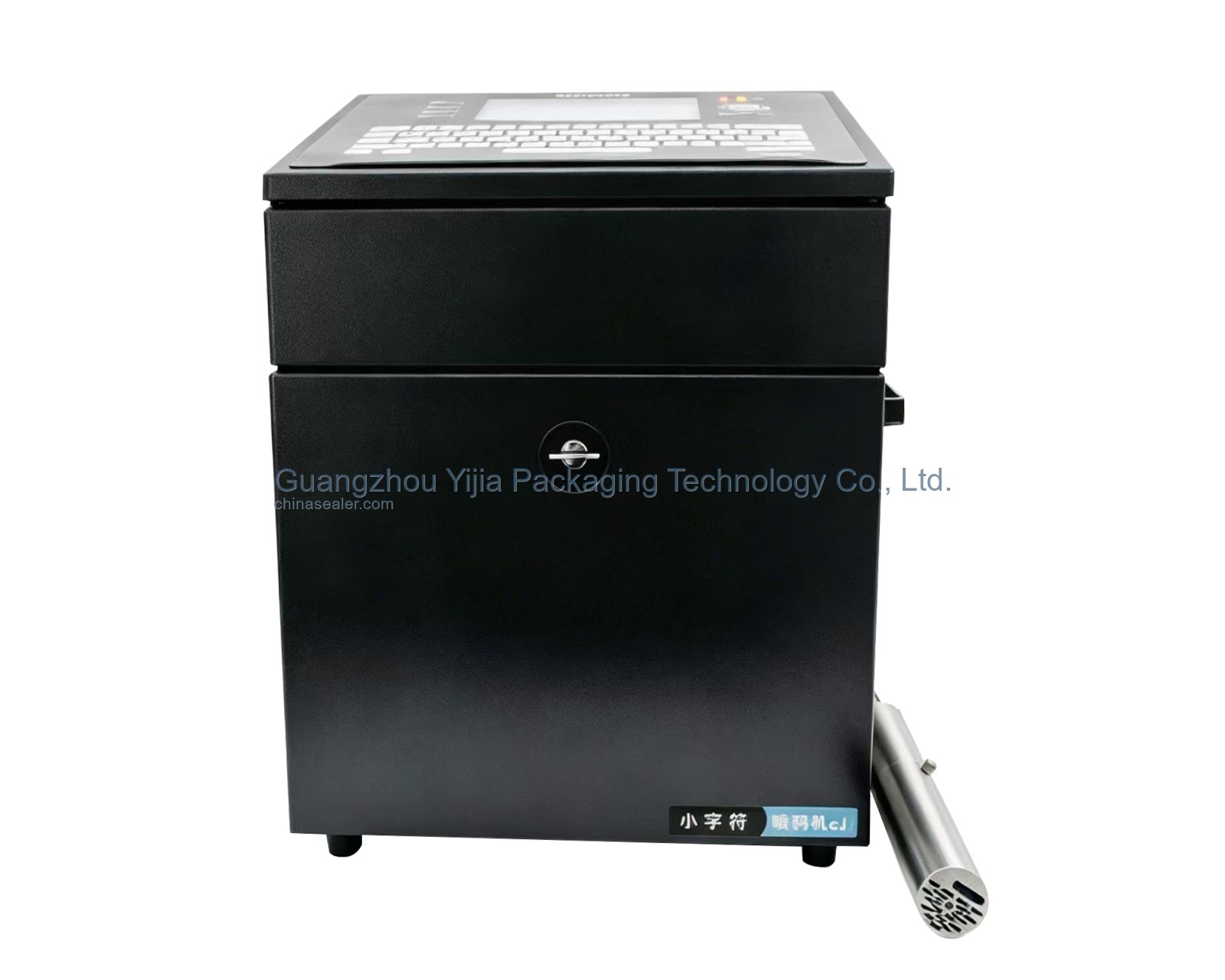 Date & Batch Inkjet Printer
Labeling and coding; Labeling machine adapts to round or square bottles; coder prints production date and batch number to meet traceability requirements; Round and square bottle labeling m...
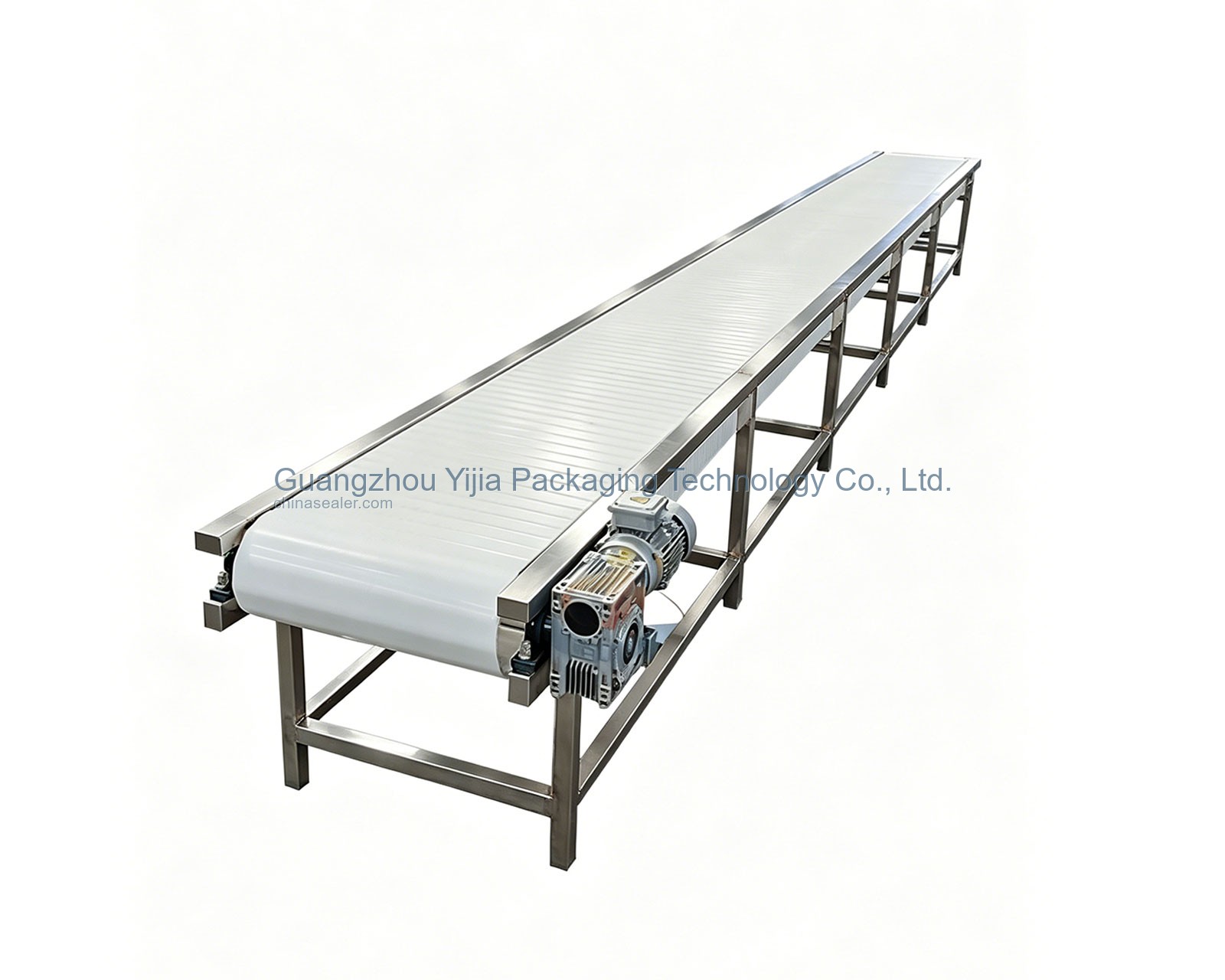 Food-grade conveyor line
Conveying and inspection; Conveyor line connects equipment; checkweigher ensures fill volume is correct and rejects non-conforming products; Food-grade conveyor line + inline checkweigher
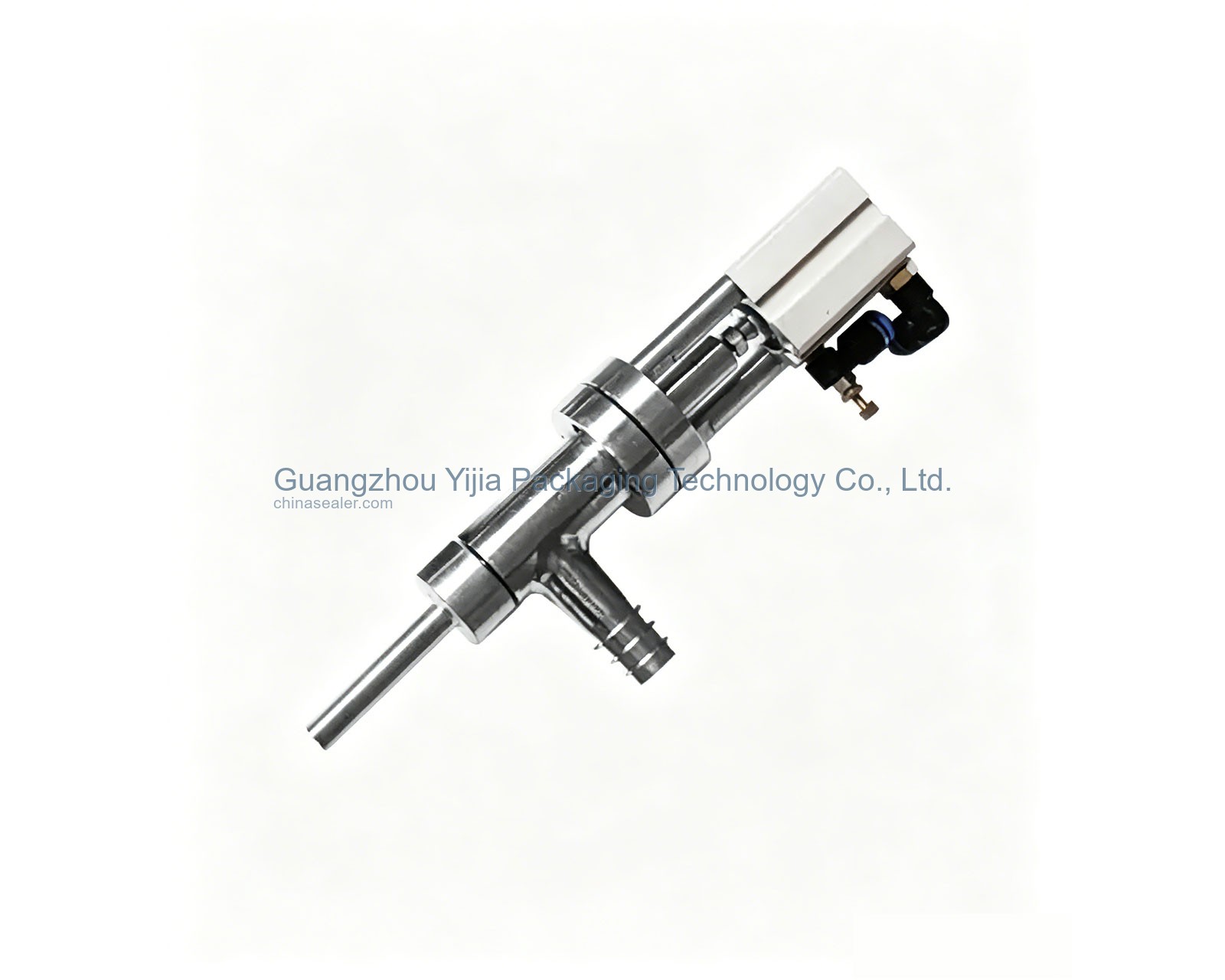 Anti-Drip Anti-Stringing Filling Nozzle Assembly
Paste supply and heating; Ketchup viscosity is high at low temperatures. A heated hopper maintains paste fluidity, ensuring filling accuracy and speed; Heated hopper a...
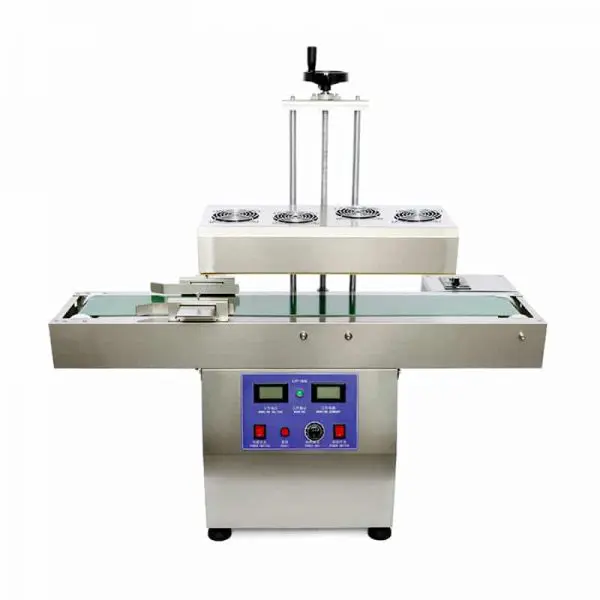 Inline Induction Foil Sealer
Capping; Compatible with screw caps or press caps, configured according to cap diameter and torque requirements, can be inline with the filling section; Automatic screw capper
Sample details
Product state affects filling method, contact materials, drip prevention, and safety configuration.
Ketchup sample or photo: confirm viscosity, particle size, and color, affecting filling pump and hopper selectionInline requirements affect equipment sequence, timing matching, and downstream inspection methods.
Empty bottle sample or dimension drawing: confirm bottle mouth diameter, bottle shape, and height, affecting filling nozzle, capping head, and labeling toolingCap structure determines press capping, screw capping, cap feeding method, and whether inline is needed.
Bottle cap sample: confirm cap type, thread, and whether it has an aluminum foil liner, affecting capper and induction sealer configurationCapacity target determines standalone, semi-automatic, or continuous inline configuration, and also affects the quotation range.
Target capacity: number of bottles to fill per hour or per day, determines standalone, multi-head, or inline solutionInline requirements affect equipment sequence, timing matching, and downstream inspection methods.
Label sample or specification: confirm label size, material, and labeling position, affecting labeling machine modelCapacity target determines standalone, semi-automatic, or continuous inline configuration, and also affects the quotation range.
If information is incomplete, you can still send existing photos, dimensions, and target capacity. We will first determine the route, then supplement the confirmation checklist.Common selection mistakes
Ketchup viscosity varies greatly; the filling pump for thin and thick paste is completely different. Not providing viscosity or samples can easily lead to inaccurate filling or clogging.
Ketchup fluidity decreases at low temperatures. Without a heated hopper, filling speed will drop and accuracy will be affected.
Screw caps, press caps, induction foil sealing, or heat sealing each require different equipment. Confirming in advance avoids later line modifications.
Standalone machines are suitable for sampling and small batches; inline is suitable for continuous production. Configuring as standalone initially but reserving inline interfaces is more flexible.
Paste dripping onto the bottle mouth during filling affects capping sealing and labeling. A bottle mouth cleaning module may be needed.
Labeling machine structures differ for round and square bottles; special-shaped bottles require customization. Provide bottle samples for confirmation.
Common questions
The price depends on the number of filling heads, automation level, whether inline, and special configurations. It must be confirmed based on samples, capacity, and testing requirements; a direct range cannot be given.
Typically, a multi-head filling line is needed, combined with automatic bottle unscrambling, screw capping, labeling, and conveying inline. The specific number of heads and speed must be confirmed based on bottle type and paste consistency.
A preliminary direction can be determined based on photos, dimensions, and target capacity, but formal quotation and configuration recommendations should be locked in after sample testing.
Main consumables include bottle caps, aluminum foil liners, labels, inkjet ink, and change parts such as filling nozzle seals.
Ensure the bottle mouth is clean, the screw capping torque is appropriate, and add induction foil sealing with aluminum foil liners if necessary to effectively prevent leakage.
Not necessarily; small batches can be operated with standalone machines, but inline reduces manual transfer and improves efficiency. It is recommended to decide based on capacity and budget.