Filling / Dosing Equipment

Rotary Lobe Pump Sauce Filling Machine

Provide the actual product and container to test feeding, particle passage, dosing, drip/string control and cleaning before fixing the pump, pipe, valve, nozzle and head count.

Selection with samplesParameters confirmed per project
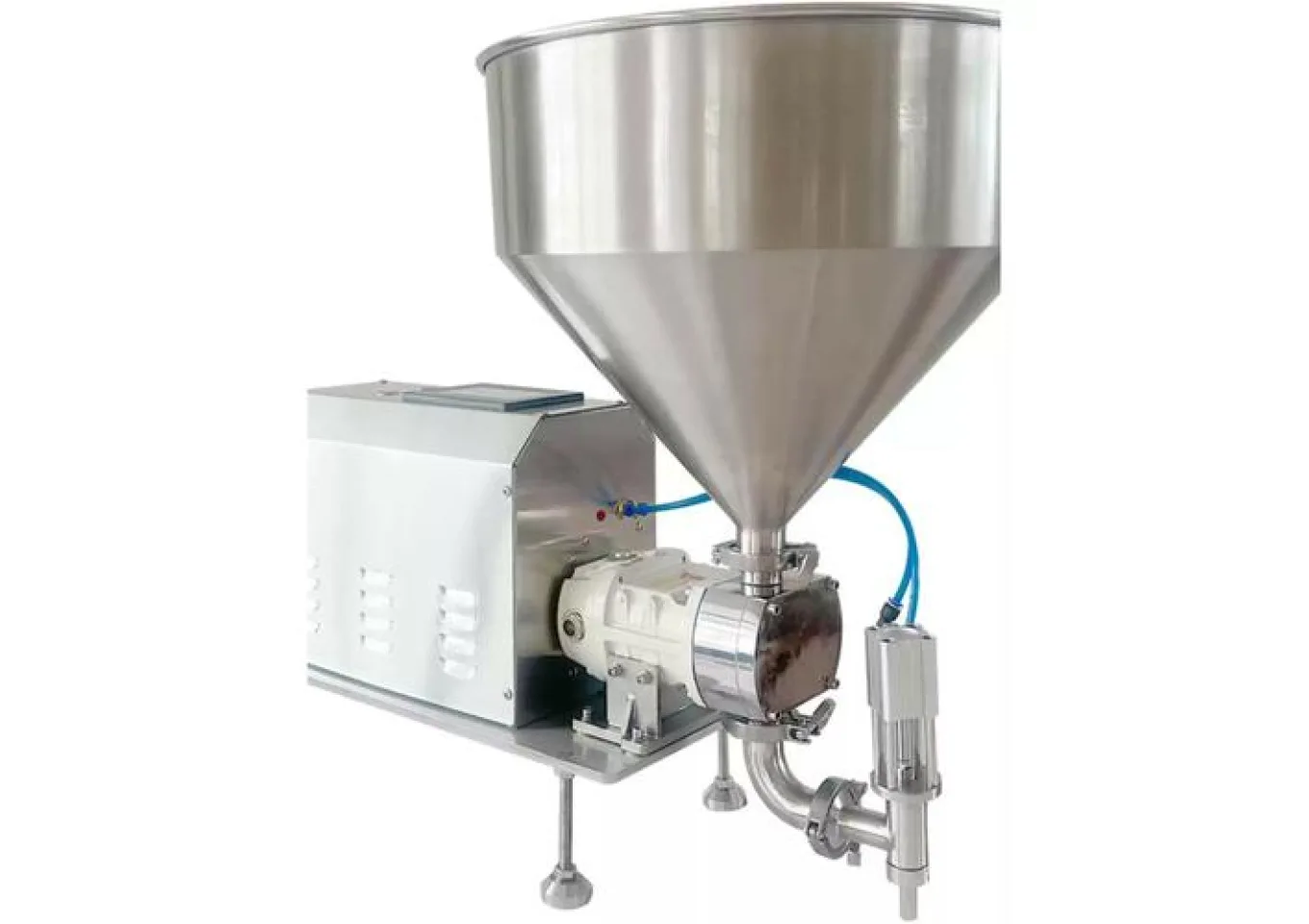
Rotary Lobe Pump Sauce Filling Machine Reference Image 1

Factory equipment photos

Actual equipment photos from the factory. Confirm the final configuration with the containers, product, sample trials and agreed equipment scope.

Rotor Pump Sauce Filling Machine Sample
Rotor Pump Sauce Filling Machine SampleUsed to check equipment structure, samples and configuration; final details are subject to project confirmation.
Rotor Pump Sauce Filling Machine Sample
Rotor Pump Sauce Filling Machine SampleUsed to check equipment structure, samples and configuration; final details are subject to project confirmation.
Rotor Pump Sauce Filling Machine Sample
Rotor Pump Sauce Filling Machine SampleUsed to check equipment structure, samples and configuration; final details are subject to project confirmation.
Rotor Pump Sauce Filling Machine Sample
Rotor Pump Sauce Filling Machine SampleUsed to check equipment structure, samples and configuration; final details are subject to project confirmation.
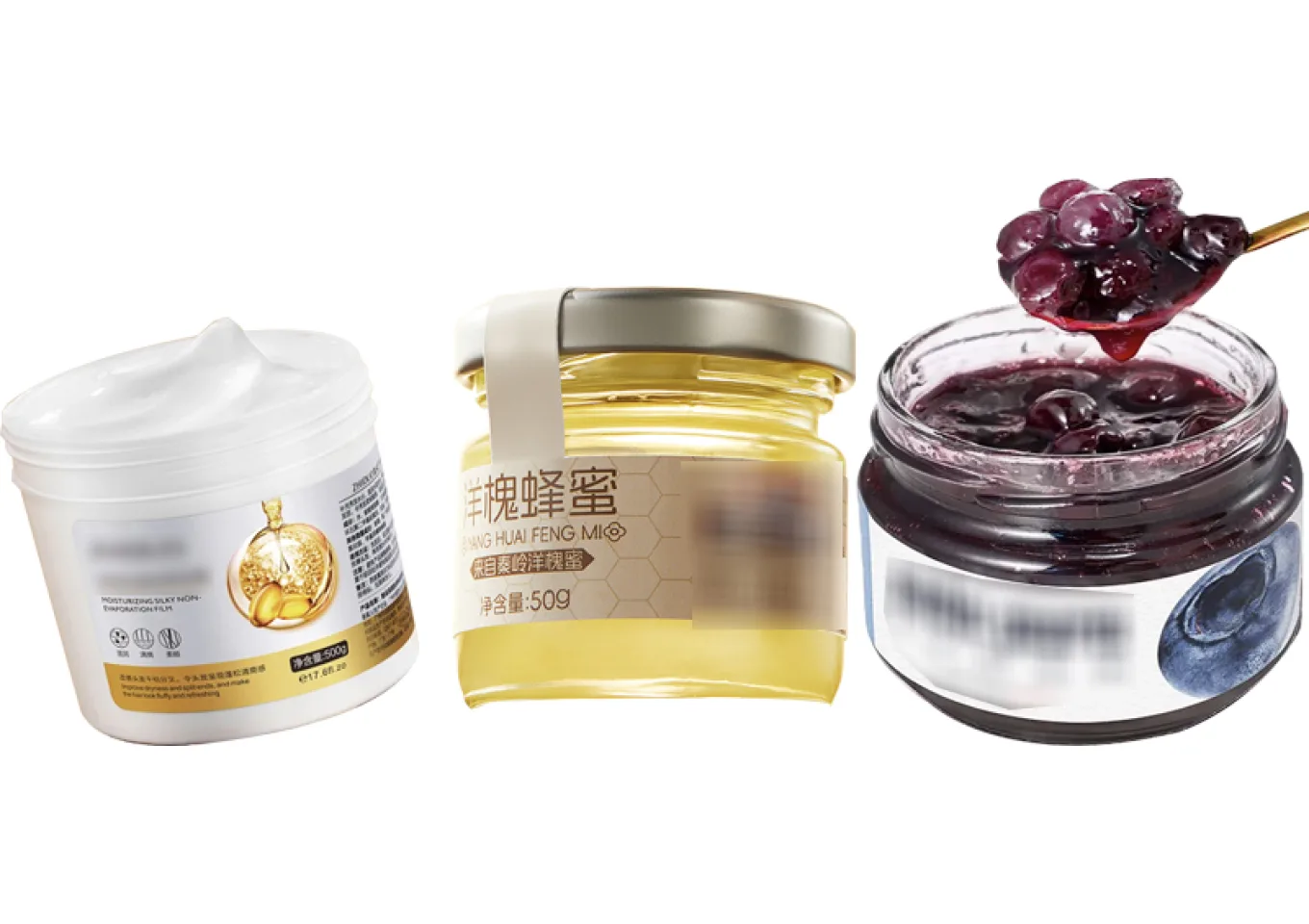
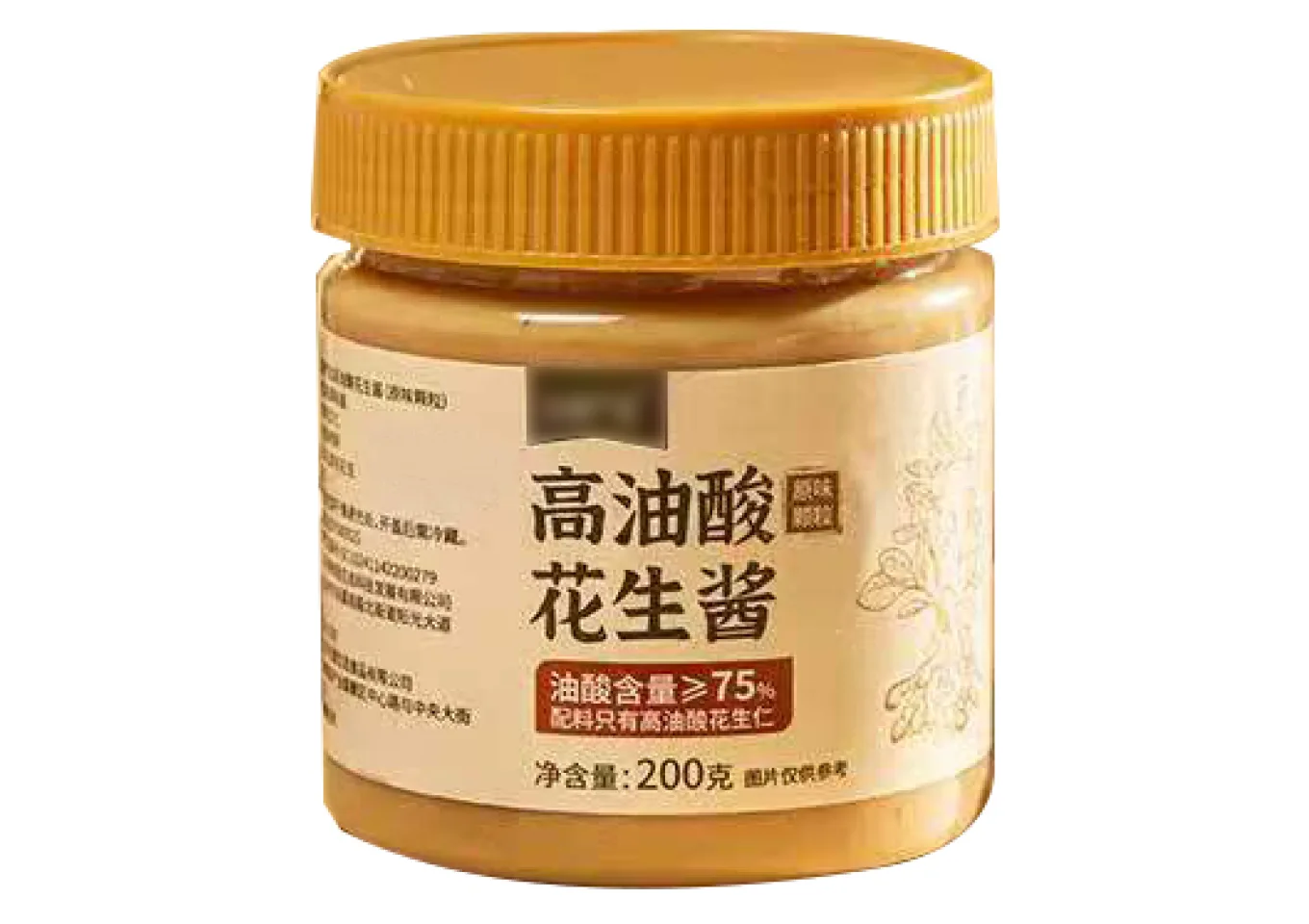
Quantitative Filling of Chunky Sauces
Quantitative Filling of Chunky SaucesIt is recommended to provide particle size, viscosity, target weight, and container photos to confirm the rotary lobe pump model, hopper, agitation, and anti-stringing structure.
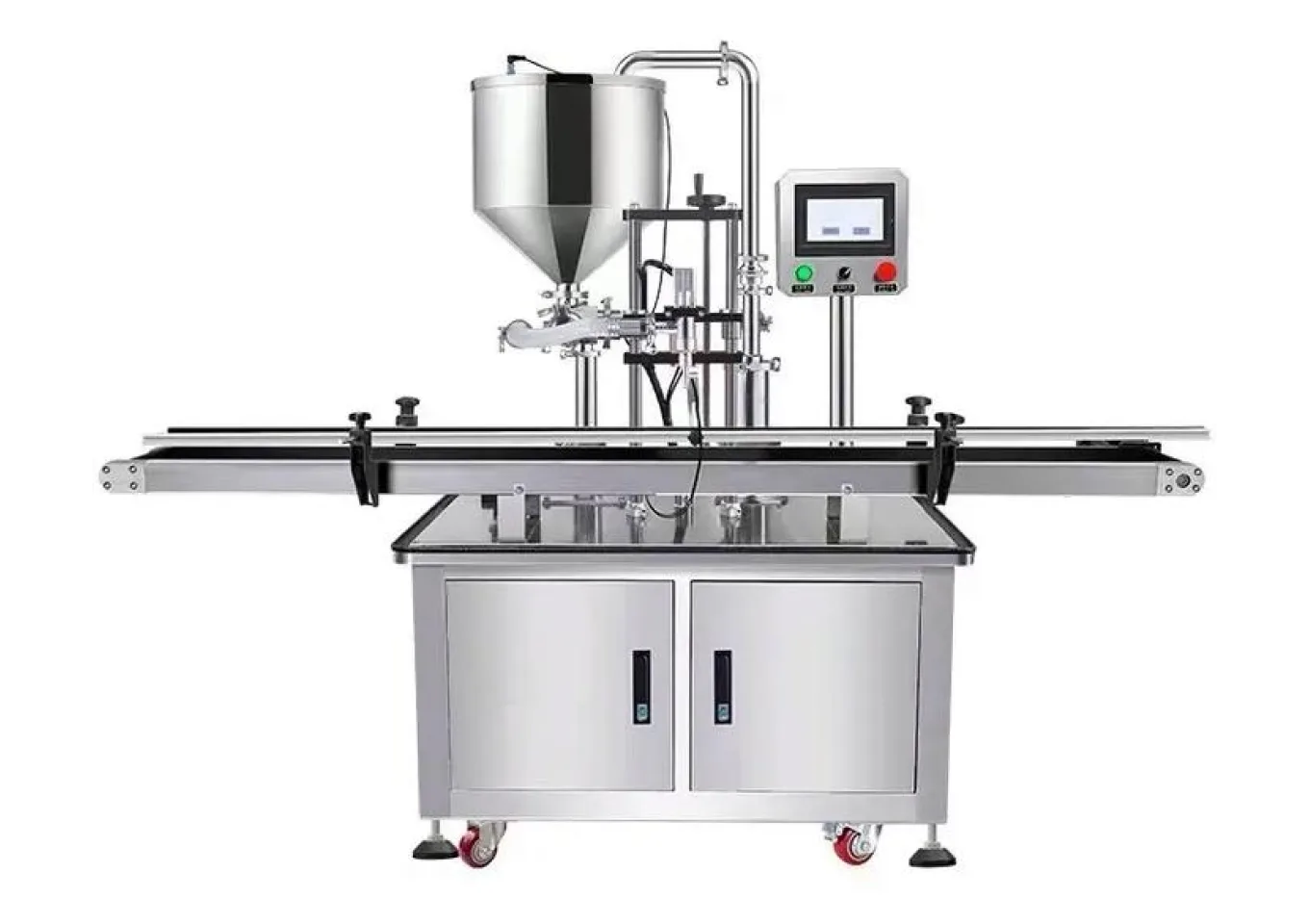
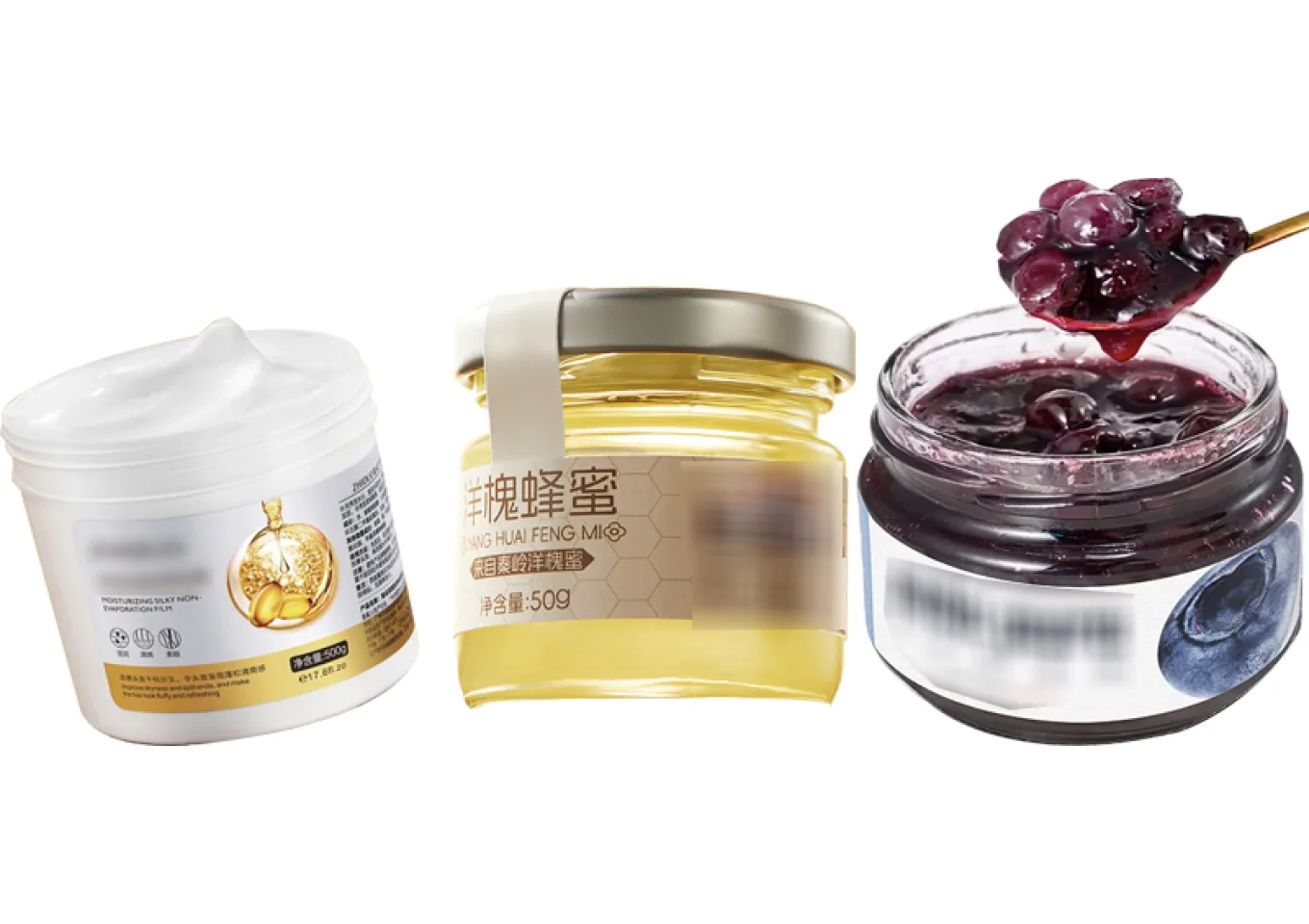
High-Viscosity Food Filling Line Integration
High-Viscosity Food Filling Line IntegrationProject evaluation needs to confirm heating/insulation, level control, CIP cleaning reservation, and overall line cycle time.

Selection points

Confirm samples, material and cycle time first

These details decide machine structure, changeover method and quotation accuracy.

01

Check applicable objects first

The machine meters and fills viscous sauces, condiments or products containing passable particles. Viscosity, particle size and integrity, temperature, shear sensitivity, foaming and stringing affect the pump, piping, valves and nozzles. Container opening, dose, drip collection, suck-back and cleaning must be confirmed together through real-product and container trials.

02

Selection points

Select a rotary lobe pump sauce filler by viscosity, particles, temperature, shear, stringing, container opening, dose, anti-drip route, piping and cleaning, using real-product trials.

03

Recommended information before quotation

Send product sample and temperature, viscosity and particle range, target dose and tolerance, opening dimensions, feed route, drip/string behaviour, cleaning, cycle and line interfaces.

04

How are compatibility and operating conditions confirmed?

Provide details of the existing equipment or line, installation position, target cycle and site conditions. Compatibility, change parts and integration requirements can then be confirmed; associated equipment and functions must be listed separately.

Selection points

Send these materials for a faster reply

Photos, key dimensions, and packaging material details are enough to start; if details are incomplete, we will review the direction first.

Configuration reference

  • The machine meters and fills viscous sauces, condiments or products containing passable particles.
  • Send product sample and temperature, viscosity and particle range, target dose and tolerance, opening dimensions, feed route, drip/string behaviour, cleaning, cycle and line interfaces.
  • Provide details of the existing equipment or line, installation position, target cycle and site conditions. Compatibility, change parts and integration requirements can then be confirmed; associated equipment and functions must be listed separately.

Prepare for selection

  • Send product sample and temperature, viscosity and particle range, target dose and tolerance, opening dimensions, feed route, drip/string behaviour, cleaning, cycle and line interfaces.

Selection points

Key Parameters

01

Model

YJ-GZ-ZP300

02

Standard Output / Capacity

Confirmed based on fill volume, material state, number of heads, and loading/unloading method: 600-1200 bottles/hour

03

Applicable Containers / Packaging Format

Bottles, pails, cans, flexible pouches, wide-mouth containers

04

Applicable Size Range

Material viscosity, target fill volume, anti-drip requirements, cleaning method

05

Applicable Products / Contents

Pumpable sauces, pastes or particle-containing products; particle passage, shear sensitivity and cleaning conditions require actual-product trials.

06

Associated Options (by Project)

Filling nozzle, hopper, conveyor line, bottle caps or sealing film

07

Core Process

Quantitative material filling

08

Tooling / Changeover

Configured according to mouth diameter

Confirmation process

01Provide sample details

Send product, container, material, dimensions and target output.

02Check machine structure

Confirm configuration by process, changeover, cycle time and line needs.

03Confirm test points

Test sealing, filling, labeling or inspection results when needed.

04Output quotation plan

Quote after confirming power, layout, lead time and spare parts.

Configuration selection

Choose configuration by production method

Rotary lobe, piston and multi-head servo routes are not interchangeable by product name. Compare viscosity, particles, shear, temperature, dose, cycle and cleaning.

01

Sampling / small batch

Confirm sample compatibility, effect and basic parameters first.

02

Stable batch production

Focus on station count, operating rhythm and changeover method.

03

Line integration required

Evaluate feeding, discharge, coding, inspection and floor space separately.

Filling / Dosing Equipment

Selection points

Frequently Asked Questions

What information is needed before solution confirmation?

Send product sample and temperature, viscosity and particle range, target dose and tolerance, opening dimensions, feed route, drip/string behaviour, cleaning, cycle and line interfaces.

Why is it necessary to see samples and packaging materials first?

The machine meters and fills viscous sauces, condiments or products containing passable particles. Viscosity, particle size and integrity, temperature, shear sensitivity, foaming and stringing affect the pump, piping, valves and nozzles. Container opening, dose, drip collection, suck-back and cleaning must be confirmed together through real-product and container trials.

How are compatibility and operating conditions confirmed?

Provide details of the existing equipment or line, installation position, target cycle and site conditions. Compatibility, change parts and integration requirements can then be confirmed; associated equipment and functions must be listed separately.

What should be reviewed before delivery?

It is recommended to review sample test results, key dimensions, consumable specifications, power and air supply, cleaning and maintenance methods, and spare parts list to avoid modifying molds or adjusting stations on-site.

Send Sample Information

Have samples ready?

Send product sample and temperature, viscosity and particle range, target dose and tolerance, opening dimensions, feed route, drip/string behaviour, cleaning, cycle and line interfaces.

Send product sample and temperature, viscosity and particle range, target dose and tolerance, opening dimensions, feed route, drip/string behaviour, cleaning, cycle and line interfaces.

Inquiry

Online Inquiry Form

Please specify container type, sealing material, speed target, sample status, and target market.

* Enter at least an email address or phone / WhatsApp number so we can reply.

Complete the security check before submitting your inquiry.
Discuss Selection & Get a QuoteWhatsApp