Solution topic
Wide-mouth jars and pump bottles for creams: sealing, capping, and labeling cannot share one configuration
Configure filling, sealing, capping, and labeling according to cream and lotion viscosity, wide-mouth jar or pump bottle, heat seal film or aluminum foil liner, and label position.
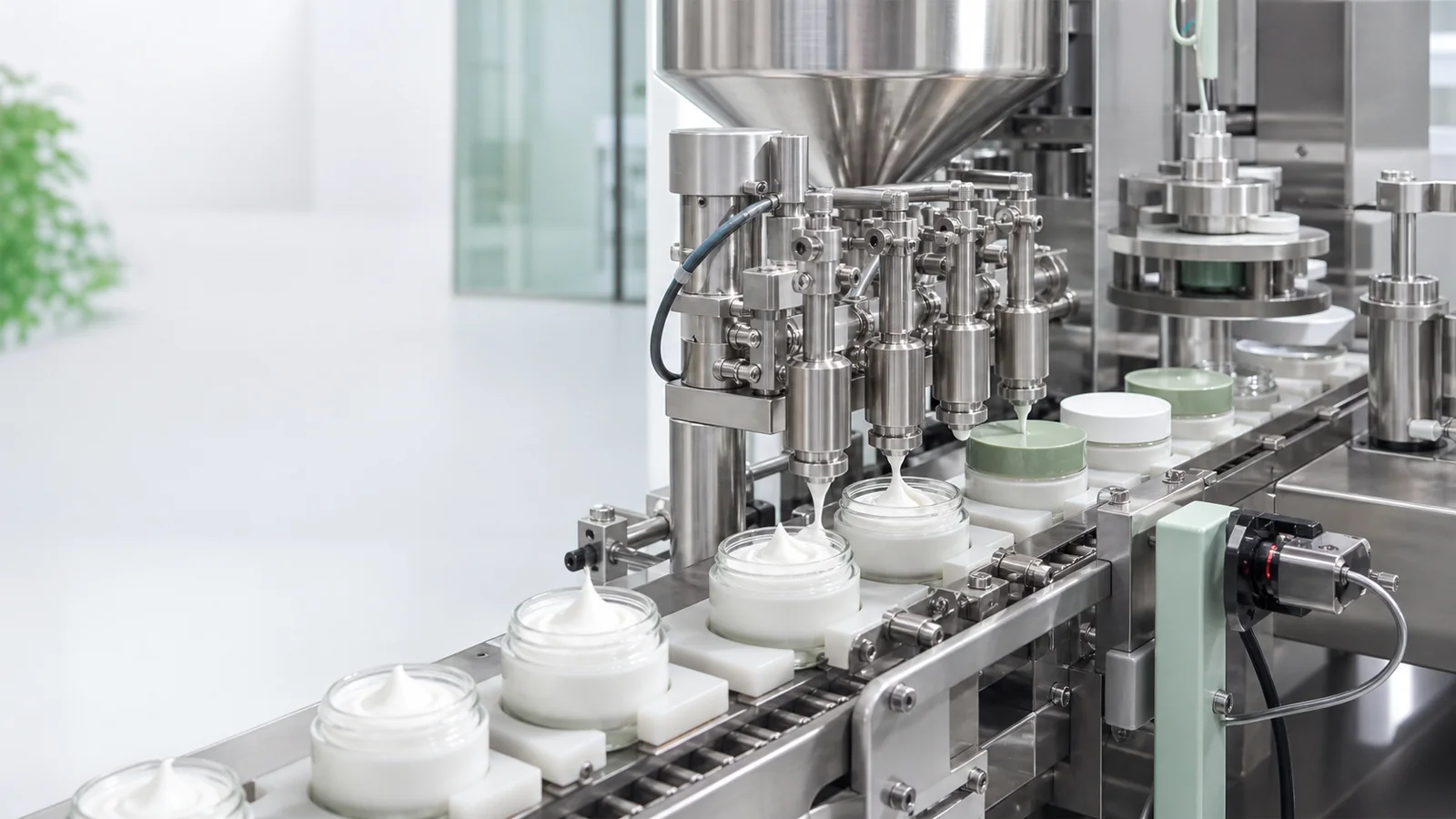
- Wide-mouth jars may use direct heat sealing film, threaded caps with aluminum foil liners can be evaluated for induction sealing, and pump caps focus on cap feeding and tightening. Provide material, cap film, and label samples, and specify changeover specifications, capacity, and batch number position.
Solution summary prepared for you
- For cream and lotion equipment, first use the actual material to confirm viscosity, stringing, and anti-drip, then arrange sealing and tightening separately for wide-mouth jars, threaded caps, or pump-head bottles.
- For direct film lidding on wide-mouth jars, heat sealing can be evaluated. Only when the threaded cap has a matching aluminum foil liner and can be closed stably, evaluate induction inner sealing.
- Whether the pump head can be automatically capped and tightened depends on the tube, pump head orientation, thread, and bottle positioning, and needs to be tested with a complete cap sample.
Route comparison
- When representative samples of creams, lotions, or serums are available, and fill volume, bottle type, and production temperature are specified, the cream filling machine can be evaluated first.
- You can separately verify metering, stringing, anti-drip, and cleaning with the actual material, then decide the number of filling heads and downstream integration.
- Material name cannot replace viscosity and flow testing. Formula, temperature, or particle changes may alter the filling nozzle and feeding structure.
- Without representative materials, or if the sample state is significantly different from the actual production temperature, it is not appropriate to confirm the filling structure.
- The cream filling machine can be evaluated. The specific feeding, metering, and filling nozzle configuration is determined by actual material trial filling.
- For direct film lidding on wide-mouth jars, heat sealing can be compared. When the threaded cap has a matching aluminum foil liner and can fit the bottle mouth stably, induction sealing can be compared.
- Verifying the two packaging material assemblies separately avoids mixing heat-seal film and cap liner, and clearly arranges the sealing and capping sequence.
- Bottle mouth flatness, film, liner, and cap closure must be checked as a set, not just the sealing equipment parameters.
- If the bottle mouth does not require inner sealing, or the packaging material structure is not yet determined, do not add heat sealing or induction stations in advance.
- Choose between the in-line heat sealing machine and the in-line induction foil sealing machine based on the packaging structure, and re-verify with official samples.
- When caps or pumps can be fed, straightened, and tightened stably, and the bottle can be reliably positioned during closing, an automatic screw capping machine can be evaluated.
- The tightening station can be validated separately from filling, sealing, and labeling, making it easier to arrange changeovers for different cap types.
- Irregular pumps, hose direction, and bottle strength affect the mechanism. Torque settings cannot replace physical adaptation.
- If the cap type is not finalized, or the pump cannot be automatically fed stably, manual cap feeding or a dedicated mechanism evaluation should be retained first.
- An automatic screw capping machine can be evaluated; the cap feeding method, bottle holding, and tightening structure are determined by actual cap samples.
Associated Equipment / Consumables
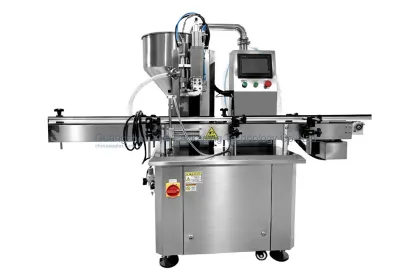 Paste Filling Machine
Paste Filling Machine is configured for Quantitative filling on Bottles, pails, cans, flexible pouches.
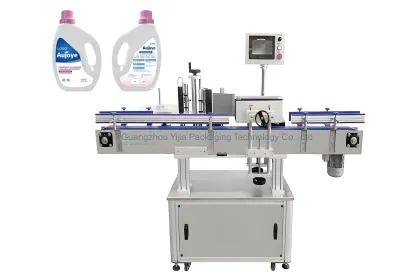 Round-Bottle and Front/Back Labelling Machine
Check cream, bottle, cap, film, and label as a complete set; Also list common specifications, fill volume, changeover frequency, planned cycle time, and batch code locati...
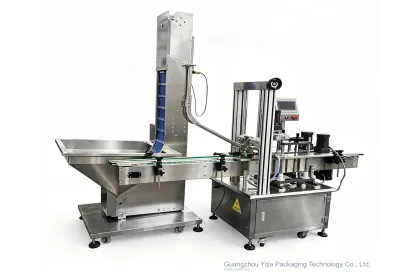 Automatic Screw Capping Machine
Cream quantitative filling; Check whether the bottle mouth is contaminated by the product and record material change and cleaning operations. These results affect subsequent sealing st...
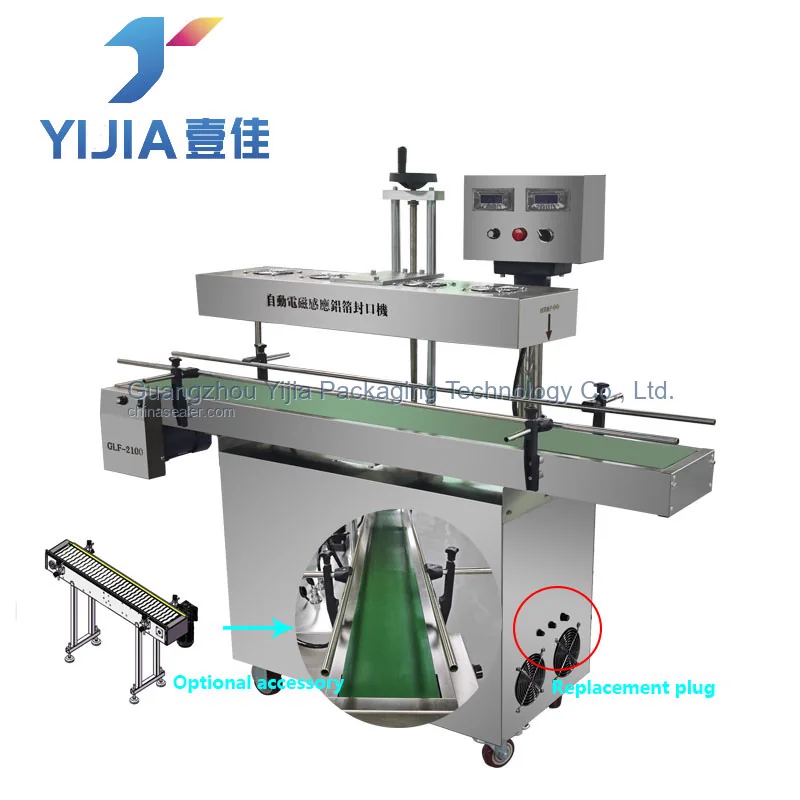 Inline Induction Foil Sealer
Cream quantitative filling; Check whether the bottle mouth is contaminated by the product and record material change and cleaning operations. These results affect subsequent sealing stabi...
Core process
First use the actual cream or lotion to observe viscosity, stringing, and filling finish, then assemble the wide-mouth jar, threaded cap or pump head, sealing material, and label into a complete sample set.
The cream filling machine should first use the actual material to verify feeding, metering, and finishing. Whether the filling nozzle needs anti-drip or anti-stringing features is determined by the trial filling results.
For direct film lidding on wide-mouth jars, evaluate the in-line heat sealing machine. Only when the threaded cap has a matching aluminum foil liner and can be tightened stably, evaluate the in-line induction foil sealing machine.
The automatic capping machine needs to verify capping, straightening, and tightening with the actual cap type. Slender pump heads, tube orientation, or shaped caps may require special capping methods.
Round, square, and shaped bottles can be evaluated with the round and square bottle labeling machine, and verify positioning, label pressing, and label seam position separately.
The date and batch code inkjet printer should be placed after sealing and capping are stable, and avoid curved bottle surfaces, label seams, or areas prone to friction.
Sample details
The actual material determines the feeding and filling nozzle configuration and can also reveal dripping and bottle mouth contamination in advance.
Prepare representative materials and explain viscosity, particles, temperature, stringing, and material change cleaning requirements.The actual cap sample determines capping, tightening, and positioning. Text descriptions cannot cover thread and shaped structures.
Submit complete samples of wide-mouth jars, threaded caps, or pump heads, and indicate all common specifications and pump head orientation requirements.Heat-seal film and induction liner are two different routes. The sealing station can only be arranged after the packaging material is determined.
Provide direct film lidding or aluminum foil liner inside the cap, and specify the assembly order and expected seal inspection method.This information is used to arrange the number of filling heads, buffering, changeover parts, and overall line cycle time.
Specify the target output for each bottle type, common fill volume, number of changeovers per day, and which stations need automatic connection.The bottle shape and layout together determine the labeling and coding positions. Site information is used to confirm the conveying direction.
Prepare the official label roll, labeling positioning drawing, batch code layout, and provide available space and downstream equipment location.Acceptance items should be clarified in advance so that each station can use the same batch of official materials and packaging for verification.
List the results to be recorded for fill volume, dripping, sealing, capping, labeling, and coding. If information is insufficient, you can first send existing samples.Common selection mistakes
Products in the same category can have obvious flow differences. Trials should record feeding, metering, finishing, and cleaning, not just whether the product can be discharged.
Bottles, caps, films, or liners should be submitted in the actual assembly relationship, and observe capping, straightening, and tightening during continuous operation.
First determine whether the film is on the bottle mouth or inside the cap, then choose the sealing equipment. Otherwise, it is easy to cause duplicate stations or unusable packaging materials.
You should list the common specification combinations and record the adjustment range of contact parts, tooling, capping, and labeling during machine trials.
Use the official label roll and bottle samples for trial labeling and coding, and check adhesion, readability, and spatial relationship with the sealing and capping stations.
View detailed technical notes
First observe filling finish with actual materials
Creams, lotions, and serums may differ in viscosity, stringiness, and particle state. Trial filling with production-state materials is required to confirm feeding, metering, drip prevention, and cleaning arrangements.
Submit bottles, caps, films, and labels as a complete set
Wide-mouth jars, threaded-cap bottles, and pump bottles require different sealing and closing actions. Samples should include actual caps, sealing films or gaskets, and formal labels, and specify changeover specifications.
Resolve dripping and contamination first in cream filling
The configuration of a cream filling machine is determined by actual material trials. In addition to fill volume, observe filling nozzle finish, stringiness, bottle mouth contamination, and cleaning operations between different products.
Heat sealing for wide-mouth jars and induction sealing inside caps cannot be mixed
Wide-mouth jars use heat sealing when directly covered with film. Induction foil sealing is used only when the threaded cap has a compatible aluminum foil liner and the liner remains stable against the bottle mouth after capping. The placement of the two materials and the equipment sequence differ, so test separately with formal cap and film samples.
Verify cap feeding separately for threaded caps and pumps
Threaded caps and pumps can be evaluated for automatic screw capping, but ordinary threaded caps and caps with hose pumps differ significantly in cap feeding, straightening, and tightening, so continuous trials with actual cap types are required.
Labeling positioning varies with bottle shape and layout
For round, square, or irregular bottles, confirm label start and end positions, label pressing method, and seams separately. Formal label rolls can also check bubbles, wrinkles, and batch number areas.
Confirm coding position after the main processes
Date and batch coding should be arranged after sealing and capping, and avoid curved surfaces, label seams, and friction areas. Test layout and adhesion with actual bottle samples.
Sealing route is determined by packaging material assembly
First specify whether the sealing material is placed directly on the bottle mouth or pre-installed in the cap, then choose an inline heat sealing machine or an inline induction foil sealing machine.
Capping acceptance is not only about torque
Also observe cap tilt, pump direction, bottle slipping, and bottle mouth damage, and check whether conveying at upstream and downstream stations allows the bottle to enter stably.
Run labeling and coding trials with formal layouts
Round and square bottle labeling machines and date batch coding machines require formal consumables. After confirming positioning and readability, integrate them into the line according to the actual takt time.
Common questions
Can creams and lotions use the same filling configuration?
You cannot judge only by product category. You need to compare actual viscosity, flow, particles, and production temperature, then confirm the feeding method, filling nozzle, and cleaning requirements.
Do wide-mouth jars always need aluminum foil sealing?
Not necessarily. Whether inner sealing is needed depends on the packaging structure and product requirements. Direct film lidding can be evaluated for heat sealing; induction sealing is evaluated only when the cap has a matching liner.
Can pump-head bottles be automatically capped and tightened?
You need to test with the actual pump head. The tube length, pump head orientation, thread, and bottle stability all affect automatic capping and tightening.
What materials should I prepare before contacting to confirm the solution?
Prepare samples of the cream, bottle, cap or pump head, sealing material, and label, and specify the fill volume, cycle time, changeover frequency, cleaning, and batch code location.
How do I accept the sealing and capping results?
Run continuous trials in the actual assembly order, and record the cleanliness of the bottle mouth, the sealing of the film or liner, the cap seating, and the agreed seal inspection results.
When should labeling and coding be integrated into the full line?
Integrate labeling and coding into the line only after the bottle type, label layout, and main process cycle time are stable. In early sampling, you can independently verify filling, sealing, and capping.