Solution topic
Do Electronic-Component Moisture-Barrier Bags Need Vacuum
Loaded electronic component bags can pass continuously through the heat-sealing station; if automatic bag picking is required, evaluate the three-station pre-made bag main machine.
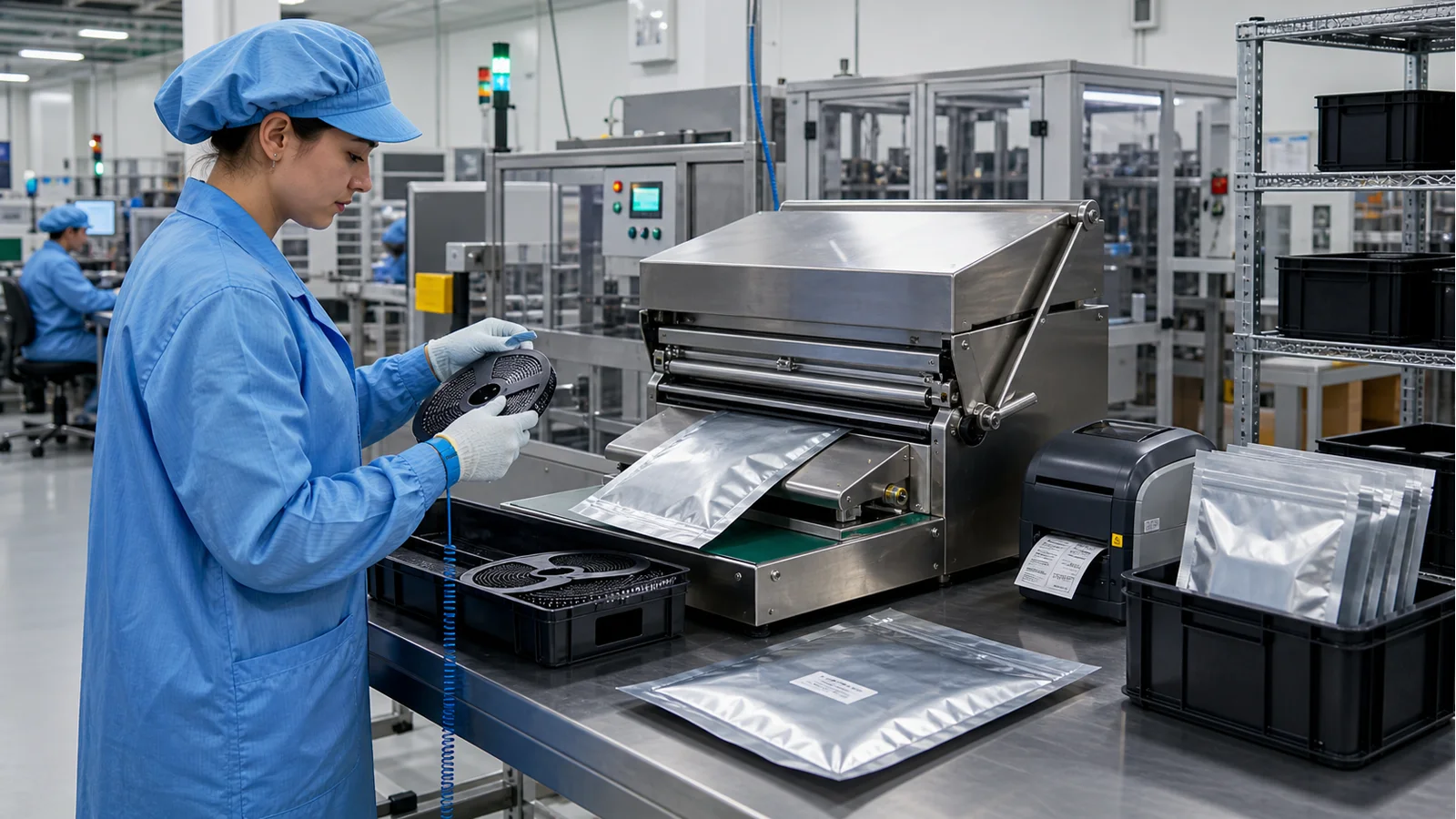
- Continuous heat sealing, external evacuation and automatic premade-pouch handling solve different conditions; vacuum, gas and moisture targets are not interchangeable.
Solution summary prepared for you
- For electronic component moisture barrier bags, first check the heat seal layer, bag mouth width, component sharp corners, and heat-sensitive areas, then choose continuous sealing or automatic pre-made bag processing.
- Ordinary continuous sealing does not provide vacuum packaging or nitrogen flushing; related processes must be confirmed as separate projects based on component and storage requirements.
- Post-sealing batch number position should avoid the heat seal band, and online checkweighing should be configured according to the weight judgment and abnormal product procedures of the complete packaging.
Route comparison
- Suitable for packaging where components have been bagged manually or by upstream processes and only continuous heating and pressing of the bag mouth is needed.
- The equipment can continuously feed stable bag mouths, making it easy to observe the seal band, wrinkles, and post-sealing cooling.
- When components or dust are trapped in the bag mouth, heat seal layer changes, or heat-sensitive parts are too close, re-sampling is required.
- When the process explicitly requires vacuum packaging or nitrogen flushing, ordinary continuous sealing cannot be used as a substitute.
- Continuous bag sealing machine configuration is confirmed based on loaded moisture barrier bags, heat seal layer, and component heating boundaries.
- Suitable for projects where the bag type and components are finalized and continuous bag taking, opening, filling, or sealing actions are desired.
- Multiple manual actions can be evaluated in the same process while retaining sample verification at each station.
- Component shape, bag mouth holding, feeding method, and sealing zone cleanliness will all change the automatic operation status.
- If only empty bags are available, no formal components, or unconfirmed air treatment functions are required, do not lock the equipment structure first.
- The single-lane/three-station pre-made bag filling and sealing machine series must be evaluated with formal components and bag samples; vacuum packaging or nitrogen flushing is confirmed separately.
- Suitable for electronic component packaging that needs to match the packaging batch with the complete finished product weight and has a process for rechecking abnormal products.
- Batch numbers facilitate traceability of bagged batches, and weight checks can detect bagging differences against established packaging combinations.
- When the bag surface is uneven, the printing position is close to the heat seal band, or weight combinations are not grouped, judgment requires continued sampling.
- Without batch number rules, finished product weight benchmarks, or abnormal product flow, on-site operation requirements should be improved first.
- The collaborative date batch number inkjet printer is confirmed by trial printing on bag surfaces, and the online checkweigher is confirmed by complete finished product samples, weight judgment, and on-site recheck methods.
Associated Equipment / Consumables
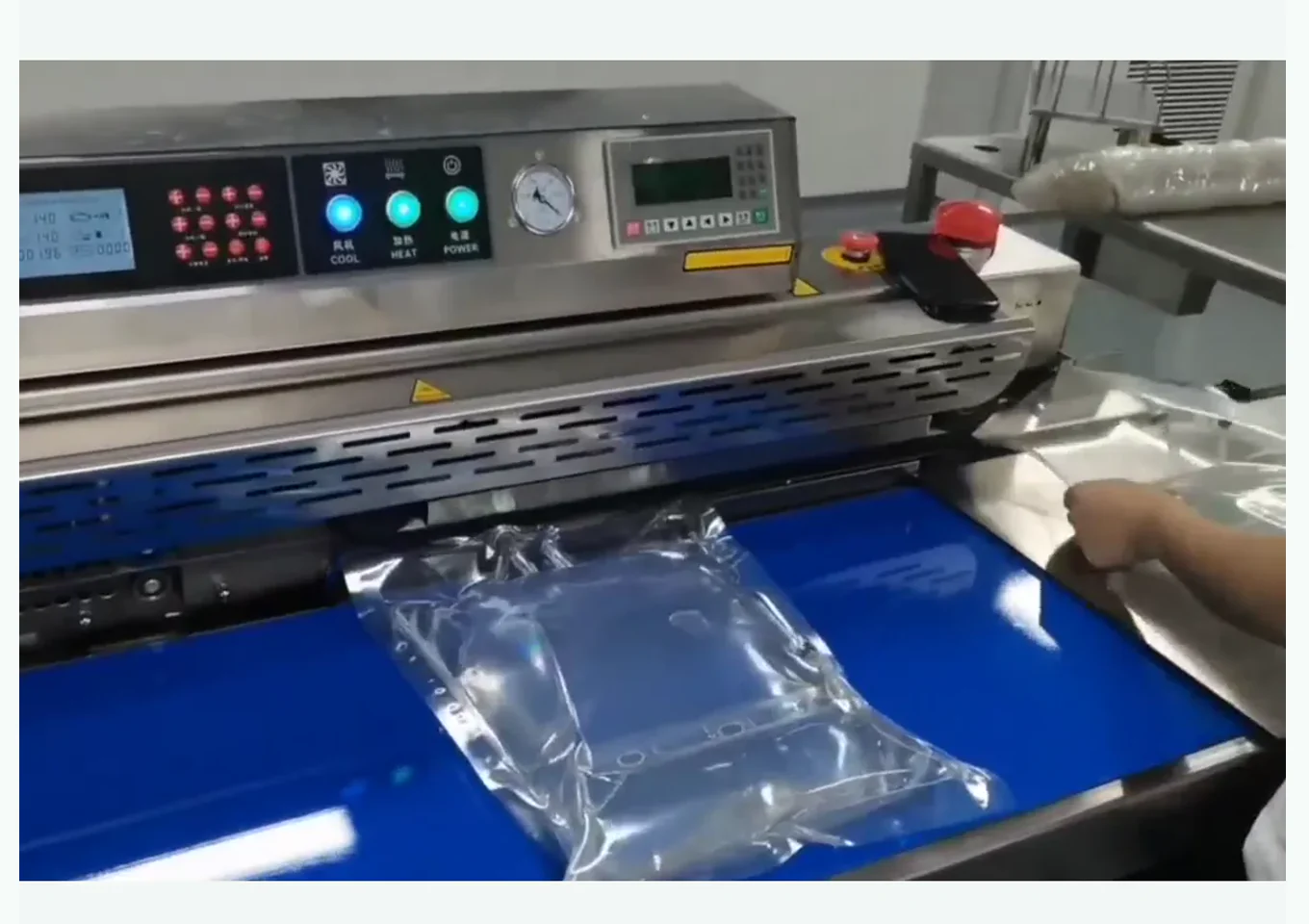 Continuous External-Vacuum Bag Sealing Machine
The machine conveys, externally evacuates and heat-seals prefilled bags. Confirm barrier structure, mouth flatness, product dust or liquid migration, headspace and sealant layer, then validate evacuation time, pack sh...
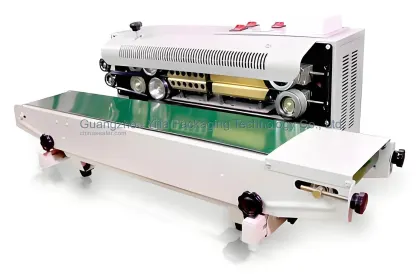 Continuous Bag Sealing Machine
Bag mouth and printing surface confirmation; If the bag mouth is dusty or wrinkled, improve bagging and arrangement actions first, then adjust sealing parameters; Available sealing widt...
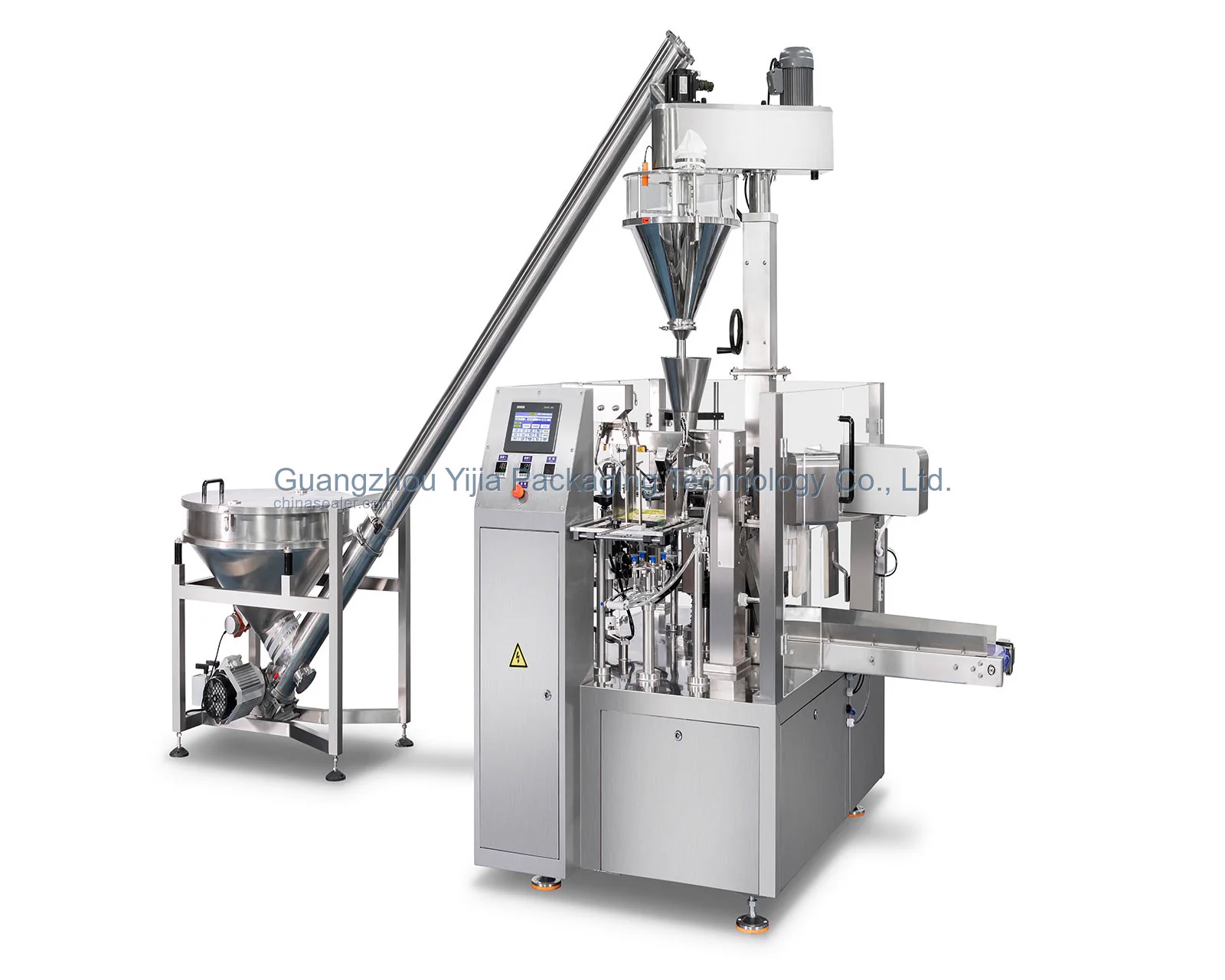 Single-Lane and Three-Station Premade Pouch Filling and Sealing Series
Bag mouth and printing surface confirmation; If the bag mouth is dusty or wrinkled, improve bagging and arrangement actions first, then adjust se...
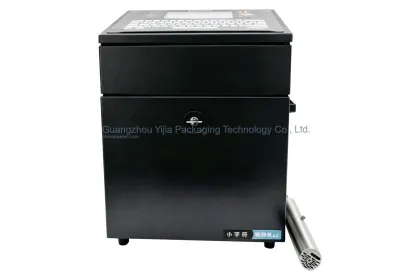 Date & Batch Inkjet Printer
Marking and weight recheck; Printing content, checkweighing judgment, and abnormal product flow should be confirmed together with finished product samples and on-site traceability procedur...
Core process
Check bag structure, heat seal layer, bag mouth width, component sharp corners, and heat-sensitive areas, and have the process team specify packaging requirements.
When bags are loaded and air inside is not treated, continuous feeding, heating pressing, and post-sealing cooling can be verified.
When automatic bag taking, opening, filling, or sealing is required, verify component feeding and bag mouth holding status item by item.
Samples should cover component size, stacking method, and position inside the bag to observe the spacing between pressing, bag lifting, and sealing zones.
Draw the seal band, opening allowance, and batch number area on the same bag sample to check mutual interference and heat effects.
After sealing, batch number can be printed first, then check for underfill, overfill, or packaging combination abnormalities according to the agreed weight.
Sample details
Bag samples are used to observe feeding, pressing, cooling, and seal band appearance; do not set parameters based only on material names.
Submit main bag material, size, thickness, heat seal layer description, and available bag mouth width.Loading conditions will change bag mouth flatness, center of gravity, seal spacing, and conveying posture.
Prepare component shape, sharp corners, heat-sensitive areas, bagging quantity, and stacking method.Continuous heat sealing only closes the bag mouth; other air treatment requirements need independent evaluation.
The process team should specify the requirements and acceptance methods for ordinary sealing, vacuum packaging, or nitrogen flushing.This information is used to arrange collaborative printing, checkweighing triggers, and manual recheck positions.
Provide printing content, bag surface position, finished product weight combinations, and abnormal product handling rules.The operation process determines bag mouth arrangement, equipment integration, and the dwell boundary for heat-sensitive components.
Explain manual bagging actions, pre-sealing cleaning, finished product collection, and available equipment space.Common selection mistakes
The component process team should provide storage and packaging requirements, then separately verify the sealing equipment and independent air treatment solutions.
Use the most common and less favorable loaded bag samples to check feeding, pressing, and heating conditions.
Reserve trial seal samples for each main bag material, and recheck the seal band and opening performance after material changes.
Through bagging depth, positioning, and pre-sealing arrangement, maintain a sample-confirmed distance between components and the seal band.
Before line integration, write the batch number rules, weight combinations, and abnormal product flow into the on-site operation.
View detailed technical notes
First, clearly map the bag mouth and component positions
The heat-seal layer of the moisture barrier bag, the bag mouth width, and the position of the components inside the bag together determine the sealing area. Sharp corners, dust, and heat-sensitive areas must be marked on the loaded sample.
Ordinary continuous sealing only closes the bag mouth
A continuous bag sealing machine can verify feeding, heat pressing, and cooling based on the moisture barrier bag sample. It does not handle the air inside the bag; vacuum or nitrogen flushing must be confirmed separately as a process item.
Test seal each main bag material separately
Aluminum foil laminated bags, antistatic shielding bags, and other structures may have different heat-seal layers. After changing the bag material, re-check continuous feeding, sealing bands, wrinkles, opening, and component heat exposure, and archive the usable settings together with the corresponding bag sample and sealed finished sample.
For the automatic pre-made bag route, review the entire set of actions
The single-lane / three-station pre-made bag filling and sealing machine series requires a project evaluation using formal bag samples and electronic components, observing bag picking, bag opening, component feeding, bag mouth holding, and sealing results item by item. If vacuum or nitrogen flushing is clearly required, confirm it separately as a process item.
Pre-sealing preparation is more important than post-adjusting the temperature
When the bag mouth is dusty, components are caught in the seal, or creases form, simply changing the heating settings cannot solve the root cause. First adjust the bagging depth, bag mouth cleaning, flattening, and limiting actions, then re-check the entire sealing area and component position with a less favorable bagging sample.
Leave a tested clearance for heat-sensitive components
When components are too close to the sealing band, increase the distance through bag type, bagging limit, and operation method, then observe the heating and pressure state during continuous operation.
Place the batch code on a bag surface that can stably accept printing
The collaborative date batch inkjet coder must avoid the heat-seal band, wrinkles, and protruding hardware inside the bag, and verify ink adhesion and readable position on the actual bag surface.
Weight verification corresponds to the complete packaging combination
The inline checkweigher is confirmed with finished samples consisting of components, bag material, and accompanying accessories. After detecting anomalies, connect to isolation, manual recheck, and recording processes.
Common questions
Do all electronic component moisture barrier bags need vacuum packaging?
Ordinary continuous sealing does not treat the air inside the bag; whether vacuum packaging is needed should be confirmed separately based on the component process and storage requirements.
Can moisture barrier bags of different materials share the same sealing settings?
First compare the heat seal layer, thickness, bag mouth width, and heat resistance; each main bag material should be trial sealed with loaded samples.
What should be noted when sealing heat-sensitive electronic components?
Record the distance of components from the seal band, stacking inside the bag, and temperature rise after sealing; adjust bagging position and cooling as needed.
How to judge whether the bag mouth sealing is stable?
Observe the continuity of the seal band, wrinkles, material entrapment, and peel status, and retain samples for recheck according to the sampling method provided by the process team.
When to evaluate automatic pre-made bag equipment?
When continuous bag taking, opening, filling, and sealing are required, and the components and bag type are stable, use formal samples for project testing.
How to coordinate batch number printing and checkweighing?
First define the batch number area on the bag surface, then establish weight judgment and abnormal product recheck procedures with complete finished products.