Solution topic
How to Pack Powders and Granules with Two Dosing Units
Compare screw weighing, pre-made bag filling and sealing, and continuous sealing of pre-filled bags for flour, starch, milk powder, and other powders, explaining the selection boun
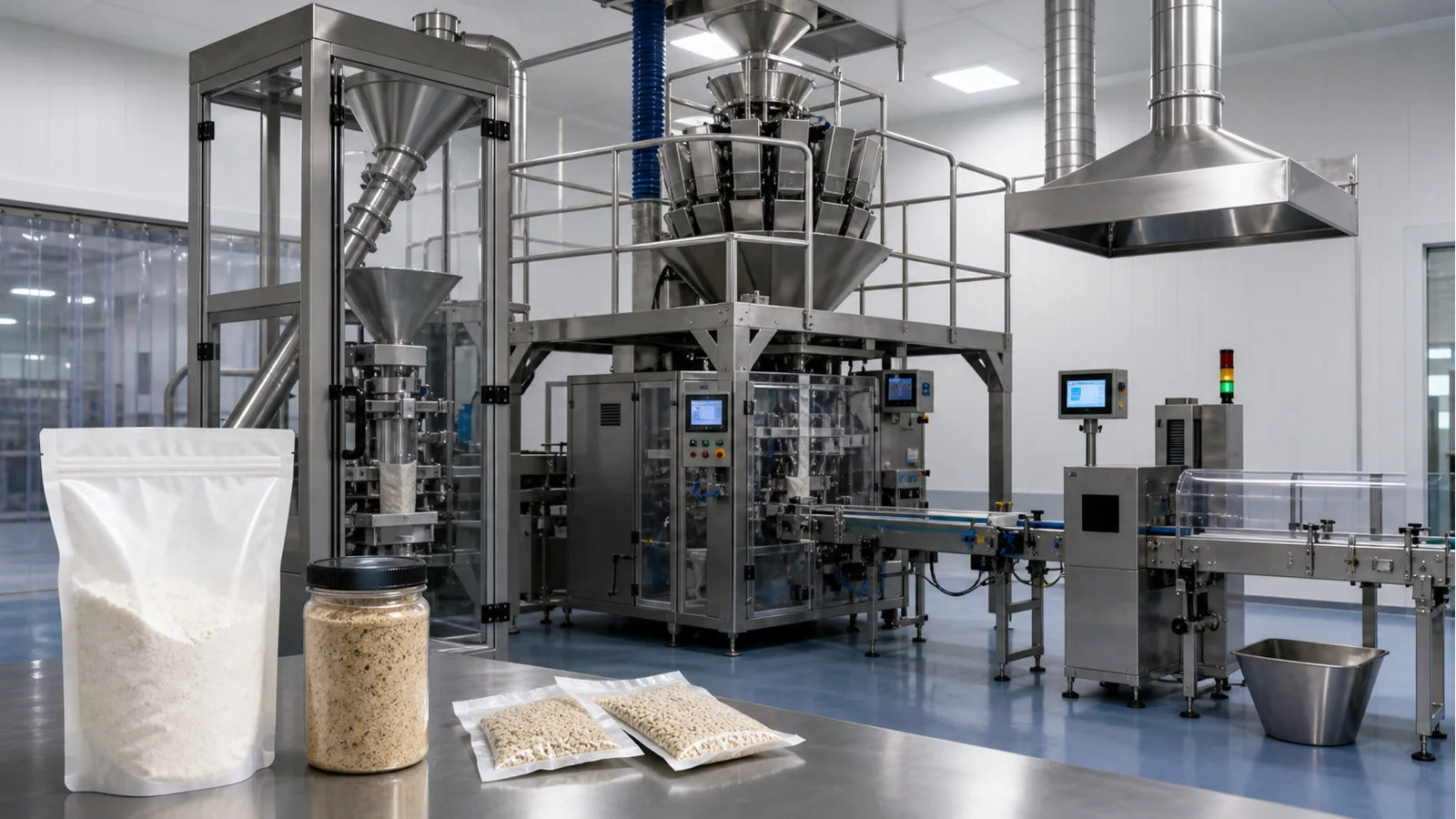
- Validate each material first, then define whether they share a pouch, ratio tolerance, discharge sequence, mouth cleanliness, venting and sealing.
Solution summary prepared for you
- For flour and powder bagging, first check flow, bridging, and dust, then choose powder and granule filling and automatic bag picking and sealing based on pre-made bag structure.
- The complete automatic route consists of a powder and granule filling machine and a pre-made bag filling and sealing machine. If bags are already filled, use a continuous bag sealing machine to handle the bag mouth.
- After bag mouth cleanliness and main sealing edges pass sample testing, configure date and batch coding and in-line checkweighing and visual inspection downstream, and define reject handling according to the quality plan.
Route comparison
- Suitable for projects where powder flow, dust, or fill weight still need confirmation, and metering and filling verification is desired first.
- A powder and granule filling machine can independently verify feeding, metering, and filling, isolating powder bridging and bag mouth contamination issues from the whole line.
- This stage does not yet cover automatic bag picking and final heat sealing. Metering results cannot directly represent the entire bag packaging performance.
- When powder and fill weight are stable and packaging must be completed continuously from empty bags, it is not advisable to stay at an independent metering station for long.
- First complete metering trials with representative powder, and reserve a discharge interface for the pre-made bag filling and sealing machine.
- Suitable for orders where pre-made bags and main powder are already defined, and automatic filling and sealing from empty bags is required.
- The pre-made bag filling and sealing machine organizes bag picking, opening, filling, and sealing into a complete cycle, facilitating a unified bag mouth reference.
- Bag stacking, opening stability, dust, and sealing edge contamination all limit continuous operation and require joint testing with actual bags and material.
- When the bag type is not yet frozen or the bag mouth cannot remain clean for long, the automatic bag picking and sealing solution should not be directly confirmed.
- Connect the powder and granule filling machine with the pre-made bag filling and sealing machine, and adjust bag opening, filling, and heat sealing actions around the official bag material.
- Suitable for processes where upstream manual or independent metering bagging is already completed, and only stable sealing, coding, and inspection are needed.
- A continuous bag sealing machine can accept already-filled bags. Date coding and checkweighing and visual inspection equipment then perform traceability and rule verification.
- It does not undertake powder metering or automatic bag picking. The height and bag mouth flatness of incoming bags need to be verified through actual bag trials to confirm conveying and sealing conditions.
- When the project requires automatic bag picking and filling from empty bags, a continuous sealing machine cannot replace the complete main line.
- Configure a simplified downstream in the order of filled bag shaping, continuous heat sealing, date printing, and checkweighing and visual inspection.
Associated Equipment / Consumables
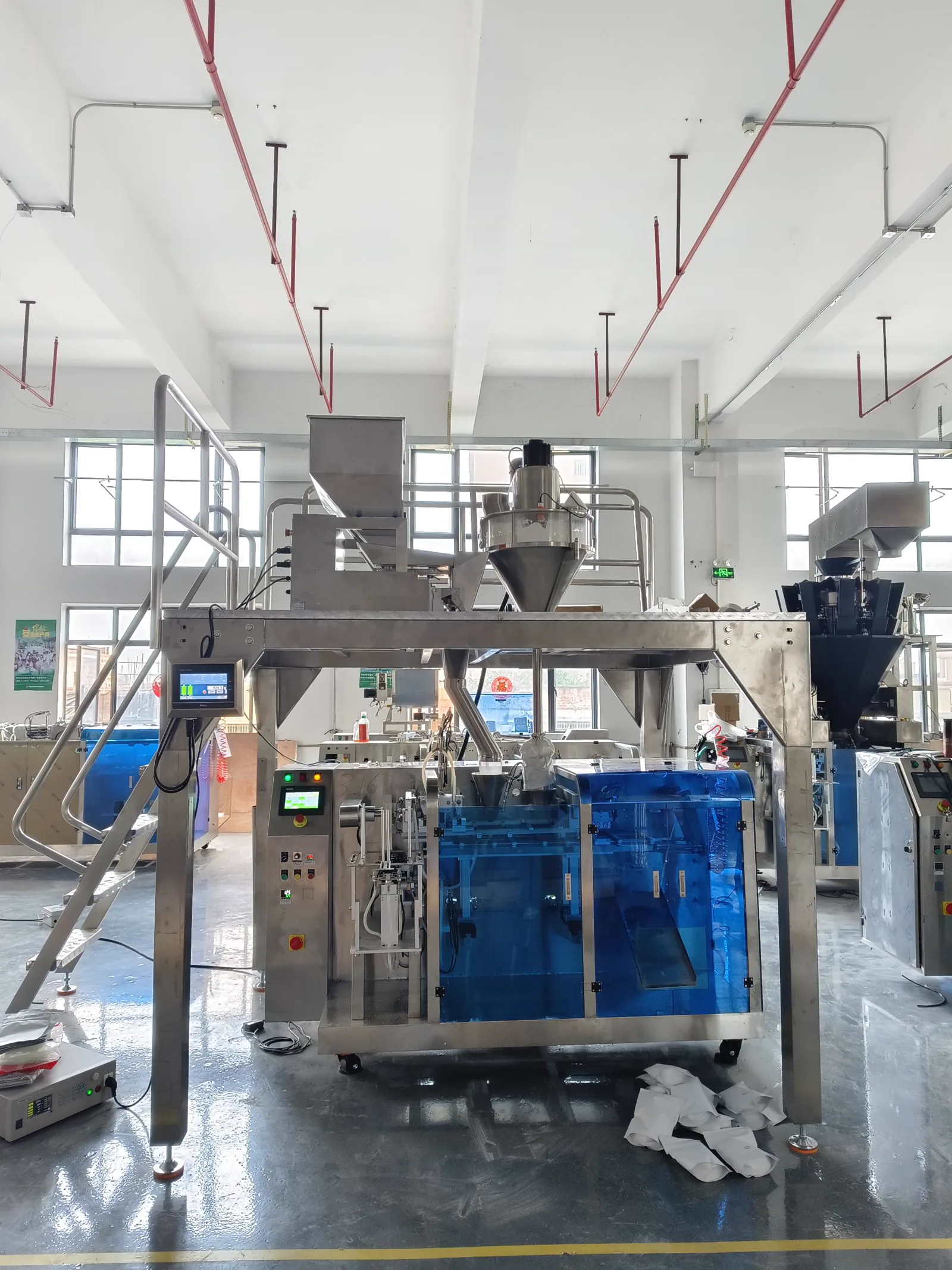 Powder and Granule Dual-Dosing Horizontal Premade-Pouch Machine
The machine packs powders, granules or products needing two dosing units into premade pouches. Confirm flow, bulk density, particle size, dust, static and fragility, separate dose tolerances, discharge sequence, pouch...
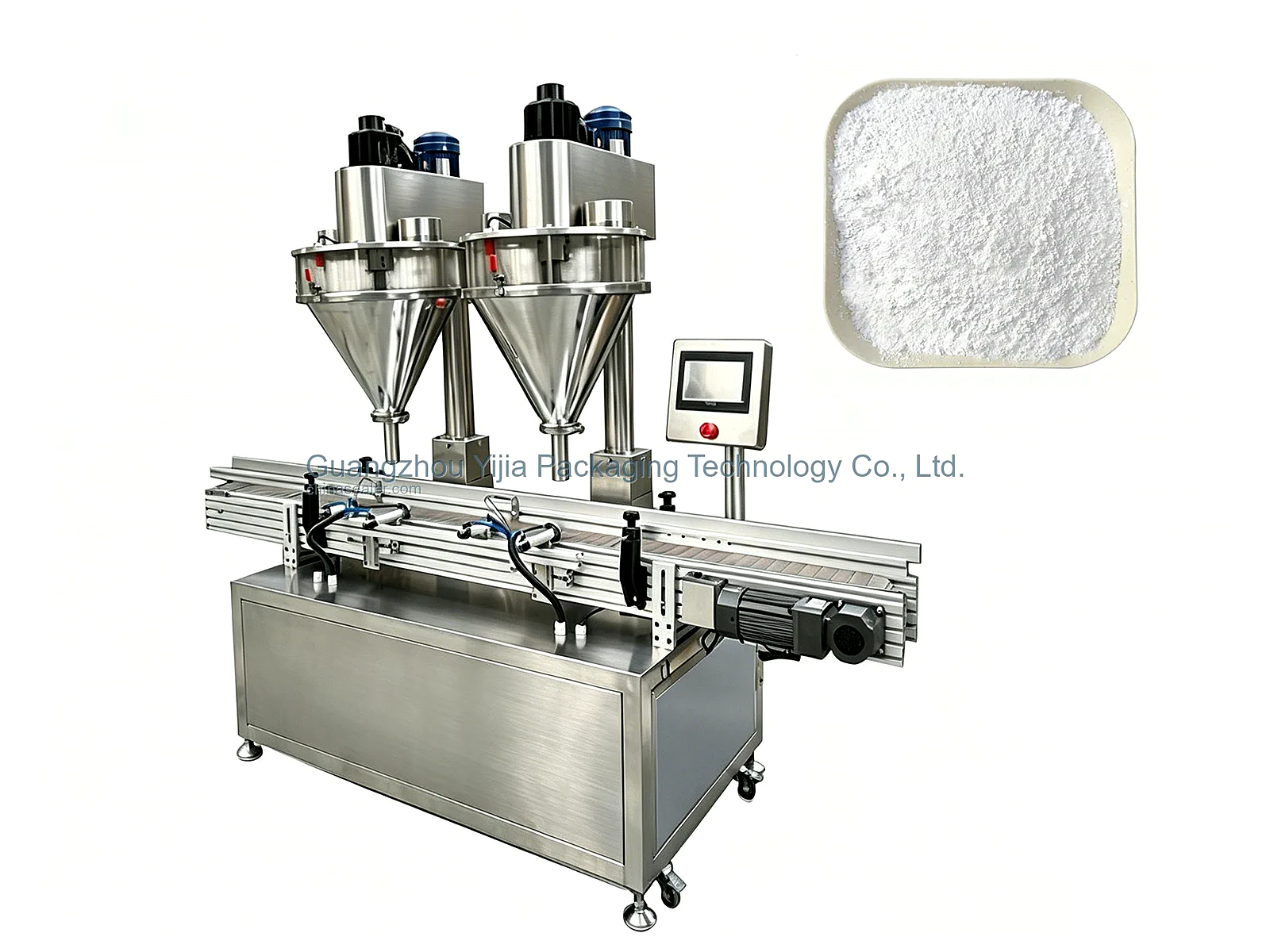 Powder and Granule Dosing Filling Machine
Automatic bag picking, filling, and sealing; Bag width, length, clamping area, and heat-seal layer determine the main machine changeover. Photos alone cannot freeze the tooli...
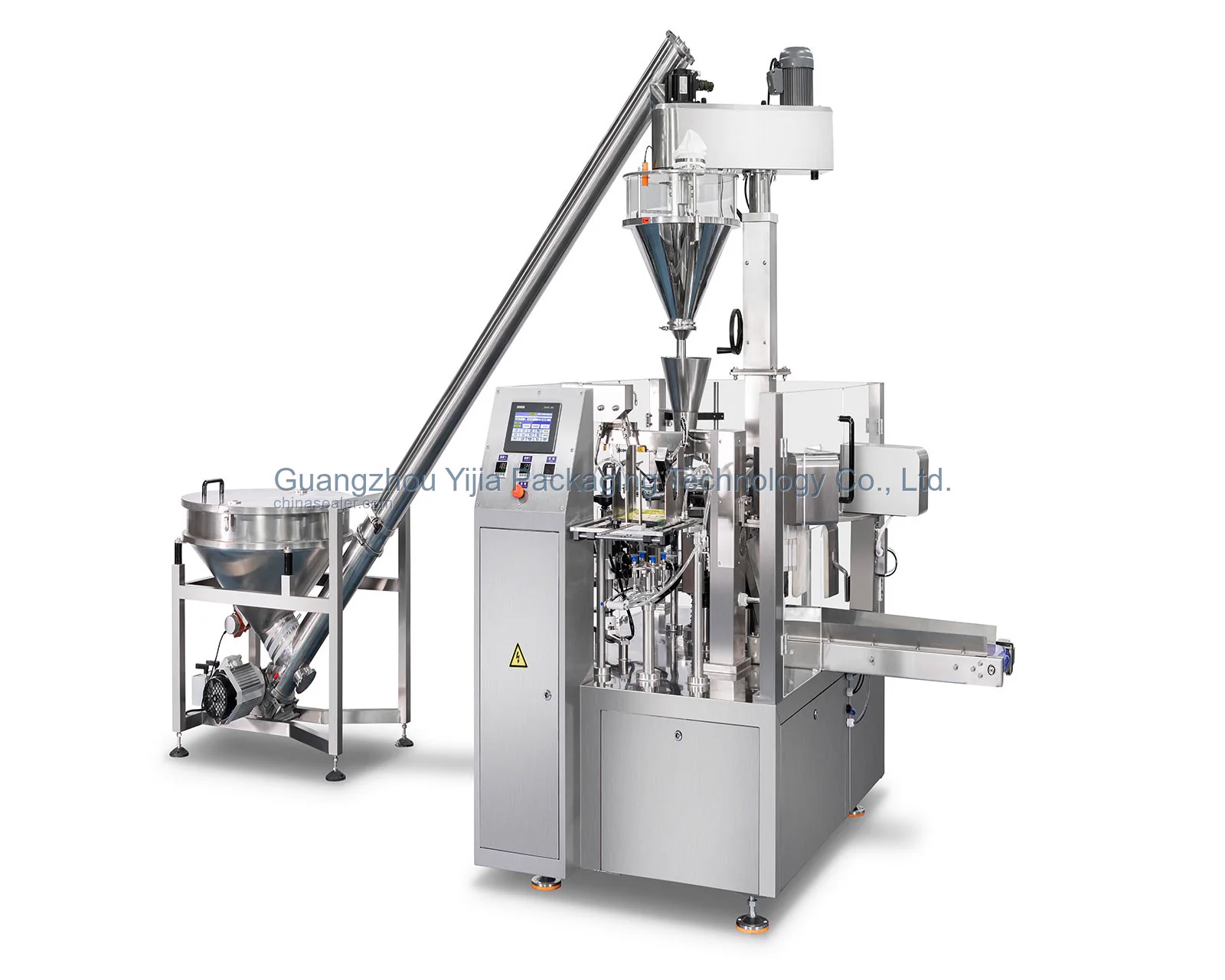 Single-Lane and Three-Station Premade Pouch Filling and Sealing Series
Automatic bag picking, filling, and sealing; Bag width, length, clamping area, and heat-seal layer determine the main machine changeover. Photos...
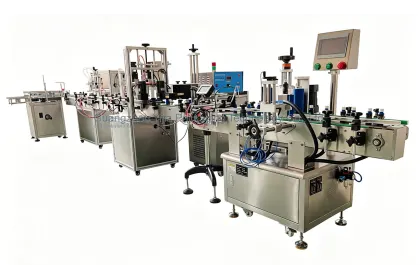 Automatic Feeding Conveying Sealing Line
Independent sealing of filled bags; The height, weight, bag mouth flatness, and conveying posture of filled bags should be verified first. Residual powder must still be contro...
Core process
First observe the flow, bridging, air content, and dust of flour or other powders, then use a powder and granule filling machine to verify metering and filling.
Official pre-made bags must undergo bag picking, opening, stretching, and sealing edge tests. Bag mouth residual powder control and metering discharge are adjusted together.
If bags are already filled by other stations, a continuous bag sealing machine can independently handle the bag mouth. Do not mistakenly describe it as an automatic metering device.
The date and batch inkjet coding machine prints traceability information on a stable bag surface. The in-line checkweighing and visual inspection system verifies weight or appearance according to project-confirmed judgment conditions.
Use actual powder and bag material to create the same sample, focusing on filling dust, bag mouth cleanliness, sealing edges, and finished product handling.
First determine whether it is an automatic pre-made bag main line or only continuous sealing of filled bags, then decide how coding and quality inspection are integrated.
Sample details
Use representative powder to verify flow, bridging, moisture absorption, and dust, and determine the basic conditions for filling and cleaning.
Powder samples, bulk state, particle size, moisture absorption behavior, fill weight, and cleaning requirementsBag type, heat-seal layer, bag mouth flatness, and clamping area jointly affect bag picking, opening, and sealing.
Official pre-made bags, material structure, bag width and length, bag mouth type, and printing areaSpecify which actions need to be automated, and distinguish between starting from empty bags and incoming filled bags.
Action list for bag picking, opening, metering, sealing, conveying, and manual involvementProvide planned cycle time for the complete packaging cycle, and clarify coding, checkweighing, visual inspection, and reject handling.
Target cycle time, shifts, batch content, quality judgment, and diversion requirementsOn-site dust control, power and air supply, equipment direction, and available space affect line integration and safety boundaries, and should be verified with the quotation.
Layout drawing, environmental risk assessment, power and air supply, material flow direction, and project phasesCommon selection mistakes
Pre-made bags, continuous bag forming, and paper bags have different bag feeding and sealing methods. This route only covers pre-made bags and continuous sealing of already-filled bags.
Powder falling on the heat-seal layer can cause powder inclusion and channels. Simply increasing sealing conditions cannot replace filling control and bag mouth cleaning.
Bridging, air content, and density changes in powders affect metering and feeding. Results from one sample cannot be copied to all formulas.
Bags with the same name may have different heat-seal layers and thicknesses. Without official bag samples, sealing edges and continuous conveying performance cannot be confirmed.
In-line checkweighing and visual inspection are post-sealing rule verification and cannot correct upstream metering instability or bag mouth heat-seal defects.
View detailed technical notes
Start by Assessing the Powder and Bag-Mouth Condition
The core of flour bagging is not to choose a sealing machine first, but to first understand how the powder is filled, whether the bag mouth can remain clean, and whether the incoming material is empty pre-made bags or already-filled bags.
Verify Weighing Conditions and Bag Material Conditions Separately
Flowability, bridging, air content, and dust generation determine the feeding and weighing method of the powder and granule filling machine. The heat-seal layer of the bag film, the opening, and the clamping area determine whether the pre-made bag machine can run continuously.
Weighing Tests Are Used to Converge the Feeding Structure
When the powder condition is unclear, first perform independent weighing to observe repeatable discharge, bridging, air content, and bag-mouth contamination, then decide how to integrate automatic bag picking and sealing stations. The powder and granule filling machine is used here to converge the feeding structure. Since bag picking and heat sealing are not yet completed, the complete bagging cycle cannot be directly inferred from the weighing results.
The Automatic Main Line Requires Joint Commissioning with Real Bags and Materials
Once the formal pre-made bags are stable, the powder and granule filling machine can be combined with the pre-made bag filling and sealing machine to fully check bag picking, bag opening, bag holding, filling, and heat sealing. Bag stacking, clamping area, discharge dust, and seal edge contamination will limit continuous operation, so joint commissioning must be carried out under real bag and material conditions, and abnormal recovery must be recorded.
Independent Continuous Sealing for Pre-Filled Bags
If the upstream process has already filled the powder into bags, the continuous bag sealing machine is only responsible for heat sealing the bag mouth. Infeed bag height, weight, rim flatness, powder contamination, and seal edge still need to be key acceptance points. It does not perform powder weighing, automatic bag picking, or bag opening, so it cannot replace a complete pre-made bag filling and sealing main line.
Sealing Quality Is Controlled from the Filling Discharge Point
Residual powder on the bag mouth will disrupt continuous contact of the heat-seal layer. Control should start from discharge height, dust control, and pre-sealing cleaning, rather than applying sealing conditions based on experience.
Marking and Inspection Are Post-Sealing Stations
Date coding requires a stable bag surface, and the online checkweighing and vision system handles weight or appearance abnormalities according to clear rules; both are arranged after the main seal edge is confirmed.
Complete Sample Materials Determine the Credibility of the Solution
Quotation materials should include powder, formal bag samples, fill volume, motion boundaries, target cycle time, quality rules, and site conditions. Unverified numbers should not be used as equipment conclusions.
Common questions
How to determine the equipment scope for flour pre-made bag packaging?
The equipment scope depends on the difficulty of powder metering, the structure of the pre-made bags, the range of automatic bag picking, dust removal at the bag mouth, inkjet coding and inspection, and on-site interfaces. The configuration is determined after sample testing.
How to confirm the actual cycle time of a powder bagging line?
The actual cycle time must be verified using the target fill weight, official bag material, and powder in-line testing of metering, bag opening, sealing, and inspection, based on the slowest operation and changeover requirements, not a generic bag speed.
Can an assessment be made without official bag samples?
It is possible to initially assess the equipment branch based on bag type photos and dimensions, but bag clamping, opening, filling, and sealing conditions still need to be verified with actual bags and material.
Who prepares the pre-made bags and film materials?
The final bag material is usually determined by the user, who provides bag samples representative of mass production. The equipment supplier can propose adjustments to dimensions, heat-seal layer, and bag feeding based on trial sealing results.
Does flour dust require special safety configurations?
The project safety responsible party should first conduct a risk assessment based on dust characteristics, concentration, environment, and regulations, then translate the conclusions into equipment, electrical, dust collection, and on-site management requirements. It cannot be judged solely by the word 'flour'.
Can flour equipment be directly switched to milk powder?
It cannot be directly assumed. When flow, density, air content, moisture absorption, and cleaning requirements change, metering and sealing performance will also change. Each main powder should be tested separately.