Solution topic
How to Choose Tomato Ketchup Filling and Sealing Packing Line? Start With Sauce State, Container and Sealing Method
For ketchup filling and sealing packaging line, first confirm container, material, film, cap type, capacity, and on-site line integration needs. Equipment route includes sample and container confirmation, filling equipment, sealing equipment. Submit sample photos, dimensions, and target capacity to facilitate equipment matching and quotation.
- Ketchup packaging should not be selected by filling machine name alone. First confirm whether the sauce contains particles, whether heating is needed, whether the container is a bottle or bag, and whether sealing uses a cap or heat-seal film.
- How to Choose a Tomato Ketchup Filling, Sealing and Packing Line
Start From Samples and Target Output
I want to package ketchup and need filling and sealing equipment, but don't know where to start. Can you help me determine the direction?
First determine the packaging route
Ketchup packaging should not be selected by filling machine name alone. First confirm whether the sauce contains particles, whether heating is needed, whether the container is a bottle or bag, and whether sealing uses a cap or heat-seal film.
Bottle Filling and Capping Route
Suitable for: Ketchup filling into glass or PET bottles with screw caps, for retail or foodservice small packs. Advantages: Screw cap sealing facilitates transport and repeated use. Limitations: Bottle neck thread, cap type, torque, and whether aluminum foil liner is needed must be confirmed. Not recommended: If container is a wide-mouth pail or requires heat-seal film, consider heat sealing route instead. Equipment direction: Rotary pump or piston filler with automatic capper; can add induction cap sealer for enhanced sealing.
Bag Filling and Sealing Route
Suitable for: Tomato sauce in pre-made pouches or spout pouches, ideal for family packs, squeeze packs, or single-serve sachets. Advantages: Pouch packaging is low cost; spout pouches allow repeated use. Limitations: Need to confirm pouch type, opening size, seal width, and drip-free filling nozzle. Not recommended: If product requires hot filling or pouch is not heat-resistant, test pouch material heat tolerance first. Equipment direction: Pre-made pouch filling/sealing machines or spout pouch filling/capping machines with anti-drip nozzle assemblies.
Pail Filling, Heat Sealing and Cap Pressing Route
Suitable for: Tomato sauce in plastic pails or wide-mouth pails, using aluminum foil heat sealing followed by an outer cap, for large-capacity industrial packaging. Advantages: Double protection of heat-sealed film plus outer cap, suitable for long-term storage. Limitations: Need to confirm pail rim flatness, film compatibility and capping force. Not recommended: If the pail has threads and the customer prefers screw capping, consider the screw capping route. Equipment direction: Rotor pump or piston filler with large-diameter pail heat press sealer, can add paper can/plastic pail aluminum foil sealing and capping machine.
Recommended equipment route: Sample and container confirmation
Use actual samples to confirm filling nozzle compatibility, sealing parameters, and tooling dimensions.
Recommended Equipment Route: Filling Equipment
When ketchup contains particles or has high viscosity, a rotor pump can transfer gently, while piston filling provides stable dosing.
Recommended Equipment Route: Sealing Equipment
Choose screw capping or heat sealing according to container type: screw capping suits threaded bottles, while heat sealing suits wide-mouth pails.
Recommended equipment route: auxiliary and downstream equipment
A heated hopper keeps sauce temperature stable, anti-drip nozzles reduce contamination, and labeling plus coding complete product marking.
Route comparison
- Tomato ketchup in glass or PET bottles with screw caps suits retail or foodservice small packs.
- screw-cap sealing supports transport and repeated use.
- Confirm the bottle-mouth thread, cap type, torque requirement, and whether a foil liner is needed.
- If the container is a wide-mouth bucket or requires heat-seal film, a heat-sealing route is recommended.
- A rotor pump or piston filler can be matched with an automatic capper, and an induction foil sealer can be added for stronger sealing.
- Tomato ketchup in premade pouches or spout pouches suits family packs, squeeze packs, or single-use sachets.
- bag packaging has low cost, and spout pouches are convenient for repeated use.
- Confirm bag type, bag-mouth size, sealing edge width, and anti-drip filling nozzle design.
- If hot filling is needed or the pouch is not heat-resistant, pouch heat resistance should be tested first.
- A premade pouch filling and sealing machine or spout pouch filling and capping machine can be equipped with anti-drip filling nozzles.
- Tomato sauce filled into plastic pails or wide-mouth pails can be heat-sealed with aluminum foil film and then pressed with an outer lid, suitable for large industrial packs.
- heat-seal film plus outer cap provides double protection for long-term storage.
- Confirm bucket rim flatness, film compatibility, and cap-pressing force.
- If the bucket mouth has threads and the customer wants screw capping, a capping route is recommended.
- A rotor pump or piston filler combined with a large-diameter drum hot press sealer can be equipped with a paper can/plastic bucket aluminum foil film sealing and capping machine.
Core process
Associated Equipment / Consumables
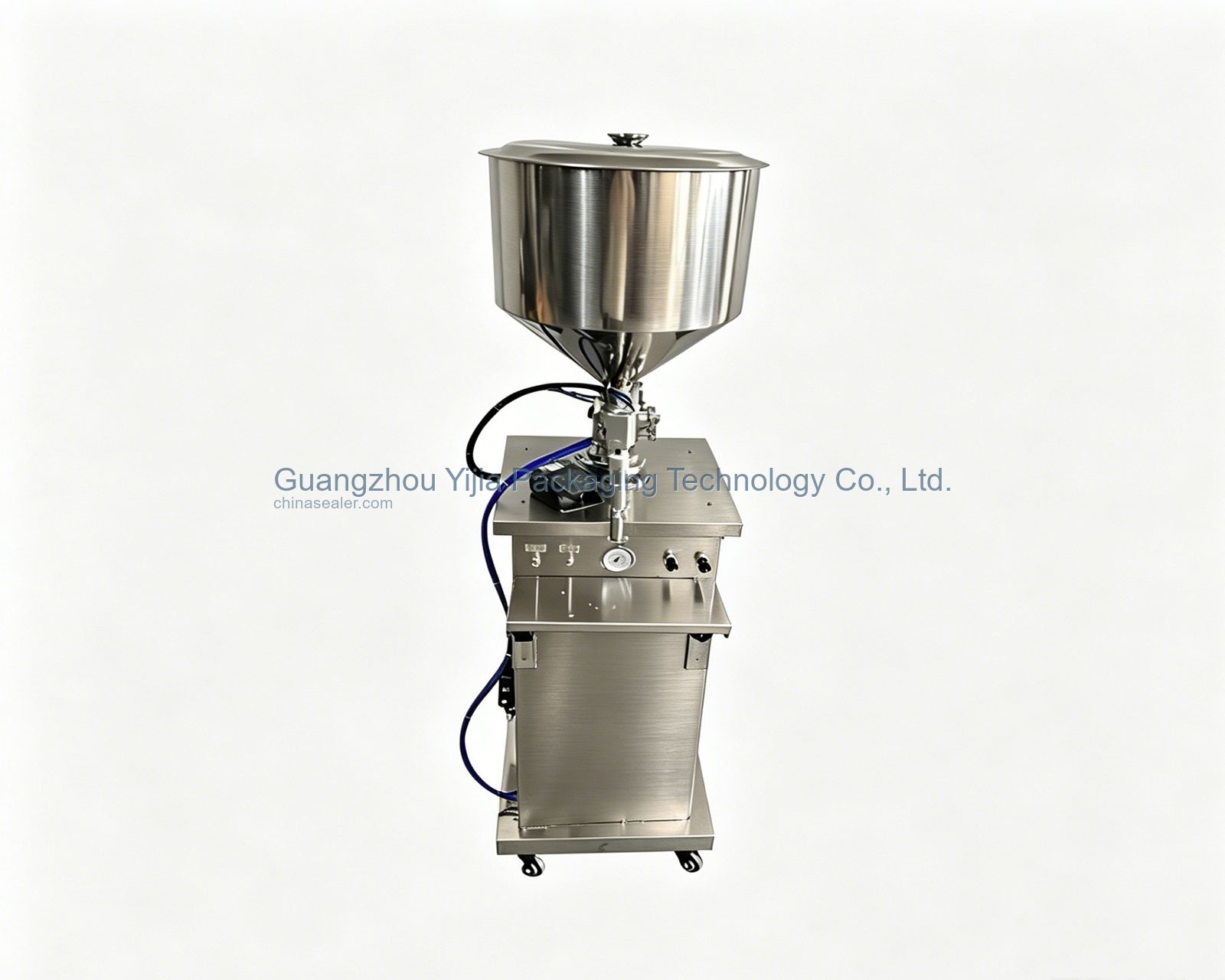 Sauce Piston Filling Machine
Sample and container confirmation; Use actual samples to confirm filling nozzle compatibility, sealing parameters, and tooling dimensions; customer provides ketchup samples, containers an...
 Rotary Lobe Pump Sauce Filling Machine
Sample and container confirmation; Use actual samples to confirm filling nozzle compatibility, sealing parameters, and tooling dimensions; customer provides ketchup samples, con...
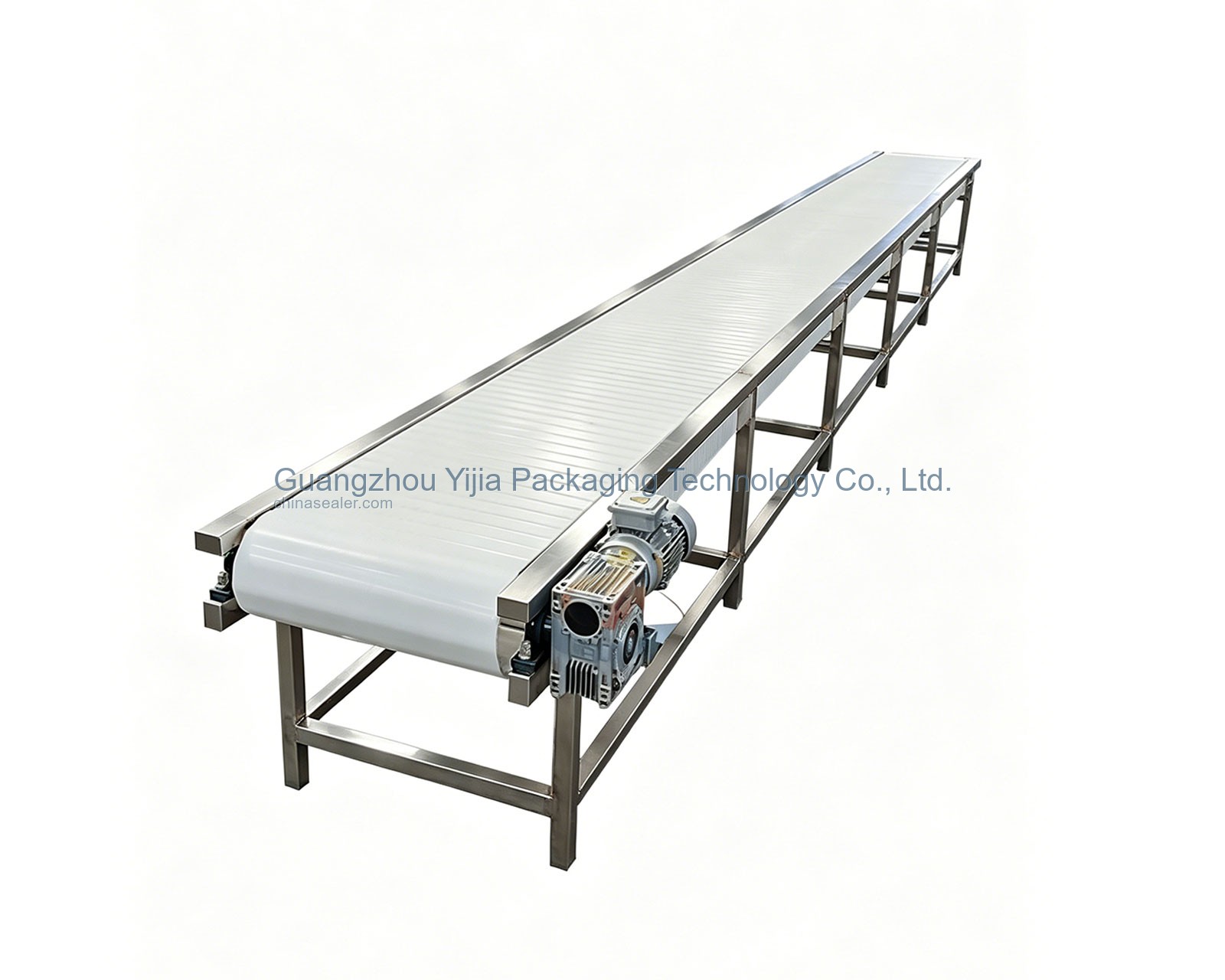 Food-grade conveyor line
Filling Equipment; When ketchup contains particles or has high viscosity, a rotor pump can transfer gently, while piston filling provides stable dosing; Rotor-Pump Sauce Filling Machine or Pi...
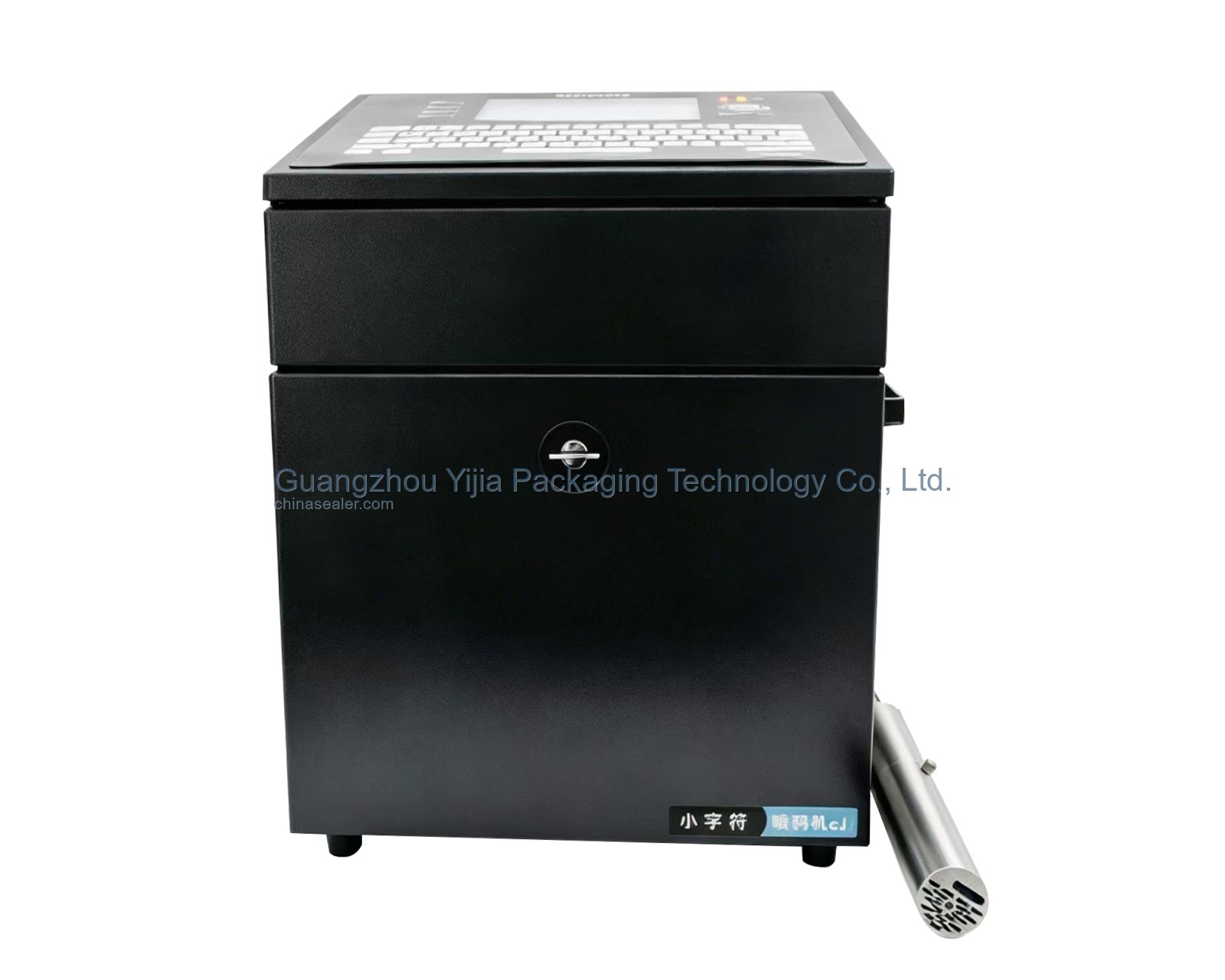 Date & Batch Inkjet Printer
Auxiliary and downstream process; A heated hopper keeps sauce temperature stable, anti-drip nozzles reduce contamination, and labeling plus coding complete product marking; Insulated hoppe...
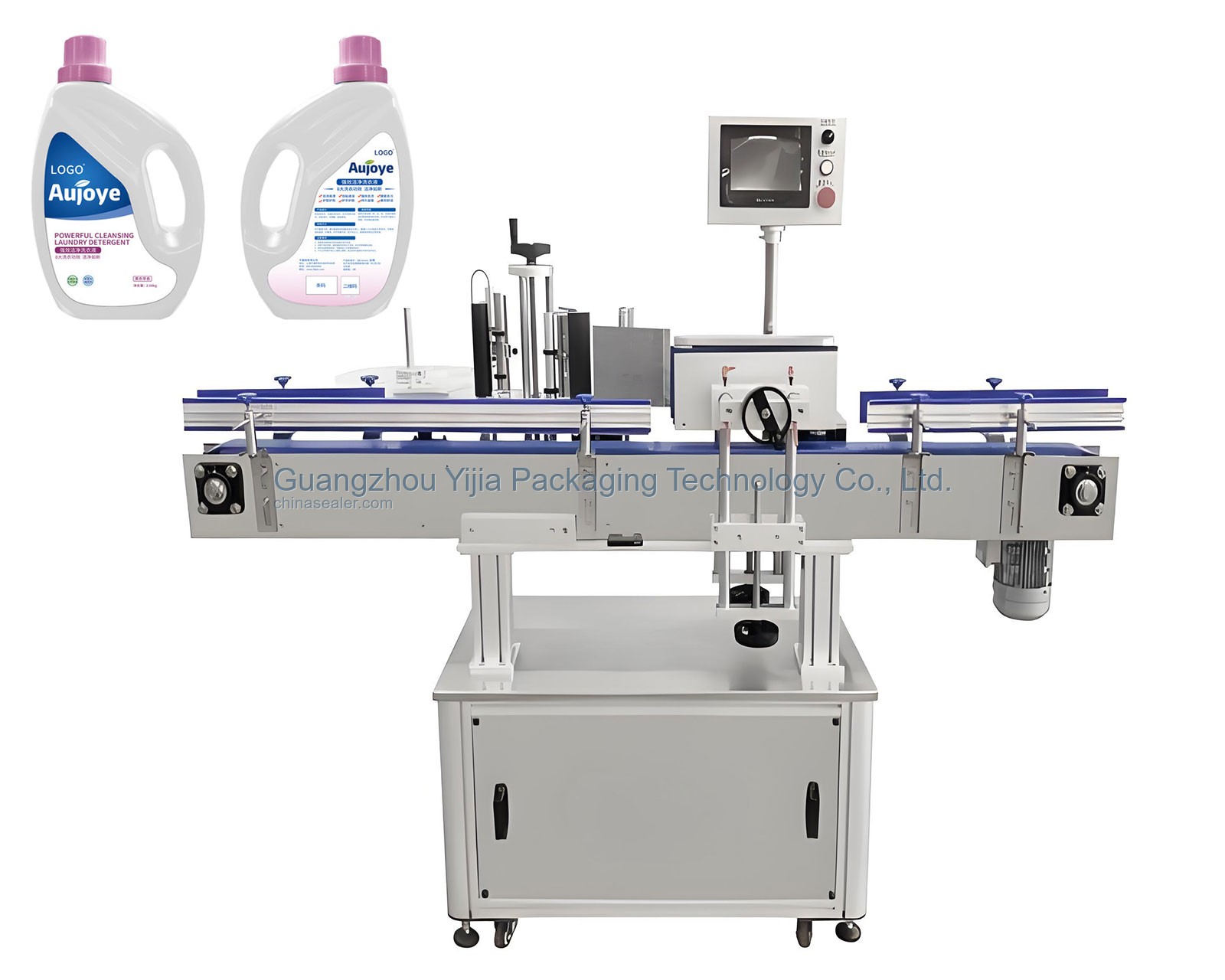 Round & Square Bottle Labeling Machine
Auxiliary and downstream process; A heated hopper keeps sauce temperature stable, anti-drip nozzles reduce contamination, and labeling plus coding complete product marking; Insu...
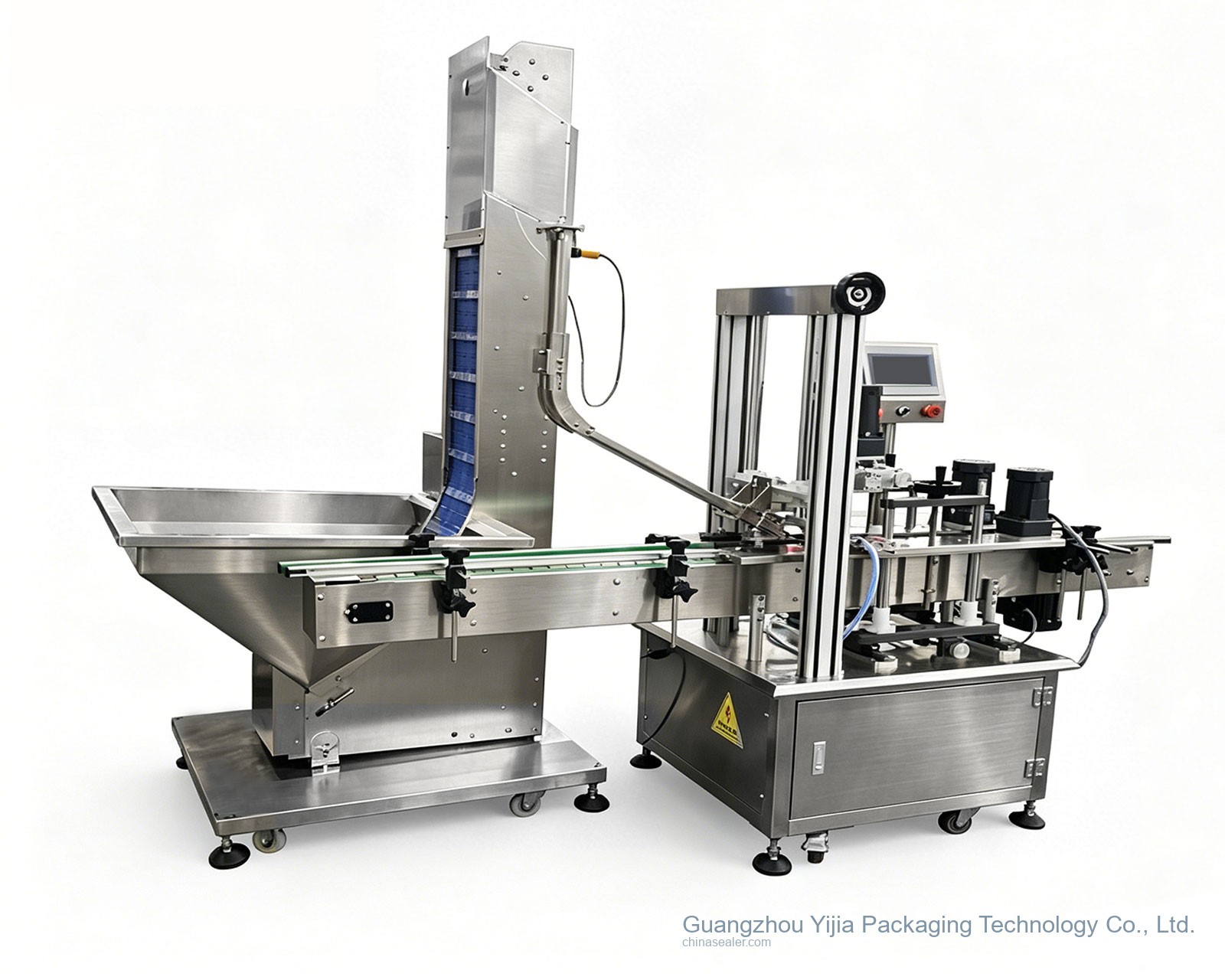 Automatic Screw Capping Machine
Sample and container confirmation; Use actual samples to confirm filling nozzle compatibility, sealing parameters, and tooling dimensions; customer provides ketchup samples, containers...
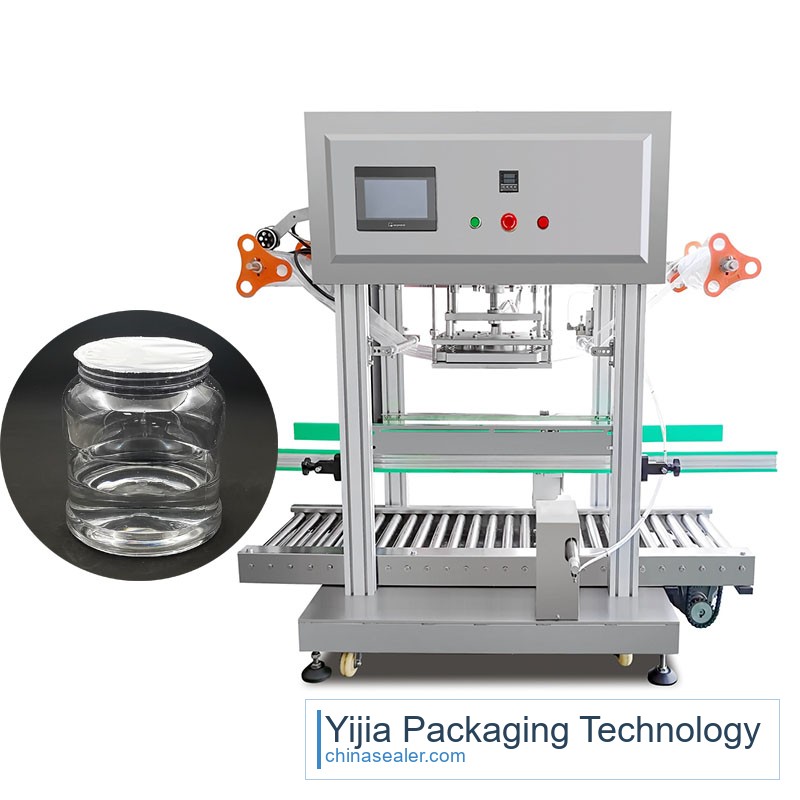 Bottle Inline Heat Press Sealer
Sample and container confirmation; Use actual samples to confirm filling nozzle compatibility, sealing parameters, and tooling dimensions; customer provides ketchup samples, containers...
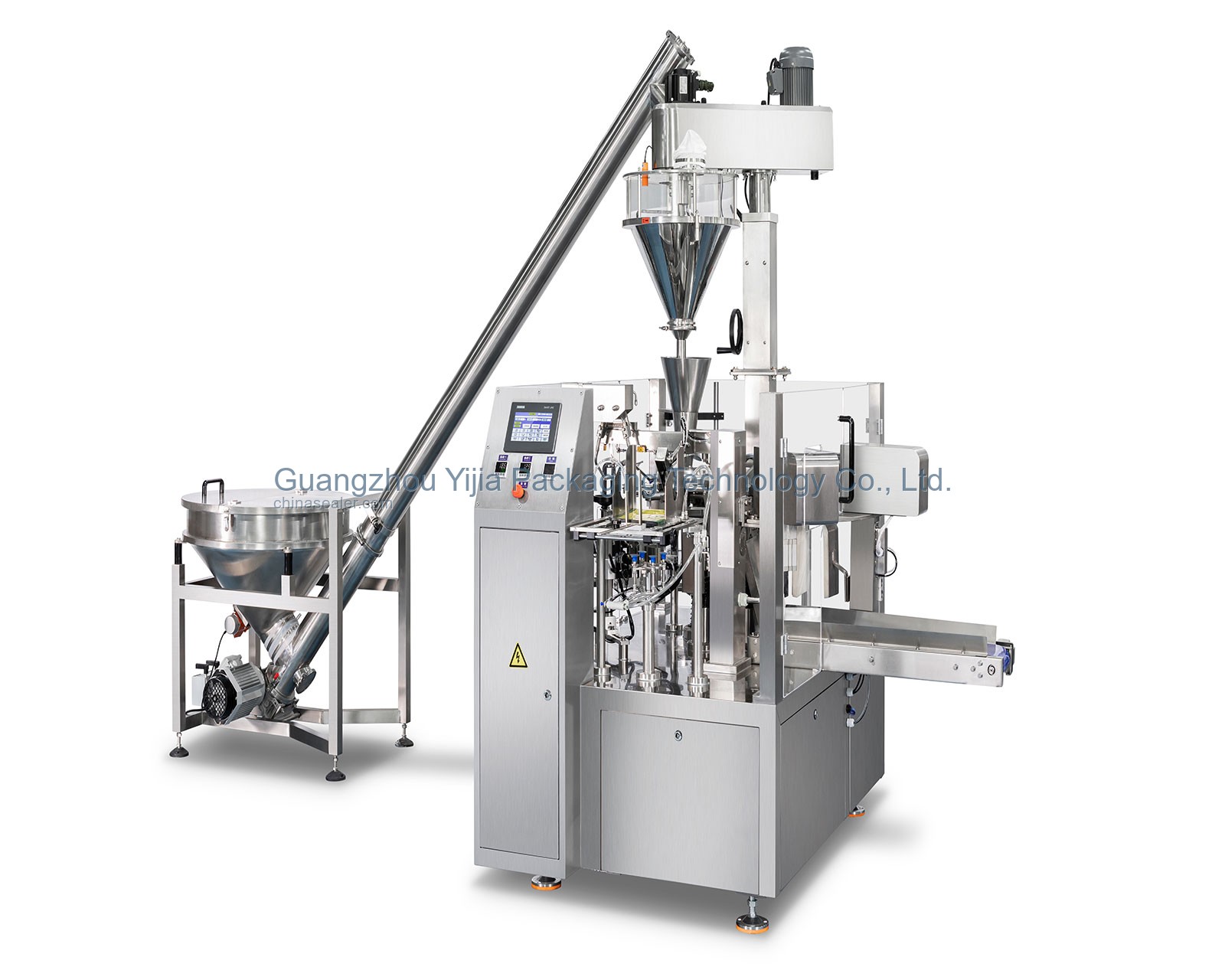 Premade Pouch Filling and Sealing Machine
Sample and container confirmation; Use actual samples to confirm filling nozzle compatibility, sealing parameters, and tooling dimensions; customer provides ketchup samples,...
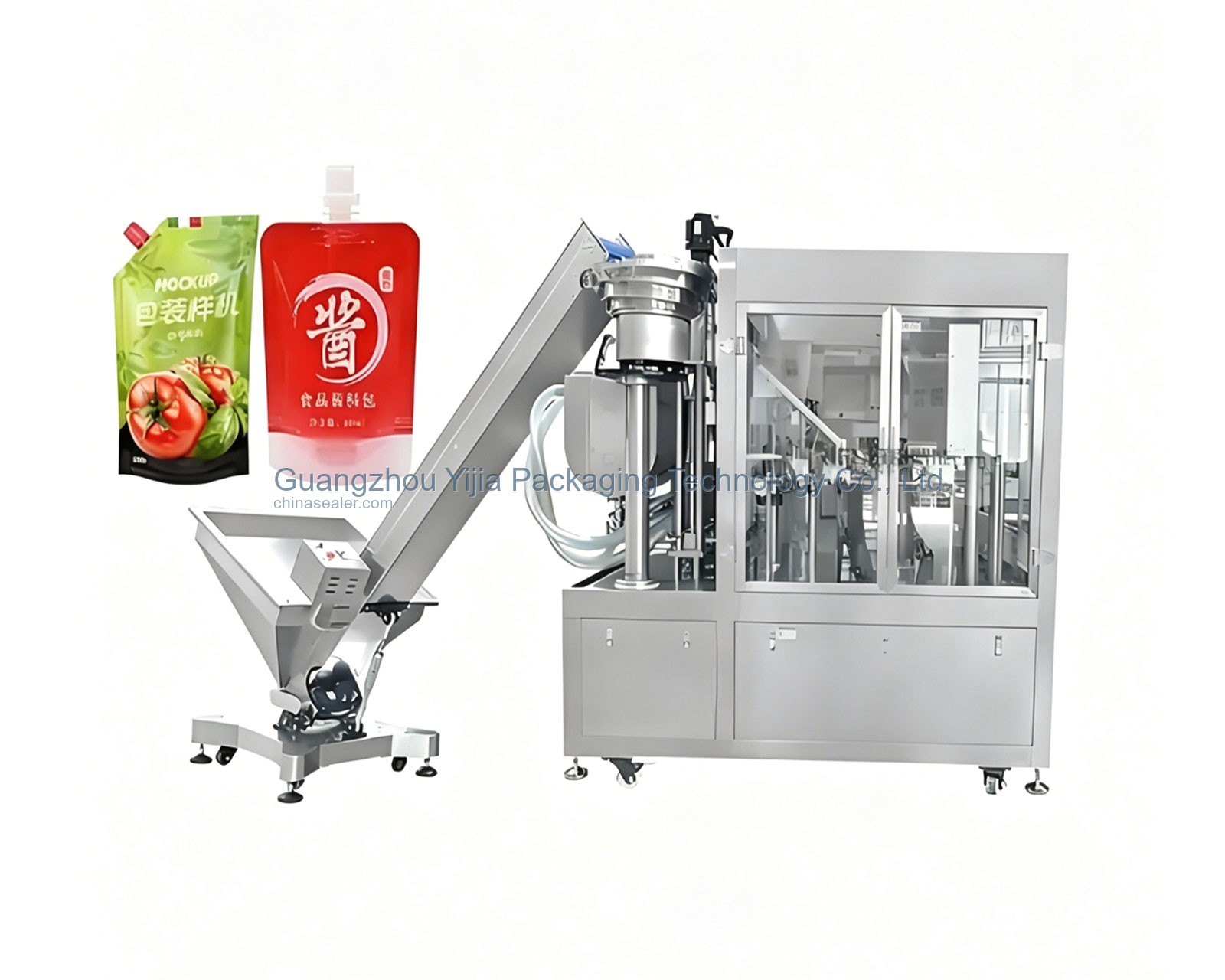 Spout Pouch Filling and Capping Machine
Sample and container confirmation; Use actual samples to confirm filling nozzle compatibility, sealing parameters, and tooling dimensions; customer provides ketchup samples, co...
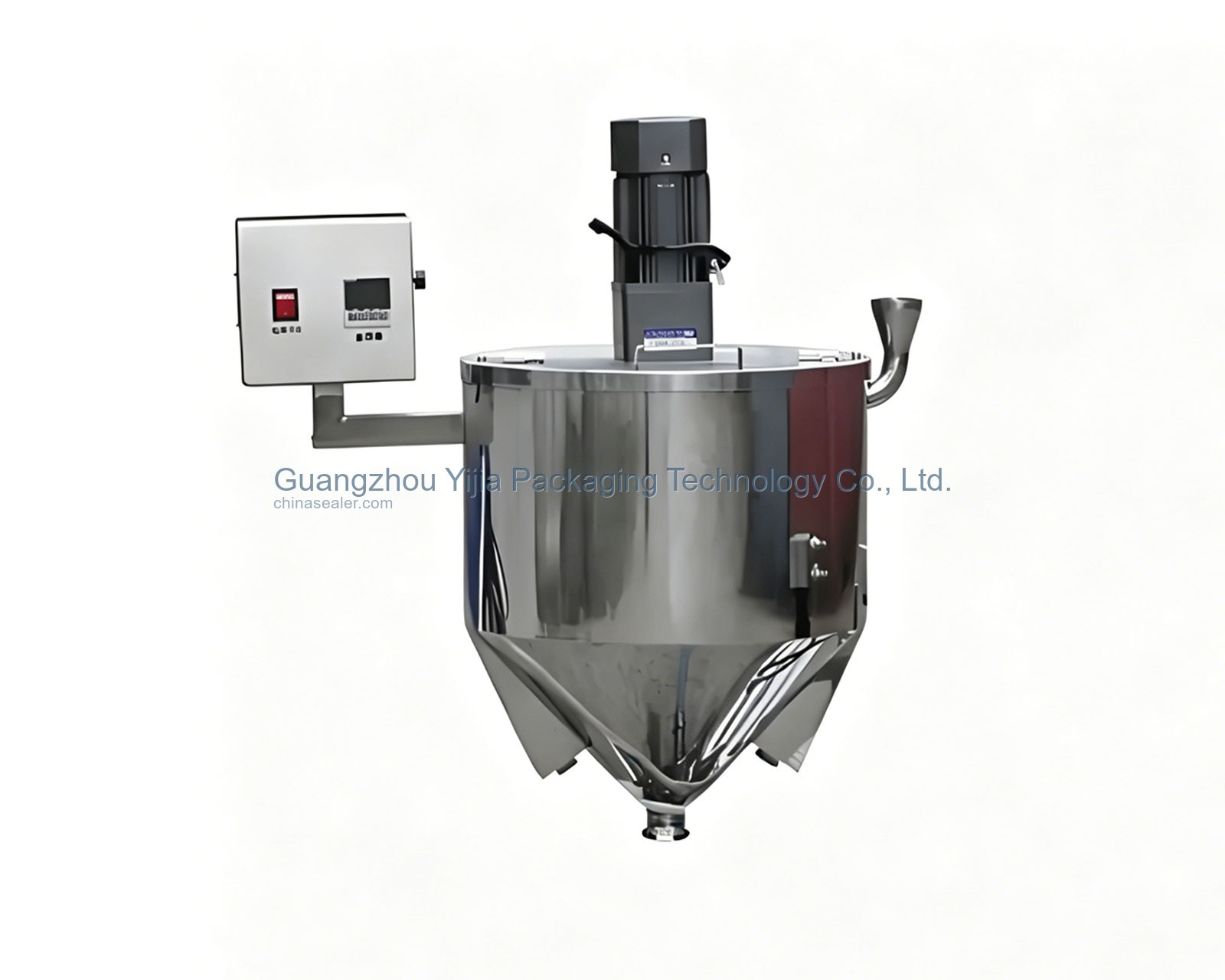 Heated Hopper and Jacketed Tank
Sample and container confirmation; Use actual samples to confirm filling nozzle compatibility, sealing parameters, and tooling dimensions; customer provides ketchup samples, containers...
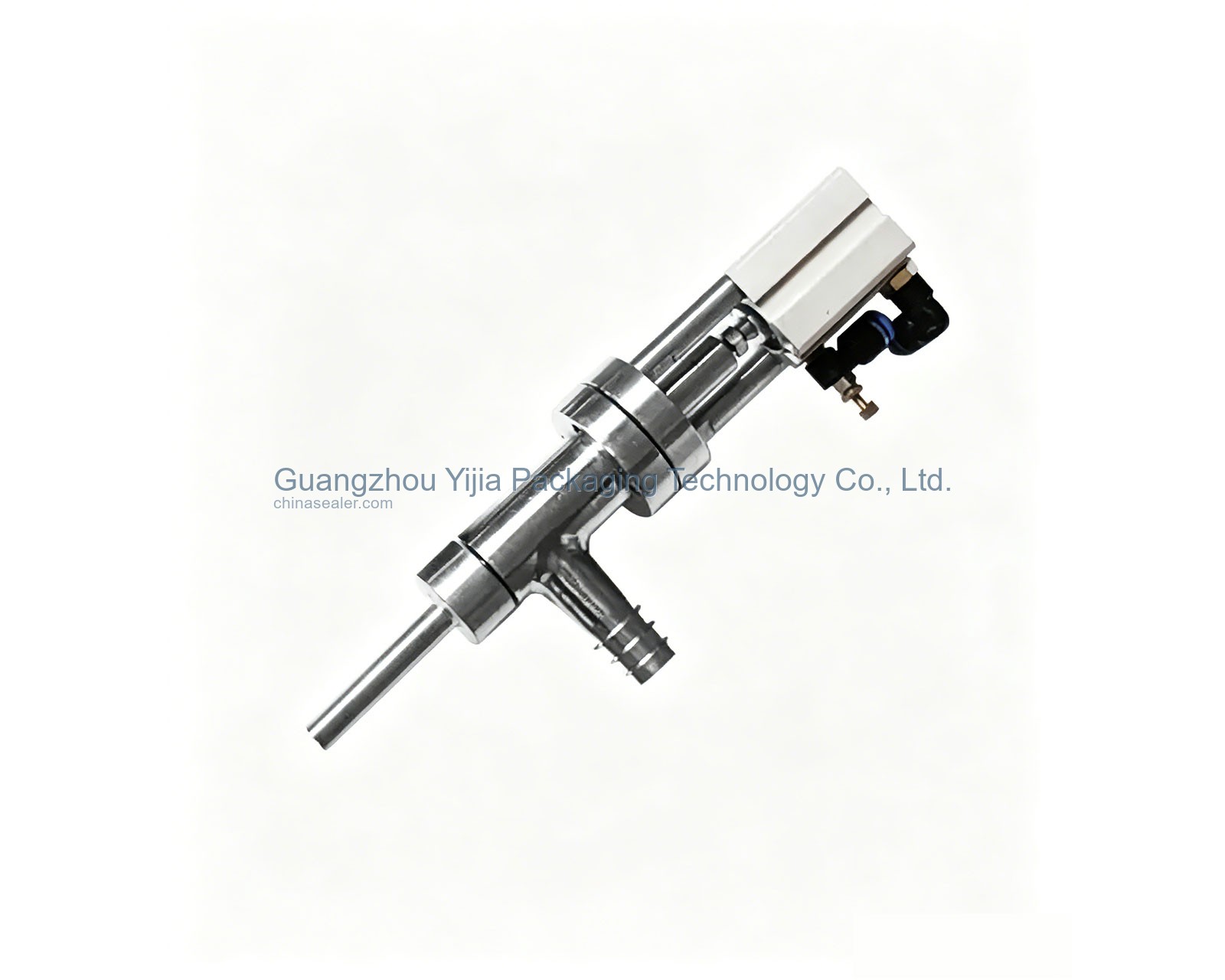 Anti-Drip Anti-Stringing Filling Nozzle Assembly
Sample and container confirmation; Use actual samples to confirm filling nozzle compatibility, sealing parameters, and tooling dimensions; customer provides ketchup sa...
Sample details
The state of the contents affects the filling method, contact materials, anti-drip, and safety configuration.
Ketchup samples or photos help confirm viscosity, particle size, and color, which affect filling nozzle and hopper selection.Photos and dimensions can first determine container positioning, mold direction, and whether sample testing is needed.
Physical container samples or dimension drawings, including bottle or pail mouth diameter, height, thread, or rim shape, determine tooling and sealing method.The lid structure determines the capping method (press, screw, or place) and whether inline integration is needed.
Sealing film or cap samples, such as film type, thickness, foil liner, or cap type, affect sealing parameters and capping torque.Capacity target determines single machine, semi-automatic, or continuous inline configuration, and also affects the quotation range.
Target output, such as bottles, bags, or pails per hour or per day, determines stand-alone or connected-line configuration.Site conditions affect electrical control, pneumatics, conveyor length, and safety protection configuration.
Site space and line-connection needs, including existing layout, power, and air supply, affect machine size and conveyor design.Photos and dimensions can first determine container positioning, mold direction, and whether sample testing is needed.
Even if the information is incomplete, you can first send available photos and dimensions. We will judge the route first and then list what still needs to be provided.Common selection mistakes
Common questions
Yes. First send photos of the ketchup, container, and approximate capacity. We will determine the approach and then list the additional information needed.
It is recommended to prepare ketchup samples, container actual items or dimensions, sealing film or cap samples, target capacity, and on-site space information.
Target output affects filling-head count, station count, and whether automatic feeding integration is needed. It should be confirmed according to actual cycle time.
Different films require different sealing temperature, pressure, and time, so sample testing is needed to define suitable parameters.
Sealing performance must be confirmed through samples, packaging materials, and parameter tests. Sample testing is recommended for seal strength and leakage risk.
If filling is followed by capping, labeling, coding, or inspection and output is high, evaluate a connected-line solution.