Solution topic
Paper Can and Plastic Pail Closing: Direct Heat-Seal Lids, Induction Liners or Press-Fit Caps
Separate direct heat-seal lids, induction foil liners inside caps and press-fit outer caps by rim, closure and opening method, then add lid feeding, coding, labelling and inspectio
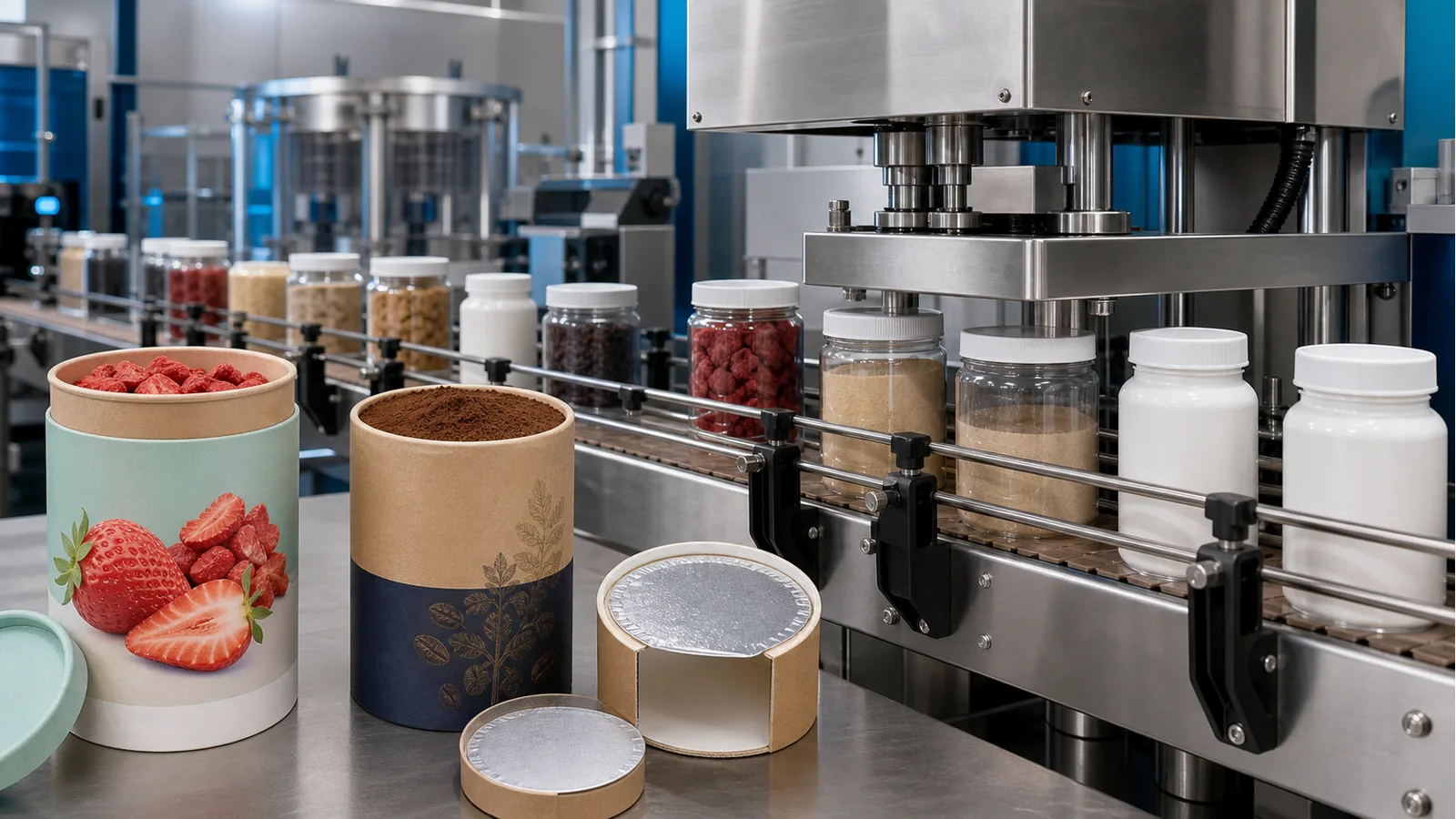
- Direct lidding on the rim, foil liners inside screw caps and press-fit outer caps are different processes. Choose from rim material, closure structure and opening method.
Solution summary prepared for you
- For paper cans and plastic pails, first distinguish between direct aluminum foil membrane and cap induction liner, then choose the film sealing and press capping or screw capping and induction route based on rim, container pressure resis...
- The paper can/plastic pail aluminum foil membrane sealing and press capping machine handles the membrane and outer cap. The in-line induction aluminum foil sealing machine is located in the cap liner branch after matching screw capping.
- Cans/pails, membranes or liners, all cap components, mouth dimensions, target sealed sample, and production arrangements are sufficient to support the first round of process and changeover judgment.
Route comparison
- Suitable for projects where paper cans, composite cans, or plastic pails have an official membrane sealed directly to the rim and an outer cap is applied afterward.
- The paper can/plastic pail aluminum foil sealing and press capping machine can create a dedicated sealing and cap-closing process for separate membranes and outer caps.
- Uneven can mouths, mismatched membrane heat-seal layers, or wall deformation under pressure can all compromise the consistency of sealing and capping.
- When the packaging uses an aluminum foil liner inside the cap rather than a separate membrane, switch to induction inner sealing after screw capping.
- When the membrane is placed directly on the rim, evaluate the paper can/plastic pail aluminum foil sealing and press capping machine.
- Suitable for cans and pails with threaded caps or corresponding caps containing a matching aluminum foil liner, where continuous post-capping inner sealing is required.
- An automatic screw capping machine can first close the cap, and an inline induction aluminum foil sealing machine then performs inner sealing on the matching liner inside the cap.
- The liner orientation, fit, rim material, and post-capping condition must all be stable; do not only check the aluminum foil surface.
- If the cap and liner are not yet determined, or the container actually uses a separate sheet membrane, do not lock in inline induction equipment first.
- When using a liner inside the cap, trial the line in the order of automatic screw capping machine plus inline induction aluminum foil sealing machine.
- Suitable for packaging where the direct heat sealing process is confirmed and corresponding pails, bottles, and membranes can be provided for sealing trials.
- The large-diameter pail heat sealing machine and the inline bottle heat sealing machine can handle direct heat sealing tasks for their respective mouth sizes.
- The container positioning and mouth size ranges of the two equipment types differ; do not assume shared tooling just because both are called heat sealing.
- If the project core is liner-in-cap induction sealing, or official membranes are not yet provided, do not choose a heat sealing main machine based only on container appearance.
- For wide-mouth pails, evaluate the large-diameter pail heat sealing machine; for bottle heat sealing, check the inline bottle heat sealing machine.
- Suitable for first producing qualified samples of rim sealing and cap pressing, then expanding cap feeding and in/out conveying based on stable production needs.
- In the early stage, manual placement can be used for can, membrane, and cap samples; after packaging materials and orders stabilize, add the cap feeding and placing system and continuous integration.
- Subsequent automation still requires re-verification of cap sorting, container guiding, station cycle time, and floor space; it is not simply adding a conveyor interface.
- If the packaging structure is still not distinguished between membrane and liner, there is no correct process starting point for either single machine or line integration.
- First determine the sealing main machine, then add the cap feeding and placing system according to the cap type, and reserve a date and batch coding station.
Associated Equipment / Consumables
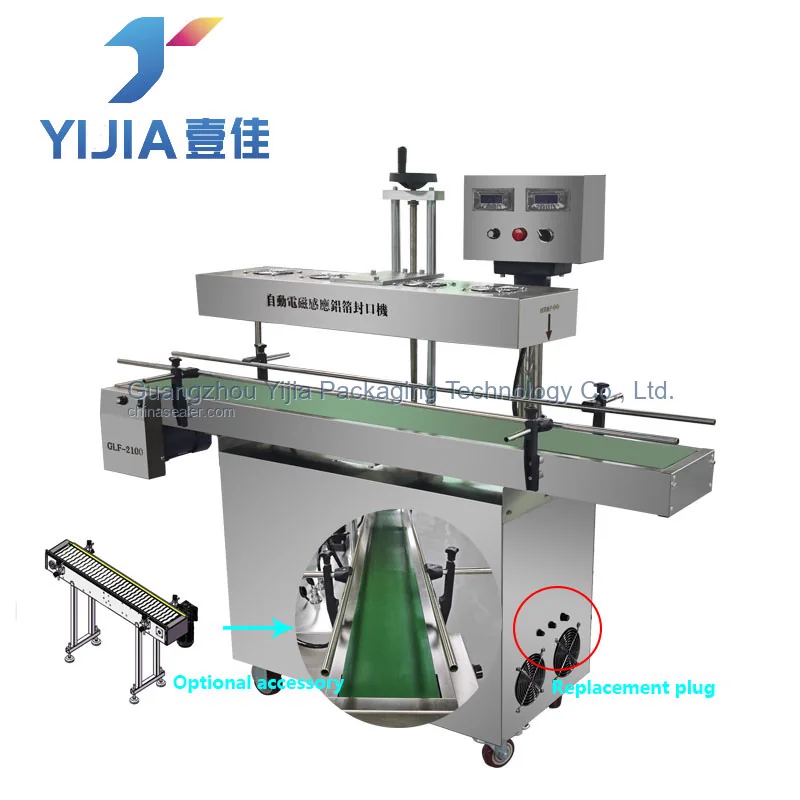 Inline Induction Foil Sealer
The sealer operates after the cap has been correctly tightened and compresses a compatible liner. It is not a capless direct-sheet heat sealer and should not be selected by product name alone. Container material, rim...
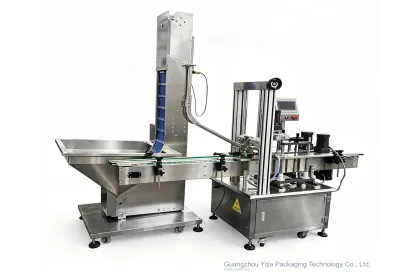 Automatic Screw Capping Machine
Container mouth and pressure resistance check; If thin-walled containers lose shape under pressure, support and guiding need to be reconsidered; simply adjusting sealing conditions is...
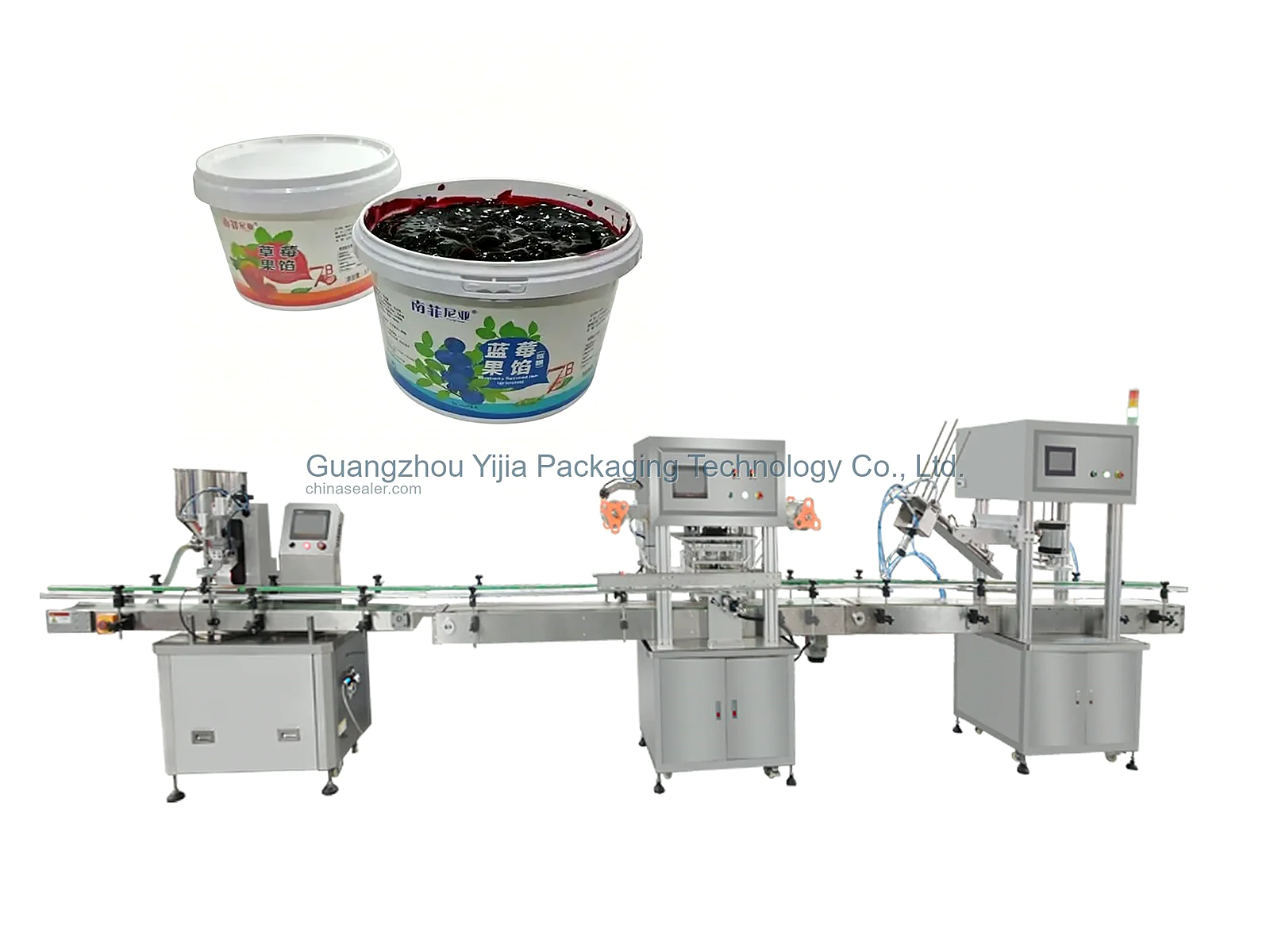 Paper Can and Plastic Pail Foil Heat Sealing and Capping Machine
Distinguish membrane and liner; First take photos of the front and back of the membrane and the inner structure of the cap to avoid mismatching film he...
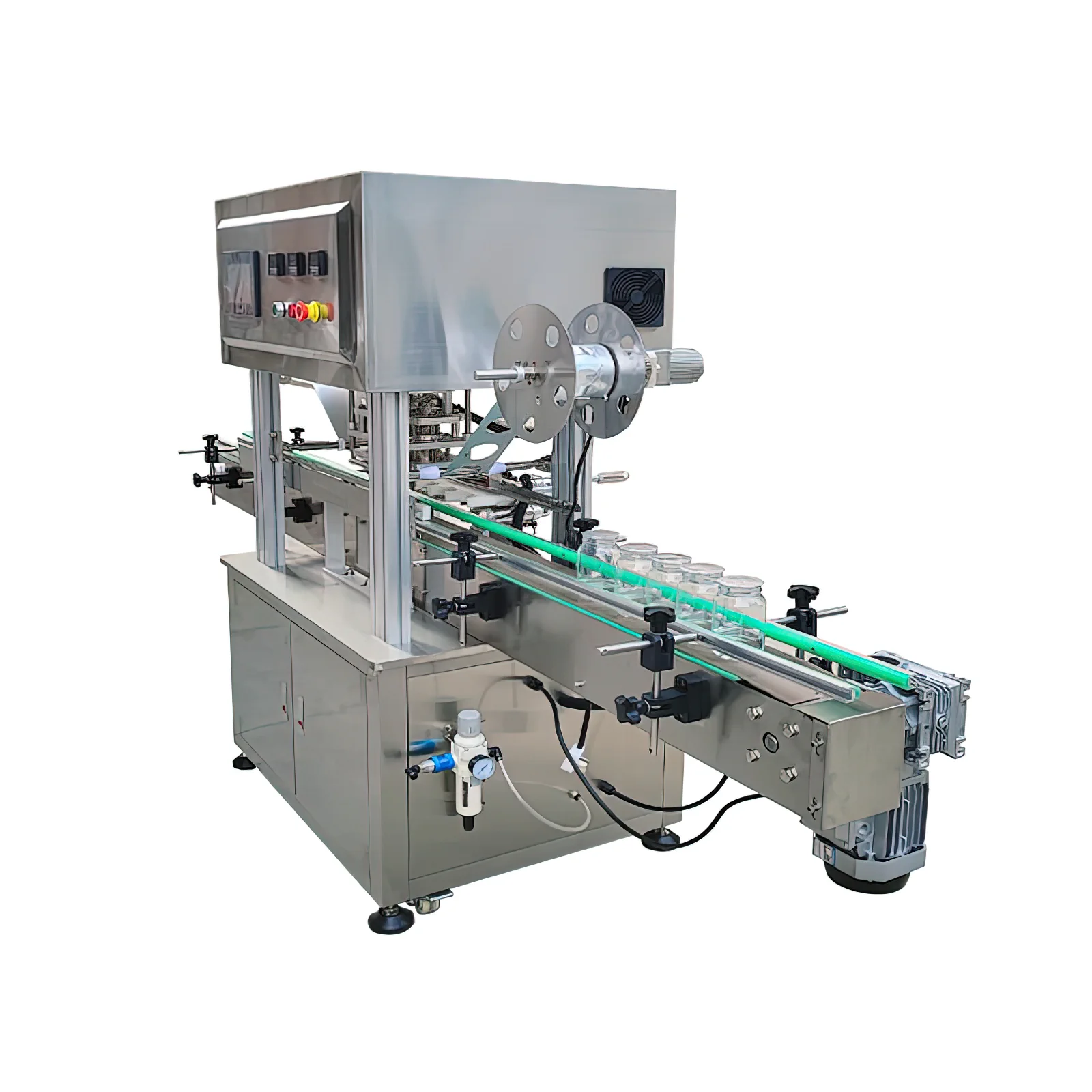 Inline Heat-Press Bottle Sealing Machine
Distinguish membrane and liner; First take photos of the front and back of the membrane and the inner structure of the cap to avoid mismatching film heat sealing equipment to...
Core process
First check diameter, rim width, and flatness, then observe whether paper cans or plastic pails deform during positioning and capping.
An independent aluminum foil membrane placed directly on the rim and an aluminum foil liner inside the cap that is screwed down are two different packaging material inputs.
The paper can/plastic pail aluminum foil membrane sealing and press capping machine handles the dedicated membrane and outer cap combination; wide-mouth heat sealing is verified separately with pail samples.
When automatic cap supply is needed, first use the cap unscrambling and placing system to verify cap sorting, then arrange the automatic screw capping machine according to the cap type.
When packaging uses a cap liner, first complete the matching screw capping, then use the in-line induction aluminum foil sealing machine for inner sealing.
After the main process is stable, continuous in/out can be connected according to production arrangements, and the date/batch inkjet coder can handle suitable can or cap surfaces.
Sample details
Take photos from the front, side, and whole container of the mouth, and place the membrane or liner and the cap inner/outer structure in the same set of images.
Close-up photos of container and rim, whole container posture, front and back of membrane material, inner and outer caps, and assembled finished product.Diameter and rim determine the sealing area; container height, wall thickness performance, and cap depth affect positioning, support, and closing action.
Diameter, rim width, container height and material, cap depth, and deformation under pressure.Moisture resistance, leak prevention, tamper evidence, or easy-tear display correspond to different finished product evaluations; provide acceptable seal edge and opening samples.
Packaging goal, target sealed sample, opening method, membrane surface appearance, and whether the cap participates in final sealing.The equipment scope differs significantly between manual placement, automatic cap supply, and continuous in/out; decide based on changeover frequency and workshop space.
Planned output, shifts, manual positions, cap supply method, changeover list, and site layout.First complete membrane heat sealing, press capping, or induction inner sealing samples separately, then discuss shared machine and line integration with the confirmed packaging combination.
Sufficient formal containers, membranes or liners, all cap components, post-sealing acceptance items, and date/batch requirements.Common selection mistakes
Only providing the name 'paper can sealing machine' will miss the conditions that determine the action structure, such as rim flatness, container pressure resistance, membrane, and cap components.
A membrane placed directly on the rim requires heat sealing, while an aluminum foil liner inside the cap requires induction sealing after closing; the two cannot be described with the same configuration.
If thin-walled cans or pails deform or collapse under pressure, membrane positioning and outer cap pressing will change; bottom support and guiding must be verified first.
Cap sorting, placing, screwing, or pressing depends on the actual structure. Changing the cap after the main machine layout is complete will lead to redesign of the actions.
The heat-seal layer, thickness, and peel performance of the formal membrane may differ from temporary materials; final parameters must be re-confirmed with production packaging materials.
View detailed technical notes
Check Pressure Resistance and Positioning of the Container Mouth First
For paper cans, composite cans, and plastic pails, first check whether the rim can be positioned stably and withstand the sealing and capping actions. The mouth diameter is only the starting point; the rim flatness, wall rigidity, cap depth, and force application points all affect the equipment structure.
Membranes and Liners Correspond to Different Processes
A separate aluminum foil membrane is placed directly over the rim and requires corresponding heat sealing. If the aluminum foil liner is inside the cap, screw capping must be done first, followed by induction inner sealing. When inquiring, photograph both sides of the membrane and the inside of the cap clearly to enable immediate routing.
Direct Heat Sealing Also Requires Container Type Differentiation
The paper can/plastic pail aluminum foil sealing and press capping machine handles the combination of membrane and outer cap; the large-diameter pail heat sealing machine handles suitable wide-mouth pails; the inline bottle heat sealing machine handles corresponding bottle types. Before selection, match the container and the official membrane one by one.
Induction Inner Sealing Occurs After Cap Closing
The liner-in-cap route first uses a cap feeding and placing system and an automatic screw capping machine to supply and close caps stably, then an inline induction aluminum foil sealing machine completes the inner seal. A benchtop air-cooled induction foil sealing machine can be used for single-machine evaluation with suitable samples.
For Multiple Specifications on One Machine, Verify Changeover Item by Item
When one main machine is compatible with multiple cans and pails, check whether the diameter, shape, container height, cap type, and compression state fall within the adjustable range. If specifications differ significantly, configure molds separately rather than assuming one machine can handle all, which better controls sealing performance after changeovers.
Batch Coding and Post-Sealing Review Are Defined After the Main Process
The date and batch coding machine can be arranged in coordination with the can surface, cap surface, and discharge direction, but it is not a fixed component of the sealing and capping main machine. For post-sealing inspection, first agree on sampling, opening, and appearance judgment, then decide whether more complex downstream equipment is needed.
From Photo Routing to Finalization with Physical Samples
For initial communication, first provide photos of the container, mouth, cap, and membrane, then explain the post-sealing goals and production schedule. After receiving official can, membrane, and cap samples, conduct heat sealing, press capping, or induction tests separately, and only then determine the scope of shared machine and continuous line integration.
Common questions
Is heat sealing the only way to seal paper cans with aluminum foil?
Not necessarily. A bare foil membrane placed directly on the container mouth is usually heat sealed. If the aluminum foil liner is inside the cap, close the cap first and then evaluate induction sealing.
Can wide-mouth plastic pails be sealed with film first and then capped?
It is possible to evaluate a paper can/plastic pail foil membrane sealing and press capping machine, but the rim flatness, container wall pressure resistance, membrane, and outer cap must be sampled together.
Can one film sealing and capping machine switch between multiple cans and pails?
It can be evaluated with tooling or adjustment parts. If the diameter, pail height, shape, and cap type vary significantly, each specification needs separate positioning and post-sealing sample retention.
Can we discuss the solution first when dimensional data is incomplete?
You can communicate first. Please take photos of the container mouth, the whole container, the inner and outer surfaces of the cap, and the membrane material, and provide the approximate diameter. The formal solution is still based on actual sample dimensions.
How to arrange batch coding and inspection after film sealing and capping?
After the main process is determined, you can plan the date/batch inkjet coder. For sealing inspection, first define the sampling and judgment methods; automatic equipment is not a default configuration.
Can paper cans and plastic pails share the same main machine?
Paper cans and plastic pails need to be verified separately for rim, pressure resistance, membrane, and cap type. Only when both positioning and motion range are compatible can we discuss sharing a machine for changeover.