Solution topic
How to Configure a Shampoo Bottle Filling and Capping Line
Plastic bottle samples are first used to confirm the shampoo filling and anti-foaming action, followed by closing with pump heads or threaded caps. If a matching liner is present i
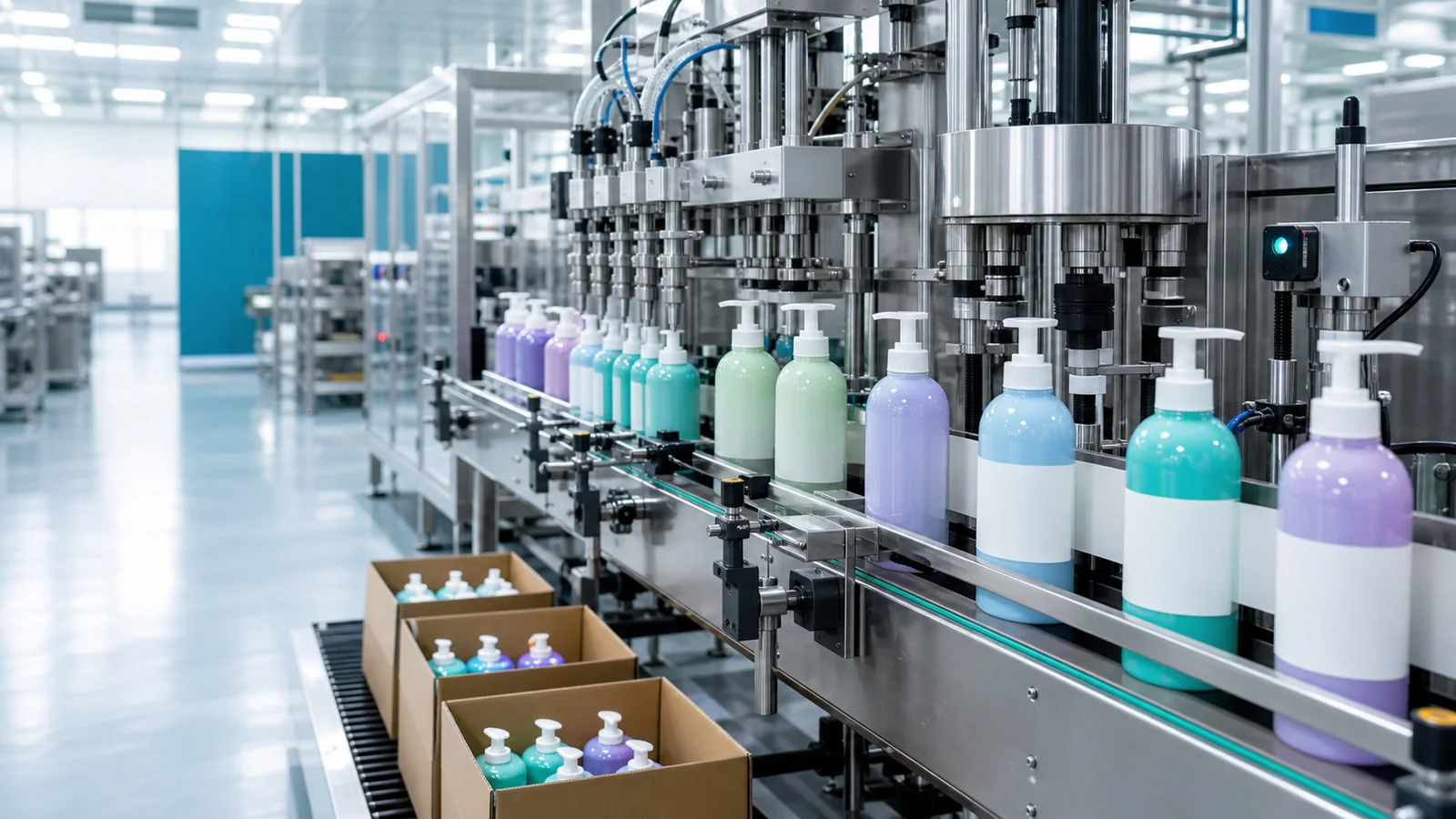
- Use viscosity, foam and stringing, bottle stability, pump or flip-top geometry and cleaning/changeover to define filling, closing and downstream stations.
Solution summary prepared for you
- For a shampoo bottle filling line, first confirm viscosity, foam, bottle mouth, pump head or threaded cap, then decide whether filling, screw capping, and aluminum foil inner sealing are applicable.
- The main line consists of a liquid quantitative filling machine and an automatic screw capping machine. When the cap has a suitable liner, connect an online induction foil sealing machine.
- After providing shampoo real material, cap-bottle combination, labels, and target weight, the filling nozzle, capping clamping, inner sealing, and finished product checkweighing can be verified simultaneously.
Route comparison
- Suitable for the stage when the bottle, cap, and liner combination is still being sealed as samples, or when it is desired to first confirm the feasibility of filling, capping, and inner sealing.
- Standalone machine verification is convenient for observing shampoo level, drip prevention, cap closure, and foil trial sealing, without fixing the full line first.
- Bottle loading/unloading and station transfer rely on manual labor; continuity and finished product consistency are affected by operator rhythm.
- When bottle types, cap types, and orders are stable and continuous production is required, retaining dispersed manual workstations for a long time is not appropriate.
- First use a liquid quantitative filling machine and automatic screw capping machine to confirm the bottle-material-cap combination. When liner conditions are met, test the online induction foil sealing machine.
- Suitable for projects where formal bottle and cap types are determined and filling, closing, marking, and verification need to be connected into a main line.
- Bottle supply, metered filling, screw capping, optional induction inner sealing, and bottle marking can be connected in sequence for unified management.
- Bottle stability, foam control, cap orientation, liner compression, and conveying space all need to be locked down before line integration.
- When bottle types change frequently, pump head supply is not yet resolved, or the shampoo condition has not been tested, it is not appropriate to directly set up a continuous line.
- The main process sequentially configures a liquid metering filling machine, an automatic screw capping machine, and a conditional online induction foil sealing machine, followed by labeling, coding, and checkweighing.
- Suitable for projects where shampoo flow, foaming, stringiness, or hygiene cleaning conditions indeed exceed conventional configurations.
- Can adjust feeding, filling nozzles, drip prevention, and cleaning boundaries based on special viscosity, foaming, or stringiness performance.
- Custom items depend on more complete material and cleaning information and require more sample verification and change confirmation.
- When conventional materials and standard caps can already be handled by existing equipment, dedicated modules without basis should not be added for formality.
- Still centered on the liquid metering filling machine, with dedicated contact parts determined based on actual material testing, then integrated with capping, inner sealing, and downstream modules.
Associated Equipment / Consumables
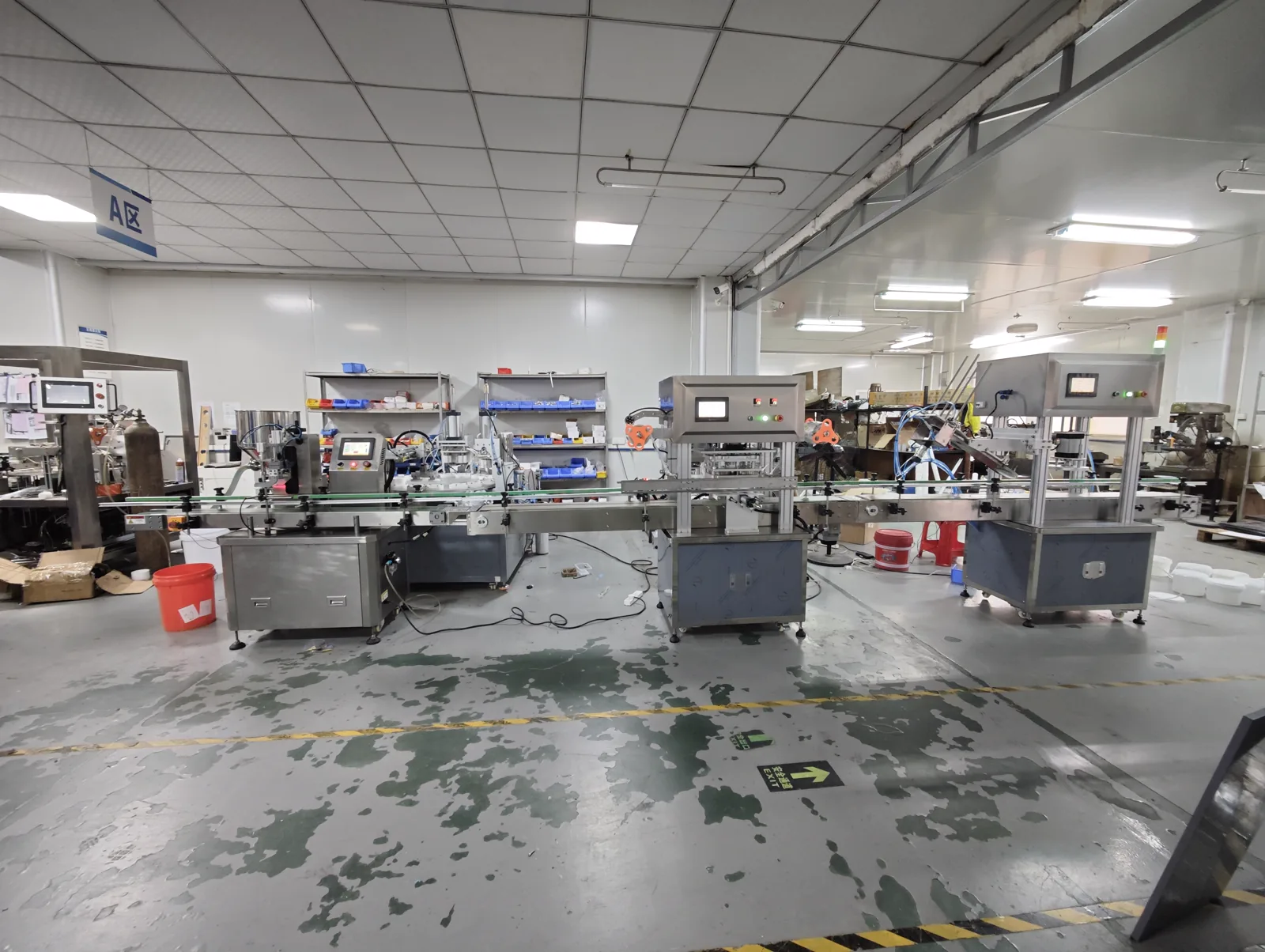 Bottle and Jar Filling, Capping and Sealing Line
This is a project-configured bottle and jar line, not one fixed standard machine. Select the filling path from flow, foam, particles, temperature and cleaning, then select cap feeding and closing from the neck, plug,...
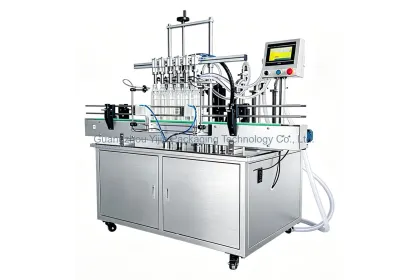 Liquid Quantitative Filling Machine
Shampoo quantitative filling into bottles; Filling nozzle height, drip prevention, and bottle mouth cleanliness should be confirmed through real-material and real-bottle testing; L...
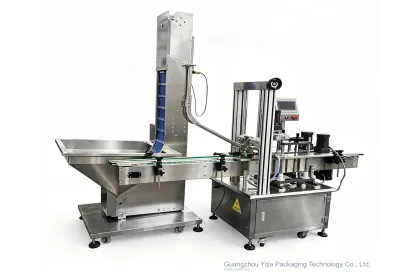 Automatic Screw Capping Machine
Pump head or threaded cap closure; Pump head orientation, thread engagement, and bottle clamping must be verified separately; do not use a unified capping setting; Automatic screw capp...
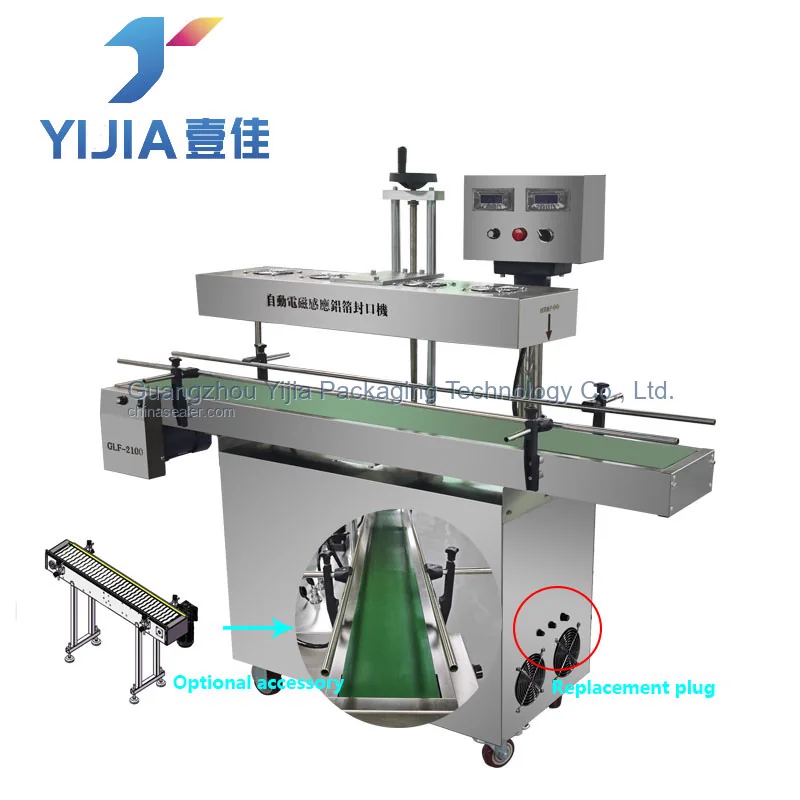 Inline Induction Foil Sealer
Pump head or threaded cap closure; Pump head orientation, thread engagement, and bottle clamping must be verified separately; do not use a unified capping setting; Automatic screw capping...
Core process
Empty bottles are sent to the filling station according to bottle stability and entry direction; the conveyor rails need to be adjusted with actual bottles.
The liquid quantitative filling machine configures the filling action according to shampoo flow, foaming, and target filling volume.
The automatic screw capping machine is used to close pump head caps or threaded caps; the cap supply method is selected according to the cap type.
Only when the cap has a suitable aluminum foil liner, the online induction foil sealing machine enters the main line.
The round/square bottle labeling machine handles bottle labels, and the date/batch coding machine writes variable traceability information.
The online checkweigher can recheck weight at the finished product end; outer packaging is arranged separately according to delivery method.
Sample details
First explain the sales specifications of the shampoo, finished bottle requirements, and the acceptance method for leakage and tamper-evidence during transportation.
Finished product photos, filling volume range, sales channels, transportation status, sealing and tamper-evident requirements.Bottle material, mouth, body shape, and pump head or threaded cap structure affect the filling nozzle, clamping, capping, and labeling.
Empty bottles, caps and pump heads, bottle mouth and body dimensions, cap liners, and samples of each bottle type.The flow, foam, and stringing behavior of shampoo at working temperature determines filling control, while labels and liners affect subsequent stations.
Real material, material state description, cleaning method, aluminum foil liner, label roll, and coding content.List the processes in the order of bottle supply, filling, screw capping, optional inner sealing, labeling, coding, and checkweighing, and indicate manual participation points.
Planned stations, existing equipment, cap supply method, inner sealing conditions, labeling and weight inspection requirements.Target takt time is only one input condition; bottle changeover, cleaning, site layout, and power/air supply must also be used for the layout.
Target takt time, workshop drawing, conveying direction, changeover frequency, cleaning schedule, utilities, and procurement plan.Common selection mistakes
Shampoo bottles are filled through the bottle mouth and closed with caps; tray film sealing equipment cannot perform these positioning actions.
Induction inner sealing must rely on the aluminum foil liner inside the cap and a suitable bottle mouth; it is not a 'remedy equipment when there is no liner'.
Choosing the filling structure only based on the name 'shampoo' will ignore viscosity, foaming, stringing, and cleaning conditions.
If special-shaped bottles lack a stable labeling surface and positioning reference, labels are prone to shifting or wrinkling.
Filling, capping, inner sealing, and labeling each meeting their action requirements does not mean there will be no waiting or bottle accumulation when connected.
View detailed technical notes
Bottles, Caps, and Liners Verified in Sequence
The core of a shampoo bottle filling line is not simply connecting multiple machines, but ensuring that materials, bottles, caps, and liners pass through verification in sequence. The liquid metering filling machine is responsible for filling the bottles, and the automatic screw capping machine completes the closure. The online induction foil sealing machine is only integrated when a compatible liner is present inside the cap, followed by labeling, batch coding, and weight verification.
Filling Method Determined by Actual Product Performance
The viscosity, foam, and stringiness of shampoo can affect the filling speed, drip-proof action, and bottle mouth cleanliness. The liquid metering filling machine should be tested with actual product, and the filling nozzle should be adjusted based on bottle mouth height and fill volume. Without testing, it is not possible to pre-determine a specific pump type, number of heads, or capacity.
Main Shampoo Bottle Filling Equipment and Downstream Processes
The main line consists of a liquid metering filling machine, an automatic screw capping machine, and a conditional online induction foil sealing machine. Round and square bottle labeling machines, date and batch coding machines, online checkweighers, and food-grade conveying lines are added downstream according to finished product requirements. Case sealing and outer case labeling lines are considered as separate downstream processes.
Screw Capping and Aluminum Foil Inner Sealing Are Not the Same Process
Pump caps and standard threaded caps differ in supply, orientation, and screwing action. The automatic screw capping machine must be debugged separately with cap samples. Induction inner sealing is not a substitute for screw capping: it is only possible after confirming that an aluminum foil liner matching the bottle mouth is present and that the cap can hold the liner securely against the bottle mouth.
Labels and Batch Codes Avoid Contamination and Curved Surfaces
Bottle labels should avoid obvious curved surfaces, ribs, and residual liquid contamination. For irregularly shaped bottles, especially, the adhesion surface and positioning must be confirmed. The installation position of the date and batch coding machine depends on the actual printable area and can be arranged on a suitable label or packaging surface.
Conveying, Weight Verification, and Outer Case Downstream Processes
The food-grade conveying line ensures stable transfer between workstations. The online checkweigher verifies finished products according to the weight range specified by the buyer. For carton shipment, case sealing and outer case labeling lines can be evaluated separately; the downstream carton processes require separate pricing and should not be understood as part of the basic main machine configuration.
Packaging Materials and Changeover Parts Sealed as Samples Simultaneously
Bottle caps, pump heads, aluminum foil liners, label rolls, and coding consumables should be sealed as samples simultaneously with the equipment. When changing bottle types, it is necessary to re-verify the filling nozzle height, bottle clamping, capping heads, induction sealing test, and labeling positioning, rather than simply changing one dimension parameter.
Excluding Tray and Pouch Equipment
Tray film sealing and flexible pouch filling use different container positioning and closing methods and are not part of the shampoo bottle filling main line. Machines not part of the bottle filling process do not need to be configured, avoiding mixing in tray or pouch solutions.
Lock Down the Solution with Complete Bottle, Cap, and Liner Information
Prepare actual shampoo product, all bottle types, pump heads or threaded caps, cap liners, and label rolls, and provide the planned process, target takt time, and workshop layout. After completing filling, capping, and inner sealing sample records, determine the line layout and quotation range.
Common questions
How to determine the filling method for high-viscosity shampoo?
First run a real-material test with the liquid quantitative filling machine, and determine the filling action and filling nozzle based on flow, foaming, stringing, and cleaning performance.
When is aluminum foil inner sealing needed after screw capping?
Only when the cap has an aluminum foil liner that matches the bottle mouth is it suitable to add induction inner sealing. Without a liner, this process cannot be performed directly.
Can special-shaped shampoo bottles be labeled automatically?
For round and square bottles, standard labeling methods can be evaluated first. For special-shaped bottles, sample bottles must be provided to verify the labeling surface, positioning, and clamping before deciding.
Does a sample project need to configure a full line at once?
There is no need to configure a full line at the beginning. When the bottle type, material, or order is still being verified, you can first determine the filling and capping standalone machines, and then reserve interfaces for later.
How to confirm the utilities for induction foil sealing?
It cannot be judged uniformly by equipment category; the final configuration table of the online induction foil sealing machine and on-site utility requirements should prevail.
Is online checkweighing a mandatory item for a shampoo line?
It is not a fixed mandatory item. Whether to include an online checkweigher should be determined by weight acceptance standards, reject handling, and production management requirements.