Solution topic
How to choose honey bottle filling, capping, and labeling? First check viscosity, bottle mouth, cap type, and label position.
Honey filling, capping, and labeling is not just putting three machines together. First confirm honey condition, bottle mouth, cap structure, label position, and capacity target, then determine filling method, capping torque, and labeling line.
- Honey filling, capping, and labeling is not just putting three machines together. First confirm honey condition, bottle mouth, cap structure, label position, and capacity target, then determine filling method, capping torque, and labeling line.
- How to choose honey filling, capping, and labeling
Customer real problem
I want to do honey bottling, needing filling, capping, and labeling. How should I choose equipment?
First determine the packaging route
Honey filling, capping, and labeling is not just putting three machines together. First confirm honey condition, bottle mouth, cap structure, label position, and capacity target, then determine filling method, capping torque, and labeling line.
Individual machine combination route
Suitable for: small batches, multiple specifications, or initial sampling; filling, capping, and labeling are done step by step. Advantages: flexible equipment investment, easy changeover, suitable for multi-variety small-batch production. Limitations: need to confirm whether filling nozzle, capping head, and labeling fixture are compatible with current bottle and cap types. Not recommended: when capacity target exceeds single machine rhythm or continuous linked production is needed, evaluate semi-auto or full-auto linked line. Equipment direction: can use servo piston filler, automatic capper, and round/square bottle labeler; confirm configuration with samples.
Semi-automatic linked line route
Suitable for: medium capacity, projects needing some automation but frequent changeovers. Advantages: after filling, automatic conveying to capping and labeling reduces manual handling. Limitations: need to confirm conveyor height, bottle stability, and rhythm matching between stages. Not recommended: when high-speed continuous production or downstream inspection linking is needed, evaluate full-auto linked line. Equipment direction: can configure servo piston filler, automatic capper, round/square bottle labeler, and food-grade conveyor.
Full-automatic linked line route
Suitable for: large batches, single specification, or projects needing downstream inspection and traceability. Advantages: continuous automatic operation from filling to labeling reduces manual intervention. Limitations: need to confirm bottle type, cap type, label position, and site space in advance; changeover parts need to be made per samples. Not recommended: when product specifications are many and changeovers are frequent, first evaluate semi-auto linked line or individual machine combination. Equipment direction: can configure servo piston filler, automatic capper, round/square bottle labeler, food-grade conveyor, date/batch coder, and online checkweigher.
Recommended equipment route: Sample and container confirmation
Use actual samples to confirm bottle mouth threads, cap structure, and label position to avoid equipment configuration deviations.
Recommended equipment route: Filling
Honey viscosity is high; servo piston filling is suitable for quantitative filling and easy adjustment of fill volume.
Recommended equipment route: Capping
Configure capping head according to cap threads and torque requirements for easy control of capping effect.
Recommended equipment route: Labeling
Adjust labeling mechanism according to bottle shape and label position, suitable for honey bottle labeling.
Recommended equipment route: Downstream inspection and identification
Print production date and batch number; checkweighing reduces weight deviation and facilitates traceability.
Route comparison
- Small batches, multiple specifications, or initial sampling; filling, capping, and labeling are done step by step.
- Flexible equipment investment, easy changeover, suitable for multi-variety small-batch production.
- Need to confirm whether filling nozzle, capping head, and labeling fixture are compatible with current bottle and cap types.
- When capacity target exceeds single machine rhythm or continuous linked production is needed, evaluate semi-auto or full-auto linked line.
- Can use servo piston filler, automatic capper, and round/square bottle labeler; confirm configuration with samples.
- Medium capacity, projects needing some automation but frequent changeovers.
- After filling, automatic conveying to capping and labeling reduces manual handling.
- Need to confirm conveyor height, bottle stability, and rhythm matching between stages.
- When high-speed continuous production or downstream inspection linking is needed, evaluate full-auto linked line.
- Can configure servo piston filler, automatic capper, round/square bottle labeler, and food-grade conveyor.
- Large batches, single specification, or projects needing downstream inspection and traceability.
- Continuous automatic operation from filling to labeling reduces manual intervention.
- Need to confirm bottle type, cap type, label position, and site space in advance; changeover parts need to be made per samples.
- When product specifications are many and changeovers are frequent, first evaluate semi-auto linked line or individual machine combination.
- Can configure servo piston filler, automatic capper, round/square bottle labeler, food-grade conveyor, date/batch coder, and online checkweigher.
Core process
Use actual samples to confirm bottle mouth threads, cap structure, and label position to avoid equipment configuration deviations.
Honey viscosity is high; servo piston filling is suitable for quantitative filling and easy adjustment of fill volume.
Configure capping head according to cap threads and torque requirements for easy control of capping effect.
Adjust labeling mechanism according to bottle shape and label position, suitable for honey bottle labeling.
Print production date and batch number; checkweighing reduces weight deviation and facilitates traceability.
Associated Equipment / Consumables
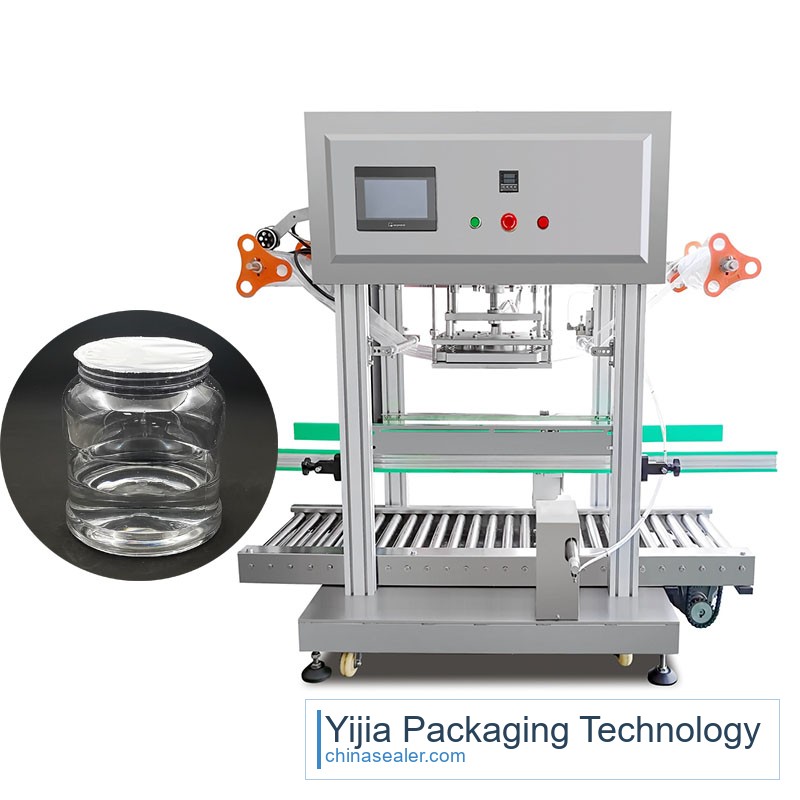 Bottle Inline Heat Press Sealer
Sample and container confirmation; Use actual samples to confirm bottle mouth threads, cap structure, and label position to avoid equipment configuration deviations; Honey bottle sampl...
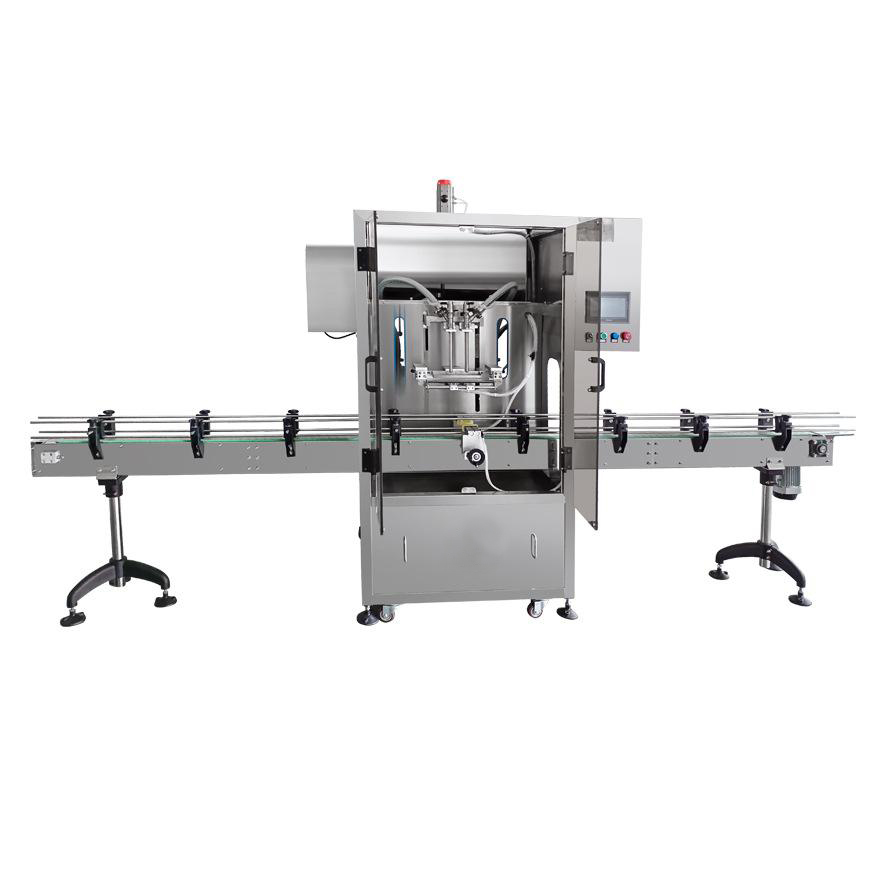 Servo Piston Liquid Filling Machine
Filling; Honey viscosity is high; servo piston filling is suitable for quantitative filling and easy adjustment of fill volume; Servo piston liquid filler
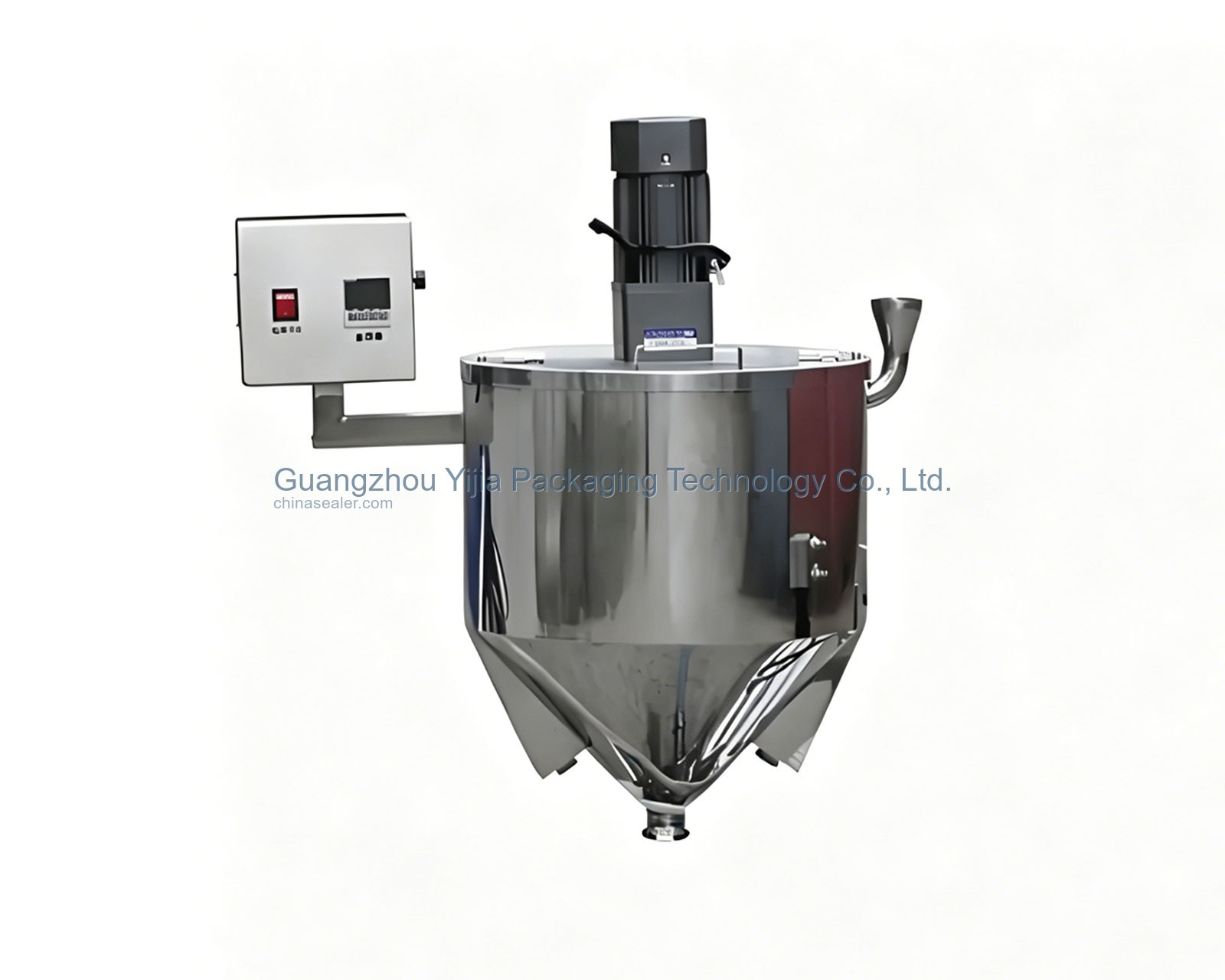 Heated Hopper and Jacketed Tank
Filling; Honey viscosity is high; servo piston filling is suitable for quantitative filling and easy adjustment of fill volume; Servo piston liquid filler
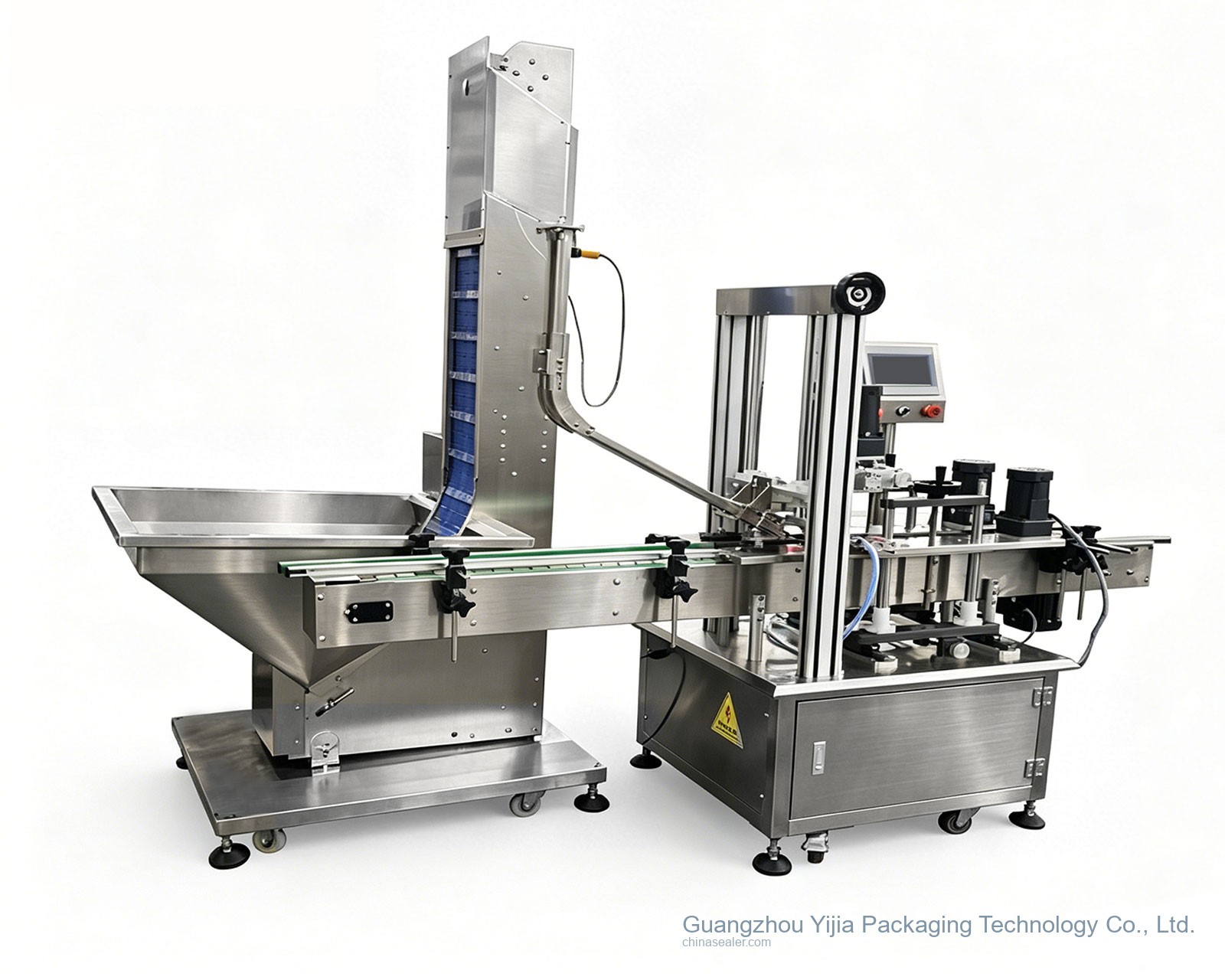 Automatic Screw Capping Machine
Capping; Configure capping head according to cap threads and torque requirements for easy control of capping effect; Automatic capper
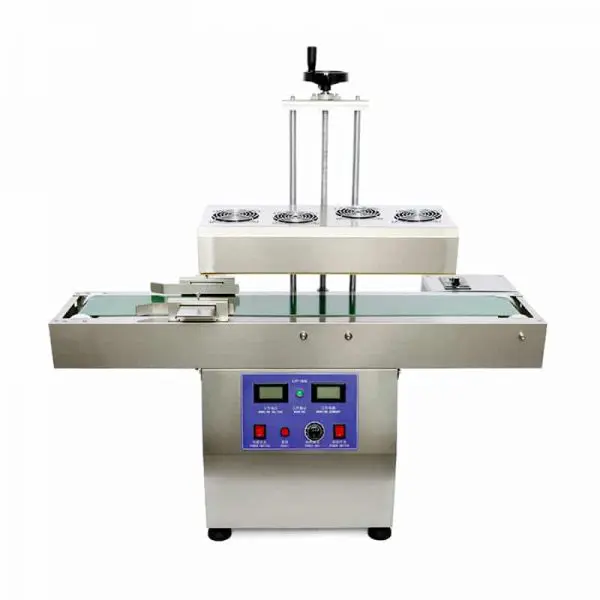 Inline Induction Foil Sealer
Capping; Configure capping head according to cap threads and torque requirements for easy control of capping effect; Automatic capper
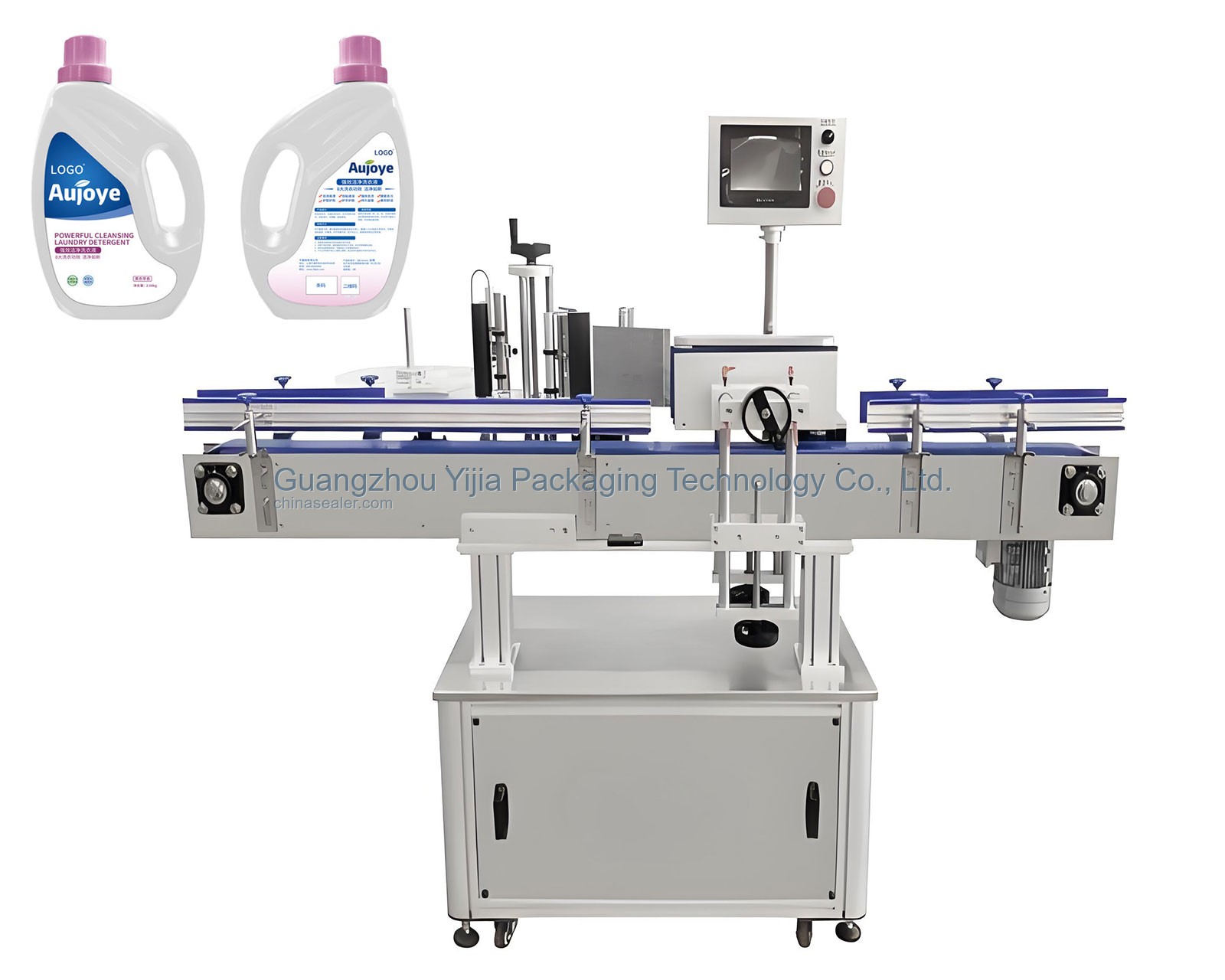 Round & Square Bottle Labeling Machine
Labeling; Adjust labeling mechanism according to bottle shape and label position, suitable for honey bottle labeling; Round and square bottle labeler
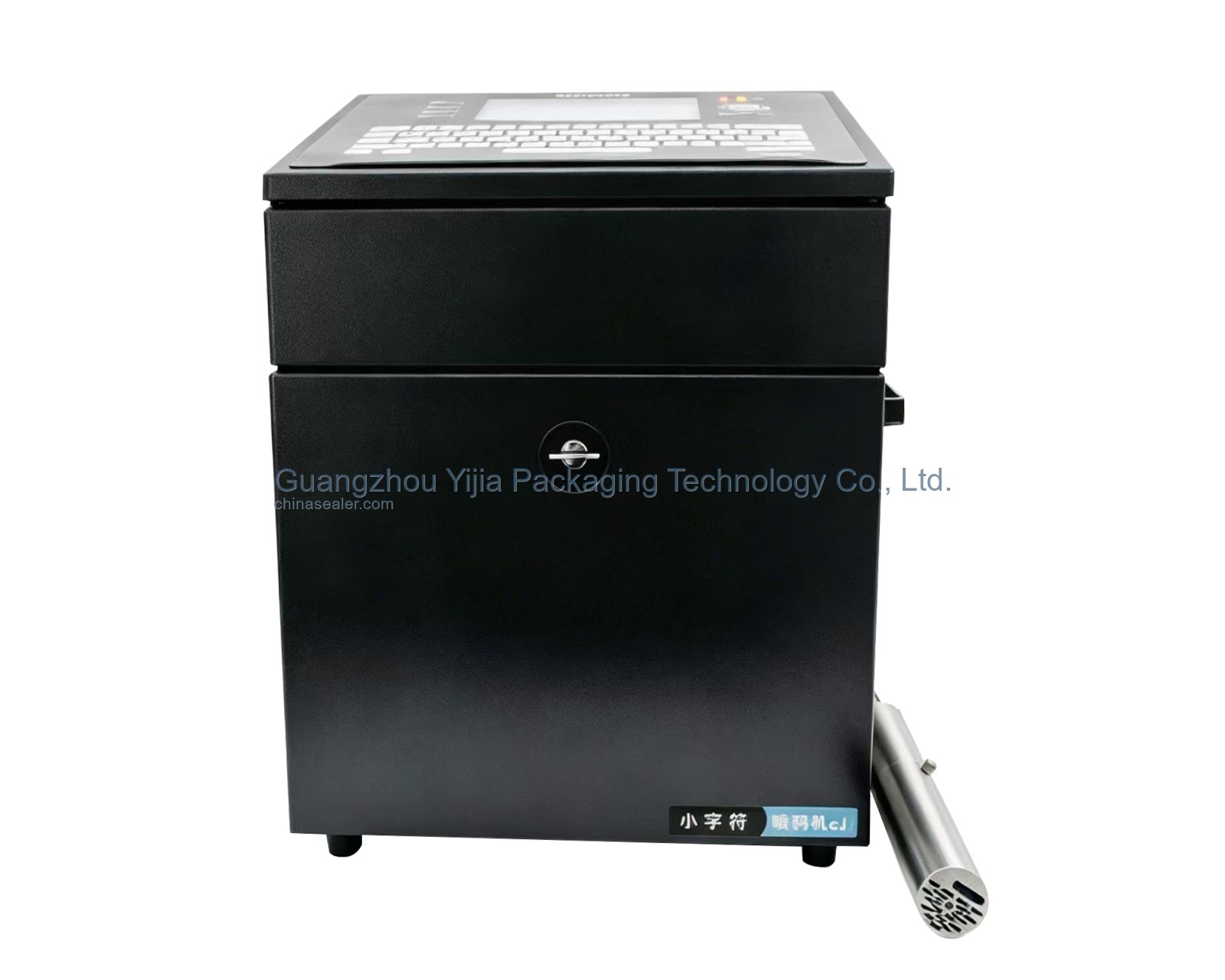 Date & Batch Inkjet Printer
Labeling; Adjust labeling mechanism according to bottle shape and label position, suitable for honey bottle labeling; Round and square bottle labeler
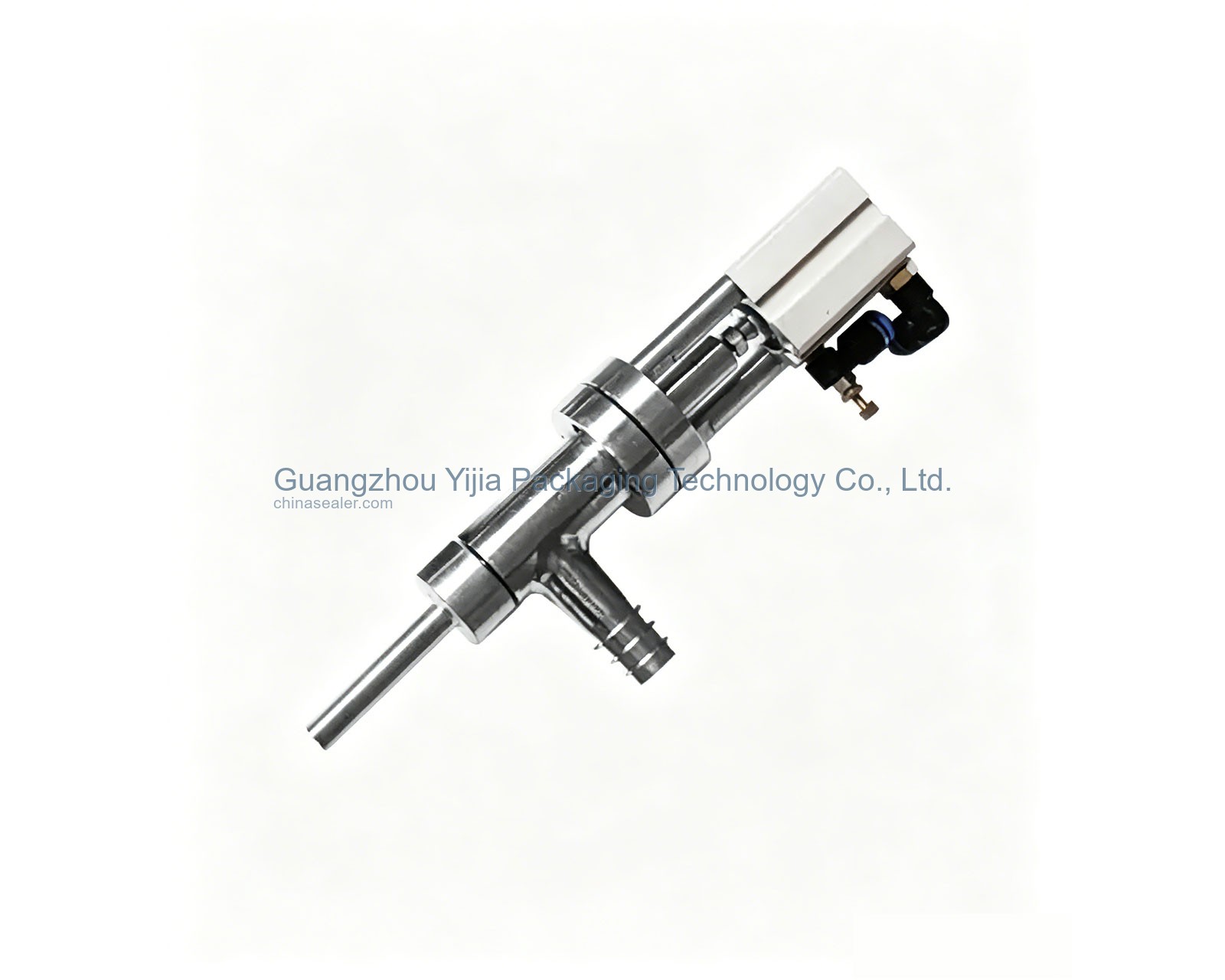 Anti-Drip Anti-Stringing Filling Nozzle Assembly
Filling; Honey viscosity is high; servo piston filling is suitable for quantitative filling and easy adjustment of fill volume; Servo piston liquid filler
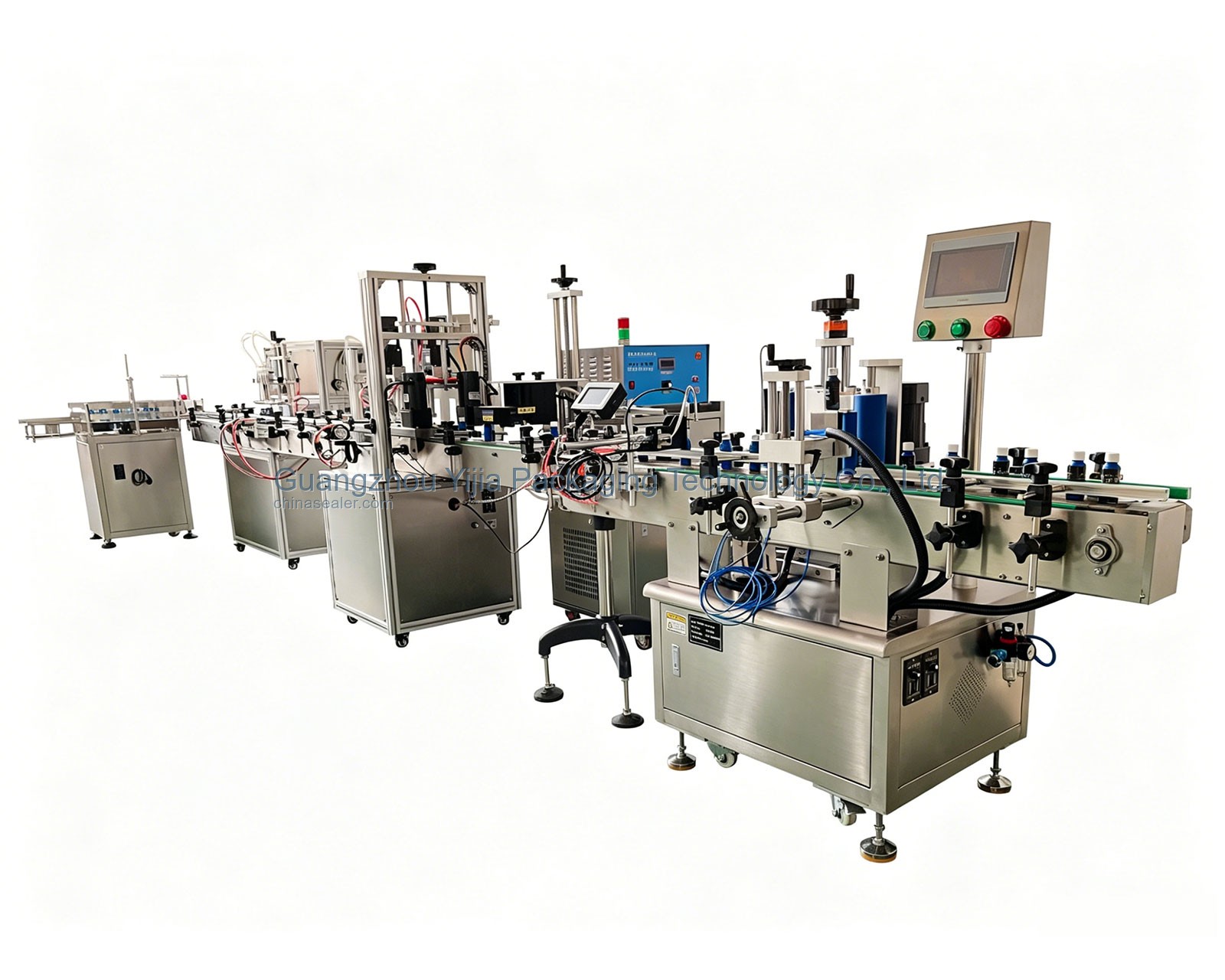 Automatic Feeding Conveying Sealing Line
Capping; Configure capping head according to cap threads and torque requirements for easy control of capping effect; Automatic capper
Sample details
Photos and dimensions can first determine container positioning, mold direction, and whether sample testing is needed.
Honey bottle samples or photos, key dimensions (bottle mouth threads, bottle height, diameter)Cap structure determines the method of pressing, capping, or placing caps, and whether linking is needed.
Cap samples or photos, confirm cap structure (screw cap, press cap, inner plug)Linking requirements affect equipment sequence, rhythm matching, and downstream inspection methods.
Label samples or label position description, confirm label position and label materialCapacity target determines individual machine, semi-auto, or continuous linked line configuration, and also affects quotation range.
Target capacity (bottles per hour or per day), affects number of equipment stations and linking methodSite conditions affect electrical control, pneumatics, conveyor length, and safety protection configuration.
Site space dimensions or layout sketch, to confirm conveyor direction and equipment placementCapacity target determines individual machine, semi-auto, or continuous linked line configuration, and also affects quotation range.
Even with incomplete information, you can first send existing photos, dimensions, and target capacity. We will first determine the direction, then list the items needed to supplement.Common selection mistakes
Honey has high viscosity at low temperatures. Before filling, confirm whether a heated hopper or heated filling nozzle is needed; otherwise, filling accuracy and speed will be affected.
Different cap types (screw cap, pump head, flip cap) require different capping heads and torque settings. It is recommended to provide cap samples for testing.
Labeling mechanisms differ for round and square bottles. Label position (center, upper, lower) needs to be confirmed in advance to avoid labeling deviation.
Small batches can use individual machines; large batches require evaluation of multi-head filling, multi-station capping, and continuous labeling. Linked line rhythm needs to be matched.
If downstream coding, checkweighing, or metal detection is needed later, it is recommended to reserve conveyor positions and data interfaces in advance to avoid retrofitting.
Common questions
You can first send existing honey bottle photos, approximate dimensions, and target capacity. We will first determine the route, then list the sample items needed.
Honey bottle samples or dimensions, cap samples, label samples, target capacity, and site space information are needed. Incomplete information is still acceptable for initial communication.
The capacity target affects the number of filling nozzles, capping stations, and labeling speed. When linking, the conveying rhythm must also be matched.
Honey viscosity, stringiness, and temperature affect the anti-drip structure of the filling nozzle. Cap and label materials need physical testing to confirm compatibility.
Sealing effectiveness is confirmed through cap, capping torque, and sample testing. If necessary, induction foil sealing can be evaluated.
When the capacity target is stable, manual handling needs to be reduced, or downstream inspection and traceability are required, it is recommended to evaluate a linked line solution.