Solution topic
Shampoo Bottling Line: Anti-Drip Filling, Capping, Labelling, Coding and Case-Packing Upgrade
Configure shampoo feeding, filling valves and anti-drip nozzles by viscosity, foaming and cleaning, connect capping, labelling, coding and inspection, then add case-packing stages
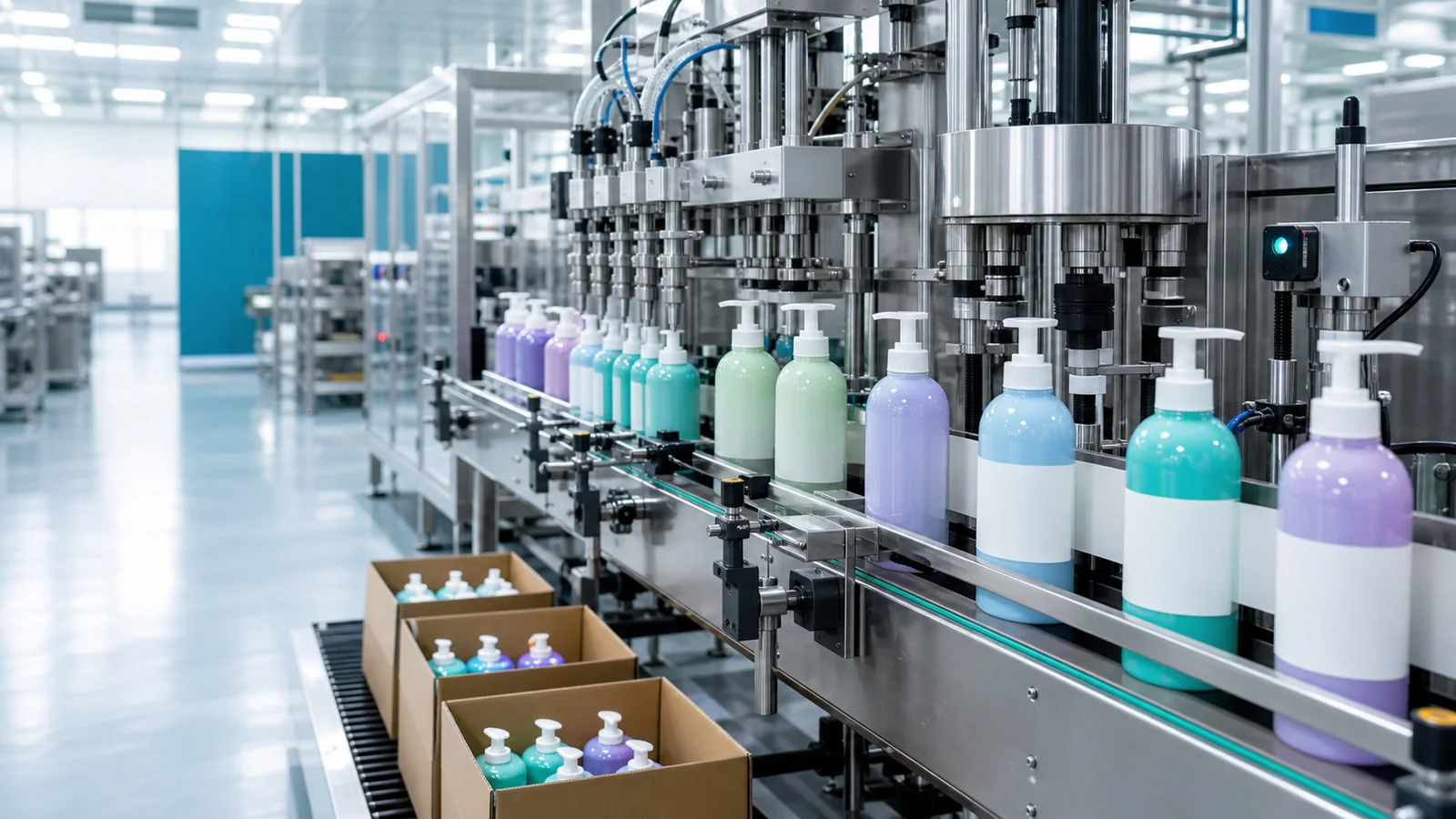
- Stabilise each station from viscosity, foaming, bottle, cap and label samples, then add unscrambling, inspection, case packing, sealing and case labelling as orders and layout justify.
Solution summary prepared for you
- For a shampoo bottle line upgrade, first inventory existing filling, screw capping, and labeling capabilities, then add conveying, bottle and cap unscrambling, and downstream inspection based on bottle stability.
- In the single-machine stage, use a daily chemical lotion filling machine, automatic screw capping machine, and round and square bottle labeling machine. The standard line connects food-grade conveying and coding, and the expansion sectio...
- After submitting actual materials, bottle caps and labels, old line interfaces, planned takt time, inspection rules, and case specifications, the retained equipment, new equipment, and packing actions that still need independent confirma...
Route comparison
- Suitable for the stage when formula and packaging are still iterating and filling, screw capping, and labeling samples need to be stabilized first.
- Retaining independent stations allows correcting shampoo filling, capping, and labeling issues first, and is convenient for signing off multiple specifications separately.
- Manual bottle feeding, cap placement, and handling limit continuous production, and single-machine control may not have downstream line interfaces.
- When orders already require stable continuous shipment, cap specifications are fixed, and labor reduction is desired, adding more isolated single machines is not appropriate.
- Form a flexible start combination with a daily chemical lotion filling machine, automatic screw capping machine, and round and square bottle labeling machine, connected by manual or short-distance transfer.
- Suitable for renovation projects where core single machines have passed material testing and the goal is to reduce manual handling and establish continuous marking.
- A food-grade conveyor line reduces inter-process handling, and a date and batch code coder can trigger uniformly under stable bottle posture.
- Infeed and outfeed heights, bottle spacing, start/stop logic, and buffering must be checked machine by machine; do not assume all old single machines can be directly networked.
- When main bottles are prone to tipping or automatic bottle and cap feeding has become the main bottleneck, adding only conveying and coding cannot solve the entire line problem.
- Connect verified filling, screw capping, and labeling stations to a food-grade conveyor line, and configure date and batch coding in a suitable bottle body or cap area.
- Suitable for projects where the main orders and old-line baseline are stable, and where automatic feeding, quality inspection and case-level traceability need to be added.
- Automatic bottle unscrambling and cap unscrambling systems improve feeding continuity, checkweighing and vision equipment provide rule-based inspection, and packed products then complete case sealing and outer case labeling.
- Cap orientation, inspection decisions, case sizes and incoming case packing status all need confirmation; the listed equipment does not include automatic case packing actions.
- When cap and case sizes still change frequently, or old-line interface information is incomplete, it is not advisable to implement all downstream automation at once.
- The expansion section consists of an automatic bottle unscrambler, cap unscrambling and feeding system, online checkweighing and vision system, and case sealing and outer case labeling line, connected section by section according to exis...
Associated Equipment / Consumables
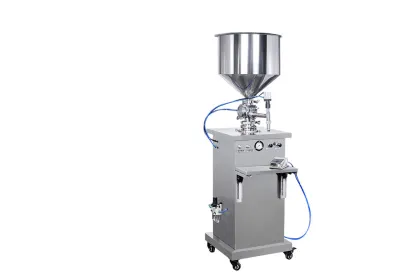 Daily Chemical Lotion Filling Machine
Daily Chemical Lotion Filling Machine is configured for Quantitative Filling on Bottles, pails, cans, flexible pouches.
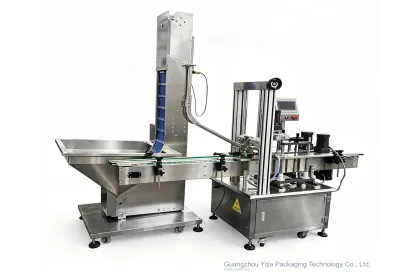 Automatic Screw Capping Machine
Shampoo filling station; Do not infer pump type or fixed speed from material name. The filling structure is determined by sample performance and fill volume; Daily chemical lotion fill...
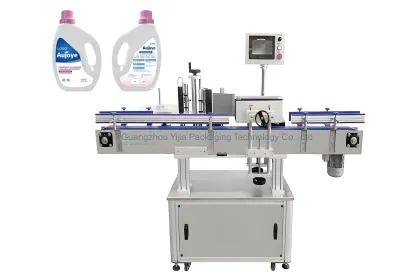 Round-Bottle and Front/Back Labelling Machine
Label and bottle positioning; Bottle body seams, transparent labels, and reflective surfaces may change the inspection method, so use official labels for testing; Round a...
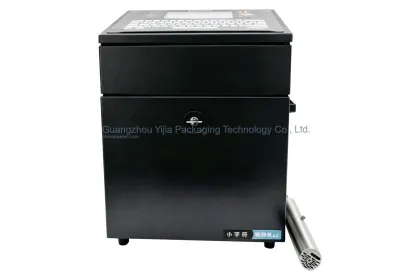 Date & Batch Inkjet Printer
Label and bottle positioning; Bottle body seams, transparent labels, and reflective surfaces may change the inspection method, so use official labels for testing; Round and square bottle l...
Core process
Before the upgrade, freeze representative shampoo, main bottle caps, labels, and cartons, and check existing single-machine interfaces and planned manual stations.
The daily chemical lotion filling machine first confirms dosing, suck-back, and cleaning with actual materials. Whether anti-drip and anti-stringing components are needed is determined by the bottle mouth cleanliness result.
The automatic screw capping machine completes pressing or screwing according to the cap type. After the cap feeding demand is stable, connect the cap unscrambling and feeding system.
If the official cap has a matching aluminum foil gasket, online induction inner sealing can be added after screw capping. Do not configure it if there is no gasket or the bottle mouth residual liquid issue is not resolved.
The round and square bottle labeling machine straightens the bottle body based on the attachable surface. After the label is stable, arrange the date and batch code position.
The food-grade conveyor line connects verified single machines according to bottle spacing. When automatic bottle and cap feeding is needed, add an automatic bottle unscrambler and cap unscrambling and feeding system.
The date and batch code coder and online checkweighing and vision system complete marking and rule inspection at the single-bottle end. Packed products then enter the case sealing and outer case labeling line.
Sample details
Record the status, direction, and available interfaces of existing filling, screw capping, labeling, and conveying equipment to avoid duplicate purchases or incorrect line assembly.
Existing machine models, photos and videos, control interfaces, infeed and outfeed heights, and known failure pointsObserve flow, foaming, dripping, and cleaning with representative shampoo, then determine the adjustment range of filling nozzles and contact parts.
Actual materials, fill volume, production environment, changeover plan, and cleaning methodThe bottle cap combination determines the automatic cap feeding and screwing structure. Main and compatible specifications should be listed separately.
Actual bottles and caps, pump head direction, thread and gasket structure, opening requirementsLabels and batch code areas should avoid bottle body seams, curvature changes, and gripping surfaces, and clarify reading and traceability content.
Label rolls, layout drawings, coding content, target position, and reading methodTest bottle separation, transition, and buffering with main bottles, and specify which specifications can be automatically unscrambled and which still require manual feeding.
Target takt time, bottle type changeover frequency, conveying direction, buffer space, and automation expectationsClarify inspection defects, incoming carton materials, and in-case bottling responsibilities, then check case sealing and outer case labeling equipment.
Inspection judgment, abnormal disposition, carton samples, packing method, outer case labels, and on-site spaceCommon selection mistakes
Simply connecting single machines with conveyors without checking bottle spacing, start/stop signals, and abnormal recovery will cause machines to block each other in continuous operation.
Formula changes may affect foaming, stringing, and cleaning. An old filling nozzle that handled one shampoo also needs to be retested with the new formula.
Pump heads, flip caps, and screw caps have different feeding and screwing actions. If the automation upgrade has no cap samples, the cap unscrambling and screwing structure can easily deviate.
Transparent labels, curved bottle surfaces, and coding surfaces affect sensing and adhesion. Changing the layout later may affect bottle holding and inspection benchmarks.
Online checkweighing and vision systems are only meaningful for acceptance when defects and disposition rules are clear. Do not use 'adding inspection' to replace quality standards.
Case sealing and outer case labeling start from already packed cartons and do not complete single-bottle arrangement and insertion.
View detailed technical notes
Start the Upgrade with an Audit of Existing Equipment
Upgrading a shampoo line does not mean replacing all equipment at once. First confirm which existing filling, capping and labeling machines can still be used, then add conveying, automatic feeding or inspection downstream based on the actual bottleneck.
Product Samples and Old-Line Interfaces Are Equally Important
Materials, bottles, cap types and labels are the basis for modification. The infeed/outfeed height, control signals and available space of old machines determine whether they can be integrated into a new continuous line.
Eliminate Process Uncertainty at the Standalone Machine Stage First
When the shampoo and packaging materials are still changing, verifying the lotion filling machine, automatic screw capper and round/square bottle labeling machine separately helps locate dripping, capping or labeling issues faster. Standalone machine combinations retain changeover flexibility, but manual bottle feeding and cap placement, as well as inter-process handling, should not be counted as continuous output.
Conveying and Coding Form the First Step of Line Integration
Once the core standalone machines are stable, first use a food-grade conveyor to unify bottle spacing and connect date/batch coding to a repeatable trigger position to form a basic continuous route. Before implementation, verify the old machines' infeed/outfeed height, start/stop signals, buffer space and fault recovery; do not rely only on mechanical splicing of conveyor belts.
Automation Expansion Should Be Based on Real Bottlenecks
Automatic bottle unscramblers and cap feeding/pressing systems handle continuous supply; online checkweighing and vision systems inspect each bottle according to the weight and appearance conditions confirmed for the project. Case sealing and outer case labeling only handle already-packed cartons. This expansion is suitable for projects with stable main bottle caps and case sizes; case packing actions, inspection decisions and exception handling still need separate confirmation.
Four Types of Samples Jointly Constrain the Layout
Bottle bottom, center of gravity and surface determine dividing conveying; cap type determines cap feeding and tightening; label and printing surfaces determine bottle holding and sensor positions. Any change may affect adjacent stations.
Filling Modification Cannot Rely Only on Old Parameters
Shampoo should be observed under planned production conditions for flow, foaming and stringing. Filling nozzle finishing, cleaning methods and seal configuration should be based on actual material records.
Stabilize Capping Before Automatic Cap Feeding
The automatic screw capper should first be verified with the main cap; the cap feeding and pressing system should then be designed according to cap orientation, supply posture and exception handling. The two need to be debugged as a group.
Inner Sealing Station Is a Conditional Option
Induction foil sealing is only applicable to bottle types with a matching liner inside the cap, and must be verified after the bottle mouth is clean and the cap is pressed tightly.
Labeling Should Be Confirmed with Actual Bottle Surface and Label Samples
Labeling equipment must accommodate round bottles, square bottles or tested flat bottles. Transparent labels and bottle body seams change sensing and positioning methods and cannot be covered by generic settings.
Common questions
How should the implementation scope be divided for upgrading an old shampoo line?
The implementation scope should be based on the reusability of existing equipment, bottle cap and label types, the scope of automatic feeding, inspection rules, carton interfaces, and on-site modification requirements. First make an equipment list and verify boundaries, then compare different configurations.
How should planned output be converted into a line configuration?
Do not select the main machine based on a single target number. The main bottles should pass through filling, screw capping, conveying, labeling and coding, and inspection in sequence, and the acceptable takt time should be determined by the slowest station and changeover downtime.
Can an upgrade be evaluated first without all samples?
You can first use photos, dimensions, cap types, and existing equipment information to screen solutions. Formal tooling, filling nozzles, cap feeding, and labeling results still require actual samples.
What are the common consumables after the upgrade?
Usually includes contact seals, filling nozzle change parts, screw capping chucks, label rolls, coding consumables, necessary cap inner gaskets, as well as case sealing tape and outer case labels. The final list is based on the actual machine model.
How can the risk of leakage at the shampoo bottle mouth be reduced?
First control the filling tail and bottle mouth cleanliness, then verify cap closure. Add induction inner sealing only when a matching gasket is available. Sealing results should be checked through agreed samples and transport conditions.
Can the downstream section be expanded later after orders stabilize?
Labeling and coding can reserve interfaces, and the case packing section can be added in stages. However, the listed equipment does not include automatic case packing. If this need exists, a separate solution must be selected based on the in-case arrangement and case specifications.