Solution topic
Powder and Granule Metering Filling, Inline Checkweighing and Metal Detection Routes
Arrange metered filling around the powder and granule filling machine, then connect a food-grade conveyor line, inline checkweigher, food metal detector, and date/batch inkjet code
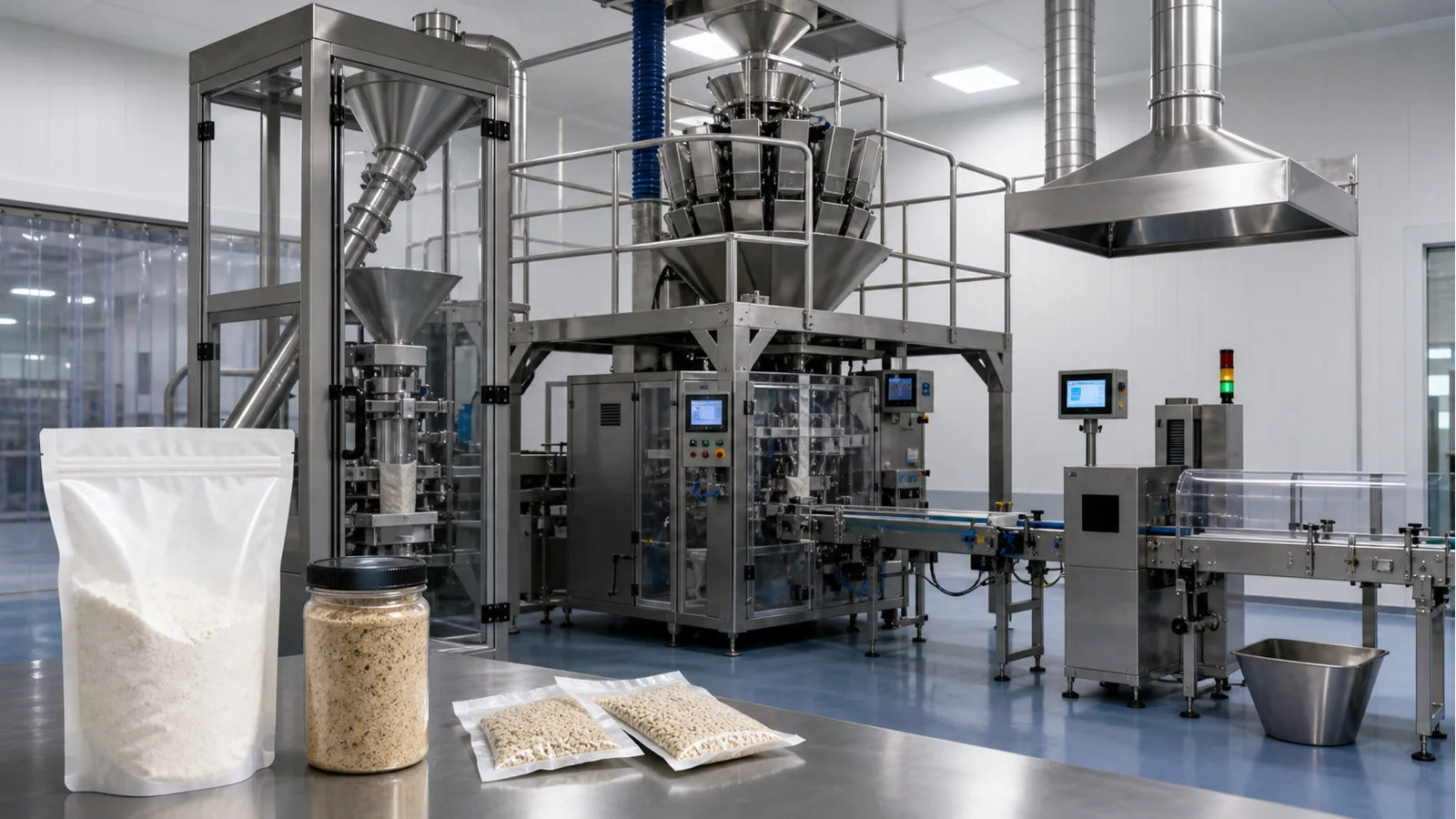
- Powder dust, granule flow, and container type change the metering and conveying methods. The powder/granule machine handles front-end metering, and downstream conveying and inspection are arranged afterward; liquid valve circuits are not part of this process.
Solution summary prepared for you
- Powder and granule equipment first uses samples to judge flow, dust, bridging, and residue, then the powder and granule filling machine performs quantitative filling.
- Filled bottles, cans, bags, or boxes are transferred via a food-grade conveyor line; orientation and cleaning requirements are determined by the container format.
- Online checkweighing, food metal detection, collaborative batch coding, and outer case handling are downstream and should be selected according to quality rules and shipping methods.
Route comparison
- Suitable for projects with powder, granule, or mixed powder-granule materials that can provide representative samples and target containers for metering tests.
- The powder and granule filling machine, as the front-end main machine, can put samples, target fill weight, and containers into the same quantitative trial.
- Material batch, moisture absorption, caking, and container inlet changes alter operation; the metering structure cannot be fixed before sample testing.
- When material data cannot represent production state, or containers are not finalized, first complete sample materials and packaging before determining the machine configuration.
- The powder and granule filling machine is configured with corresponding metering and feeding components based on material flow, granules, dust, bridging, and residue.
- Suitable for processes where, after powder/granule filling, different containers need continuous transfer to weight, metal, or marking stations.
- The food-grade conveyor line stably transports filled containers to the inspection section, facilitating unified arrangement of orientation, spacing, and cleaning.
- Powder drop, container stability, conveyor surface cleaning, and equipment height must be verified during integration; do not select based only on line length.
- When containers cannot maintain a stable orientation, or powder falls on the conveyor surface without a cleaning plan, first solve the handover problem.
- The food-grade conveyor line is configured according to the load and orientation of bottles, cans, bags, or boxes, and connects the front-end powder/granule filling machine with downstream inspection.
- Suitable for powder/granule packaging that requires finished product weight verification, metal foreign object inspection, or both independent inspections.
- The inline checkweigher and food metal detector handle weight and metal foreign object items separately, and results can be recorded according to quality rules.
- Packaging orientation, target weight, test samples, and rejection space all need confirmation; the two inspections cannot replace each other.
- When quality rules and exception handling are not yet defined, first clarify the test method, then decide on inspection equipment and installation position.
- Choose the inline checkweigher, food metal detector, or a combination based on product risk, and establish judgment and exception logic with test samples.
- Suitable for projects where powder/granule finished products need inner package batch numbers, and after case packing, continue to handle case closure and outer case labeling.
- Inner package batch numbers and outer case closure labels are handled separately; layout and collaboration scope can be arranged by packaging level.
- Printing surface, outer case, and label data need to be confirmed in advance; the collaboration scope does not include automatic case packing machines.
- When products are not yet case-packed or the outer case layout is not finalized, the case sealing and outer labeling line should not be used as inner packaging equipment.
- The collaborative date/batch inkjet coder is test-printed on available packaging surfaces. After products are case-packed, connect collaborative case sealing and outer case labeling lines.
Associated Equipment / Consumables
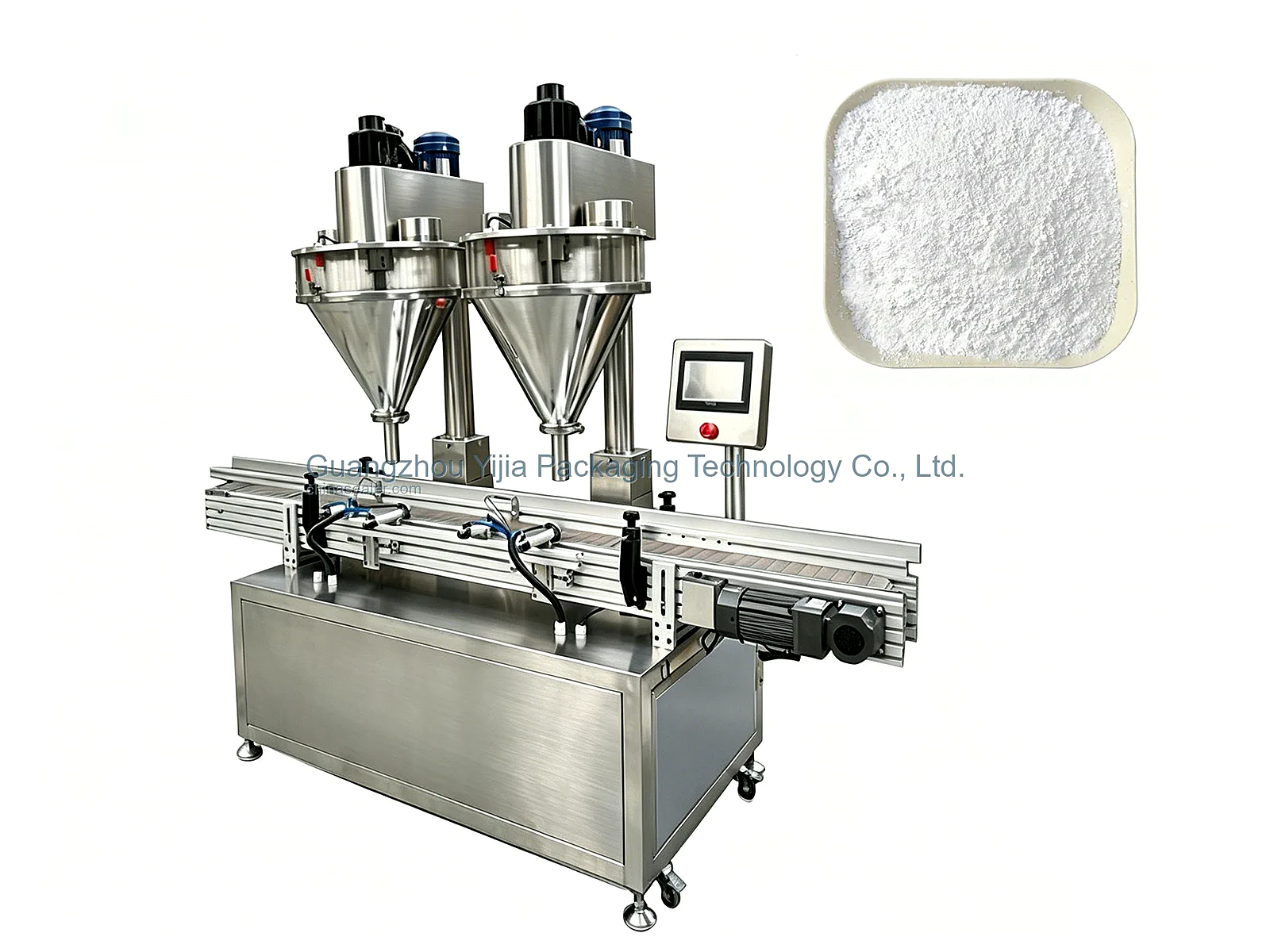 Powder and Granule Dosing Filling Machine
The machine doses powders or granules. Auger, volumetric and weighing systems are different routes. Select from flowability, bulk density, dust, particle size, static, fragility and tolerance, then validate accuracy,...
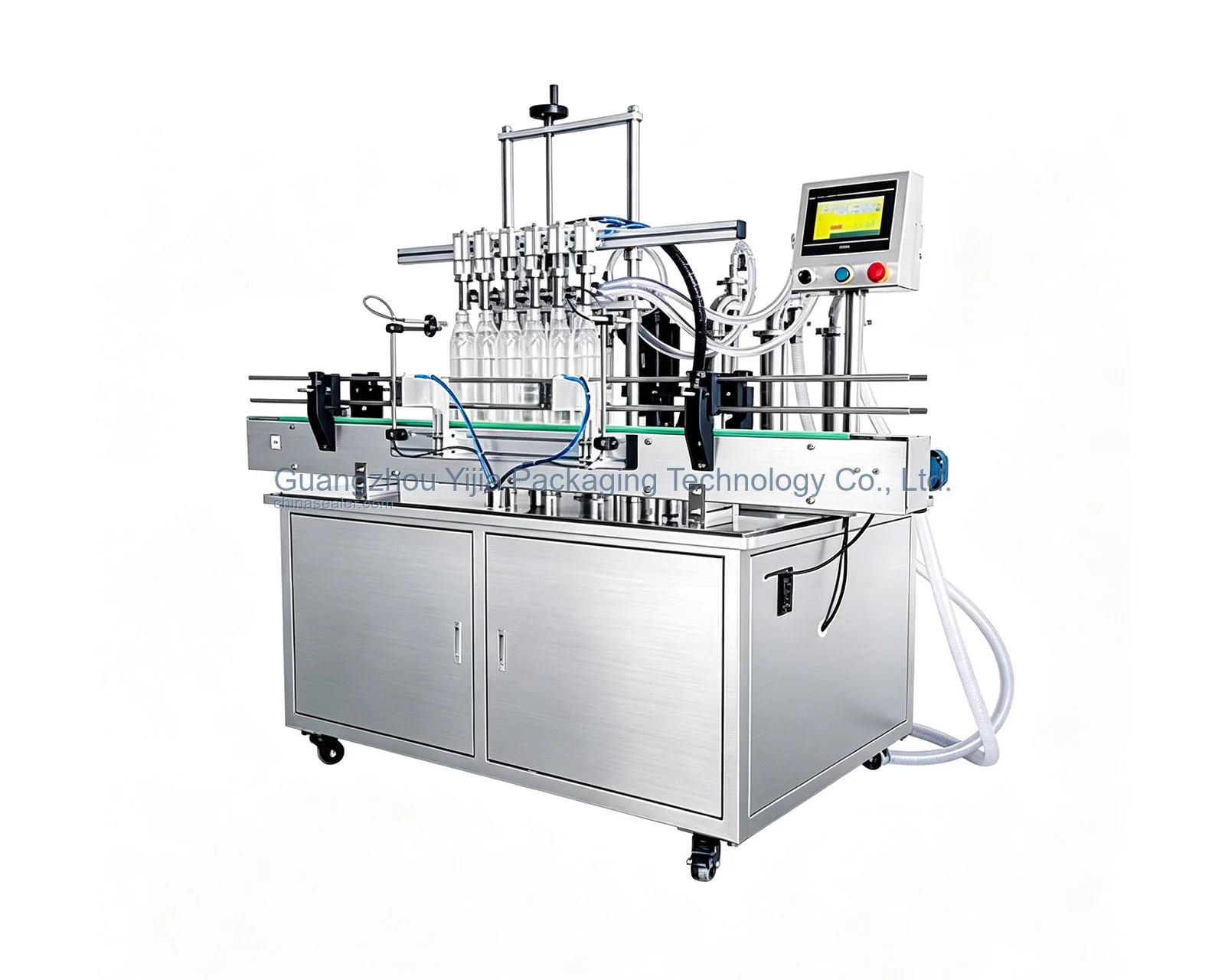 Multi-head servo liquid filling line
Powder/granule material state confirmation; Material flow, granules, dust, moisture absorption, and residue together determine metering, feeding, and cleaning; representative samp...
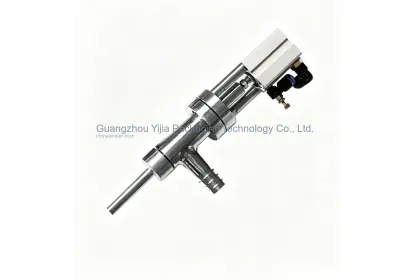 Anti-Drip and Anti-Stringing Filling Nozzle Assembly
Powder/granule material state confirmation; Material flow, granules, dust, moisture absorption, and residue together determine metering, feeding, and cleaning; rep...
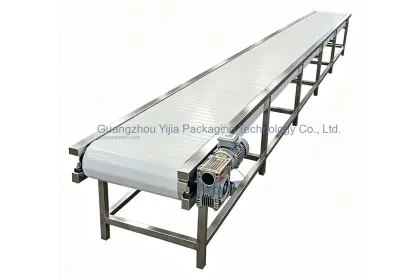 Food Packaging Conveyor and Buffer Line
Continuous container transfer; The food-grade conveyor line transports filled containers to the downstream; load capacity, orientation, powder drop cleaning, and equipment heig...
Core process
Sample details
First distinguish fine powder, granules, or mixed powder/granule materials, then evaluate flow, dust, and target containers in the same assessment.
Please provide material photos or samples, granule state, actual containers, and planned fill weight.The allowable fill weight range and production plan affect the metering components, feeding, and downstream rhythm; a single target weight is not enough.
Please list the fill weight for each specification, acceptance method, planned cycle time, shifts, and changeover frequency.Dust, moisture absorption, bridging, and cleaning change the hopper, filling nozzle, on-site interfaces, and changeover operations; site conditions are required.
Please describe dust, moisture absorption, caking, residue, cleaning frequency, and on-site dust treatment requirements.Powder falling on the container sealing surface affects subsequent processes; checkweighing and metal detection should have independent rules based on the finished product state.
Please provide sealed finished samples, weight rules, metal detection requirements, and rejection handling methods.Representative samples and containers can verify feeding, metering, powder drop, conveying, and inspection together; do not use conceptual materials as substitutes.
Please prepare main batch materials, various containers, target finished products, and planned test samples.Common selection mistakes
Fine powder and granules with the same fill weight may have different flow, bridging, and dust behavior; metering components cannot be determined by weight alone.
Dust will enter the filling nozzle, sealing surfaces, conveying, and inspection areas; on-site interfaces and cleaning methods should be verified during sample testing.
Container mouth size and orientation change the filling positioning and powder drop range; bottles, cans, bags, and boxes cannot share unverified positioning.
Material flow, feeding feedback, bridging, and cleaning all take actual operating time; a single nominal speed cannot represent continuous production.
Online checkweighing, food metal detection, batch coding, and outer case labeling all require finished product handover and rejection space, which should be defined early in the layout.
View detailed technical notes
First Assess the Actual Powder/Granule State
Fine powders, granules, moisture-sensitive powders, and mixed powder-granule materials all require metered filling, but differences in flow, bridging, dust, and residue lead to different machine configurations.
Separate the Metering Machine from Downstream Inspection
The powder and granule filling machine handles front-end metering, and the container sealing area needs dust control during filling. After filling, arrange food-grade conveying, inline checkweighing, food metal detection, and collaborative outer-case marking stations.
Use Sample Materials to Determine the Metering Structure First
The powder and granule filling machine is not pre-designed based on material names. Representative samples must be used to observe flow, granules, bridging, dust, moisture absorption, and residue, and to test fill volume and rim cleanliness on the target bottles, cans, bags, or boxes. The feeding, metering, and cleaning methods are determined by these results.
Design Conveying Based on the Finished Container
Filled containers can be sent downstream via a food-grade conveyor line. Bottles, cans, bags, and boxes differ in load bearing, orientation, and inlet/outlet openings, so when integrating, observe powder drop, spacing, equipment height, and conveyor surface cleaning. For enclosed equipment, select separately after the container structure is defined.
The inline checkweigher verifies the agreed weight, and the food metal detector handles the corresponding metal foreign object items. The two functions use different test samples and judgment methods; choose one or both based on product risk. Rejection, stoppage, and recording logic are determined before formal integration.
Container Positioning Also Focuses on the Sealing Area
The container inlet and subsequent sealing area should be checked together; filling powder drop must not be left for the sealing or capping station to handle later.
Metering and Inspection Use the Same Finished Product Standard
Fill volume, material state, and quality rules together determine the test method; the machine cycle should be evaluated in combination with feeding, cleaning, checkweighing, and exception handling.
When Information Is Incomplete, First Divide the Process
For solution communication, you can first submit material photos, target fill volume, containers, and production plan; the metering components, dust interfaces, and inspection positions are still finalized based on sample material integration results.
The Powder/Granule Packaging Main Line Does Not Include Liquid Valve Circuits
The powder and granule filling machine, food-grade conveyor line, inline checkweigher, and food metal detector form the main line. Batch numbers and outer-case closure labels are handled by collaborative equipment.
Common questions
How should the metering components be selected for the powder and granule main machine?
No single metering structure is preset. The powder and granule filling machine should be configured after testing with the sample material's flow, granules, dust, bridging, fill weight, and container.
Can the same main machine be used for both powder and granules?
It is necessary to observe the granule size, shape, fragility, flow, and mixing state, then determine whether the powder and granule filling machine should adopt the corresponding feeding and metering configuration.
What should be checked first when dust is significant?
First record the dust and powder drop positions, then evaluate the filling nozzle, dust-proof interface, cleaning, and on-site dust engineering. Relevant requirements are based on the sample material and site conditions.
Can the solution be discussed without a material sample?
A preliminary direction can be determined based on material photos, state, target fill weight, and container, but the metering components and operating conditions still require representative sample testing.
How to determine checkweighing and metal detection for powder and granule products?
Whether to use an online checkweigher and food metal detector depends on product risk, quality rules, test samples, and order requirements.
How to connect the finished powder and granule products to the downstream outer case handling?
After the product is case-packed, a collaborative line handles the case sealing and outer case labeling. If an automatic case packer is needed, it should be confirmed separately.