Solution topic
How to plan two-component aerosol filling, valve sealing? Pressure process and online coding must be validated separately
First treat the can body, valve components, inner bag, sealing parts and propellant medium as a complete system, then confirm product filling, valve sealing, safety interlocks, ins
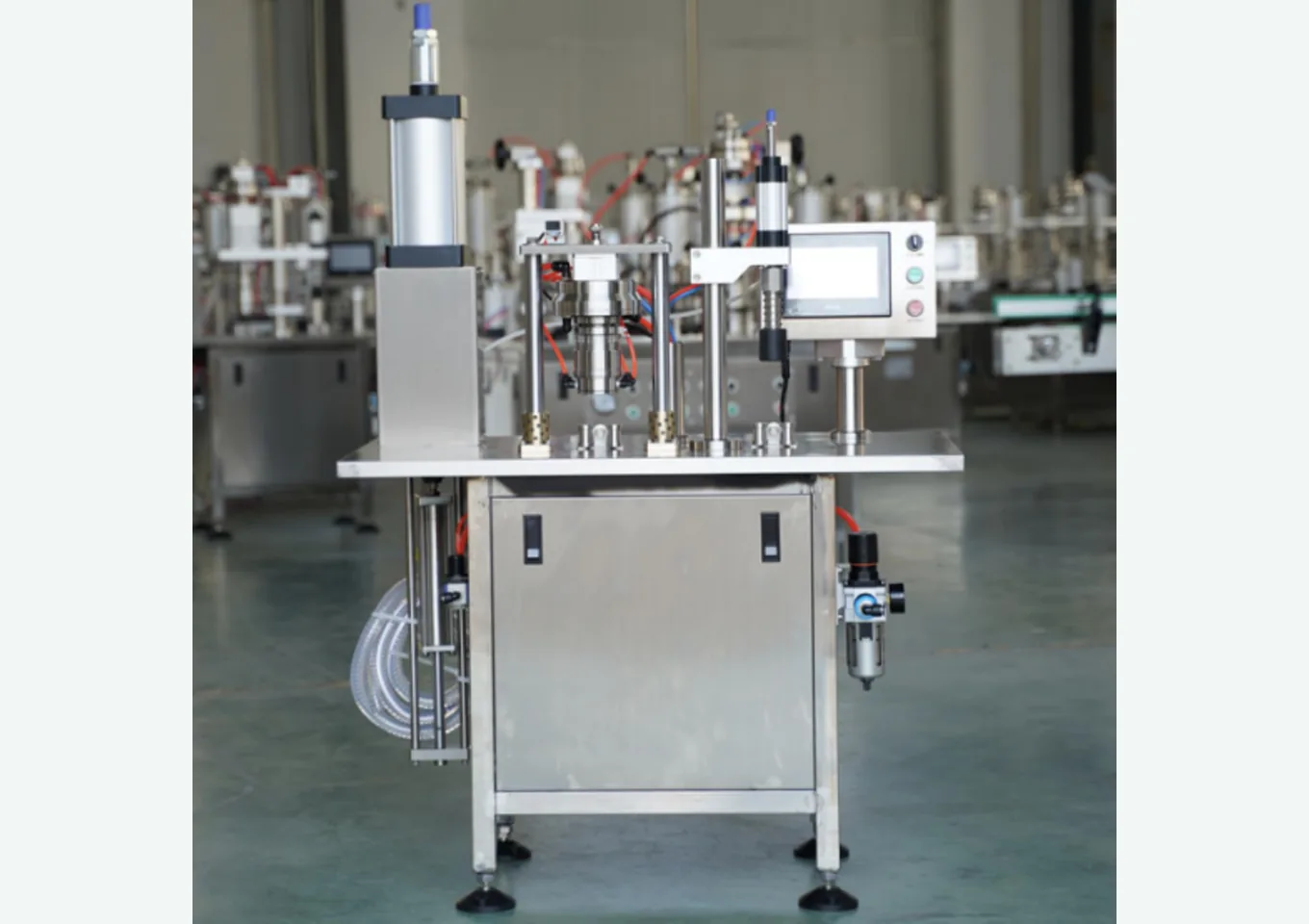
- First treat the can body, valve components, inner bag, sealing parts and propellant medium as a complete system, then confirm product filling, valve sealing, safety interlocks, inspection and finished product coding.
Solution summary prepared for you
- What is the difference between a two-component aerosol filling and sealing machine and a regular bottle line?
- Why must can, valve, and bag documentation be provided together for two-component aerosol packaging?
- What safety and inspection confirmations are needed for an aerosol filling line?
Route comparison
- Projects that already have technical documentation for the can, valve, bag, and propellant
- Reviewing the complete packaging system first avoids misapplying regular filling experience to pressure packaging
- Without compatibility, pressure, or regulatory documentation, only a preliminary process judgment can be made
- Confirm sealing tooling and pressure process only after packaging components are finalized and validated
- The two-component aerosol filling and sealing machine is configured with liquid contact, valve sealing, and safety interfaces according to the project
- Projects that need to connect product filling, valve assembly, sealing, and quality inspection
- Process sequence and safety interlocks can be designed around the same acceptance standard
- Part feeding, pressure process, inspection, and rejection are not default modules
- Without clear leak, weight, or pressure judgment methods, the inspection scope should not be determined first
- The filling and valve sealing main machine is integrated with inspection, rejection, and data recording configured as needed
- Packaging that needs batch or traceability marking after sealing under stable conveying conditions
- Non-contact marking can be added as an independent downstream station on the conveying line
- Material, color, marking scope, guarding, and fume treatment all need real samples and site confirmation
- The laser solution cannot be selected directly without trial marking or if the marking position is near areas that must not be heated
- The online laser coder is configured together with sensor triggering, guarding interlocks, and finished product conveying
Associated Equipment / Consumables
Two-Component Aerosol Filling and Sealing MachineThe two-component aerosol filling and sealing machine is configured around the can, inner bag or valve, product filling, sealing, and propellant process. Container and valve structure, material compatibility, pressure...
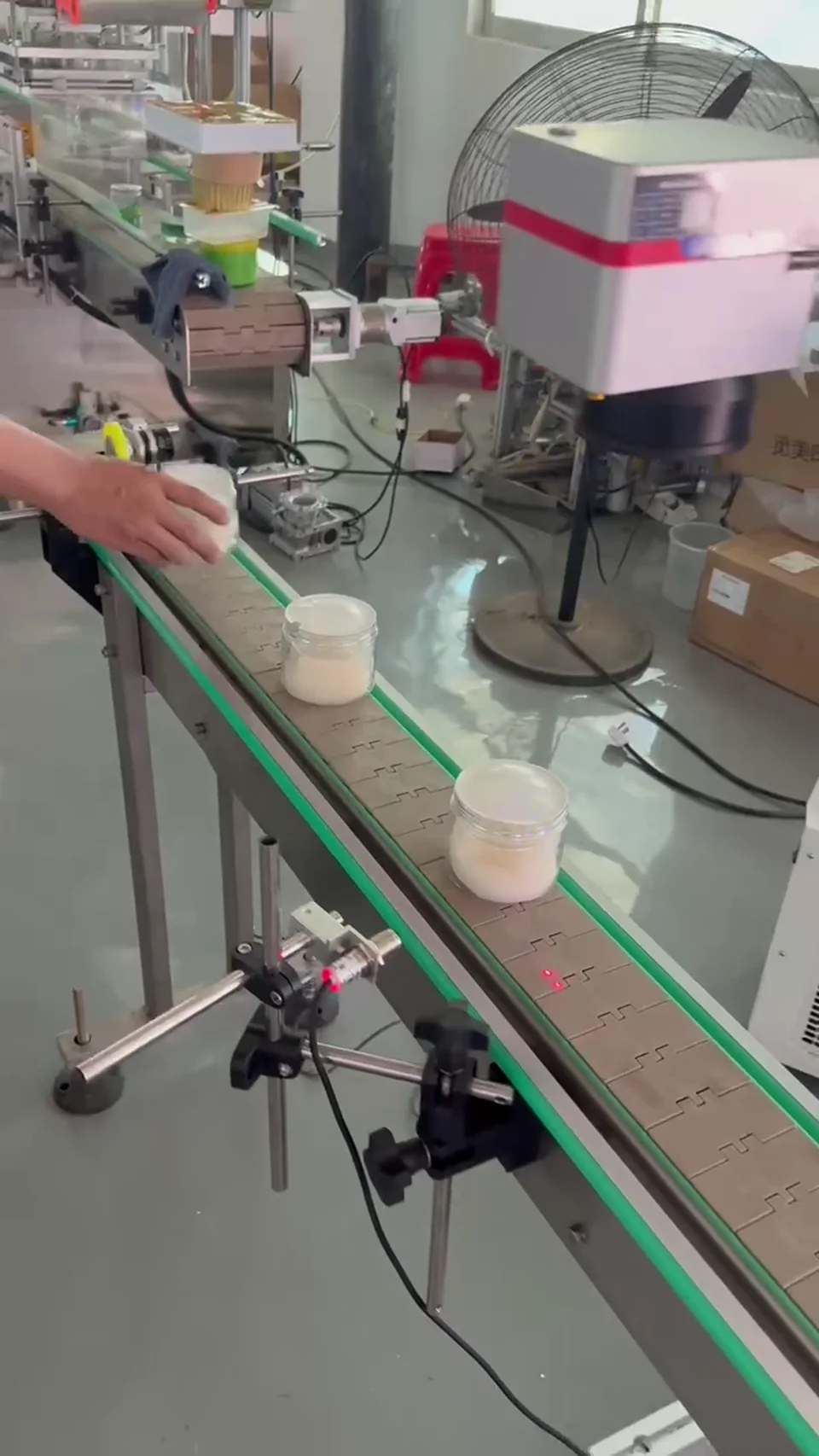 Inline Laser Marking Machine
Perform project-defined online inspection; Inspection content should be consistent with weight, appearance, and rejection standards; Online checkweighing and vision inspection system
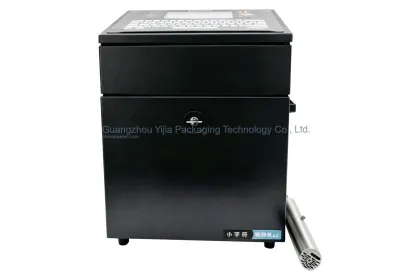 Date & Batch Inkjet Printer
Perform project-defined online inspection; Inspection content should be consistent with weight, appearance, and rejection standards; Online checkweighing and vision inspection system
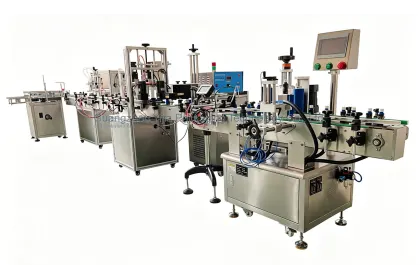 Automatic Feeding Conveying Sealing Line
Interlocked conveying and exception handling; Conveying interlocks are used to connect sealing, inspection, and marking in a safe sequence; Automatic feeding, conveying, seali...
Core process
Sample details
The can, valve, bag, and seal need to be validated as a set of interfaces; individual part dimensions cannot represent the assembly and sealing result.
Provide samples and technical documentation of the can, valve, bag, and sealProduct properties, propellant, and material compatibility determine the contact parts and cleaning boundary; relevant documentation must be confirmed before process evaluation.
Specify product properties, propellant, compatibility, and cleaning requirementsPressure, sealing, and leak standards must specify the inspection method and acceptance limits; regulatory requirements are provided by the project party as applicable basis.
Provide pressure, sealing, leak, and relevant regulatory acceptance standardsSite zoning, ventilation, guarding, and interlock conditions are used to determine the equipment application boundary; standard configurations cannot be directly used for special media areas.
Specify site safety zones, ventilation, guarding, and interlock requirementsMarking content, substrate material, position, and acceptable samples are used to select the coding method and check whether downstream conveying blocks or rubs the mark.
Provide marking content, position, packaging material, and acceptable effect samplesSustained capacity, feeding rhythm, inspection rejection, and recording scope together determine station integration and data boundaries.
Specify stable capacity, part feeding method, inspection rejection, and data recording requirementsCommon selection mistakes
View detailed technical notes
Real customer questions
Two-component aerosol packaging is not a regular bottle line with an added sealing head. After the product and propellant are separated, the can, valve, bag, seal, pressure process, and regulatory requirements together define the equipment boundary. Online laser marking can be one of the downstream traceability options, but it can only enter project configuration after real packaging samples pass trial marking and the guarding, interlocks, and fume treatment are confirmed.
Determine the packaging route first
First treat the can, valve, bag, seal, and propellant as a complete system, then confirm product filling, valve sealing, safety interlocks, inspection, and finished product marking.
Packaging system and safety boundary first
Suitable for: projects that already have technical documentation for the can, valve, bag, and propellant. Advantages: reviewing the complete packaging system first avoids misapplying regular filling experience to pressure packaging. Limitations: without compatibility, pressure, or regulatory documentation, only a preliminary process judgment can be made. Not recommended: confirming sealing tooling and pressure process only after packaging components are finalized and validated. Equipment direction: the two-component aerosol filling and sealing machine is configured with liquid contact, valve sealing, and safety interfaces according to the project.
Filling, valve sealing and inspection route
Suitable for: projects that need to connect product filling, valve assembly, sealing and quality inspection. Advantages: process sequence and safety interlocks can be designed around the same acceptance criteria. Limitations: part feeding, pressure process, inspection and rejection are not default modules. Not recommended: when there is no clear leak, weight or pressure determination method, it is not advisable to define the inspection scope first. Equipment direction: filling, valve sealing and sealing main machine connected with inspection, rejection and data recording configured as needed.
Finished product online coding route
Suitable for: packaging that needs batch number or traceability coding added after sealing under stable conveying conditions. Advantages: non-contact coding can be added as an independent downstream station on the conveying line. Limitations: material, color, coding area, protection and fume treatment all need to be confirmed with actual samples and on site. Not recommended: laser solution cannot be directly selected when trial coding has not been completed or the coding position is close to parts that must not be heated. Equipment direction: online laser coder configured together with sensor triggering, protective interlocks and finished product conveying.
Recommended equipment route: review the complete packaging system
First confirm the compatibility boundaries of the can body, valve components and inner bag.
Recommended equipment route: complete product filling and valve sealing
The main machine is used to organize product filling and valve sealing according to the reviewed process.
Recommended equipment route: perform project-defined online inspection
Inspection content should be consistent with weight, appearance and rejection standards.
Recommended equipment route: trial coding and determine traceability method
Real sample trial coding is used to compare non-contact coding with conventional date/batch inkjet coding, and to confirm material effect and coding boundaries.
Recommended equipment route: interlocked conveying and exception handling
Conveying interlocks are used to connect sealing, inspection and coding in a safe sequence.
Common questions
Can two-component aerosol equipment be selected like a regular filling machine?
No, the pressure process, valve and bag system, and safety requirements must be reviewed as a complete project.
Can the direction be determined with only the can provided?
The process can be outlined first, but the final configuration still requires valve, bag, media, and acceptance documentation.
Are pressure testing and leak testing standard features?
No, the inspection method and equipment scope must be confirmed separately according to the project standard.
Which aerosol cans are suitable for online laser coding?
It is not suitable to assume directly; real packaging must be used for trial marking and the guarding and station positions must be reviewed.
Is retesting required when changing valve suppliers?
Yes, because changes in interfaces, materials, and seal conditions may affect the complete packaging system.
Can the equipment directly provide a fixed production capacity?
No, a stable cycle time depends on part feeding, filling, valve sealing, inspection, and safety interlocks.