Solution topic
How to Choose Tube Tail Sealing, Coding, Filling and Tail Sealing? Start With Tube State, Tube Material and Tail Sealing Method
For tube sealing, coding, filling and sealing, first confirm container, material, film, cap type, capacity and on-site line integration needs. Equipment route includes tube sample and material confirmation, main process equipment (selected based on route), downstream coding and inspection. Submitting sample photos, dimensions and target capacity helps match equipment and provide quotation.
- For tube projects, first judge whether empty tubes need filling and tail sealing, or filled tubes only need tail sealing and coding. Tube material, diameter, tail shape, cap type, and content condition determine the equipment route.
- How to Choose Tube Tail Sealing/Coding or Tube Filling/Tail Sealing
Start From Samples and Target Output
I want to package toothpaste/ointment/cosmetic tubes, need tail sealing and coding, but not sure whether to fill first then seal, or just buy a sealing and coding machine?
First determine the packaging route
For tube projects, first judge whether empty tubes need filling and tail sealing, or filled tubes only need tail sealing and coding. Tube material, diameter, tail shape, cap type, and content condition determine the equipment route.
Filled Tube Tail Sealing and Coding Route
Suitable: Tubes already filled by other equipment or manually, only need end sealing, coding, and edge trimming. Advantages: Simple equipment handling only sealing and coding; quick changeover; suitable for factories with existing filling capability. Limitations: Need to confirm tube end seal width, tube material composite layers, and coding position; different diameters may require mold change. Not recommended: If tubes are not yet filled and integrated production is needed, choosing only an end sealer/coder is not recommended because separate filling and sealing increase processes and labor. Equipment direction: Our tube end sealer and coder can accept semi-automatic or automatic tube feeding, sealing, and coding; downstream can connect to coding and conveying.
Integrated Empty-Tube Filling and Tail-Sealing Route
Suitable: Starting from empty tubes, need to automatically complete tube feeding, filling, end sealing, coding, and edge trimming. Advantages: Filling and sealing on one machine reduces intermediate transfer; suitable for medium to high speed continuous production. Limitations: Filling nozzle must match product viscosity (paste, lotion, etc.); sealing mold customized to tube diameter; changeover time longer than single machines. Not recommended: If tubes are already filled, or filling volume is very small with many varieties, an integrated machine is not recommended due to high changeover cost. Equipment direction: Our tube filling and sealing machine can handle integrated filling and sealing; downstream can connect to coding, inspection, and collection.
Special-Cap Tube Sealing Route
Suitable for: Tubes with special-shaped caps, pumps, or unique cap types requiring dedicated positioning and sealing solutions. Advantages: Designed for special cap types, ensuring stable cap-tube fit, reducing cap tilt risk. Limitations: Cap feeding and placement method for special caps needs separate confirmation; usually requires cap samples for testing. Not recommended: If tubes have standard round caps with no special requirements, standard capping is more economical. Equipment direction: Our special cap tube sealing solution can handle positioning and sealing for special cap types; cap samples needed for confirmation.
Recommended Equipment Route: Tube Samples and Tube Material Confirmation
All downstream equipment configuration depends on actual tube size and material, so these must be confirmed before matching tooling and parameters.
Recommended equipment route: main process machine selected according to the packaging route.
For already filled tubes, choose a tail sealing and coding machine. Empty tubes require a filling and sealing machine.
Recommended Equipment Route: Downstream Coding and Inspection
After tail sealing, production date or batch number printing is usually needed, and checkweighing can confirm whether filling weight is qualified.
Recommended equipment route: Conveying and collection
After tube tail sealing and coding, convey the tubes smoothly to the collection table or downstream packaging.
Route comparison
- The tube contents have already been filled manually or by another machine, so only tail sealing, coding, and trimming are needed.
- The machine structure is relatively simple, handling only tail sealing and coding, with fast changeover for factories that already have filling capability.
- Confirm tail-seal width, tube laminate structure, and coding position. Different tube diameters may require different tooling.
- If the tube has not been filled and integrated production is needed, it is not recommended to select only a tube sealing and coding machine, because separate filling and sealing increases processes and labor.
- Our released tube-end-sealer can handle semi-automatic or automatic tube loading, sealing, and coding, with downstream coding and conveying options.
- Suitable when the full process starts from empty tubes and needs automatic tube feeding, filling, tail sealing, coding, and trimming.
- Filling and tail sealing are completed in one machine, reducing transfer steps and suiting medium- to high-speed continuous production.
- Filling heads must match material viscosity (paste, lotion, etc.), and sealing molds need to be customized per tube diameter; changeover time is longer than for single machines.
- If tubes are already filled, or fill volume is very small with many varieties, an integrated machine is not recommended due to high changeover costs.
- Our published tube filling and sealing machine (tube-filling-sealing-machine) can handle integrated filling and sealing, and the downstream can be connected to coding, inspection, and collection.
- Tubes with shaped caps, pump heads, or special cap types require dedicated positioning and sealing solutions.
- Designed for special cap types, confirming stable fit between cap and tube body and reducing crooked-cap risk.
- Sorting and feeding methods for special-shaped caps must be confirmed separately and usually require cap samples.
- If the tube has a standard round cap with no special requirements, it is not recommended to go with a special-shaped cap route; a standard screw capping solution is more economical.
- Our published special-cap tube sealing solution (tube-special-cap) can handle positioning and sealing of special cap types; cap samples are required for confirmation.
Core process
Associated Equipment / Consumables
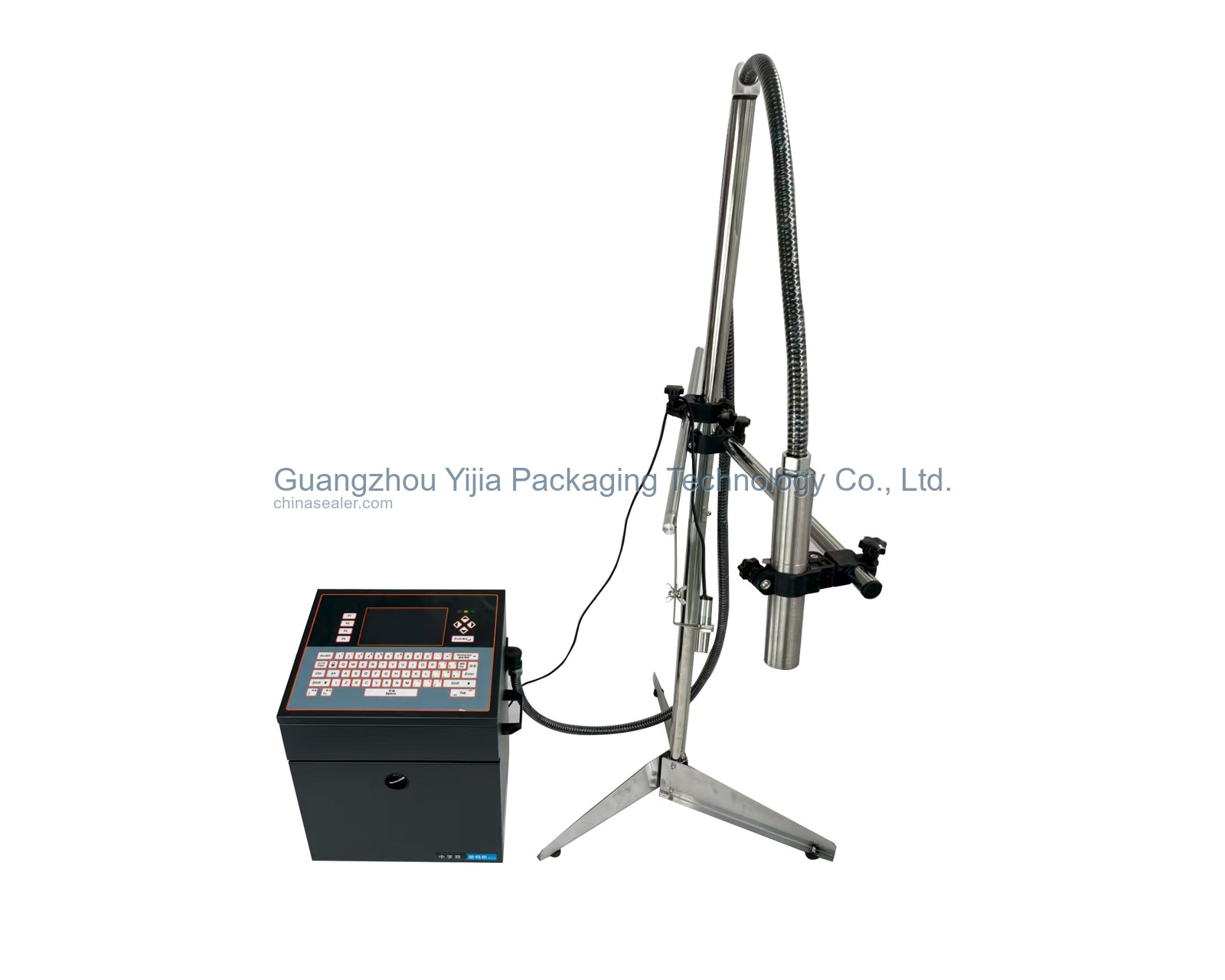 Tube End Sealer Coder
core process equipment selected by route; For already filled tubes, choose a tail sealing and coding machine. Empty tubes require a filling and sealing machine; tube tail sealing and coding mach...
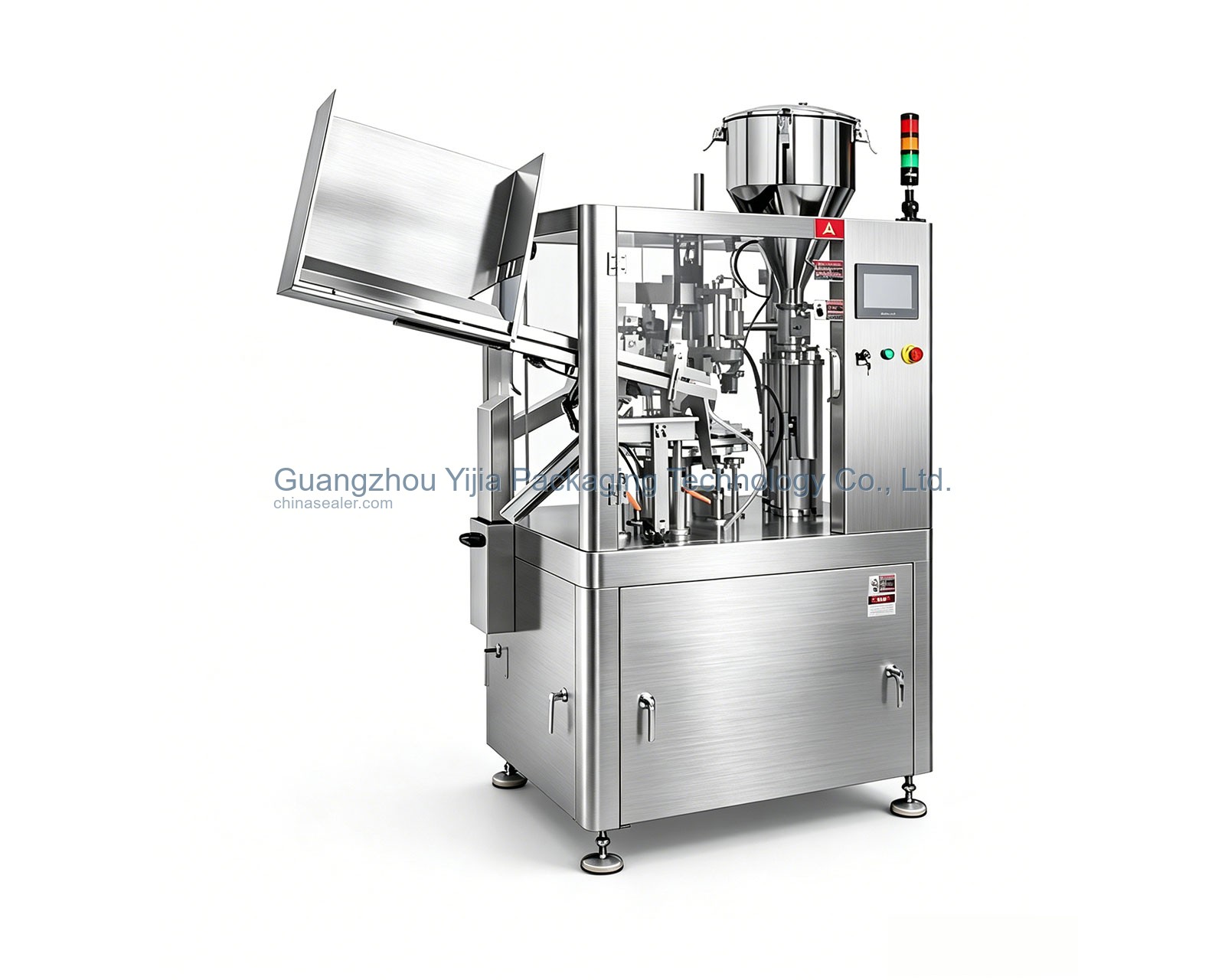
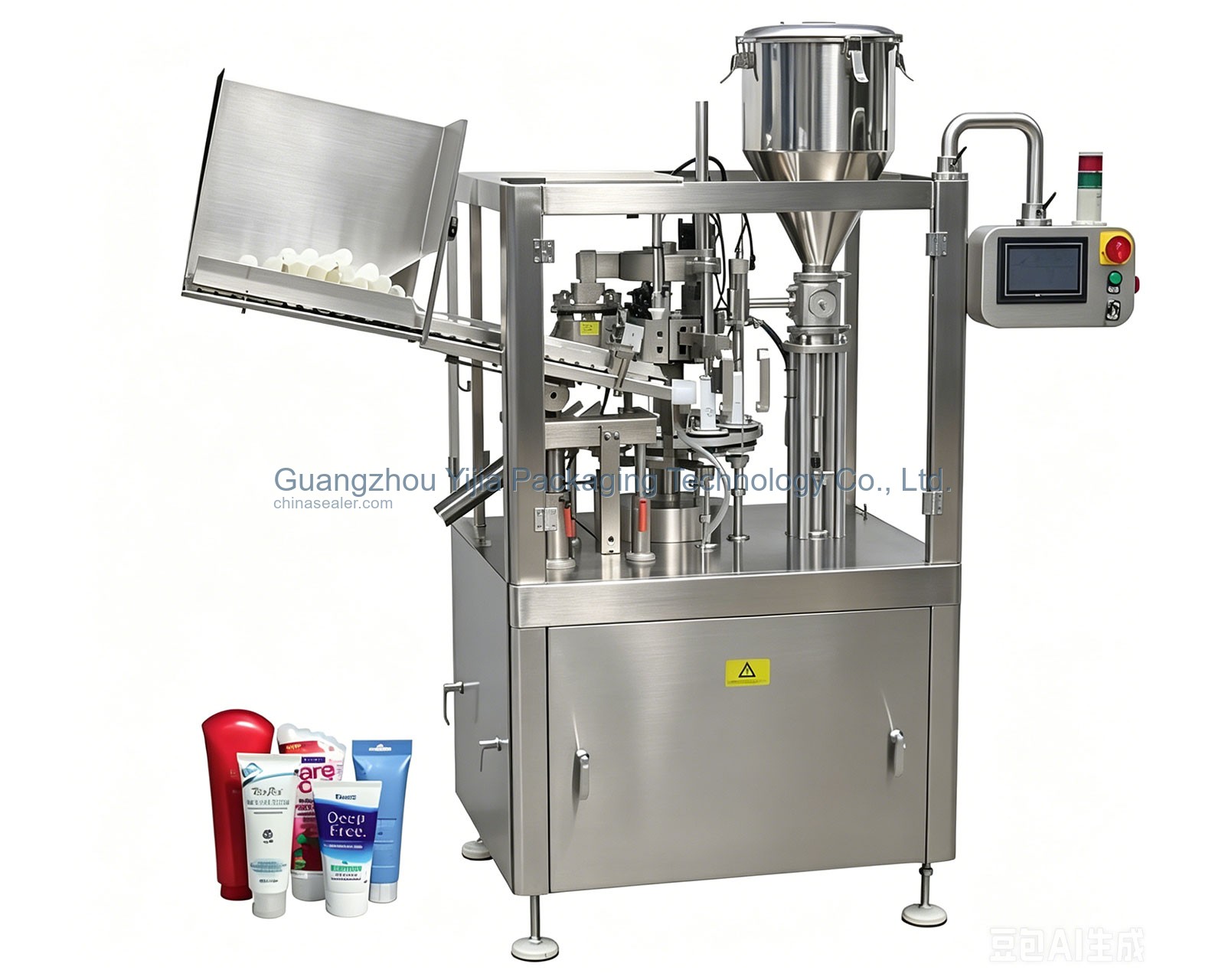 Tube Filling and Sealing Machine
core process equipment selected by route; For already filled tubes, choose a tail sealing and coding machine. Empty tubes require a filling and sealing machine; tube tail sealing and...
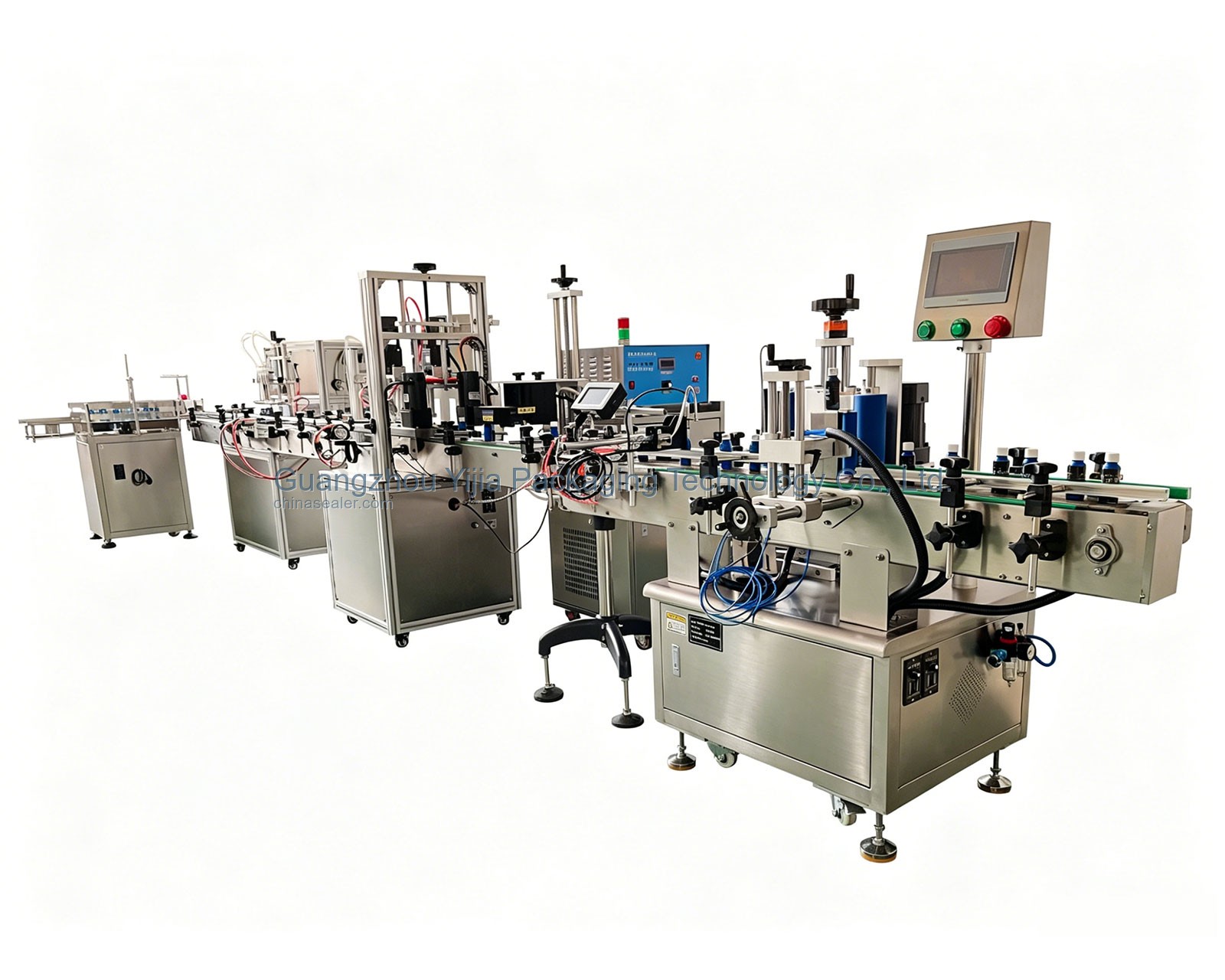 Automatic Feeding Conveying Sealing Line
Conveying and collection; After tube tail sealing and coding, convey the tubes smoothly to the collection table or downstream packaging; Food-Grade Conveyor Line
 Special-shaped Cap Tube Sealing Solution
Container and Packaging Material Confirmation; Based on toothpaste, ointment, cosmetic (facial cleanser, cream), shoe polish/glue and other daily chemical tubes, confirm the r...
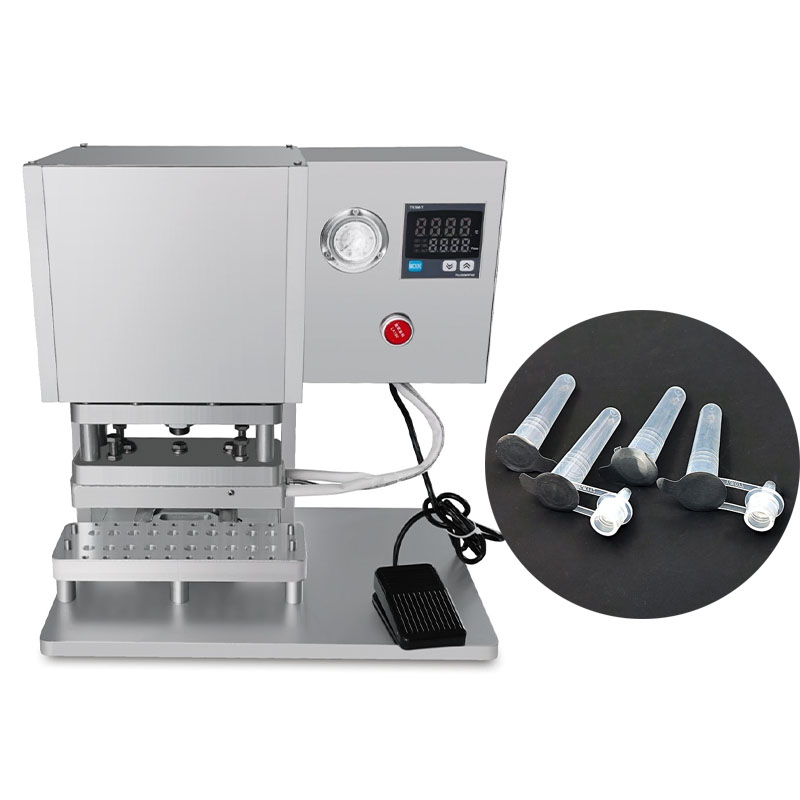 Reagent Tube Aluminum Foil Sealer
Container and Packaging Material Confirmation; Based on toothpaste, ointment, cosmetic (facial cleanser, cream), shoe polish/glue and other daily chemical tubes, confirm the rim, fil...
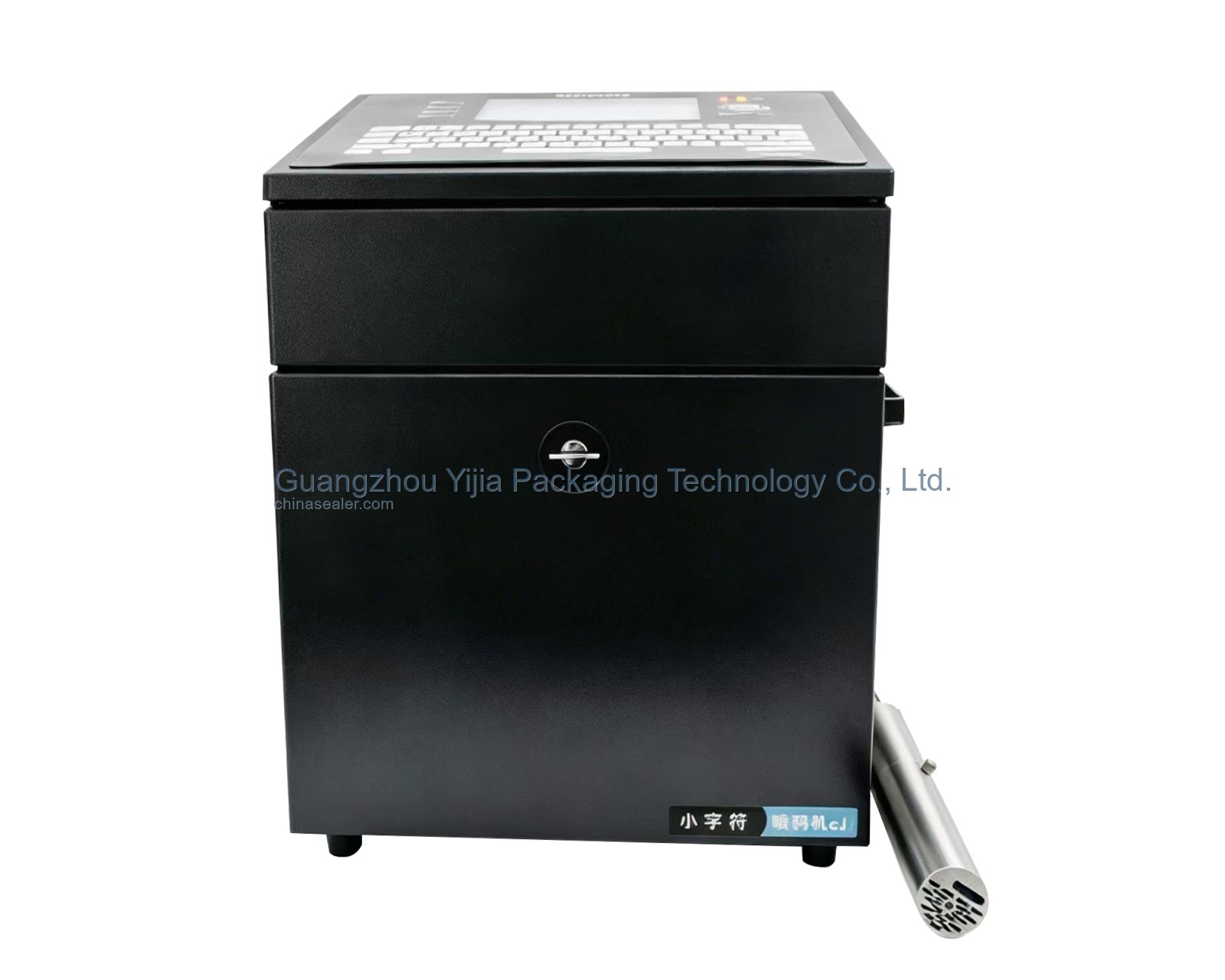 Date & Batch Inkjet Printer
core process equipment selected by route; For already filled tubes, choose a tail sealing and coding machine. Empty tubes require a filling and sealing machine; tube tail sealing and codin...
Sample details
The lid structure determines the capping method (press, screw, or place) and whether inline integration is needed.
Tube samples or photos help confirm tube diameter, length, tail shape, and cap type, which affect tooling and tube-feeding method.Incomplete information can still be submitted; we will first determine the packaging direction and then list items that need to be confirmed.
Tube material description, plastic or aluminum-plastic laminate, affects tail sealing temperature and pressure parameters.The state of the contents affects the filling method, contact materials, anti-drip, and safety configuration.
Product samples or viscosity descriptions, such as paste, lotion, or liquid, affect filling pump and anti-drip configuration.Capacity target determines single machine, semi-automatic, or continuous inline configuration, and also affects the quotation range.
Target output, such as tubes per hour or per day, determines whether the machine should be semi-automatic or fully automatic.Inline requirements affect equipment sequence, cycle time matching, and downstream inspection methods.
Downstream requirements, such as coding, checkweighing, labeling, or line connection, affect equipment layout and reserved interfaces.Photos and dimensions can first determine container positioning, mold direction, and whether sample testing is needed.
If the information is not complete, send available photos and dimensions first. We will judge the route first and then provide a confirmation checklist.Common selection mistakes
Common questions
Yes. First send tube photos, approximate dimensions, and target output. We can determine whether it's a tail sealing + coding or filling + tail sealing route, then list the samples and information needed.
Need tube samples or photos, tube material, content state, target capacity, and downstream requirements. The more complete the information, the more accurate the quotation and solution.
Output determines whether the equipment should be semi-automatic or fully automatic, and also affects filling-head count, tail-sealing speed, and downstream integration.
The composite layers and thickness of tube materials vary; sealing temperature and pressure must be matched. Without testing, the seal may be weak or the tube may deform.
Sealing effectiveness must be confirmed through sample testing, including tail seal strength, leak testing, and appearance inspection. Equipment parameters need to be adjusted per tube material.
If there is filling equipment upstream or downstream needs coding, checkweighing, or cartoning, we recommend linking the machines to improve efficiency. Standalone machines are suitable for small batches or samples.