Solution topic
How to Choose Foil Sealing and Cap Pressing for Paper Cans? Start With Can Mouth, Film Material and Cap Structure
For paper cans, composite cans, and plastic pails, do not select only by sealing machine name. First confirm can-rim flatness, film type, inner or outer lid structure, then decide between heat-press foil sealing, induction sealing, capping, or a sealing and capping line.
- For paper cans, composite cans, and plastic pails, do not select only by sealing machine name. First confirm can-rim flatness, film type, inner or outer lid structure, then decide between heat-press foil sealing, induction sealing, capping, or a sealing and capping line.
- How to choose aluminum foil sealing and capping for paper cans
Real customer problem
What equipment should be selected when paper can products need foil film sealing plus an outer lid?
First determine the packaging route
For paper cans, composite cans, and plastic pails, do not select only by sealing machine name. First confirm can-rim flatness, film type, inner or outer lid structure, then decide between heat-press foil sealing, induction sealing, capping, or a sealing and capping line.
Heat-Press Aluminum Foil Sealing + Outer Cap Pressing
Suitable for: paper cans, composite cans, plastic pails with flat rims, film directly heat-sealed onto the rim, then press plastic or metal outer cap. Advantages: Sealing and capping completed on one machine, reducing process steps. Limitations: Rim flatness and film compatibility need sample testing. Not recommended: If rim is uneven or film cannot be heat-sealed, consider induction sealing route first. Equipment direction: Our published paper can/plastic pail aluminum foil film sealing and capping machine can handle sealing and capping, supporting standalone or in-line configuration.
Induction Foil Sealing + Screw Capping
Suitable for: plastic pails or composite cans with aluminum foil liner inside cap; induction heating seals liner to container mouth. Advantages: non-contact sealing, suitable for inline sealing after capping. Limitations: paper can material may affect induction effect; testing required. Not recommended: when container is all-paper without aluminum layer, induction sealing may not work effectively. Equipment direction: our published water-cooled induction foil sealer and desktop air-cooled induction foil sealer can handle induction sealing; must be used with capping machine.
Standalone Cap Pressing or Capping
Suitable for: Projects where the container mouth already has a pre-sealed membrane or no membrane is needed, only press-on or screw caps. Advantages: Simple equipment structure, quick changeover. Limitations: Cap type (press-on, screw, snap-on) and container mouth structure must be confirmed in advance. Not recommended: When aluminum foil membrane sealing is needed for moisture or leakage prevention, seal with membrane first then cap. Equipment direction: Our published automatic capper and automatic capper-presser can handle screw or press capping, standalone or inline.
Recommended equipment route: Sample and container confirmation
Can-mouth size, film compatibility, and lid structure affect tooling and sealing parameters.
Recommended equipment route: Aluminum foil film heat sealing
This equipment can complete foil film heat-press sealing and is suitable for paper-can and plastic-pail rims.
Recommended equipment route: outer-cap pressing or screw capping
After film sealing, complete capping on the same machine or at a following station to reduce handling.
Recommended Equipment Route: Downstream Inspection and Marking
Checkweighing and coding are recommended after sealing and capping for quality traceability.
Route comparison
- Paper cans, composite cans, and plastic pails with flat mouths can be heat-sealed directly on the rim with film, then pressed with a plastic or metal outer lid.
- Film sealing and cap pressing are completed on one machine, reducing process transfer.
- Can rim flatness and film compatibility should be confirmed by sample testing.
- If the can rim is uneven or the film cannot be heat sealed, evaluate an induction sealing route first.
- Our published paper can/plastic pail foil sealing and capping machine handles both sealing and capping, supporting stand-alone or line configuration.
- Suitable for plastic pails or composite cans whose lids already contain foil liners; induction heating bonds the liner to the mouth.
- non-contact sealing, suitable for inline sealing after caps are applied.
- Paper can material may affect induction sealing performance and should be tested.
- If the can body is all paper without an aluminum foil layer, induction sealing may not work effectively.
- Our released water-cooled induction aluminum foil sealers and desktop air-cooled induction aluminum foil sealers can handle induction sealing, and need to be used with a capping machine.
- Projects where the can already has pre-sealed film or does not need film sealing, only outer cap pressing or capping.
- Simple machine structure with quick changeover.
- Cap type, such as press cap, screw cap, or snap-fit cap, and can-mouth structure should be confirmed in advance.
- When aluminum foil film sealing is needed for moisture or leak protection, seal the film first and then press the cap.
- Our released automatic screw cappers and automatic screw cappers/press cappers can handle capping or press capping processes, supporting stand-alone or line integration.
Core process
Associated Equipment / Consumables
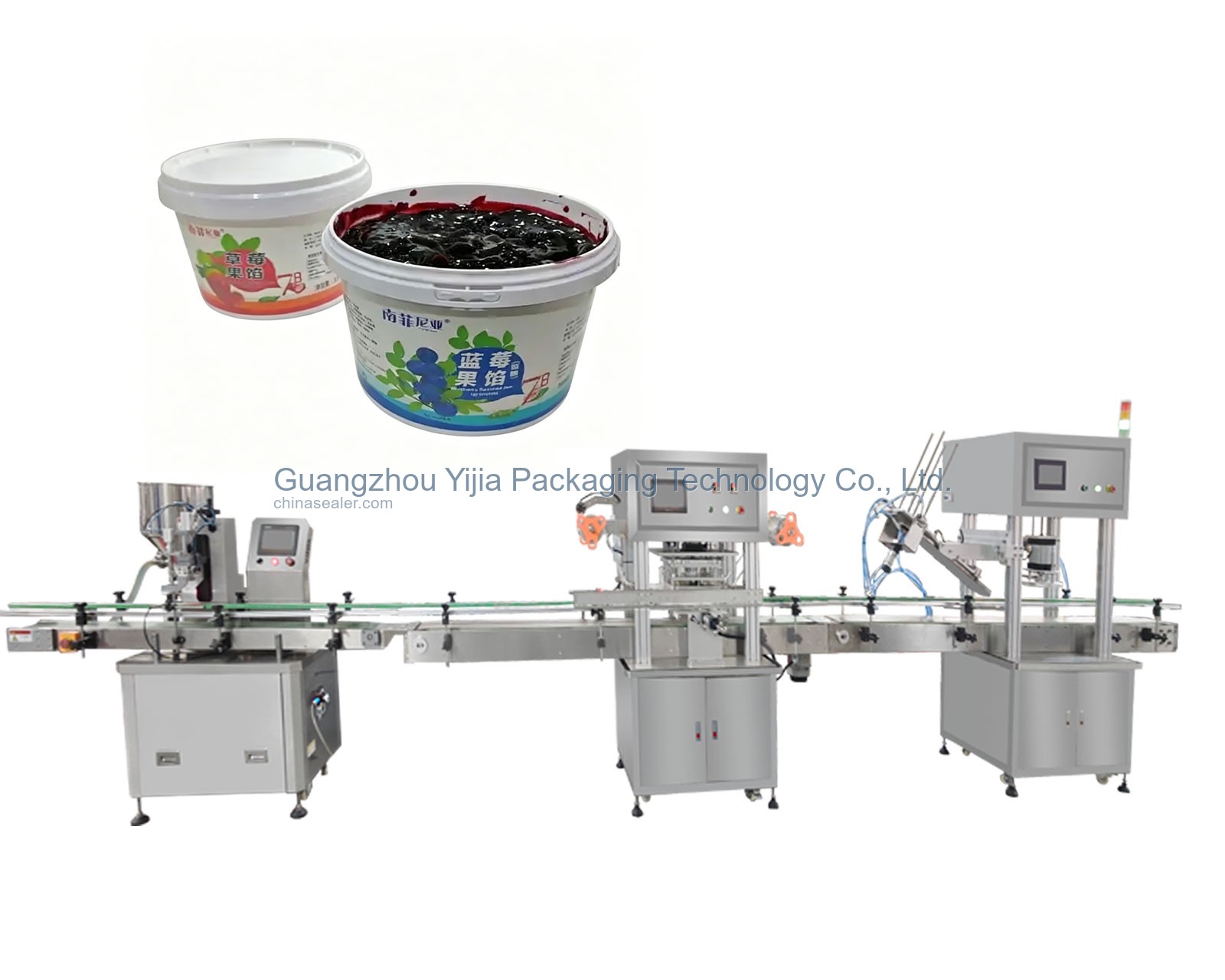 Paper Can / Plastic Pail Aluminum Foil Sealing and Capping Machine
Sample and container confirmation; Can-mouth size, film compatibility, and lid structure affect tooling and sealing parameters; Paper Can Samples, Al...
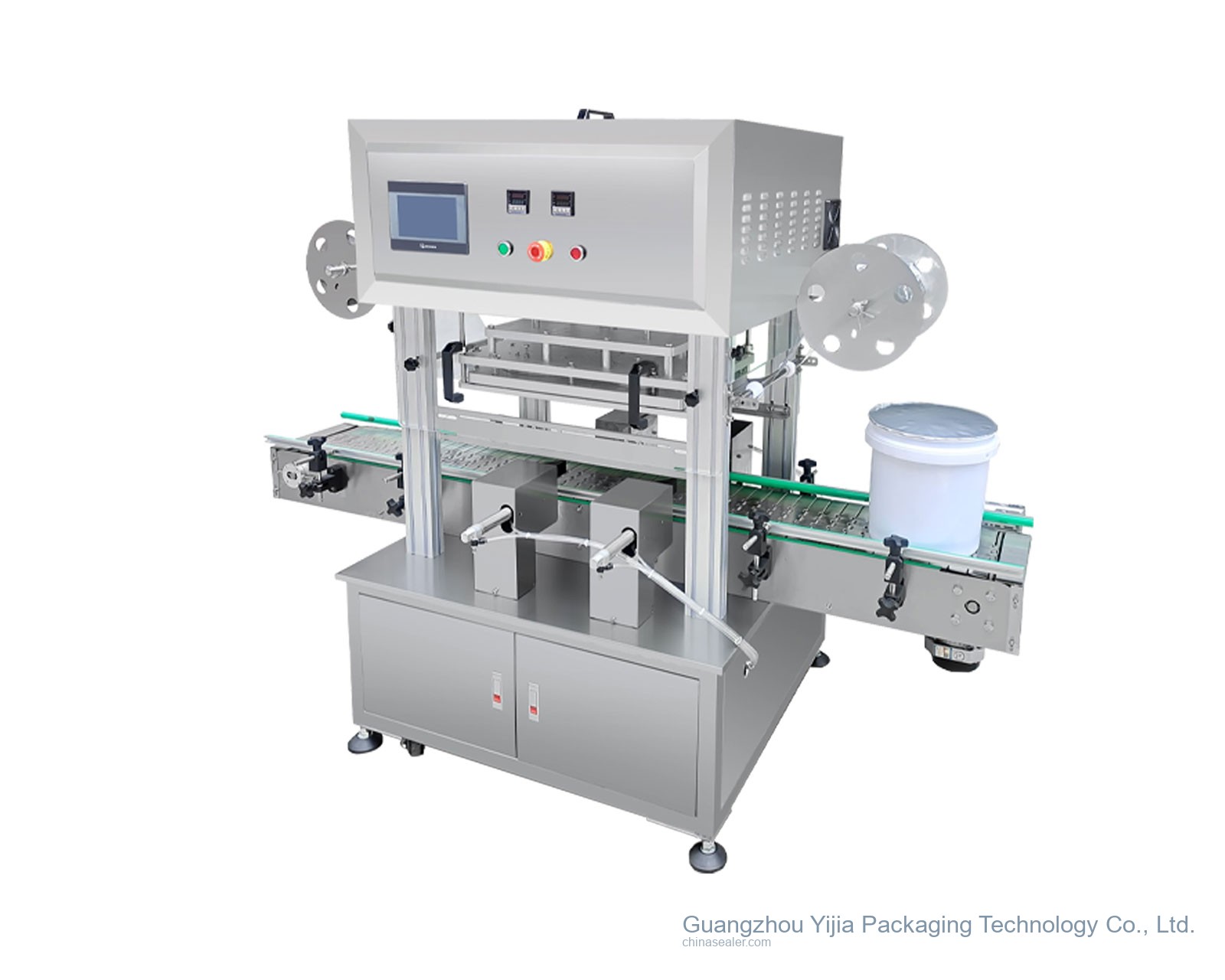 Large-Diameter Pail Heat Seal Sealer
Sample and container confirmation; Can-mouth size, film compatibility, and lid structure affect tooling and sealing parameters; Paper Can Samples, Aluminum Foil Film Samples and C...
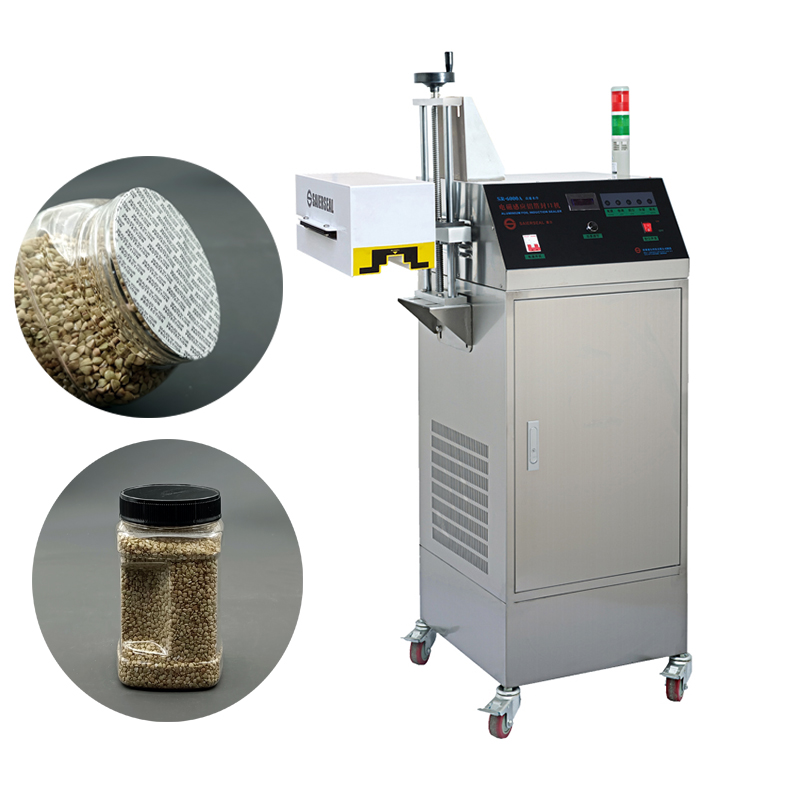 Water-Cooled Induction Aluminum Foil Sealing Machine
Sample and container confirmation; Can-mouth size, film compatibility, and lid structure affect tooling and sealing parameters; Paper Can Samples, Aluminum Foil Fi...
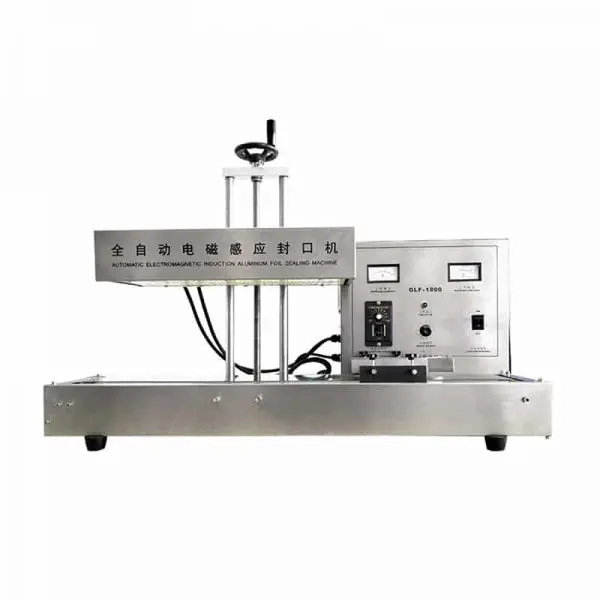 Benchtop Air-Cooled Induction Aluminum Foil Sealer
Sample and container confirmation; Can-mouth size, film compatibility, and lid structure affect tooling and sealing parameters; Paper Can Samples, Aluminum Foil Film...
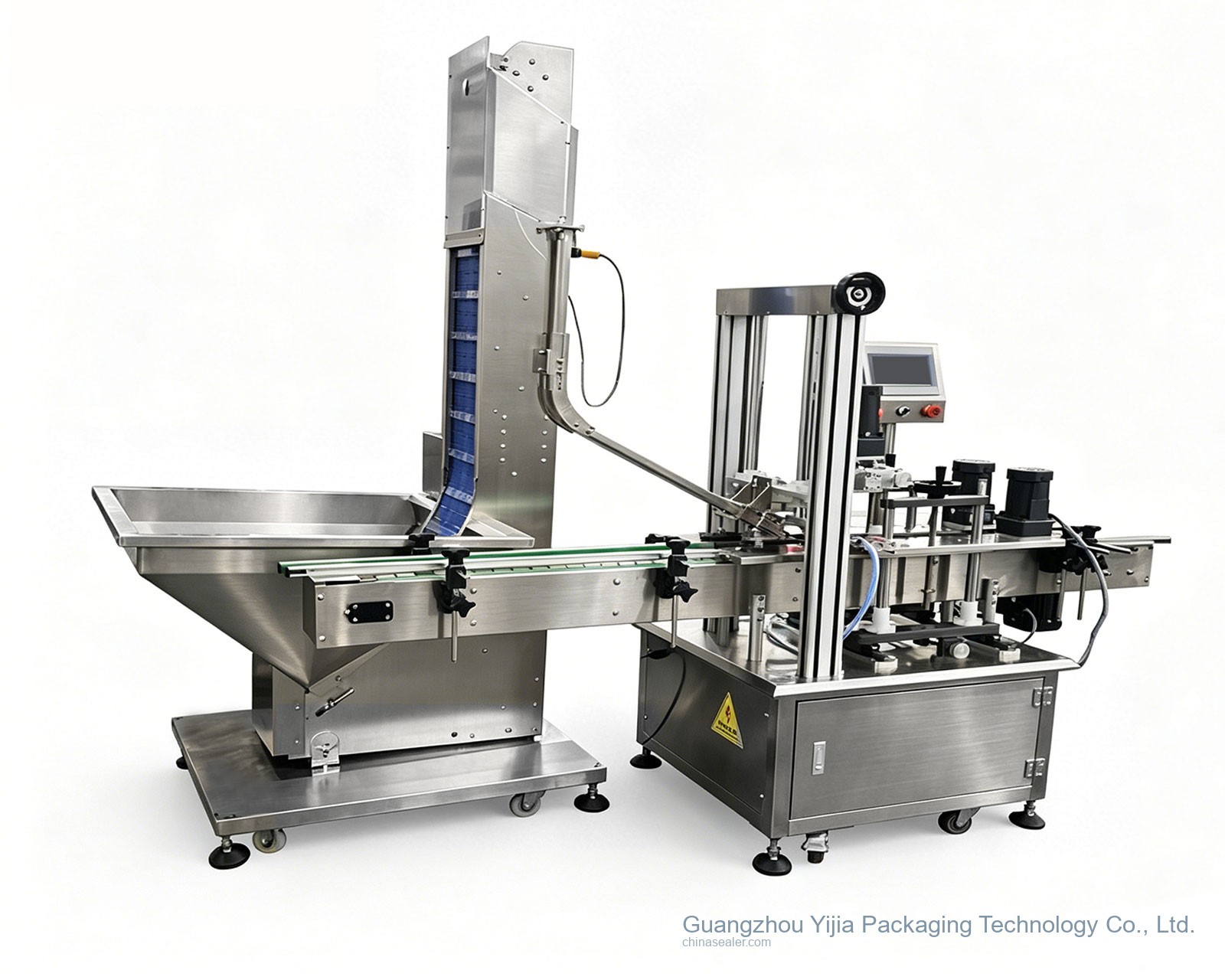 Automatic Screw Capping Machine
Sample and container confirmation; Can-mouth size, film compatibility, and lid structure affect tooling and sealing parameters; Paper Can Samples, Aluminum Foil Film Samples and Cap Sa...
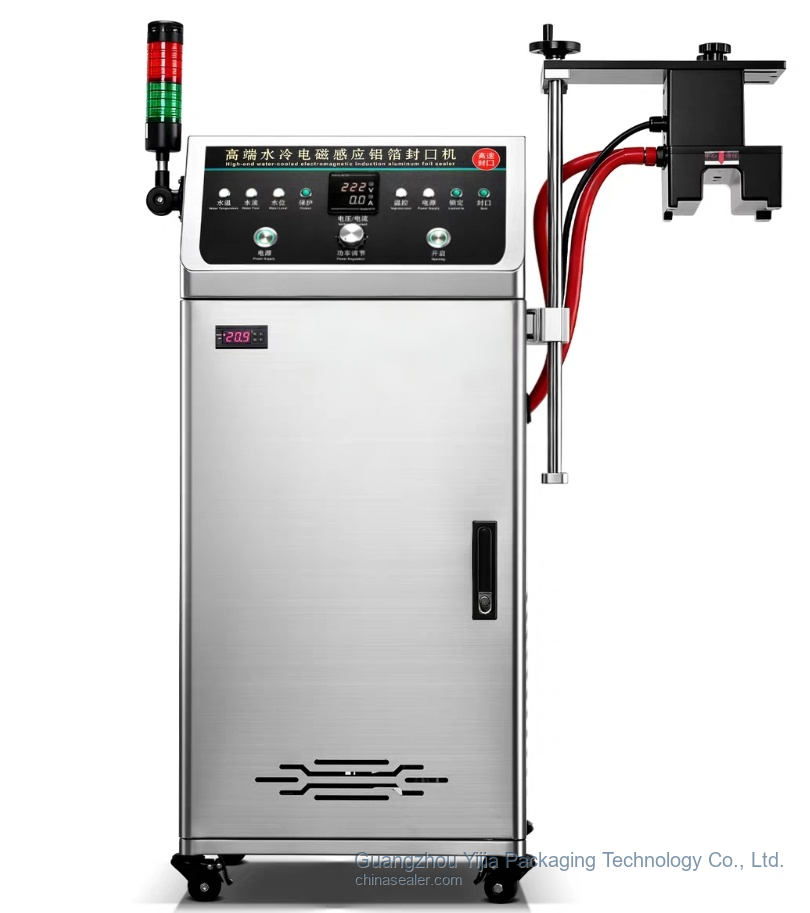 Induction Aluminum Foil Sealing Machine
Sample and container confirmation; Can-mouth size, film compatibility, and lid structure affect tooling and sealing parameters; Paper Can Samples, Aluminum Foil Film Samples an...
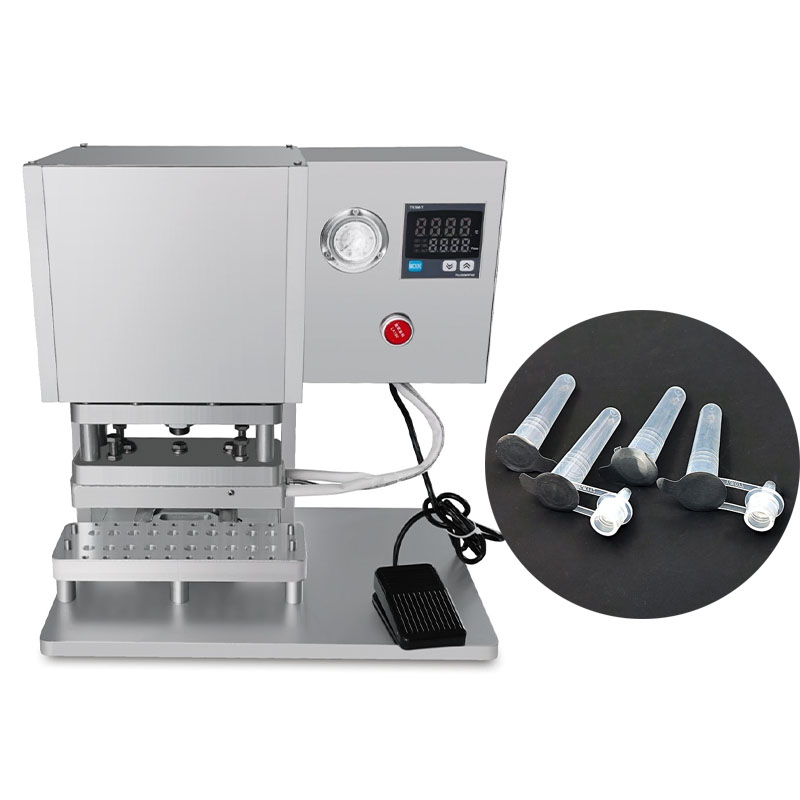 Reagent Tube Aluminum Foil Sealer
Sample and container confirmation; Can-mouth size, film compatibility, and lid structure affect tooling and sealing parameters; Paper Can Samples, Aluminum Foil Film Samples and Cap...
Sample details
Photos and dimensions can first determine container positioning, mold direction, and whether sample testing is needed.
Photos or videos of paper cans or plastic pails, plus mouth dimensions such as diameter, rim width, and can height, are needed.Film material and liner affect sealing temperature, pressure, dwell time, and feeding method.
Aluminum foil film sample or film specification, including material, thickness, and whether it is easy-peel.The lid structure determines the capping method (press, screw, or place) and whether inline integration is needed.
Cap sample or cap type description, such as press cap, screw cap, or snap-fit cap.Capacity target determines single machine, semi-automatic, or continuous inline configuration, and also affects the quotation range.
target capacity, cans per hour or per daySite conditions affect electrical control, pneumatics, conveyor length, and safety protection configuration.
Please confirm whether the machine should connect with upstream filling and downstream labeling or cartoning, and provide site space dimensions.Photos and dimensions can first determine container positioning, mold direction, and whether sample testing is needed.
If the information is not complete, send available photos and dimensions first. We will judge the route first and then provide a confirmation checklist.Common selection mistakes
Common questions
Yes. First send photos of the paper can, approximate dimensions, and film samples. We will determine the approach and then list the additional information needed.
We need paper can samples or dimensions, aluminum foil film samples, lid samples, target capacity, and whether line integration is required. The more complete the information, the closer the quotation will match the actual configuration.
Capacity determines whether the equipment is standalone, semi-automatic, or fully automatic inline. Low-speed projects can use manual or semi-automatic; high-speed requires automatic feeding and line integration.
Different film materials have different heat sealing temperatures, times, and pressures. Sample testing is required to determine appropriate parameters and avoid batch sealing defects.
Sealing performance should be confirmed by sample testing, including seal strength, leakage testing, and appearance inspection.
If there is filling upstream and labeling or case packing downstream, and capacity is high, it is recommended to evaluate an integrated line solution. You can start with stand-alone planning and reserve line integration interfaces.