Solution topic
How to Configure a Premade Pouch Packing Line by Pouch, Product and Dosing Method
Configure pouch picking, opening, dosing, filling, mouth preparation, heat sealing, inspection and rejection from pouch type, product behavior, dosing method and seal-area contamin
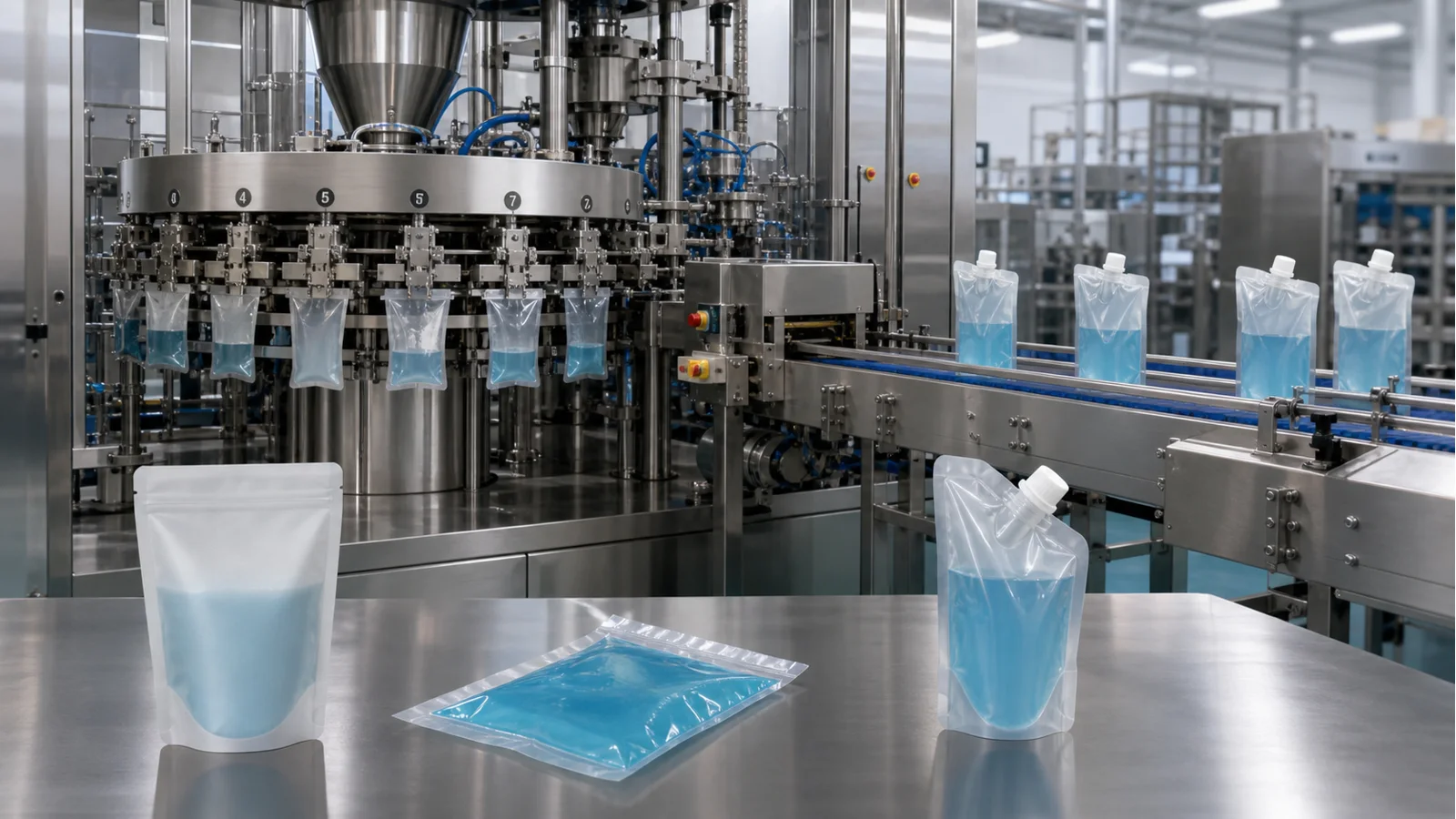
- Pouch type, spout position, and content viscosity together determine the filling and closure method. Spout pouches require dedicated spout welding, while standard pouch mouths should be continuously sealed according to the pouch material.
Solution summary prepared for you
- Pre-made pouches and spout pouches should first be separated by pouch mouth heat sealing and spout welding, then select metering and anti-drip components based on sauce state.
- The automatic spout welding and sealing machine handles spout and pouch body connection; regular filled pouches can be evaluated for continuous heat sealing; filling requires separate confirmation with actual materials.
- Post-sealing batch number, weight, and visual inspection should use finished pouch samples and a clear defective product process configuration.
Route comparison
- Suitable for projects where the pouch type is already determined and sauce, particulates, and fill volume range at production temperature can be provided.
- Pump types and filling nozzles can be compared around flow, metering, and cut-off to avoid contaminating seals or weld zones.
- Temperature changes, particulate passage, and pouch support can all affect filling finish and need to be tested with finished pouches.
- If only the material name is available without actual product and pouch mouth dimensions, do not finalize the filling structure.
- Rotor pump sauce filling machines, paste filling machines, and anti-drip/anti-stringing filling nozzle assemblies are configured according to sauce and pouch samples.
- Suitable for packaging where the spout is connected to the pre-made pouch body by a dedicated process and material combination and welding position drawing are available.
- Pouch feeding, spout positioning, and welding actions can be continuously validated, making it easier to retain judgment samples for the weld zone.
- When pouch body and spout materials, welding position, and strength method are not yet defined, sample testing must be supplemented first.
- If only standard pouch mouth heat sealing is needed, or if the equipment is expected to also handle unconfirmed sauce filling, do not select this process.
- The automatic spout welding machine must be confirmed with empty pouches, spouts, and strength standards in a project sample.
- Suitable for products where sauce is already in standard pre-made pouches, the pouch mouth can be flattened, and a clean heat seal area is available.
- Continuous feeding and heat sealing facilitate connection to cooling conveying and allow a batch code station after sealing.
- If the pouch mouth is pinched, wrinkled, or the heat seal layer is incompatible, continuous operation will still amplify seal variation.
- If spout welding is required or the pouch body cannot be stably fed upright, evaluate according to the corresponding packaging action.
- The continuous bag sealing machine is confirmed by trial sealing with filled pouch samples, heat seal layer, and seal criteria.
- Suitable for finished products where spout welding or pouch sealing is stable and there are requirements for batch, weight, appearance, and reject handling.
- After sealing, the same posture allows marking, review, cooling, and buffering before case packing.
- If pouch surface wrinkles, weight groups are not separated, or vision judgment is unclear, sample standards must be improved first.
- If only an equipment list is available without finished product judgment and review process, do not fix the inline modules first.
- The collaborative date/batch inkjet coder and collaborative inline checkweighing and vision inspection system are configured according to finished product samples, and the food-grade conveyor line is confirmed separately according to pou...
Associated Equipment / Consumables
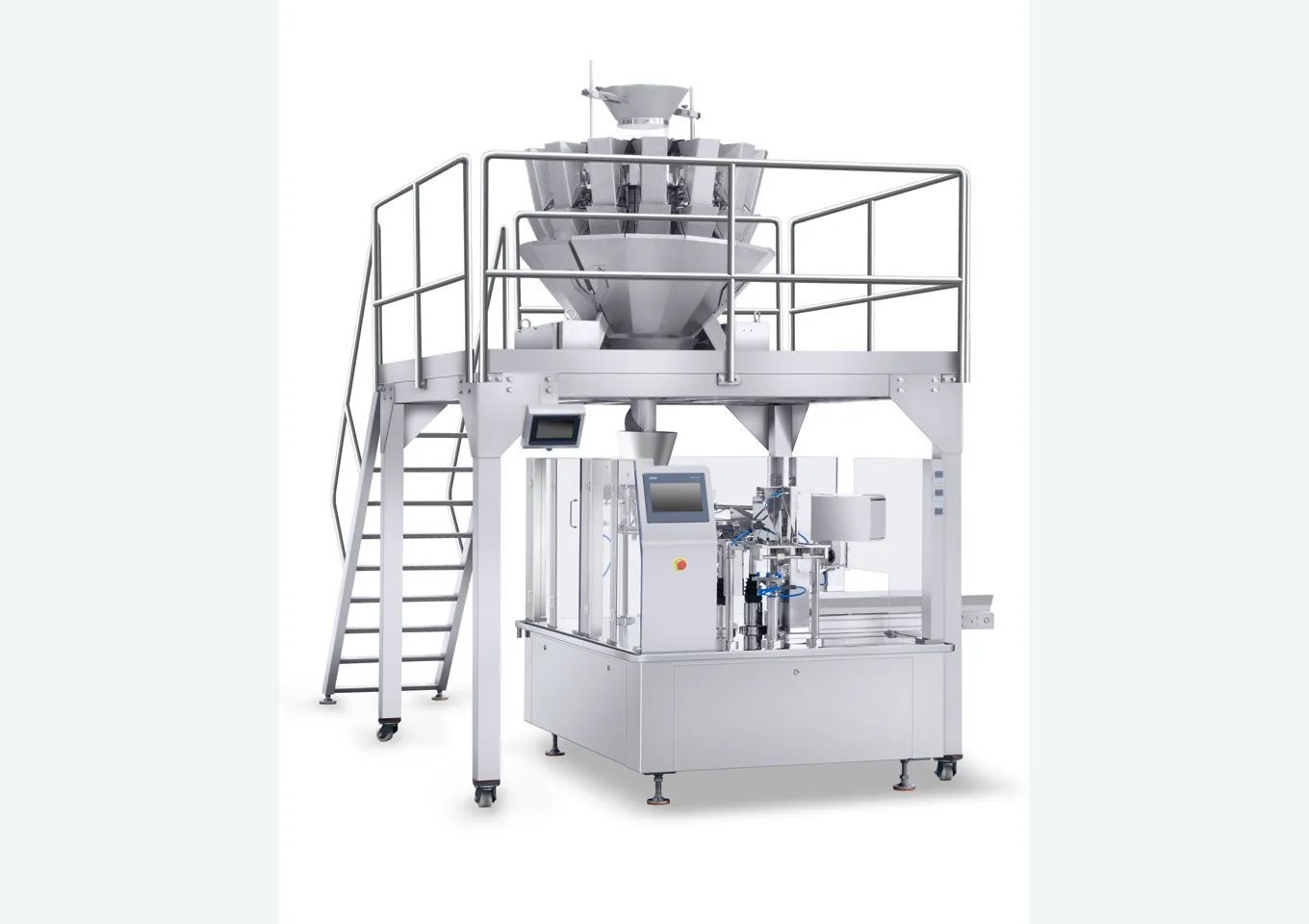 Rotary Premade Pouch Packing Machine
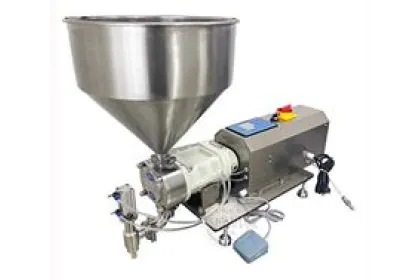 Rotary Lobe Pump Sauce Filling Machine
Quantitative filling direction; Pump type and filling nozzle are selected by flow, particles, fill volume, and tail-off tests; cannot be applied based only on material name; Rot...
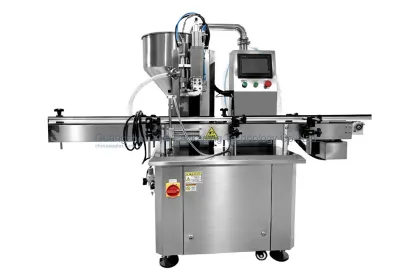 Paste Filling Machine
Quantitative filling direction; Pump type and filling nozzle are selected by flow, particles, fill volume, and tail-off tests; cannot be applied based only on material name; Rotor pump sauce fil...
Core process
Sample details
Pouch mouth, spout welding position, and heat seal layer determine support, filling avoidance, and closing actions.
Submit empty and filled pouches of regular pre-made or spout pouches, dimensions, and material structure.The spout and pouch body combination should first form welding samples, then confirm feeding and positioning range.
Prepare actual spout samples, material descriptions, position diagrams, and strength inspection methods.Actual materials are used to select the rotor pump or paste metering direction and verify filling nozzle cut-off.
Provide actual sauce samples, explaining temperature, particles, stringing, fill volume, and stop performance.Sample judgment involves online visual positions, manual re-inspection, and defective product flow.
Provide appearance, strength, and sampling methods for regular pouch seal edges or spout welding areas.These materials are used to arrange collaborative printing, finished product inspection, and food-grade conveying line project configuration.
Explain batch number content, pouch surface position, conveying direction, cooling buffer, and case packing actions.Common selection mistakes
The spout and pouch body require positioning welding; a regular heat sealer cannot replace this connection process.
Flow, particles, temperature, and cut-off state need to be compared with actual materials; the recipe name alone is not enough to determine the filling structure.
After filling with sauce, the pouch body support, mouth contamination, and center of gravity all change; the complete finished product state should be checked.
The main task of the spout welding equipment is to connect the spout and pouch body; metering into the pouch requires a separate module based on the material.
Welding strength, seal edge appearance, weight, and batch number must all have corresponding judgment and re-inspection actions.
View detailed technical notes
First distinguish standard pouch mouth and spout welding
Standard pre-made pouches are heat-sealed at the pouch mouth after filling, while spout pouches require an additional step to connect the spout to the pouch body. The two closure positions, material combinations, and machine actions cannot be treated as one solution.
The sauce determines the metering and cut-off method
Production temperature, particulates, flow, and stringing can affect suction and filling finish. After the pouch is formed, use actual product to check the distance between the filling nozzle and the seal edge or weld zone.
Pump type selection comes from actual product testing
Both rotor pump sauce filling machines and paste filling machines must be validated against the actual sauce, fill volume, and pouch mouth. Anti-drip and anti-stringing filling nozzle assemblies are configured based on cut-off and cleaning performance.
Spout welding equipment does not replace the filling main machine
The automatic spout welding machine for spout pouches handles the positioning and welding of the spout to the pouch body. Spout feeding, vision, and subsequent filling range should be confirmed item by item in a formal spout sample project.
After filling standard pouches with sauce, a continuous bag sealing machine can be used to verify flattening, feeding, heat sealing, and cooling. If the pouch mouth is contaminated, first correct the filling finish and cleaning action.
Keep separate samples for welding and sealing
Spout weld zones and standard pouch seals should each use their own appearance and strength criteria. Keep both normal and abnormal boundary samples for inline inspection review.
Batch code position avoids wrinkles and hot zones
The collaborative date/batch inkjet coder should be test-printed on a stable pouch surface, with the position avoiding wrinkles, seals, and raised areas caused by hard content.
Inspection items correspond to reject actions
The collaborative inline checkweighing and vision inspection system can be evaluated using weight, weld zone, or seal samples. Rejection, isolation, and manual review after inspection must also be written into the process.
Conveying maintains the sealed flexible pouch posture
The food-grade conveyor line must be configured according to pouch center of gravity, seal cooling, buffering, and case packing direction, avoiding compression of hot seal areas before they cool.
Common questions
How should regular pre-made pouches and spout pouches be distinguished in equipment selection?
For regular pouches, focus on heat sealing of the pouch mouth after filling; for spout pouches, also confirm the spout material, position, and the body welding process.
Does the sample confirmation for the automatic spout welding and sealing machine include filling?
This equipment is intended for positioning and welding the spout to the pouch body; the filling module should be configured separately according to the sauce and project process.
How to choose between a rotor pump and a paste filling direction?
Use production-state actual materials to compare flow, particles, metering, and cut-off performance, then determine the pump type and filling nozzle combination.
Can sealing continue continuously after sauce contaminates the pouch mouth?
First adjust the filling tail-off, pouch mouth support, and cleaning actions, then retest the seal edge with finished pouches that are prone to contamination.
What sealing direction should be used for pre-made pouches that are already filled?
When the pouch mouth can be flattened and the heat seal layer matches, a continuous bag sealing machine can be confirmed with filled pouch samples.
How to arrange re-inspection after spout welding and pouch sealing?
First establish welding or seal edge judgment samples, then add batch number, weight, visual, and defective product handling processes.