Solution topic
Non-standard bottle, pail, and can sealing: applicable boundaries of heat sealing, induction sealing, and press capping
For non-standard bottles, pails, and cans, the equipment boundaries of heat sealing, induction sealing, and film sealing with press capping are explained based on the rim, containe
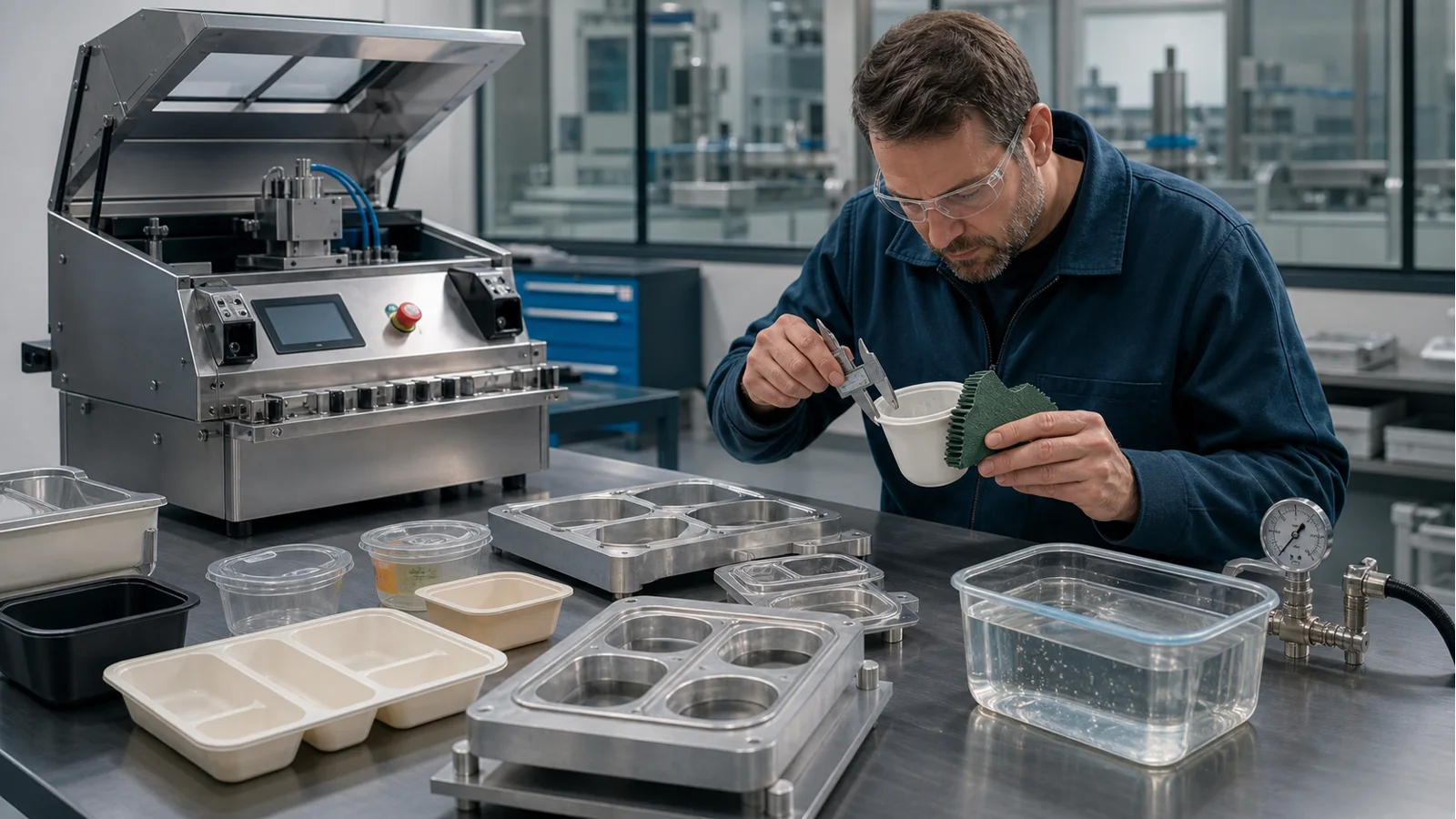
- For non-standard bottles, pails, and cans, first confirm whether the mouth is flat, whether the container is suitable for passing through the equipment, whether there is an aluminum foil liner inside the lid, and how the outer lid is pressed. Direct film placement can be evaluated for heat sealing or film sealing with press capping; induction is used only...
Solution summary prepared for you
- For non-standard bottles, pails, and cans, first check the rim and lidding film assembly: direct film lidding can evaluate heat sealing, heat sealing film followed by outer cap pressing can evaluate the sealing and capping machine, and o...
- Non-standard projects do not mean all parts need to be custom. Whether existing equipment can be used must be determined by physical sample results of container passage, positioning, and sealing contact surface.
- If information is incomplete, you can first send multi-angle photos, rim data, and lidding film structure; after initial direction judgment, submit physical samples to complete tooling and process verification.
Route comparison
- For non-standard paper cans or plastic cans that first heat seal aluminum foil film and then press the outer cap.
- Film sealing and outer cap pressing can be verified around the same set of can lid film samples, and the process relationship is clear.
- Rim, film material, and outer cap must be trial-tested as a set; non-standard contours may require special positioning or contact parts.
- If the container does not require outer cap pressing, or if a liner inside the cap is actually used, this route is not directly applicable.
- Can evaluate the paper can/plastic pail aluminum foil film sealing and capping machine.
- For large-diameter containers where sealing film is placed directly on the rim and heat sealed.
- The large-diameter sealing contact surface can be tested as an independent station, without mixing in the outer cap action.
- Container rim, film type, placement/removal action, and compression deformation must all be checked.
- If the liner inside the cap requires induction heating, or the outer cap must be pressed in the same station as the sealing film, other directions should be compared.
- Can evaluate the large-diameter pail heat sealing machine, with the contact surface confirmed by physical samples.
- For structures where the outer cap already has a matching aluminum foil liner and the cap can stably press the liner against the container mouth.
- The induction head does not directly press the irregular rim, but the liner, container material, and cap pressing condition must match.
- If the irregular outer cap, container material, or liner position is unsuitable, the induction process cannot be established.
- If the film is roll film or pre-cut film placed directly on the rim, heat sealing should be evaluated instead.
- Can evaluate the water-cooled induction aluminum foil sealing machine, and trial with a complete set of cap liner container samples.
Associated Equipment / Consumables
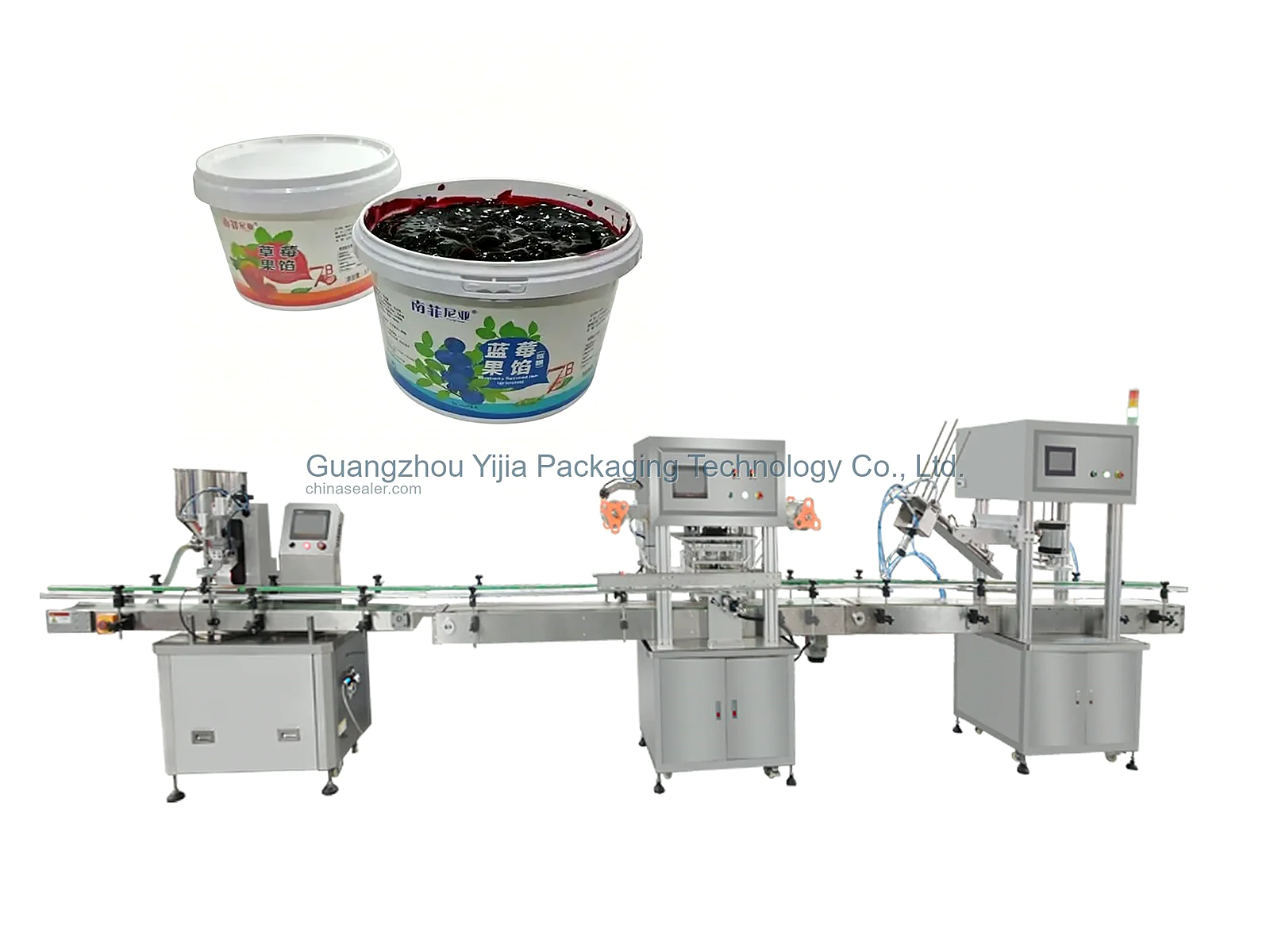 Paper Can and Plastic Pail Foil Heat Sealing and Capping Machine
The machine places foil directly on a paper can, plastic can or pail rim, heat-seals it, then presses the required closure. This differs from induction sealing a foil liner inside a tightened cap. Trial the container,...
 Bottle, Pail, Can Sealing Machine
Non-standard container physical record; Photos and 3D data can assist initial judgment, but heat sealing contact surface and actual deformation still need physical verification; Cont...
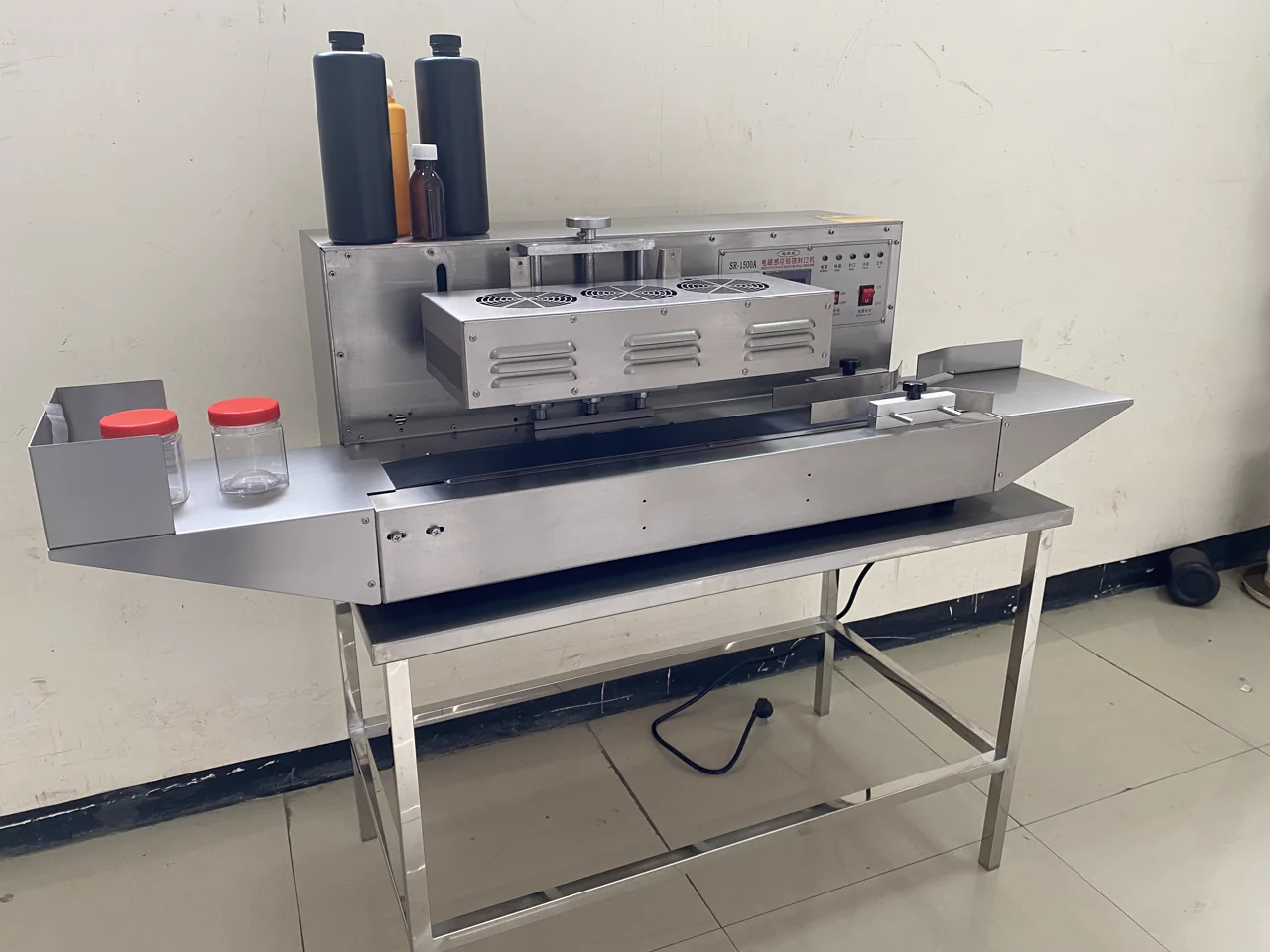 Benchtop Air-Cooled Induction Foil Sealer
Bottle/can film sealing and cap pressing trial; Rim, film material, and outer cap must be tested as a set; existing conclusions from regular round cans cannot replace non-sta...
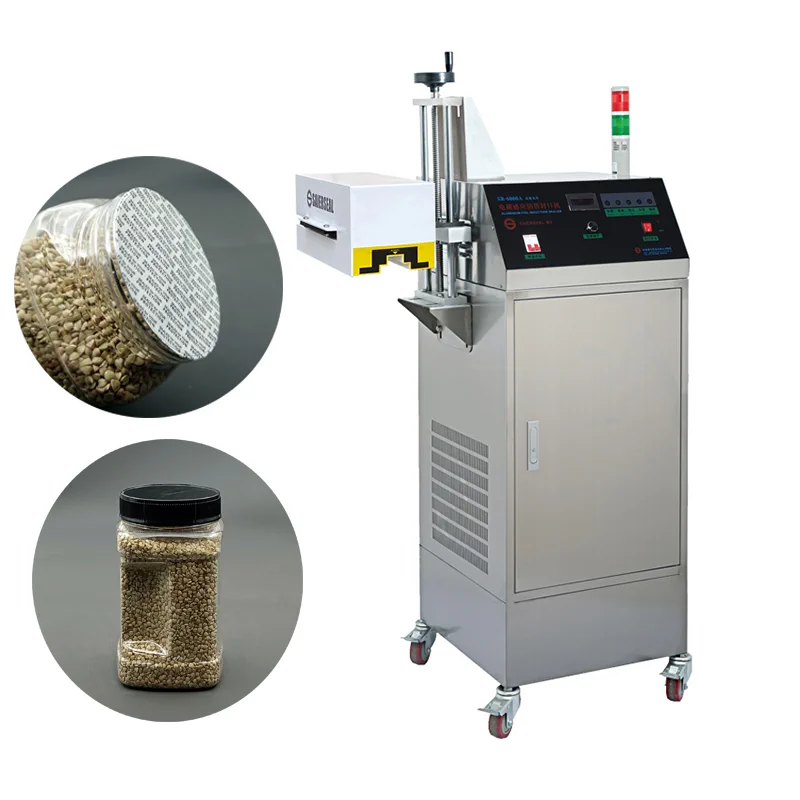 Water-Cooled Inline Induction Cap Sealer
Bottle/can film sealing and cap pressing trial; Rim, film material, and outer cap must be tested as a set; existing conclusions from regular round cans cannot replace non-stan...
Core process
Establish baseline records of rim contour, flatness, material, passage height, and positioning surface using actual container, lidding film, and outer cap.
For non-standard paper cans or plastic cans requiring heat sealing of aluminum foil film followed by outer cap pressing, evaluate the paper can/plastic pail aluminum foil film sealing and capping machine.
When directly placing film and heat sealing large-diameter containers, separately evaluate the large-diameter pail heat sealing machine and its contact surface.
Only when the outer cap contains a matching aluminum foil liner and the container material and cap tightening relationship are suitable, evaluate the water-cooled induction aluminum foil sealing machine.
Check whether the non-standard container can stably enter, position, and leave the equipment, and observe whether special shapes interfere with the pressing head, induction head, or conveying parts.
After single-piece trial sealing, cap pressing, or induction inner sealing results are stable, evaluate the automatic feeding conveying sealing line according to the on-site production rate.
Sample details
The shape, rim contour, and flatness determine the positioning method and heat sealing contact surface.
Please provide physical container samples, multi-angle photos, and verifiable rim dimension data.Direct film lidding, film sealing followed by cap pressing, and liner induction are three different assembly relationships.
Please submit the actual film material, outer cap, and liner, and explain their assembly sequence on the container.Production rate and number of specifications are used to evaluate single machine, positioning stations, and conveying solutions.
Please specify the planned production rate, common specifications, and the range of containers to be handled during each changeover.Moisture-proof, leak-proof, or tamper-evident only have different sealing acceptance requirements.
Please specify the packaging purpose, transport condition, and the sealing or leak inspection method you wish to use.Equipment passage height, infeed/outfeed direction, and available space will constrain the line layout.
If information is incomplete, initial judgment can be made with on-site photos, available space, and infeed/outfeed direction.Common selection mistakes
Corners and local deformations on irregular rims may change contact pressure, so existing round can parameters cannot be directly applied.
Direct heat sealing film acts on the container rim, while induction inner sealing acts on the liner inside the cap; the packaging material assembly and equipment direction are different.
Even if non-standard containers can be pressed, interference may occur during infeed, positioning, or discharge.
Modified atmosphere requires special packaging material, gas, and test conditions; it cannot be assumed by heat sealing, film sealing with cap pressing, or liner induction equipment.
If positioning, sealing, or changeover still has issues, increasing the conveying rate will only amplify the problems.
View detailed technical notes
For non-standard sealing, first examine the rim and film-lid relationship
Multi-compartment boxes, special-shaped cups, special bottle necks, and non-standard pails and cans cannot be classified by appearance alone. First determine where the film is placed, whether there is an additional outer lid, and how the container enters and is positioned, then decide on the equipment direction.
Heat sealing, press capping, and induction sealing are each valid
Direct film heat sealing, sealing film first then pressing an outer lid, and induction sealing with a liner inside the lid correspond to different assemblies. Modified atmosphere packaging requires dedicated packaging materials, gas, and testing conditions, and cannot be replaced by these three sealing actions.
Film sealing and press capping require complete sample testing
When a non-standard paper can or plastic can requires heat sealing an aluminum foil film first and then pressing an outer lid, evaluate a paper can/plastic pail aluminum foil film sealing and press capping machine. The rim, film material, outer lid, and container condition after filling must be verified together.
Large-diameter direct film sealing should be checked separately
When a large-diameter container only needs direct film heat sealing on the rim, a large-diameter pail heat sealing machine can be evaluated. The contact surface, film pickup and placement, container compression, and discharge method should all be confirmed with actual samples.
Induction process requires a matching liner inside the lid
Only when the outer lid is equipped with a matching aluminum foil liner, the container material is suitable, and the lid can stably press the liner, should a water-cooled induction aluminum foil sealing machine be evaluated. Direct film placement cannot be applied to this approach.
Actual samples and 3D data each have their uses
3D data is used to check contours and space, while actual samples are used to observe flatness, deformation, and actual contact. Non-standard molds and clamping structures must reference both types of evidence simultaneously.
Positioning and sealing must be verified together
The equipment must not only complete the seal but also allow the container to enter stably, position accurately, and discharge smoothly. The shift in center of gravity after filling should also be included in sample testing.
Packaging material changes trigger re-sealing tests
After changing the container material, film heat-seal layer, outer lid, or liner, the original contact and sealing conditions may fail, and the corresponding process should be re-confirmed.
Connect conveying only after the main process is stable
Only after the single-machine positioning, sealing, discharge, and changeover results are clear should an automatic feeding, conveying, and sealing line be evaluated based on the on-site cycle time, while retaining space for manual intervention and exception handling.
Common questions
Can the sealing direction be determined from photos alone for non-standard containers?
Photos can help distinguish direct film lidding, film sealing with cap pressing, or induction sealing with a liner inside the cap. Tooling, contact surfaces, and positioning still need to be confirmed with physical samples.
What materials are needed to finalize a sealing solution for non-standard containers?
Please provide physical samples of the container, film material, outer cap, and liner, along with rim specifications, packaging purpose, planned production rate, and on-site infeed/outfeed conditions.
Which parts of non-standard equipment are affected by the planned production rate?
The production rate will affect feeding, positioning, number of stations, and conveying method, but only after the single-piece sealing process has been validated with physical samples.
Why must irregular rims be tested with the actual film material?
Corners, steps, and local deformations change the contact between the film and the rim; specifications alone cannot reflect the actual fit.
How is the sealing result checked for non-standard containers?
Appearance, sealing, and leak checks should be agreed based on the packaging purpose, then trial samples should be made with the actual container and packaging material, recording the limits.
When can non-standard sealing be integrated into a conveyor line?
Continuous conveying should only be considered after positioning, sealing, discharge, and changeover are stable, and the on-site production rate and access space are clear.