Solution topic
Two-stage packaging for small-cup sauce: in-cup filling and sealing, secondary tray film sealing, and inline inkjet coding
Describes piston filling, individual cup film sealing, optional secondary tray film sealing, date coding, and shrink wrapping for small-cup sauce. The current product route does no
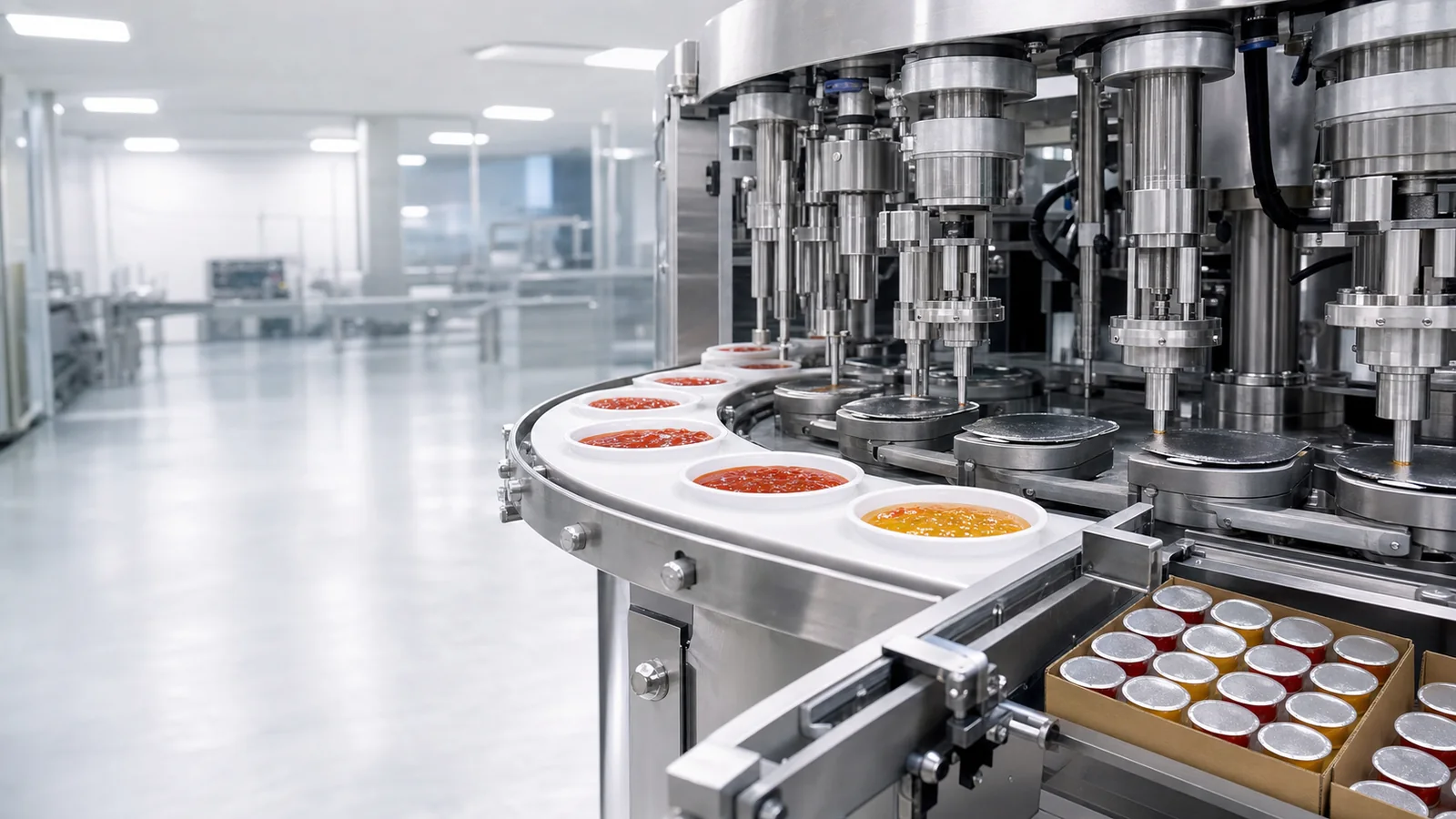
- The sauce is first filled and film-sealed in individual cups; whether tray packaging is for convenient combination sales or requires secondary sealing must be clearly stated. Modified atmosphere is a special preservation process and cannot be assumed just because a tray is used.
Solution summary prepared for you
- Small cup sauce first completes actual material filling and single-cup film sealing. The sauce piston filling machine is used for feed verification, and the small cup filling and sealing machine handles the stable continuous primary proc...
- The tray only adds pre-cut film sealing when the sales packaging needs to be closed again. This combination does not include automatic loose cup tray loading and does not default to modified atmosphere configuration.
- The date and batch number should be printed on the final visible surface that has passed adhesion testing. When tray secondary film is not needed, evaluate outer shrink wrapping by cup group or tray.
Route comparison
- Suitable for multi-flavor, small-batch trial production, or projects still confirming sauce filling and cup film primary sealing.
- Independent filling and tabletop sealing facilitate observation of particles, dripping, and cup film heat sealing, and also make multi-flavor trial production easy.
- Cup feeding, film sealing, tray loading, and transfer rely on manual labor, and each station's output requires manual coordination, which cannot represent continuous line status.
- When the cup type and formula are stable, and orders require continuous filling and sealing, inline batch numbers, and fixed tray packaging, evaluate the line process.
- Use a sauce piston filling machine for filling, a small-diameter cup sealing machine SGP-03 for cup film primary sealing, and a date batch number inkjet coding machine for separate printing.
- Suitable for sales packaging where single-cup primary sealing is stable, tray specifications are fixed, and tray re-sealing and inline batch numbers are clearly required.
- After continuous primary sealing, the tray only adds secondary film when there is a definite need for closure, with clear equipment boundaries and easy inline coding arrangement.
- This combination is not responsible for automatic tray loading and does not include gas flushing. Cup group arrangement, tray film, and pressure state of primary-sealed cups still need verification.
- When the tray is only for open support, or the loose cup tray loading method is not yet determined, do not fix the secondary film sealing line first.
- Small cup filling and sealing machine connects to a food-grade conveying line. After manual or separate station tray loading, the automatic pre-cut film pick-and-place tray sealing machine performs secondary film sealing, and then connec...
- Suitable for projects where the tray does not need re-sealing and the final sales unit uses cup group or open tray outer shrink wrapping.
- When tray secondary film sealing is not done, one heat-sealing step can be omitted, and characters and outer shrink packaging can be arranged directly according to the final cup group.
- Shrink wrapping is not a seal remedy. Cup group arrangement, film material, heating, and character visibility must be tested with finished products.
- When single-cup primary sealing is not yet stable, or the product and tray cannot withstand the proposed shrink conditions, complete front-end and packaging material verification first.
- Small cup filling and sealing machine completes primary sealing, date batch number inkjet coding machine prints on the visible surface, and the cup group or tray then enters the L-type cut-seal shrink packaging line.
Associated Equipment / Consumables
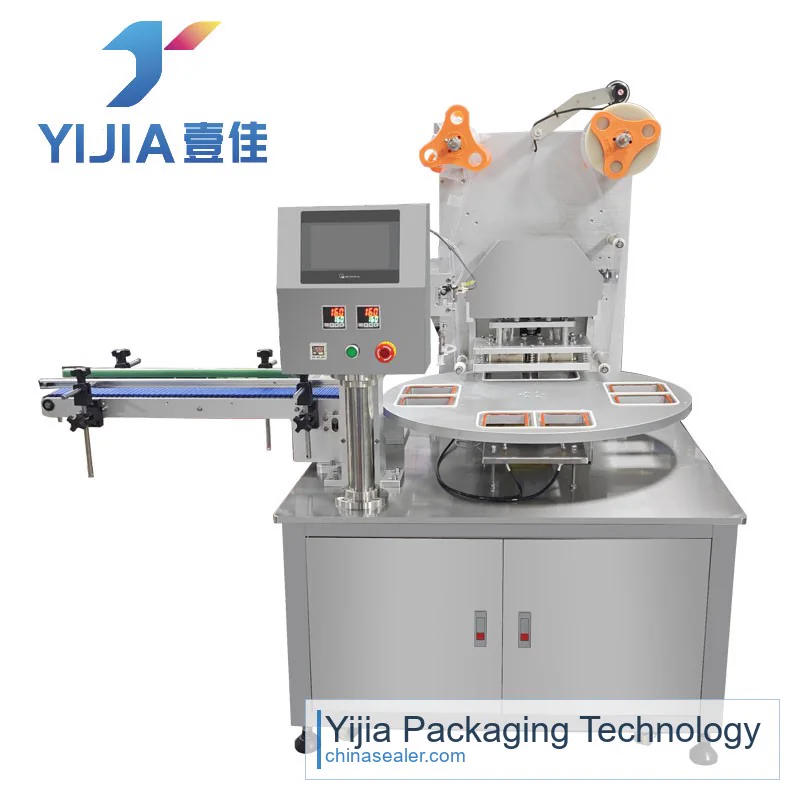 Automatic Small-Cup Filling and Sealing Machine
The machine denests cups, doses product, registers and heat-seals film, trims and discharges. Confirm cup stacking and rim, viscosity, particles, foaming or stringing, rollstock or pre-cut lids, peel and leak criteria...
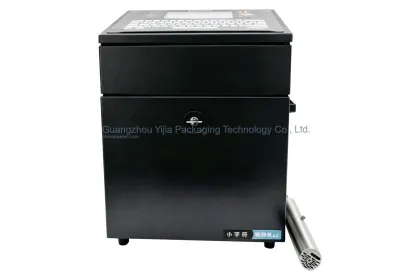 Date & Batch Inkjet Printer
Traceability and outer packaging; The coding surface should be selected after the route is determined. Shrink heating must also be re-verified with sealed cups and actual film materials; D...
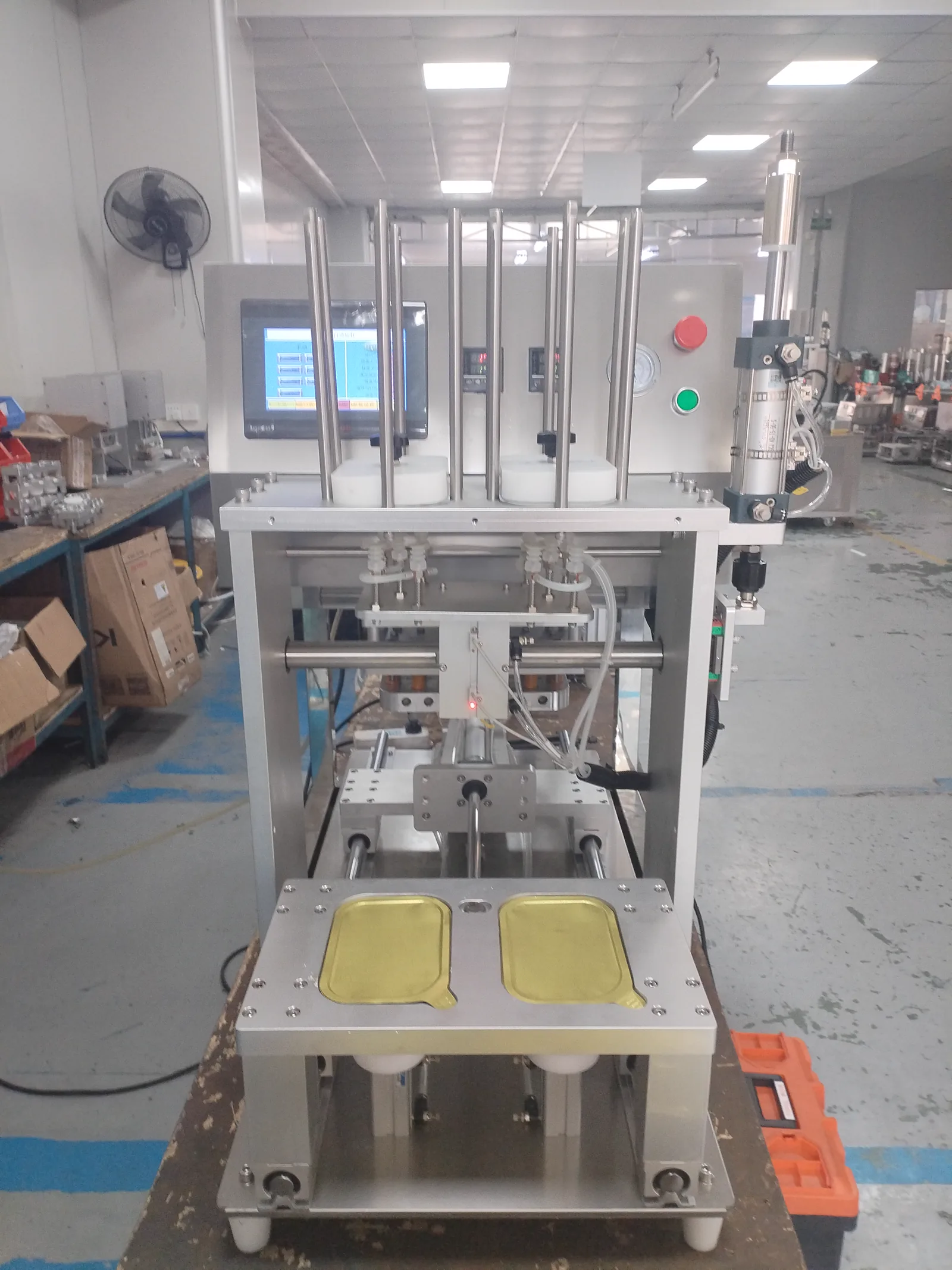 Automatic Pre-Cut Lid Pick-and-Place Tray Sealer
Automatic pre-cut film pick-and-place tray sealing machine: Define the scope of two-level packaging; When the tray is only for combined display, no re-sealing is needed. Only when the tray needs to be closed does seco...
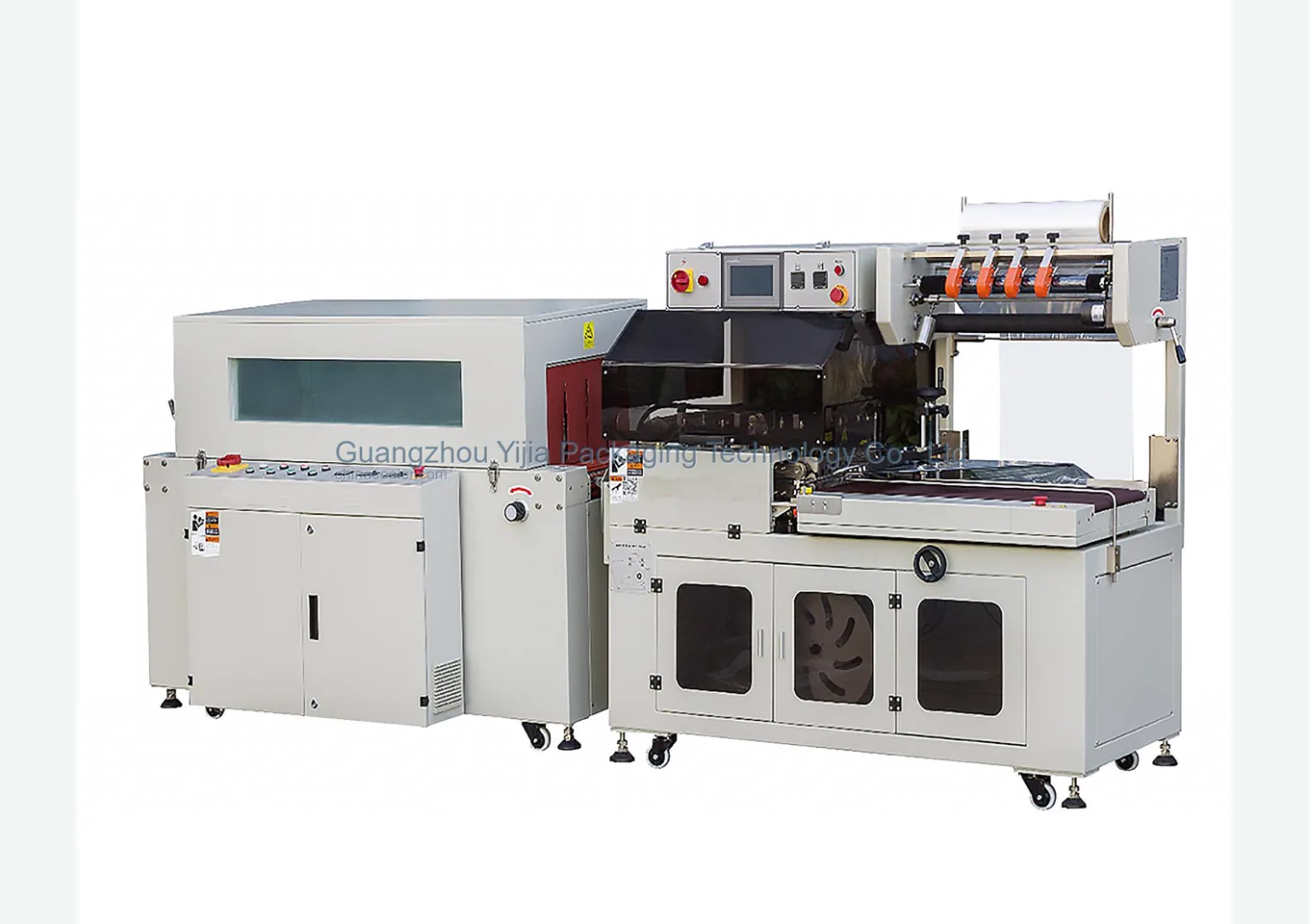 L-Sealer Shrink Wrapping Line
Define the scope of two-level packaging; When the tray is only for combined display, no re-sealing is needed. Only when the tray needs to be closed does secondary film sealing testing be...
Core process
First confirm single cups, cup film, sauce, tray, and final sales state in the same set of samples, distinguishing primary seal and optional secondary film seal.
The sauce piston filling machine is used for actual material feeding and dosing verification, focusing on particle passage, suction stability, stringing, and cup rim dripping.
After the cup type and feeding are determined, the small cup filling and sealing machine completes continuous filling and single-cup primary sealing. During trial production, a tabletop machine can also be used to establish film seal samples.
Sealed small cups are placed into trays manually or by another station. Only when the tray also needs to be closed is the pre-cut film pick-and-place and tray sealing connected.
The date batch number inkjet coding machine prints inline characters on the final visible surface. When tray secondary film is not used, the cup group or tray can be transferred to outer shrink wrapping.
Line design starts from already primary-sealed small cups, and materials cover material, cup film, tray receiving, characters, and grouping method.
Sample details
The cup rim and body determine mold positioning, and the center of gravity when full also affects conveying after primary sealing.
Actual cups, cup rim dimensions, full cup weight, cup body material, and acceptable clamping areasParticles and flow state of sauces with the same name may differ; observe suction, dropping, and cut-off according to the actual formula.
Production sauce, viscosity and temperature state, particle size, target fill volume, and cleaning requirementsThe single-cup film determines the first seal; qualified tear and seal samples should be established before discussing downstream.
Cup film structure, thickness, roll direction, tear requirements, and cup film primary seal finished samplesWhether to seal the tray changes equipment, film materials, and sales unit; you cannot just write 'packing' without specifying the finished state.
Tray actual samples, number of cups per tray and arrangement, whether secondary film sealing is needed, pre-cut film, and finished samplesBatch numbers may be on the cup film, tray film, or shrink outer layer; different surfaces have different triggering and adhesion conditions.
Date and batch number content, printing surface, reading direction, character layout, and exception handling methodFood-grade conveying and shrink packaging need to be arranged based on site direction, transfer height, and final cup group state.
Equipment layout, material flow direction, manual tray loading position, shrink cup group, and receiving methodCommon selection mistakes
Particles, stringing, and cup rim dripping need to be confirmed through actual material testing for dosing and film sealing status; water testing cannot cover these material behaviors.
Single-cup film and tray film bond to different materials, so heat-seal structure, dimensions, and finished samples cannot share one set of conclusions.
The pre-cut film pick-and-place tray sealing machine handles trays and film, and does not automatically arrange loose cups or load them into trays.
If the date is printed on a cup film that is later covered, consumers and warehousing may not be able to read it directly from the final packaging.
Shrink temperature and film tension may change the cup group posture or compress the primary seal; empty tray test wrapping cannot prove finished product suitability.
View detailed technical notes
First distinguish between single cup and tray levels
The first packaging of small cup sauce occurs inside the cup: sauce is dosed into each cup, and the cup film completes the primary seal. Whether the tray is sealed with another film is a separate sales packaging decision.
Real-product filling precedes line configuration
The sauce piston filling machine can first verify particle passage, dosing accuracy, and cut-off. Once the recipe and cup type are stable, the small-cup filling and sealing machine handles continuous filling and individual cup film sealing.
Clean cup rim determines the primary seal foundation
The cup film must be trial-sealed together with the cup rim material. Dripping, stringing, or particles falling onto the cup rim will damage the heat-sealing zone, so filling position and cut-off status are also part of the primary seal acceptance.
Tray loading is an independent handover process
After individual cup primary sealing, small cups can be manually arranged into trays or handed over to a separately confirmed tray-loading station. The automatic pre-cut film pick-and-place tray sealing machine does not perform cup picking or tray loading; the line layout must leave clear interfaces for tray feeding, cup loading, and tray delivery.
Secondary film sealing is added according to packaging purpose
If the tray is only used to hold the combination and does not require further sealing, it can go directly to coding or outer packaging. Only when the sales unit requires tray film covering is a pre-cut film secondary sealing machine configured.
Tray sealing uses loaded-cup samples
The automatic pre-cut film pick-and-place tray sealing machine handles film picking, positioning, and heat sealing. Tray dimensions, tray rim material, cup height, and film sheets must all be verified with loaded-cup samples.
Using a tray does not imply modified atmosphere by default
Tray packaging is not the same as modified atmosphere. The automatic pre-cut film pick-and-place tray sealing machine does not perform gas flushing. If the project requires modified atmosphere preservation, the food process, gas conditions, and packaging acceptance methods must be separately confirmed.
Determine the coding surface from the sales unit
Date and batch codes can be printed on the cup film, tray film, or outer packaging, but a surface that remains visible in the final sales unit should be chosen, and adhesion should be verified on the actual material and at production temperature.
Shrink wrapping is used for outer grouping
When the tray does not require secondary film sealing, the cup group or open tray can be evaluated for an L-type shrink film packaging line. Post-shrink compression, character visibility, and cup film condition must be checked together.
Keep finished samples and boundary samples for each stage
Line acceptance should separately record incoming materials and finished samples for filling, primary sealing, manual tray loading, secondary film, coding, and shrink wrapping. When an anomaly occurs, it can then be determined which packaging stage the problem belongs to.
Common questions
How is the equipment for this small cup sauce packaging determined?
It must be calculated based on the sauce, cup film, cup type, station range, and whether secondary film sealing and shrink wrapping are required. The corresponding configuration can only be determined after providing actual samples.
How is the overall line output capacity determined?
It is determined by the slowest and most stable step among actual filling, single-cup primary sealing, manual tray loading, and downstream packaging, and cannot be based on a fixed cup count.
Can a route be selected without actual cups for now?
Photos and dimensions can be used for preliminary assessment, but molds, heat sealing, and conveying still need to be confirmed with actual cups, cup film, and sauce samples.
Do both the cups and the two types of film need to be sampled?
They should be provided together. The cup rim material and the heat-seal layer of the film jointly determine the primary seal, while the tray secondary film requires another set of tray edge adaptation tests.
Can thick sauce with particles be filled?
The filling nozzle and feed state can be selected through actual material testing, but whether it passes stably depends on particle size, distribution, viscosity, and temperature.
Will the tray sealing machine automatically load the small cups?
No. The automatic pre-cut film pick-and-place tray sealing machine is only responsible for film pick-and-place and heat sealing; sealed small cups need to be loaded into trays manually or by another designated station.