Solution topic
Face wash and hand cream tubes: does tail sealing and coding need to be combined with filling?
Face wash, hand cream, and ointment tubes require selection of a tail sealing and coding machine or a filling and tail sealing linked machine based on incoming condition, tube mate
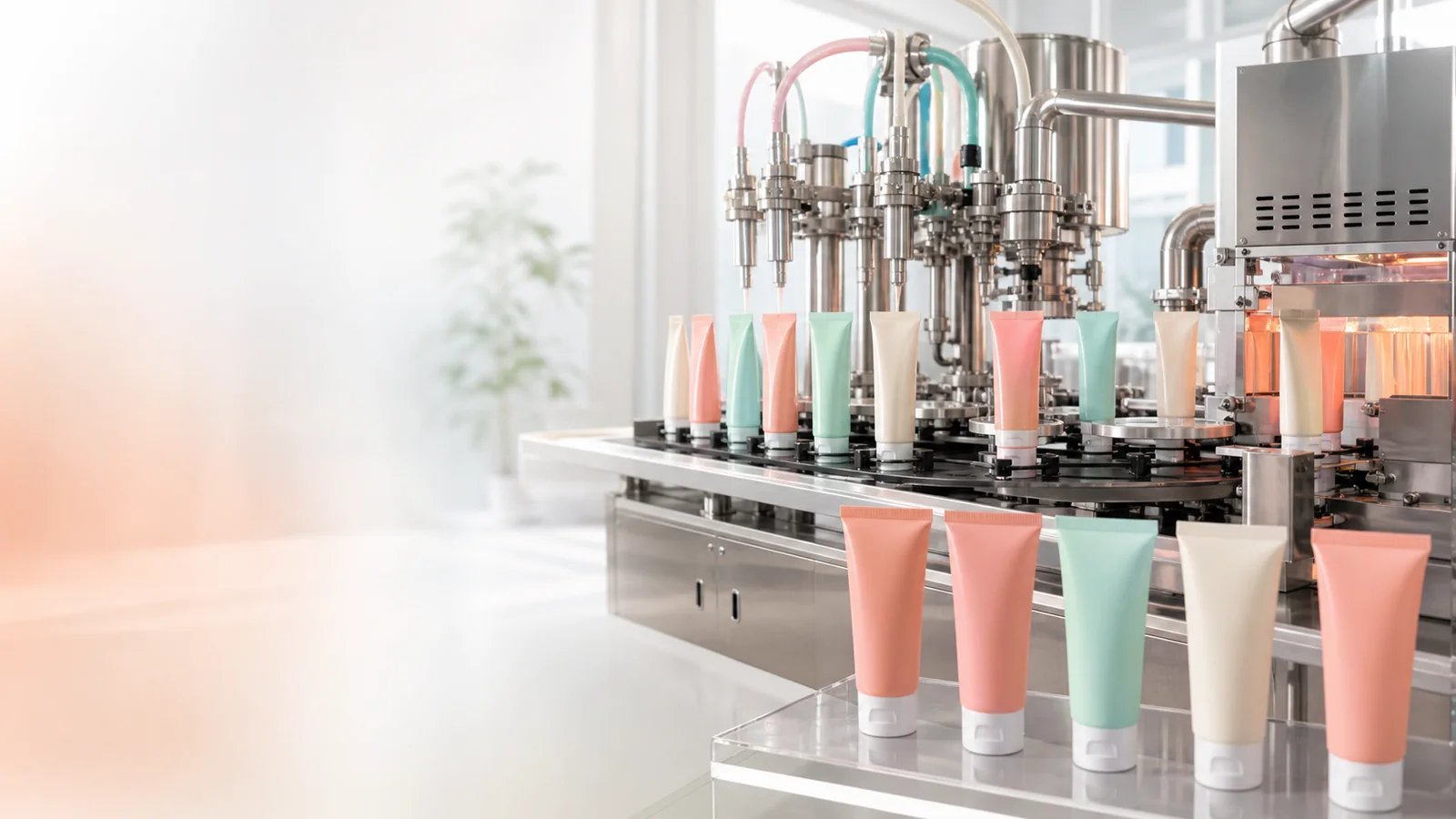
- Filled tubes can be tail sealed and coded separately; only empty tubes require linked filling and tail sealing. Aluminum-plastic tubes and plastic tubes also have different sealing conditions. Paste, tube and cap samples, tube diameter, tail seal drawing, batch number position, cartoning method, and production capacity are required.
Solution summary prepared for you
- If facial cleanser or hand cream tubes are already filled and only need tail sealing, batch coding, and trimming, use a tube tail sealing and coding machine. If empty tubes need to start from filling, use a fully automatic tube filling a...
- Tube material, aluminum-plastic laminated tube, diameter, length, tail allowance, product condition, and finished tail seal drawing together determine the tube holder, filling nozzle, and tail sealing tooling.
- When pump caps or special caps change clamping and orientation positioning, use the special cap tube sealing solution for sample-based evaluation. Labels, ink, and ribbon are matched after batch code and label positions are confirmed.
Route comparison
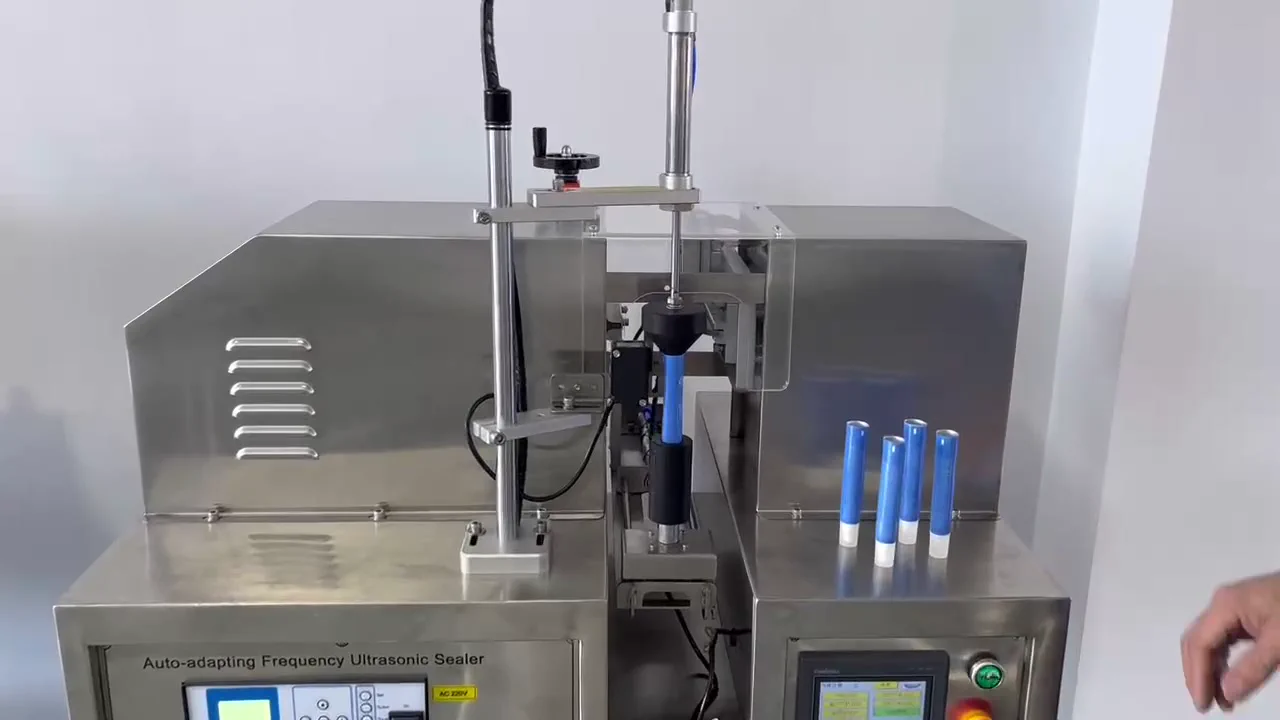
- Facial cleanser or hand cream is already filled into the tube; at this station only tail sealing, optional embossing, and trimming are needed.
- The tube tail sealing and coding machine focuses on tail processing and does not duplicate filling actions already completed upstream.
- Tube material, diameter, length, tail allowance, embossing, trimming, character position, and incoming material handling all need verification.
- When the project starts from empty tubes and requires metered filling, use a tube main machine that includes feeding and filling stations.
- The tube tail sealing and coding machine is configured with positioning, tail sealing, embossing, and trimming according to tube samples; feeding and collection are confirmed by site process.
- Empty tubes require continuous tube feeding, orientation positioning, cosmetic product filling, tail sealing, and discharge.
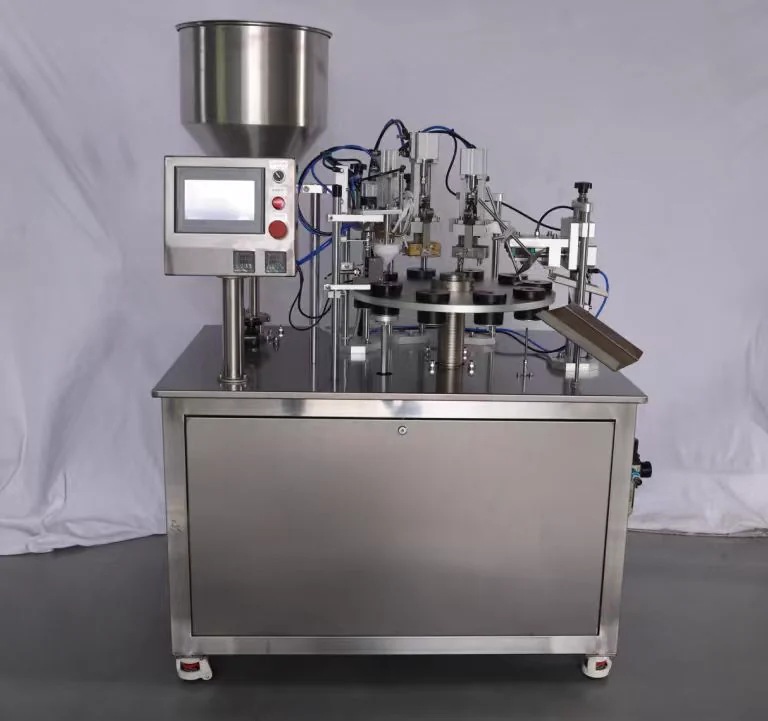
- The fully automatic tube filling and tail sealing machine arranges empty tube feeding, metered filling, and tail processing in one process.
- Tube and cap type, product flow, fill volume, cleaning, tail seal appearance, changeover, and downstream interface all require sample confirmation.
- When tubes are already filled, or each batch has multiple specifications and only tail processing is needed, first adopt an independent tail sealing and coding process.
- The fully automatic tube filling and tail sealing machine configures tube holder, filling nozzle, tail sealing tooling, and optional additional stations according to tube samples, caps, and product.
- Special tube openings, pump heads, offset caps, or other cap types change the tube orientation, clamping position, and tail sealing space.
- The special cap tube sealing solution can configure dedicated positioning and clamping around the complete cap and tube samples.
- Tube, cap, and finished product requirements must be provided, and incoming assembly status, changeover, and upstream/downstream processes must be stated.
- When ordinary round cap tubes can use standard tube holders and tail sealing tooling, a standard tail sealing or filling and tail sealing route can be adopted first.
- The special cap tube sealing solution is sample-based configuration; orientation positioning, clamping, and tail sealing tooling are determined by full-tube trials.
Associated Equipment / Consumables
Core process
Record tube material, diameter, length, tail allowance, cap type, and orientation marks, and observe product flow, stringiness, and cleaning conditions.
Filled tubes can verify positioning, tail sealing, optional embossing, and trimming without duplicating upstream filling stations.
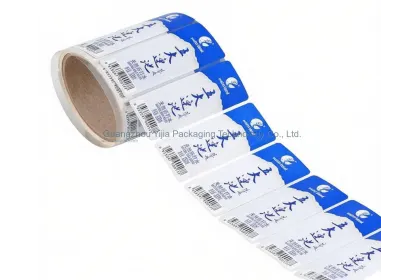
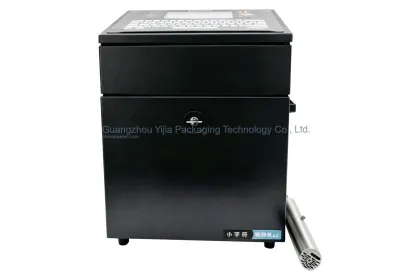
After tail embossing, tube body coding, or label positions are clear, select consumables that match the tube surface and printing method.
Photos and dimensions are used to identify tube holder, clamping, and tail sealing space; incoming material status determines whether a tail sealing only or filling and tail sealing main machine is needed.
Different product, tube material, and cap type combinations should be retained separately; ointment aluminum-plastic laminated tubes also require independent verification according to their tube material and tail sealing requirements.
Filled tubes only need tail processing; empty tubes start from feeding and filling; pump caps or special caps require separate verification of positioning boundaries.
Sample details
This information is used to distinguish tail sealing only from filling plus tail sealing, and to determine tube holder, clamping, and tail sealing tooling.
Provide empty or filled tube samples and indicate tube material, diameter, length, tail allowance, orientation marks, and cap type.Product condition is used to verify feeding, filling nozzle, cutoff, and cleaning; filled incoming material also requires stating tube mouth and tail cleanliness.
Submit actual contents and state viscosity, temperature, stringiness, particles, fill volume, and cleaning requirements.Batch information is used to arrange manual or automatic tube feeding, number of stations, tube discharge collection, and changeover restart.
List common tube types, quantity per batch, target production rate, changeover, and manual tube feeding conditions.Only after positions are clear can you select embossing, coding, or labeling consumables and avoid clamping, sealing, and trimming areas.
Provide a finished tail seal drawing and mark embossing, trimming, tail code, tube body printing, or label areas.Site information is used to verify discharge orientation, conveyor interface, operation and maintenance space, and reject handling.
State tube discharge direction, cartoning method, downstream collection, and equipment area and utility conditions.Common selection mistakes
Mark the tube status before entering the equipment on the flow chart, then choose a tail sealing and coding machine or a filling and tail sealing main machine.
Trial-seal each tube material with actual tube samples and keep separate records of sealing, appearance, and tube body stress.
Use actual product for trial filling, observe feeding, cutoff, dripping, and cleaning, then determine the filling components.
First mark the tail seal line, trimming line, and marking area on a sample tube, then choose labels, ink, or thermal transfer ribbon.
Trial-assemble the tube and cap as a set, verify orientation positioning, clamping, and tail sealing boundaries, then design tooling.
View detailed technical notes
First, confirm whether the tube is already filled
The condition of the cosmetic tube before entering the equipment determines the scope of the main machine. Filled tubes only need tail sealing and coding, while empty tubes must start from tube feeding and filling. The process cannot be shared just because the finished product is the same.
Tube material, paste, and tail seal drawing together define the solution
Plastic tubes and aluminum-plastic composite tubes respond differently to sealing, and the flow of face wash or hand cream also affects filling. Tube diameter, tail allowance, embossing, edge trimming, and batch number position must all be checked together.
Filled tubes use the tail sealing and coding machine
The tube tail sealing and coding machine is used to handle incoming tubes that are already filled with paste. It can perform tail sealing, optional embossing, and edge trimming. Tooling is determined by the tube material, size, and finished tail seal drawing.
Empty tube projects use the filling and tail sealing main machine
The fully automatic tube filling and tail sealing machine can continuously complete tube feeding and positioning, metered filling, tail sealing, and tube discharge. The paste sample determines the supply method, filling nozzle, cut-off, and cleaning method.
Special-shaped caps change positioning and clamping boundaries
Pump heads, offset caps, or special tube openings may occupy clamping space and change the tube orientation. The sealing solution for tubes with special-shaped caps must be tested with complete tube and cap samples.
Complete samples cover tubes, caps, and paste
For each specification, provide tube samples, matching caps, actual contents, and tail seal drawings. The incoming condition, fill volume, orientation marks, and label position should also be recorded in the same set.
The tail sealing main machine is selected based on the incoming condition
Filled tubes enter the tube tail sealing and coding machine, while empty tubes enter the fully automatic tube filling and tail sealing machine. Both routes require sealing tool trials based on tube material and finished product requirements.
Marking consumables are matched after the position is determined
After the tail code, tube body printing, or label area is determined, select labels, inkjet ink, and thermal transfer ribbon, and verify character quality, adhesion, and rub resistance with actual tube material.
Common questions
With only tube photos, can you initially distinguish between tail sealing only and filling plus tail sealing?
First state whether the tube has already been filled, and provide the tube material, diameter, length, cap type, and tail photos for initial routing; tooling still requires physical trials.
What materials should be prepared to confirm a cosmetic tube solution?
Please provide empty or filled tubes, caps, and actual product, and indicate the tail seal drawing, batch code location, cartoning direction, production rate, changeover, cleaning, and site conditions.
What automation actions are involved in the production rate?
It involves manual or automatic tube feeding, positioning, filling, tail sealing, edge trimming, tube discharge, and downstream collection, and also requires considering tube changeover and cleaning time.
Why should plastic tubes and aluminum-plastic tubes be trial-sealed separately?
The tail structure and sealing response of the two tube materials differ, and tube thickness, tail allowance, embossing, and trimming requirements may vary, so a single trial conclusion cannot be shared.
How are the tail seal and batch code verified?
Check sealing, embossing, trimming, and tube body stress against the finished tail seal drawing, then confirm the direction, position, and readability of the tail code or external printed characters.
Under what conditions should filling and tail sealing be connected?
When incoming material is empty tubes, the product filling process is already validated, and continuous tube feeding, filling, tail sealing, and discharge are required, use a fully automatic tube filling and tail sealing machine.