Solution topic
Starting small with milk tea and dessert cups: when to move to an automatic cup denesting line
Compare tabletop sealing, small cup filling and sealing, and continuous lines based on cup material, sealing film, granule product, capacity, and changeover.
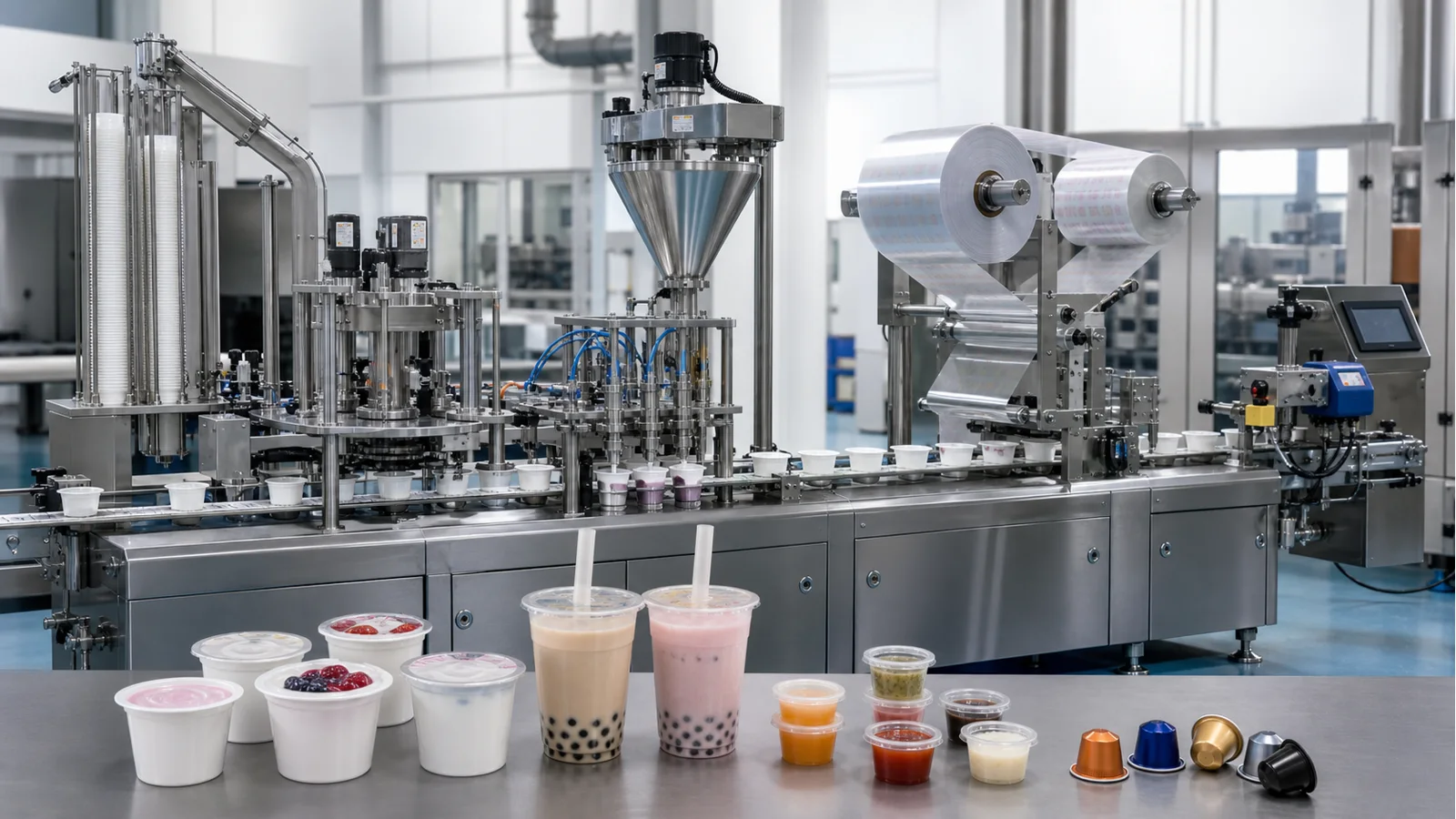
- Tabletop sealing suits manual cup loading; automatic cup denesting, filling, and sealing requires stable cup type, film, and product process; multi-station routes also need to verify granule feeding. Provide beverage and cup film samples, granule details, fill volume, capacity, and changeover plans.
Solution summary prepared for you
- Milk tea and dessert cup equipment should first be distinguished by production method. For small batches with manual cup feeding, a small-diameter cup sealing machine can be used for trial sealing; after the cup type and filling process...
- Automatic cup denesting does not depend only on cup rim size; cup stacking, denesting stability, film feeding, and material filling condition must also be verified. When independent particles are present, the metering branch needs to be...
- Cup samples, film samples, and actual beverage are the basis for finalization. With only photos, the cup type and process can be checked first, but the main machine mold, filling components, and cleaning method still need sample confirma...
Route comparison
- Scenarios with small batches, frequent cup type or flavor changes, and where manual cup placement and removal are feasible for trial and production.
- Small-diameter cup sealing machine SGP-03 is convenient for first verifying cup-film heat sealing without establishing automatic denesting and filling processes.
- Cup rim, film, and sealing mold still need to be matched as a set, and the operation speed and manual placement condition should also be included in the check.
- When automatic quantitative filling is needed upstream and cups must be continuously denested and discharged, switch to an automatic filling and sealing main machine.
- Small-diameter cup sealing machine SGP-03 handles manual cup feeding heat sealing trial; molds are made according to actual cup rim and film.
- Projects with stable cup stacking, clear material process, and desire to continuously complete denesting, quantitative filling, film feeding, heat sealing, and cup discharge.
- Small cup filling and sealing machine integrates the main cup operations into one process, making it easier to coordinate filling waiting and sealing speed.
- Automatic denesting, filling components, molds, film feeding, cleaning, and changeover must be confirmed with actual samples.
- When the quantity per batch is small and cup types change frequently, or the beverage and particle process is not yet stable, tabletop trial sealing can be retained first.
- Small cup filling and sealing machine is used for automatic denesting and cup filling and sealing; specific stations and changeover parts are determined by cup, film, material, and cycle time.
- Cups or trays need continuous conveying along chain conveyor carriers, with possible expansion of cup denesting, filling, coding, and downstream connection processes.
- Chain plate cup/box continuous sealing line can arrange carriers and modules according to the number of stations, facilitating connection with stable upstream and downstream.
- Container arrangement, filling time, sealing process, changeover scope, maintenance space, and site length must be checked item by item.
- When cup types and batches change frequently, site length is limited, or upstream feeding is not yet stable, it is not advisable to rush to expand the continuous line.
- Chain plate cup/box continuous sealing line makes carriers according to cup samples; filling and particle branches are included only after sample testing.
Associated Equipment / Consumables
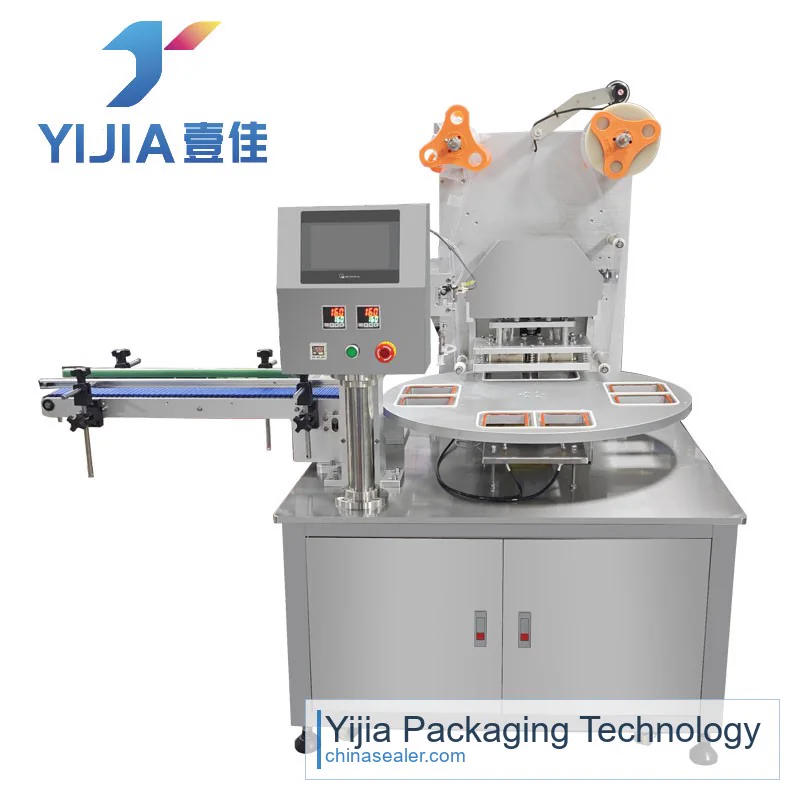 Automatic Small-Cup Filling and Sealing Machine
The machine denests cups, doses product, registers and heat-seals film, trims and discharges. Confirm cup stacking and rim, viscosity, particles, foaming or stringing, rollstock or pre-cut lids, peel and leak criteria...
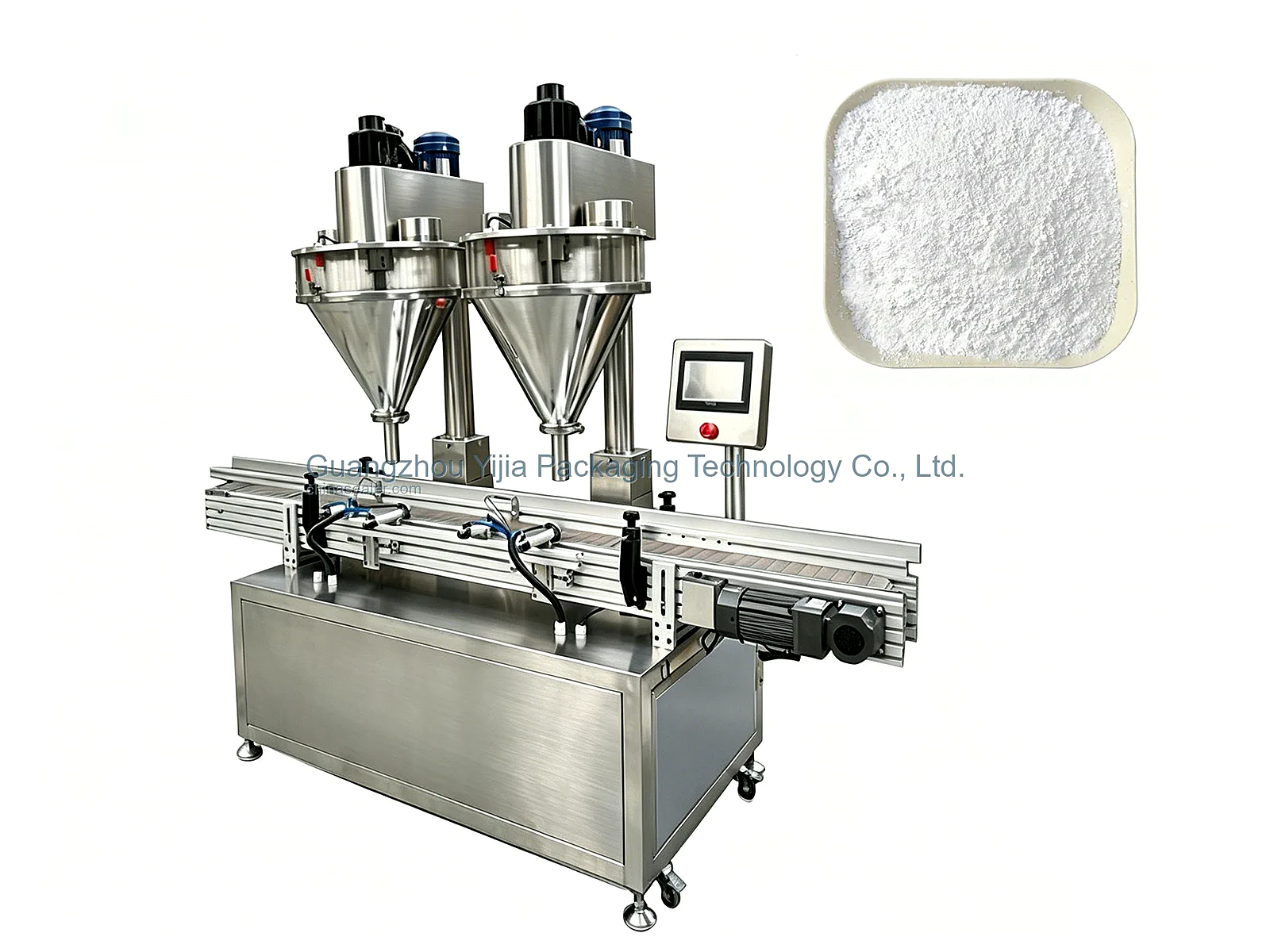 Powder and Granule Dosing Filling Machine
Complete set of cup, film, and beverage samples; Cup-film trial sealing and material trial filling should be recorded separately to avoid misjudging film sealing problems as...
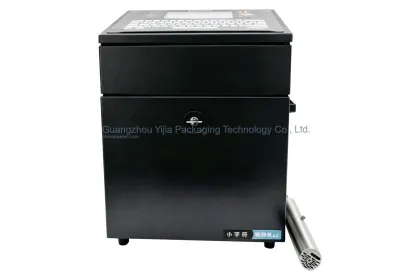 Date & Batch Inkjet Printer
Arrange downstream marking such as date and batch number; Downstream marking should avoid the easy-tear edge and carrier clamping area, and coordinate with the cup discharge posture and cy...
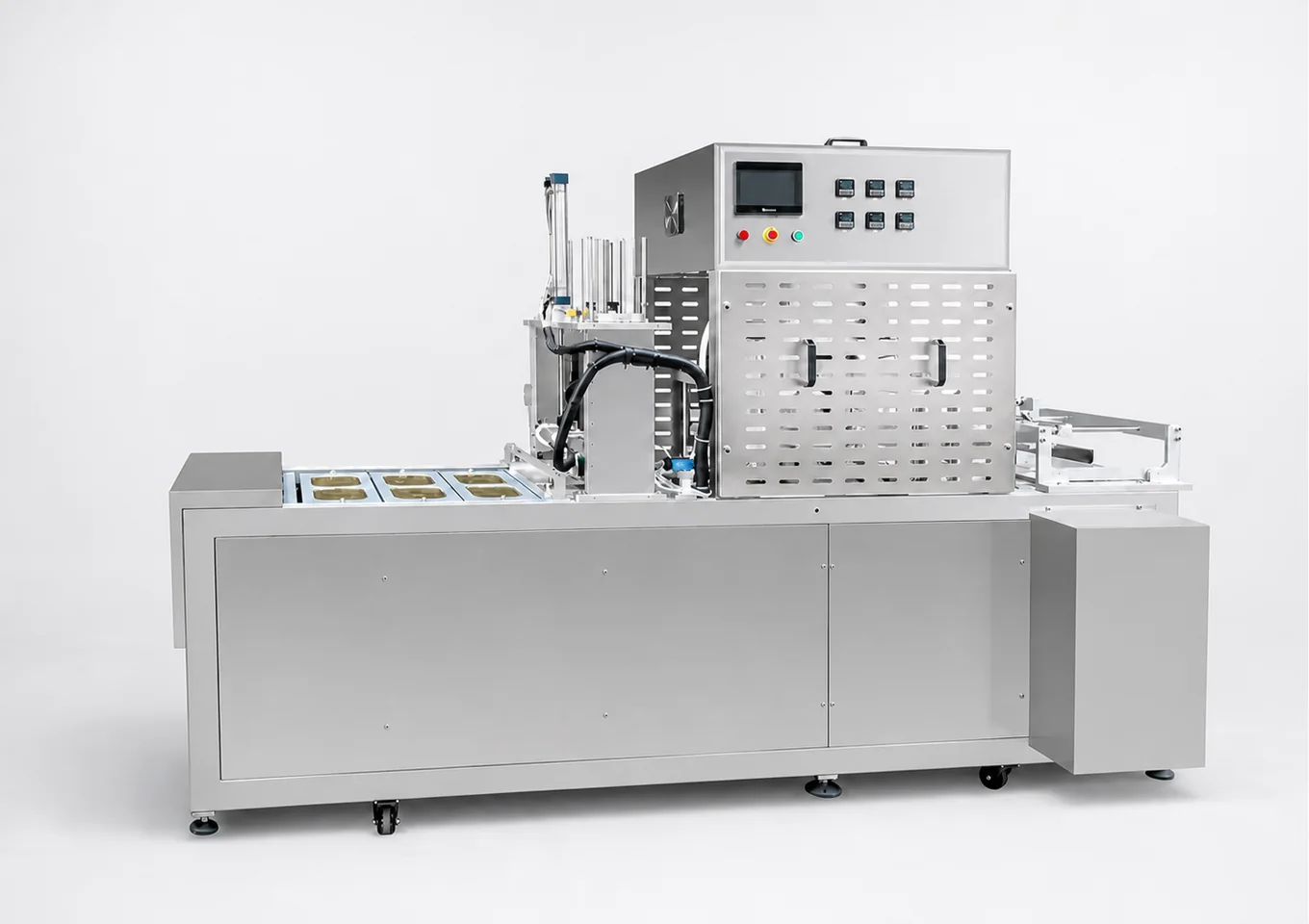 Chain Conveyor Cup and Tray Filling Sealing Line
Divide equipment routes by batch and process; First stabilize the cup film and filling process, then decide whether to expand to continuous conveying based on batch, c...
Core process
Check cup rim shape, rim material, cup depth, and film heat seal layer, and observe the filling state of liquid, paste, or granular materials.
When the cup type and material process are stable, denesting, quantitative filling, film feeding, heat sealing, and discharge can be arranged in a continuous process.
The printing position can be evaluated on the cup film or cup body; the content, readable area, and equipment triggering method need to be marked on samples first.
Photos and dimensions are used to judge denesting, carrier, and sealing molds; material description is used to distinguish liquid, paste, or particle branches.
Milk tea cups, fruit tea cups, coffee cups, and dessert cups should be trial sealed separately according to rim material, not classified as the same mold by outer diameter only.
Manual cup feeding trial sealing, automatic denesting filling and sealing, and chain plate continuous line correspond to different production organizations; independent particle addition requires separate metering method determination.
Sample details
These conditions are used to check the suitability of manual cup feeding, automatic denesting, carrier positioning, and sealing molds.
Provide actual cups and indicate the cup rim shape, rim width, cup depth, and stacking method.Complete cup-film trial sealing can determine the feeding, sealing, and edge trimming methods, and also reveal cup body deformation due to heat.
Submit roll film or pre-cut film samples, and specify material, heat seal layer, easy-tear, and printing positioning requirements.Material condition is used to evaluate feeding, filling nozzle, drop point, and drip control; independent particles also require a separate metering branch.
Provide milk tea, fruit tea, or dessert samples, and specify viscosity, foam, particles, temperature, and cleaning requirements.Batch structure determines whether to prefer tabletop trial sealing, automatic denesting main machine, or continuous line, and also affects changeover and cleaning organization.
List common cup types, quantity per batch, flavor change arrangement, and target production speed.Layout data is used to check the operation area, maintenance space, cup discharge direction, and coding position, avoiding process re-adjustment after equipment arrives.
Provide equipment area dimensions, power and air supply conditions, and a connection diagram of upstream feeding and downstream marking.Common selection mistakes
Submit a complete set of cup and film samples to verify denesting, positioning, sealing, edge trimming, and cup removal actions separately.
Use actual materials to observe flow, stringing, particle passage, and cleaning, then determine the filling components and whether a separate feeding station is needed.
Include the quantity per batch, common cup types, and material change sequence in the evaluation, and compare the organization of manual cup feeding, automatic denesting, and continuous line.
After the empty-cup test passes, use formal filled samples to recheck the film surface, easy-tear, and leakage signs according to the agreed method.
Mark the traceability position on cup film and cup body samples in advance, then check triggering, reading, and conveying posture.
View detailed technical notes
Start by breaking down cup packaging needs based on production method
Milk tea cups may only need manual film sealing, or they may require automatic cup denesting and filling. Check the cups, film, product, and batch first, then decide on the equipment.
Stable cup geometry is a prerequisite for automatic cup denesting
A tabletop sealer only requires manual placement of cups into the mold, while automatic equipment must continuously denest and position cups. Cup stacking, rim, stiffness, and static conditions must be verified through physical trials, not just by cup mouth dimensions.
Tabletop trial sealing is suitable for small-batch validation
The small-diameter cup sealing machine SGP-03 can be used for manual cup loading and heat sealing. It is suitable for initially verifying cup-film compatibility and easy-peel performance, and does not handle automatic filling or continuous cup denesting.
Automatic cup denesting, filling, and sealing requires stable cups, film, and product
The small cup filling and sealing machine can continuously perform cup denesting, metered filling, film feeding, heat sealing, and cup discharge. Cup separation, filling drop point, film feeding, cleaning, and changeover should all be confirmed with actual samples.
Expand to a continuous line only after the process is clearly defined
The chain conveyor cup/tray continuous sealing line is suitable for cups or trays that continuously travel along the chain conveyor carriers. The number of lanes, filling time, sealing method, and downstream interfaces need to be verified against the site layout; independent granule addition requires a separate metering branch.
Samples must cover both sealing and filling aspects
Cup and film samples are used for trial sealing, while beverage samples are used to observe viscosity, foam, granules, and cup rim contamination. Only after combining both sets of results can the mold, filling components, and cleaning method be determined.
Determine the main machine route based on batch size and automation requirements
For manual cup loading trials, start with a tabletop machine. Once the cup type and product are stable, adopt a small cup filling and sealing machine. If continuous chain conveyor flow is needed, expand to a cup tray sealing line with upstream and downstream interfaces.
Marking station should avoid easy-peel and clamping areas
Date and batch codes can be evaluated on the cup film or cup body, but should avoid the easy-peel edge, printed graphics, and carrier clamping areas. Printing content, trigger method, and cup discharge orientation should be verified with samples first.
Common questions
With only cup photos, can you first determine whether a tabletop or automatic cup denesting machine is needed?
Start by checking the cup rim shape, stacking condition, and film type. Whether the cup can be denested stably still needs verification with actual samples, and material and target cycle time data should be provided later.
What materials need to be provided before confirming the solution?
Please prepare cup samples, sealing film, and beverage samples, and specify fill volume, viscosity, particle content, cleaning requirements, production speed, changeover plan, and equipment area dimensions.
What structures are involved in production speed?
It involves manual or automatic cup denesting, number of stations, carrier arrangement, filling waiting time, and downstream conveying. Changeover time for flavors and cup types should also be checked.
What to check during cup-film trial sealing?
Need to observe heat seal layer matching, seal width, easy-tear condition, edge trimming, and cup body deformation. The formal film should be used with the actual cup material.
How to confirm the post-sealing condition of cup products?
Check the film surface, edge sealing, cup body deformation, and leakage signs according to the agreed method, and recheck changes caused by cup rim contamination when filled with actual beverage.
Under what conditions should a continuous cup/box line be adopted?
When the cup type, film, and filling process are stable, the upstream and downstream stations need continuous connection, and the site space is sufficient, a chain plate continuous sealing line can be evaluated.