Solution topic
Tube Tail Sealing, Coding and Trimming: From Filling Machine to Special Cap Types
After filling, the tail sealing machine completes the tail closure; when separate shaping and batch coding are needed, connect tail sealing and coding equipment. Special tube caps
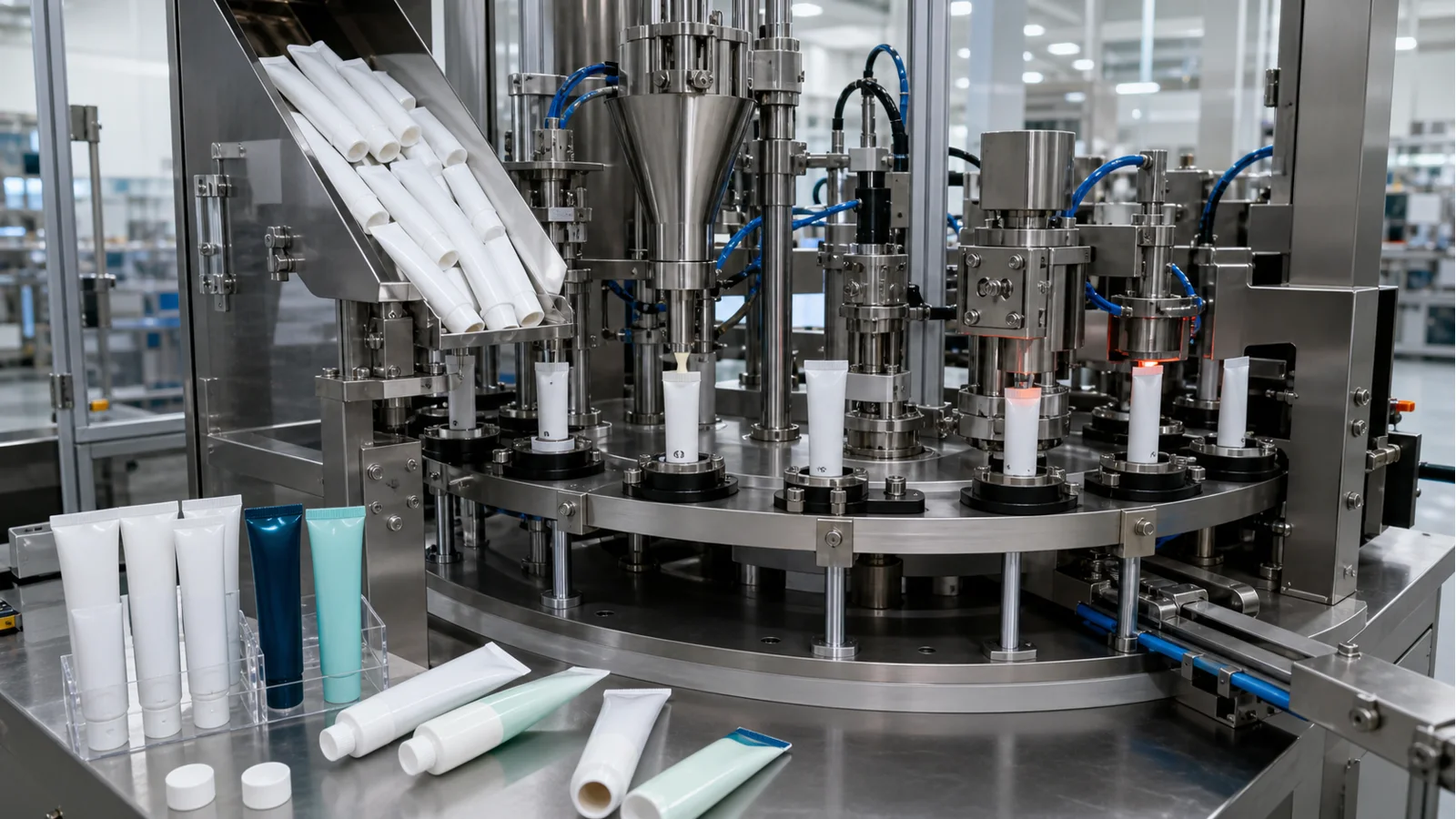
- The tail appearance of toothpaste, ointment, or cosmetic tubes depends on tube material, contents, sealing method, and printable area. Unrelated container equipment does not enter this route.
Solution summary prepared for you
- Tube equipment is first divided by empty or filled status, then filling and tail sealing or tail downstream processing is arranged according to tube material, diameter, tail shape, and contents.
- The fully automatic tube filling and tail sealing machine is for empty tube input, while the tube tail sealing and coding machine is for tail sealing, coding, and trimming of filled tubes.
- Special cap types require verification of clamping and closure with the complete tube-cap assembly; additional date and batch numbers are trial printed by collaborative coding equipment in available areas.
Route comparison
- Suitable for tubes already filled with toothpaste, ointment, cosmetics, or glue contents, where only tail sealing, tail coding, and trimming are needed.
- Filled tubes only handle tail processes; sealing pattern, coding, and trimming can be verified on the same downstream main machine.
- Filling and tube tail cleanliness before entering the machine are handled by other processes; changes in tube diameter or tail shape still require tooling change and first-piece recheck.
- When the project requires continuous filling and tail sealing starting from empty tube positioning, a separate tail downstream processing machine cannot cover the upstream process.
- The tube tail sealing and coding machine is configured with tooling according to tube diameter and tail shape, handling matching tail sealing, coding, and trimming actions.
- Suitable for projects starting from empty tubes that require continuous filling and tail sealing, and can provide complete tube material testing.
- Empty tube positioning, content filling, and tail closure are organized by one main machine; finished products can be retained as samples along the same process reference.
- Tube diameter, length, filling volume, contents, tail shape, and coding position all involve changeover; the actual equipment scope is based on sample testing and project configuration.
- When the customer already has a filling process, or only needs to handle a small number of filled tubes, the downstream tail sealing and coding route should be evaluated first.
- The fully automatic tube filling and tail sealing machine evaluates filling and tail sealing according to tube, material, and project configuration; additional modules are not assumed fixed.
- Suitable for tubes with pointed caps, flip caps, pump heads, or other non-standard caps that require an independent closure process based on actual samples.
- Special tube caps are handled as an independent branch, establishing clamping, orientation, and closure actions around the non-standard cap type.
- Cap supply, tube head shape, and finished tube orientation all need confirmation; the scope of non-standard fixtures cannot be determined directly from the cap name.
- When ordinary caps already have suitable independent handling methods, there is no need to add special cap fixtures and orientation control.
- The special-shaped cap tube sealing solution is configured according to the complete tube-cap assembly; screw, press, or other actions are verified with actual samples.
Associated Equipment / Consumables
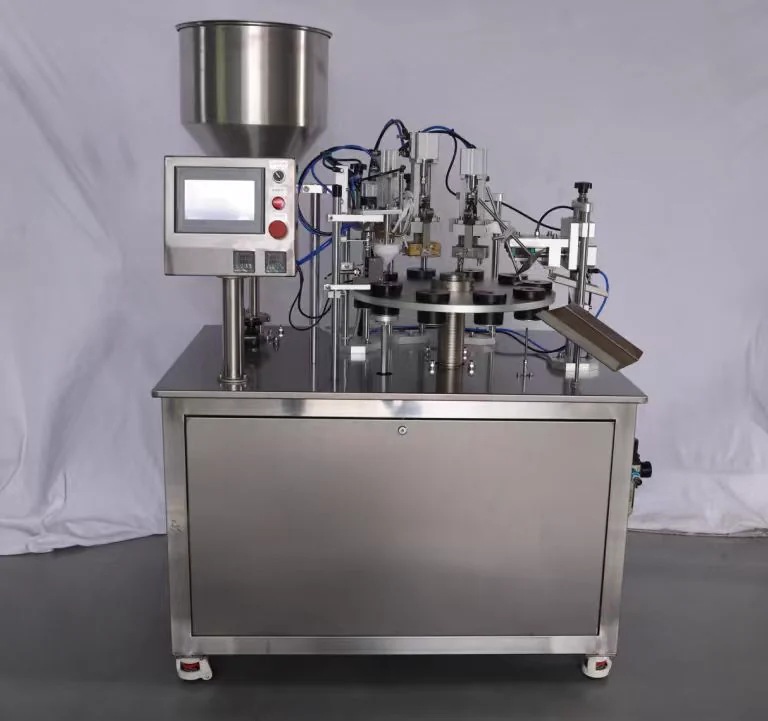 Automatic Tube Filling and Sealing Machine
Continuous stations for empty-tube loading, orientation or eye-mark positioning, dosing, filling, tail sealing, optional trimming or embossing and discharge.
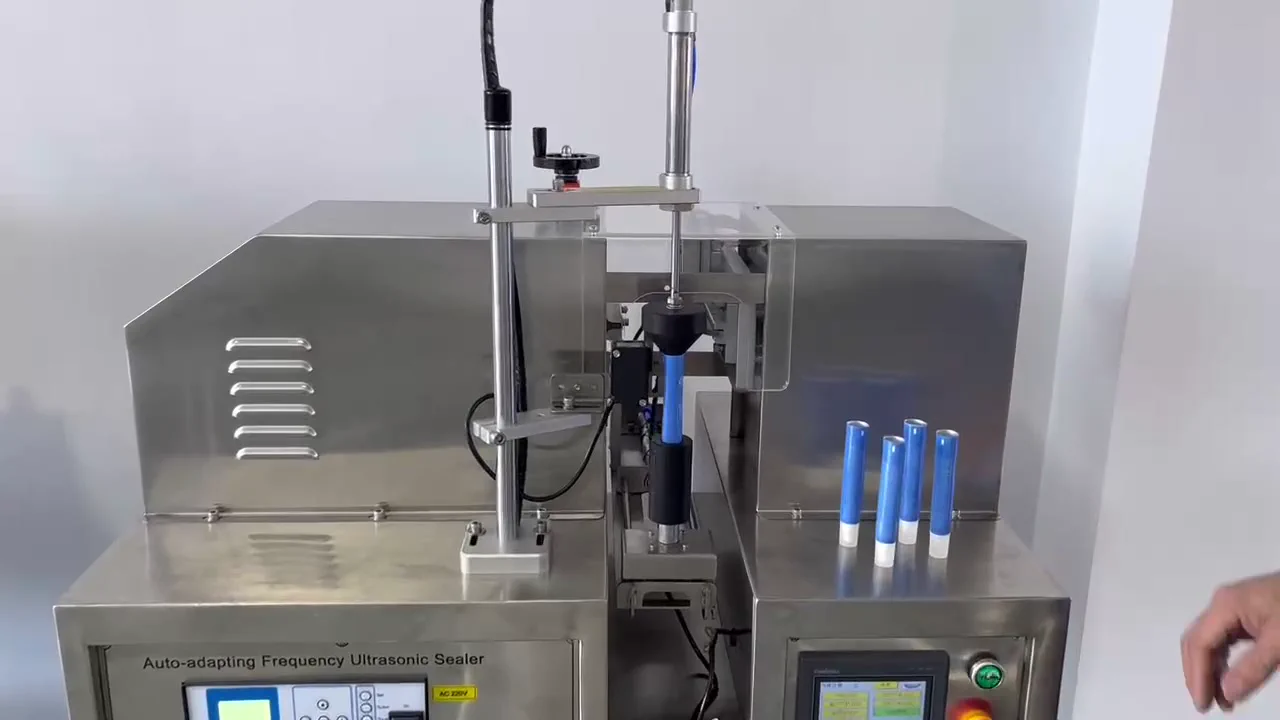 Ultrasonic Tube Sealing Machine
Ultrasonic end sealing for filled plastic or laminate tubes, with optional registration, batch coding and trimming.
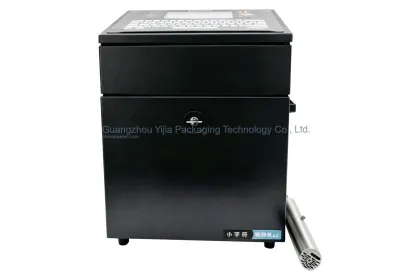 Date & Batch Inkjet Printer
Print date, batch and traceability information on bottles, bags, cartons, labels, cans and outer cases.
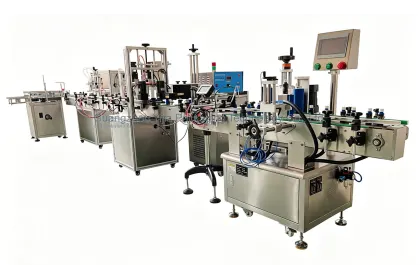 Automatic Feeding Conveying Sealing Line
Feeding, sorting, cleaning, or conveying interface for Bottles, caps, trays, bagged finished products
Core process
Empty or filled status, tube material layers, diameter, length, tail shape, cap type, and contents together determine the main machine and changeover parts.
When starting production from empty tubes, the fully automatic tube filling and tail sealing machine can be evaluated; tube positioning, filling, and tail closure all require testing with actual tubes and materials.
When the tube has already been filled, the tube tail sealing and coding machine handles tail sealing, coding, and trimming, without duplicating upstream filling.
When the tube head has a non-standard cap type, use the special-shaped cap tube sealing solution separately; fixtures, orientation, and closure action are verified with the complete tube-cap assembly.
When additional date or batch numbers are needed, trial printing is done with a collaborative date batch coding machine. Tube station connection can be evaluated with an automatic feeding conveying sealing line.
Use real tubes from toothpaste, ointment, cosmetic, or facial cleanser projects to check the tail sealing surface, trimming, cap, and content residue.
Sample details
Tube material layers, diameter, length, tail contour, and cap type involve positioning, tail sealing tooling, trimming, and special cap fixtures.
Please provide the actual tube or multi-angle photos, and mark the tube material, diameter, length, tail shape, and cap structure.The flow, viscosity, and tail residue of the contents will change the filling finish and the tube tail state before sealing; actual material observation is needed.
Please prepare content samples or a status description, and indicate whether the tube has been filled before entering the tail sealing station.Production pace and multi-specification switching affect whether to use a downstream single machine or an integrated filling and tail sealing main machine, and also relate to the number of changeover parts.
Please list the main specifications, production plan, shifts, changeover frequency, and processes where manual labor can participate.The installation positions of tail embossing, hot stamping, or additional printing differ; coding content and readable direction should be marked on the sample tube.
Please provide date, batch number, or other coding content, and mark the printable areas on the tail and tube body.When information is incomplete, the equipment direction can be distinguished first; tail sealing tooling, trimming, and special cap fixtures still need to be finalized after receiving actual samples.
If sample tubes are temporarily unavailable, please first send dimension drawings, tube material description, content status, tail shape, and finished appearance photos.Common selection mistakes
All-plastic tubes and aluminum-plastic laminated tubes respond differently to sealing; without tube material information, reliable test conditions cannot be established.
Flat tails, special-shaped tails, and different trimming contours require corresponding tooling; the tail style should be clearly marked on the finished sample tube.
The fully automatic tube filling and tail sealing machine includes upstream filling, while the tube tail sealing and coding machine only handles downstream operations for filled tubes.
The positions of tail coding, tube body printing, and variable codes differ; additional collaborative coding equipment also requires stable tube orientation.
Multi-diameter production requires changing tooling and fixtures and re-running trials; changeover time should be included in the actual production schedule.
View detailed technical notes
First Confirm the Tube Status When Entering the Equipment
For tube projects, first clarify whether the tube enters the machine empty or already filled, then distinguish tail sealing, coding, trimming, and special tube caps, rather than just stating the product name.
Tube Route Determined by Entry Status and Tube Material
Empty tubes require a filling and tail sealing machine; already-filled tubes only need tail post-processing. Tube material, diameter, tail shape, and contents together change the sealing conditions, and non-standard caps require separate fixture validation.
Filled Tubes Use a Tail Post-Processing Machine
Already-filled tubes can enter the tube tail sealing and coding machine, which completes matching tail sealing, coding, and trimming in one unit. Trial runs should check tail cleanliness, seal pattern, code position, trim allowance, and tube body clamping. When tube diameter or tail shape changes, replace the corresponding molds and re-verify the first article.
Empty Tubes Use an Integrated Filling and Sealing Machine
When starting from empty tubes, the fully automatic tube filling and tail sealing machine can be evaluated based on the actual tube and contents. Tube positioning, actual filling, tail sealing, and available add-on modules must be confirmed according to the project configuration; the functions of a standalone downstream machine cannot be directly copied as the scope of the integrated machine.
Special Cap Types and Additional Coding Are Validated Separately
Spout caps, flip caps, pump heads, or other non-standard cap types enter the special-shaped cap tube sealing solution. Fixtures, orientation, screw or press capping actions are validated through complete tube-cap assembly trial runs. If additional date/batch codes are needed, collaborative coding equipment can test print in a defined area on the tube body.
Complete Tube Documentation Establishes Trial Benchmarks
Tube, cap, contents, and finished tail samples should be submitted together, and tail sealing, coding, and trimming all use the same set of appearance benchmarks.
Tail Machine Does Not Replace the Filling Process
The tube tail sealing and coding machine is for already-filled tubes; molds are made according to tube diameter and tail shape, and upstream content filling is not part of this station.
Integrated Filling and Sealing Scope Based on Project Configuration
The fully automatic tube filling and tail sealing machine is for the empty tube route; actual modules, speed, and changeover range are determined by sample testing and project configuration.
Finished Tubes Then Arrange Coding and Integration
When additional date/batch codes are needed, use a collaborative date/batch coding machine; automatic feeding, conveying, sealing, and line integration are evaluated based on tube orientation, spacing, and on-site layout.
Common questions
How should a solution be prepared for a tube tail sealing and coding machine?
The equipment list must be checked against the empty or filled state, tube diameter, tube material, tail shape, coding method, and number of changeovers before forming the corresponding solution.
Can different tube diameters be changed over on the same machine?
Multiple specifications can be evaluated with corresponding tooling, but when tube diameter, length, or tail shape differ significantly, separate fixtures must be made and changeover steps recorded.
Can tail sealing, tail coding, and trimming be completed continuously?
The tube tail sealing and coding machine can handle matching tail sealing, coding, and trimming actions; the actual combination is confirmed by tube material, tail shape, and sample tube testing.
Which wear parts and consumables should be prepared for a tube project?
Common supporting items involve tail sealing tooling, coding consumables, and trimming blades. Liquid contact parts for filling are only checked in the fully automatic tube filling and tail sealing machine branch.
How should tube tail sealing results be inspected?
Use actual tube material and contents to test the sealing pattern, tail residue, and sample tubes after handling, then judge according to the method agreed by both parties.
Does small-batch tube production require integrated filling and sealing?
Filled tubes can first use downstream tail sealing and coding. When continuous filling and tail sealing from empty tubes is required, then evaluate an integrated main machine and station connection.