Solution topic
Yogurt Cup Filling, Film Sealing, Conveying and Date Coding Line Sequence
Yogurt material is first quantitatively supplied by a liquid or paste main machine. Small cups can choose an integrated filling and sealing machine, or can be independently heat-se
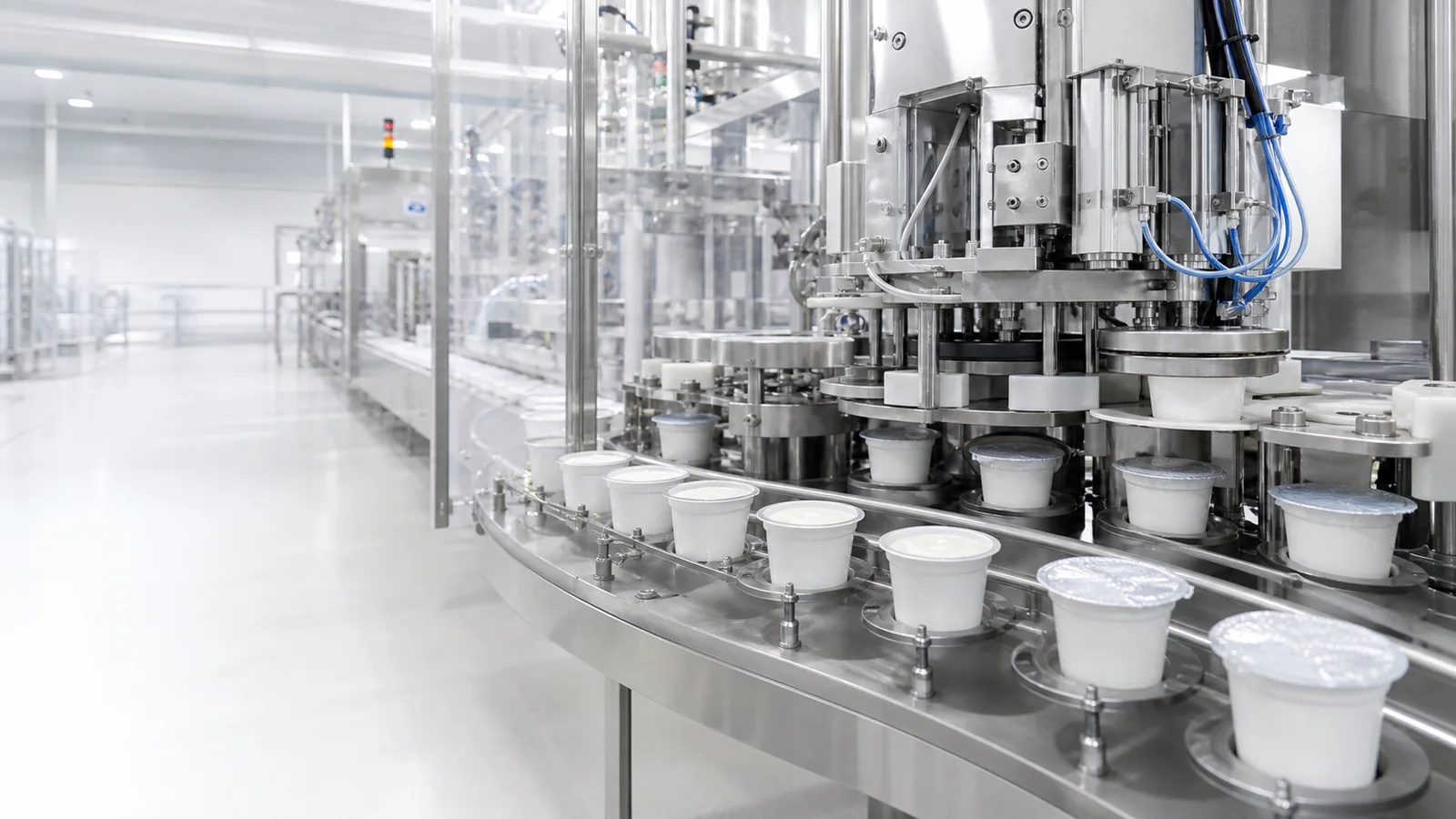
- Small or large cups, plain or fruit yogurt, roll film or pre-cut film change the filling and sealing actions. This combination checks material filling, cup film sealing, continuous conveying and date marking section by section.
Solution summary prepared for you
- For the yogurt cup line, first use actual material to determine the liquid or paste filling direction, then choose integrated filling-sealing or independent cup sealing based on cup rim and film material.
- The small cup filling and sealing machine, confirmed by cup film and yogurt samples, is used for continuous cup dropping, filling, and film sealing, while the small-diameter cup sealing machine handles semi-automatic heat sealing of pre-...
- Cup rim contamination needs to be addressed through filling tail and cleaning actions; post-sealing conveying and date printing are then configured based on cup orientation and printing surface.
Route comparison
- Suitable for projects where cup type, film material, and yogurt are finalized, and continuous cup dropping, filling, film sealing, and discharge are desired.
- Multiple actions are verified step by step in the same process, reducing handling of filled cups between stations.
- Fruit particle passage, cup rim contamination, film direction, and mold change all need to be confirmed with official samples.
- When yogurt and cup film are still changing frequently, or only cup sealing is needed, do not adopt the integrated route first.
- The small cup filling and sealing machine is configured according to yogurt, cup body, film material, and sealing standards; independent metering allows comparison of sample test results between liquid and paste filling machines.
- Suitable for production where upstream and downstream stations need to be operated separately, or where cup types vary greatly and manual adjustment space is desired.
- Filling and cup sealing are sampled separately, making it easier to adjust material and film independently and observe anomalies.
- Manual cup placement, process transfer, and cup rim cleaning will change the actual connection, so operation boundaries need to be clarified.
- When orders require continuous automatic cup dropping, filling, and sealing with stable cup type, separate stations may add intermediate operations.
- Liquid or paste filling machine confirmed by actual material, followed by small-diameter cup sealing machine SGP-03 configured by cup film samples.
- Suitable for projects where filling and sealing edges are already stable, and there are clear requirements for cup feeding, transfer, material collection and date traceability.
- Maintaining cup orientation after sealing allows batch number printing on the selected surface and entry into downstream discharge.
- When the cup body is easily deformed, the film surface is not cooled, or the printing position fluctuates, guiding and printhead need to be rearranged.
- When the sealing sample is not yet finalized, or the date content and reading direction are not determined, do not fix the line position first.
- The automatic feeding, conveying and sealing line is configured according to cup samples and on-site conditions. The collaborative date batch coder is test-printed on the actual printing surface for confirmation.
Associated Equipment / Consumables
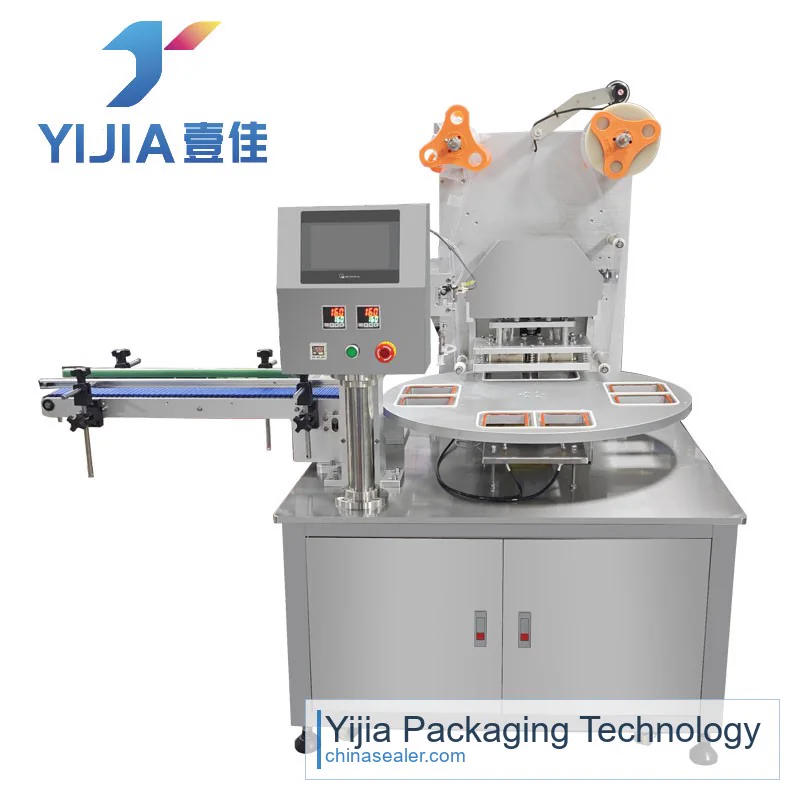 Automatic Small-Cup Filling and Sealing Machine
The machine denests cups, doses product, registers and heat-seals film, trims and discharges. Confirm cup stacking and rim, viscosity, particles, foaming or stringing, rollstock or pre-cut lids, peel and leak criteria...
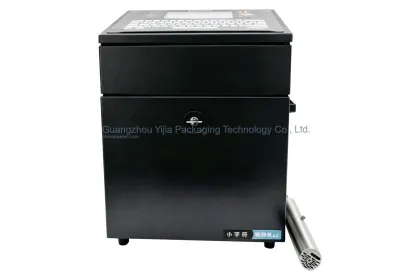 Date & Batch Inkjet Printer
Independent sealing for small-diameter cups; This direction is a semi-automatic single machine; filling and coding need to be connected separately at each station; Small-diameter cup seali...
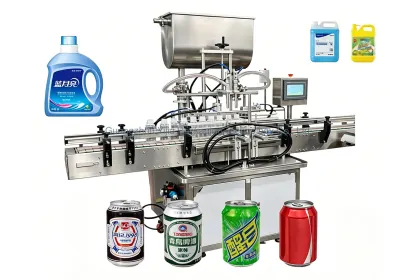 Liquid Filling Machine
Independent filling direction; Actual selection is based on material cup sample tests, not directly classified by plain, fruit particle, or category name; Liquid or paste filling machine confir...
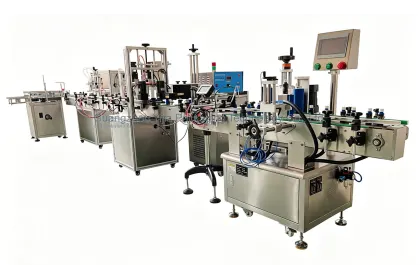 Automatic Feeding Conveying Sealing Line
Post-sealing conveying connection; First stabilize filling and sealing samples, then confirm the scope of automatic feeding, transfer, and post-sealing discharge; Automatic fe...
Core process
Check cup mouth shape, rim width, cup compression, film heat seal layer, and printing direction.
Compare two quantitative filling directions based on yogurt flow, fruit particles, foaming, stringiness, and fill volume.
When cup dropping, filling, and film sealing need to be completed continuously, check cup positioning, filling tail, and seal edge item by item.
For small-diameter cups already filled upstream, manually verify cup placement, heat sealing, and cup removal actions.
Cup orientation, height before and after sealing, film surface protection, and buffering method determine the conveying and guide structure.
The printing conditions on cup bottom, side, and film surface are different; first choose the position and prepare real cup samples for trial printing.
Sample details
Material behavior is used to compare liquid and paste filling directions and confirm filling nozzle tail.
Submit production-state yogurt, describing fruit particles, flow, foaming, stringiness, and shutdown cleaning.Cup body conditions affect positioning tooling, heat sealing support, and post-sealing conveying guides.
Prepare empty cups, filled cups, cup mouth contour, rim dimensions, and compression deformation samples.Film material needs to be trial-sealed with the cup rim to observe fit, cutting, and film peeling.
Provide roll film or applicable film material, heat seal layer, printing direction, and opening requirements.Process boundaries are used to evaluate the division of labor between the small cup filling and sealing machine and the small-diameter cup sealing machine.
Describe the target process: upstream independent filling, integrated filling-sealing, or manual cup placement sealing.The automatic feeding, conveying, and sealing line is configured based on cup samples and site takt time.
Provide cup feeding method, equipment height, discharge direction, buffering action, and available space.The collaborative date batch coding machine needs to test adhesion and triggering on corresponding material samples.
Mark the batch number position on cup bottom, side, or film surface, and provide content and reading direction.Common selection mistakes
The choice between liquid and paste filling machines should come from material cup sample tests.
In addition to mold dimensions, check the fit, opening, and printing direction of the official film sample.
First clarify where the yogurt comes from and who is responsible for filling, then choose the corresponding sealing direction.
Troubleshoot filling tail, rim cleaning, positioning, and film material in sequence, then adjust the heat sealing window.
Determine the print surface and reading direction with real cup samples before conveyor layout.
First fix samples and seal edge acceptance, then configure feeding conveyors and downstream stations.
View detailed technical notes
Yogurt Actual Material Comes Before Equipment Name
Fruit pieces, flowability, foaming and stringiness change the filling nozzle and cut-off. Use production-state samples to compare liquid and paste filling directions before deciding whether to integrate filling and sealing.
Cup Rim and Film Material Together Determine the Seal Edge
Cup rim profile, rim flatness, heat-seal layer and printing direction all need checking. Test-seal empty cups and filled cups separately to see contamination and deformation differences.
Integrated Filling and Sealing Covers Continuous Stations
A small-cup filling and sealing machine can be organized by project for cup denesting, filling and film sealing. Each action should be verified with cup-film yogurt samples, while observing cup positioning, rim contamination, film feeding and discharge. Changeover, date coding and other downstream modules are not automatically inferred from the name.
Standalone Cup Sealing Keeps Manual Adjustment
When upstream filling is already done, the small-diameter cup sealing machine SGP-03 can be evaluated for semi-automatic heat sealing based on cup-film samples. The operator's actions of placing cups, removing cups and inspecting the film surface should be written into the cycle time; filling and date coding remain on separate stations.
Rim Contamination Is Handled at the End of Filling
When yogurt hangs on the rim, simply changing heat-seal settings often cannot solve the problem. First check filling height, nozzle cut-off, cup movement, resting time and pre-seal cleaning, then use filled cups that are prone to hanging to re-test the full seal edge, film edge appearance and opening state, while checking whether the heat-seal layer traps material.
Sealing Film Also Needs to Be Checked for Opening Experience
In addition to adhesion, use finished samples to observe easy-peel opening, film edge and cup body stress. Small-cup sealing film and easy-peel film consumables are confirmed according to cup material samples.
Conveying Protects the Film Surface After Sealing
The automatic feeding, conveying and sealing line is configured according to cup orientation and on-site cycle time. After sealing, guiding and buffering should avoid squeezing the film surface that has not yet stabilized.
Date Position Affects Printhead Installation
The flatness and direction of the cup bottom, cup side and film surface are different. The collaborative date batch coder should be test-printed with formal cup samples before determining trigger and reading positions.
Changeover Is Managed by Cup-Film Combination
Any change in cup diameter, cup height, rim or film width may involve tooling and guiding. The main specifications should be listed by cup-film combination, not just by capacity.
Write Down Manual Actions Before Linking the Line
Cup replenishment, film change, rim cleaning, sampling and material collection all take up operating space. Put these actions into the layout to confirm equipment spacing.
Common questions
Should yogurt with fruit particles choose a liquid or paste filling direction?
Use actual samples to observe fruit particle passage, flow, foaming, and material cutoff, then confirm the liquid or paste filling equipment.
What samples are needed for a small cup filling and sealing machine?
Prepare yogurt, cups, sealing film, main fill volume, and seal edge evaluation samples for step-by-step verification.
What process is a small-diameter cup sealing machine suitable for?
Suitable for small-diameter cup projects where filling has been done upstream and manual cup placement with independent heat sealing is required.
How to handle yogurt on the cup rim?
First optimize filling height, material cutoff, and rim cleaning, then retest the seal edge with cups that are more prone to contamination.
Should the date be printed on the cup bottom, side, or film surface?
Choose based on print surface flatness, ink adhesion, and reading direction, and determine the printhead position using real cup samples.
When should an automatic conveying line be added?
After filling, cup positioning, and sealing samples are stable, configure based on cup feeding, transfer, and discharge bottlenecks.