Solution topic
Honey Bottle Filling and Sealing: Viscous Filling, Cap Liner and Labeling Station Configuration
Focusing on viscous honey filling, drip prevention, heat or induction foil sealing, screw capping and labeling/coding, this explains the impact of bottle mouth, liner, temperature
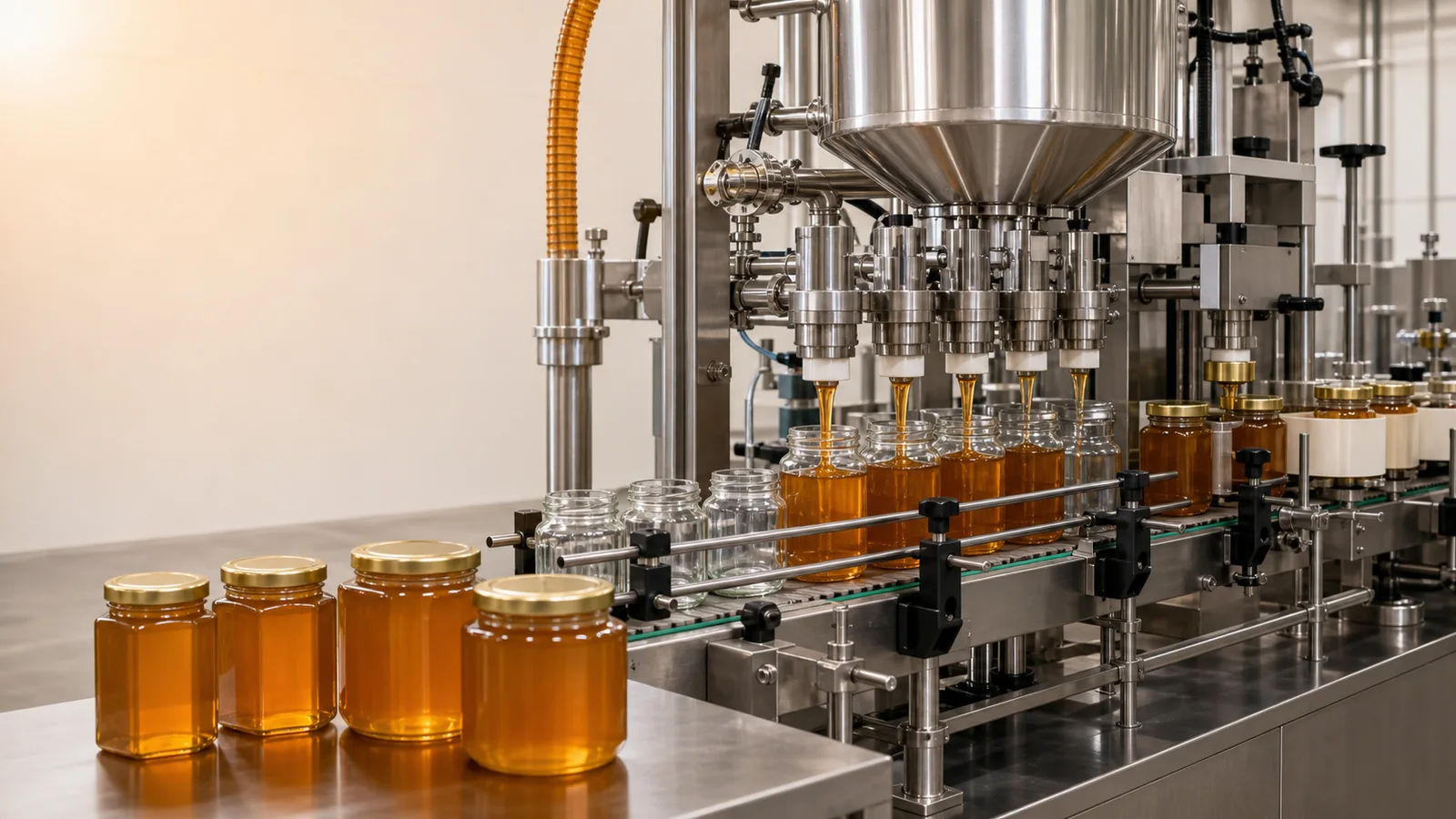
- Honey temperature and viscosity affect feeding and stringing; the bottle mouth structure determines whether to use direct heat sealing or induction sealing after screw capping. If the project does not use foil liners, the filling and screw capping route can be retained, with labeling and coding then integrated according to the bottle body space.
Solution summary prepared for you
- For honey bottling, first verify actual material temperature state, stringing, and bottle mouth cleanliness, then configure heated feeding, anti-drip filling nozzle, and servo piston filling machine.
- For direct film on the bottle mouth, choose an in-line heat sealing machine for bottles. For aluminum foil liner inside the cap, first screw cap automatically, then complete inner sealing through an in-line induction aluminum foil sealin...
- After the main sealing sample passes, the round and square bottle labeling machine and date batch inkjet coding machine are arranged according to bottle body surface and traceability content.
Route comparison
- Suitable for honey packaging with a flat bottle mouth, where an independent aluminum foil or composite film is already determined, and the film is sealed before handling the outer cap.
- Direct film and bottle mouth can be trial-sealed independently before screw capping, which is convenient for judging rim flatness, heat seal layer, and peel appearance.
- Film supply, bottle mouth cleanliness, and heat seal layer all need to be confirmed as a set; how the outer cap closes is not within the heat sealing machine's capability itself.
- When the formal packaging uses an induction liner inside the cap rather than an independent film, the direct heat sealing route should not be chosen.
- After honey is metered by a servo piston liquid filling machine, use an in-line heat sealing machine for bottles to handle the independent film, and finally arrange labeling.
- Suitable for honey bottles with threaded caps and matching aluminum foil liners that require inner sealing after screw capping.
- The automatic screw capping machine first brings the liner inside the cap into contact with the bottle mouth, and the in-line induction aluminum foil sealing machine then completes conditional inner sealing.
- Cap type, liner, bottle material, rim residual honey, and tightening state must be tested together; do not select the machine only by liner diameter.
- When there is no suitable induction liner inside the cap, or residual material on the bottle mouth is not resolved, induction sealing should not be locked in.
- Organize the cap liner route in the order of servo piston filling, automatic screw capping, in-line induction inner sealing, and bottle body labeling.
- Suitable for early-stage projects that need to verify honey temperature state, metering, and bottle mouth cleanliness, and have not yet frozen the aluminum foil sealing structure.
- Heated hopper, piston filling, and anti-drip nozzle can first converge the honey feeding problem; labeling and coding are then determined according to the bottle body.
- This combination does not preset an aluminum foil main seal. Whether heat sealing film or induction inner sealing is needed is still determined by the formal packaging materials and packaging requirements.
- When the sales packaging clearly requires an aluminum foil main seal, the process cannot end with only the outer cap and label.
- Use heated hopper and jacketed tank, servo piston liquid filling machine, and anti-drip components to complete feeding and filling, then connect round and square bottle labeling machine and date coding.
Associated Equipment / Consumables
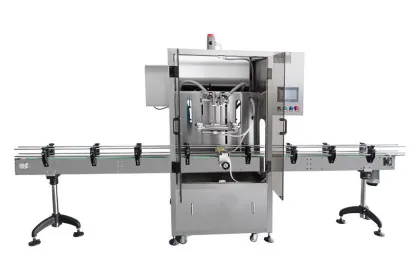 Servo Piston Liquid and Paste Filling Machine
The machine meters flowable liquids or viscous products within a trial-proven range; it is not universal for every liquid. Use the actual product and minimum/maximum container and dose to validate foam, stringing, par...
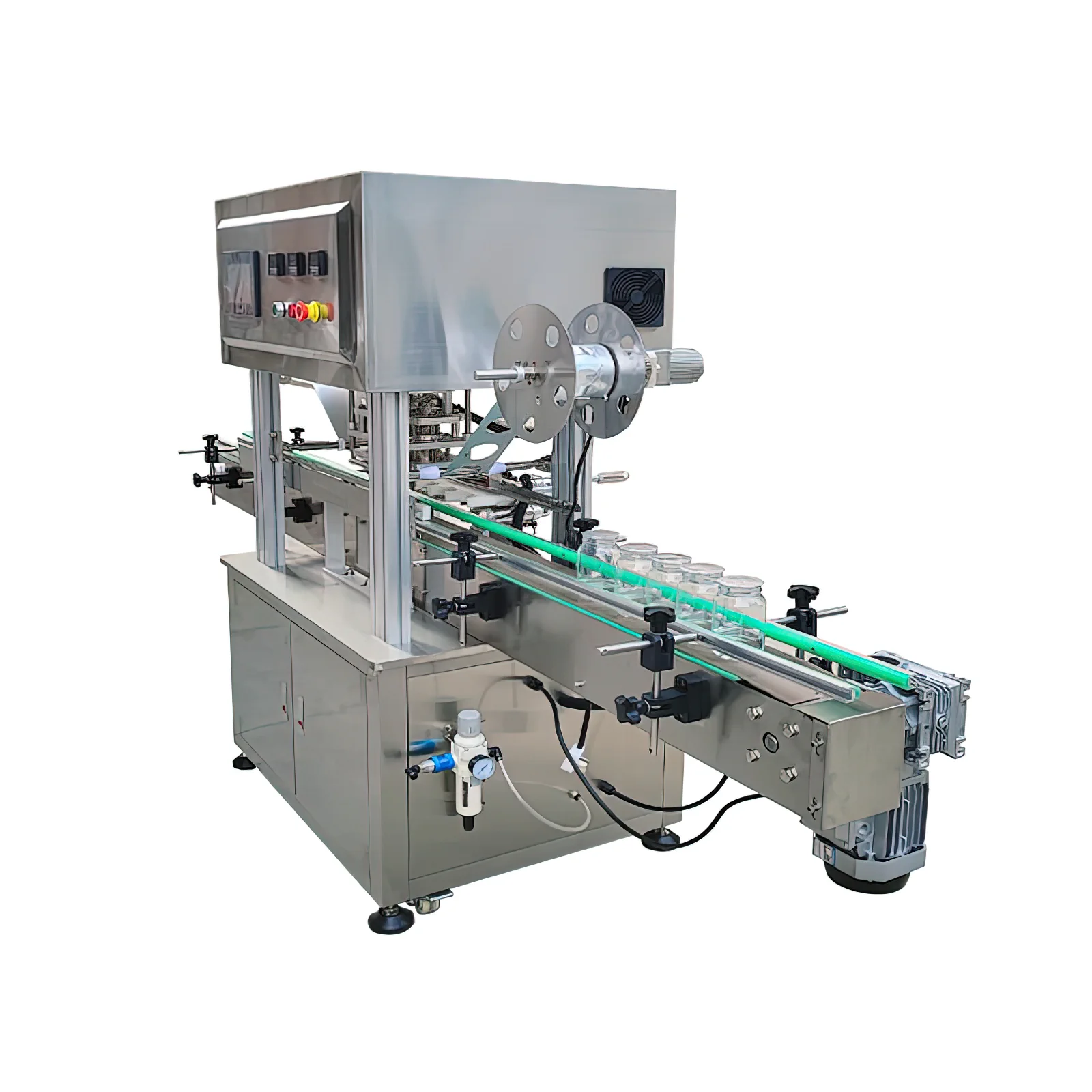 Inline Heat-Press Bottle Sealing Machine
Direct film heat sealing branch; Direct heat sealing film and cap induction liner are different structures and cannot be mixed as the same process just by calling them 'alumin...
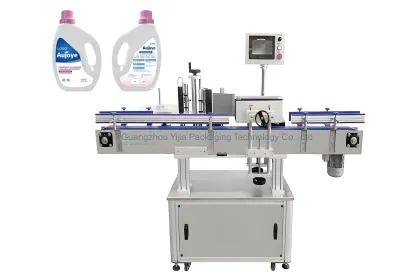 Round-Bottle and Front/Back Labelling Machine
Bottle body label and batch identification; For glass, plastic, and wide-mouth bottles, check body seams, curvature, and label adhesion separately; Round and square bottl...
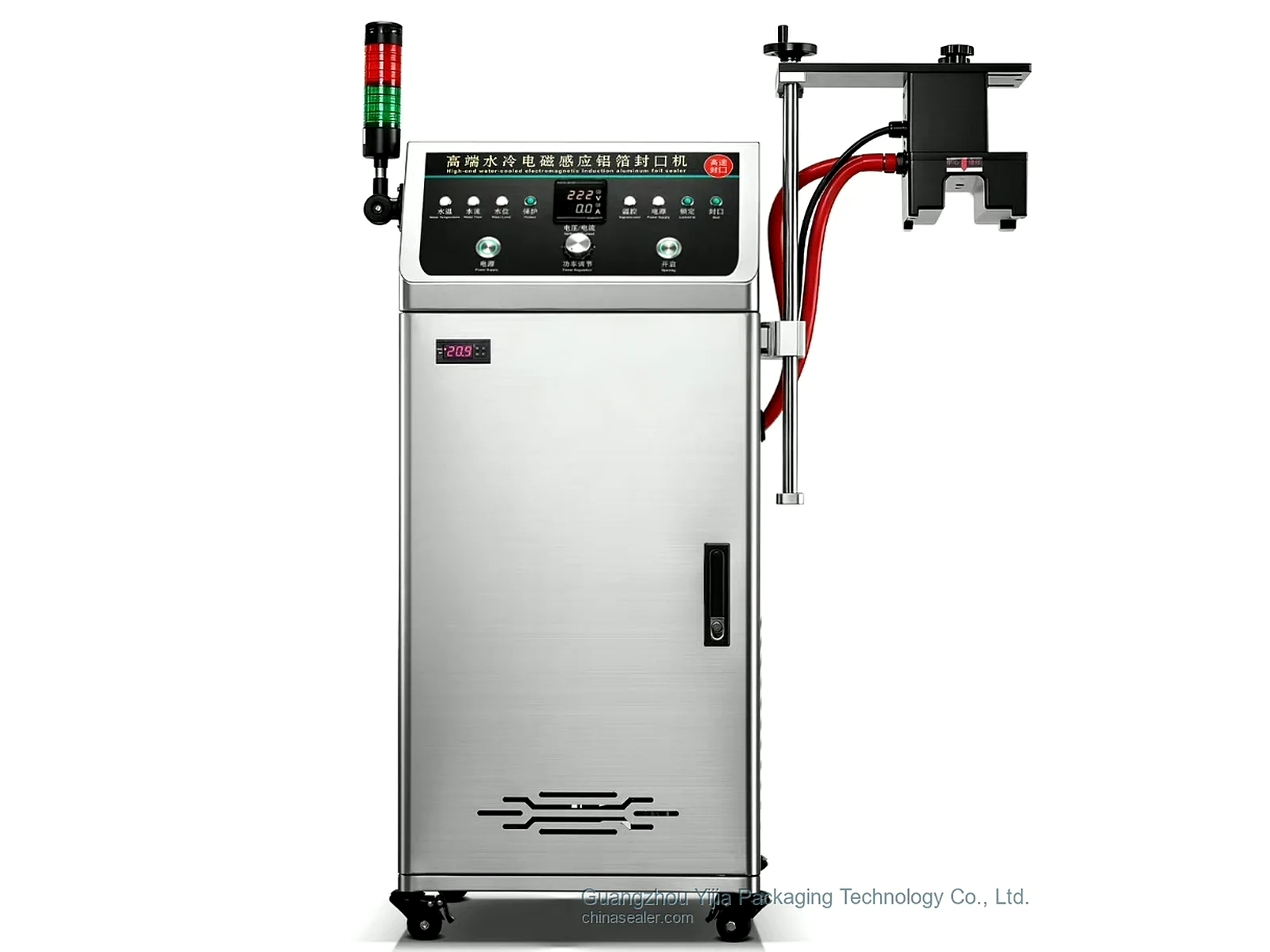 Inline Induction Foil Sealing Machine
Core process
Observe honey flow, stringing, and crystallization in the planned production environment, then determine how to combine heated hopper, jacketed tank, and anti-drip filling nozzle.
The servo piston liquid filling machine handles metered filling into bottles; nozzle position, finishing action, and cleaning boundaries are adjusted according to honey and main bottles.
When placing an independent film directly on the bottle mouth, an in-line heat sealing machine for bottles can be used. Film, rim, and heat seal layer need to be trial-sealed as a set.
When a matching aluminum foil liner is configured inside the cap, first use an automatic screw capping machine to establish compression, then use an in-line induction aluminum foil sealing machine to verify inner sealing.
The round and square bottle labeling machine positions based on the labelable surface of the bottle body, and the date batch inkjet coding machine completes traceability marking in a stable area.
Use honey, bottles, cap liners or independent films to establish a complete sample set, first select the correct main sealing branch, then decide how to integrate the main machine into the line.
Sample details
Observe honey flow, stringing, crystallization, and cleaning performance in the planned environment to determine feeding and filling nozzle structure.
Actual honey material, production state, target fill volume, crystallization behavior, and cleaning requirementsThe rim and body shape of glass, plastic, or wide-mouth bottles affect filling, sealing, and labeling simultaneously.
Main actual bottles, key bottle mouth dimensions, bottle material, standing state, and labelable surfaceClearly determine whether to use an independent heat sealing film or an induction liner inside the cap, and provide the cap and corresponding film material as a set.
Cap, liner or heat sealing film, heat seal layer information, assembly direction, and target opening methodLabel layout, printing content, and continuous bottle spacing are checked after the main sealing route is determined to avoid conflicts with downstream and clamping positions.
Label roll samples, date batch content, target speed, conveying direction, and existing equipmentWhen information is incomplete, first list known packaging structures and gaps, and freeze tooling, change parts, and acceptance methods after actual samples are completed.
Existing photos and dimensions, project stage, sample shipping plan, delivery time, and on-site conditionsCommon selection mistakes
The key to honey bottling is not just accurate quantity; residual honey on the bottle mouth will continue to affect heat sealing film, screw cap liner, or induction inner sealing.
Different temperature states and crystallization behavior will change flow and stringing, so you cannot pre-set heating temperature or default to one feeding method.
Direct film heat sealing relies on an independent film, while induction inner sealing relies on a cap liner and screw cap compression. The two equipment chains are different.
Only when the cap and liner match, the bottle mouth is clean, and screw capping is stable, does induction sealing have a basis for verification.
Bottle curvature, seams, and surface residue affect label adhesion, and completion of the main seal does not mean labeling conditions are determined.
View detailed technical notes
First Clarify Honey State and Packaging Structure
The first step in honey bottling is to observe the temperature state, stringing and crystallization with actual product, then determine whether the bottle mouth uses a separate heat-seal film or an induction liner pressed by a screw cap.
Filling Configuration Starts from the Actual Honey
The heated hopper, jacketed tank, drip-free filling nozzle and servo piston liquid filler need to be tested together with the product; the configuration is only responsible for the agreed honey and production conditions.
Direct Film Sealing Uses Inline Heat Sealing
When a separate aluminum foil or composite film directly covers the bottle mouth, the inline heat sealing machine completes trial sealing based on the rim plane, the heat-seal layer of the film material and the clean state after filling. This route is suitable for packaging that seals the film first and then handles the outer cap, and does not use the cap liner induction logic.
Cap Liner: Screw Cap First, Then Induction Sealing
When a matching aluminum foil liner is placed inside a threaded cap, the automatic screw capper first establishes liner contact, and the inline induction foil sealing machine then verifies the seal. Cap type, bottle material and residual honey all affect the result, so the capping station cannot be skipped.
Complete Filling Sample Approval Before Packaging Materials Are Finalized
If the main sealing structure is not yet frozen, you can first use heated feeding, piston filling and drip-free components to determine bottling quality, and then choose the heat sealing or induction branch based on the formal film and cap samples. Labeling and coding are only configured after the bottle body and sealing are stable.
Clean Bottle Mouth Connects Filling and Sealing
After honey filling, the bottle mouth residue, stringing and liquid level should be checked simultaneously to avoid contaminating the contact area of the subsequent film or cap liner.
Labeling and Coding Are Trialed Separately for Each Main Bottle
Round bottles, square bottles and wide-mouth bottles have different straightening and labeling surfaces; label roll material, bottle body seams and date area all need to be positioned with formal samples.
Complete Documentation Is Used to Freeze the Full Route
Only when honey, filled bottles, cap liners or direct films, labels, fill volume and planned cycle time are all in place can the changeover parts and acceptance boundaries be confirmed.
Common questions
Does honey filling always require heating?
Not necessarily. You should check the flow, stringing, and crystallization of honey in the actual environment, and only configure heating if the supply really requires it, and confirm the working state through samples.
Can filling and aluminum foil sealing be completed continuously?
They can be combined into a line, but filling and the main sealing are still separate stations. Whether to choose direct heat sealing film or induction inner sealing after screw capping depends on the bottle mouth and packaging material structure.
Can a honey solution be made first when samples are not yet available?
Photos and dimensions are enough to initially distinguish between the direct heat sealing film route and the cap liner route. Filling finishing, tooling, and actual sealing must wait until the honey and complete packaging materials are available.
How to determine the order of aluminum foil inner sealing and screw capping?
The induction route must first screw the cap so that the liner inside the cap fits against the bottle mouth. Direct heat sealing of an independent film is usually done before the outer cap, and the outer cap arrangement is determined separately according to the packaging design.
Can honey round bottles and square bottles share a labeling station?
Sharing can be evaluated within the sample range, but round bottles, square bottles, and wide-mouth bottles have different bottle holding, labeling surface, and sensing references. When differences are large, change parts are needed.
Does small-batch honey require a fully automatic line?
There is no need to configure a complete line at the beginning. First verify feeding, piston filling, and the selected main sealing, then add labeling, coding, and conveying based on order stability.