Solution topic
How to Choose Can Filling and Sealing for Pet Food? Start With Contents and Can Type
For pet food can filling and sealing, first confirm container, material, film, cap type, capacity, and on-site line integration needs. The equipment route includes sample and container confirmation, sealing and capping main machine, post-sealing inspection and marking. Submit sample photos, dimensions, and target capacity to facilitate equipment matching and quotation.
- Pet can sealing should not be selected by sealing machine name alone. First confirm can mouth, film material, cap type, and output target, then decide between heat-press sealing, can seaming, or sealing and capping line.
- How to Choose Sealing and Cap Pressing for Pet Food Cans
Start With the Current Production Conditions
I want to seal pet food cans and need cap pressing. What equipment should I choose?
First determine the packaging route
Pet can sealing should not be selected by sealing machine name alone. First confirm can mouth, film material, cap type, and output target, then decide between heat-press sealing, can seaming, or sealing and capping line.
Heat-Press Aluminum Foil Sealing + Cap Pressing Route
Suitable for: Projects with paper cans, plastic pails, or composite cans with flat rims, requiring foil sealing first then cap pressing. Advantages: Sealing and capping can be done on one machine, reducing process steps. Limitations: Rim flatness and foil material compatibility need sample testing. Not recommended: For metal rims or roll-on closures, evaluate can seaming route. Equipment direction: Paper can/plastic pail foil sealing and capping machine can complete both sealing and capping.
Metal can double seam route
Suitable for: Standard metal cans (three-piece or two-piece), with seamed lids requiring high seal integrity. Advantages: Mature seaming structure, suitable for high-speed continuous production. Limitations: Lid and can body dimensions must match; changeover requires replacing seaming rolls and can support. Not recommended: When can body is paper or plastic, seaming is not applicable; use heat sealing route instead. Equipment direction: Can seamer for metal or paper cans.
Heat-press Sealing + Standalone Cap Pressing Route
Suitable for: Projects where the can mouth needs to be heat-sealed first and then capped separately, or where the existing sealing machine already meets the film sealing requirement and only a post-capping station is needed. Advantages: Separate configuration for film sealing and capping offers high flexibility. Limitations: Requires verification of can mouth size, film and cap structure, and the conveying connection between the two machines. Not recommended: For high capacity requirements or limited space, consider an integrated machine to reduce footprint and intermediate buffering. Equipment direction: Large-diameter drum hot press sealing machine for film sealing, paired with an automatic screw capping machine or cap sorting and capping system for capping.
Recommended equipment route: Sample and container confirmation
Use physical samples to confirm can-mouth size, film compatibility, and lid structure, avoiding later configuration errors.
Recommended Equipment Route: Main Sealing and Cap-pressing Machine
Can complete foil film heat-press sealing and outer-cap pressing together, suitable for paper-can and plastic-pail pet food cans.
Recommended Equipment Route: Downstream Inspection and Marking
After sealing and capping, production date and batch number printing plus labeling are needed for traceability and brand display.
Route comparison
- Suitable for paper cans, plastic pails, or composite cans with flat mouths, where foil film is sealed first and the outer lid is pressed afterward.
- Film sealing and cap pressing can be completed on one machine, reducing process connection work.
- The can rim flatness and film compatibility should be confirmed with sample sealing tests.
- If the can mouth is metal or requires a seamed structure, a can seaming route should be evaluated.
- Paper can or plastic pail foil film sealing and capping machine; it can complete both sealing and capping.
- Suitable for standard metal cans, such as two-piece or three-piece cans, that require seamed lids and high sealing reliability.
- mature can seaming structure, suitable for high-speed continuous production.
- Can lid and can body dimensions must match; changeover requires changing seaming rollers and can lifter plates.
- If the can body is paper or plastic, seaming is not suitable. Use heat sealing instead.
- can seamer for seaming metal cans or paper cans.
- Projects where the can mouth requires heat sealing film first and then separate capping, or where the existing sealer already meets the film sealing needs and only a post-capping station is required.
- film sealing and press capping can be configured separately for higher flexibility.
- Can-mouth dimensions, film material, cap structure, and conveyor connection between two machines should be confirmed.
- When output is high or floor space is limited, evaluate an integrated machine to reduce footprint and intermediate buffering.
- A large-diameter pail heat-sealing machine seals the film first, then an automatic capping or cap-feeding system can press the outer lid.
Core process
Associated Equipment / Consumables
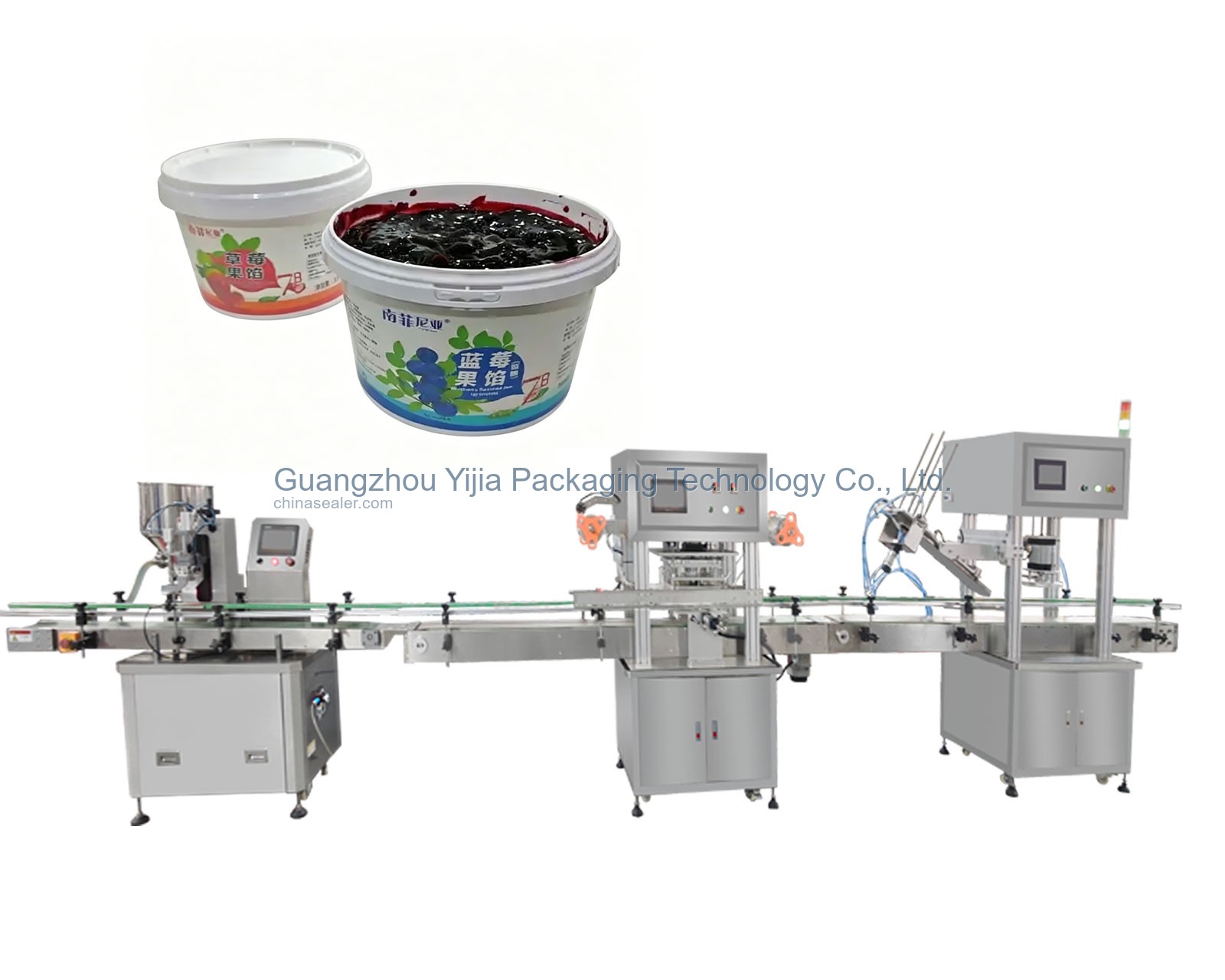 Paper Can / Plastic Pail Aluminum Foil Sealing and Capping Machine
Sample and container confirmation; Use physical samples to confirm can-mouth size, film compatibility, and lid structure, avoiding later configuratio...
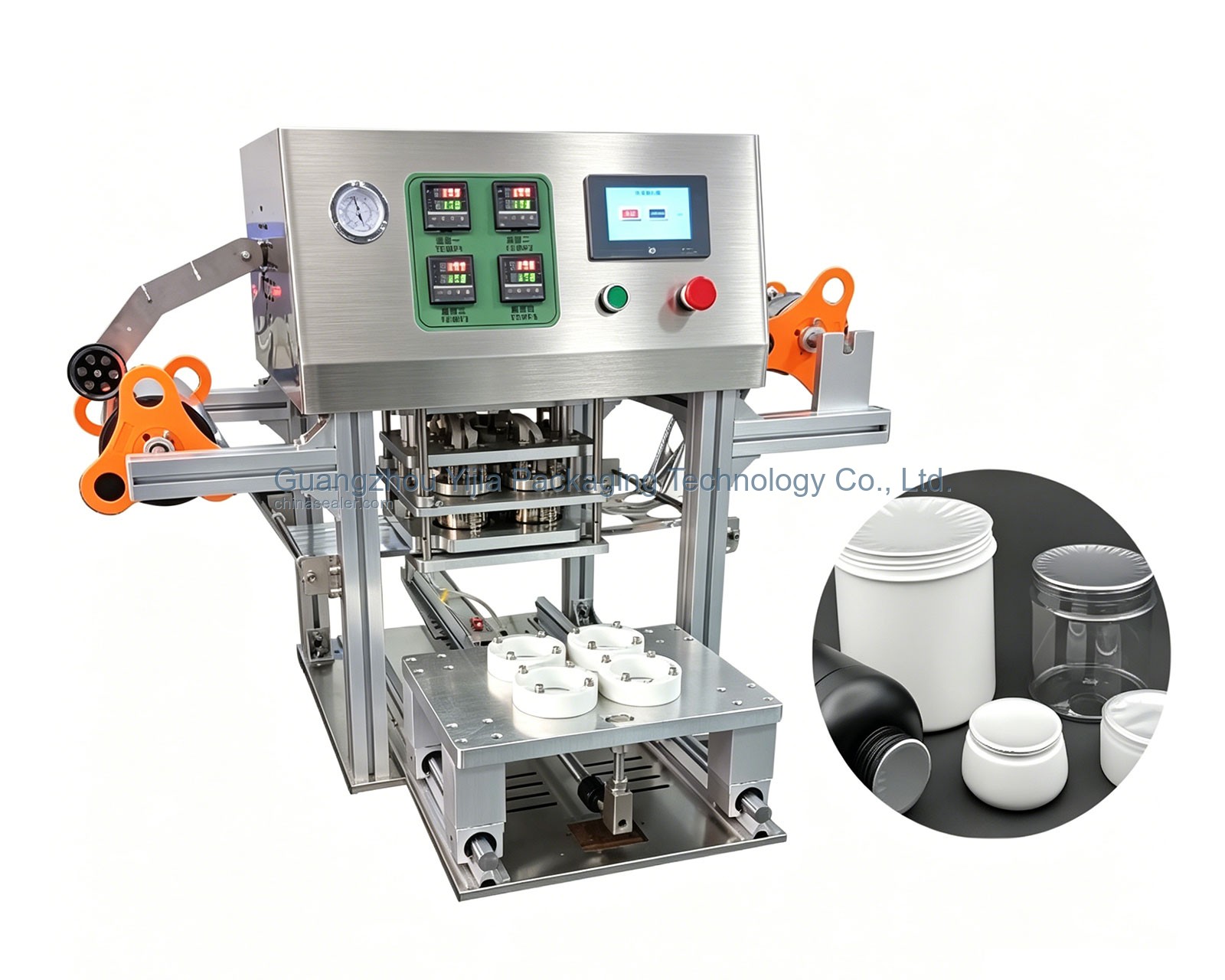 Bottle, Pail, Can Sealing Machine
Sample and container confirmation; Use physical samples to confirm can-mouth size, film compatibility, and lid structure, avoiding later configuration errors; Can, Film and Cap Samples
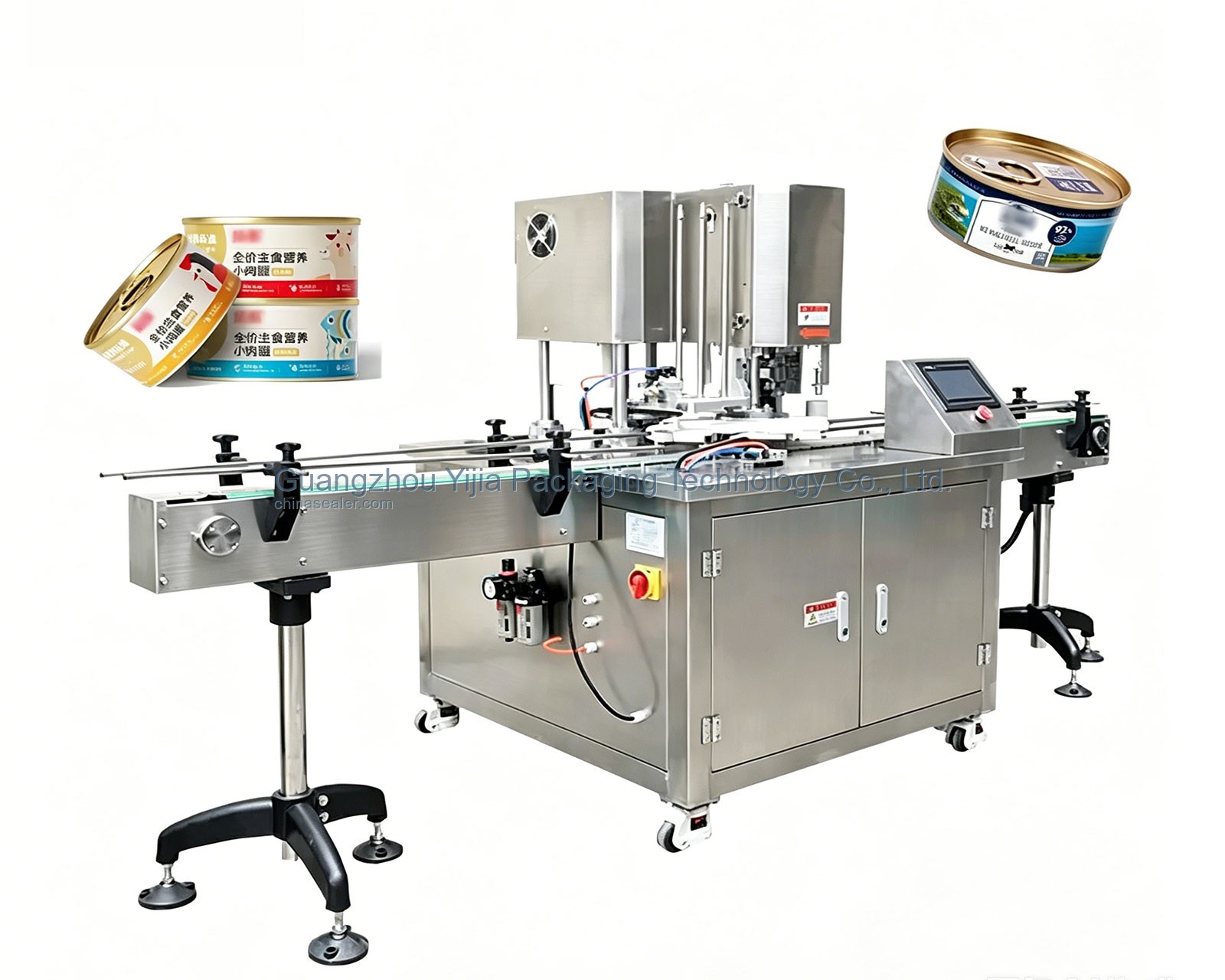 Can Seaming Machine
Main Sealing and Cap-Pressing Machine; Can complete foil film heat-press sealing and outer-cap pressing together, suitable for paper-can and plastic-pail pet food cans; Paper can/plastic pail alum...
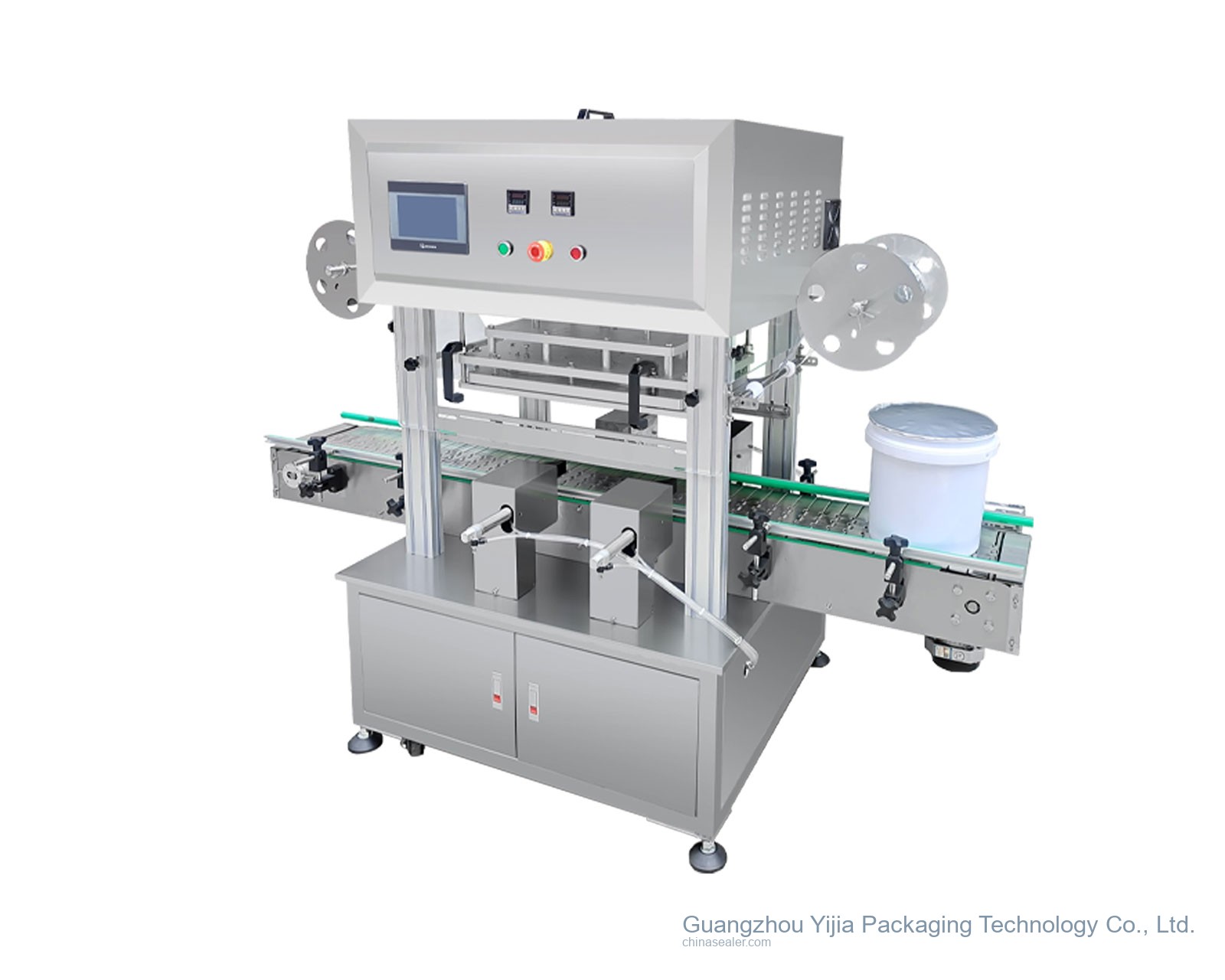 Large-Diameter Pail Heat Seal Sealer
Main Sealing and Cap-Pressing Machine; Can complete foil film heat-press sealing and outer-cap pressing together, suitable for paper-can and plastic-pail pet food cans; Paper can/...
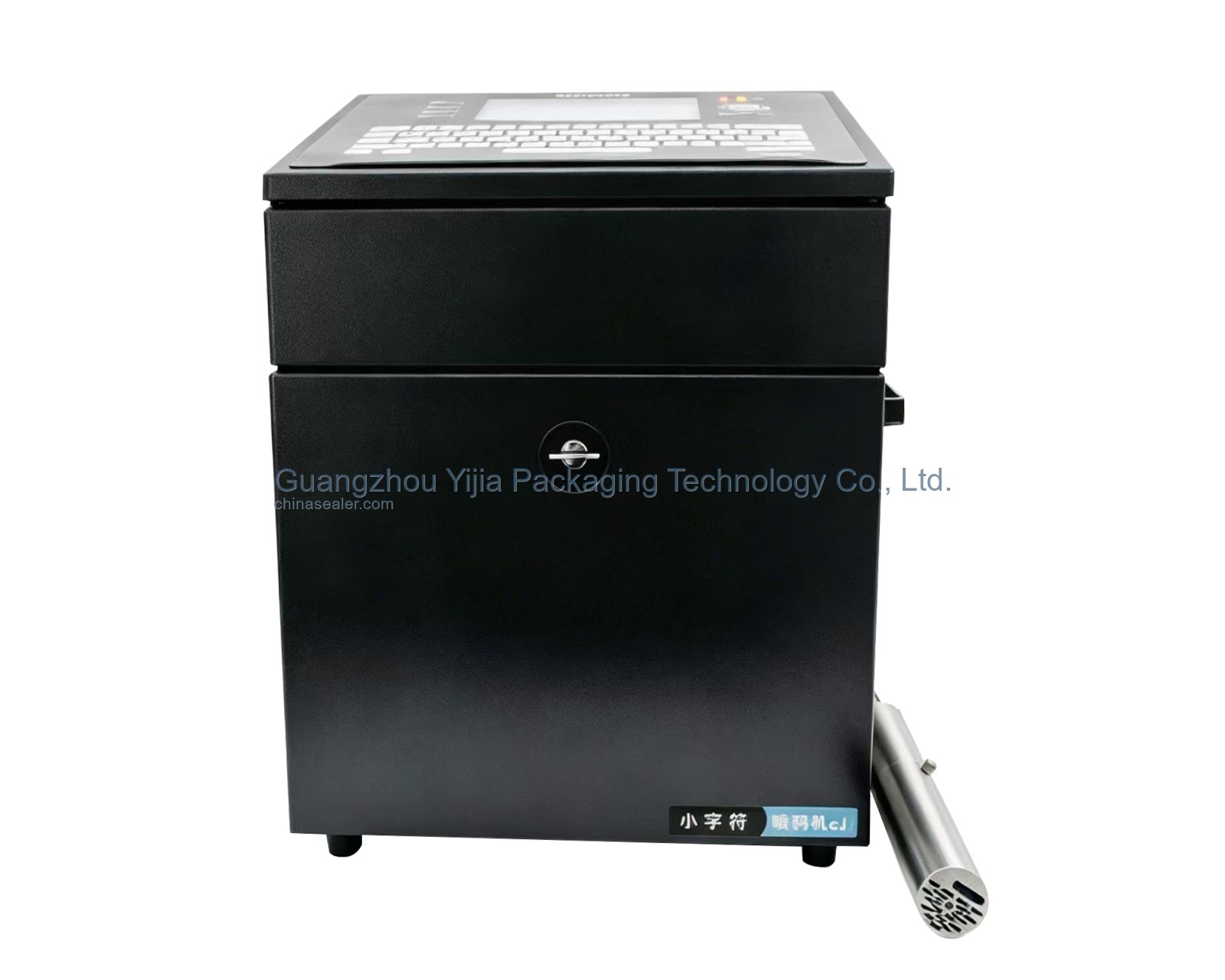 Date & Batch Inkjet Printer
Downstream Inspection and Marking; After sealing and capping, production date and batch number printing plus labeling are needed for traceability and brand display; Date/Batch Coding Machi...
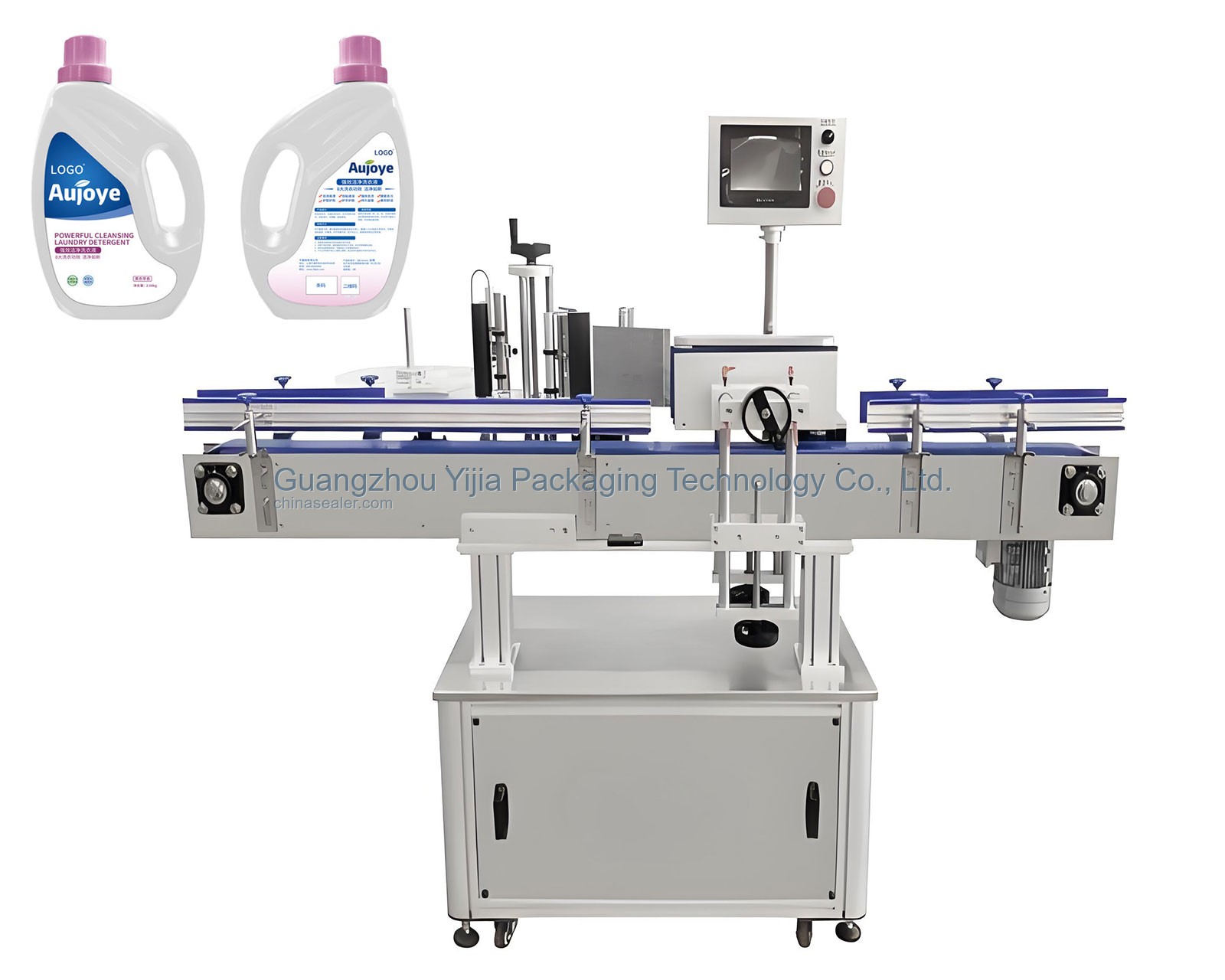 Round & Square Bottle Labeling Machine
Downstream Inspection and Marking; After sealing and capping, production date and batch number printing plus labeling are needed for traceability and brand display; Date/Batch C...
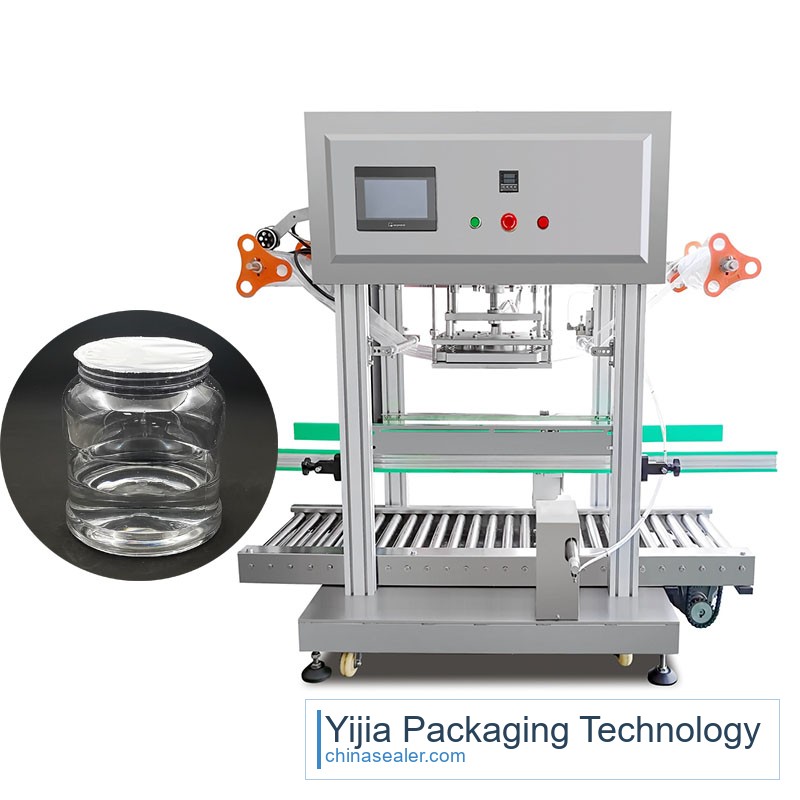 Bottle Inline Heat Press Sealer
Sample and container confirmation; Use physical samples to confirm can-mouth size, film compatibility, and lid structure, avoiding later configuration errors; Can, Film and Cap Samples
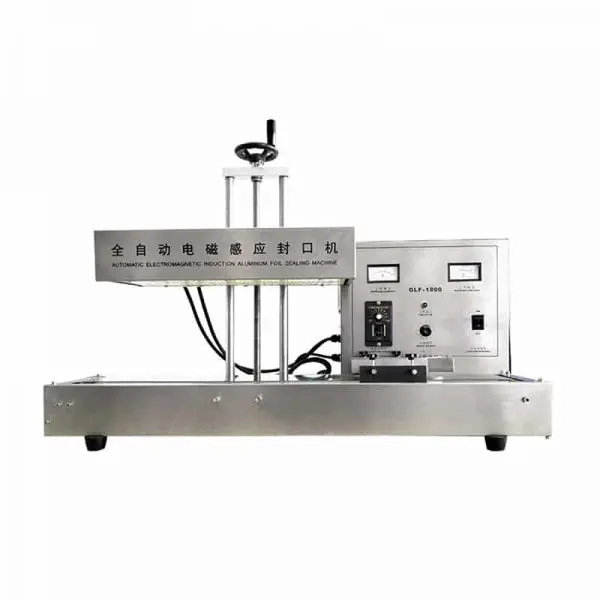 Benchtop Air-Cooled Induction Aluminum Foil Sealer
Main Sealing and Cap-Pressing Machine; Can complete foil film heat-press sealing and outer-cap pressing together, suitable for paper-can and plastic-pail pet food ca...
Sample details
Photos and dimensions can first determine container positioning, mold direction, and whether sample testing is needed.
Can samples or mouth photos and dimensions, including diameter, height, and mouth shape, help confirm tooling and sealing range.Film material and liner affect sealing temperature, pressure, dwell time, and feeding method.
Film samples or specifications, including material, thickness, and peelability, are used for sealing-parameter testing.The lid structure determines the capping method (press, screw, or place) and whether inline integration is needed.
Cap sample or photo, including outer cap type, size, and material, is used for cap-pressing head configuration.Capacity target determines single machine, semi-automatic, or continuous inline configuration, and also affects the quotation range.
Target output, such as cans per hour or per day, affects station count and line connection method.Site conditions affect electrical control, pneumatics, conveyor length, and safety protection configuration.
On-site space or layout sketch helps determine whether to use standalone machines or an integrated line.Photos and dimensions can first determine container positioning, mold direction, and whether sample testing is needed.
If the information is not complete, send available photos and dimensions first. We will judge the route first and then provide a confirmation checklist.Common selection mistakes
Common questions
Yes. First send can sample photos, approximate dimensions, and target capacity. We will determine the route first, then list the samples needed.
Can samples or dimensions, film samples, lid samples, target output, and site-space information are needed.
High-output projects may need multi-station or connected-line equipment; low-output projects can start with a stand-alone machine and upgrade later.
Different films vary in sealing temperature, pressure, and sealing performance, so sample testing is needed to confirm matching parameters.
Sealing performance should be confirmed by sample, film, and parameter testing, not by machine model alone.
If filling is already upstream or coding and labeling are needed downstream, and output is stable, line connection can be considered.