Solution topic
How to Choose Sealing and Custom Packaging for Irregular Containers? Start With Rim, Film Material and Cap Structure
Sealing irregular cups, irregular boxes, irregular bottles, and irregular bags should not be judged by machine name alone. First confirm rim shape, film type, lid structure, and target output, then decide between heat-press sealing, induction sealing, screw capping, or press capping.
- Sealing irregular cups, irregular boxes, irregular bottles, and irregular bags should not be judged by machine name alone. First confirm rim shape, film type, lid structure, and target output, then decide between heat-press sealing, induction sealing, screw capping, or press capping.
- How to Choose Sealing and Custom Packaging for Irregular Containers
Start From Samples and Target Output
My product is an irregular container, such as a square box, oval bottle, or multi-compartment tray. How to choose a sealing machine? Is custom packaging always necessary?
First determine the packaging route
Sealing irregular cups, irregular boxes, irregular bottles, and irregular bags should not be judged by machine name alone. First confirm rim shape, film type, lid structure, and target output, then decide between heat-press sealing, induction sealing, screw capping, or press capping.
Heat-press Sealing Route (Suitable for Irregular Cups, Boxes, Trays)
Suitable for: Irregular cups, multi-compartment meal trays, and trays with flat rims, using roll film or pre-cut film for hot press sealing. Advantages: Molds customized to container rim, uniform sealing edge, suitable for multi-compartment or irregular structures. Limitations: Requires container samples for mold making; film and sealing parameters need testing. Not recommended: If the container rim is uneven or the film cannot match, consider rim correction or film change first. Equipment direction: We can provide rotary multi-station sealing machines, desktop multi-compartment meal tray sealing machines, and pre-formed tray sealing machines, with molds customized to the container rim.
Induction Aluminum Foil Sealing Route (Suitable for Irregular Bottles, Wide-mouth Bottles)
Suitable for: Irregular plastic or glass bottles with aluminum foil liner inside the cap, sealed by induction heating. Advantages: Non-contact sealing, independent of container rim shape, suitable for screw cap containers. Limitations: Cap must press the foil liner; cap type and torque affect seal quality. Not recommended: If container material is metal or cap has no foil liner, induction sealing cannot be used. Equipment direction: We offer water-cooled induction foil sealers, benchtop air-cooled induction foil sealers, and inline induction foil sealers, configured by diameter and output.
Capping / Cap Pressing Route (Suitable for Irregular Bottles, Irregular Cans)
Suitable for: Irregular bottles and cans using screw caps, press-on caps or inner plugs. Advantages: Flexible cap structure, can be paired with leak-proof gaskets, suitable for multiple-use scenarios. Limitations: Need to confirm cap-to-neck fit, torque and conveying stability. Not recommended: When the container neck has non-standard threads or the cap shape is special, custom capping heads or press molds are required. Equipment direction: We offer automatic screw cappers, automatic screw/press cappers and can seamers, configured according to cap type and diameter.
Recommended equipment route: Sample and container confirmation
The rim shape and size of irregular containers affect tooling design and sealing performance.
Recommended Equipment Route: Main Sealing Equipment
Customize tooling according to the container rim for heat-press sealing, suitable for irregular cups and multi-compartment boxes.
Recommended Equipment Route: Consumables and Tooling Confirmation
Film type and tooling accuracy affect sealing quality and changeover efficiency.
Recommended Equipment Route: Downstream Inspection and Marking
Configure coding or labeling according to product marking requirements, either in line or as a standalone station.
Route comparison
- Suitable for irregular cups, multi-compartment lunch boxes, and trays with flat rims, using roll film or pre-cut film for heat sealing.
- Tooling is customized according to the container rim, giving an even sealing edge for multi-compartment or irregular structures.
- Container samples are needed for tooling, and film material plus sealing parameters must be tested.
- If the container rim is uneven or the film does not match, evaluate rim correction or film replacement before production.
- We offer rotary multi-station sealers, tabletop multi-compartment tray sealers, and preformed tray sealers, with custom molds based on the container rim.
- Suitable for irregular plastic or glass bottles where the cap contains a foil liner and sealing is completed by induction heating.
- Non-contact sealing does not depend on rim shape and suits threaded-cap containers.
- The cap must press the aluminum foil liner tightly; cap type and torque affect sealing performance.
- Induction sealing cannot be used when the container is metal or the cap has no aluminum foil liner.
- We can provide water-cooled induction aluminum foil sealers, benchtop air-cooled induction aluminum foil sealers, and inline induction aluminum foil sealers, configured according to cap diameter and capacity.
- Suitable for irregular bottles or cans using screw caps, press caps, or inner plugs.
- Flexible cap structures can work with leak-proof liners and suit repeated-use packaging.
- Confirm cap-to-bottle fit, torque, and conveyor stability.
- If the container mouth has non-standard threads or a special cap shape, a custom capping head or pressing mold is needed.
- We can provide automatic capping machines, automatic capping and pressing machines, and can seamers, with tooling configured by cap type and mouth diameter.
Core process
Associated Equipment / Consumables
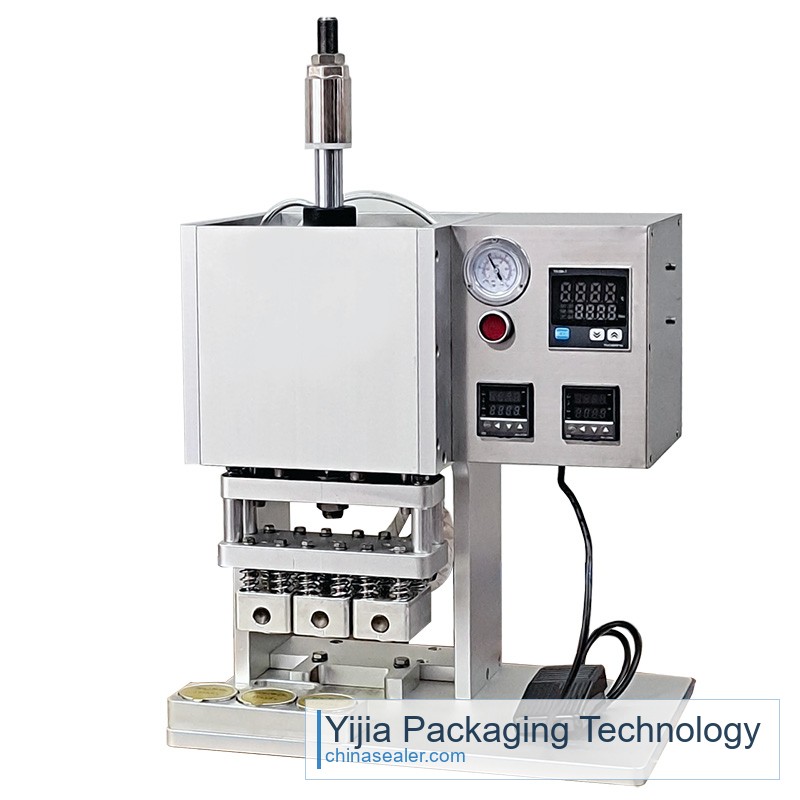 Small-Diameter Cup Sealer SGP-03
Sample and container confirmation; The rim shape and size of irregular containers affect tooling design and sealing performance; container samples, rim dimensions, film or lid samples
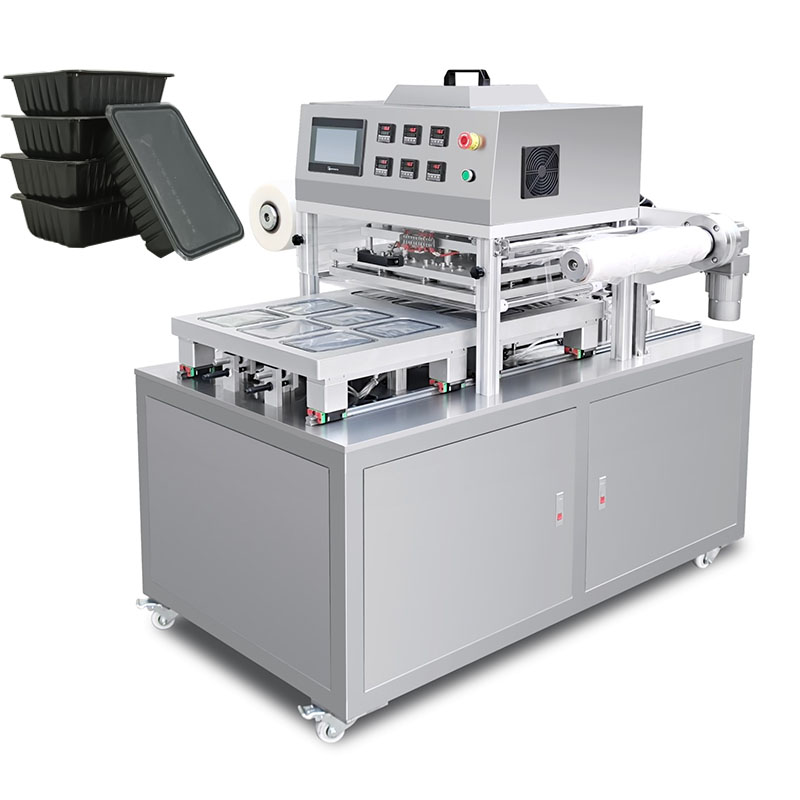 Tray MAP Sealer
Sample and container confirmation; The rim shape and size of irregular containers affect tooling design and sealing performance; container samples, rim dimensions, film or lid samples
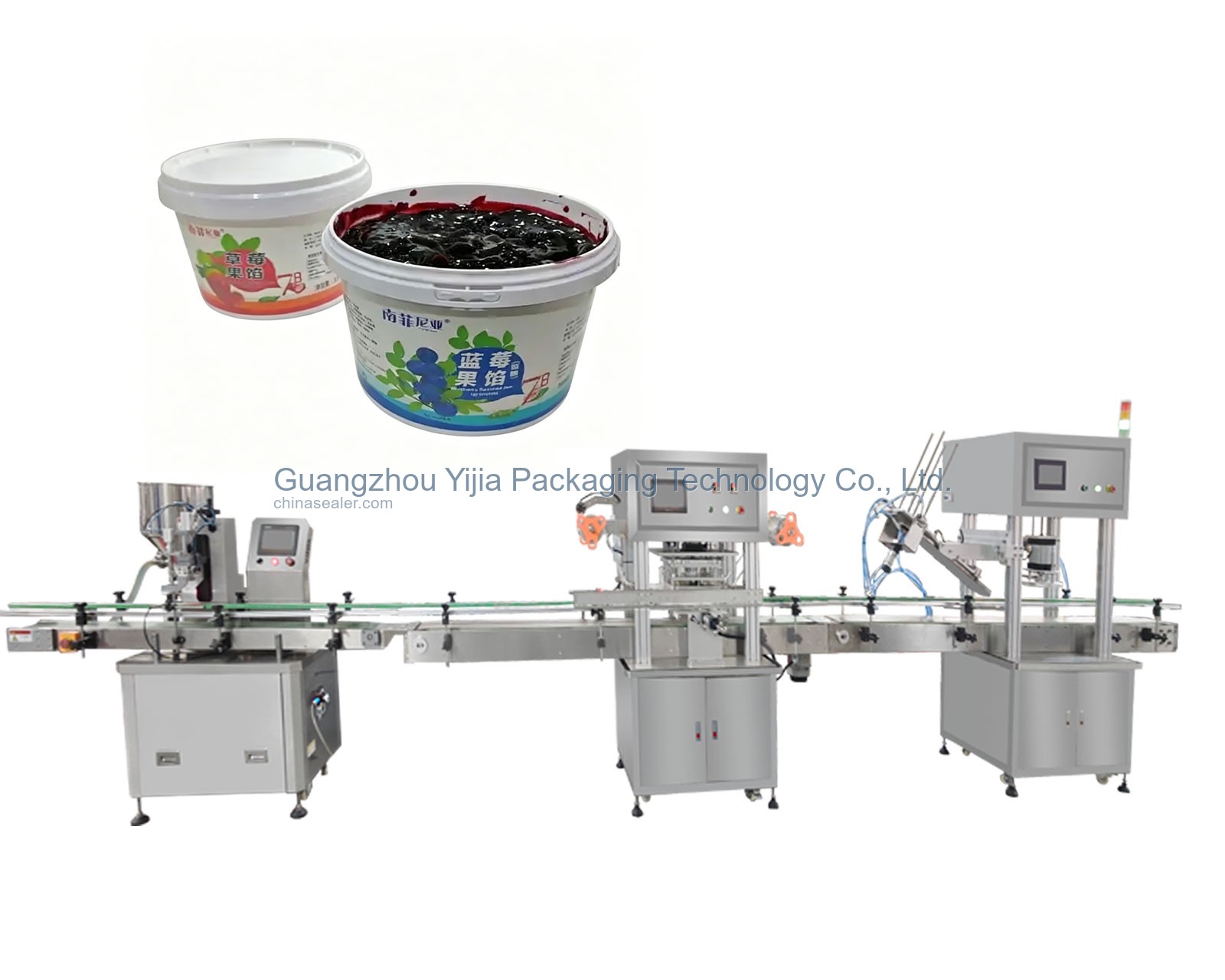 Paper Can / Plastic Pail Aluminum Foil Sealing and Capping Machine
Consumables and Tooling Confirmation; Film type and tooling accuracy affect sealing quality and changeover efficiency; sealing film, roll film or pre...
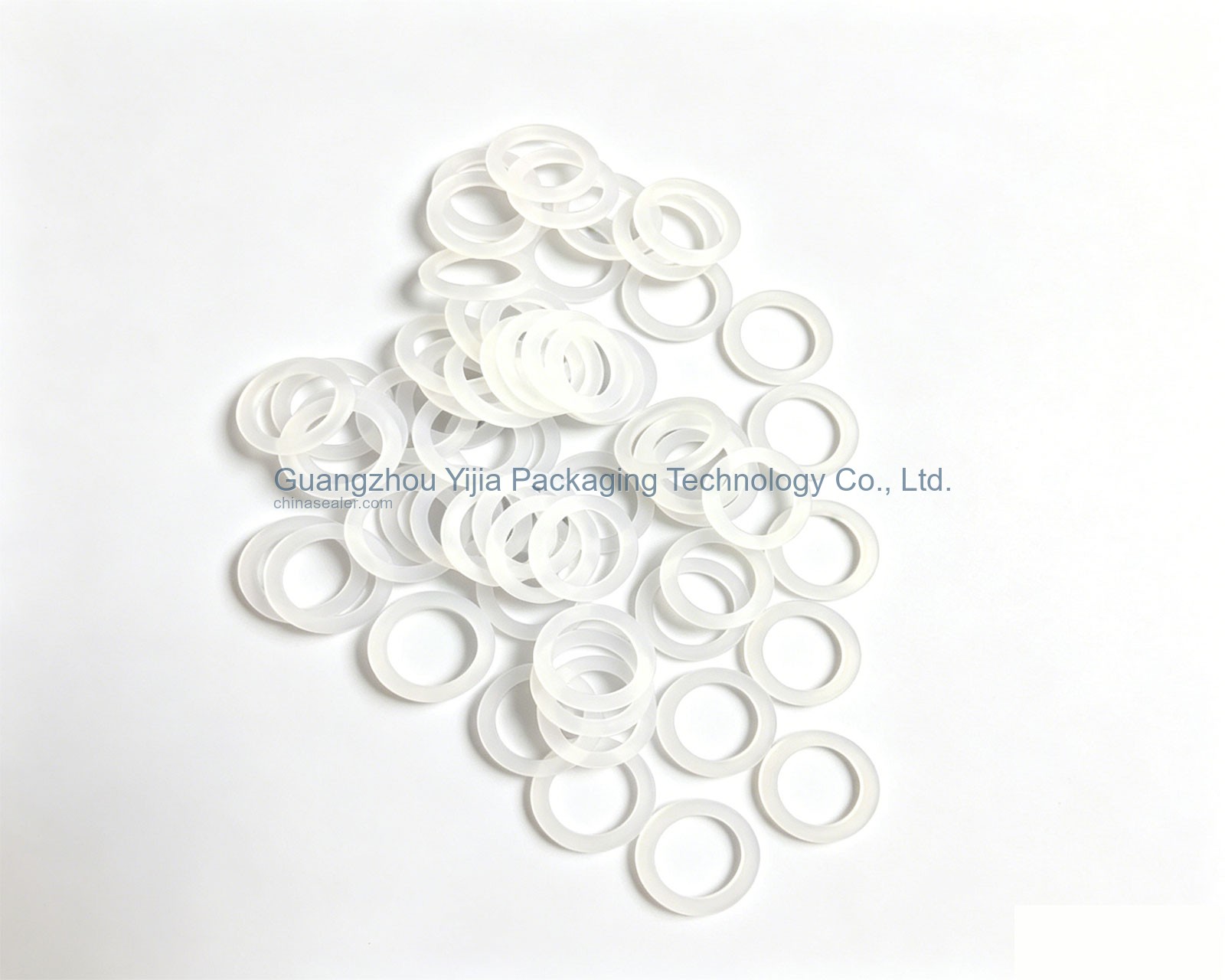 Food-Grade Seals, Cleaning Consumables, and Changeover Parts
Consumables and Tooling Confirmation; Film type and tooling accuracy affect sealing quality and changeover efficiency; sealing film, roll film or pre-cut f...
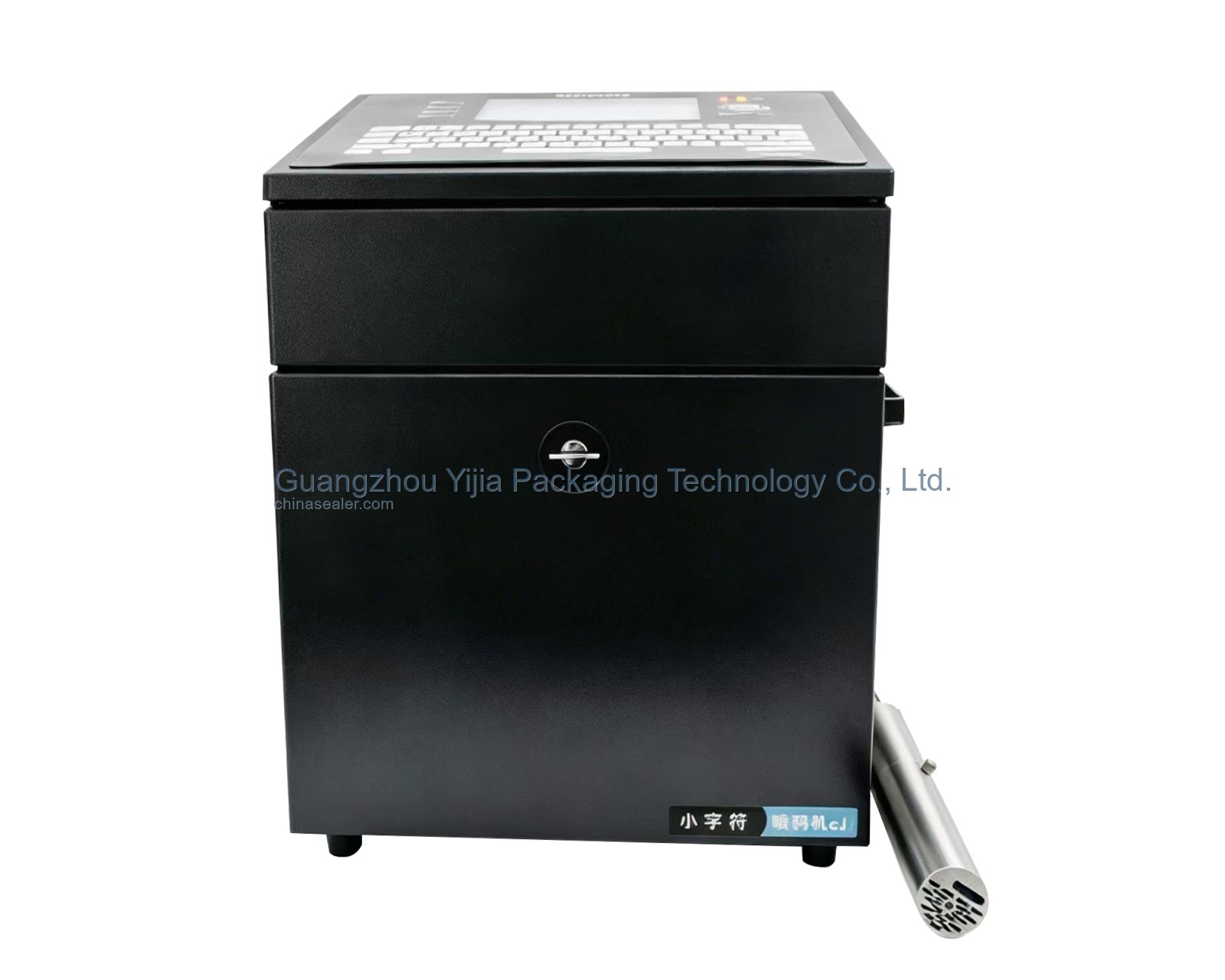 Date & Batch Inkjet Printer
Downstream Inspection and Marking; Configure coding or labeling according to product marking requirements, either in line or as a standalone station; Date/Batch Coding Machine or Round/Squ...
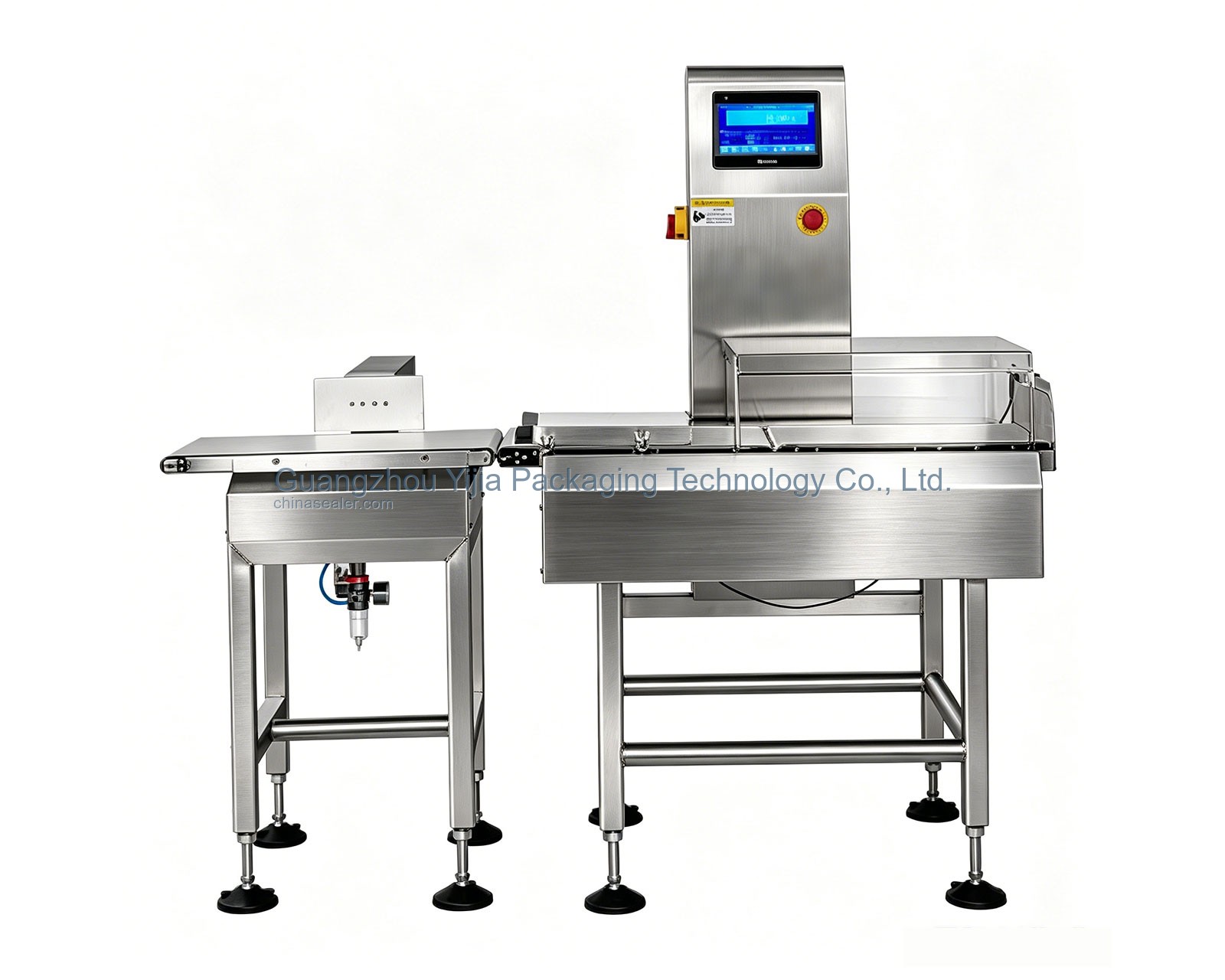 Inline Checkweigher
Downstream Inspection and Marking; Configure coding or labeling according to product marking requirements, either in line or as a standalone station; Date/Batch Coding Machine or Round/Square Bott...
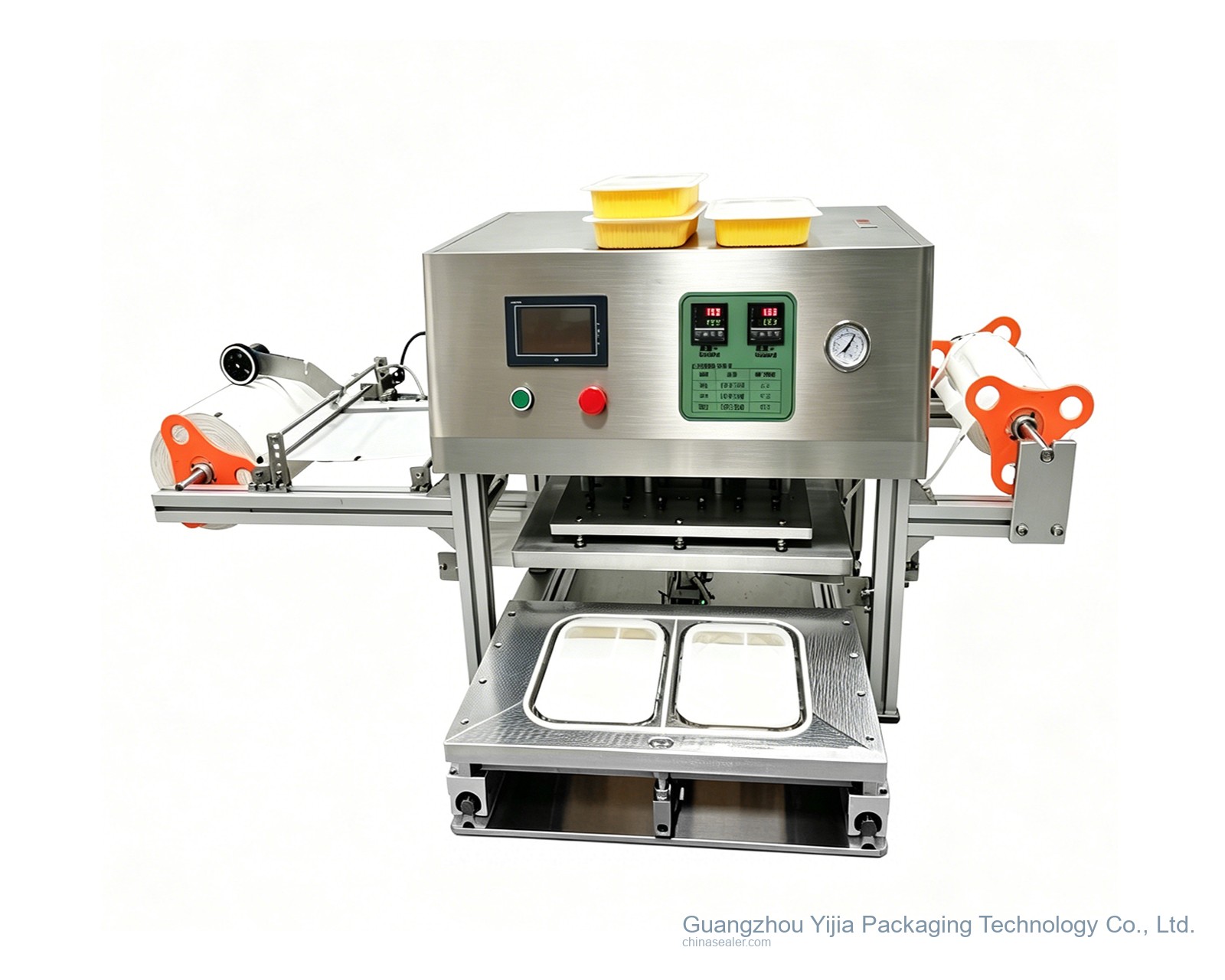 Desktop Multi-Compartment Lunch Box Sealer
Sample and container confirmation; The rim shape and size of irregular containers affect tooling design and sealing performance; container samples, rim dimensions, film or l...
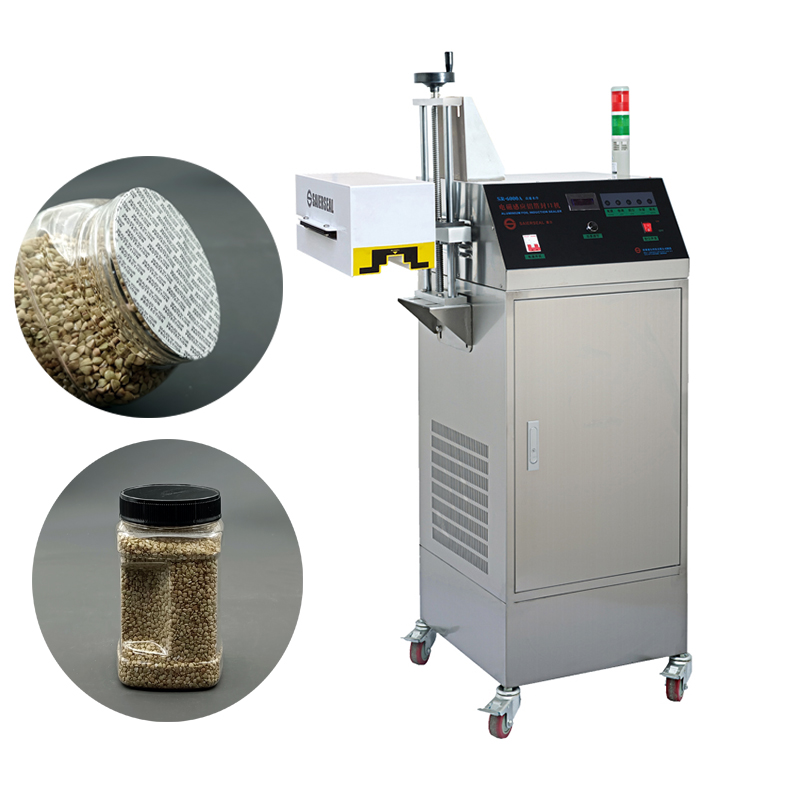 Water-Cooled Induction Aluminum Foil Sealing Machine
Sample and container confirmation; The rim shape and size of irregular containers affect tooling design and sealing performance; container samples, rim dimensions,...
Sample details
Photos and dimensions can first determine container positioning, mold direction, and whether sample testing is needed.
Container photos or videos showing rim shape, dimensions, and material help judge tooling and sealing method.Photos and dimensions can first determine container positioning, mold direction, and whether sample testing is needed.
Container samples or dimension drawings should at least include length, width, height, and rim width for tooling design and equipment selection.The lid structure determines the capping method (press, screw, or place) and whether inline integration is needed.
Sealing film or cap samples: film material, thickness, and foil liner structure all affect sealing parameters and consumable cost.Capacity target determines single machine, semi-automatic, or continuous inline configuration, and also affects the quotation range.
Target output, such as pieces per hour or per day, determines whether a stand-alone, rotary, or connected-line configuration is suitable.Site conditions affect electrical control, pneumatics, conveyor length, and safety protection configuration.
On-site space or downstream requirements: Are there needs for conveying, coding, labeling, or case packing that affect the line integration plan? If information is incomplete, you can first send existing photos and di...Common selection mistakes
Common questions
Yes. First send container photos, approximate dimensions, and target capacity. We can initially determine whether heat sealing, induction sealing, or capping is suitable, then list the samples needed.
Container samples or dimension drawings, sealing film or cap samples, target capacity, site space, or downstream requirements are needed. Incomplete data is acceptable; send existing information first, and we will assess the direction.
Production capacity determines whether to use a single machine, rotary multi-station, or line solution. Low speed: benchtop single machine; medium to high speed: evaluate rotary or multi-head line.
Different films have different sealing temperature, pressure, and seal quality; sample testing is needed to determine appropriate parameters to avoid poor sealing in mass production.
Sealing effectiveness needs to be confirmed through sample testing, including seal strength, leak tests, and visual inspection. It is recommended to provide container and film samples for trial sealing.
If there is filling upstream and coding, labeling, or case packing downstream with high output, consider an integrated line. Standalone machines can be used initially with room for future integration.